Specifically optimized for heavy manufacturing, process industries, and sub-zero operation environments across the Nordic region.
Analysing Local Challenges, Low-Temperature Metallurgy, and Structural Integration for High-Latitude Applications
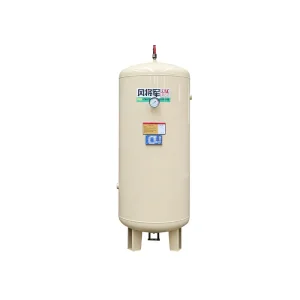
Finland is home to some of the world's most advanced heavy industrial sectors, including forestry and forest products (pulp, paper, and timber packaging), high-precision mechanical engineering, metallurgical refineries, and specialized chemical production plants. In these industries, pneumatic systems must run smoothly under demanding continuous operating cycles. Compressed air is considered the "fourth utility," making the reliability of pressure storage systems essential.
Due to Finland's challenging Nordic winters, where ambient temperatures regularly drop below -30°C and even -40°C in northern areas like Lapland, standard air storage tanks face serious mechanical issues. Low temperatures cause carbon steel to lose its toughness and become brittle. Without proper design, pressure vessels can experience catastrophic failure under cyclic stress. We address this issue by using low-temperature impact tested steel grades (such as P355NL2 or 316L stainless steel) and robust internal coatings that protect against corrosion and prevent stress concentration points.
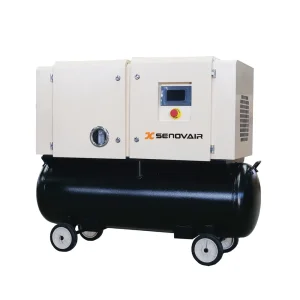
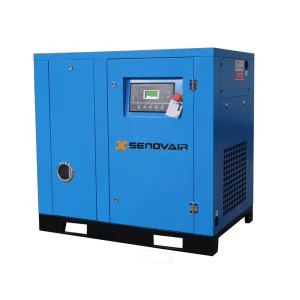
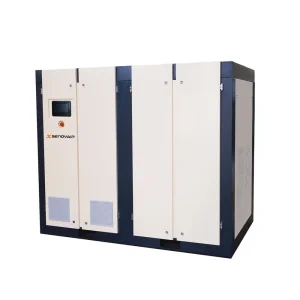
Around the world, industrial manufacturers are shifting toward carbon-neutral production. High-efficiency screw compressors paired with permanent magnet variable speed drives (PM VSD) are replacing inefficient fixed-speed setups. However, the compressor is only as efficient as its storage system. An undersized or poor-quality air storage tank causes rapid motor cycling, leading to thermal stress, high energy consumption, and unstable pressure across the distribution loop.
Modern air storage tanks serve a dual purpose: stabilizing system pressure during peak flow demands and pre-cooling compressed air. This pre-cooling helps drop moisture out of suspension before it reaches downstream dryers and filtration systems, significantly reducing the energy load on refrigerated and desiccant air dryers.
Designing according to international standards for safety, durability, and pressure vessel engineering
Every pressure vessel imported and operated in Finland must strictly adhere to the European Union's Pressure Equipment Directive (PED 2014/68/EU). Our air receiver tanks are designed, fabricated, and tested in accordance with harmonized standards, primarily EN 13445 (Unfired pressure vessels). This ensures that the weld quality, wall thicknesses, and hydrostatic tests meet the requirements of local regulators, such as TUKES (the Finnish Safety and Chemicals Agency).
We supply complete documentation packages for all units shipped to Finland. These packages include CE certificates, hydrostatic test reports, NDT (Non-Destructive Testing) weld inspection reports, and calculations for structural stability under seismic and wind loads if requested.
Compressed air contains moisture that condenses when cooled. When cold air enters the tank, water droplets pool at the bottom. This process makes the tank highly vulnerable to internal corrosion, which can weaken the steel walls over time.
To prevent this, our air storage tanks feature high-grade internal epoxy coatings or hot-dip galvanized finishes. These options provide outstanding protection against rust and chemicals, extending the service life of our tanks to over 20 years. In addition, we equip our tanks with zero-loss automatic condensate drains. These drains ensure that water is discharged without wasting pressurized air, helping keep your system highly efficient.
| Steel Grade Spec | Yield Strength (Min MPa) | Low-Temp Impact Toughness | Recommended Nordic Application |
|---|---|---|---|
| P265GH (EN 10028-2) | 265 MPa | Good down to -20°C | Standard indoor industrial compressor plant rooms in Helsinki/Tampere. |
| P355NL2 (EN 10028-3) | 355 MPa | High toughness down to -50°C | Outdoor installations, mining, and offshore shipyards in Northern Finland. |
| 316L Stainless Steel (EN 1.4404) | 220 MPa | Excellent down to cryogenic levels | Food processing, pharmaceutical cleanrooms, and chemical plants in Porvoo. |
Tailoring pneumatic systems to match the operational and structural requirements of local industries.
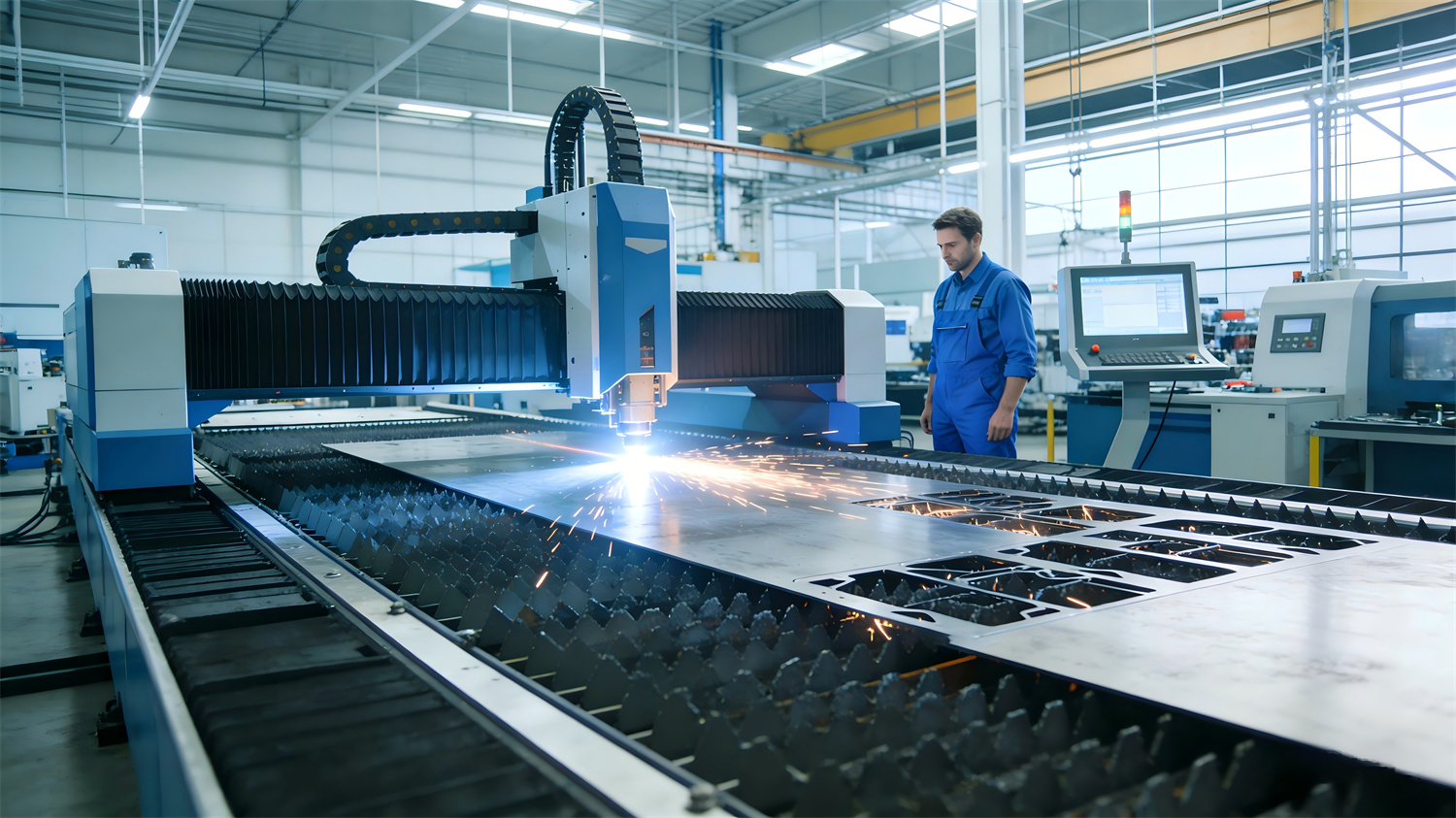
High-power fiber laser cutters require extremely clean, dry, and stable compressed air. Pressure drops can ruin delicate cuts and damage optical heads. Our air tanks store high-pressure air and supply it smoothly to the laser system. This process protects the optics and helps achieve clean, burr-free cuts.
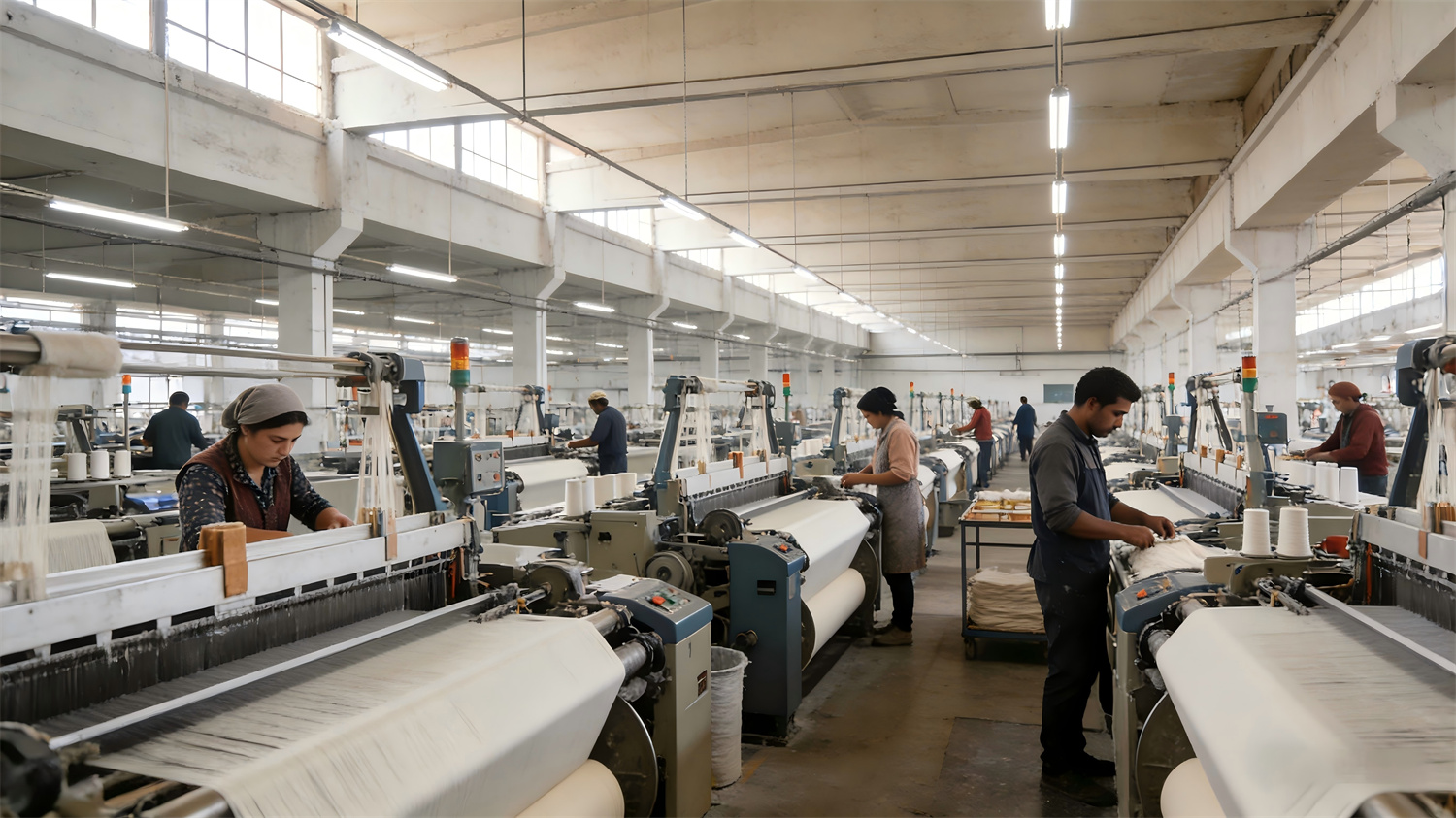
Modern textile plants use pneumatic looms that consume large volumes of air in rapid bursts. Our storage tanks serve as critical accumulators, preventing pressure drops in the system. This steady air supply keeps the looms running smoothly, reduces yarn breakage, and maintains high fabric quality.
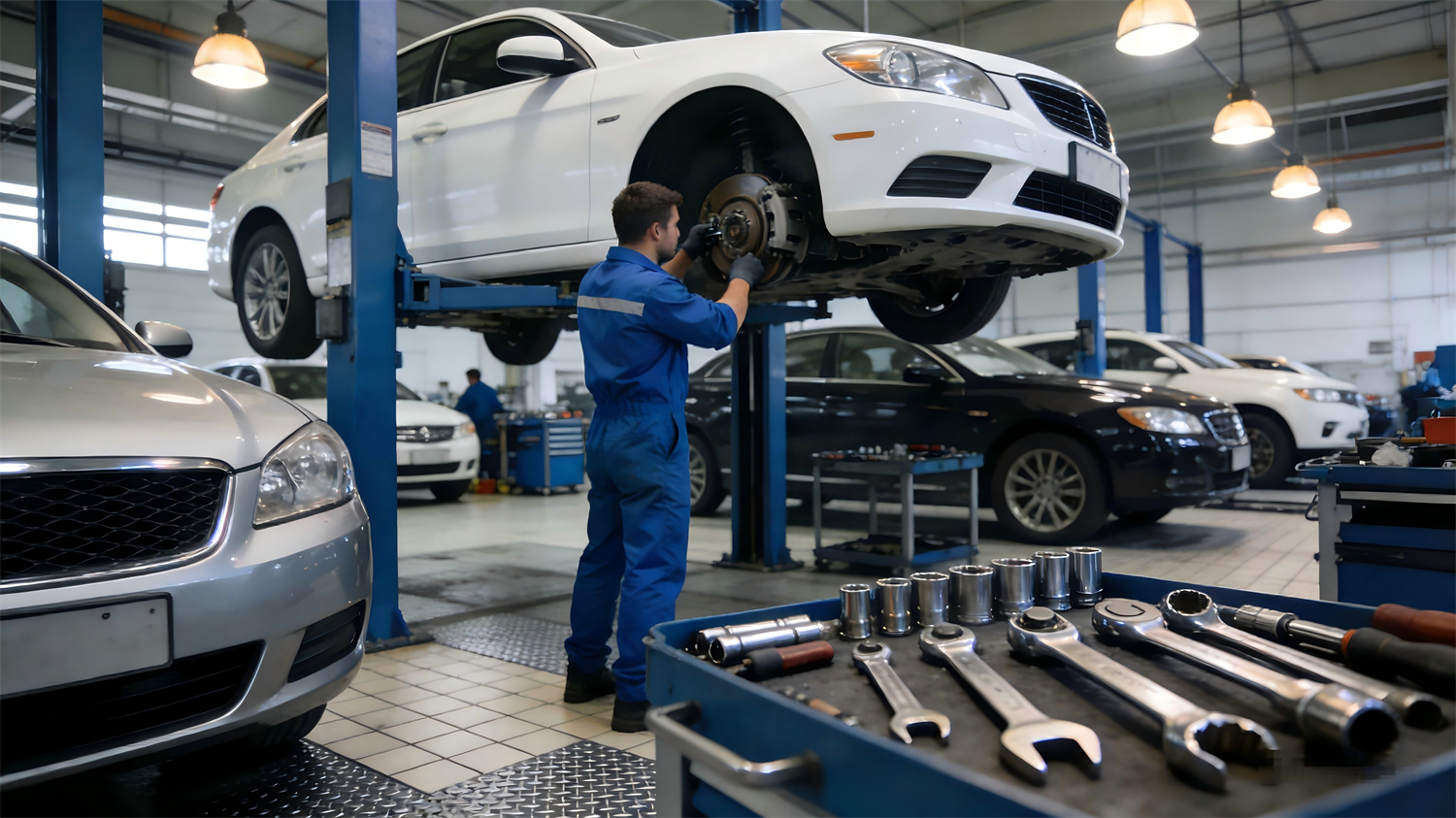
Automobile assembly lines and body shops rely on air tanks to supply pneumatic tools, robotic welding arms, and paint spraying systems. Storing high-quality air at stable pressures ensures paint coats are applied evenly and fasteners are tightened with precise torque control.
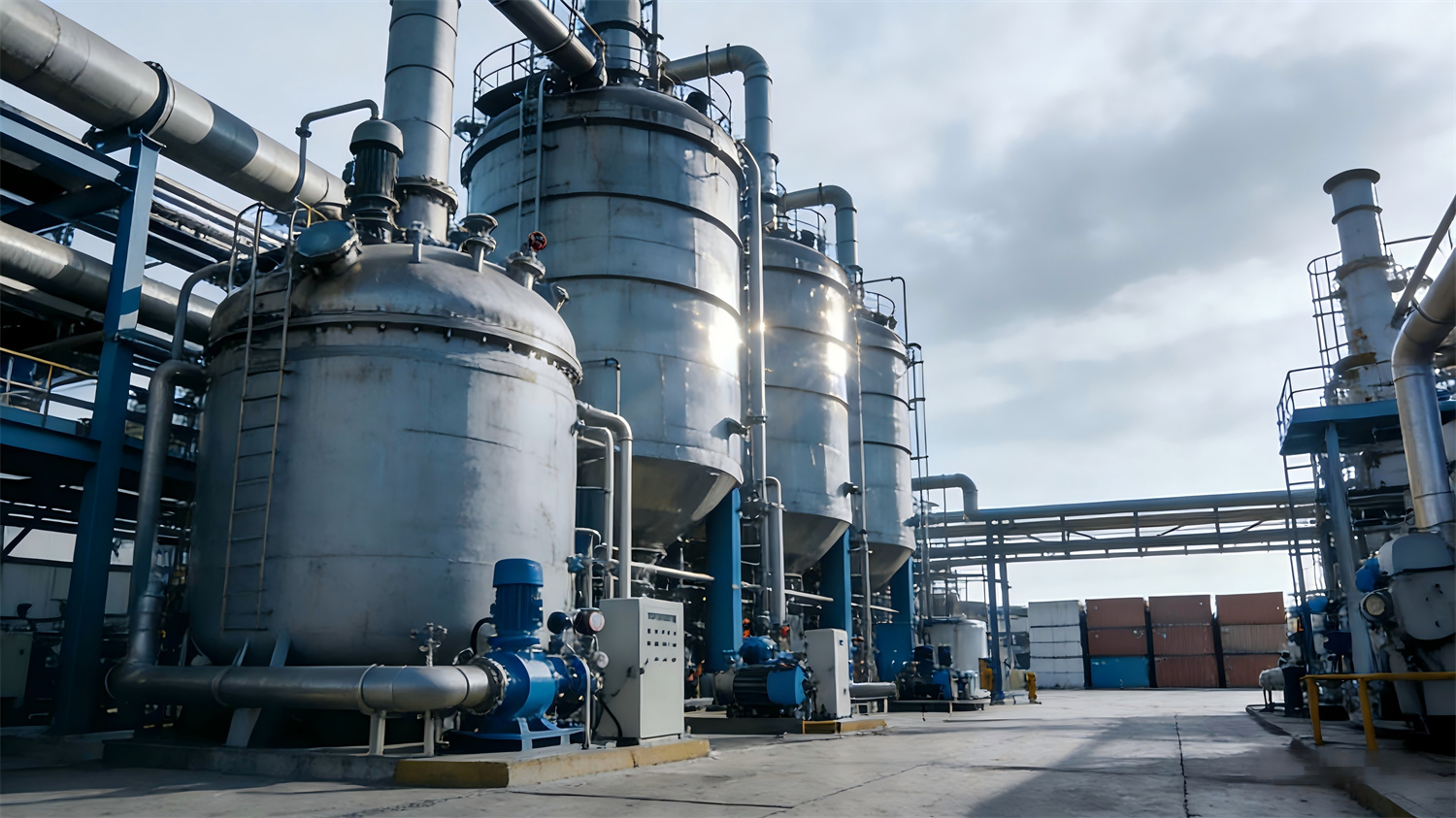
Chemical processing requires highly reliable and corrosion-resistant air distribution. We provide stainless steel tanks that resist harsh chemical fumes and acids, ensuring clean control air for valves, actuators, and mixers in demanding environments.
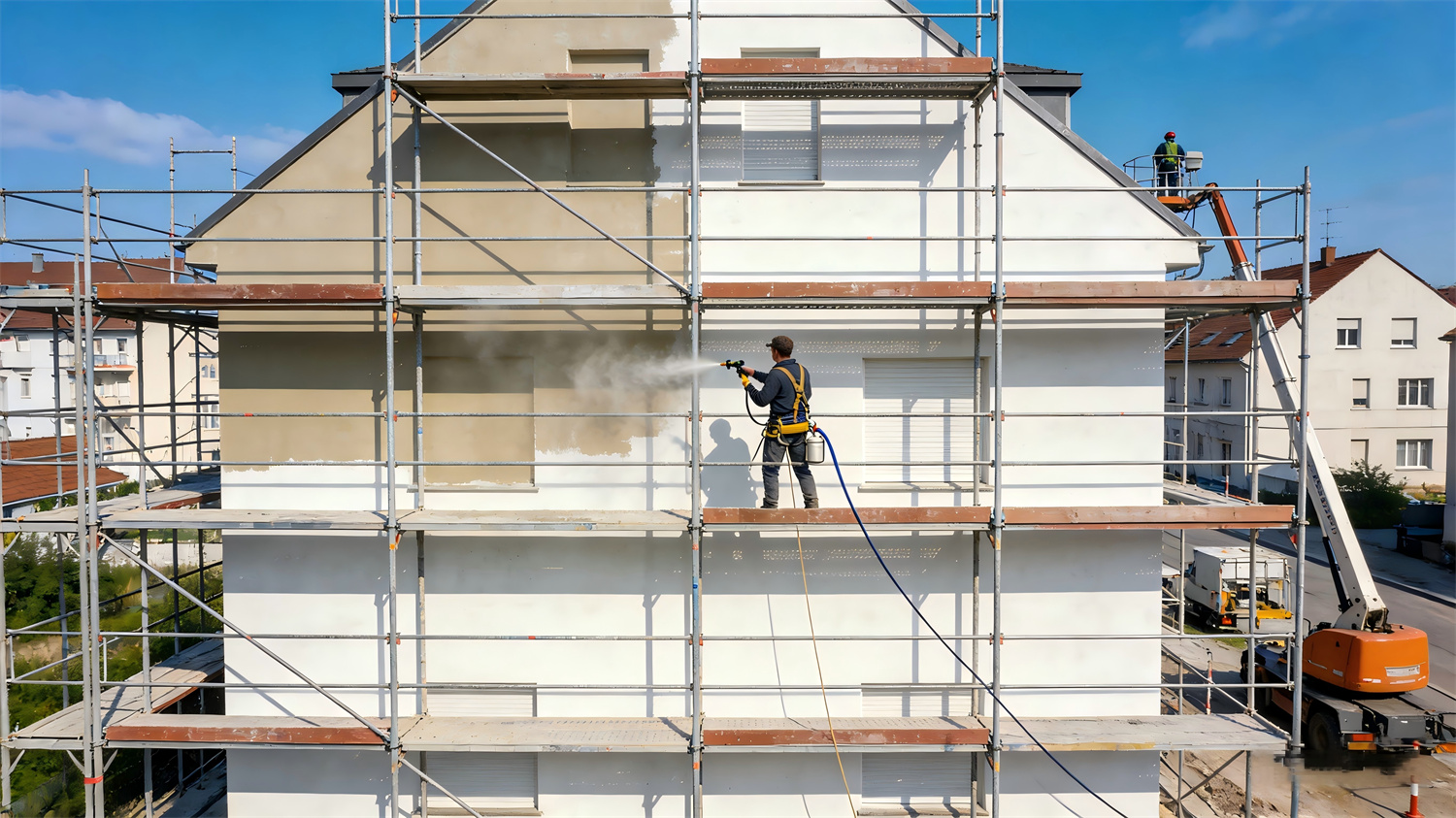
For construction sites, roadbuilding, and tunnel projects, we offer heavy-duty mobile air compressors paired with rugged air storage tanks. These mobile systems are built to withstand dust, vibration, and low temperatures while supplying constant air flow to pneumatic breakers and concrete sprayers.
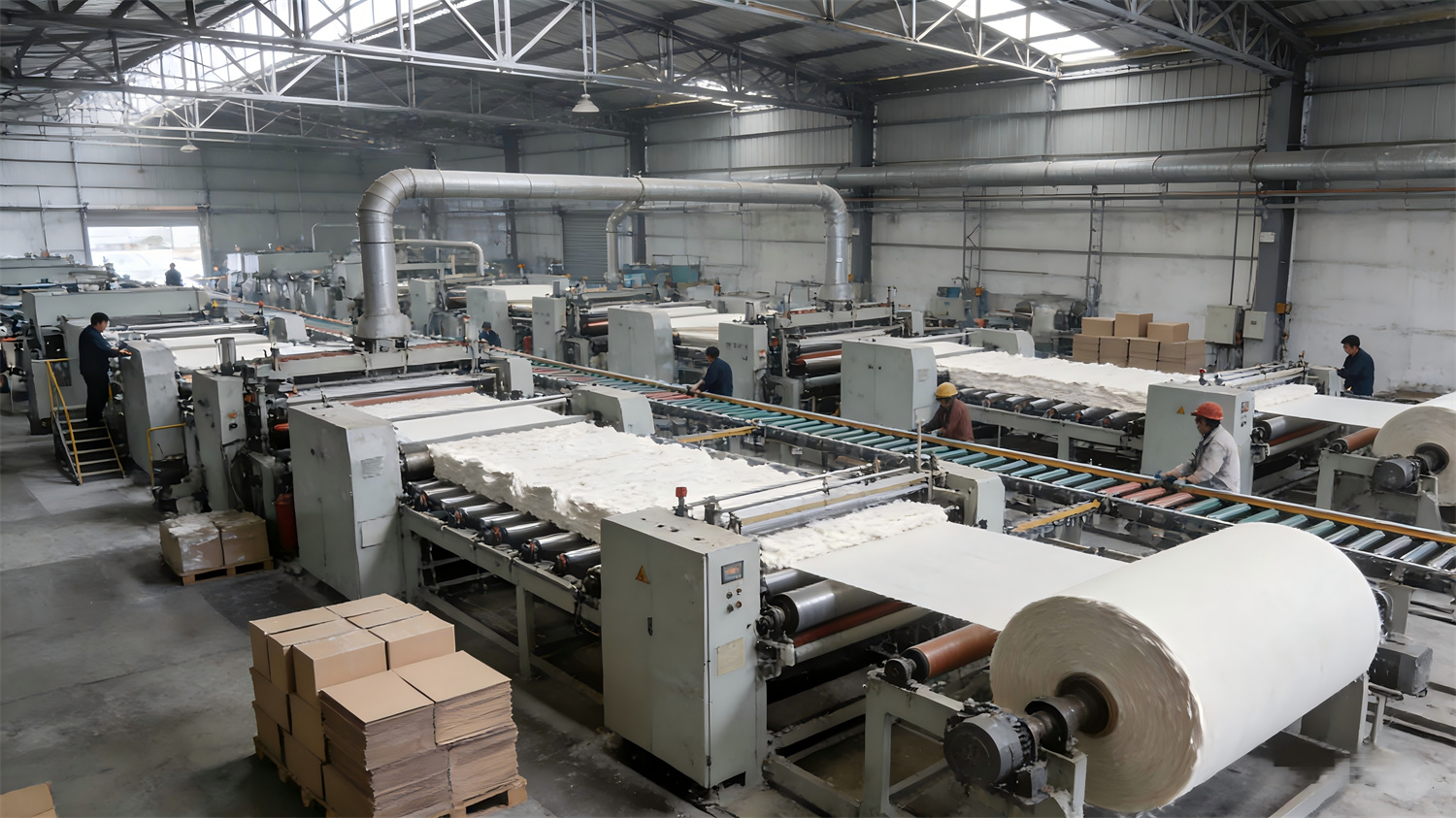
Pulp and paper mills are highly demanding, continuous manufacturing environments. Our large-capacity air storage tanks help manage the heavy air demands of drying systems and calender rollers. Their robust design reduces wear on air compressors and supports stable, round-the-clock production.
Explore our diverse catalog of high-efficiency machinery certified for export to Finland.
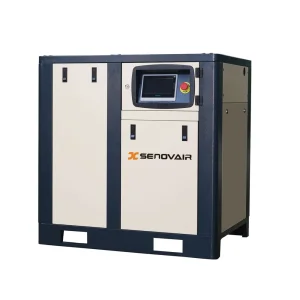
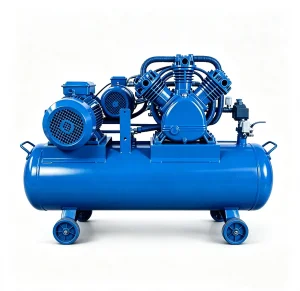
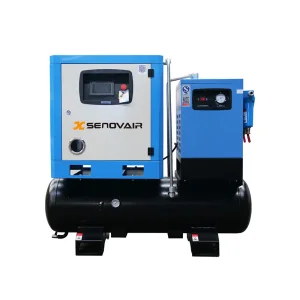
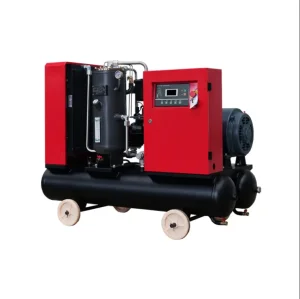
A brief guide to optimizing storage capacity, reducing system pressure drops, and minimizing energy costs.
Properly sizing an air receiver tank requires calculating your system's peak demand times. The general formula for determining storage volume is:
V = (Q × C × P1) / (P1 - P2)
Variable Speed Drive (VSD) compressors adjust their motor speed to match air demand, which helps save energy. However, VSD systems still need proper air storage to work effectively.
An undersized receiver tank forces VSD compressors to ramp up and down too quickly. This rapid speed adjustment can lead to unstable system pressure, increased wear on components, and higher energy use. Installing a properly sized air storage tank gives the VSD system time to adjust smoothly. This buffer keeps pressure stable across the plant and allows the compressor to run at its most efficient speed.
Established in 2005, serving international markets with durable and certified engineering solutions.
Smart Air Machinery (Linyi) Co., Ltd. is an established manufacturer specializing in the research, development, and production of air compressor systems and pressure storage equipment. Based in Linyi, a major logistics hub in China, we leverage advanced manufacturing facilities, a skilled R&D team, and rigorous quality testing protocols to build reliable products.
Over the past 20 years, we have continuously improved our designs and expanded our manufacturing capabilities. Today, we supply custom screw air compressors, piston compressors, and PED-certified air storage tanks to clients in more than 20 countries. We are committed to building long-term partnerships by providing high-quality products and attentive technical support.
Our commitment to quality has been recognized with honors including "China Famous Brand," "Green and Environmentally Friendly Products," "High-Tech Enterprise," and "3A Credit Enterprise," alongside ISO9001 and CE pressure vessel certifications.
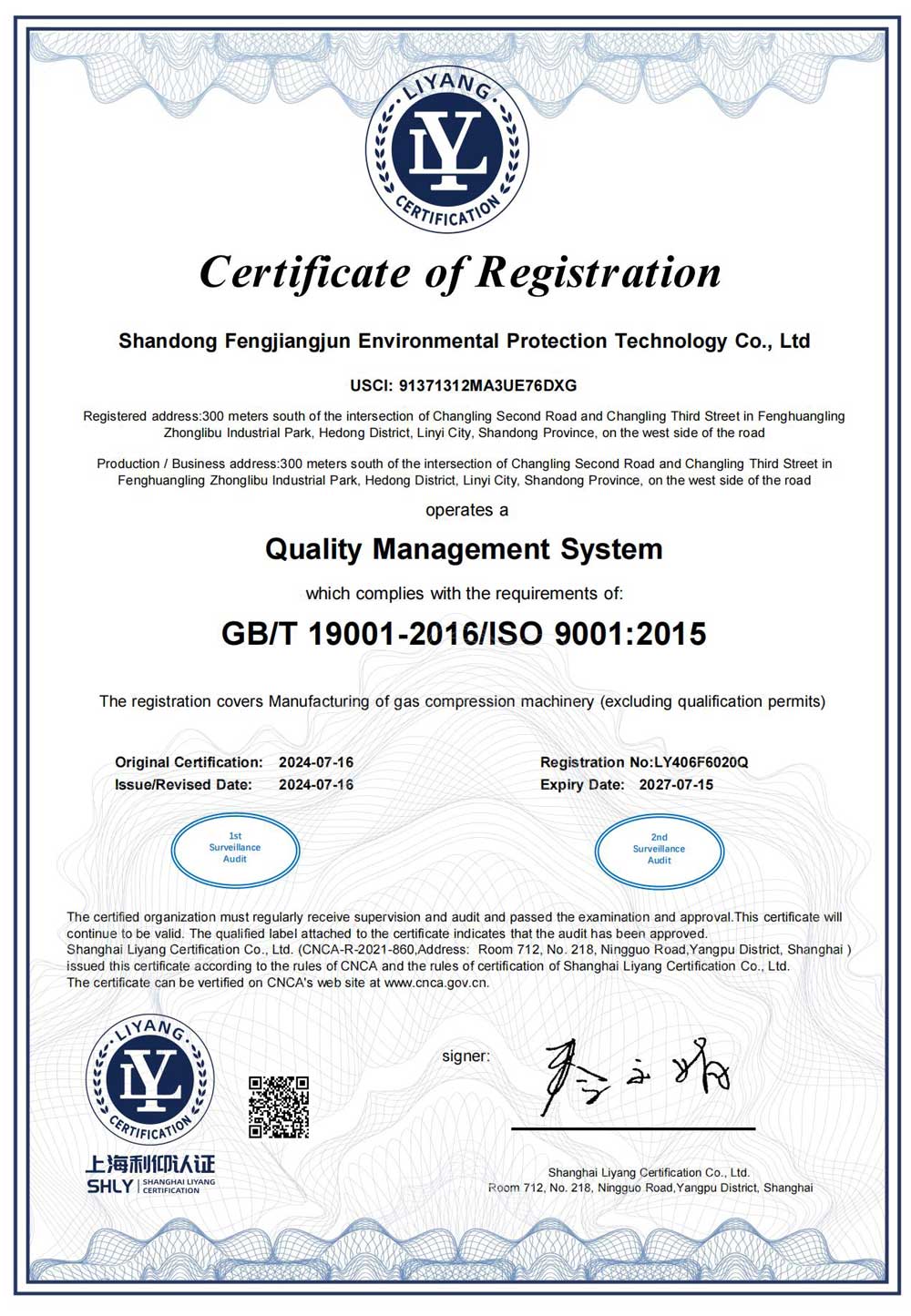
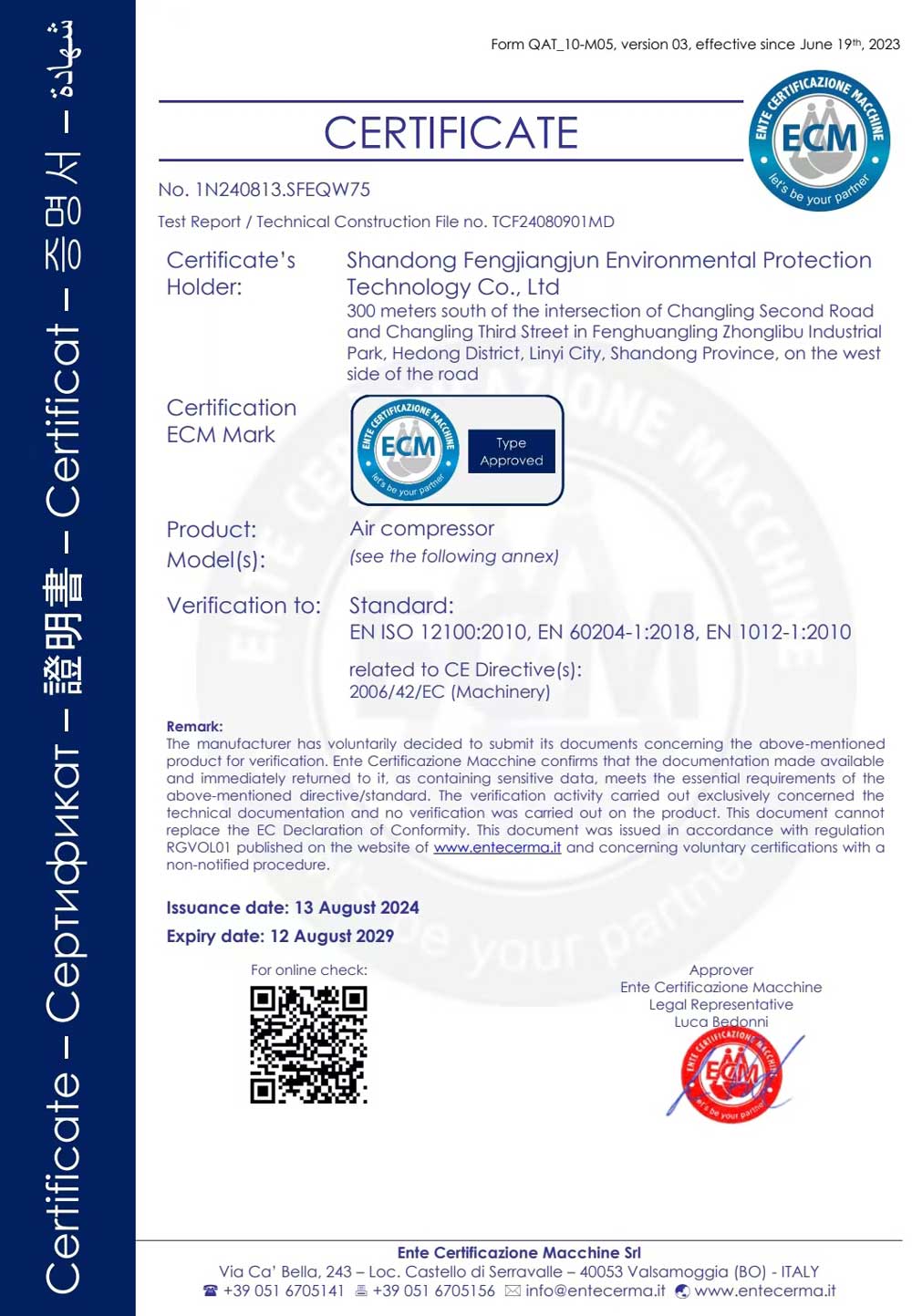
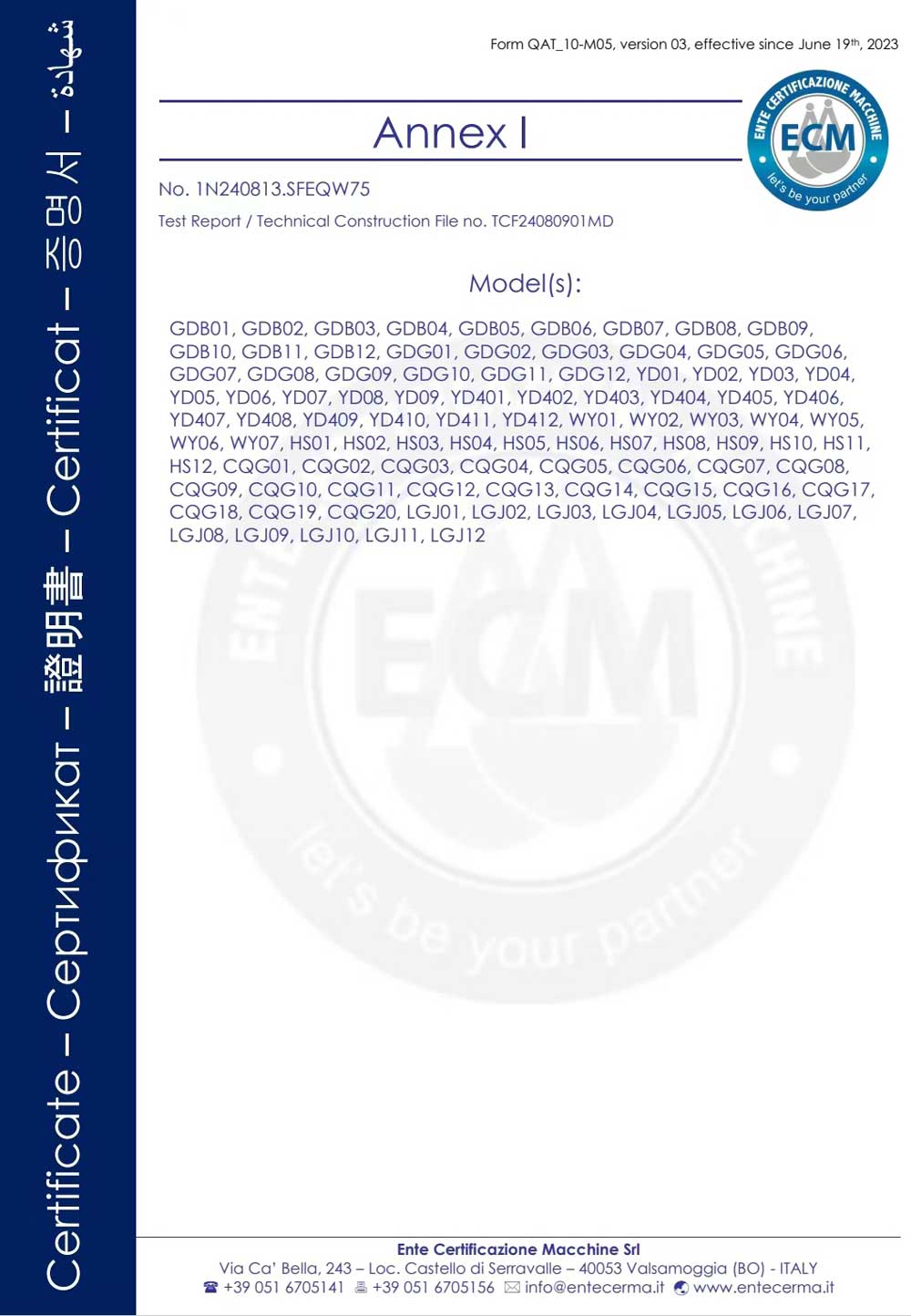
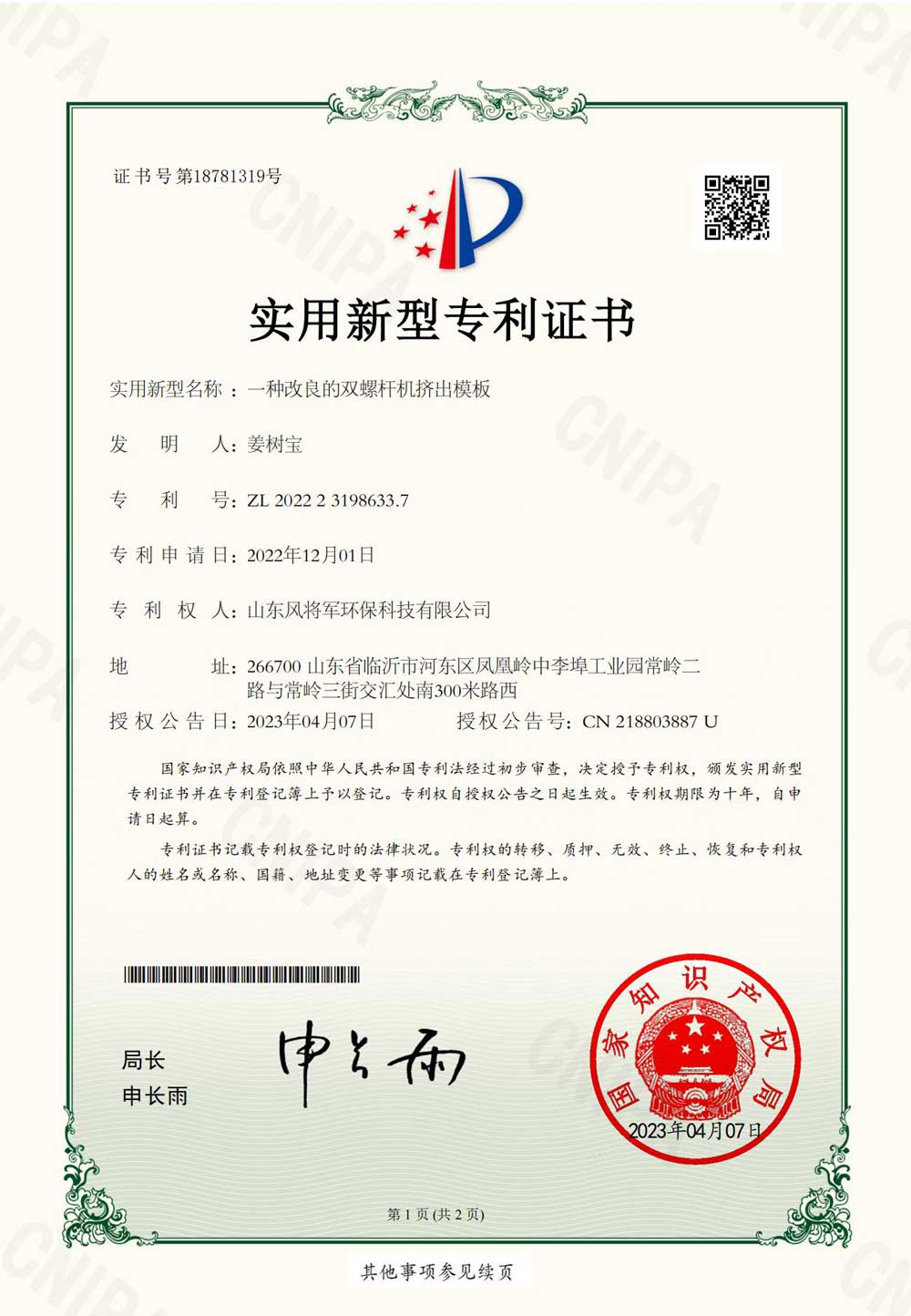
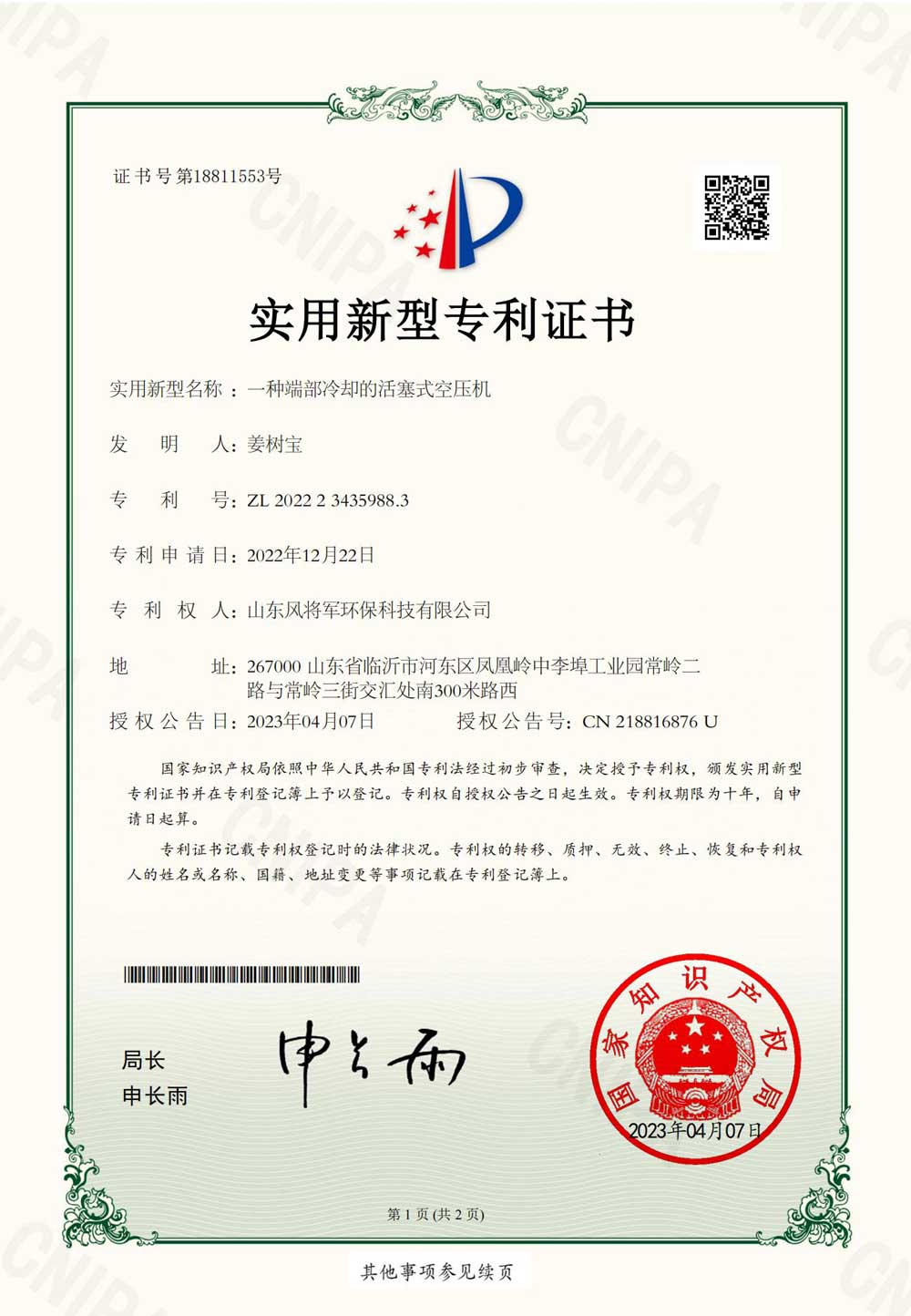
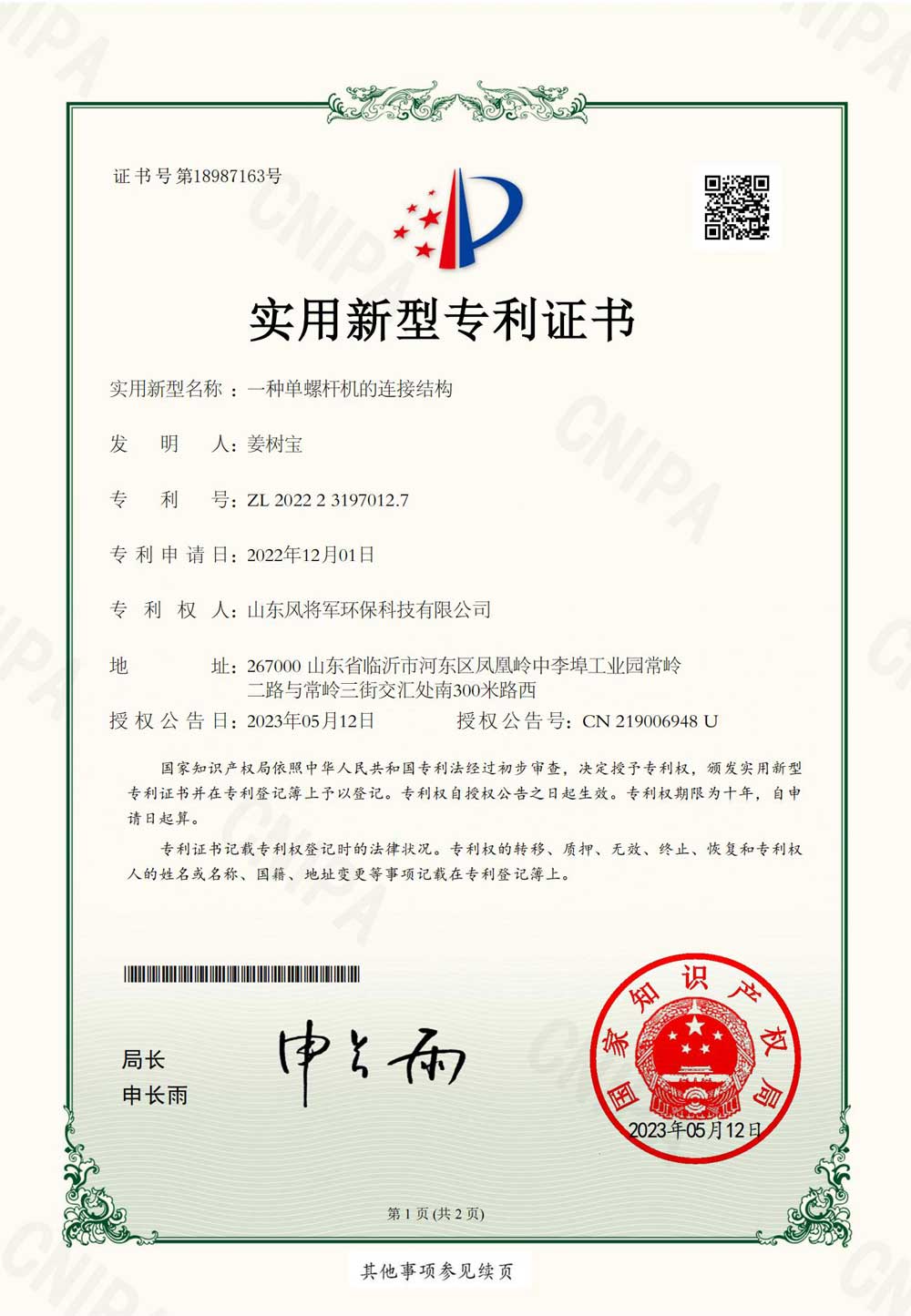
* We maintain a complete quality documentation file for every certified pressure vessel shipped to Europe.
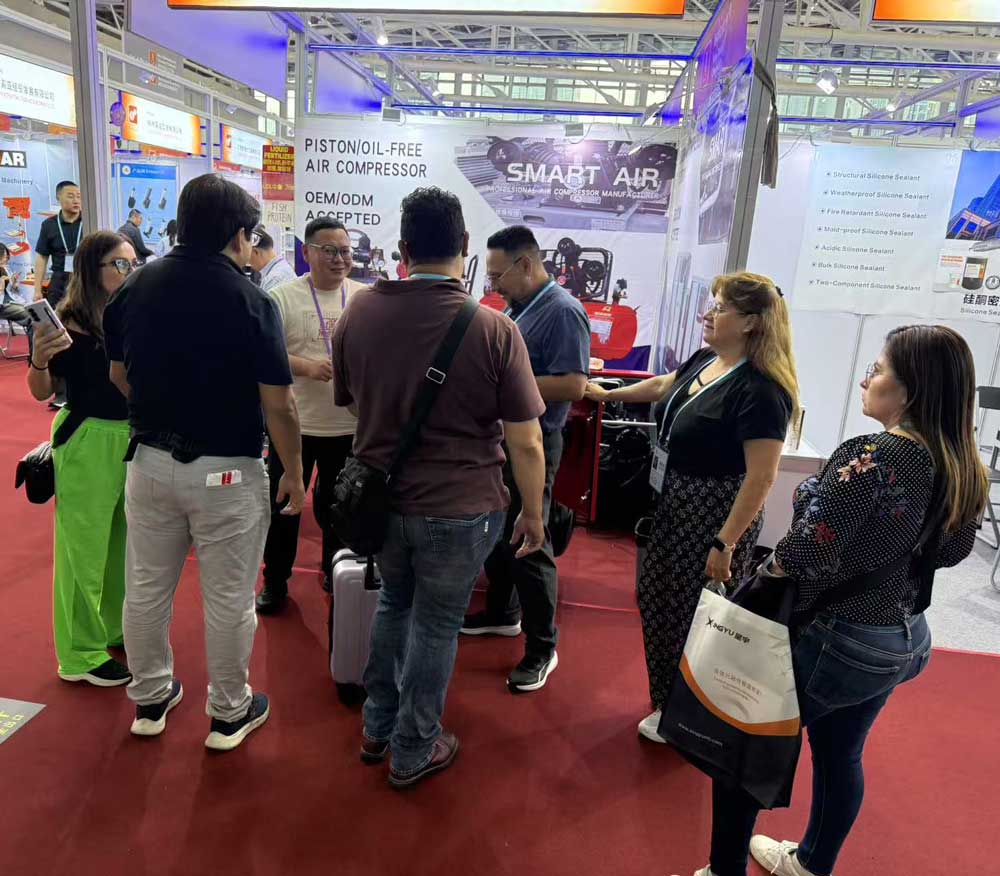
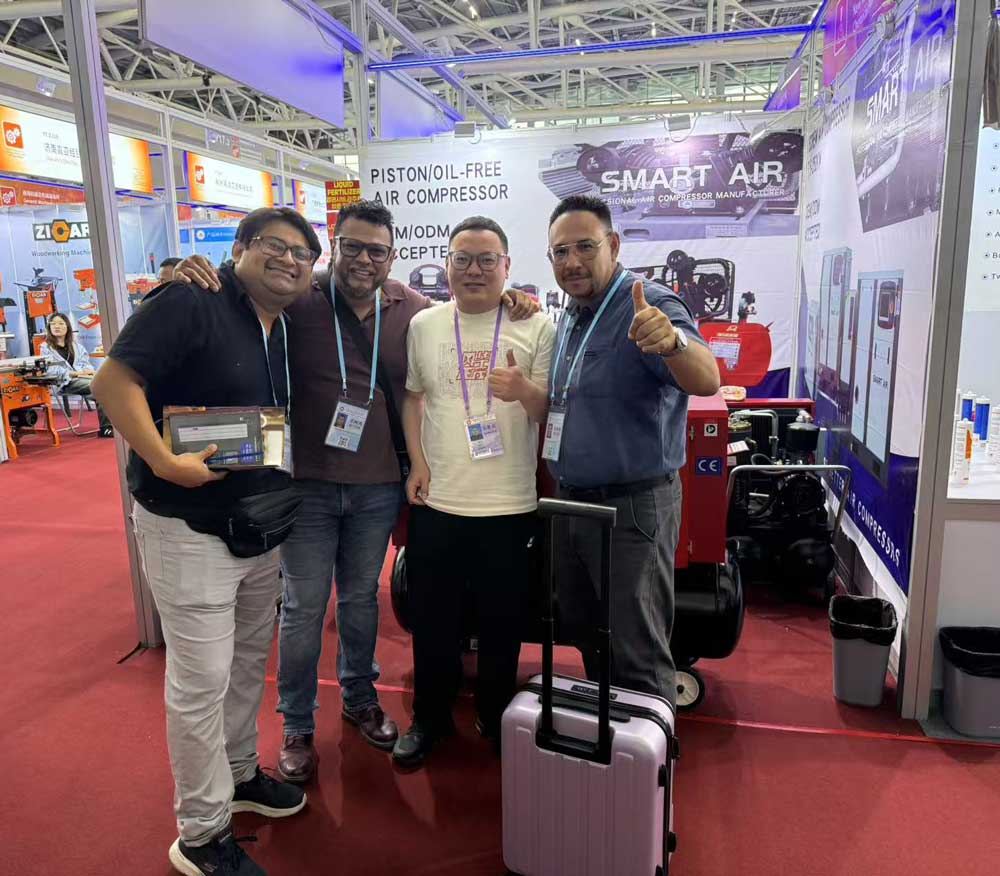
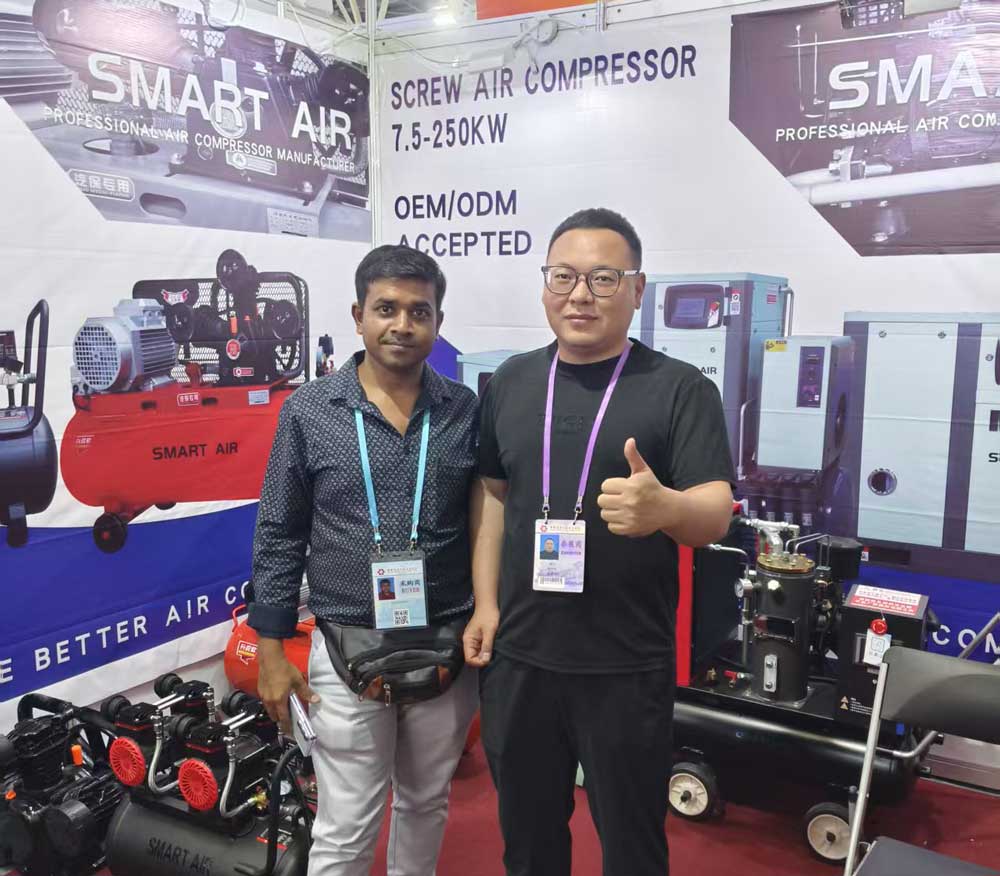
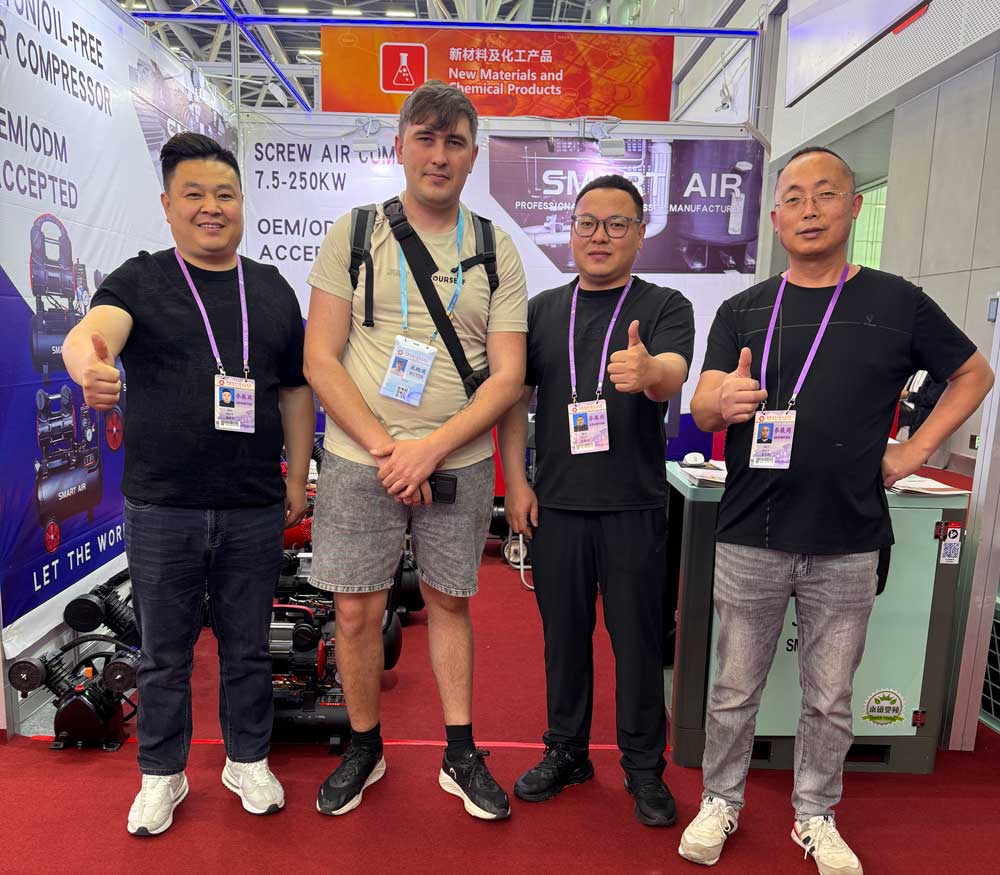
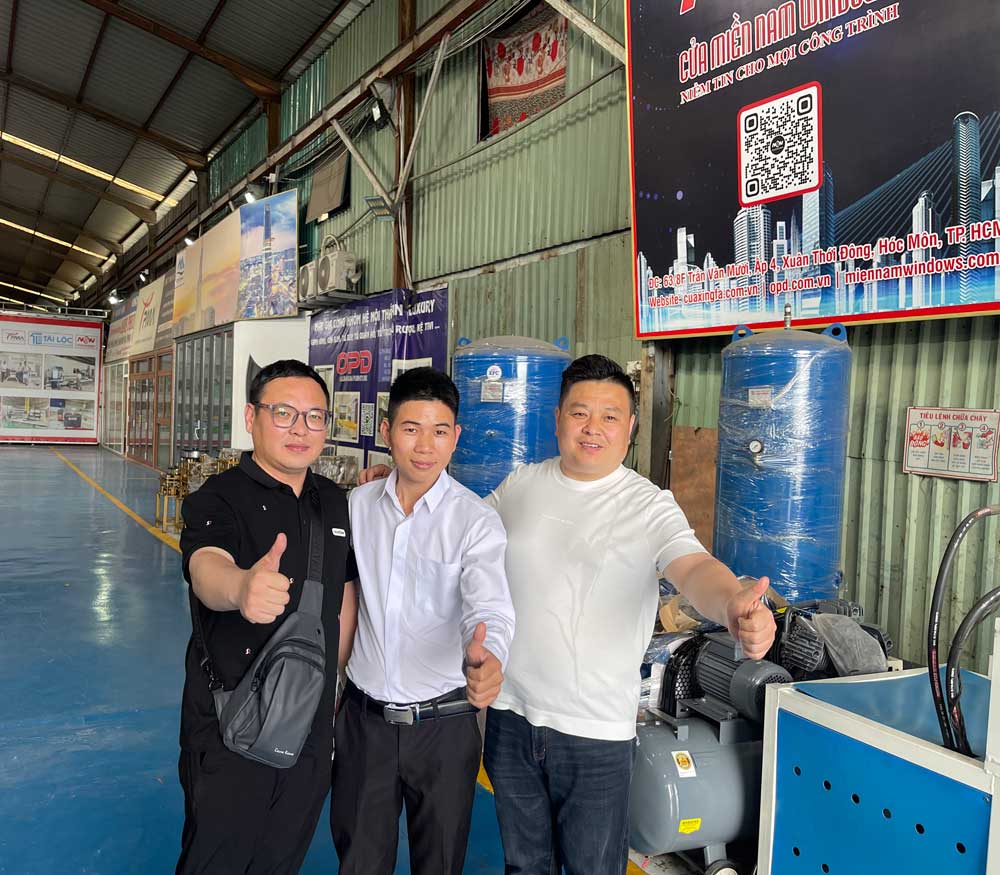
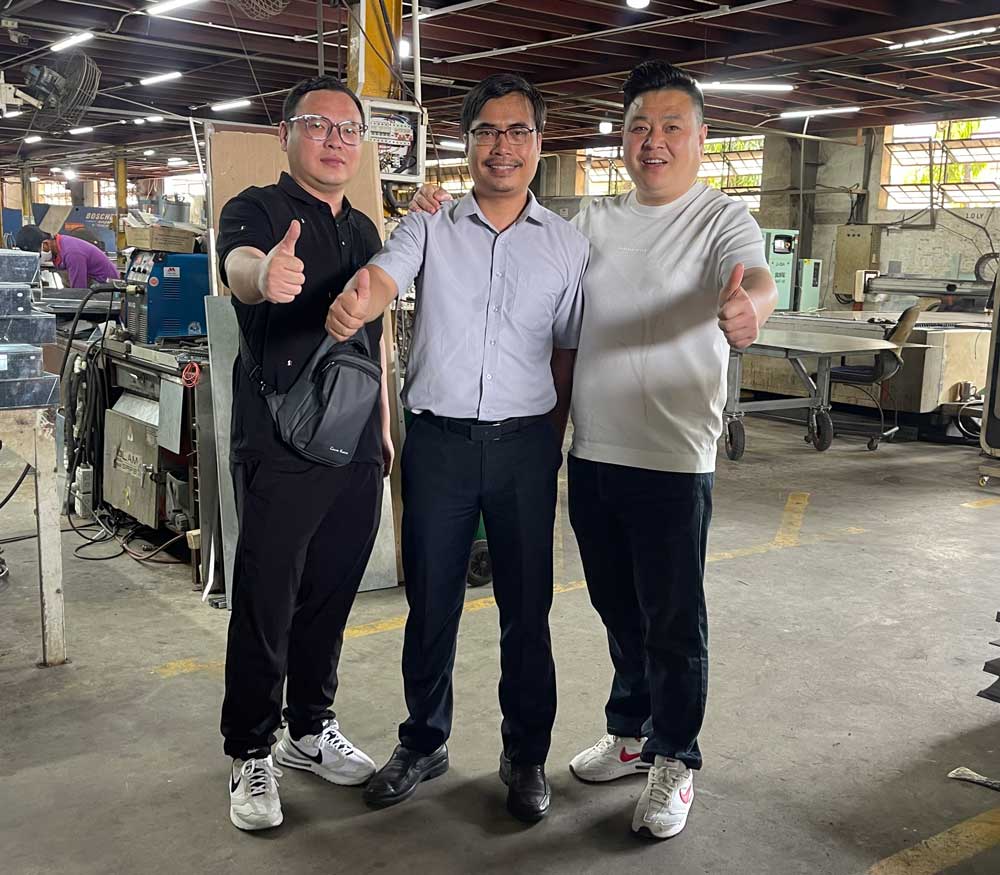
We actively participate in international industrial trade fairs, demonstrating our commitment to quality, product development, and customer cooperation. We have built strong partnerships in countries including Finland, the USA, Canada, Russia, Dubai, India, and Australia.
How smart monitoring and advanced coatings are changing the landscape of industrial pressure vessel systems.
We are developing next-generation pressure vessels equipped with digital pressure transducers and temperature sensors. These sensors connect directly to your plant's SCADA system, allowing you to monitor pressure spikes, ambient temperature changes, and condensate accumulation in real time. This proactive data helps prevent downtime and simplifies scheduling preventative maintenance.
For outdoor installations in cold climates, our tanks can be configured with automated electrical heat-tracing lines and heavy insulation wrap. This system keeps the tank's drain valve from freezing and prevents ice buildup, ensuring reliable condensate drainage even in the middle of a Nordic winter.
We are continuously testing new internal polymer coatings that provide superior chemical resistance. These high-integrity liners are designed to protect the tank walls from corrosive fluids and acidic condensate, extending the life of your air storage system in demanding marine or chemical environments.
Get detailed technical answers regarding pressure vessel selection, compliance, and operation in Finland.
Yes. Every pressure vessel we ship to Finland is designed and manufactured to meet the PED 2014/68/EU standards. We use certified steel plates, employ certified welding technicians, and perform standard hydrostatic tests. Each tank is supplied with a CE mark and a comprehensive documentation package for local regulatory approval.
For outdoor installations in cold northern regions, we recommend using P355NL2 steel. This grade is normalized and tested for low-temperature impact toughness down to -50°C, helping prevent brittle fractures during extreme winter weather. For indoor setups, P265GH steel is generally sufficient.
We recommend installing an automatic condensate drain to remove moisture continuously. For manual systems, the tank should be drained daily to prevent water pooling and corrosion. You should also follow local safety guidelines (such as TUKES standards) for periodic visual inspections and hydrostatic tests.
Yes. We specialize in custom manufacturing. We can build horizontal or vertical vessels with custom nozzle sizes, pressure ranges up to 40 bar or higher, and specific paint schemes to match your industrial requirements. Please contact our engineering team to discuss your drawings and parameters.
An air receiver tank acts as a buffer during peak demand periods. This buffer allows your air compressor to run on a smoother, more efficient duty cycle rather than constantly loading and unloading. Minimizing motor starts helps reduce wear on key components, lowers power spikes, and cuts energy bills.
Get in touch with our technical sales team for engineering calculations, quotation packages, and detailed product catalogs certified for the Finland industrial market.
 Smart Air