Examine our precision-engineered industrial compressors and primary auxiliary components built to supply stable air pressure matrices globally.
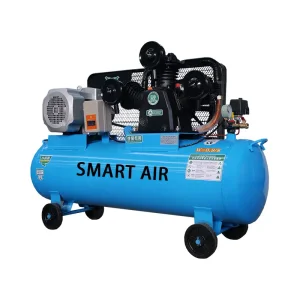
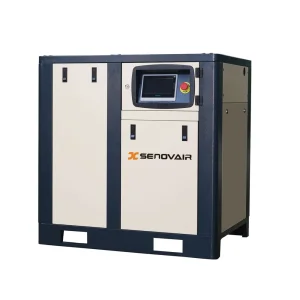
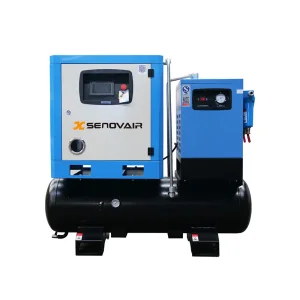
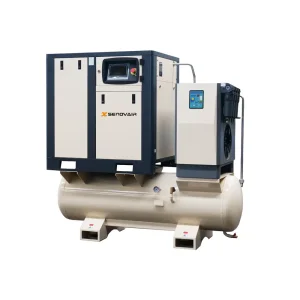
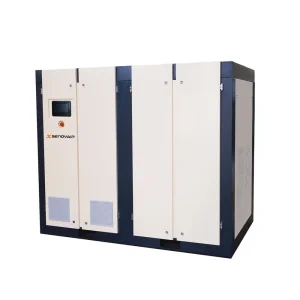
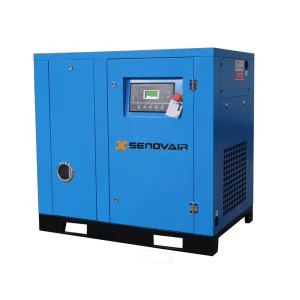
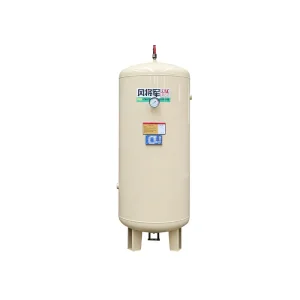
In modern manufacturing networks, compressed air functions as the "fourth utility." However, the volatility of mechanical compression creates transient energy deficits and moisture dropouts that threaten plant stability. An air receiver tank acts as a physical buffer, storing energy, suppressing pulsation, and stabilizing dynamic system pressure.
As factories transition to smart ecosystems, the integration of heavy-gauge pressure vessels is evolving. Today, the global demand is driven by the rise of high-speed laser cutting, automotive robotics, and stringent sanitation codes in food and chemical processing. As premier manufacturers, we optimize the tank configuration to reduce cycle frequency on variable speed drive (VSD) compressors, achieving up to 15% energy optimization across high-capacity operations.
All safety vessel welding processes strictly align with ASME, CE, and ISO directives to eliminate structural failures.
Minimizes mechanical wear and acoustic resonance, preserving pneumatic downstream actuator calibrations.
A deep dive into why engineering sizing, coating specifications, and condensation control dictate system performance life.
Improper sizing of an air storage tank leads to a cascading list of system faults: high cycling frequencies, excess motor heat, and severe thermal stress in the air-oil separator elements. The physical equation governing proper receiver sizing is:
V = (t * (C - C_f) * P_a) / (P_1 - P_2)
Where V represents the volume of the receiver, t is the time allowed for the pressure drop to occur, C is the peak demand load, C_f is the compressor capacity, and P_1 - P_2 is the allowable pressure variance. A premium quality air receiver behaves as a pre-cooler. As hot compressed air enters the tank bottom, it hits cooler steel walls, causing the moisture to drop out. High-grade corrosion-resistant interior epoxy coating is mandatory to prevent microscopic rust from clogging downstream sub-micron filters.
At Smart Air Machinery, our air receiver tanks are constructed from carbon steel or high-tensile stainless steel, custom-finished with electrostatic powder coatings. Our structural parameters include:
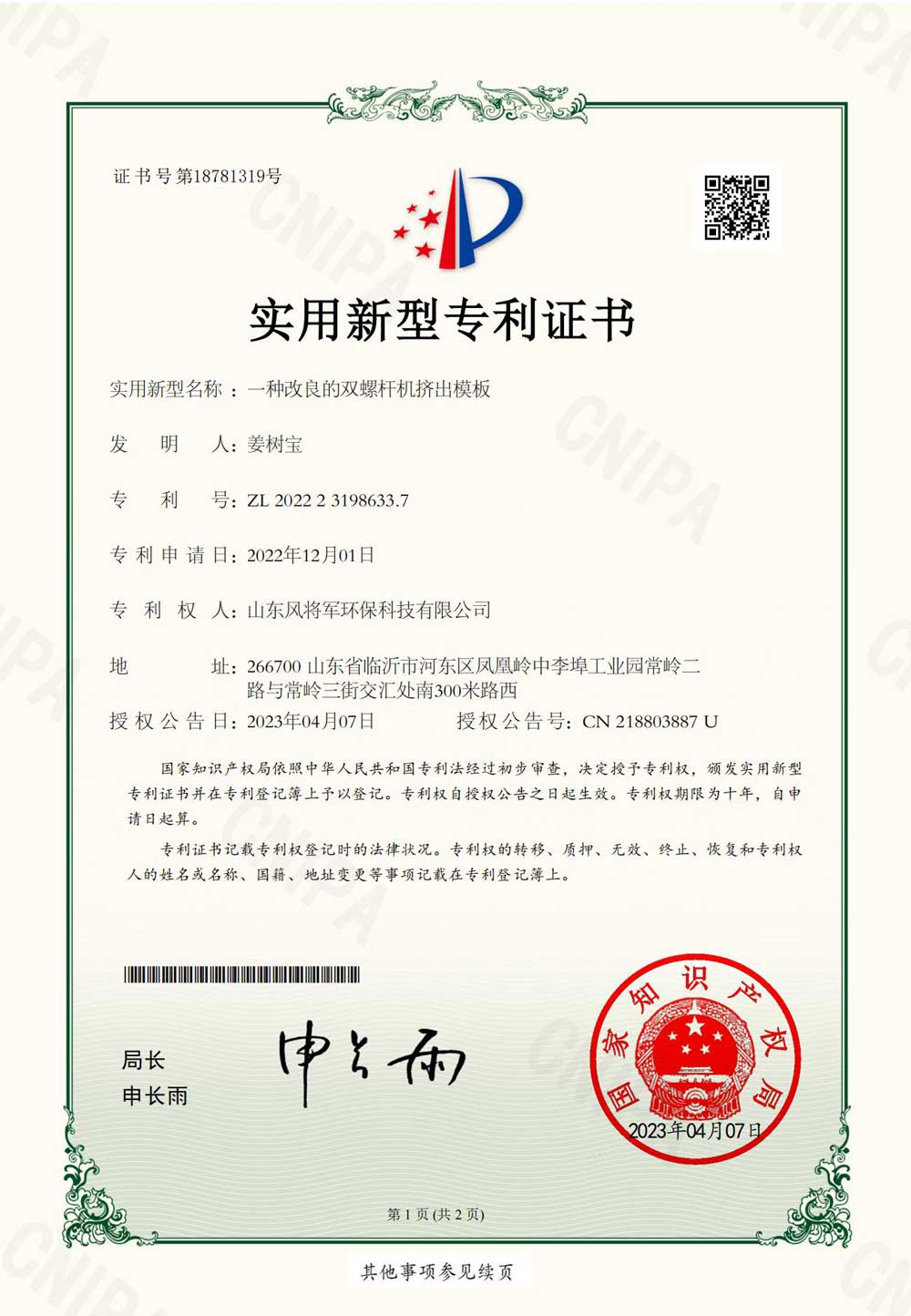
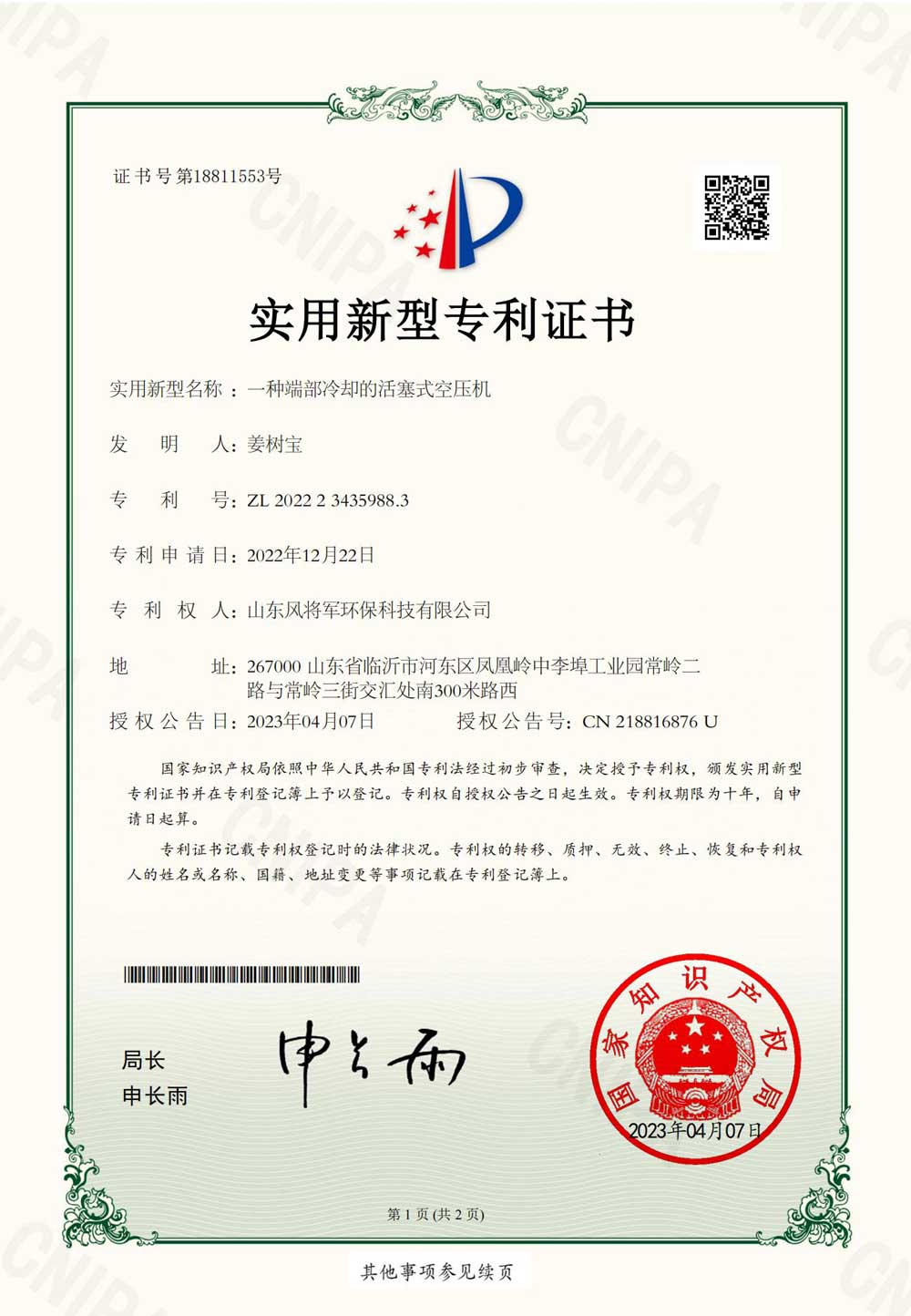
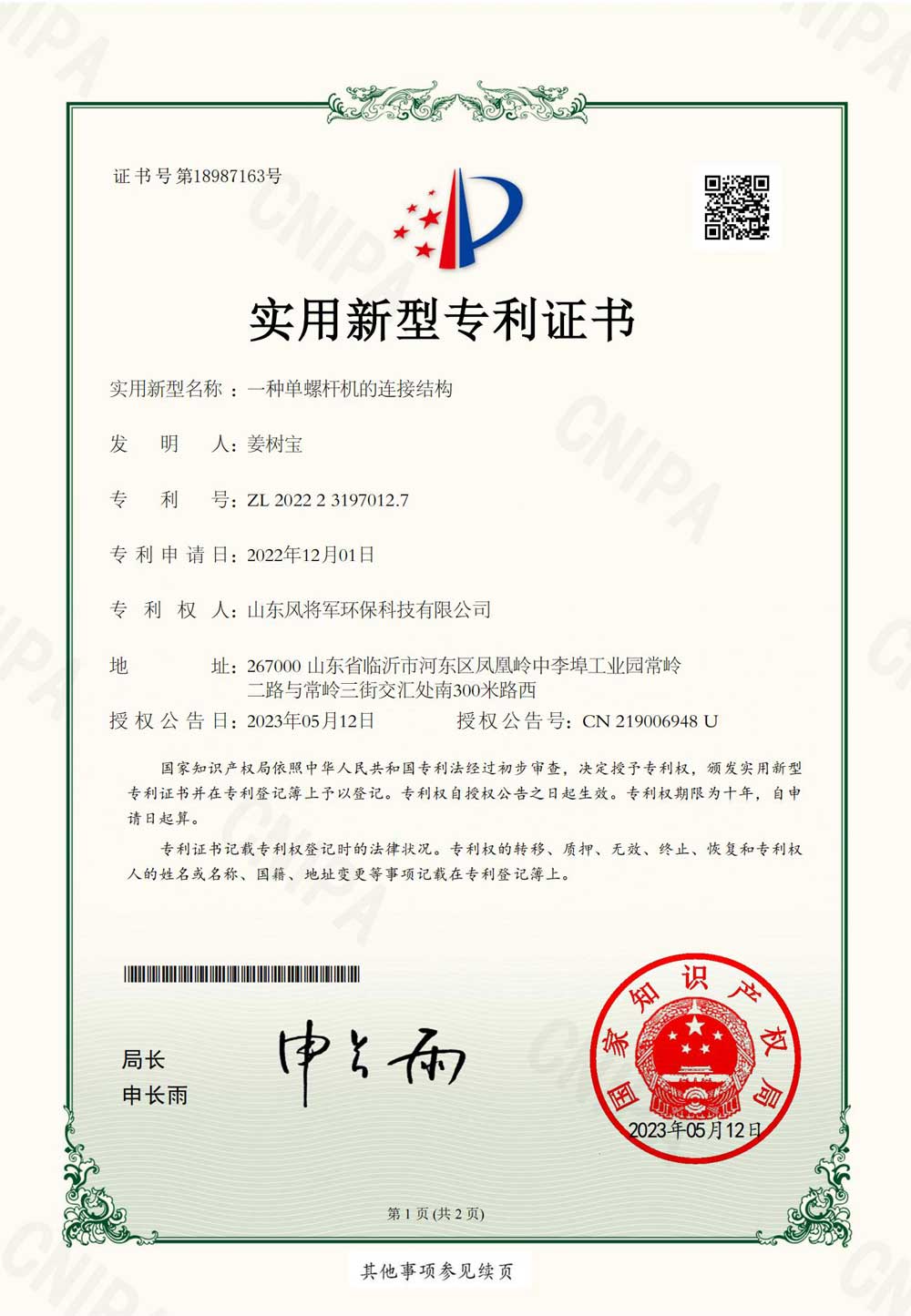
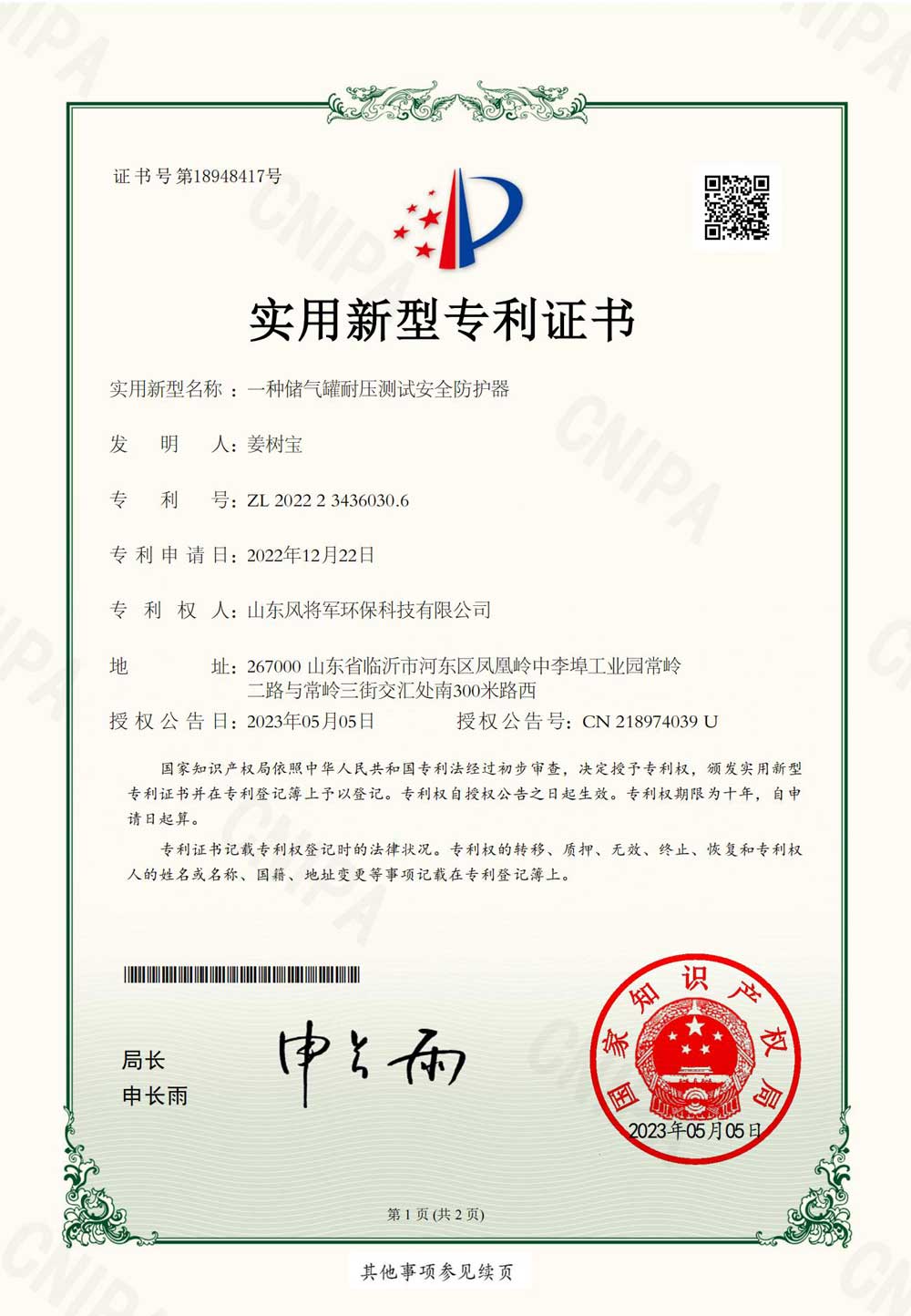
Established in 2005, Smart Air Machinery has evolved into a key player in the pressure vessel and air treatment industry. Located in Linyi, the premier logistics hub of China, our operations integrate product research, structural engineering, and global logistics execution. Over two decades, our research has yielded highly efficient piston air compressors, PM VSD screw systems, and certified air storage vessels.
Our operational philosophy is straightforward: "Quality creates reputation, reputation creates brand, and brand creates market." Through rigorous safety inspections, mechanical stress tests, and automated fabrication, we supply durable air system integrations that deliver performance under heavy, multi-shift plant operations.
We are recognized as a "High-Tech Enterprise," "3A Credit Enterprise," and our green production framework has received the "China Preferred Brand for Green and Environmentally Friendly Products" award. Our systems are actively operating in over 20 nations across North America, South America, Asia-Pacific, and the Middle East.
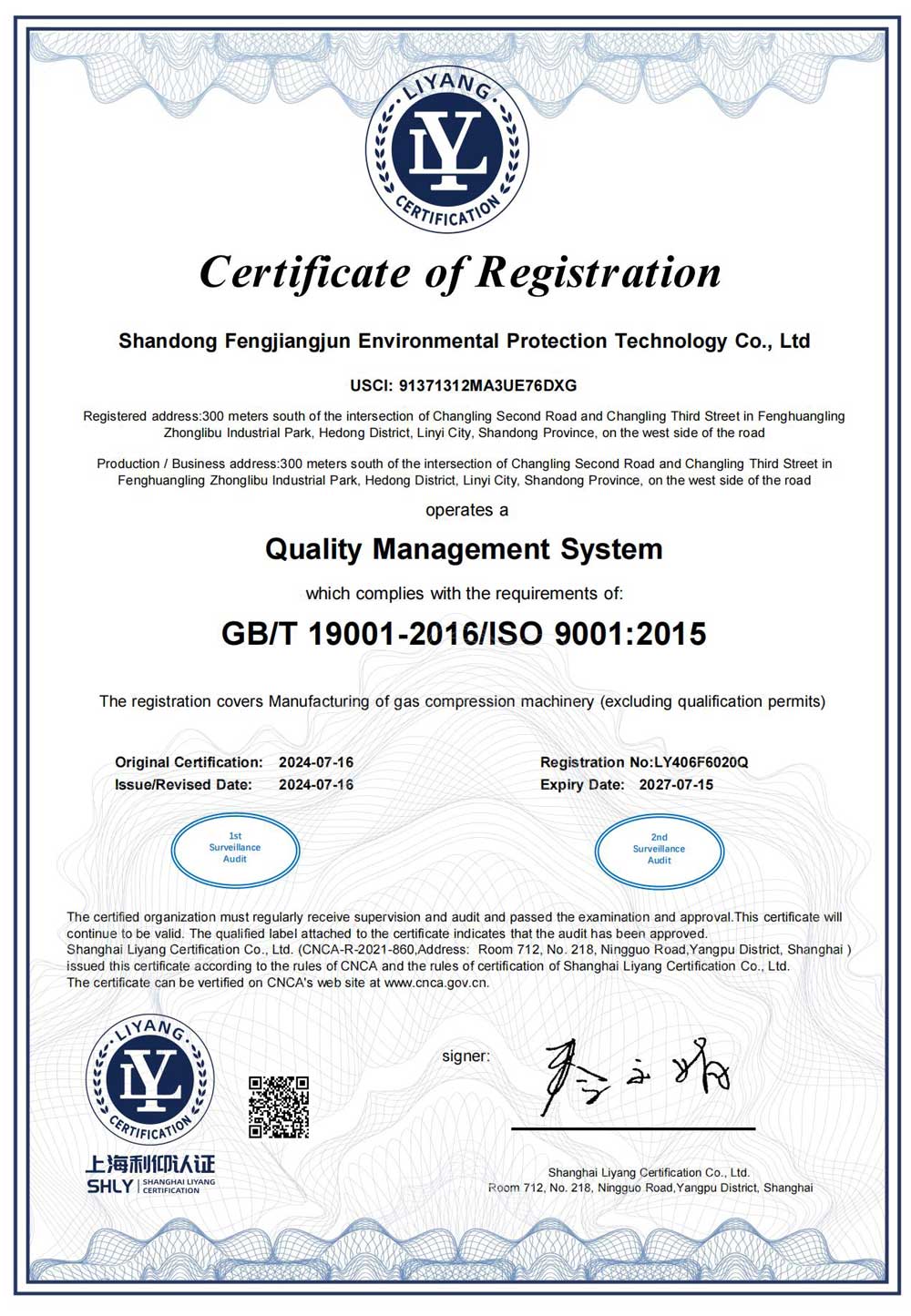
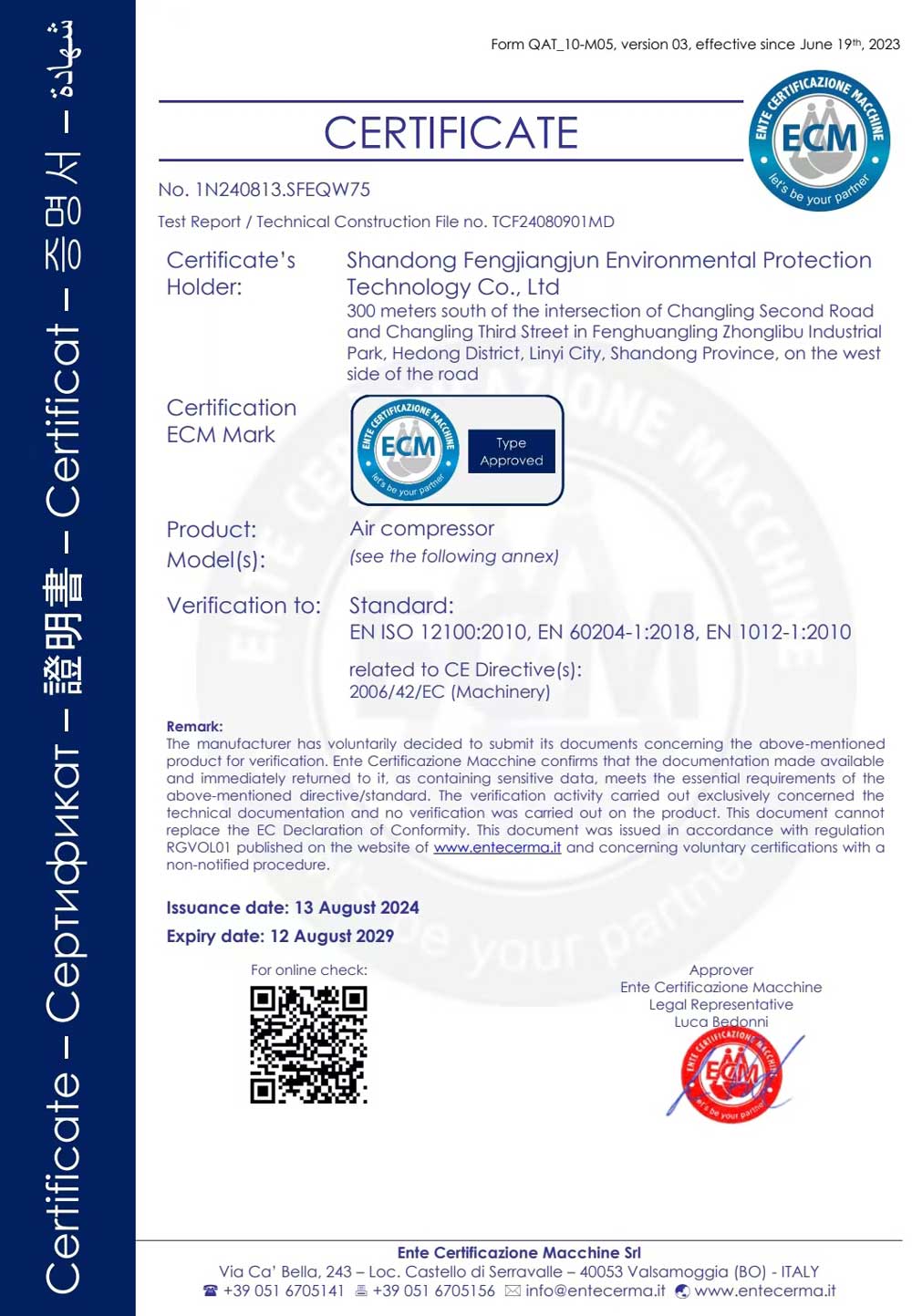

Discover how specialized receiver vessels and custom compressor systems satisfy regulatory and performance criteria in various markets.
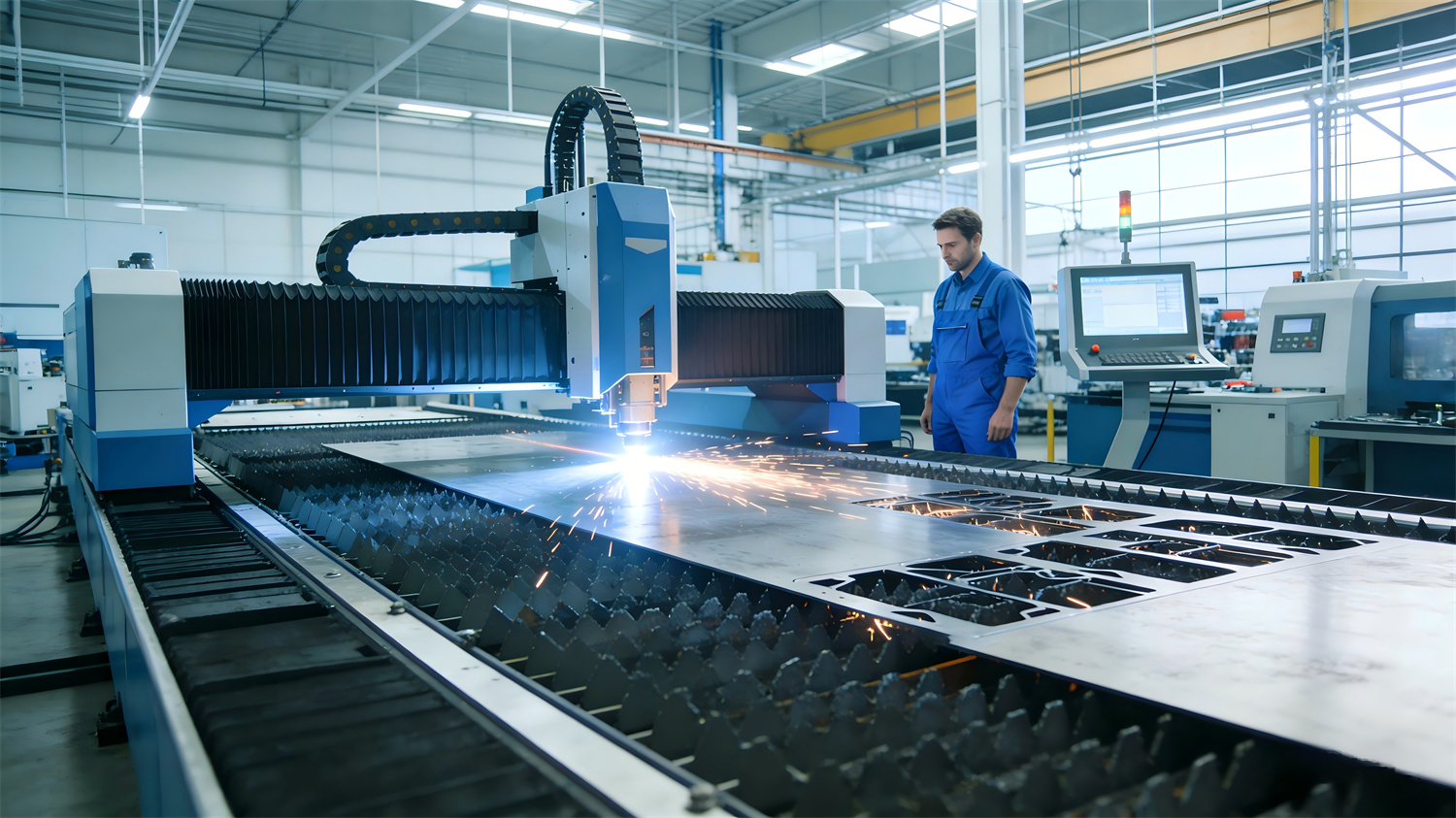
High-pressure, oil-free compressed air is vital for laser cutting. It clears molten metal slag, protects high-cost laser heads, and ensures clean cutting edges. Integrated air storage prevents pressure drops, maintaining cutting speed and finish quality.
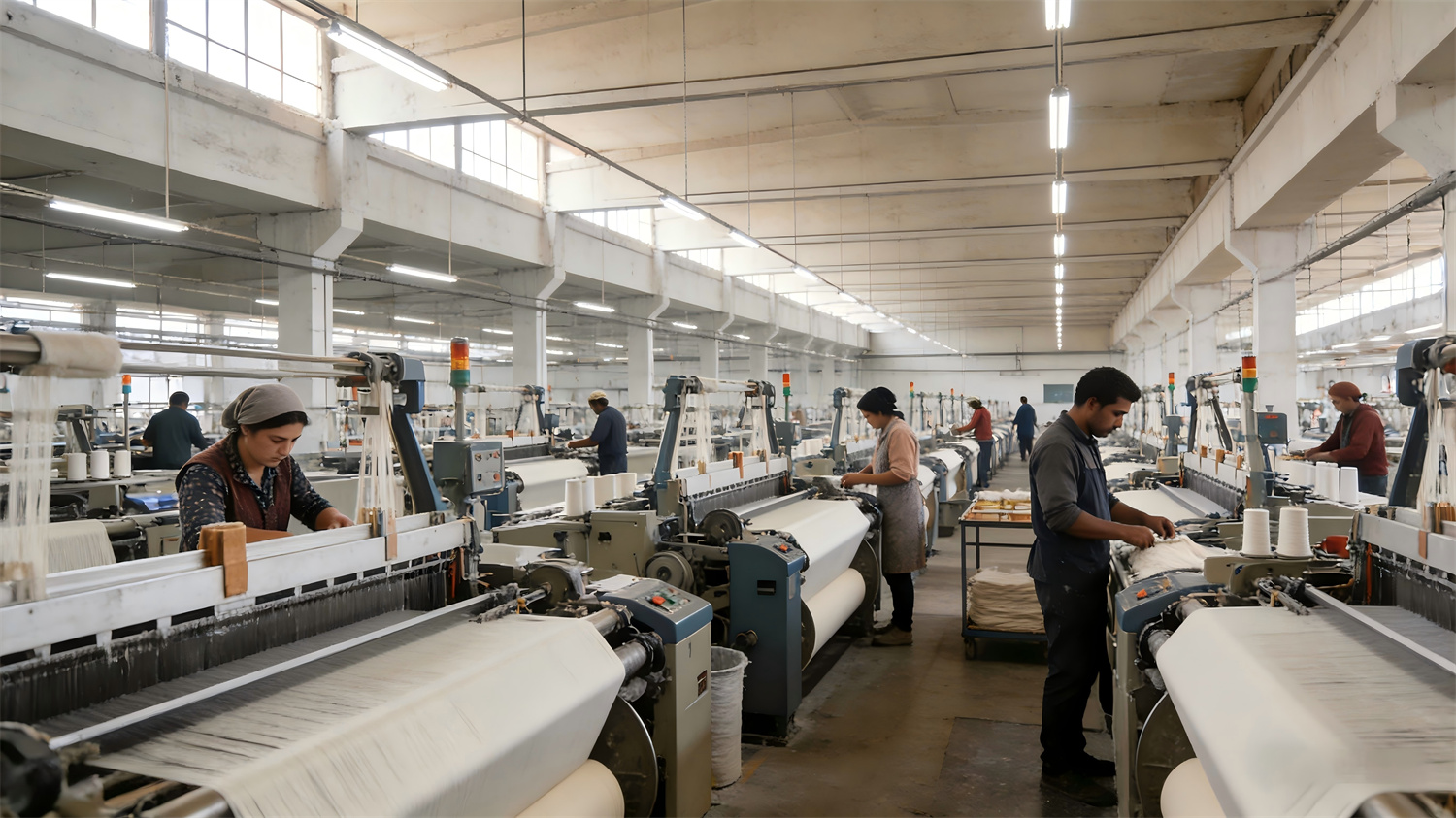
Air compressors power weaving looms and yarn-spinning machines. Class 0 oil-free air storage avoids oil spotting on fibers, preserving textile quality and reducing maintenance downtime.
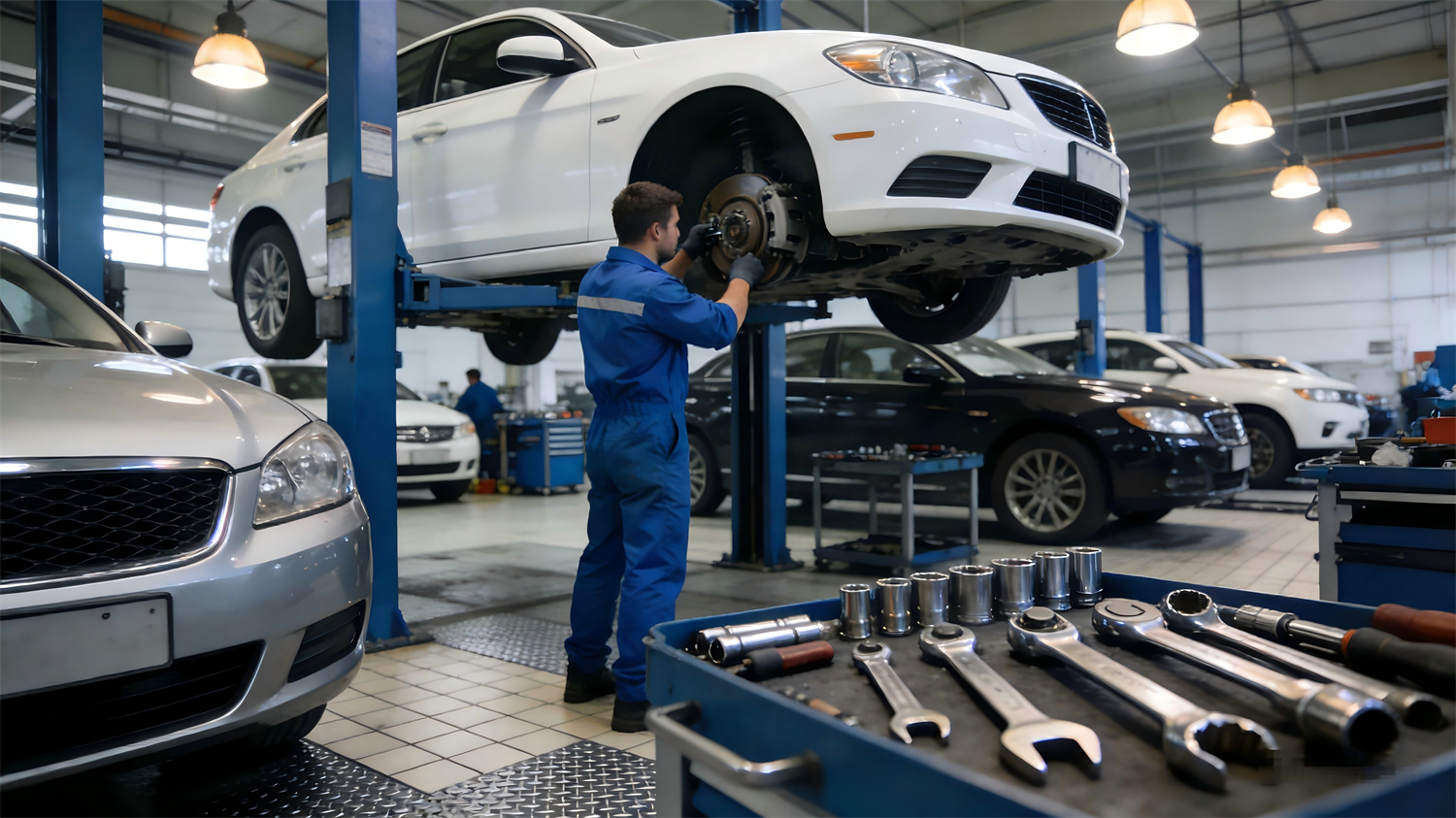
Powers pneumatic assembly line tools, robotic welding arms, and spray painting systems. Stable air pressure prevents finishing defects and guarantees consistent paint application.
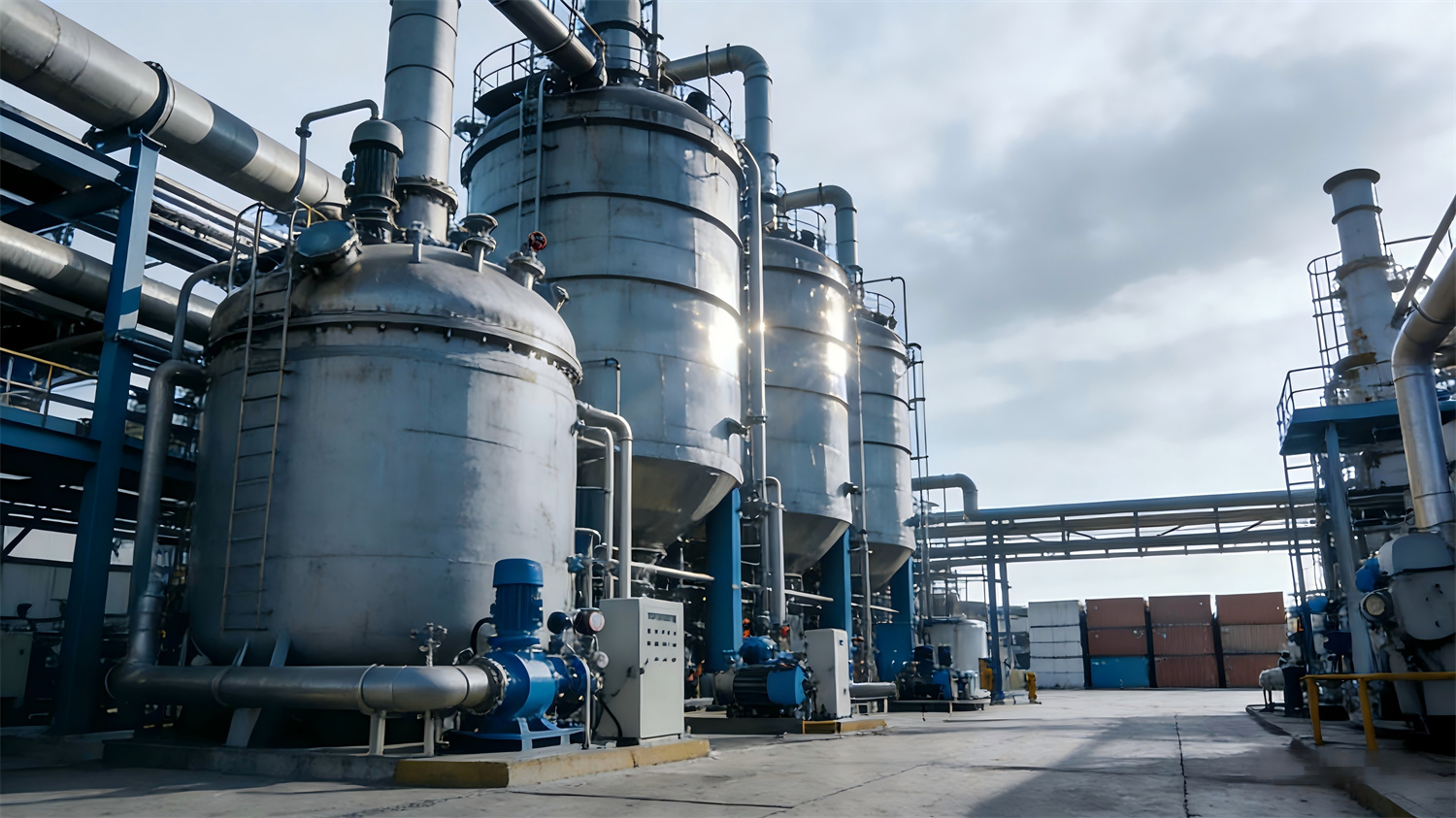
Industrial chemistry processes involve hazardous materials that require explosion-proof safety designs. Our certified pressure vessels safely store gas, buffer reactive pressures, and support chemical transport.

Supplies power to jackhammers, concrete sprayers, and pneumatic drills. Durable, weather-resistant mobile air tanks handle the vibration, dust, and physical demands of construction sites.

Powers automatic equipment wash cycles, foam sprayers, and high-velocity drying nozzles, lowering electricity costs while speeding up vehicle throughput.
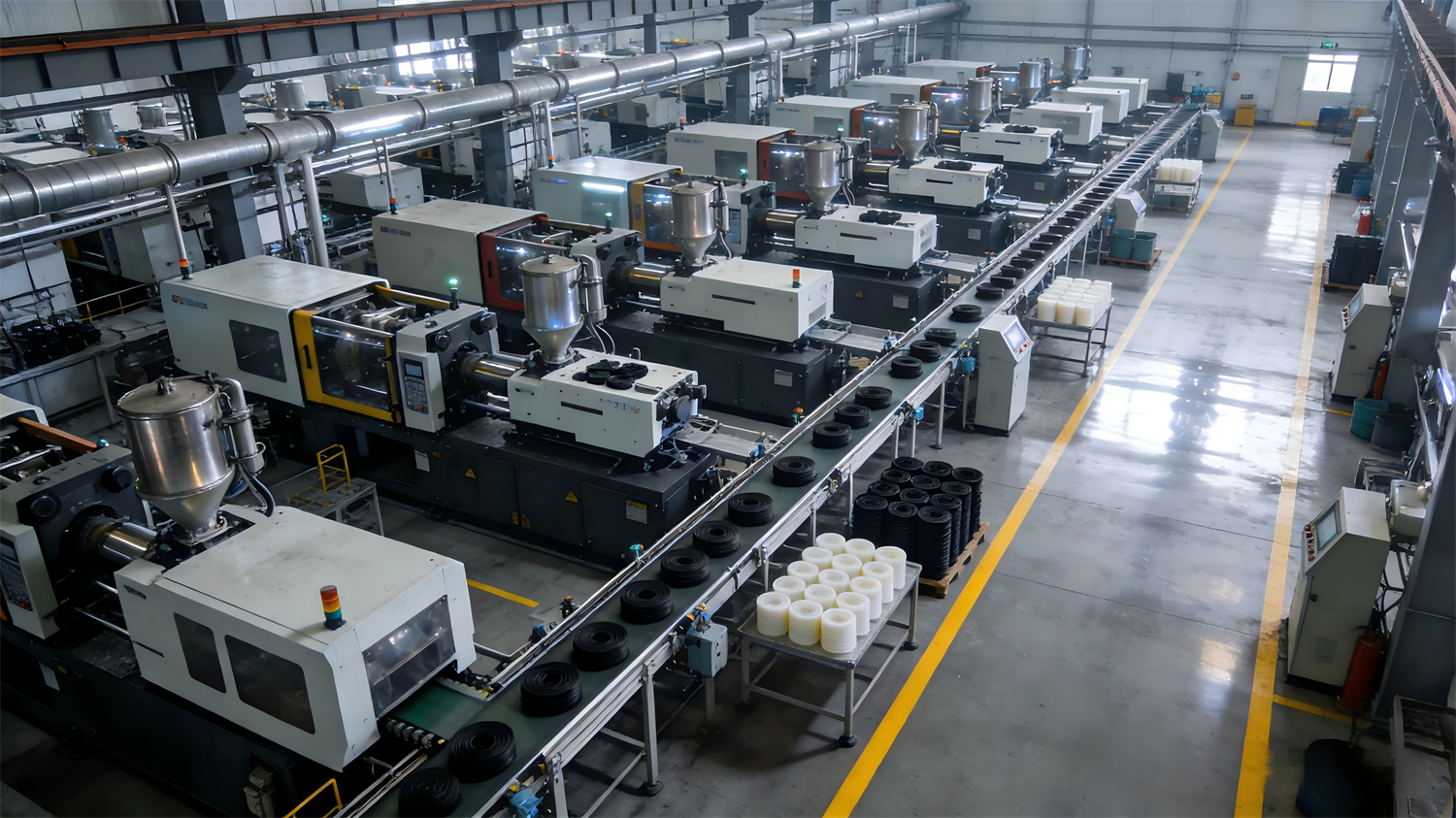
Provides blow-molding pressure for plastics and clean actuation for rubber curing systems, ensuring consistent wall thickness and structural integrity in molded goods.
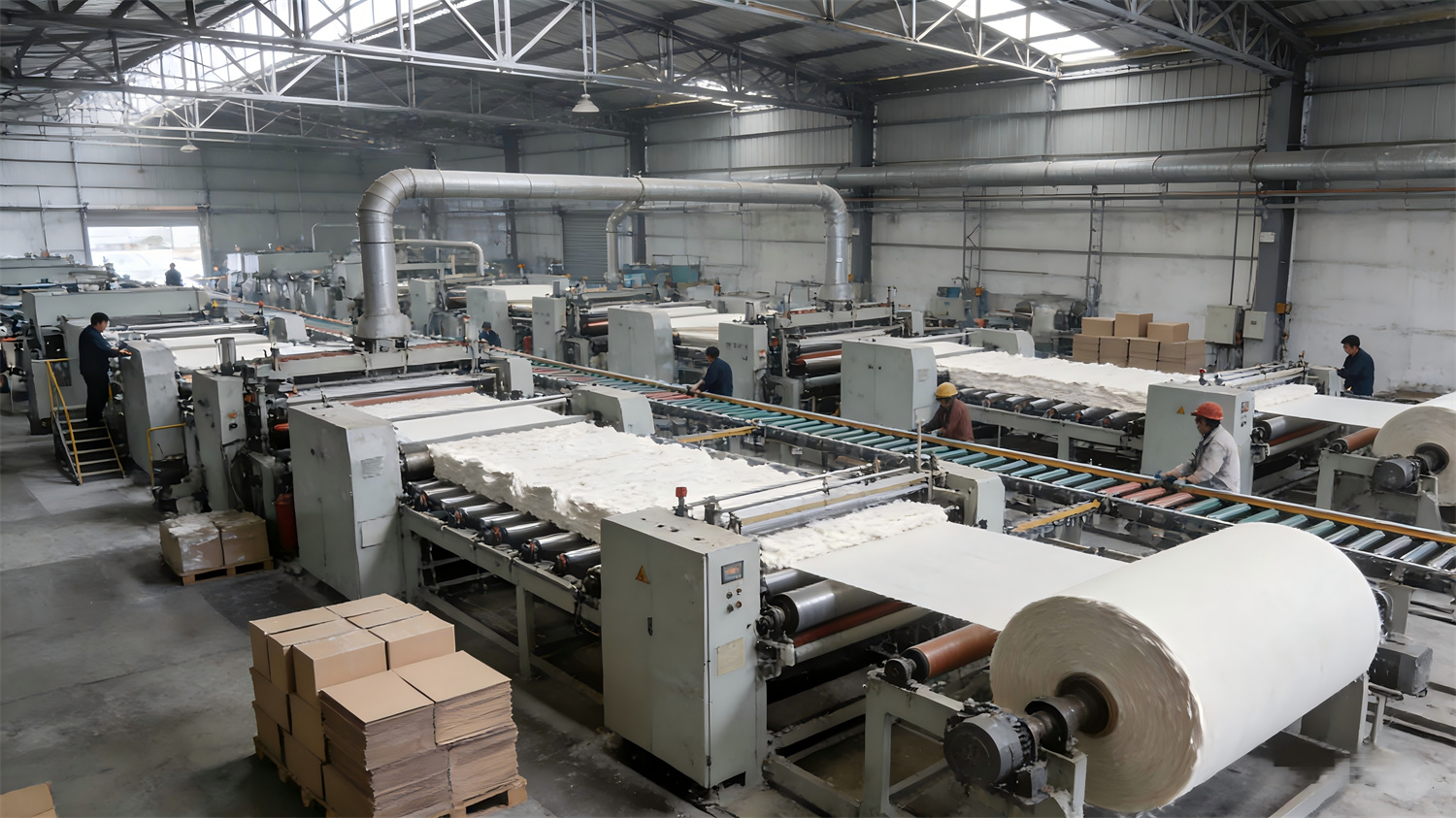
Powers high-speed roll tensioning controls, paper drying cylinders, and pulp treatment equipment. Stable receiver pressure ensures uniform paper thickness and reduces sheet tears.
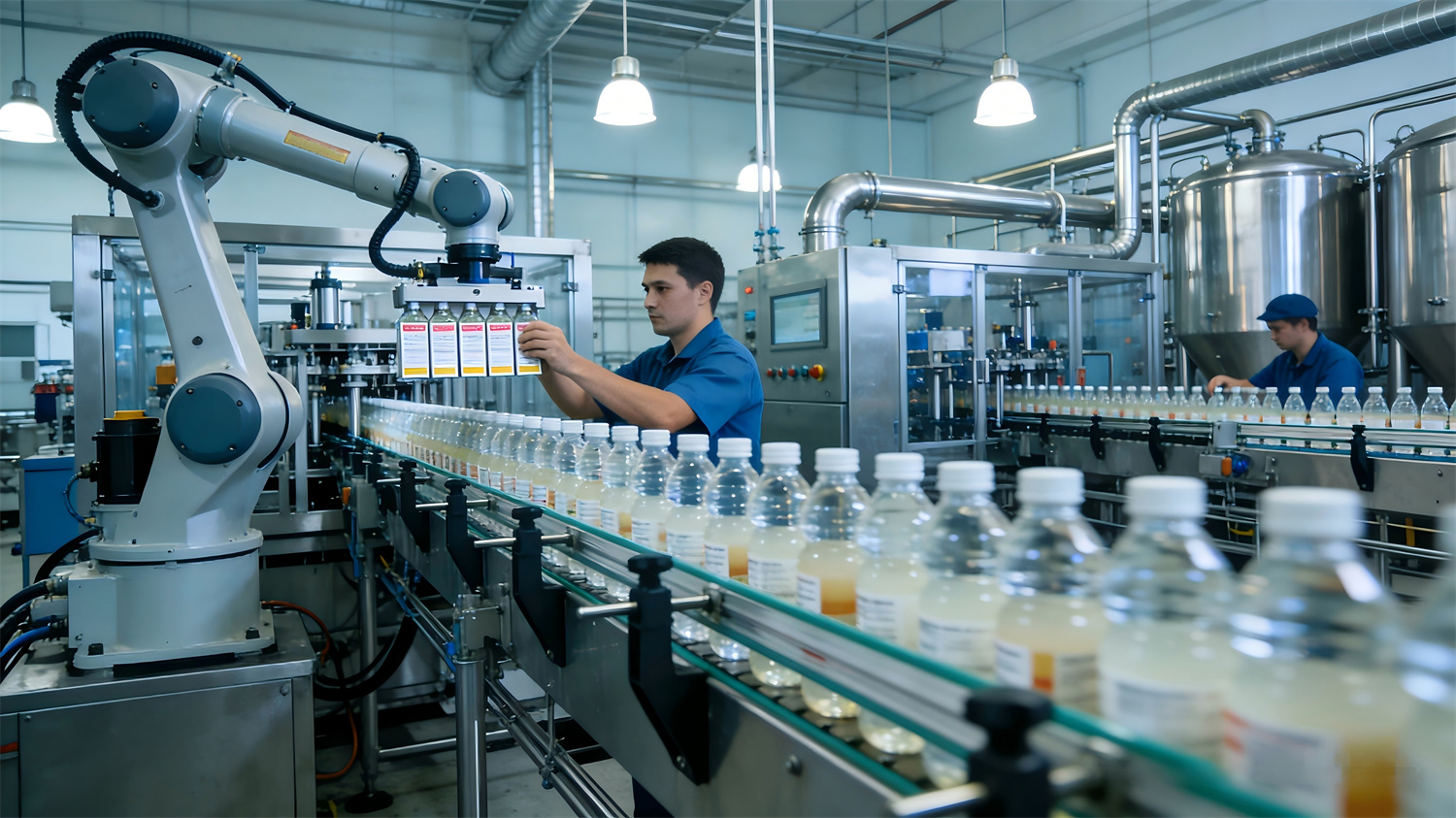
Supplies oil-free air for pneumatic ingredient conveying, product filling, and clean bottle drying. Built to meet strict sanitary and hygiene standards.
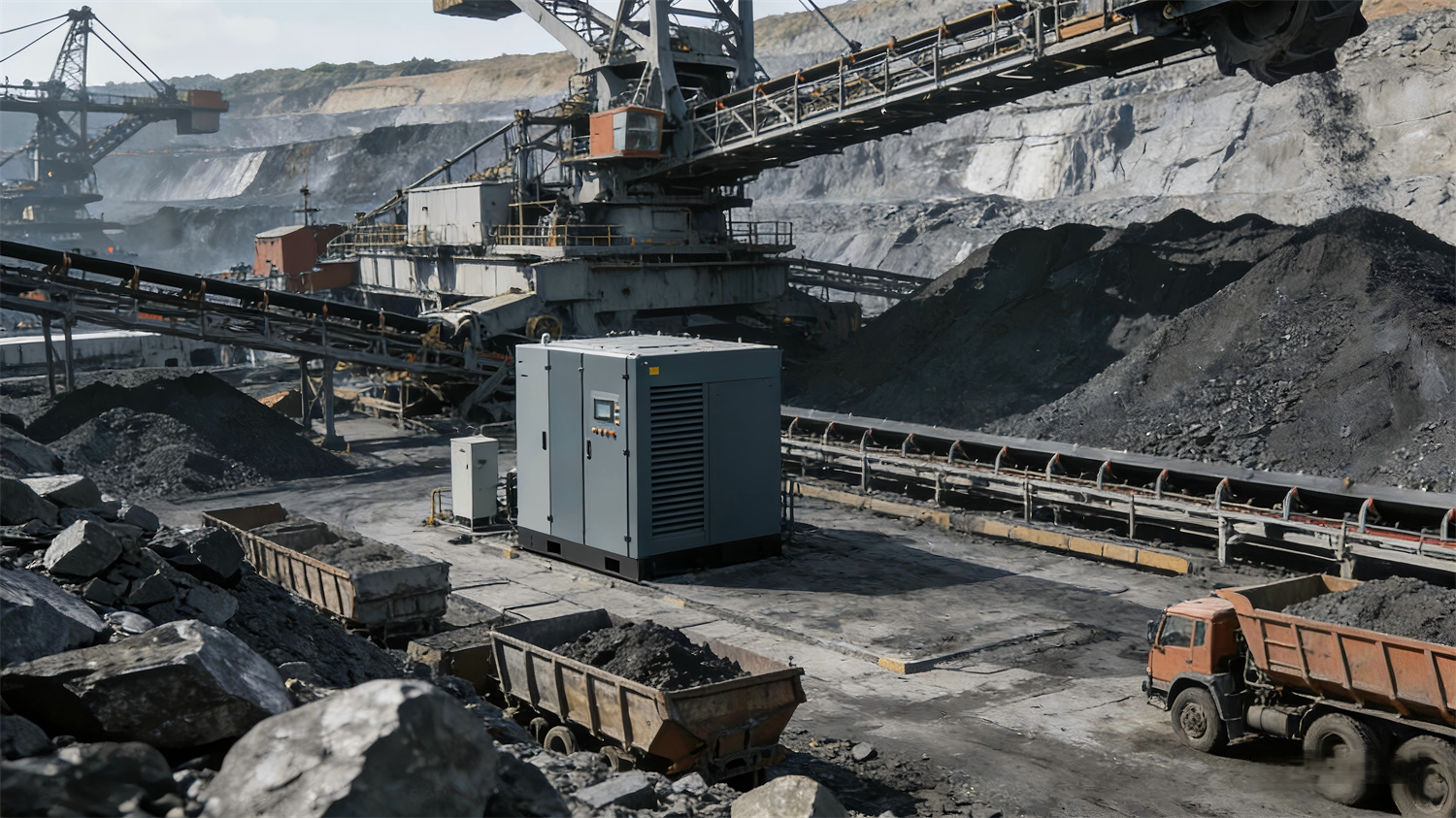
Powers drilling rigs, rock breakers, and underground ventilation networks, designed to operate reliably in high-dust and damp conditions.

Provides sterile, dry, Class 0 oil-free air to support ingredient mixing, packaging, and tablet-pressing lines under strict GMP guidelines.
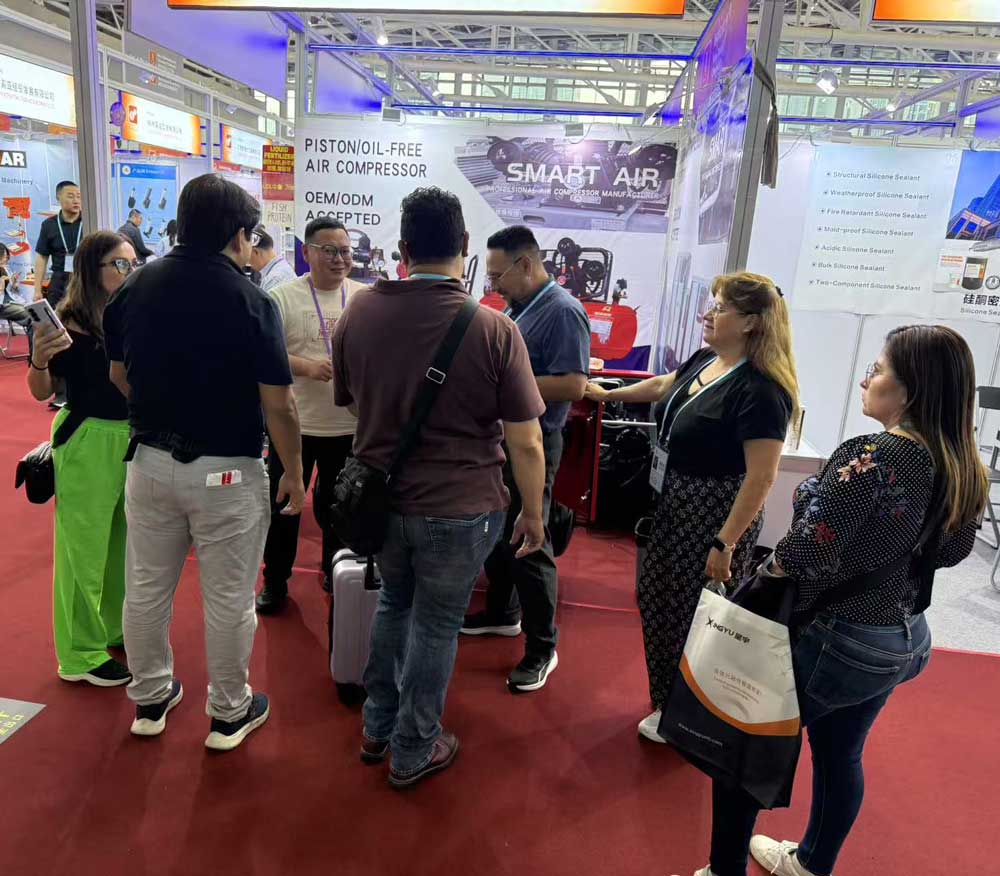
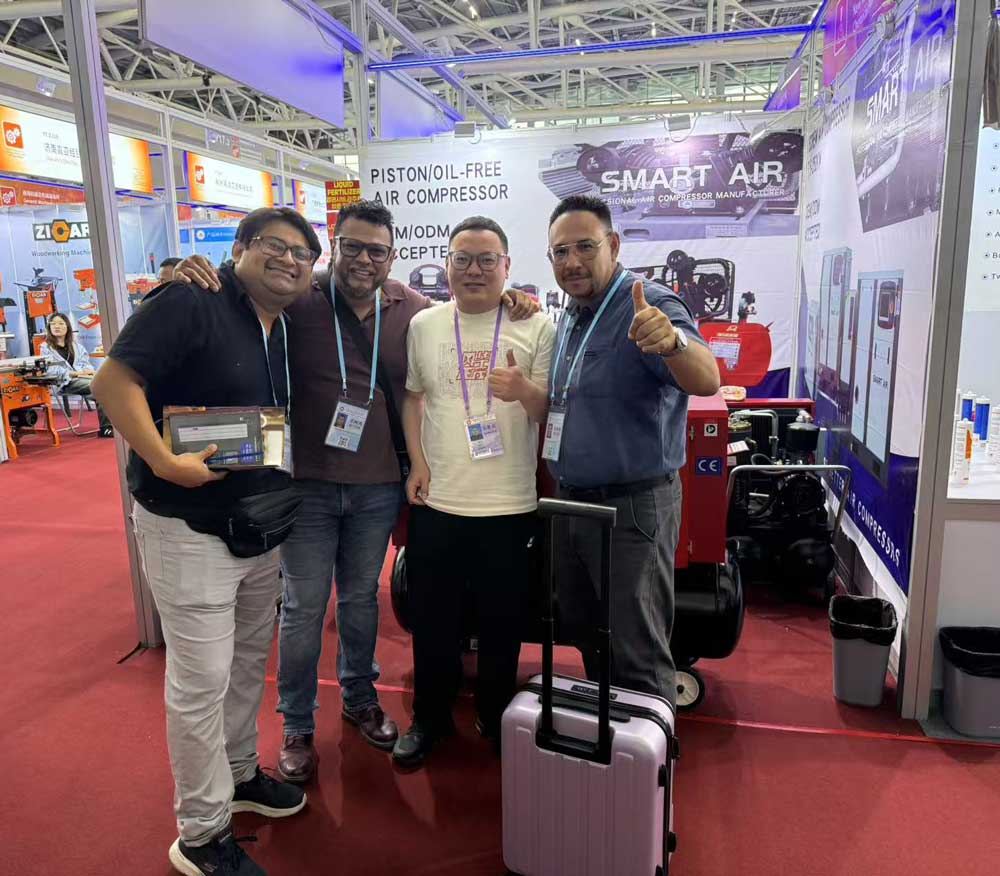
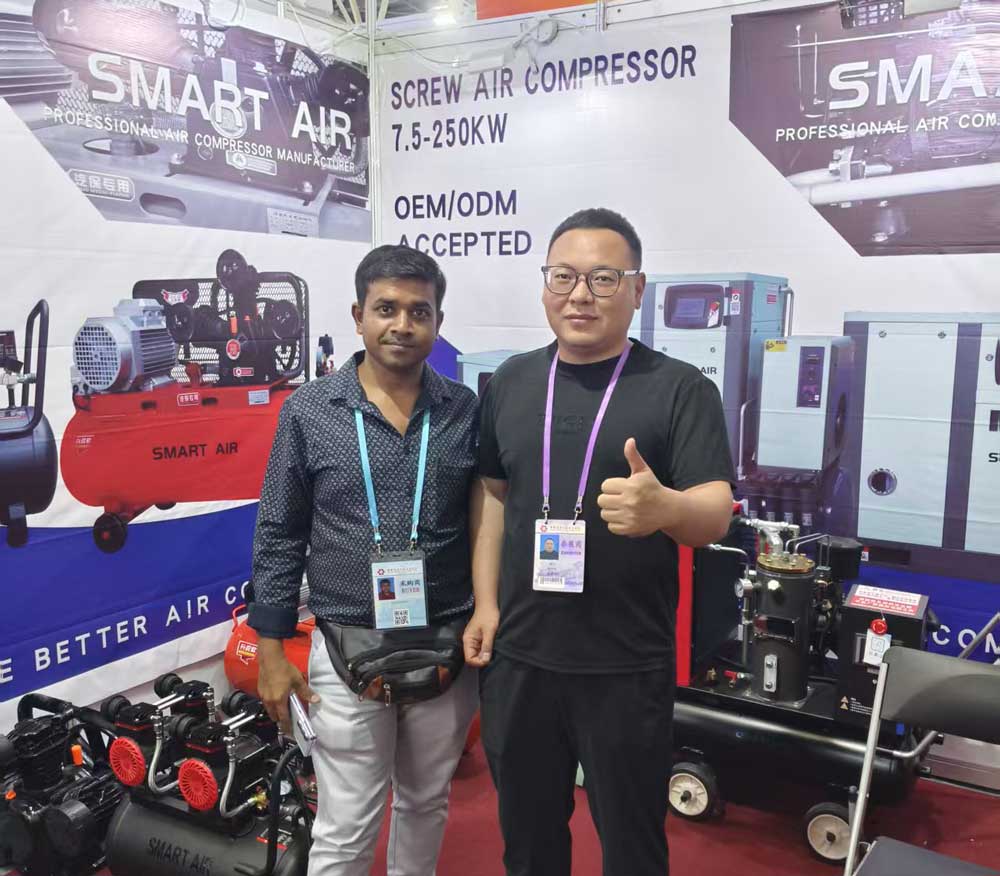
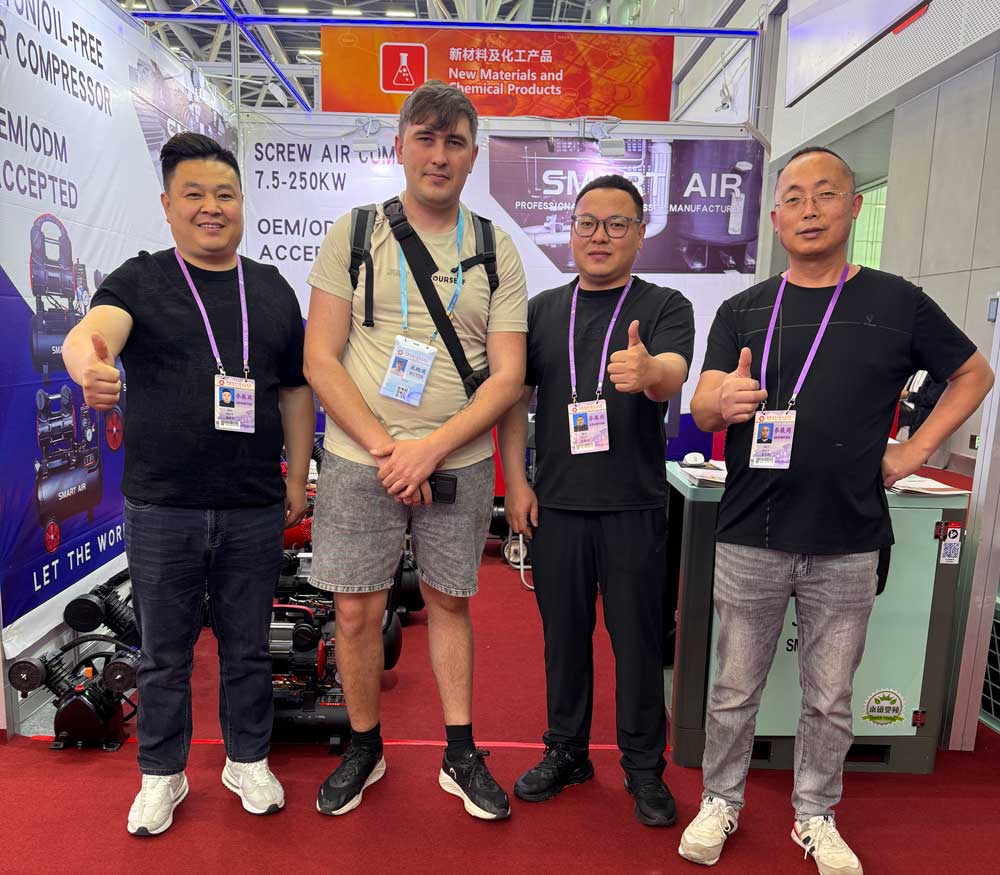
We work closely with engineering firms and distributors in over 20 countries, from the US and Australia to Latin America and the Middle East.
The role of air receiver tanks is shifting from simple storage to active management of plant thermodynamics. Modern smart factories demand integration with IoT sensing technologies. Smart Air Machinery is developing future-ready systems featuring:
With clean energy policies driving industrial requirements, our R&D efforts focus on reducing flow resistance in our safety vessels, helping plants lower their total carbon footprint.
Placing an air receiver tank directly after a compressor acts as a mechanical dampening barrier. This helps remove heavy water dropouts and dampens high-frequency compression waves before they reach the main dryer, extending desiccant life and protecting system filters.
For systems with sudden air demands, installing auxiliary local receiver tanks near high-draw equipment stops pressure drops from affecting adjacent production zones, ensuring steady pressure across the facility.
Get advice from our engineering team on sizing, safety codes, and maintenance for industrial air storage tanks.
Explore our selection of energy-efficient two-stage screw compressors, air tanks, and related treatment equipment.
 Smart Air