Engineered for high thermal resistance, maximum volumetric output, and operational reliability.
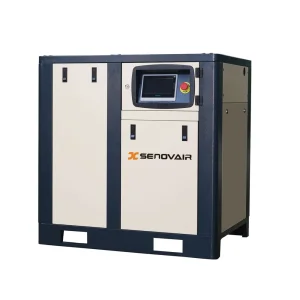
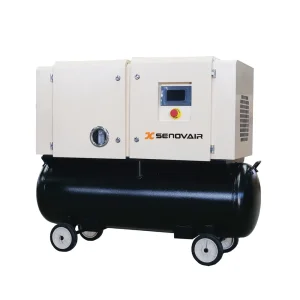
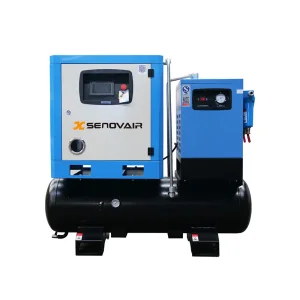
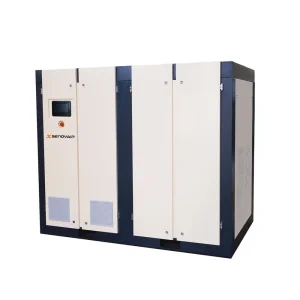
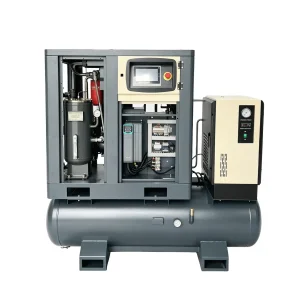
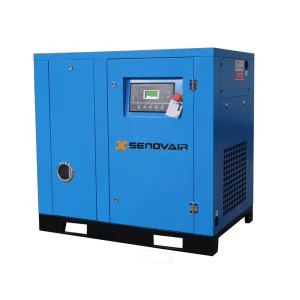
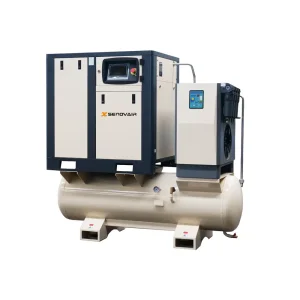
Established in 2005, Smart Air Machinery (Linyi) Co., Ltd. is a leading diversified manufacturing enterprise integrating research and development, smart production, and global trade. Operating in the logistics capital of China, Linyi, we have spent nearly two decades refining the performance, structural durability, and energy efficiency profile of our industrial screw compressors, piston air compressors, air storage tanks, and related auxiliary equipment.
With a customer-centric engineering philosophy, we maintain strict quality assurance protocols to guarantee that our compressors perform under heavy mechanical, environmental, and thermal stresses. Our products serve heavy manufacturers across more than 20 countries.

Located in Linyi, China's logistics hub, with over 20 years of continuous technical innovation and rich industrial experience.

Meticulous material selection, premium components, aesthetic industrial design, and world-class structural integrity.

Focused on honest operations, superior aftermarket support, and continuously elevating domestic and global brand authority.

We operate under the core tenet: "Quality creates reputation, reputation creates brand, and brand creates market."
An in-depth analysis of global energy regulations, manufacturing intelligence, and dynamic engineering constraints.
In the modern manufacturing arena, compressed air is often referred to as the "fourth utility." However, it represents one of the most energy-intensive subsystems in any industrial plant. Statistical analyses of industrial power consumption reveal that compressed air systems can account for up to 10% to 30% of a facility's total electricity costs. As global energy grids face unprecedented pricing volatility and governments impose stringent carbon neutrality directives, industrial enterprises must transition from legacy fixed-speed systems to smart, high-efficiency equipment.
The global transition toward decentralized manufacturing hubs has amplified the demand for variable air supply solutions. Legacy compression technologies are no longer financially viable due to their tendency to waste energy during unloading phases. Modern plants require air compressors that adjust motor speeds dynamically according to real-time volumetric demand fluctuations.
"The integration of Permanent Magnet (PM) motors with Variable Speed Drive (VSD) controllers represents the most significant shift in industrial thermodynamics over the past quarter-century. Real-world applications show that PM VSD screw compressors reduce energy consumption by up to 35% to 50% compared to traditional fixed-speed asynchronous motor systems."
Several technical advancements are redefining the commercial requirements for screw air compressors globally:
As a leading exporter based in Linyi, Smart Air Machinery has optimized its manufacturing operations in line with Factory 4.0 paradigms. Linyi is recognized as the logistics capital of China, providing an integrated network of component suppliers, raw material access, and domestic and international transport links.
By digitizing our inventory management and quality assurance workflows, we ensure our international supply chains remain resilient against global trade disruptions. From using CNC machining for precision rotor profiles to implementing automated load testing for completed units, our production processes prioritize durability. This centralized location allows us to consolidate freight, reduce shipping lead times, and deliver customized products directly to major ports.
For global industrial buyers, the initial purchase price of an air compressor represents less than 15% of its lifetime operating cost. The remaining 85% is consumed by electricity and maintenance. When procuring customized air compressors, technical buying agents must evaluate specific metrics:
Providing high-precision, optimized compressed air solutions tailored to unique operational environments.
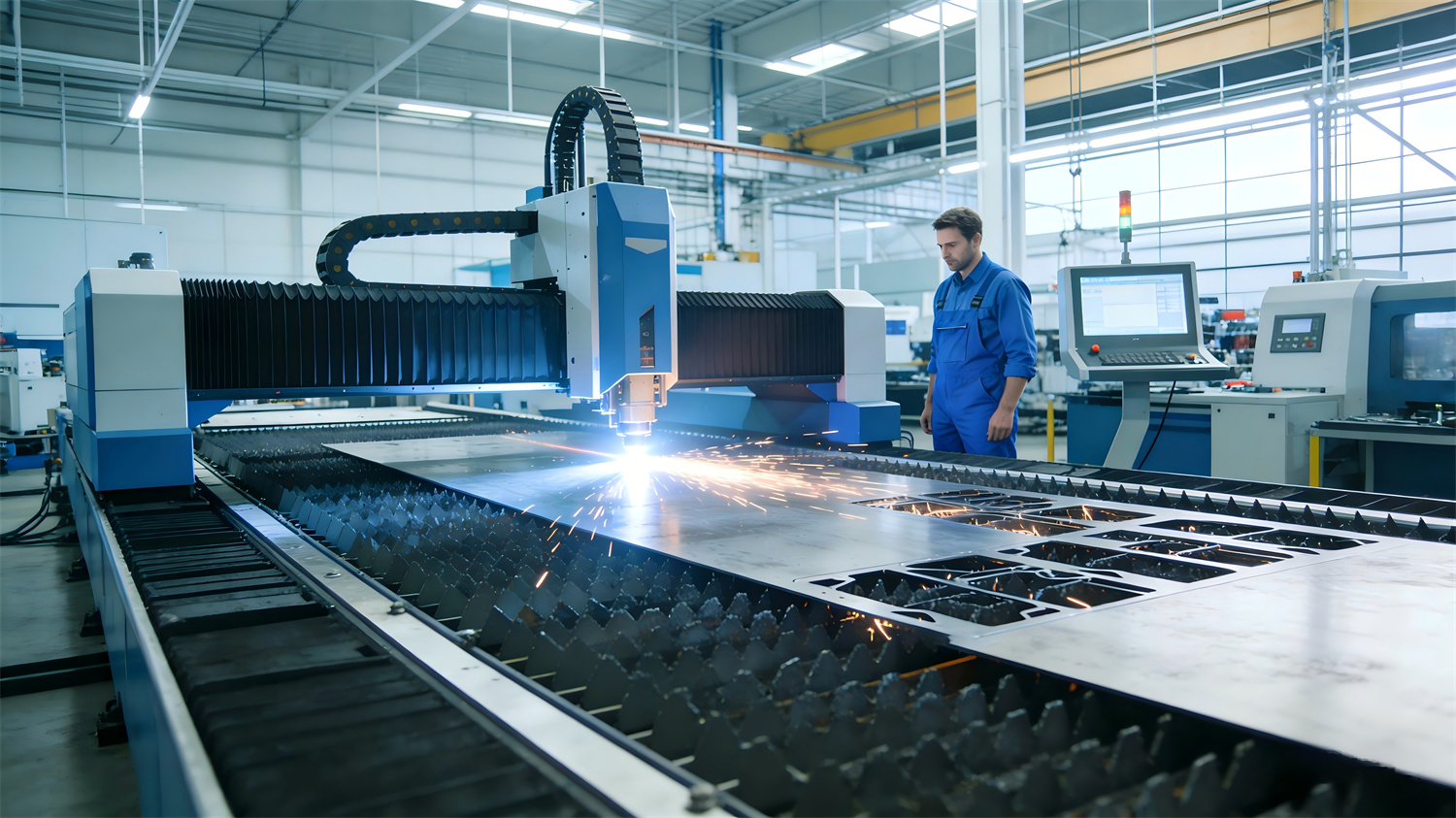
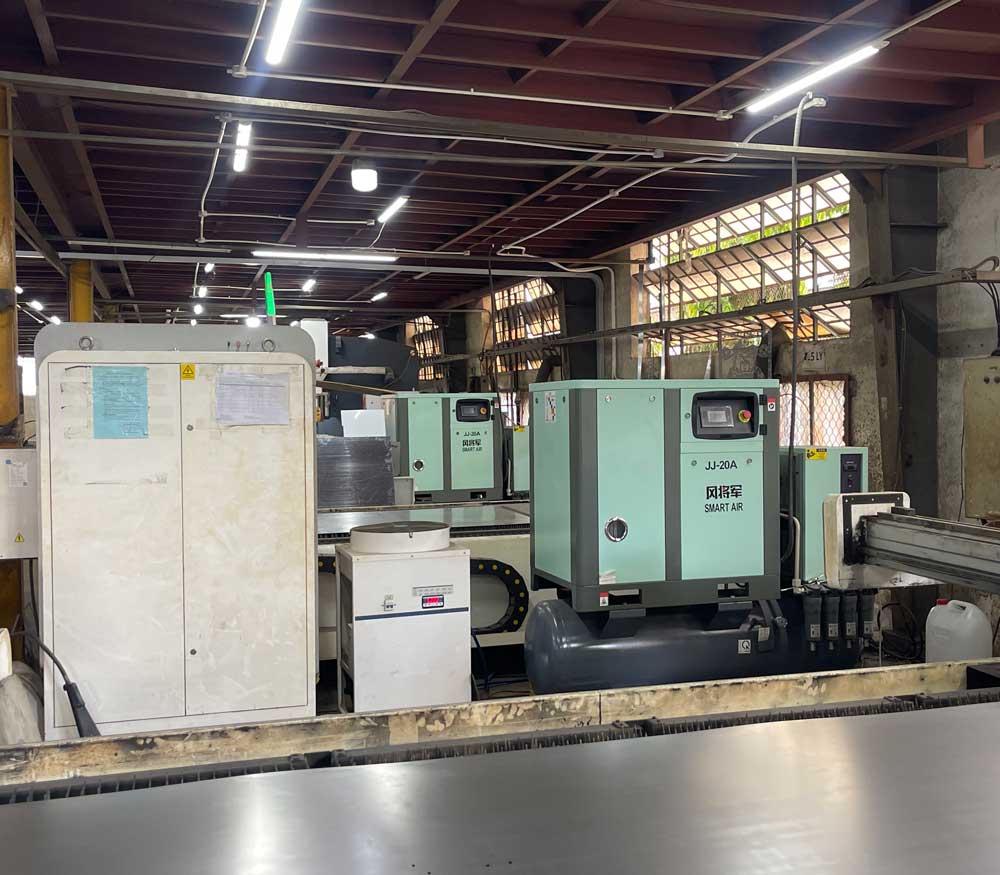
Air compressors are essential supporting equipment for the laser cutting industry, providing high-pressure, clean, and stable compressed air. They blow away molten slag and debris to ensure smooth cutting surfaces and high precision, preventing cutting defects. Energy-saving, oil-free models protect laser heads and extend equipment life.
Learn More →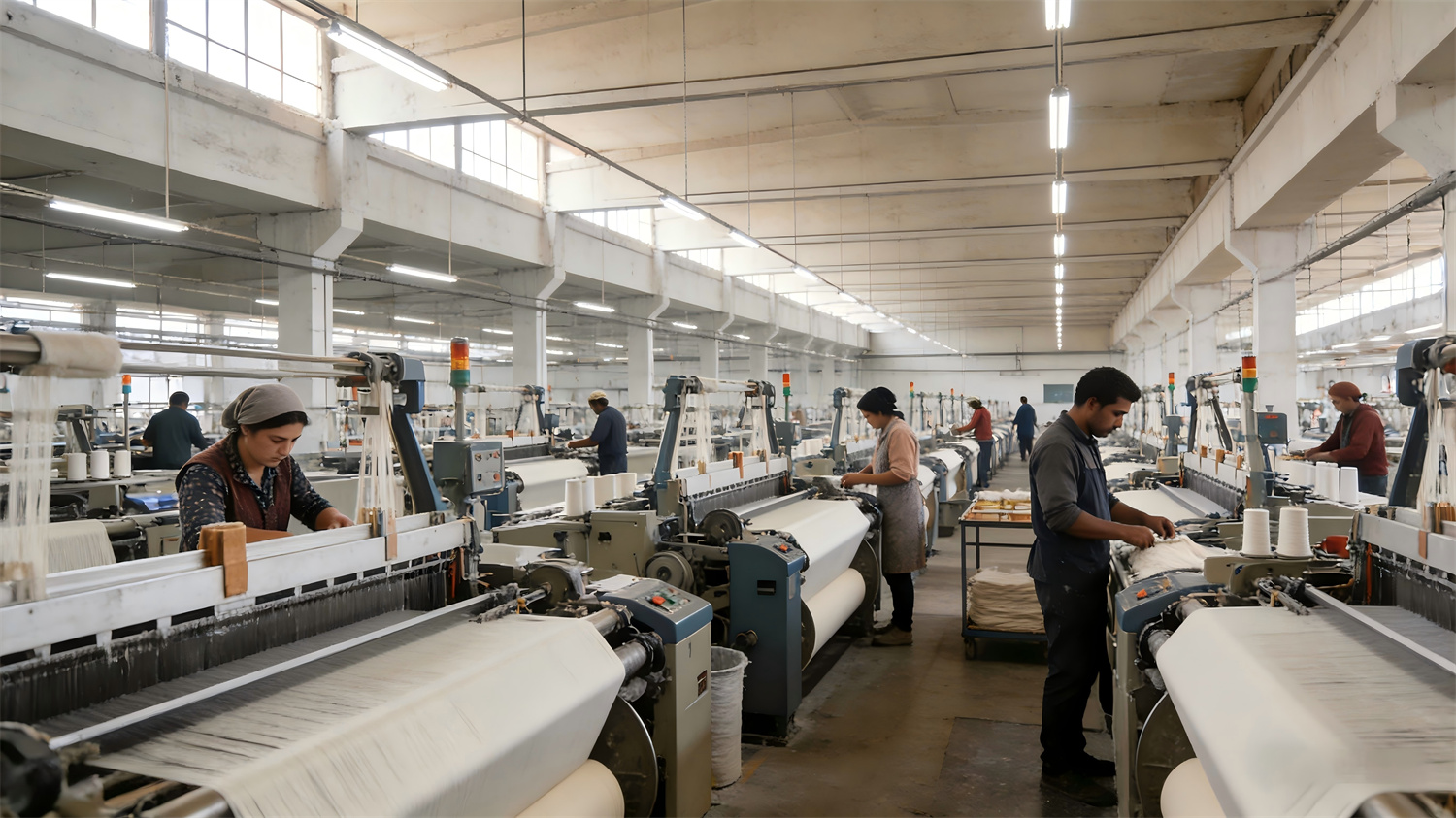
Air compressors provide stable, clean compressed air for spinning and weaving operations. By powering pneumatic weaving machines and spinning frames, they help maintain fabric quality. Oil-free designs protect yarn and fabrics from oil contamination, preventing down-time and material loss.
Learn More →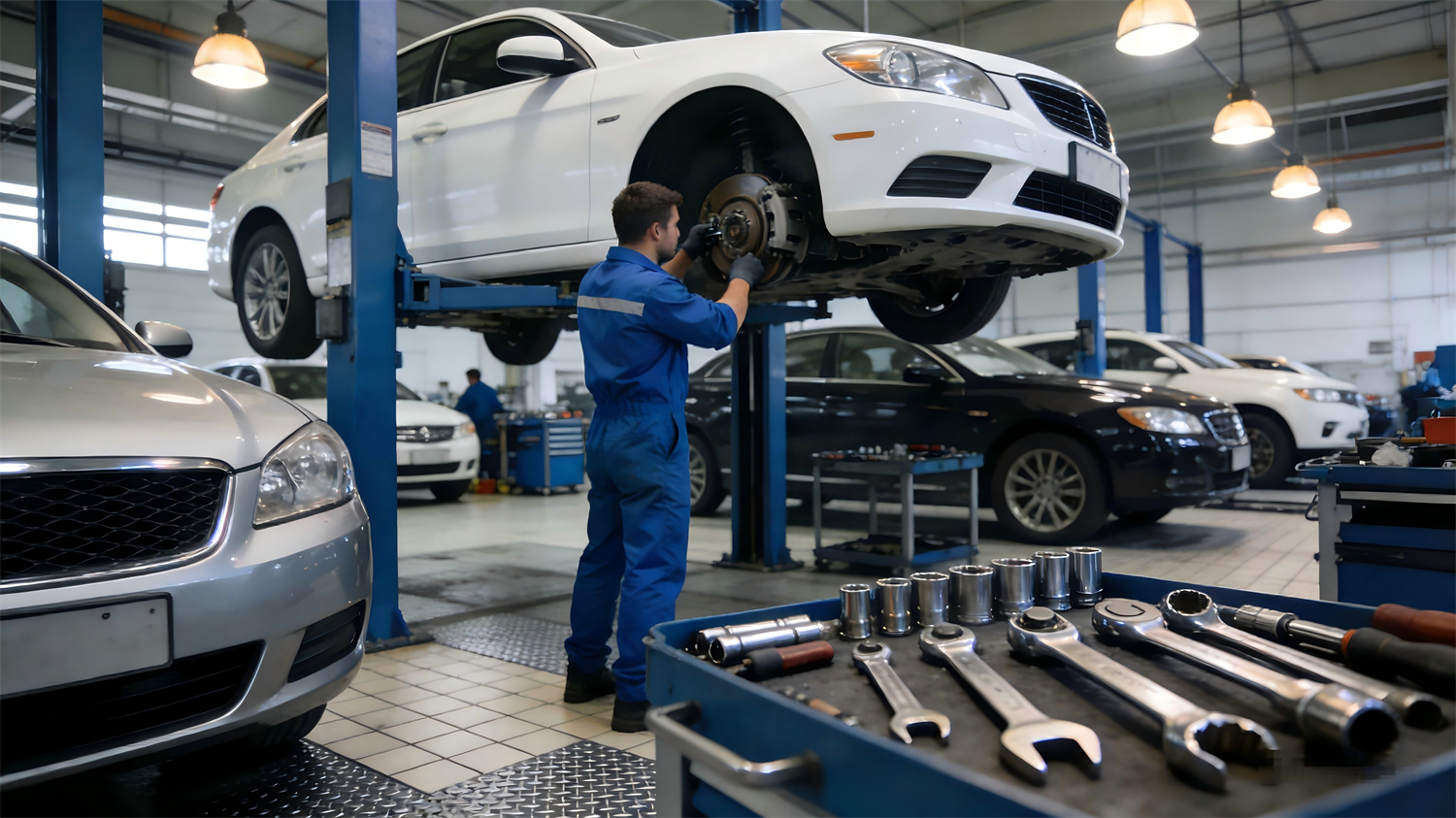
Providing reliable power for assembly line pneumatic tools, surface painting operations, and automated testing rigs. High-efficiency screw compressors help automotive manufacturers lower energy costs while maintaining the consistent flow rates required for rapid production cycles.
Learn More →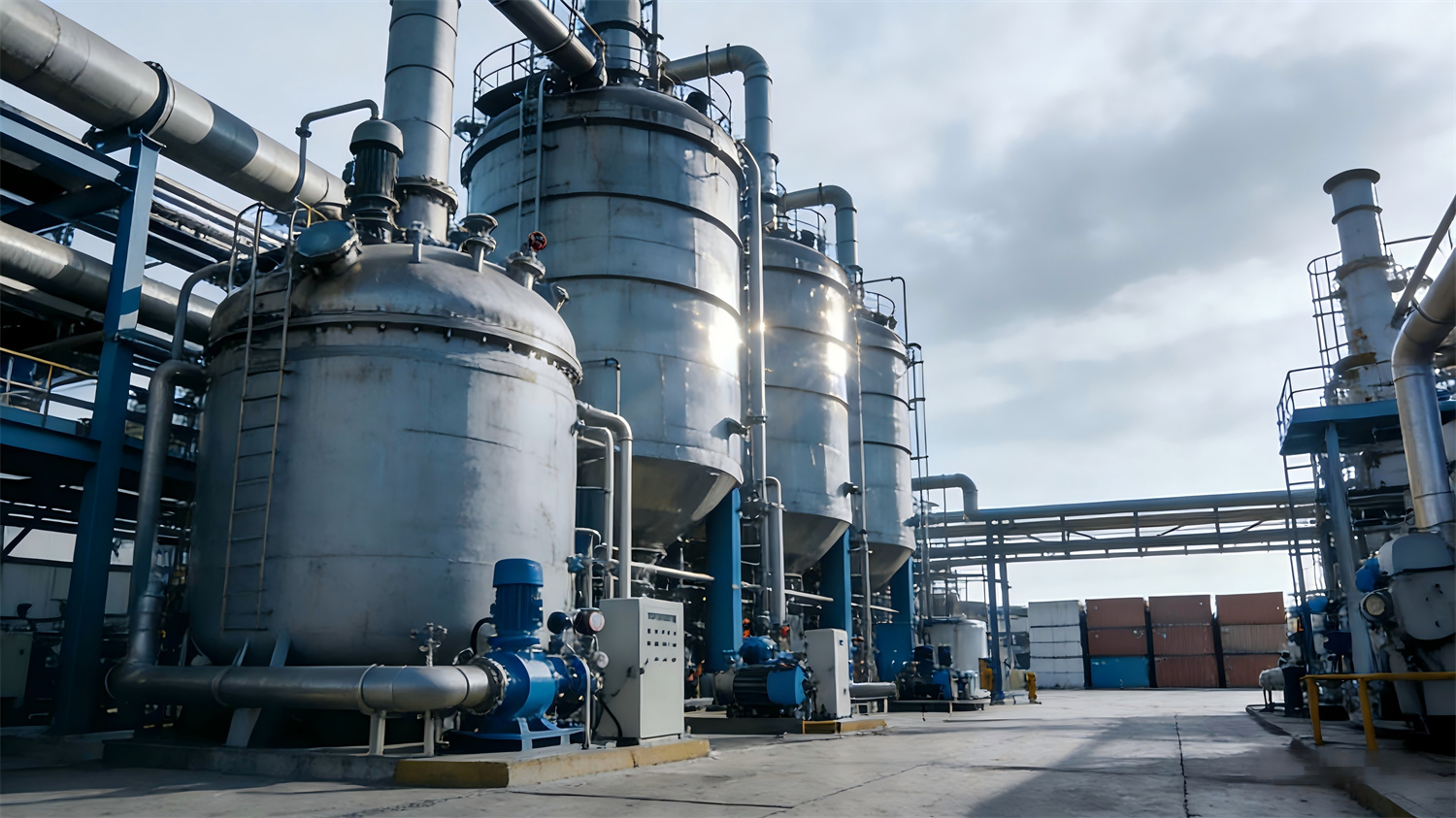
Providing the motive power required for chemical reactions, material transport, and process control. Given the volatile and corrosive environments of chemical plants, our compressors are built for safe operation and straightforward maintenance under demanding conditions.
Learn More →
Powering pneumatic tools like jackhammers, nail guns, and concrete sprayers. Built for portability and durability, these compressors are designed to withstand harsh, dusty job sites and variable weather conditions without performance loss.
Learn More →
Delivering high-pressure air for deep cleaning, water blow-off, and detailing applications. Highly efficient setups help car wash operators optimize water removal processes, improve overall throughput, and reduce electrical overhead.
Learn More →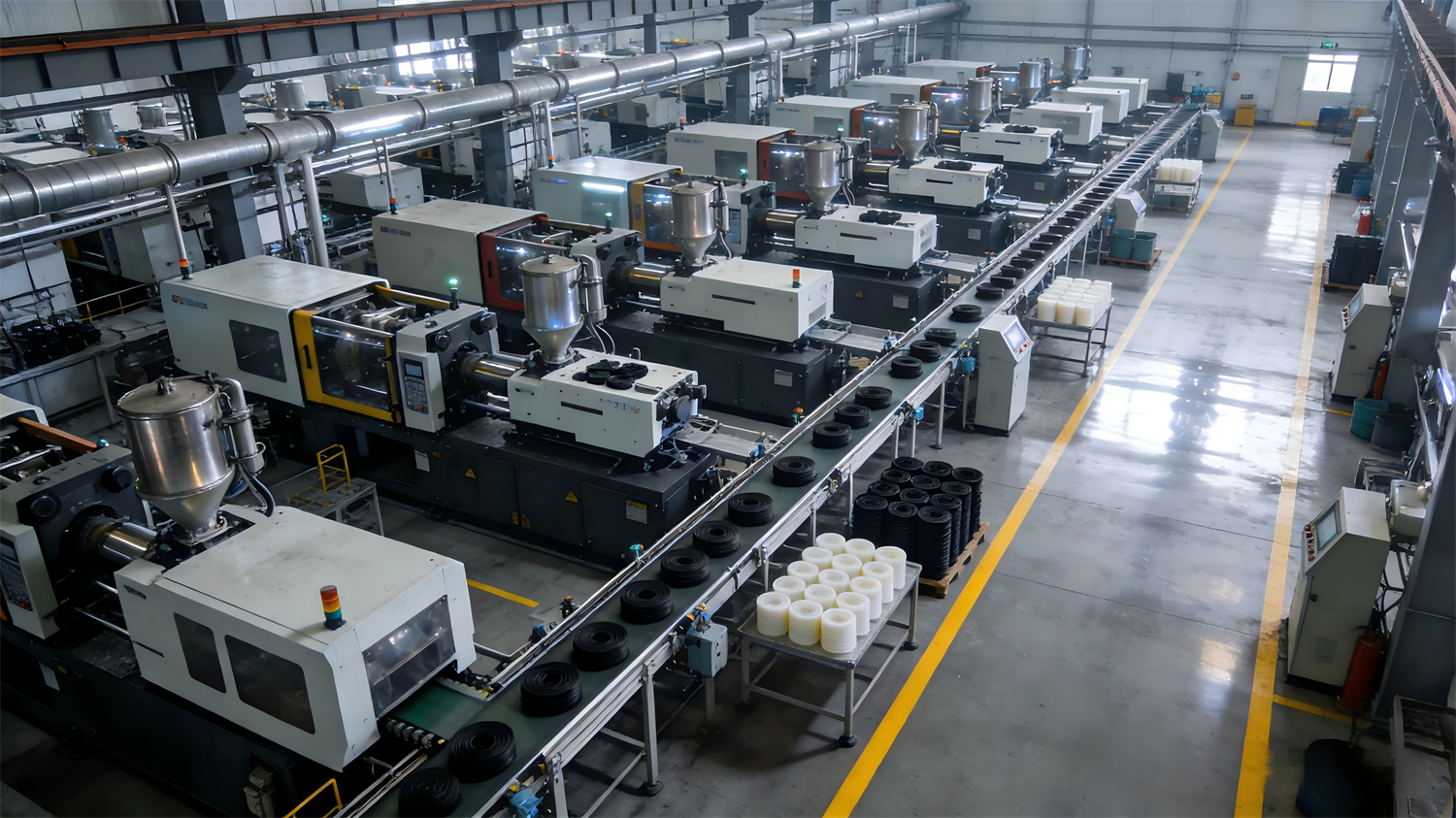
Providing stable motive power for molding, forming, extrusion, and cooling operations. Our reliable air supply ensures uniform structural density and clean surface finishes for rubber and plastic parts used in consumer and industrial goods.
Learn More →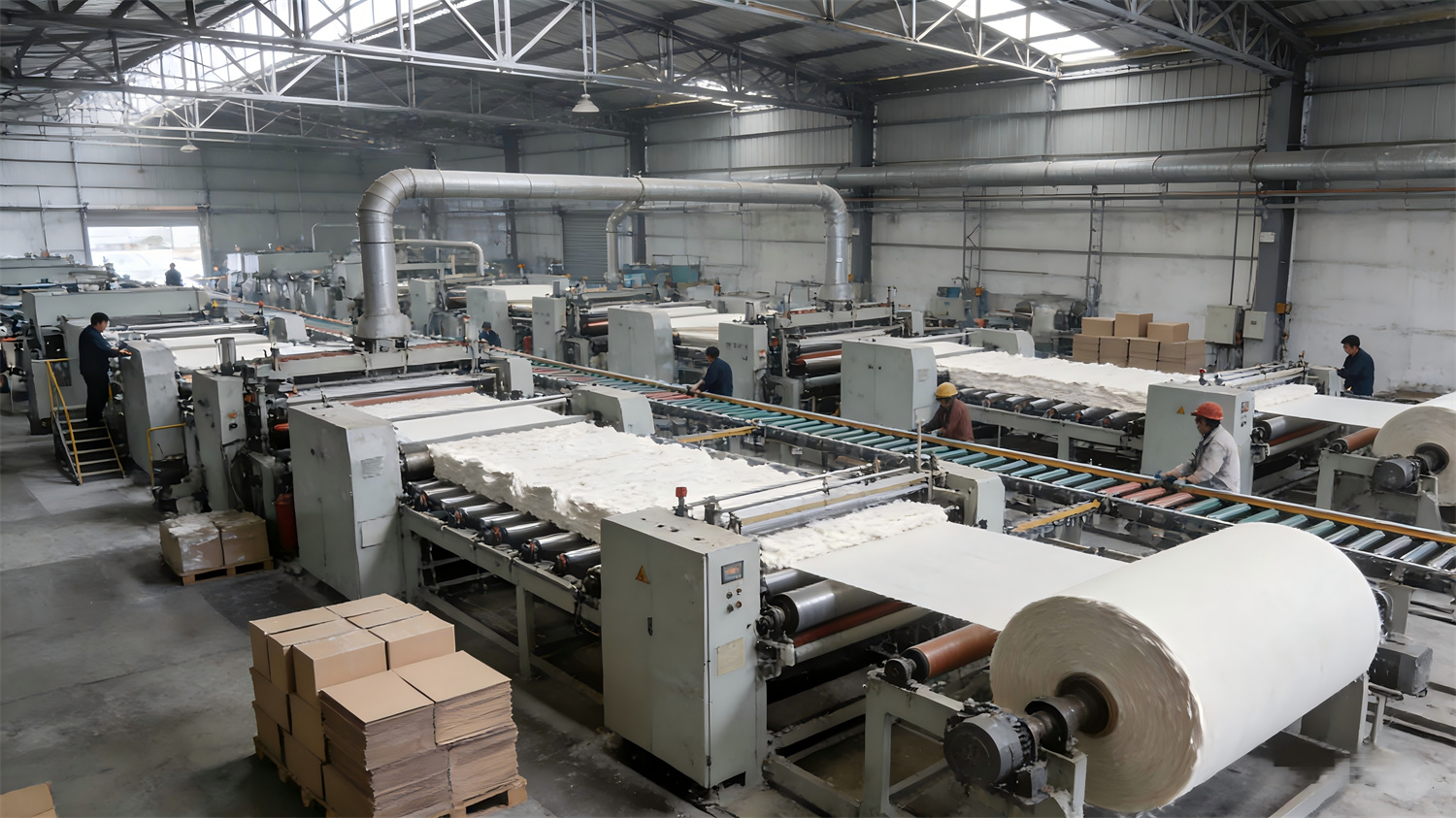
Supporting heavy-duty operations like pulp mixing, paper machine controls, and drying systems. Built for high-humidity, continuous-duty environments, our compressors help paper mills reduce unplanned downtime during long production runs.
Learn More →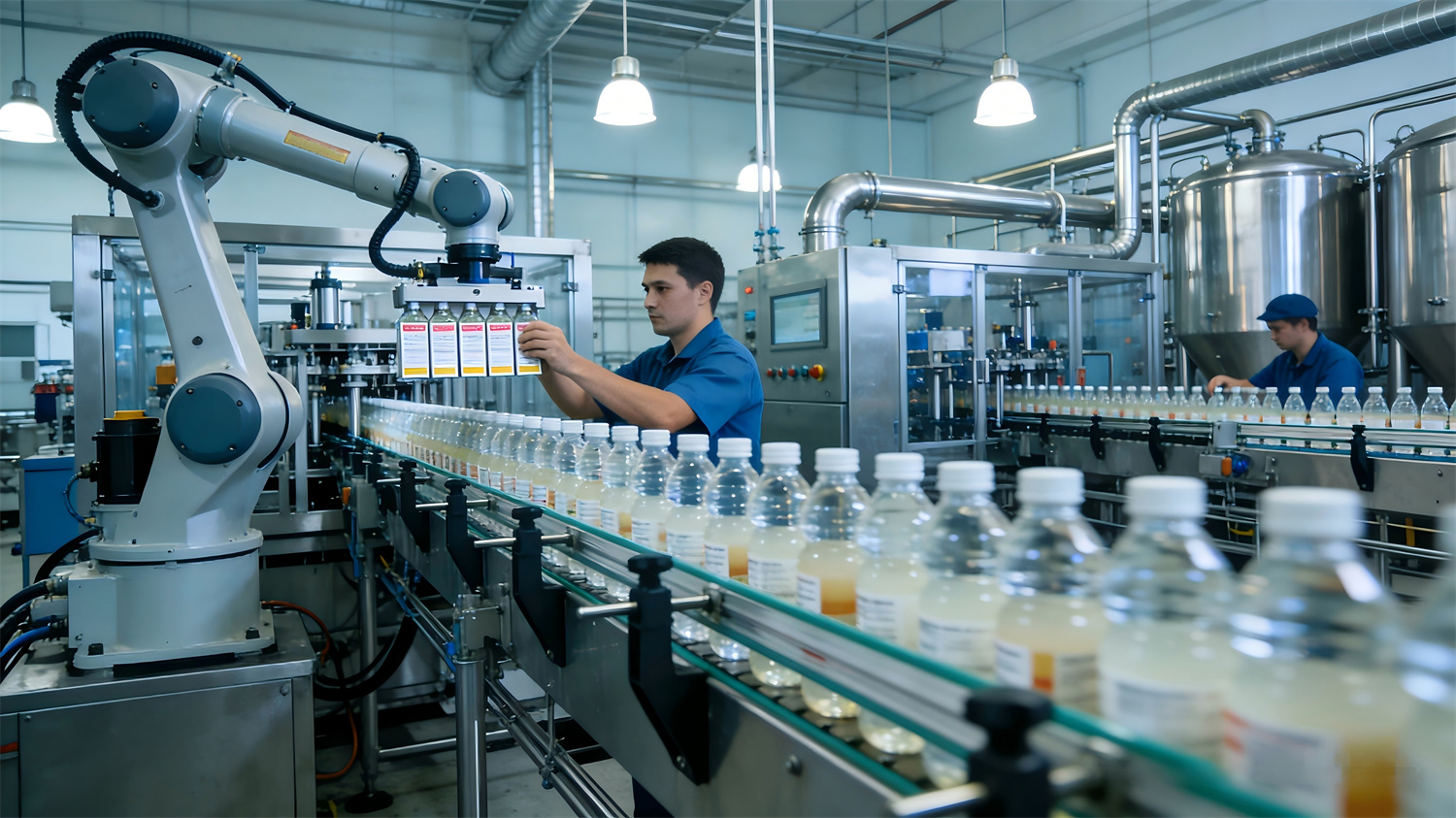
Delivering clean, oil-free compressed air for product handling, sorting, packaging, and bottling lines. Ensuring absolute purity prevents food contamination and maintains compliance with global health and safety standards.
Learn More →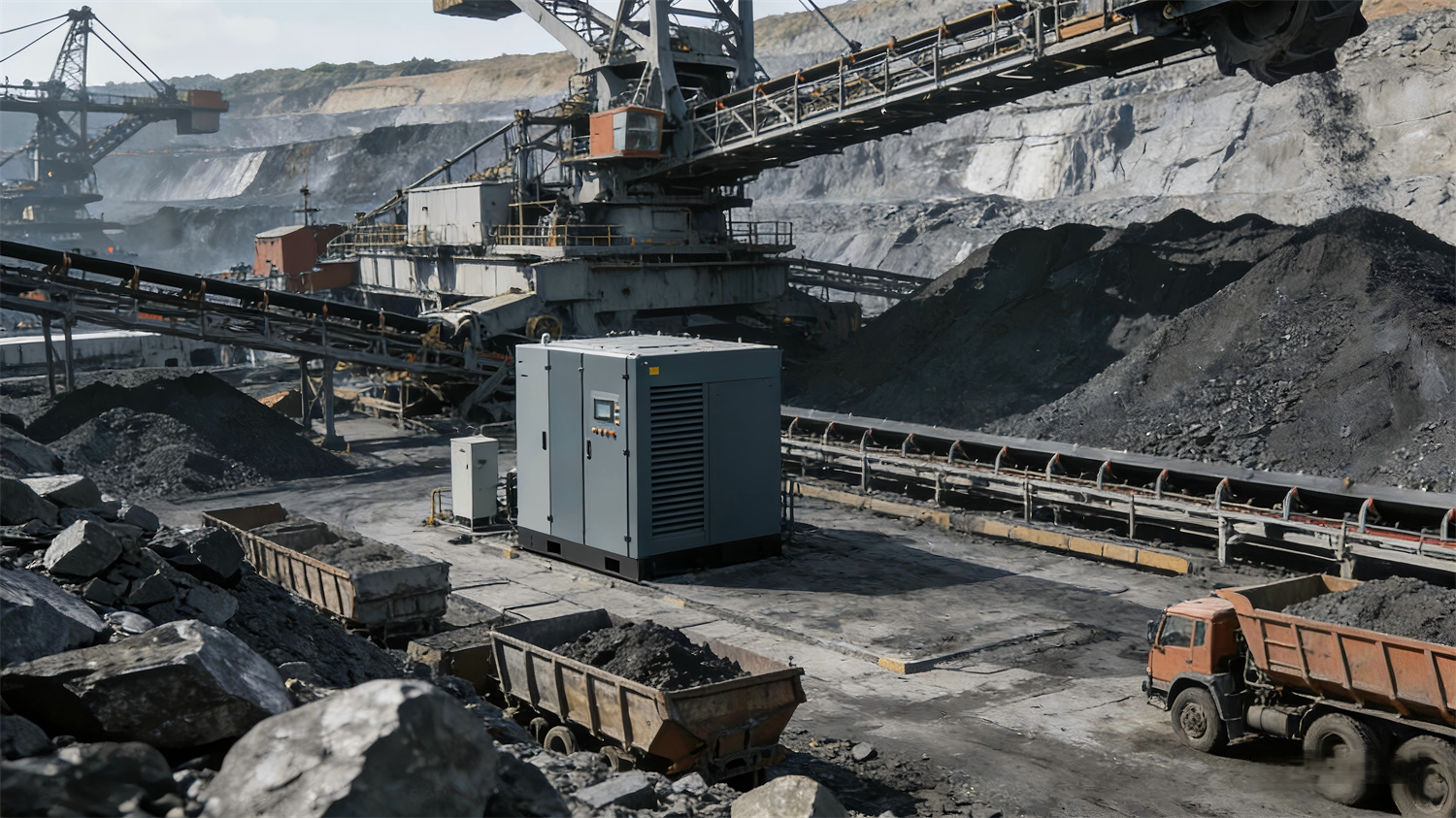
Powering underground pneumatic drills, ventilators, and material hauling systems. These robust compressors are designed with heavy-duty air intake filtration to operate reliably in high-dust, high-vibration mining environments.
Learn More →
Providing Class 0 certified oil-free, sterile compressed air to satisfy GMP manufacturing protocols. Essential for raw material transport, drug granulation, pill coating, and cleanroom air systems.
Learn More →Recognized for green manufacturing standards, export compliance, and international collaborations.
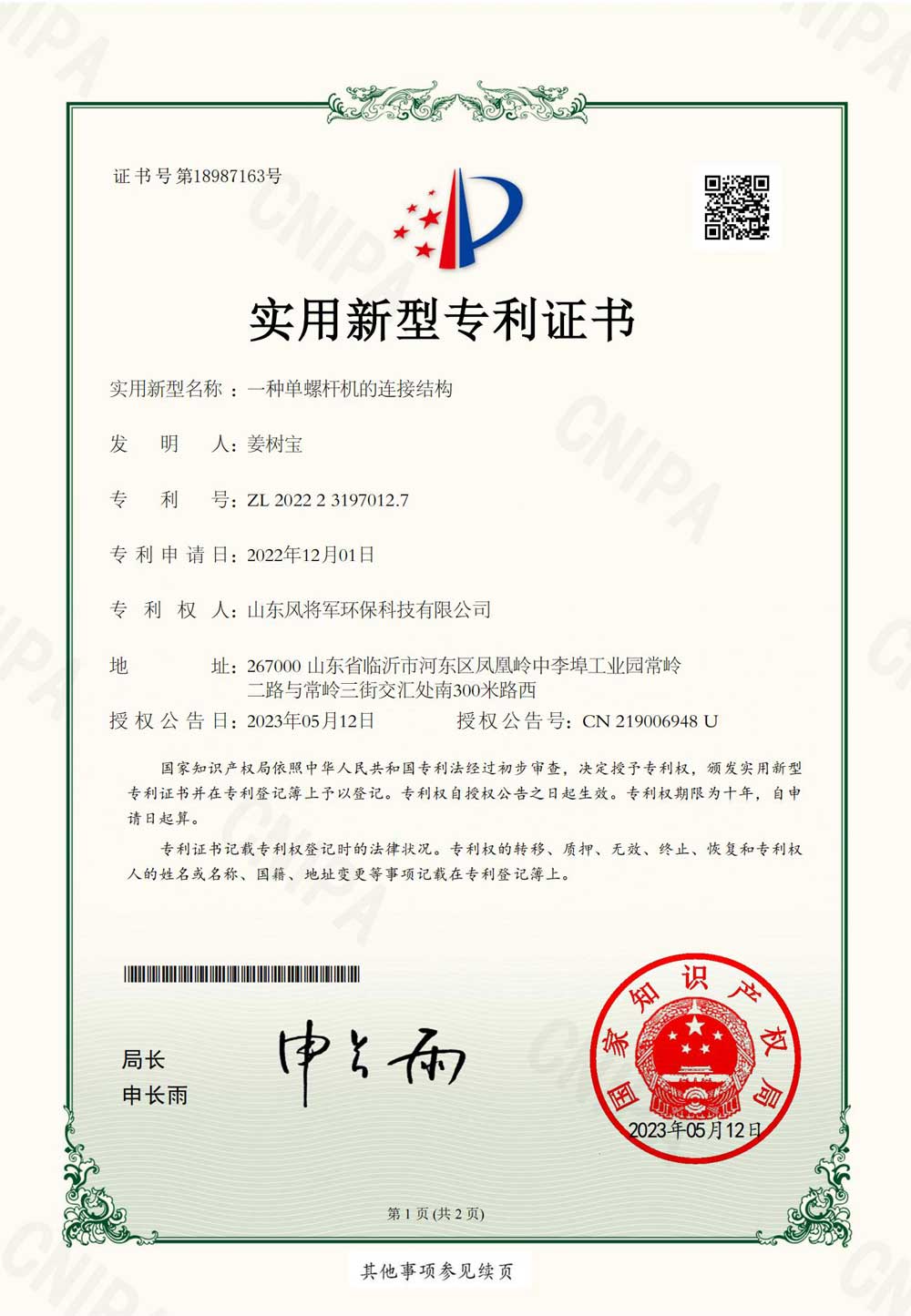
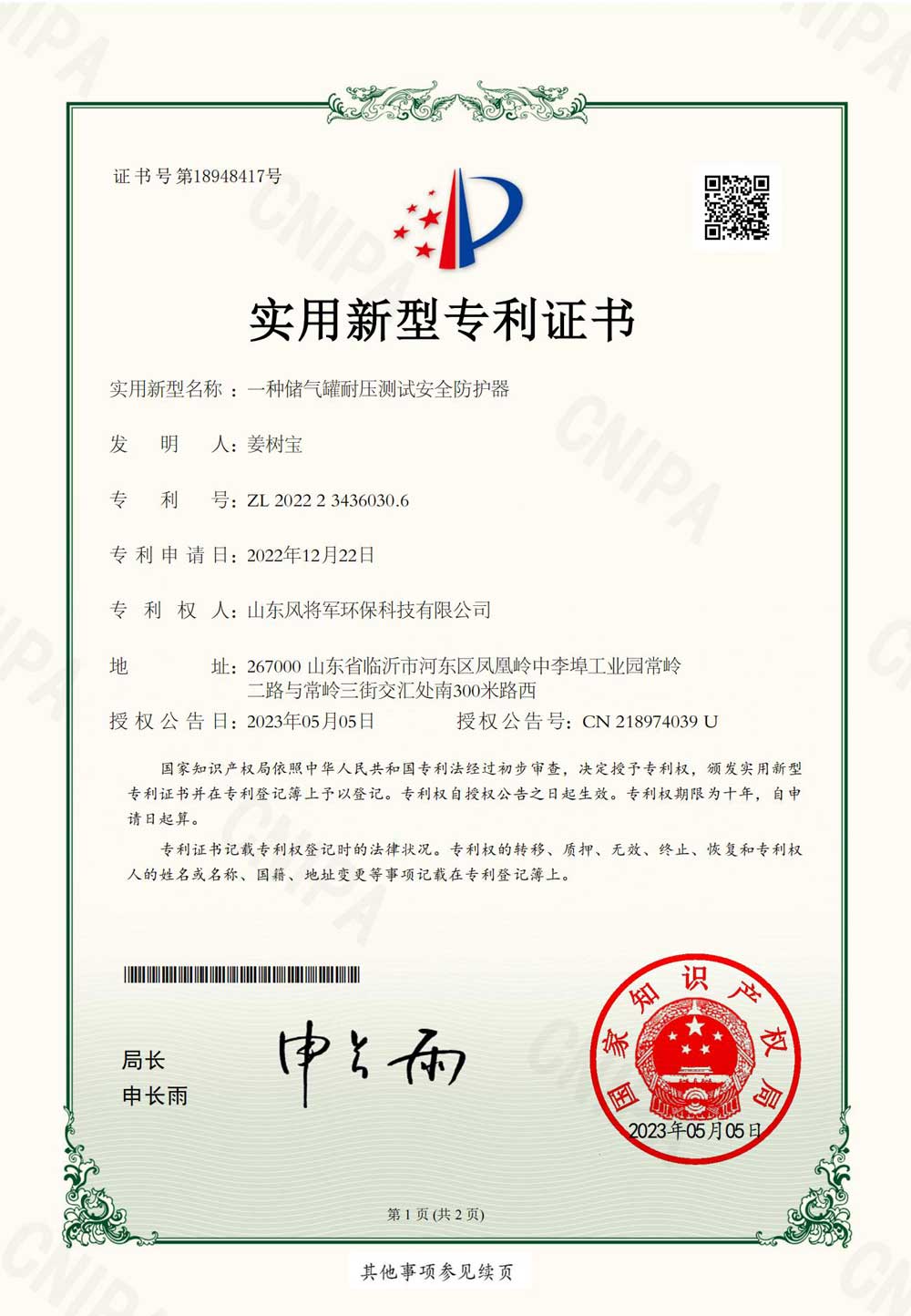
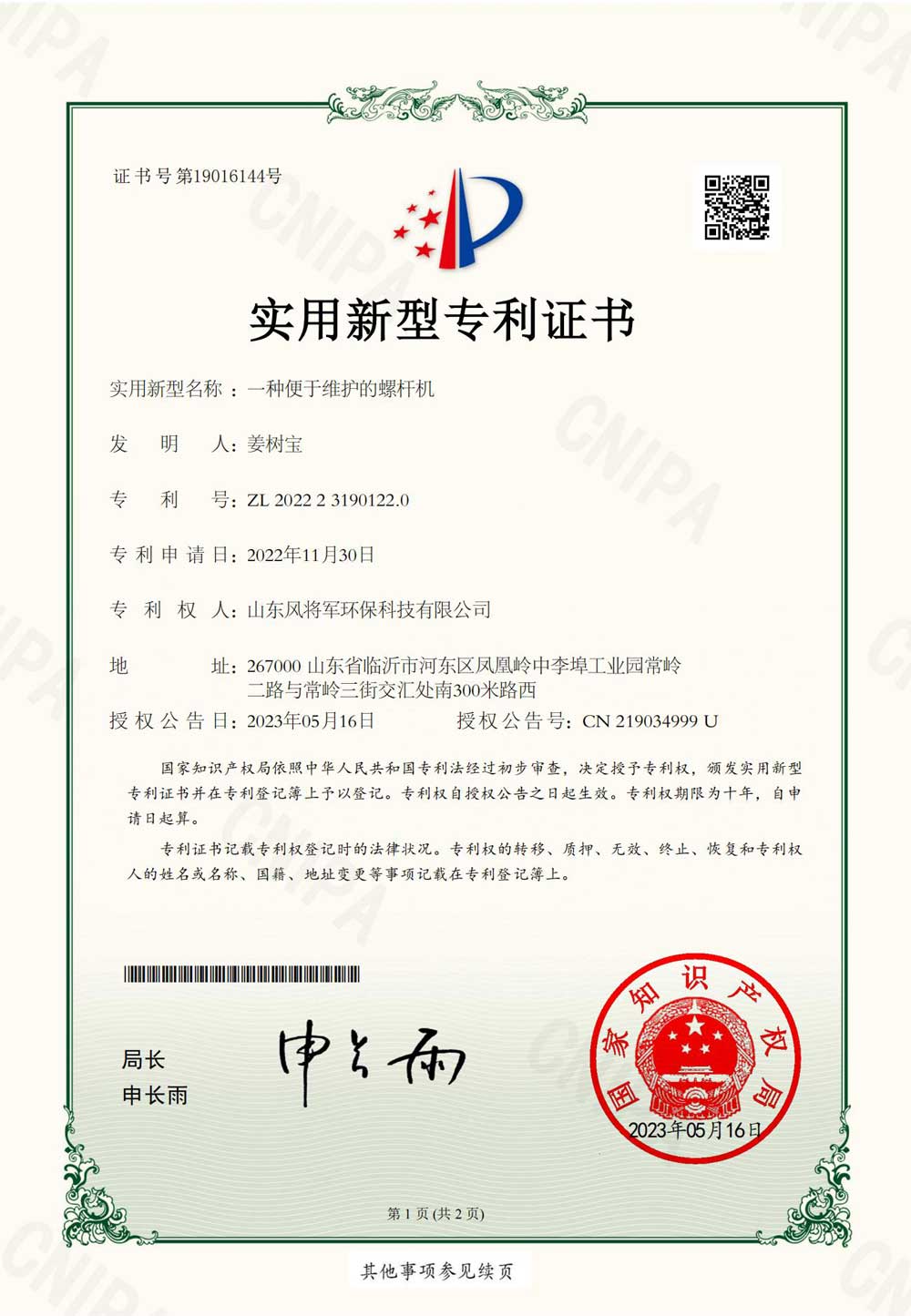
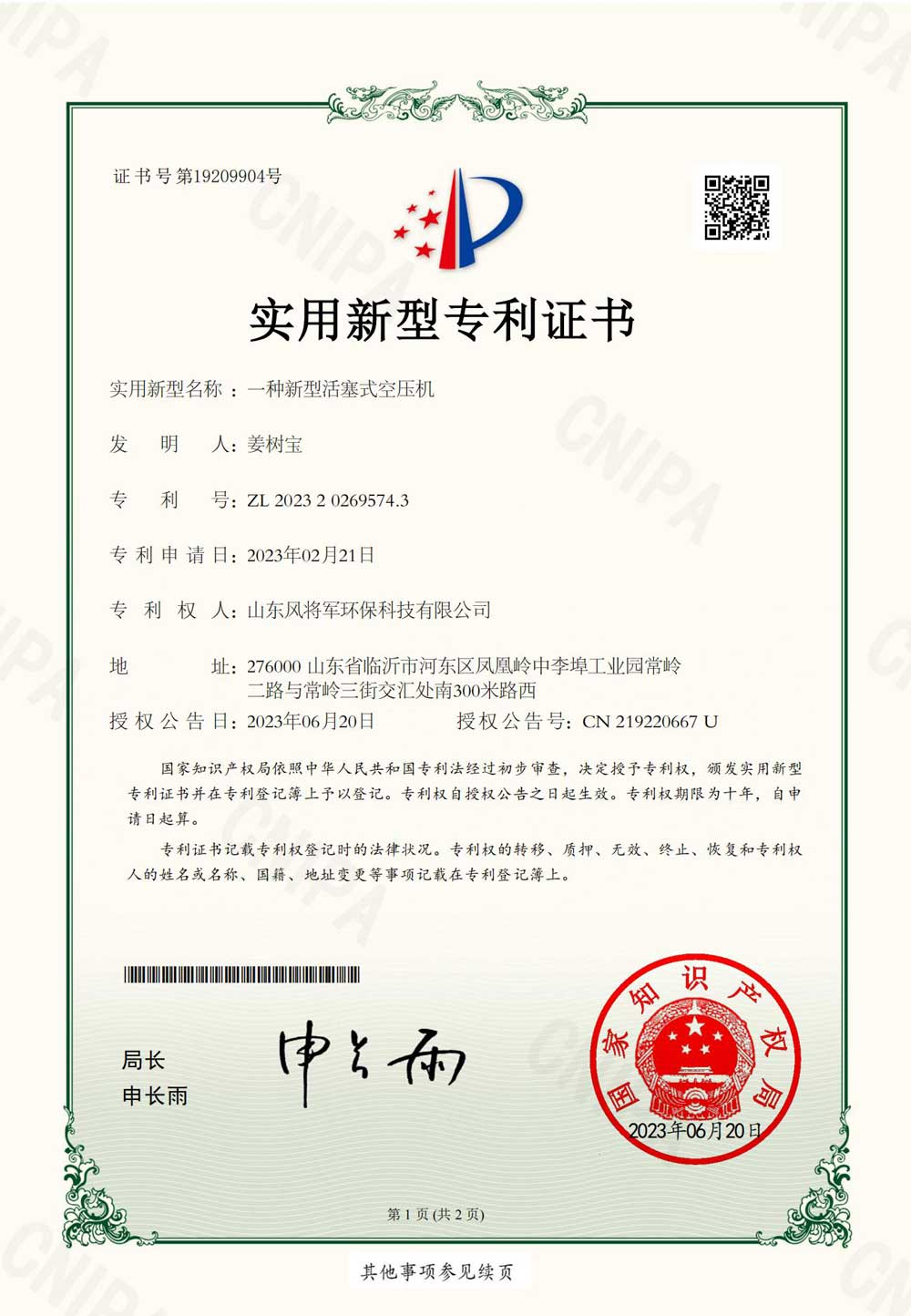
Since our founding, we have earned multiple industry distinctions, including "China Famous Brand," "Green and Environmentally Friendly Product," "High-Tech Enterprise," and "3A Credit Enterprise."
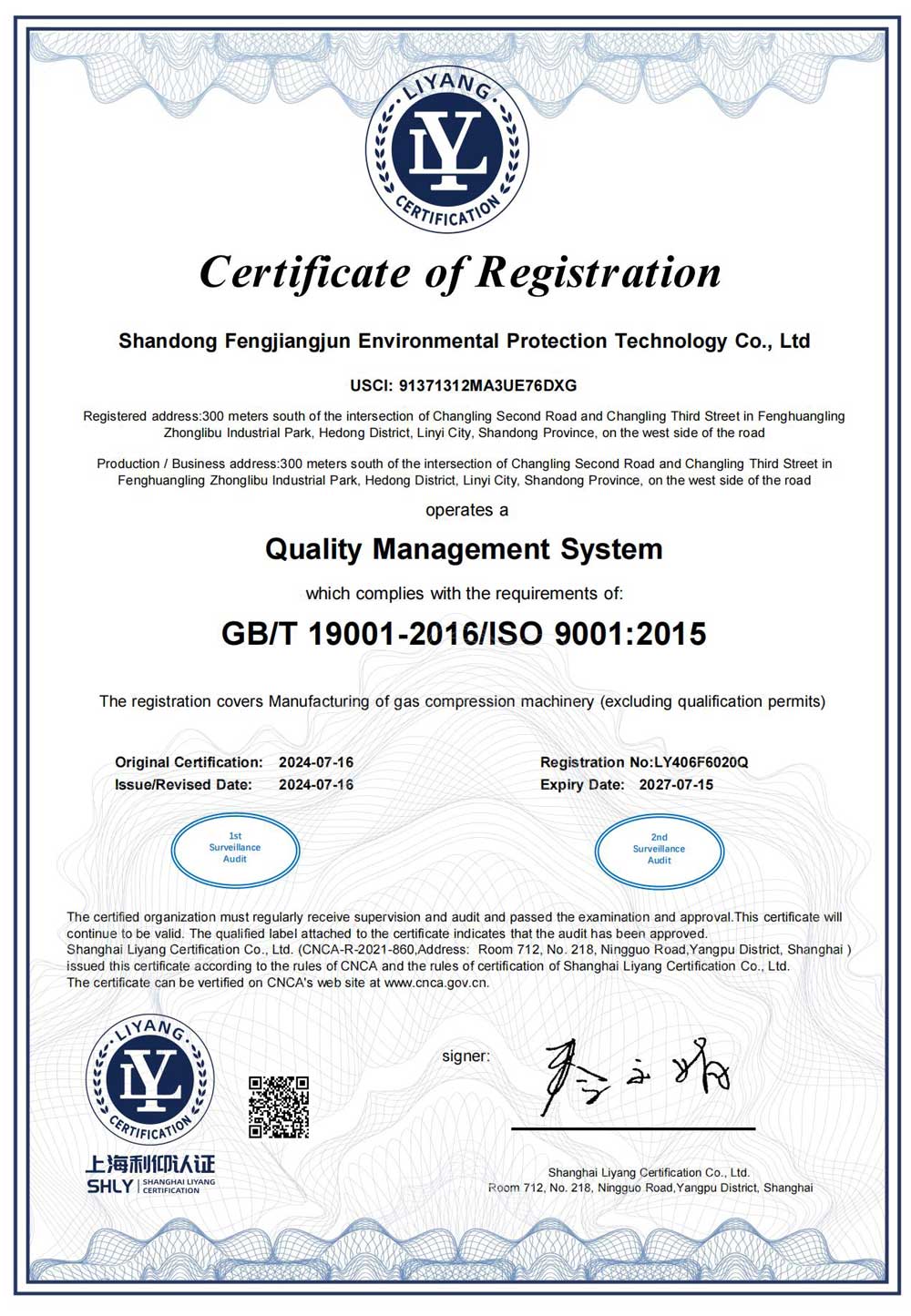
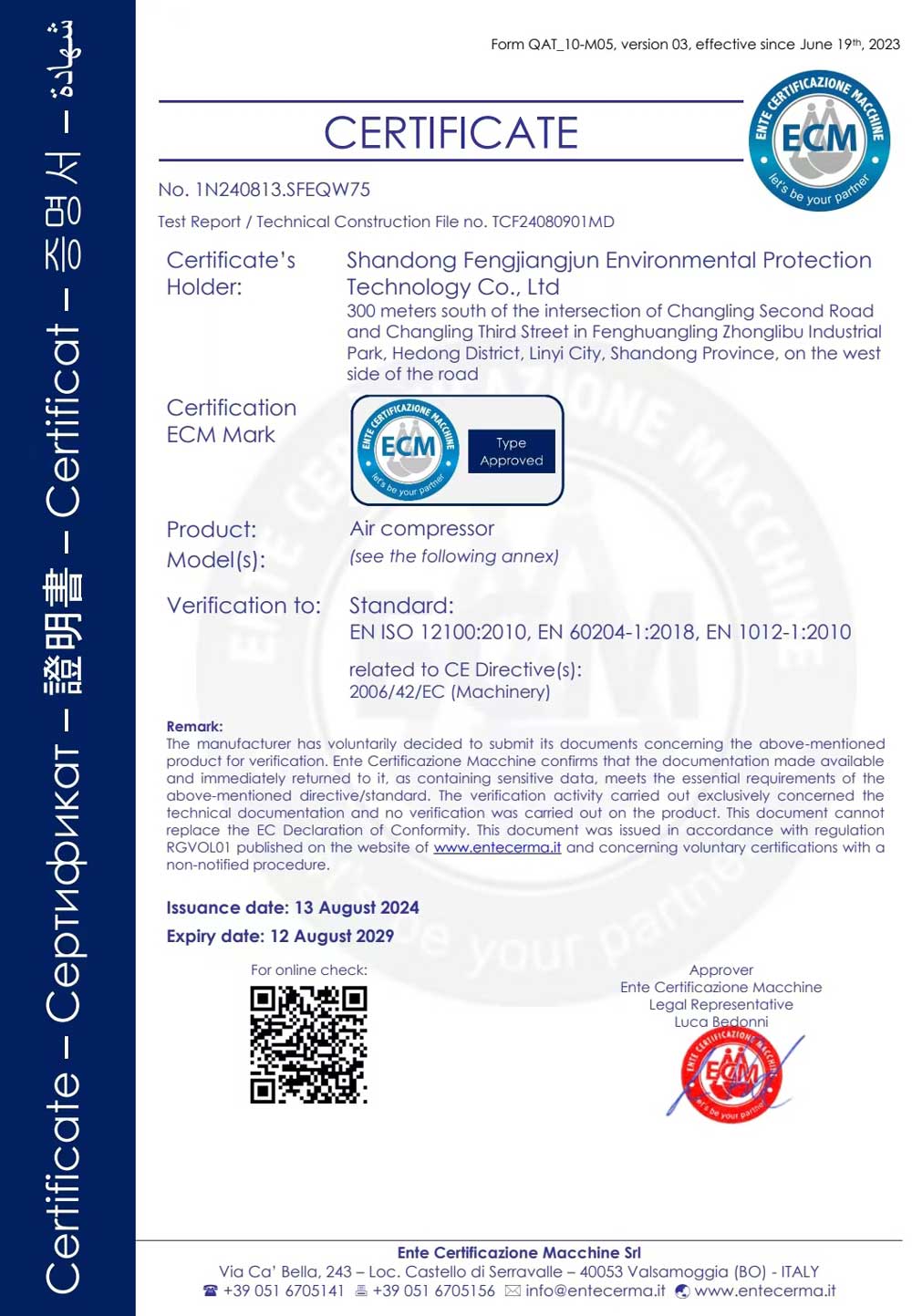
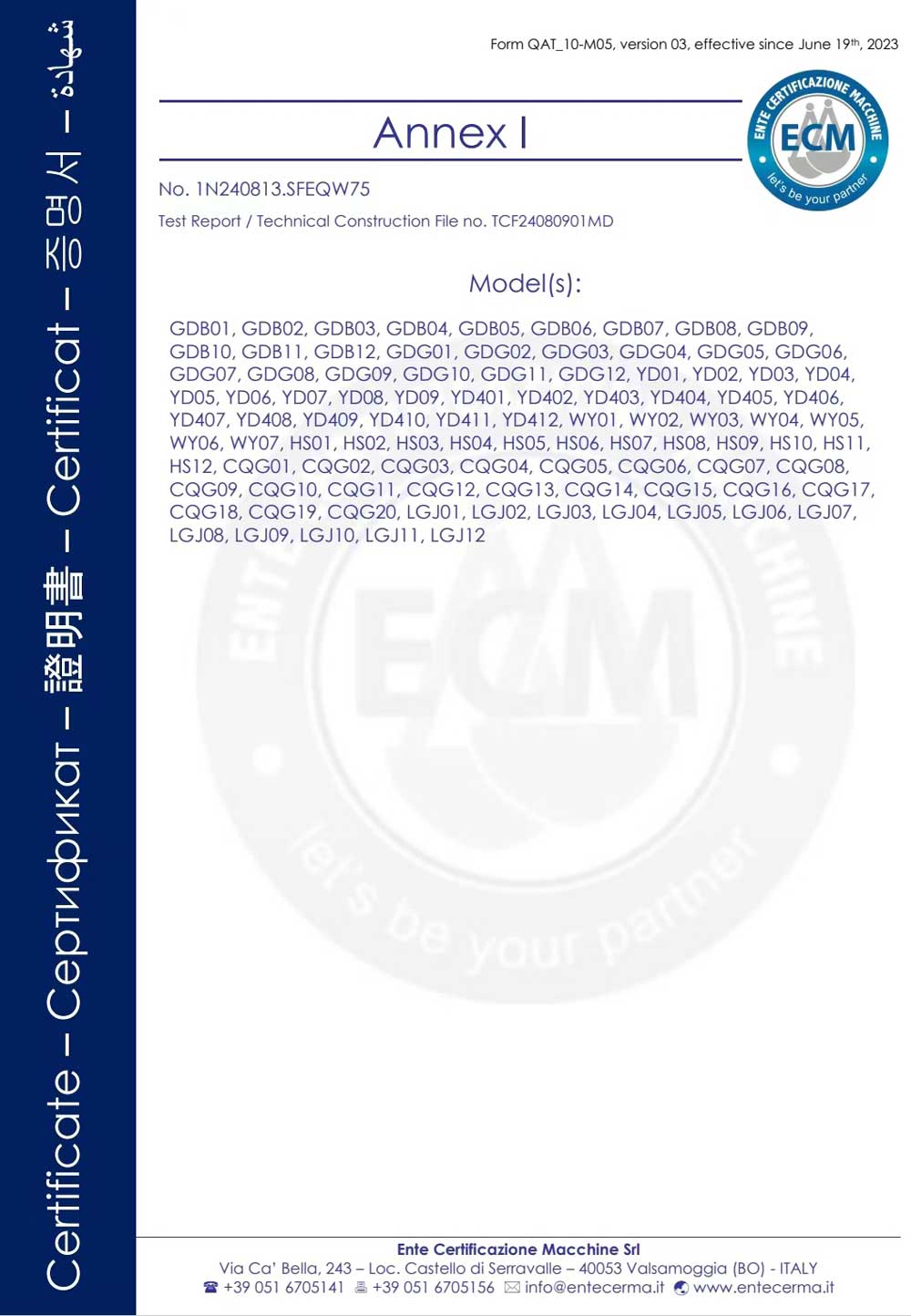
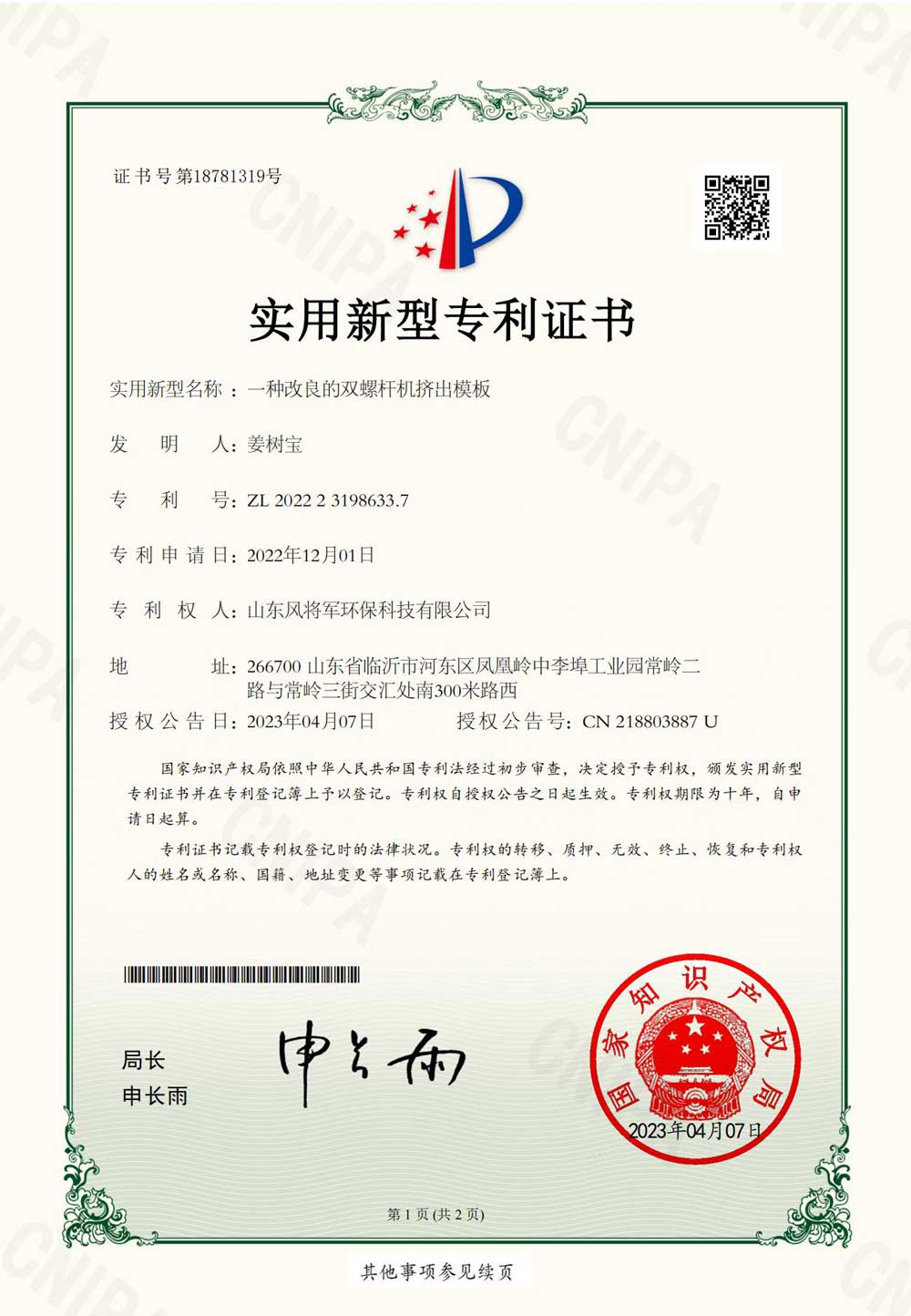
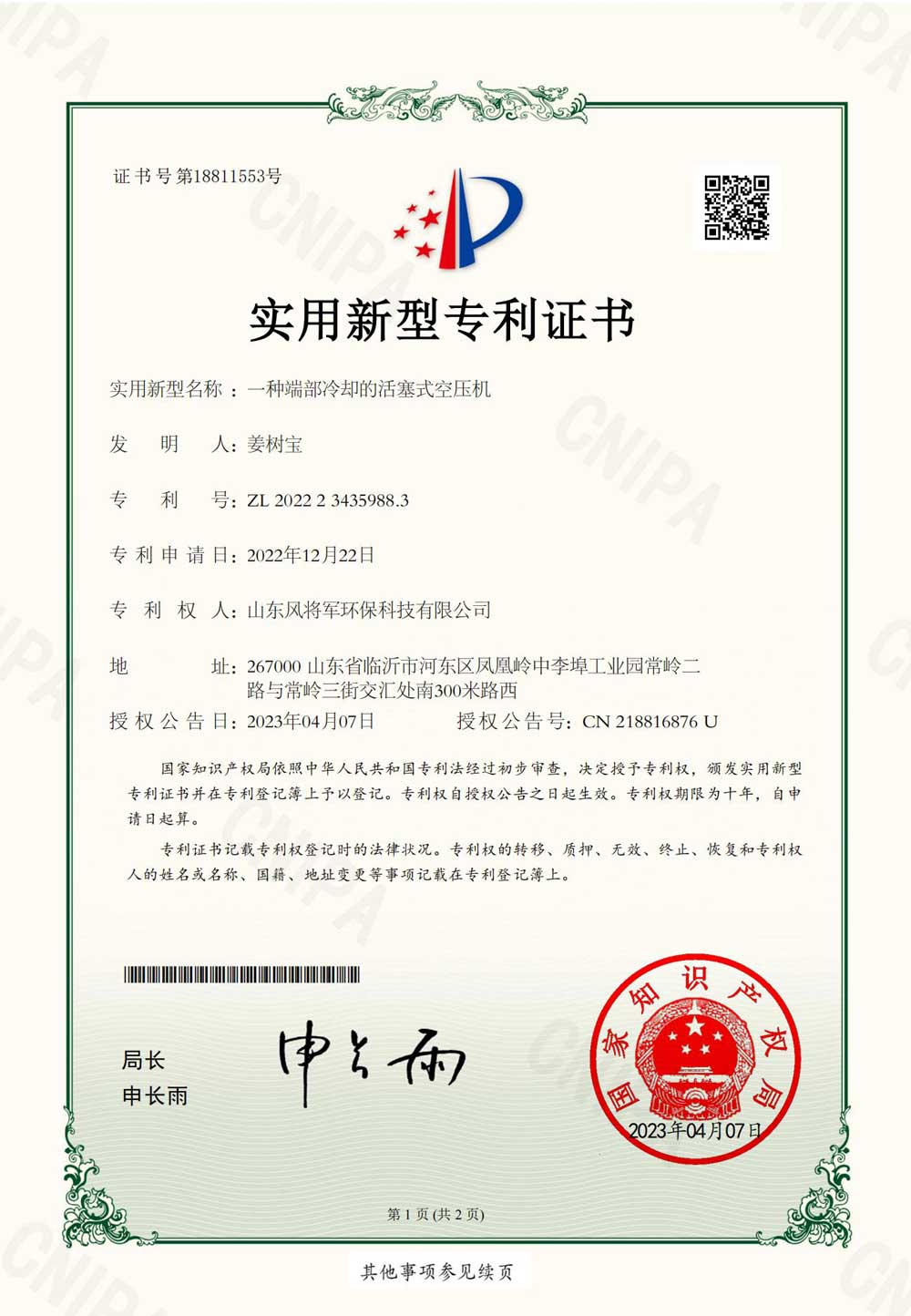
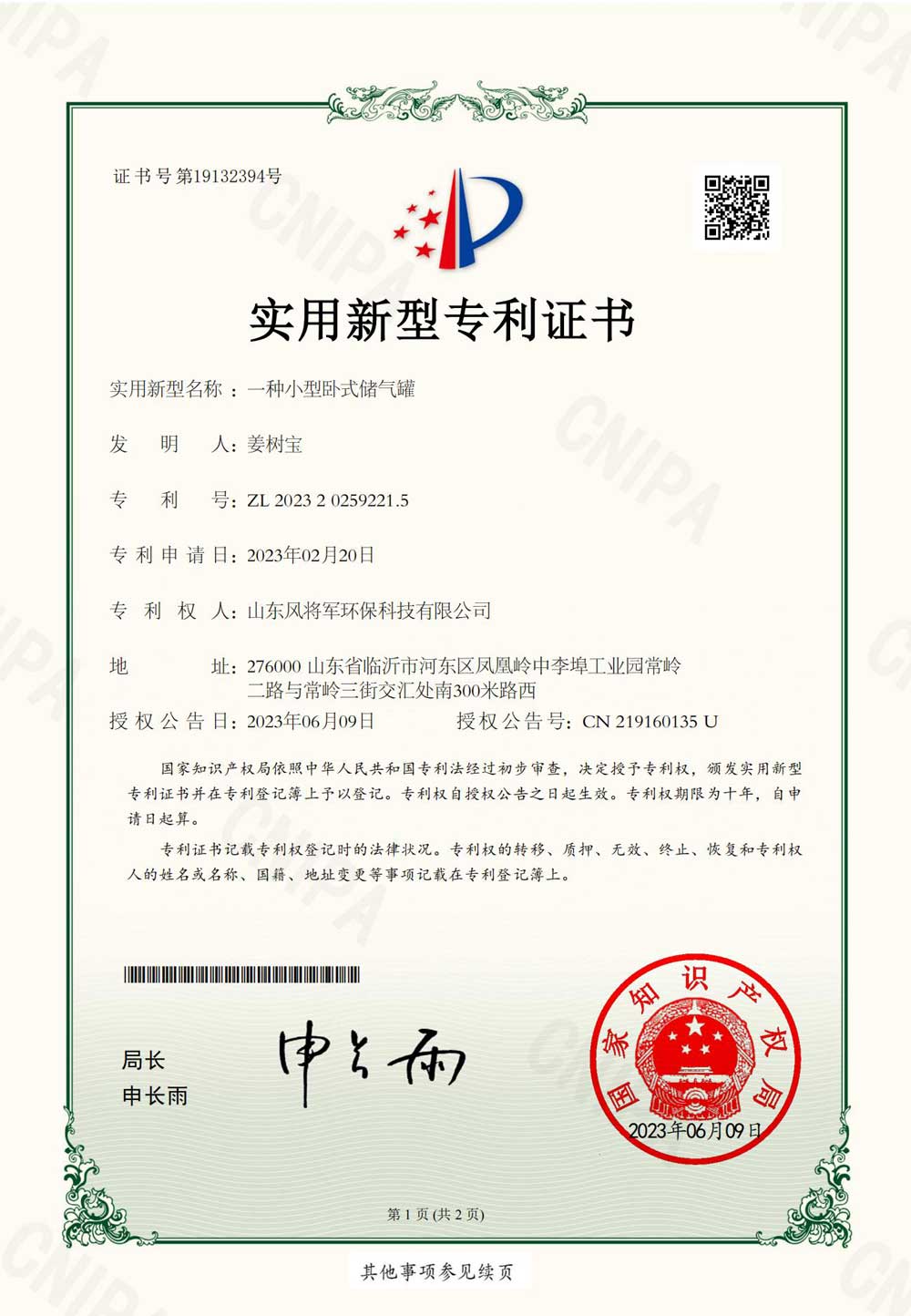
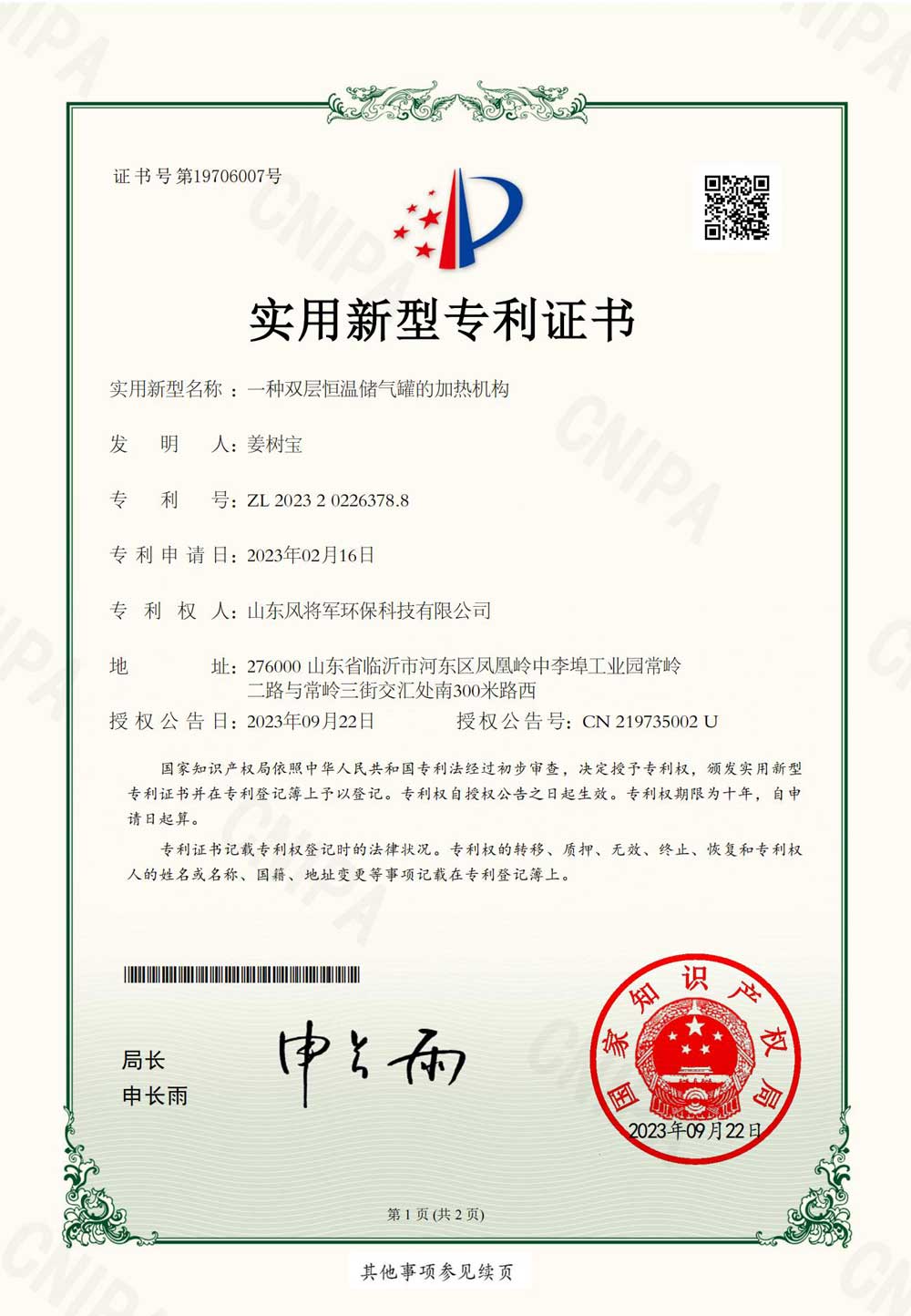
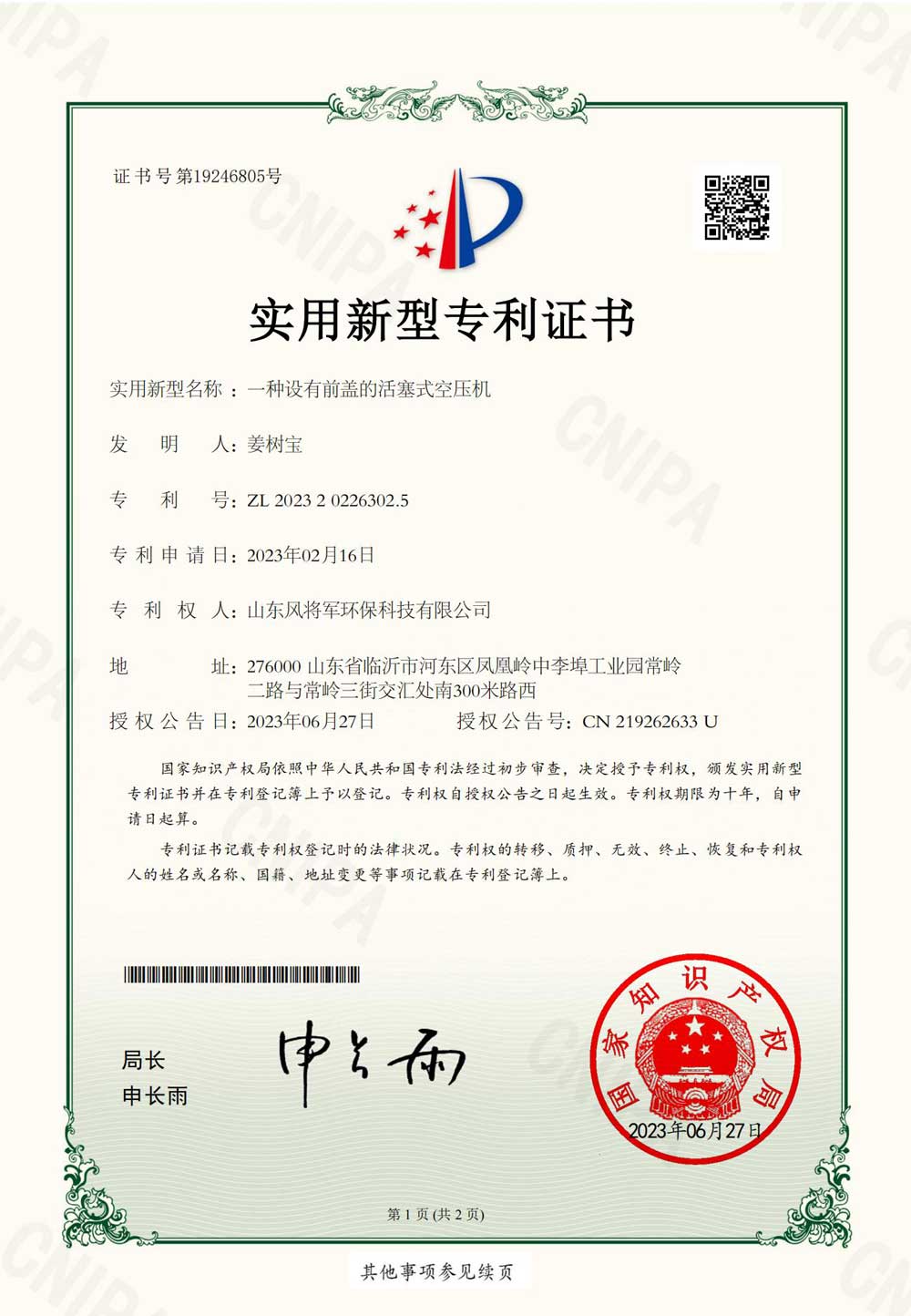
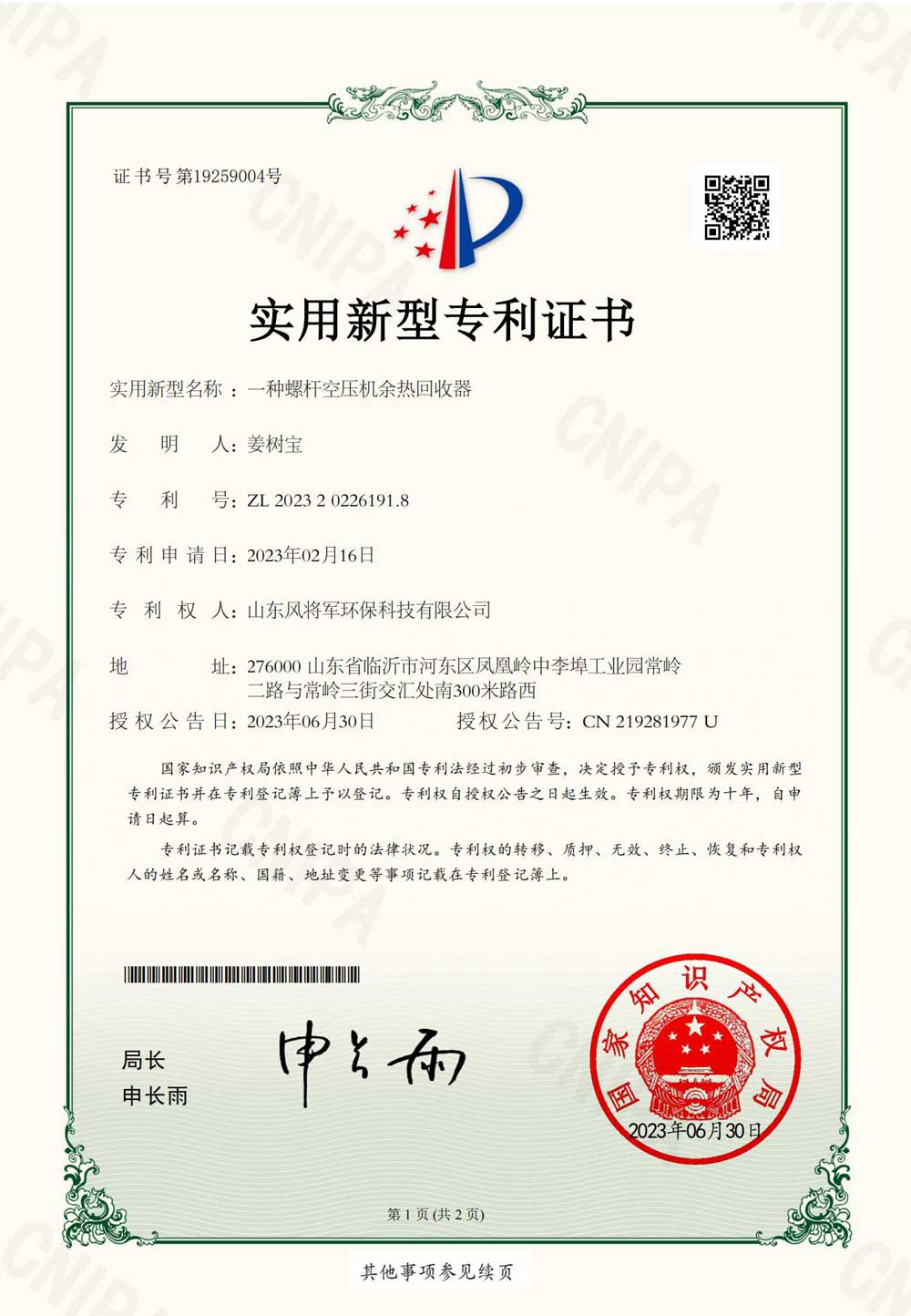
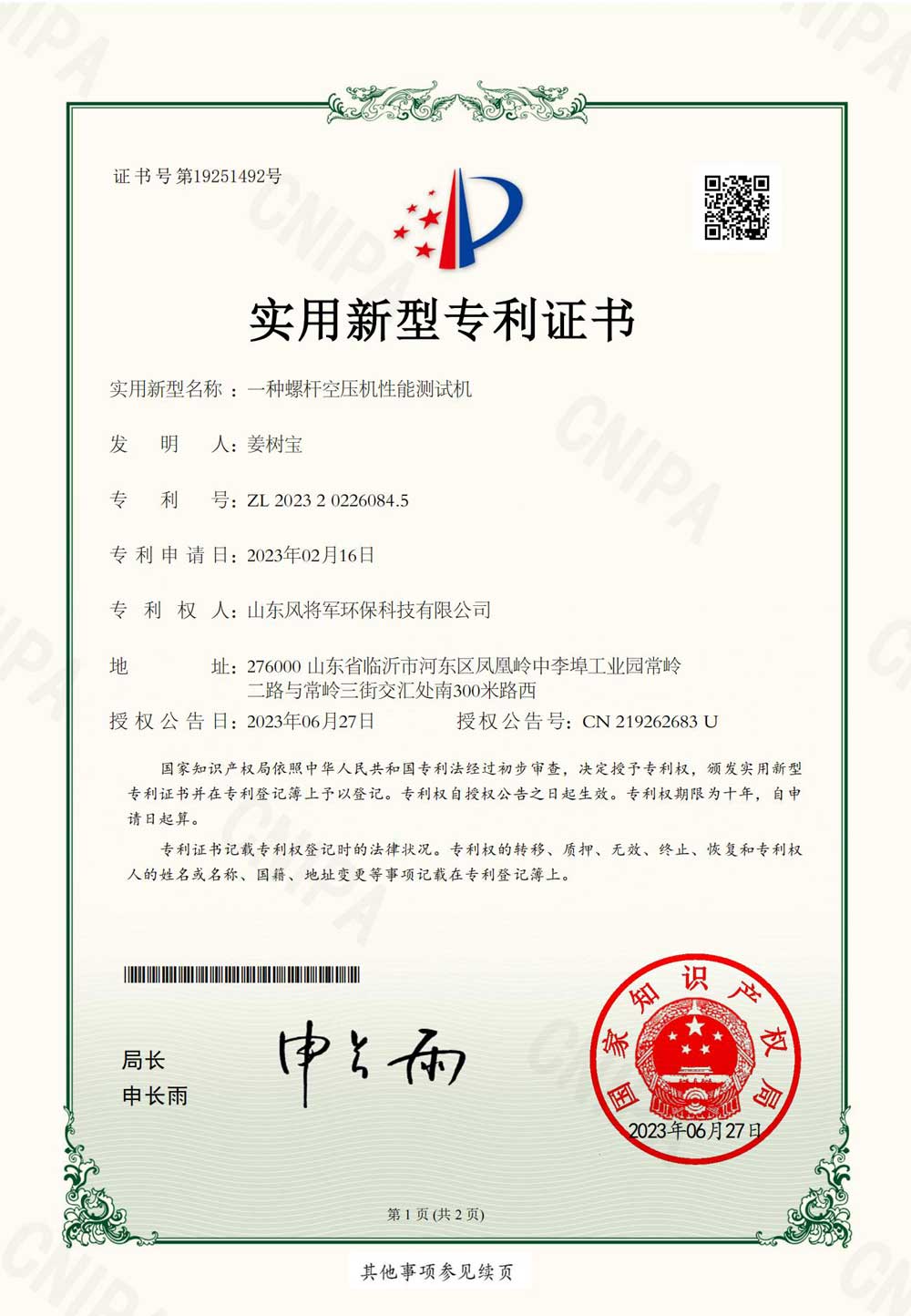
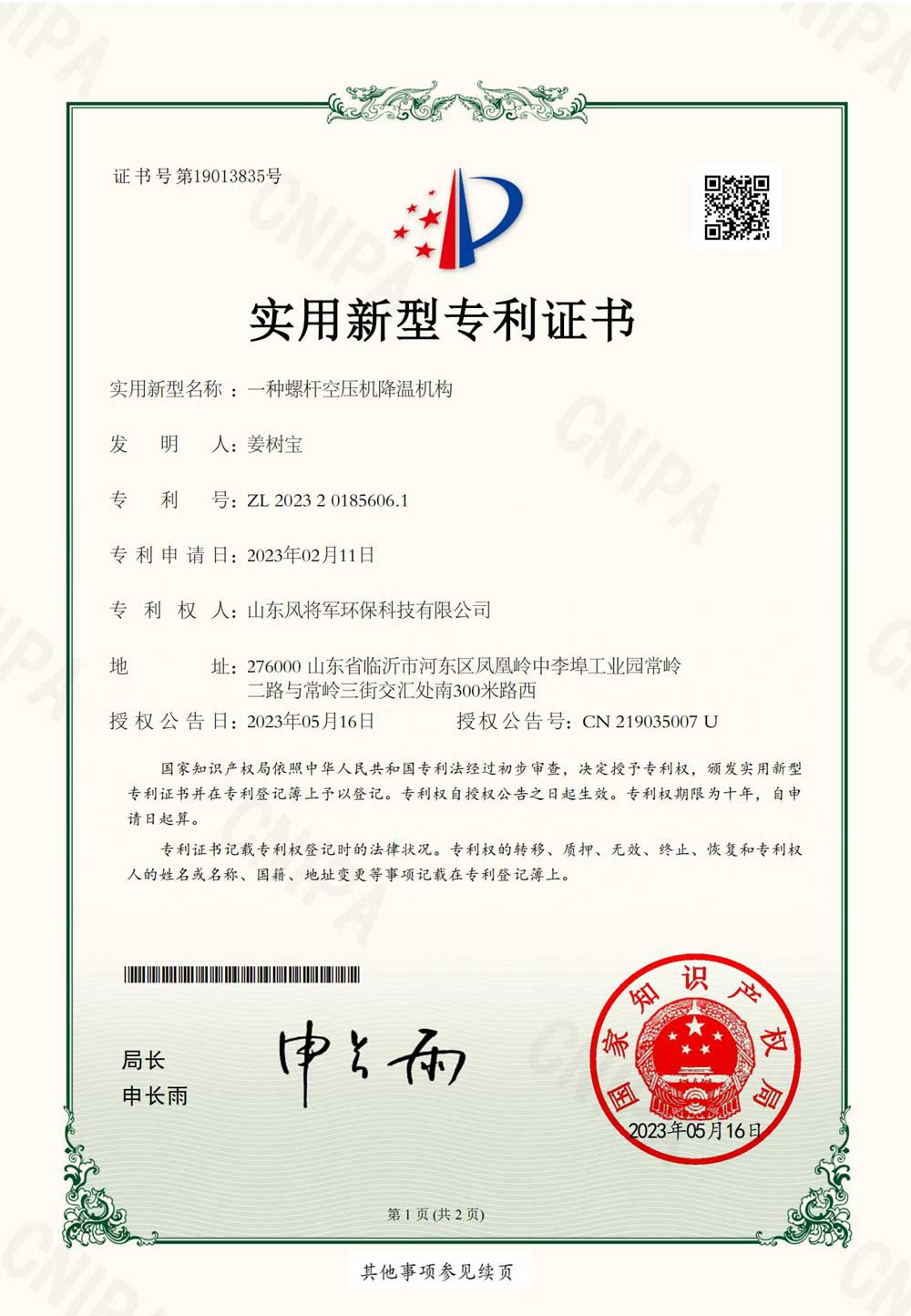
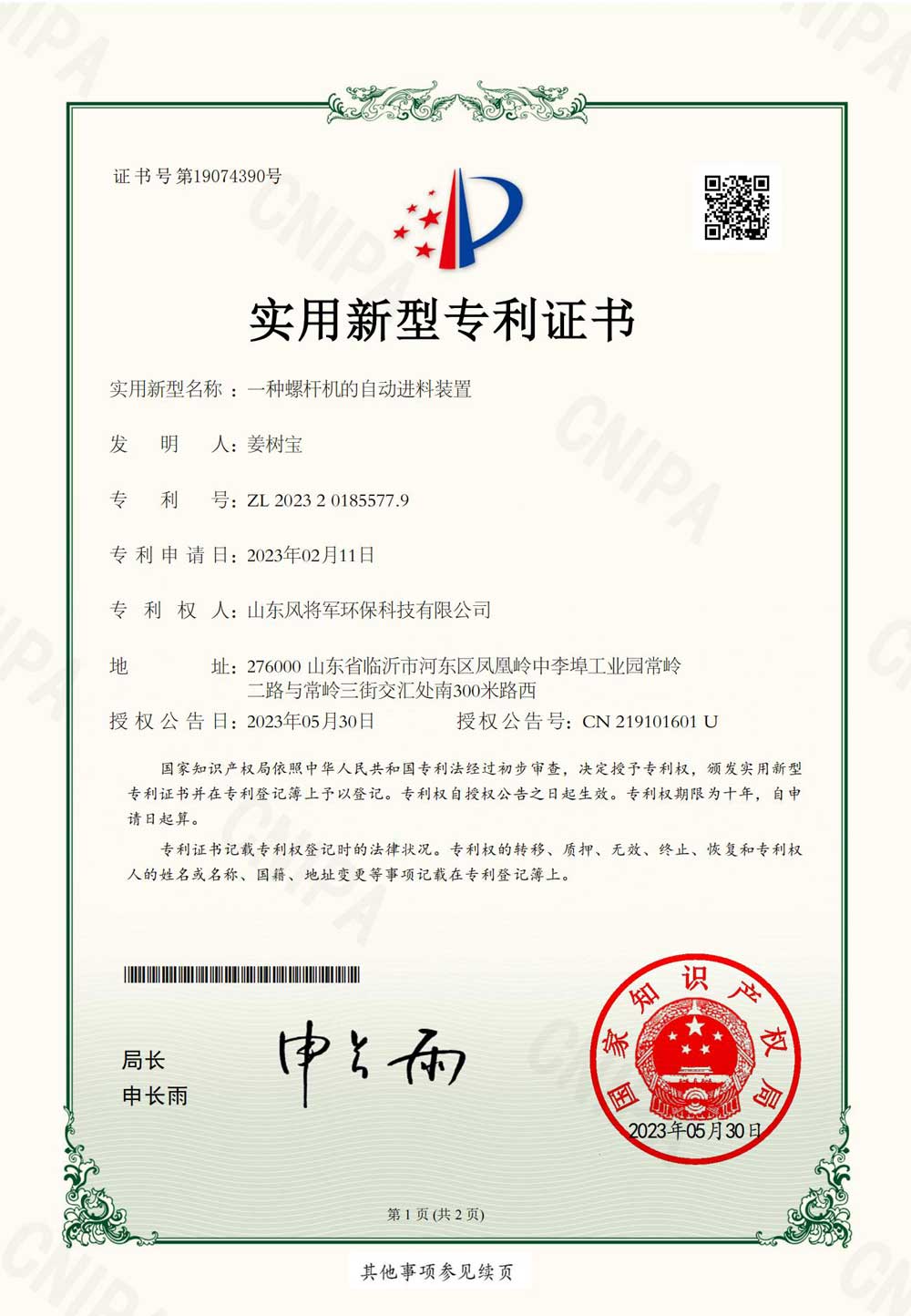
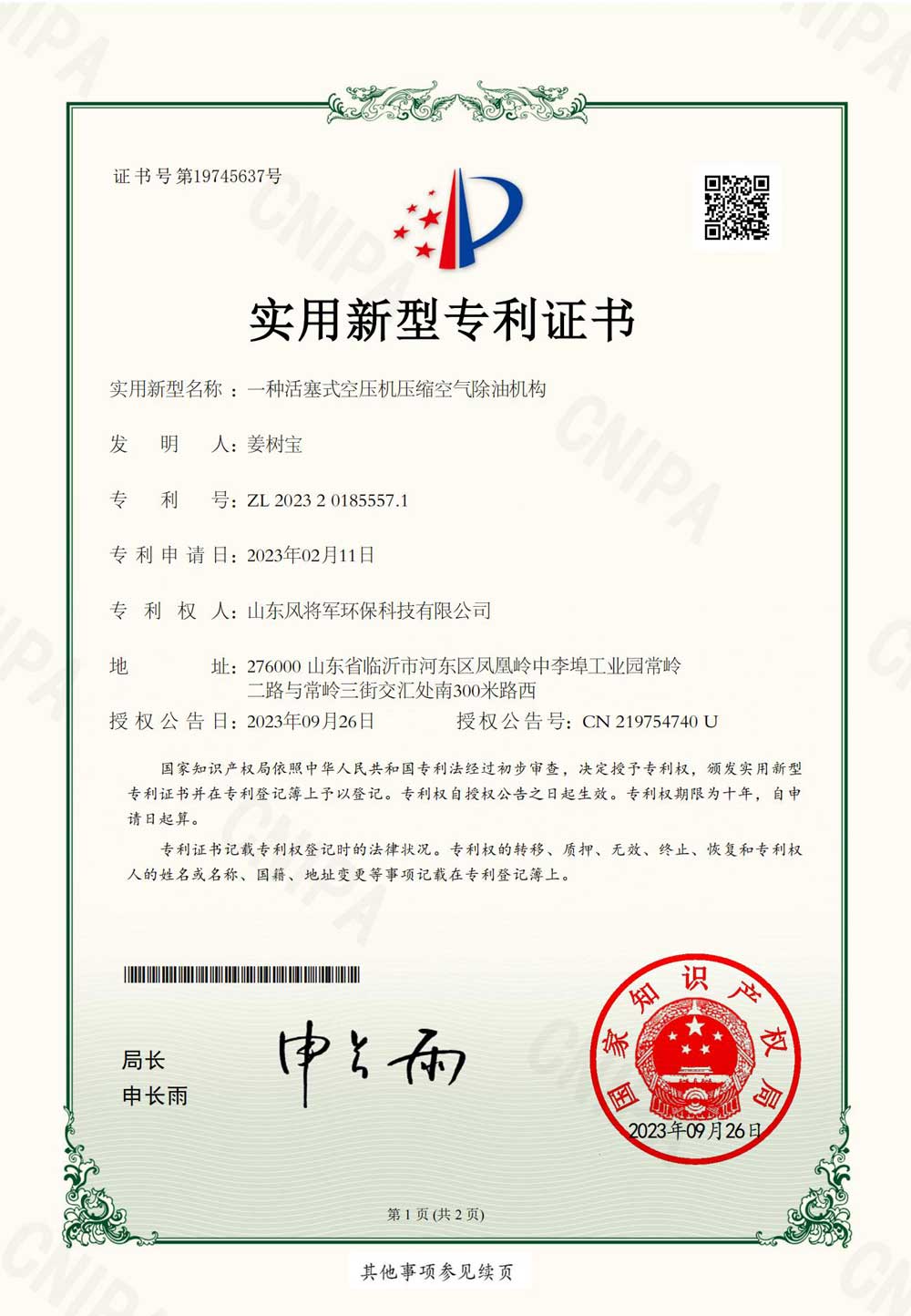
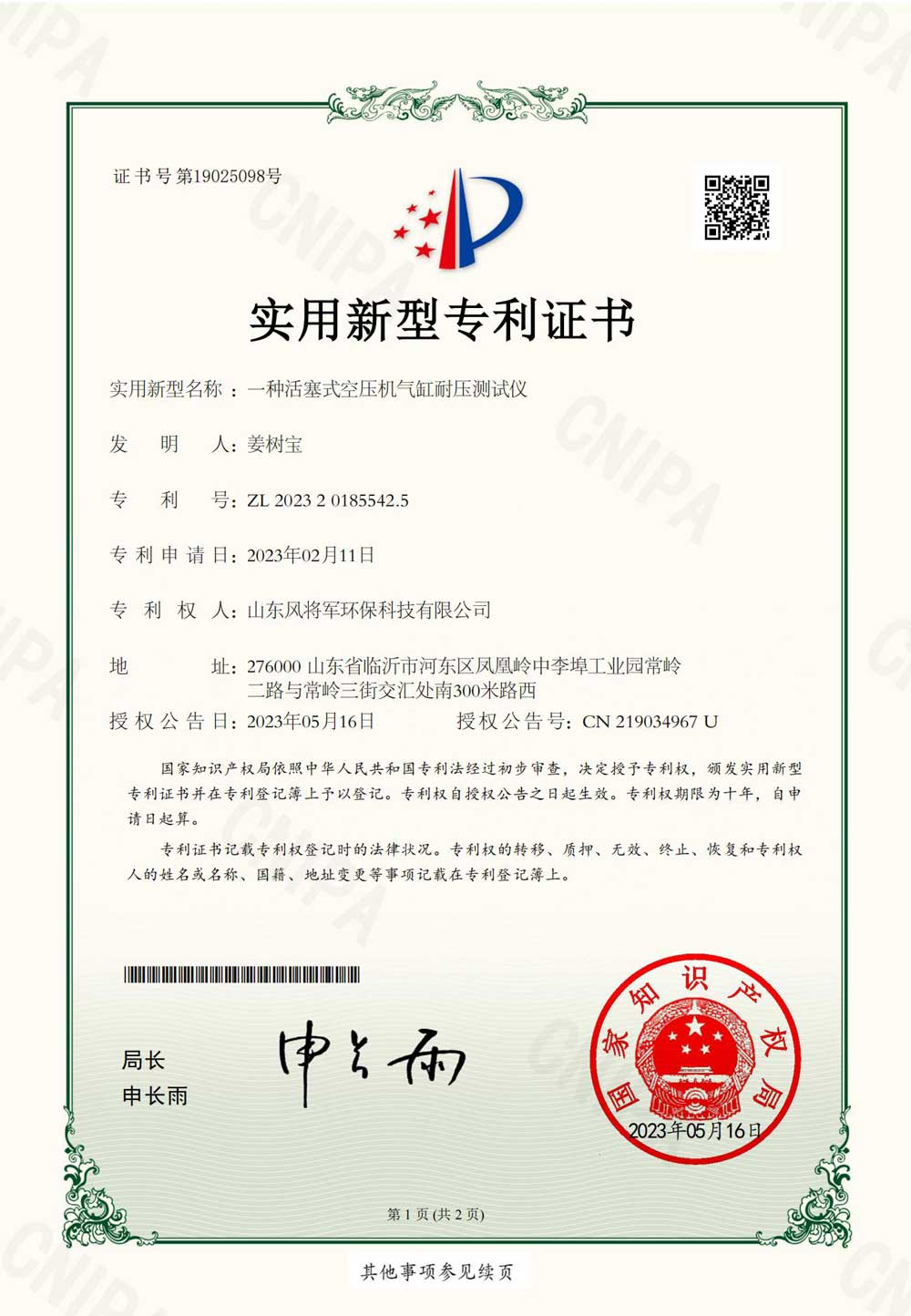
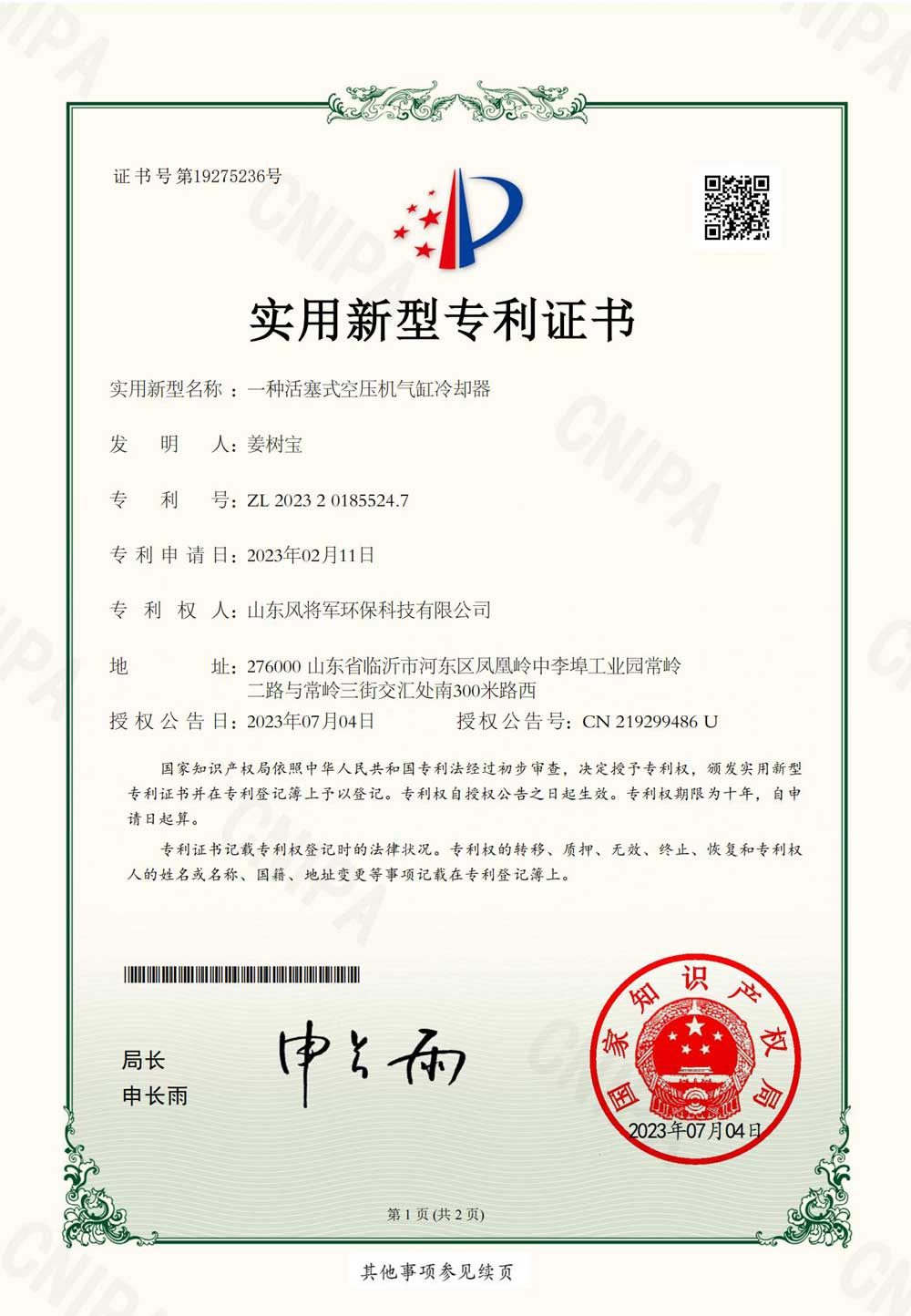
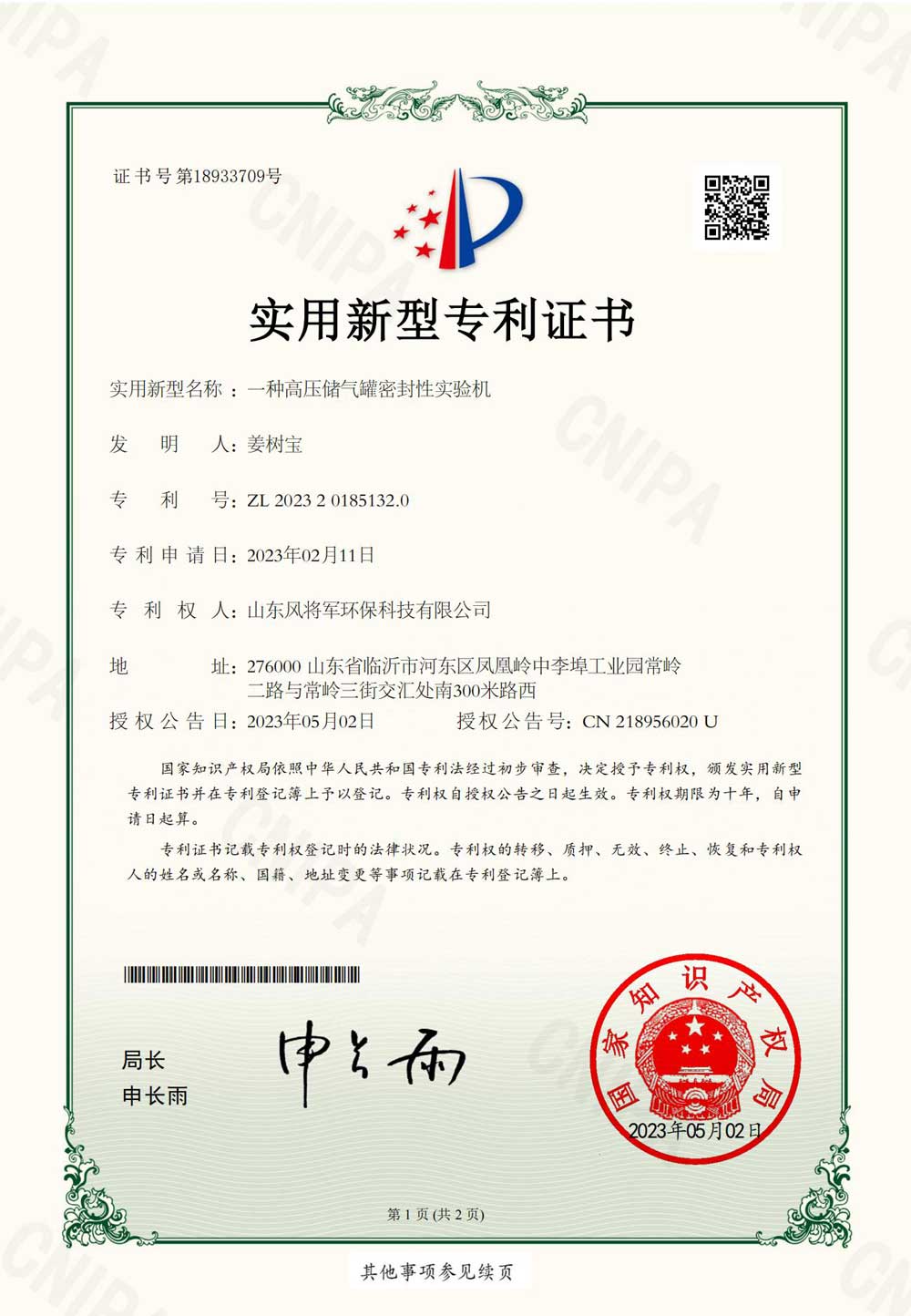
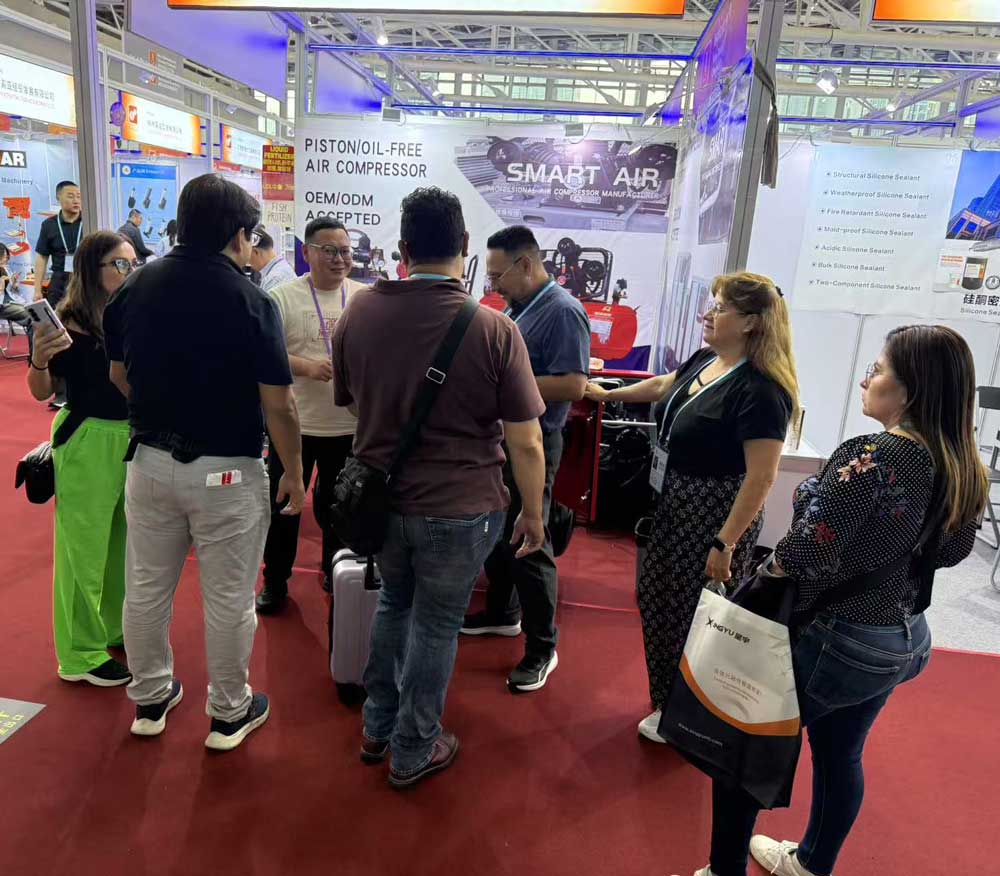
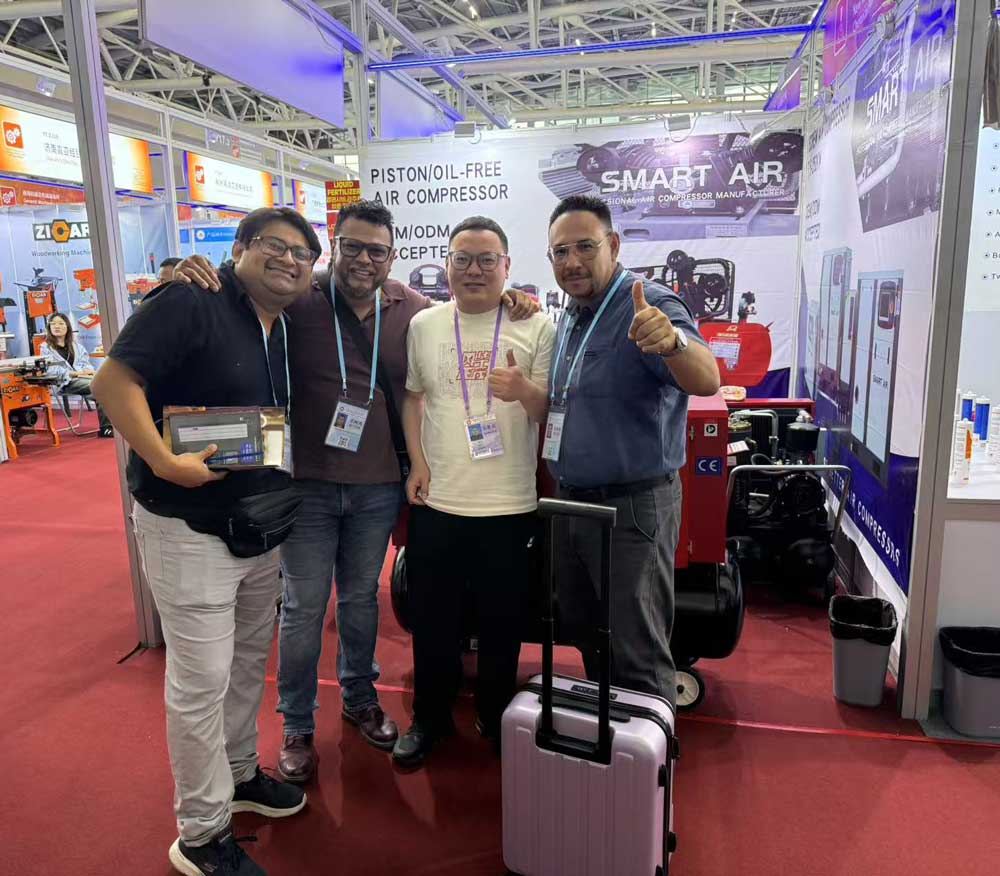
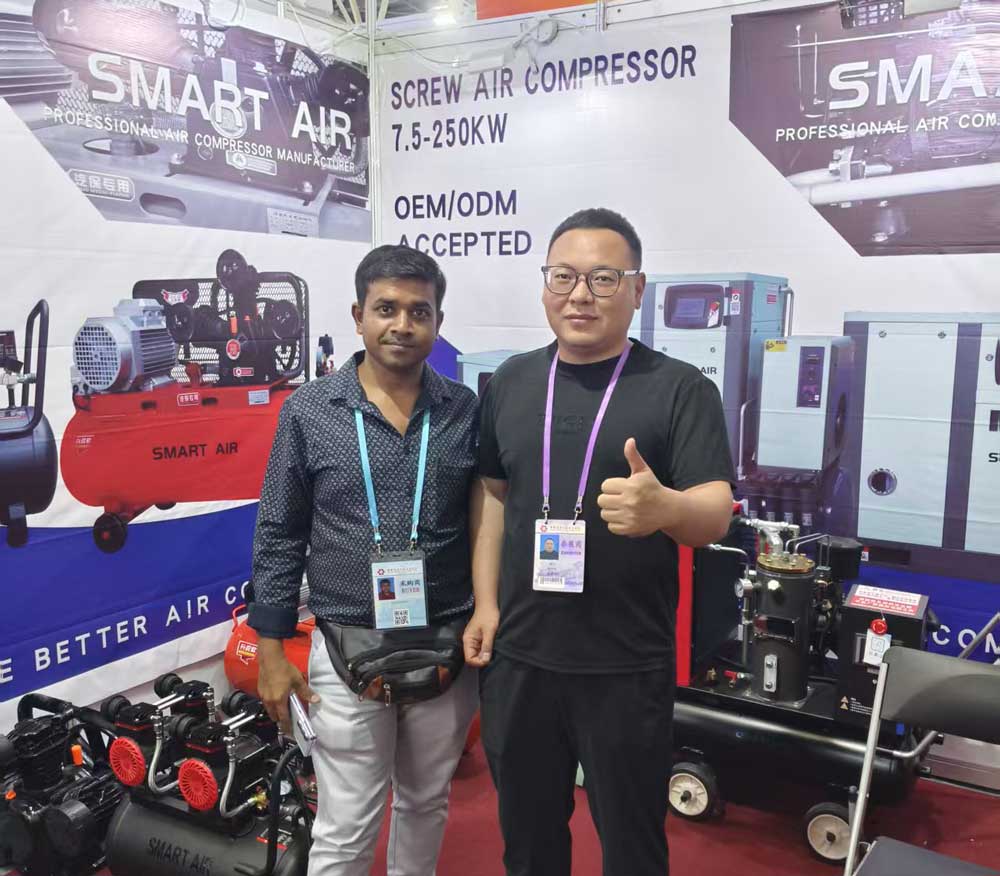
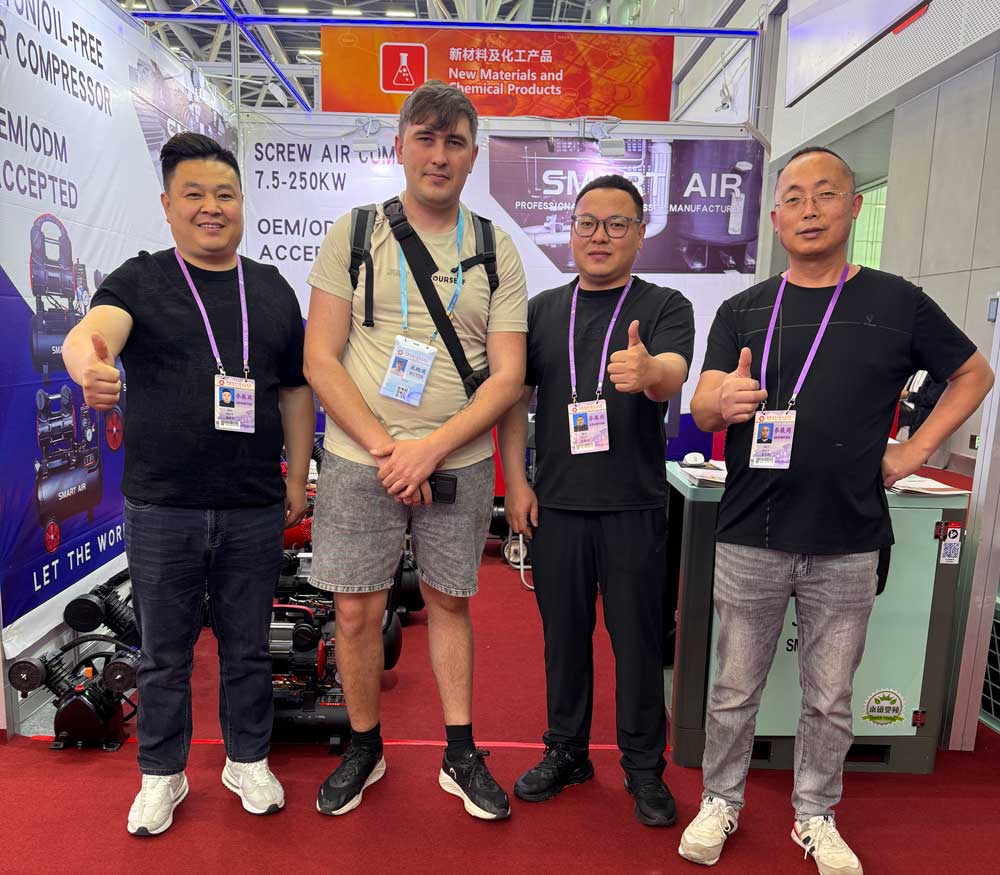
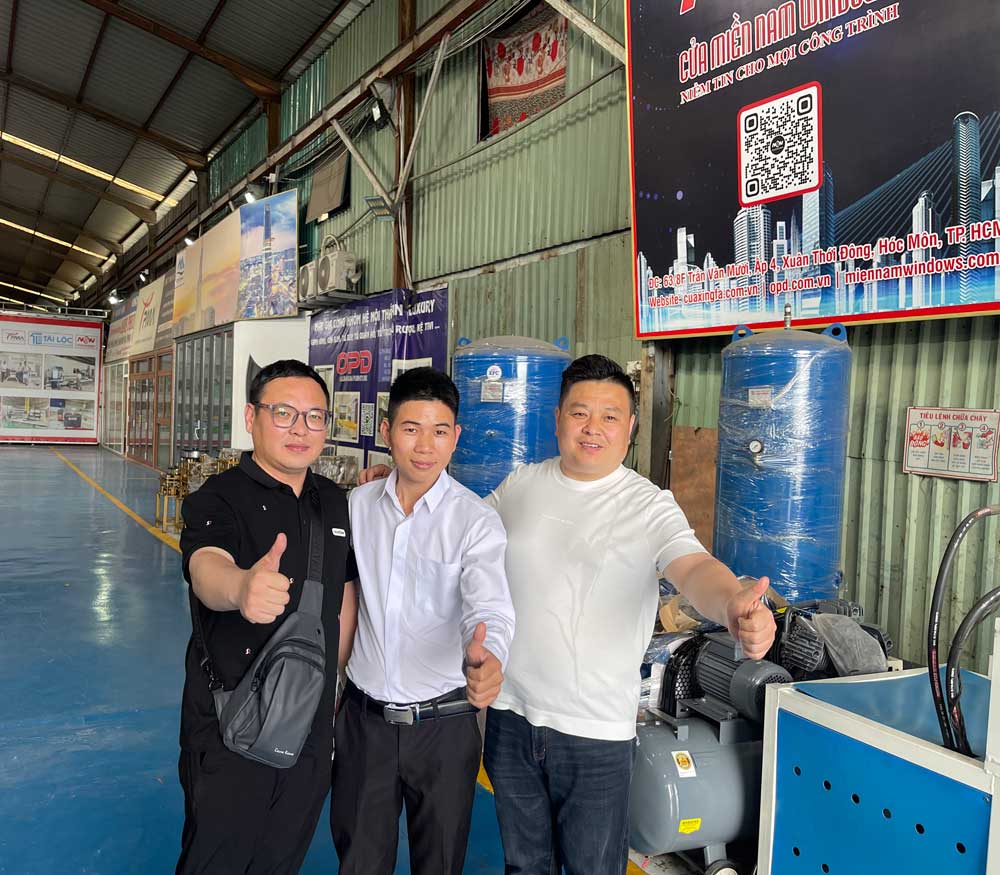
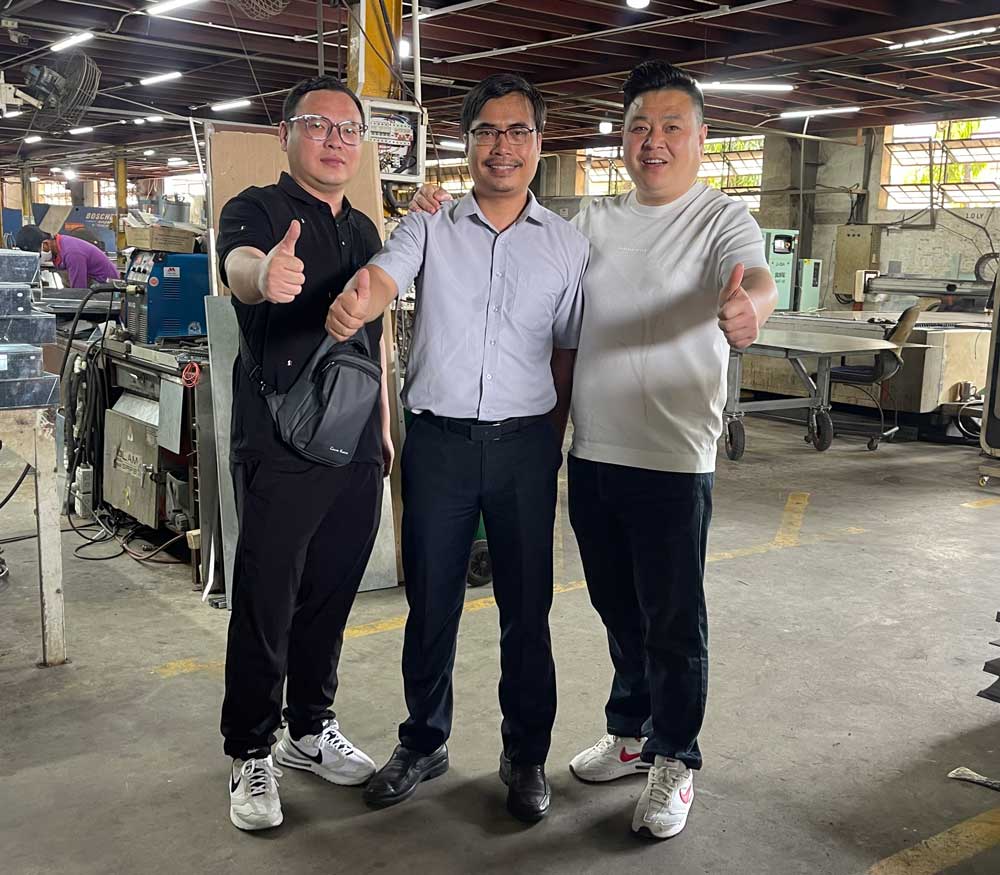
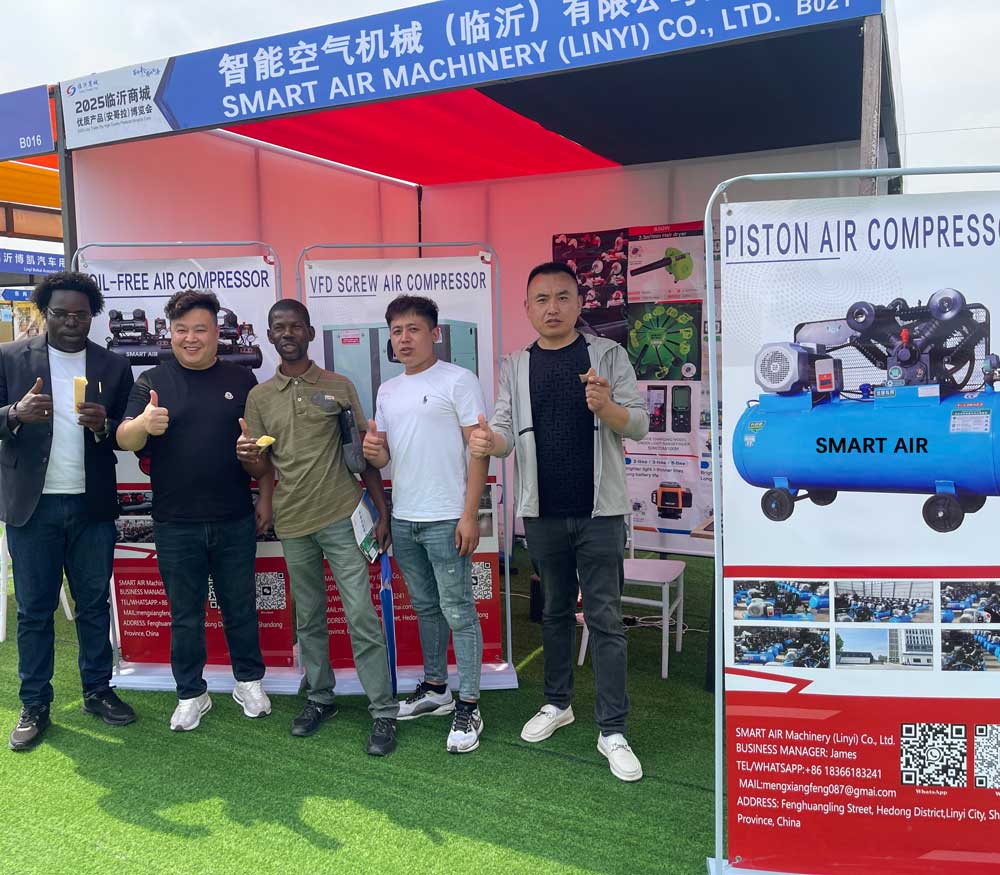
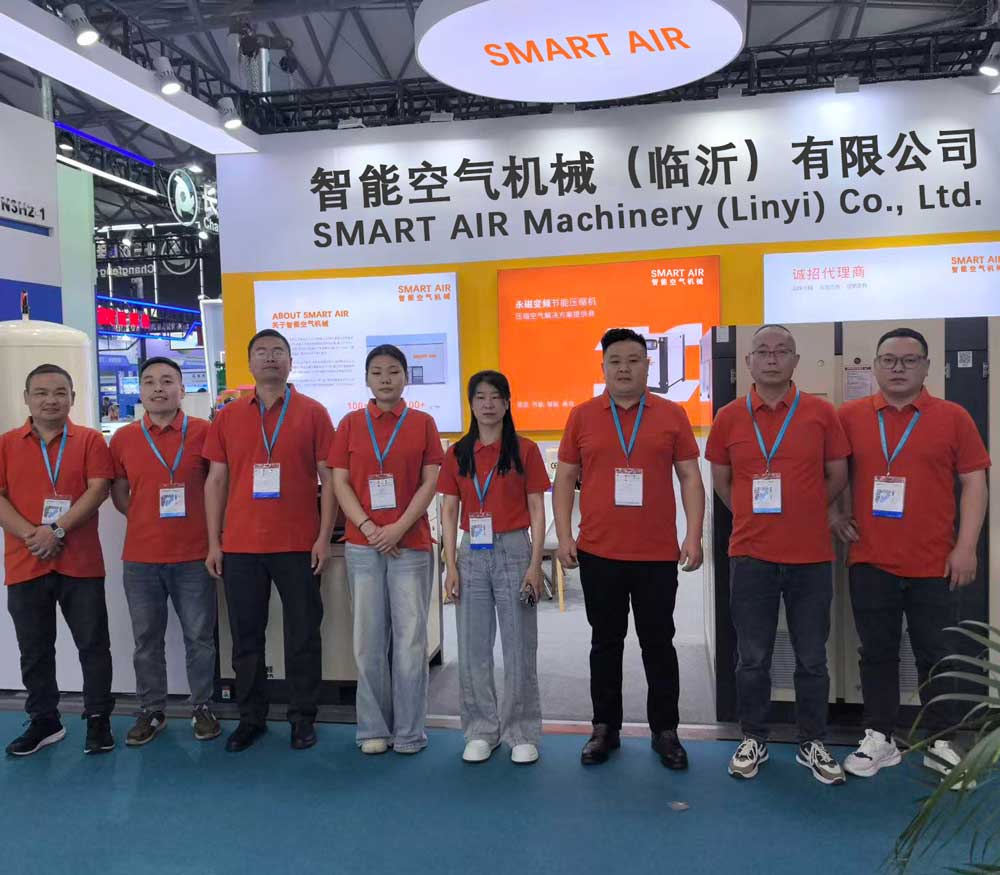
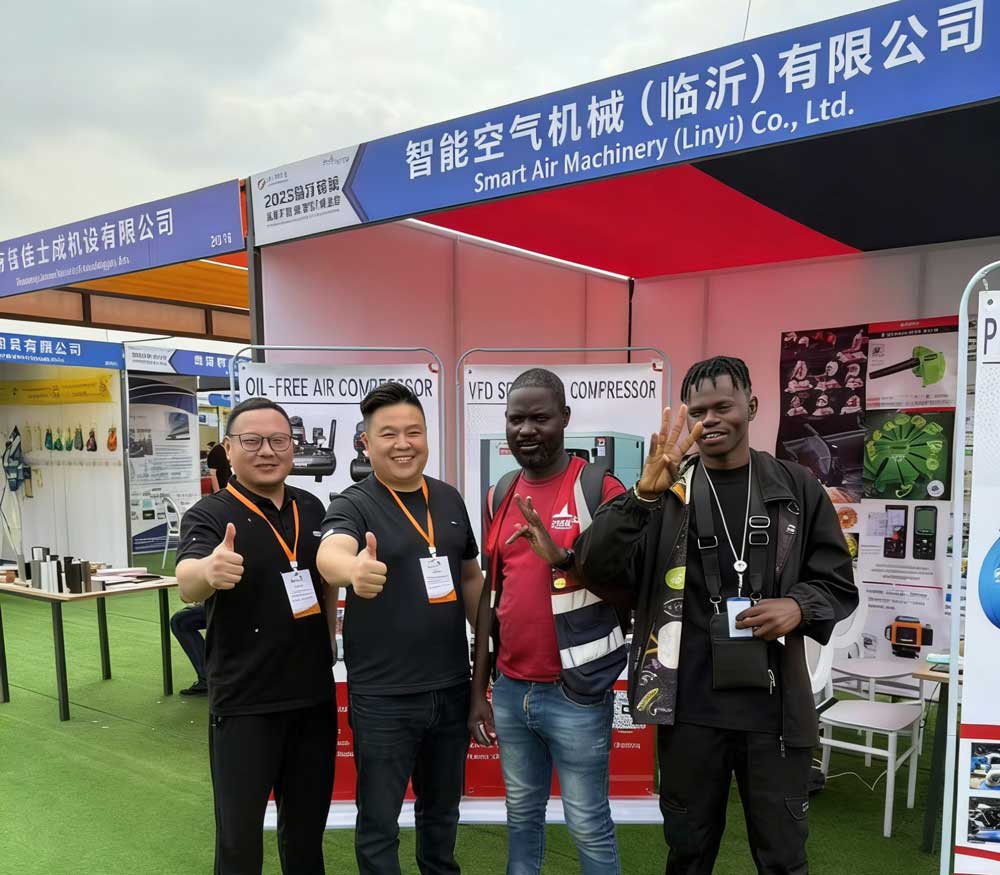
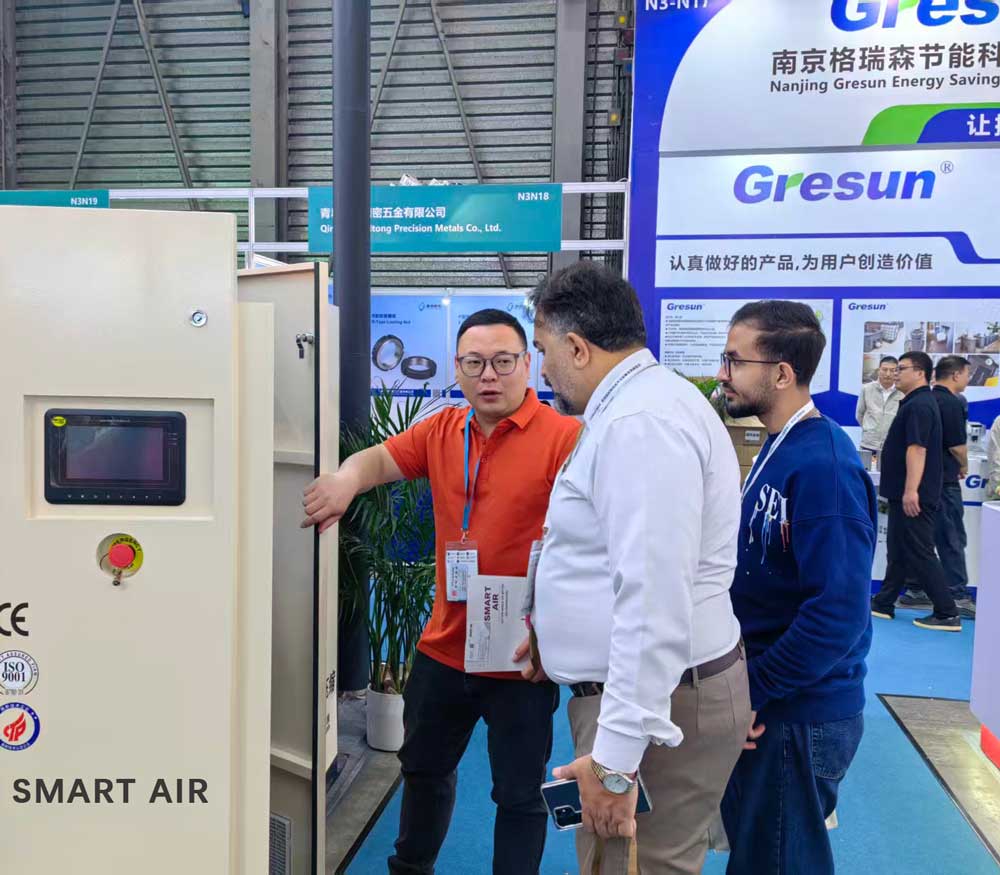
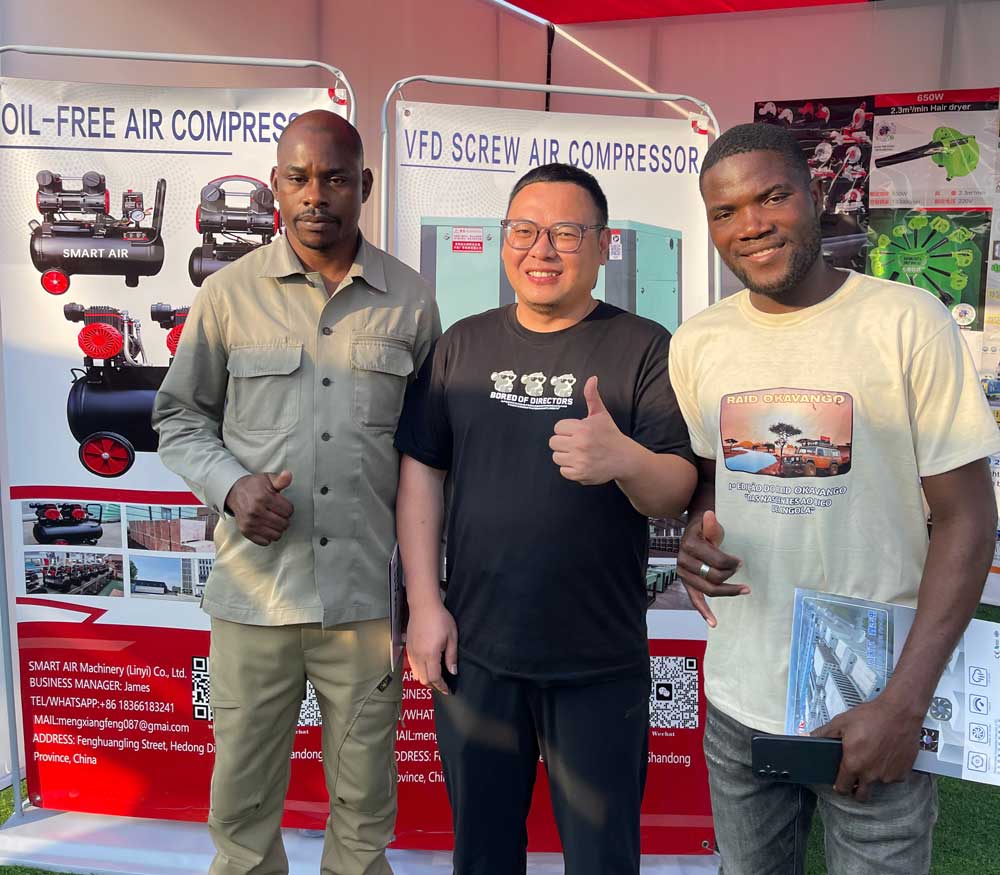
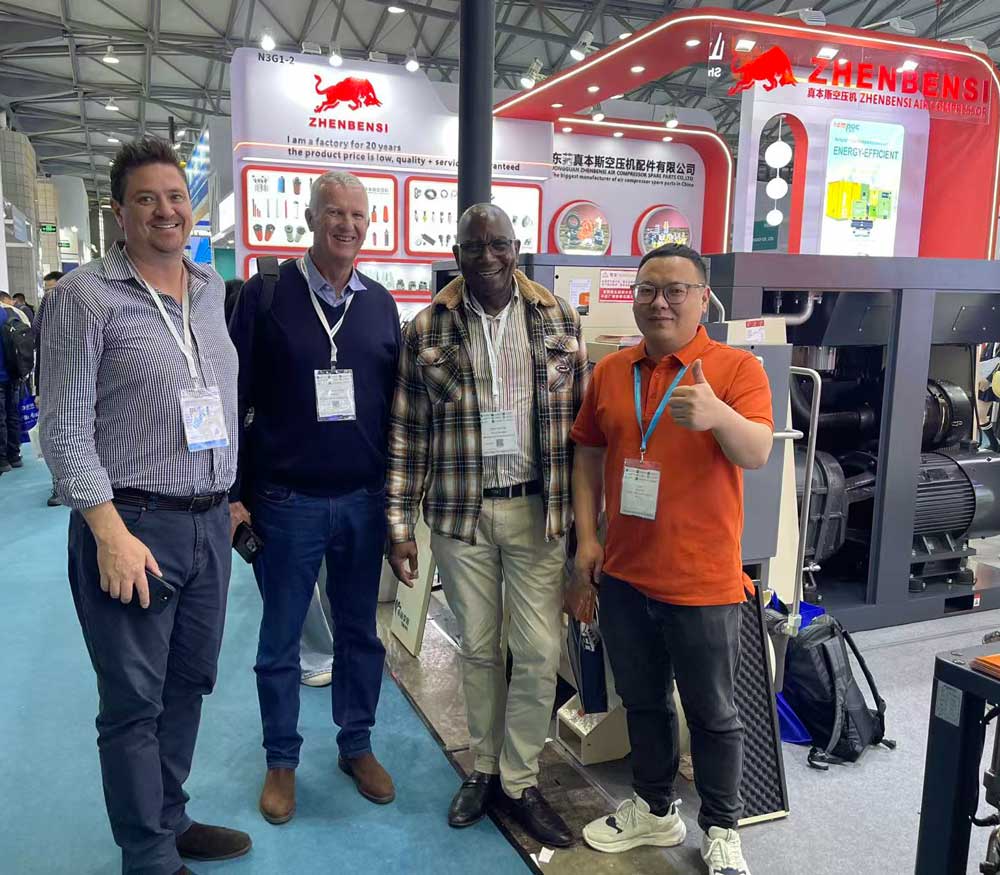
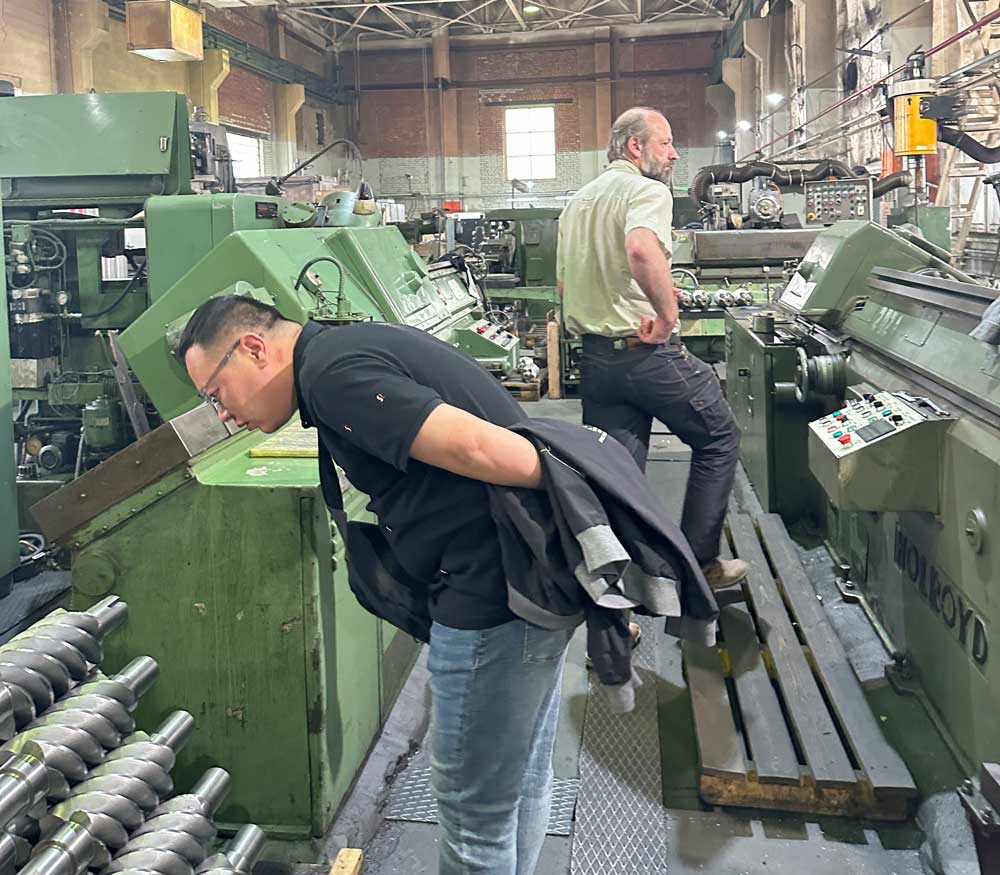
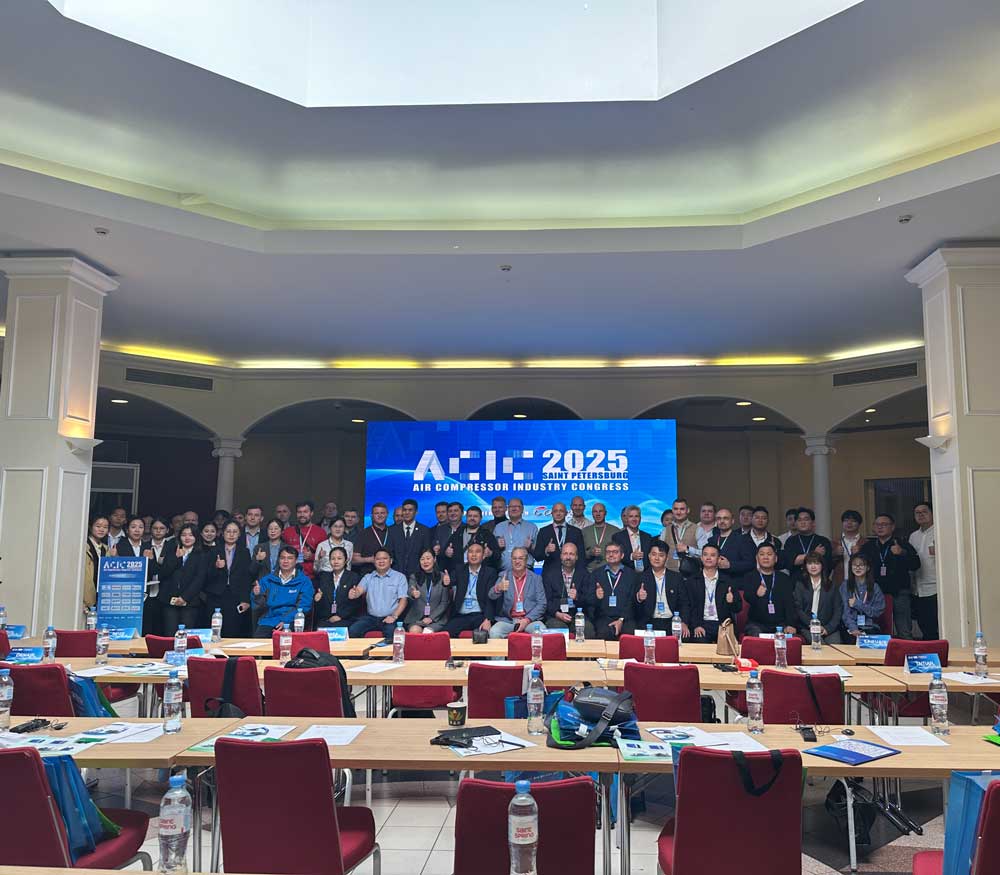
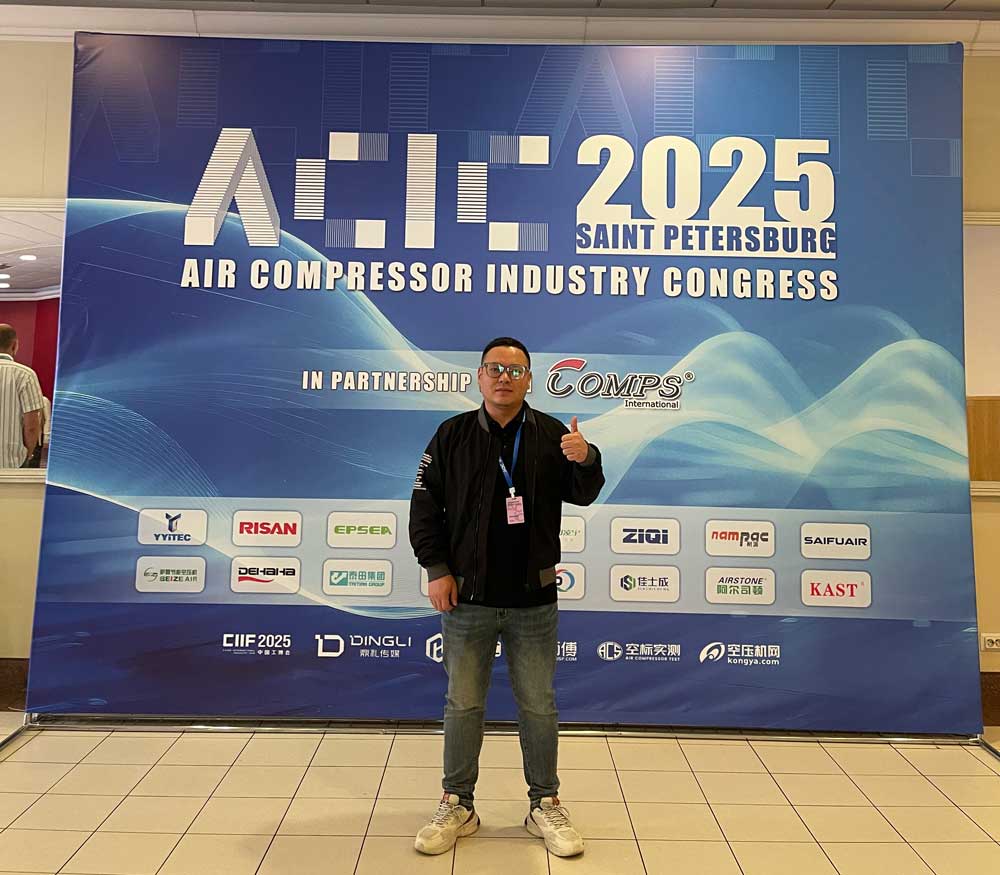
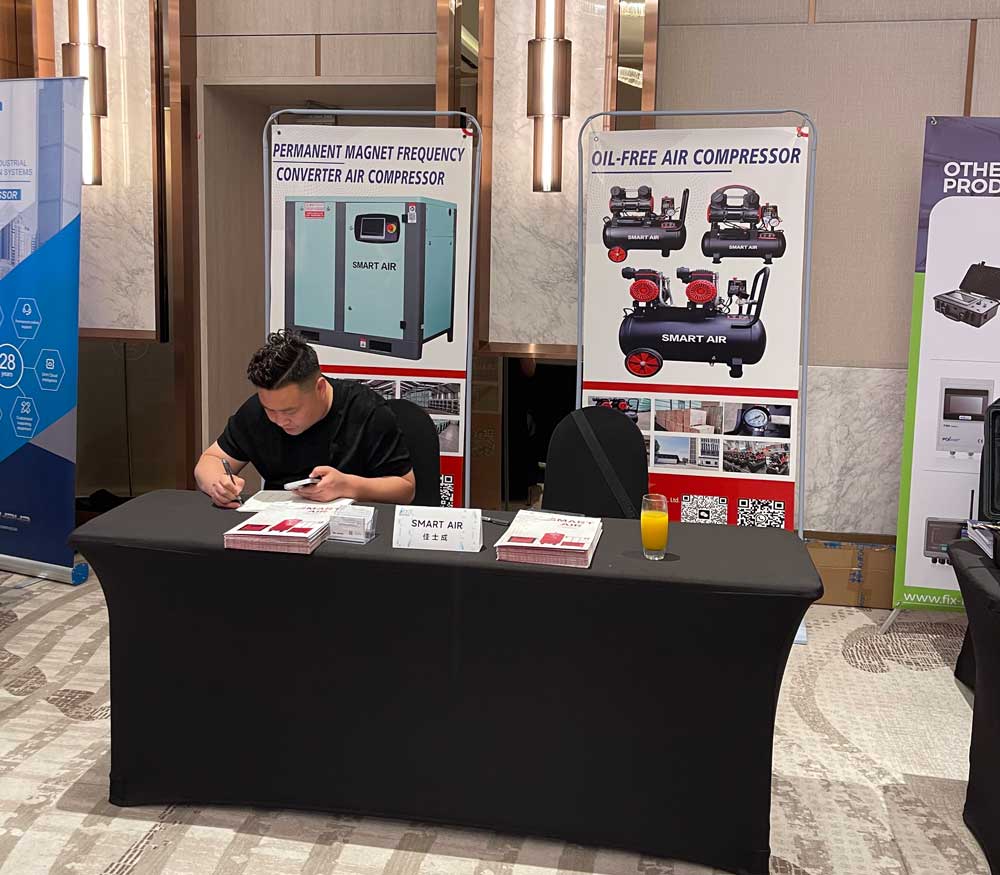
We support distribution networks in over 20 countries, including the USA, Canada, Colombia, Chile, Australia, Russia, Indonesia, Dubai, and India. Our participation in global industrial trade shows ensures we stay aligned with changing customer needs.
Addressing the technical, operational, and financial considerations of industrial air compression systems.
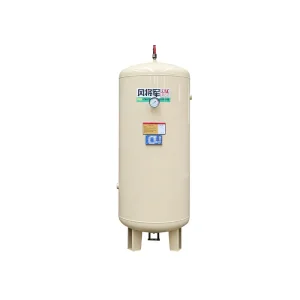
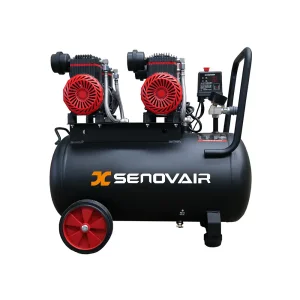
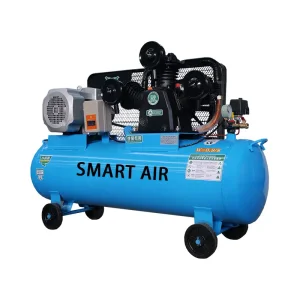
Complete your pneumatic setup with certified storage tanks, compact 4-in-1 units, and portable systems.
 Smart Air