Premium, high-performance compressed air components engineered to supply moisture-free, reliable power to precision Italian fabrication lines.
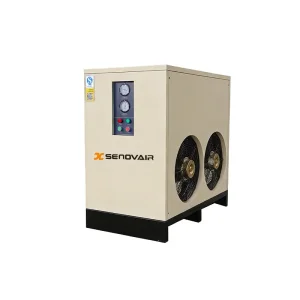
Within high-precision European manufacturing, particularly in Italy's northern industrial hubs (Lombardy, Veneto, and Emilia-Romagna), compressed air is considered the "fourth utility." However, atmospheric intake air naturally contains high levels of water vapor, particulate contaminants, and aerosols. When this intake is compressed to high pressures (typically 7 to 15 bar), the water vapor density increases proportionally. If untreated, this moisture condenses inside piping, pneumatic actuators, valves, and downstream equipment, causing corrosion, mechanical failures, sensor blockages, and contamination of high-purity processes.
Did you know? In a system operating at 7 bar with a flow rate of 10 m³/min, an untreated air supply can discharge more than 150 liters of liquid water into the network daily. This leads to costly downtime and violates ISO 8573-1 air purity standards.
Refrigerated air dryers work by cooling compressed air to a precise temperature range, usually between 3°C and 5°C. This temperature represents the Pressure Dew Point (PDP). The cooling process forces water vapor to condense into liquid droplets, which are separated from the air stream and discharged via an automatic drain system. The dried air is then reheated by the incoming hot air to prevent condensation on the outside of downstream piping.
Maintaining a stable 3°C PDP requires balanced thermal design. Smart Air Machinery's design features a two-stage heat exchanger layout: an air-to-air pre-cooler/reheater and an air-to-refrigerant evaporator. This configuration reduces energy consumption by using the cold outlet air to pre-cool the hot inlet air, lowering the cooling load on the refrigeration circuit.
Under the European Union's strict F-Gas Regulation (Regulation EU No 517/2014), traditional refrigerants with high Global Warming Potential (GWP) are subject to phased reductions. Smart Air Machinery designs its systems for the Italian market around eco-friendly refrigerants like R134a and R417A, which offer high thermodynamic efficiency while meeting environmental compliance rules.
By using Variable Speed Drive (VSD) compressor controls in our refrigeration circuits, our systems dynamically adjust cooling output based on real-time air demand. This avoids the energy waste associated with hot-gas bypass valves in traditional constant-speed systems, helping Italian facilities lower their overall carbon footprint and energy costs.
| Performance Parameters | Standard Copper-Tube Dryers | Smart Air Plate-Fin Dryers | Italian Market Benefit |
|---|---|---|---|
| Pressure Dew Point (PDP) | 5°C to 10°C (Unstable) | 3°C ± 0.5°C (Stable) | Complies with ISO 8573-1 Class 4 water removal |
| Pressure Drop (ΔP) | 0.28 - 0.40 bar | ≤ 0.15 bar | Saves up to 2-3% energy at the main compressor |
| Refrigerant GWP Compliance | R22 / R404A (Phased out) | R134a / R410A / Low-GWP R513A | Fully compliant with EU F-Gas regulations |
| Control Interface | Analog / Basic LED | Smart Microprocessor / Modbus RTU | Ready for Industry 4.0 factory integration |
Providing specialized air treatment systems configured for Italy's diverse manufacturing sectors.
Exporting Nations
Year Established
Technical Personnel
Ultra-Low Pressure Drop
In Italy's high-tech metal fabrication shops, fiber lasers (from 4kW to 30kW) use compressed air as an assist gas to cut stainless steel and aluminum. Any moisture or oil aerosol in the air stream can contaminate the laser lens, causing thermal distortion, cutting defects, or lens failure. Our high-pressure 4-in-1 integrated dryer systems provide clean, dry air at 16 bar to protect optical components and ensure clean cut edges.
Italy is a major global producer of food products, wine, and olive oil. Bottling and canning lines rely on clean compressed air to actuate machinery and flush containers. Moisture in these systems can lead to mold and bacterial growth, presenting a serious biological hazard. Smart Air refrigerated dryers maintain dew points in compliance with HACCP guidelines, helping prevent contamination in food-contact processes.
In traditional textile districts like Biella, Prato, and Como, modern air-jet looms use high-velocity compressed air to insert weft yarns. Water droplets in the air line can stain fabrics, rust nozzles, and cause yarn breakages. Our high-capacity dryers ensure a reliable, dry air supply that maintains high production efficiency and product quality.
Chemical processing requires highly reliable equipment due to the presence of hazardous, corrosive, and flammable materials. In these plants, compressed air is used for control instrumentation and process reactions. Standardizing on corrosion-resistant plate-fin evaporators and zero-loss electronic drains helps ensure safe, continuous operations in demanding environments.
Italy's automotive plants require clean, oil-free, dry air for high-finish paint processes. Even minor moisture trace elements can cause paint blistering, cratering, and adhesion failures. Smart Air refrigerated dryers, combined with multi-stage coalescing filters, deliver air quality that meets strict finish standards for automotive lines.
Pharmaceutical facilities operate under strict GMP requirements. Compressed air used for pneumatic conveying, tablet compression, and sterile packaging must be completely dry and oil-free. Smart Air systems provide stable dew points and integrate easily with downstream adsorption dryers and sterile filtration, delivering Class 1 air quality for pharmaceutical environments.
Injection molding and blow molding processes rely on compressed air for pneumatic valves and product demolding. Moisture in the air line can leave surface marks on molded parts and cause internal corrosion in mold cores. Our high-efficiency dryers protect tooling and help maintain consistent product quality.
Italy's paper mills process raw pulp through continuous high-speed rollers and steam dryers. Moisture-free compressed air is critical for tension controls and instrumentation. Our heavy-duty air dryers are built to run reliably in the high-humidity, high-temperature environments typical of paper manufacturing plants.
Smart Air Machinery (Linyi) Co., Ltd. - Leading the industry with engineering excellence and strict quality standards since 2005.
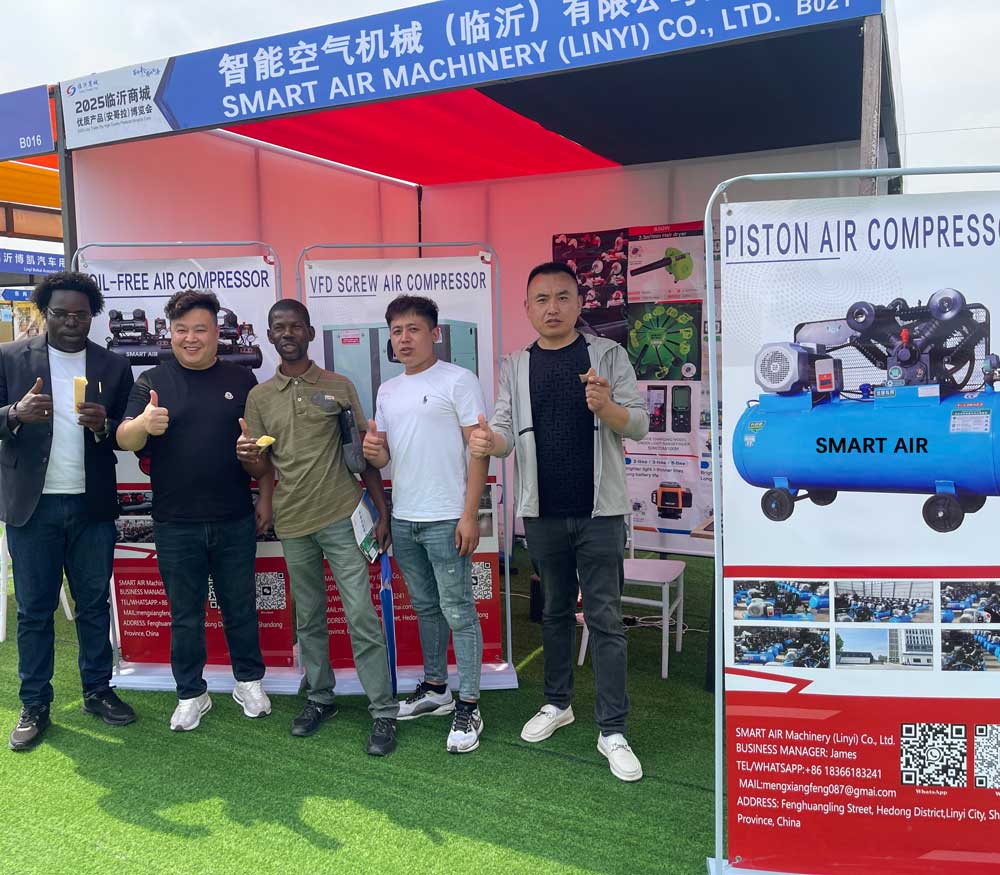
Smart Air Machinery (Linyi) Co., Ltd., established in 2005, is a diversified manufacturing enterprise integrating product research and development, production, and sales. The company employs over two hundred people and primarily manufactures screw air compressors, piston air compressors, air storage tanks, and related machinery. Located in Linyi, the logistics capital of China, our company has accumulated rich production experience, strong technical capabilities, a top-notch R&D team, and complete testing equipment through over 20 years of diligent research and continuous innovation.
Our products, known for their aesthetically pleasing design, meticulous material selection, exquisite craftsmanship, and superior quality, are sold worldwide and have received widespread acclaim from customers. Smart Air is committed to building a leading brand in China's air compressor industry. We firmly implement our own brand strategy, adhere to the principle of honest business practices, prioritize customer service, continuously strengthen our production capabilities, and constantly enhance our brand influence. We firmly believe that "quality creates reputation," "reputation creates brand," and "brand creates market." Currently, we have become a well-known and advanced enterprise in the industry.
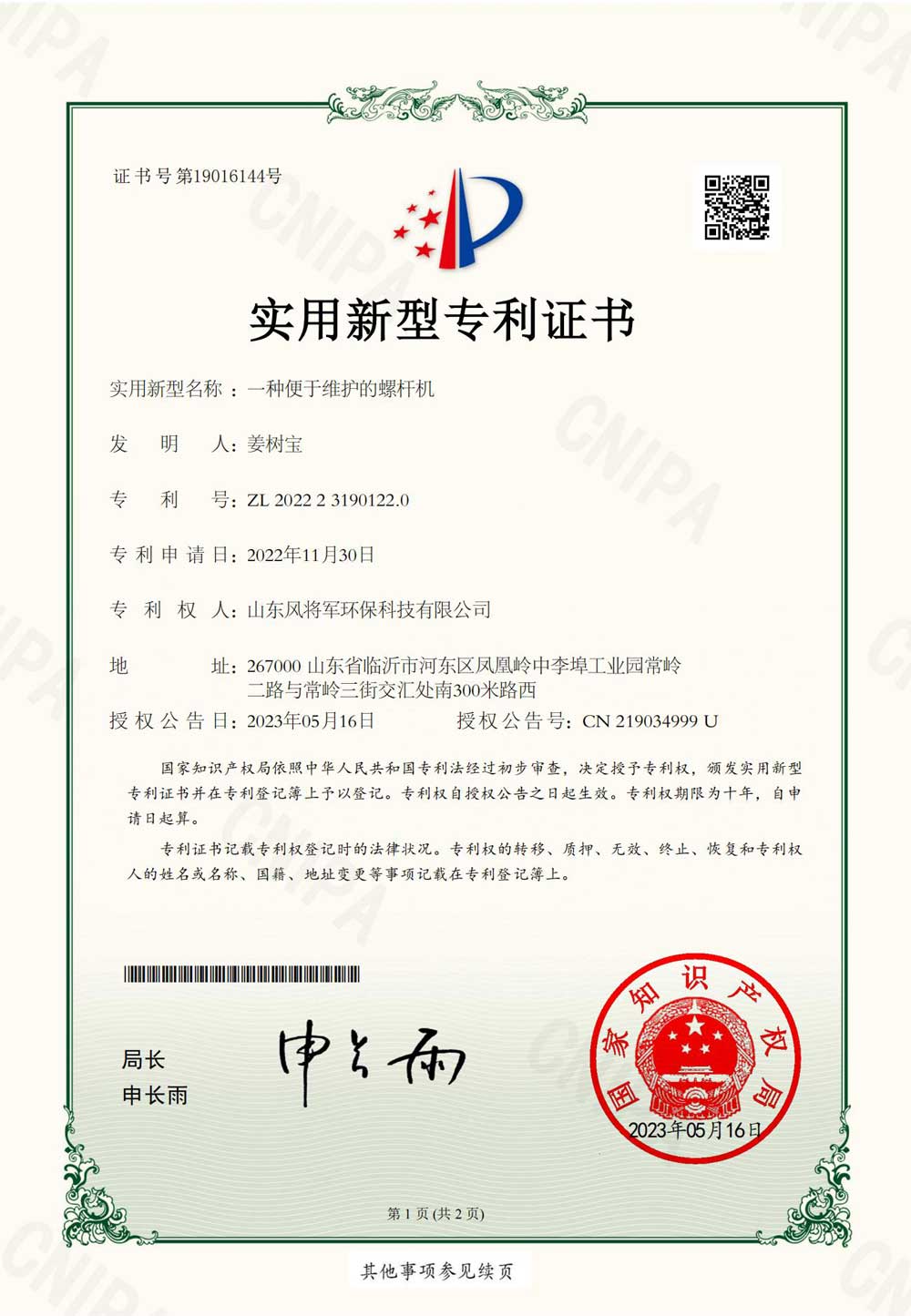
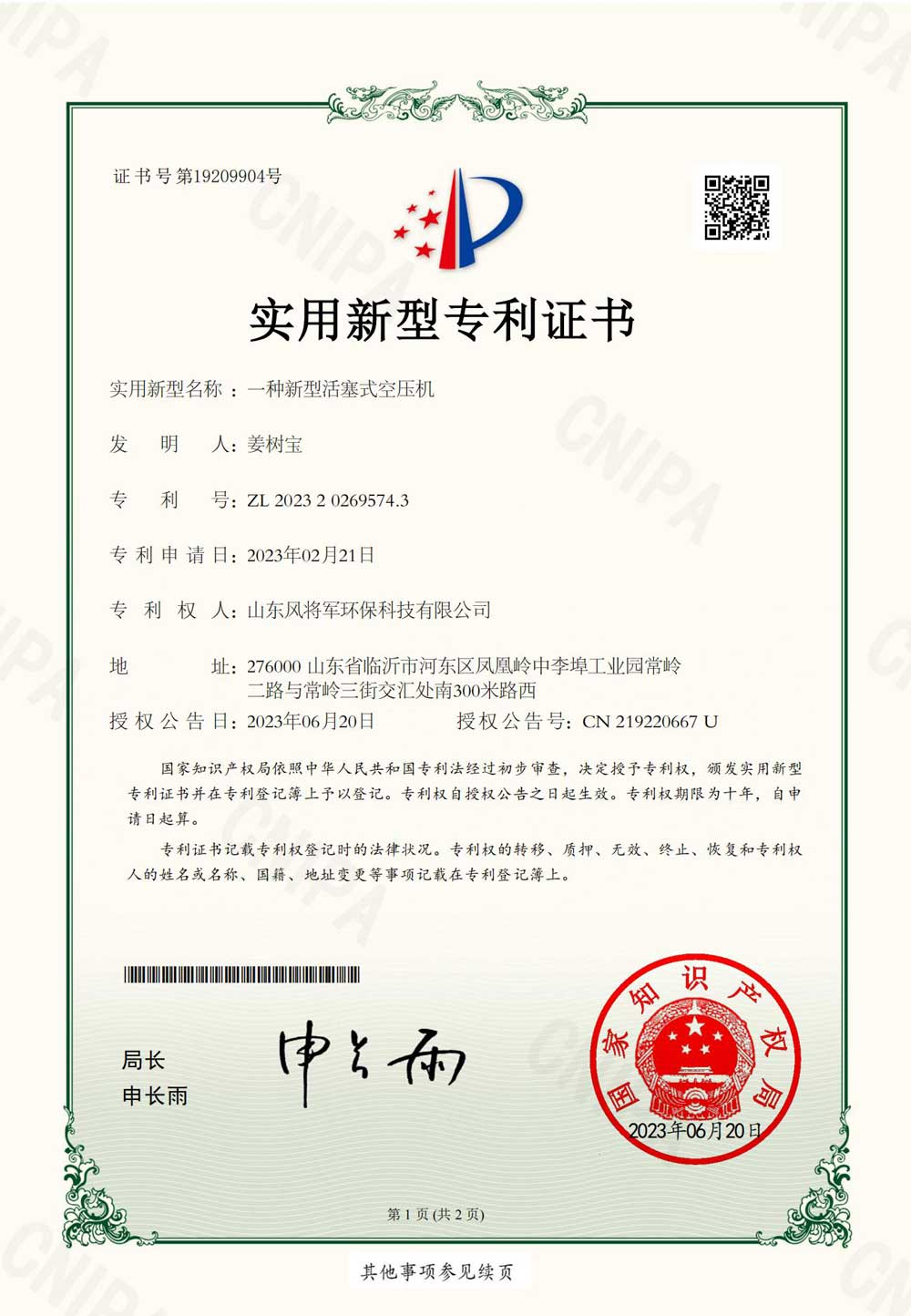
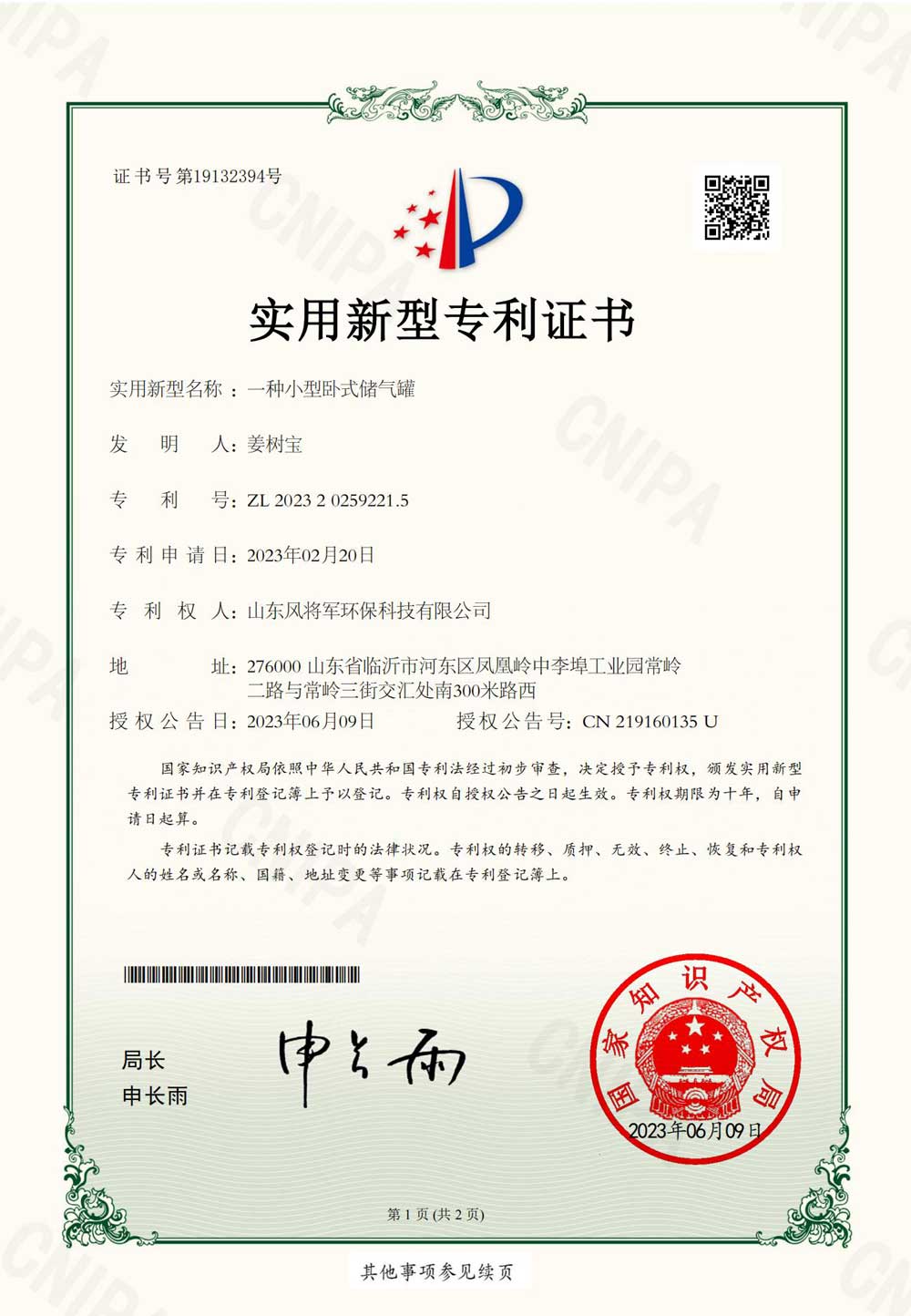
Since its establishment, the company has received numerous honors, including "China Famous Brand," "China's Preferred Brand for Green and Environmentally Friendly Products," "Top Ten Foreign Trade Enterprises in the Mall," "High-Tech Enterprise," "3A Credit Enterprise," and "Civilized and Trustworthy Unit."
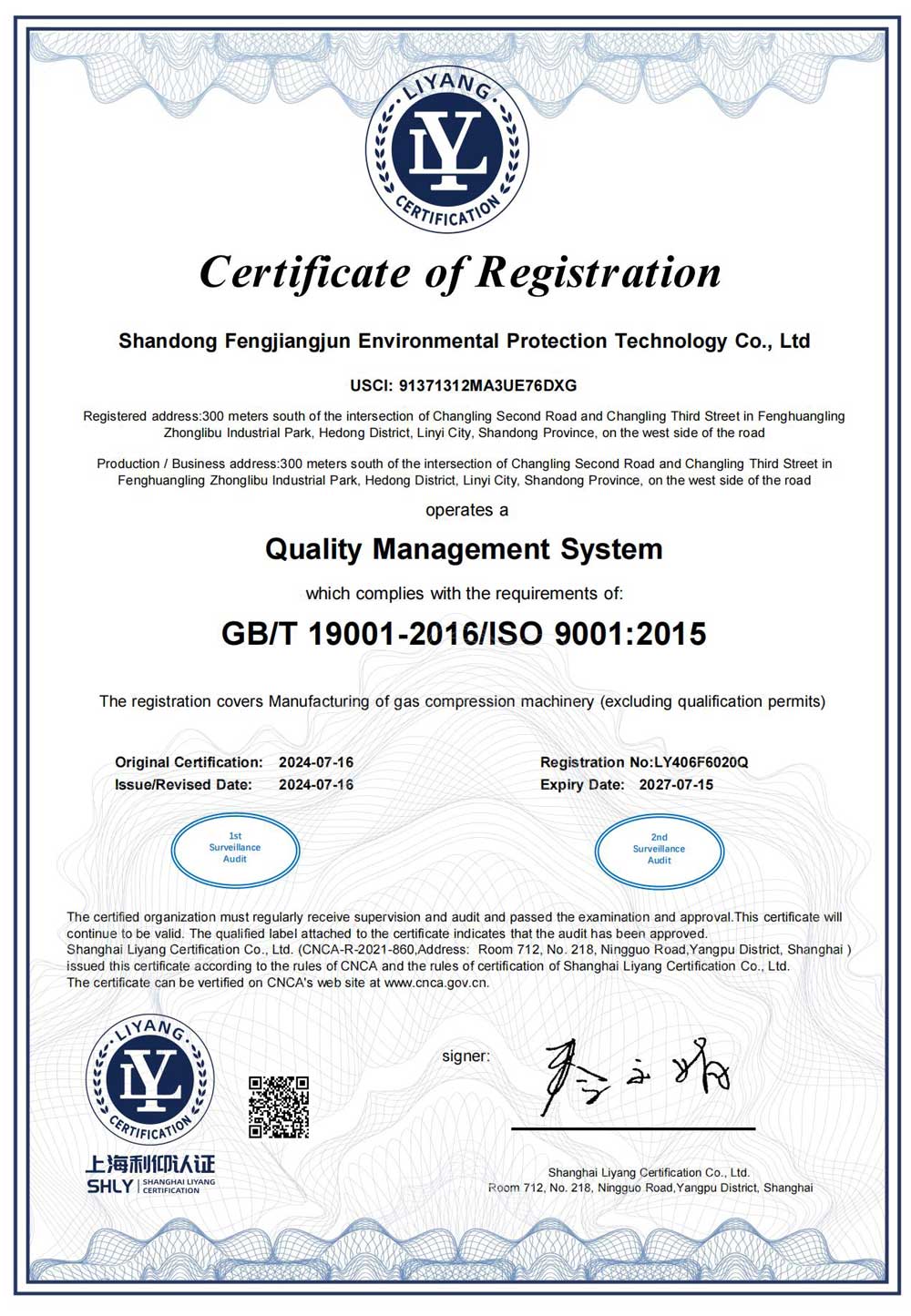
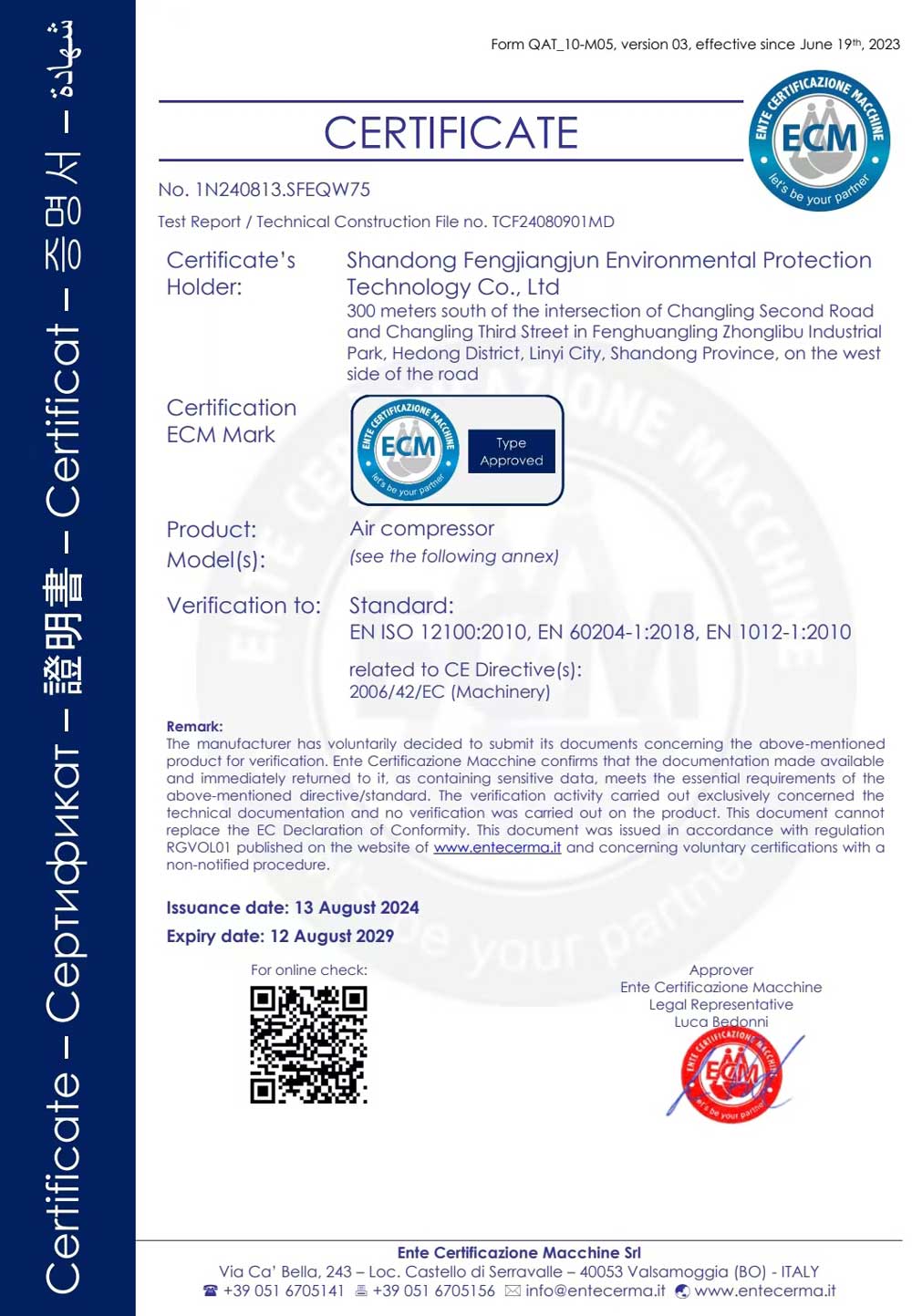
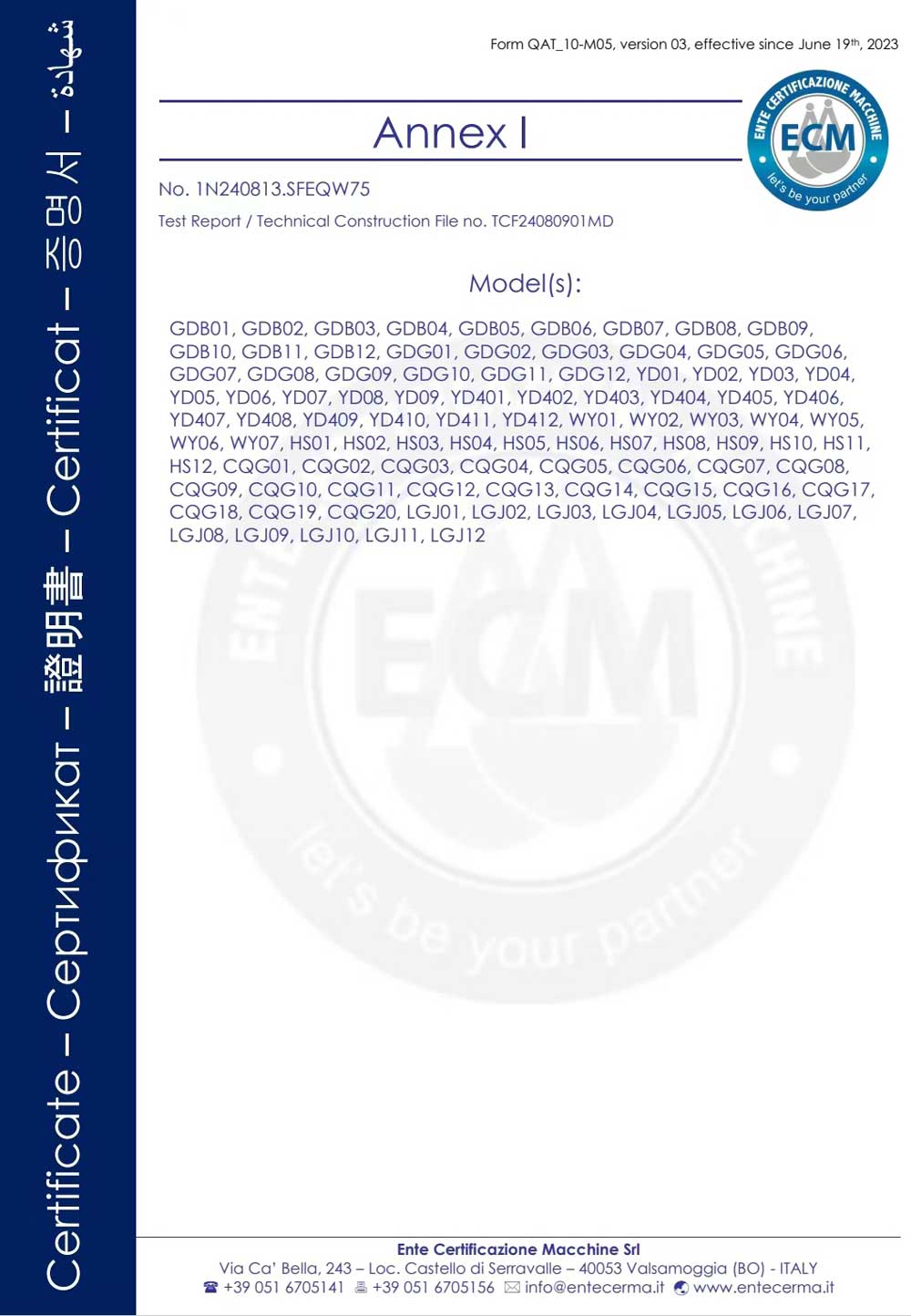
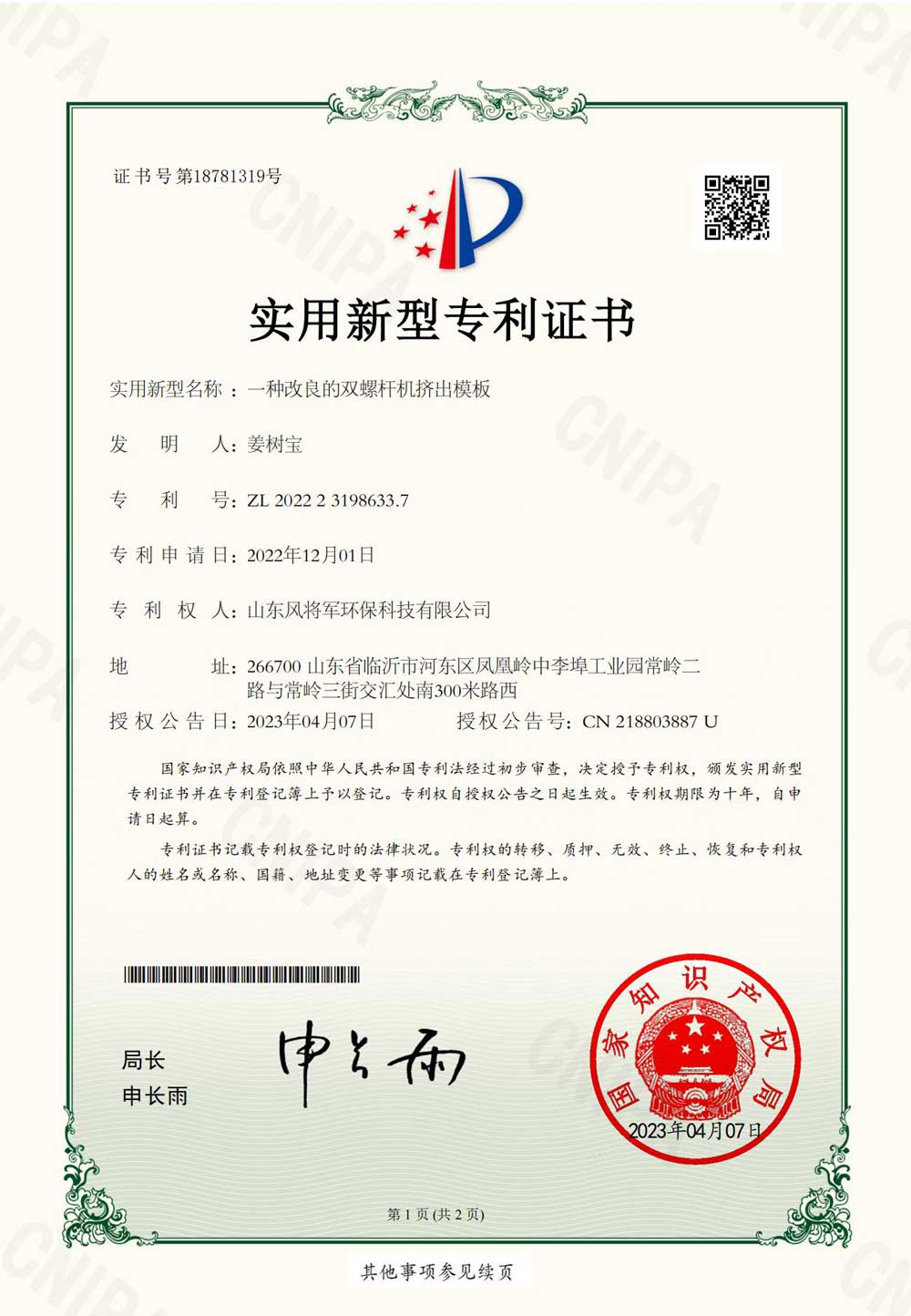
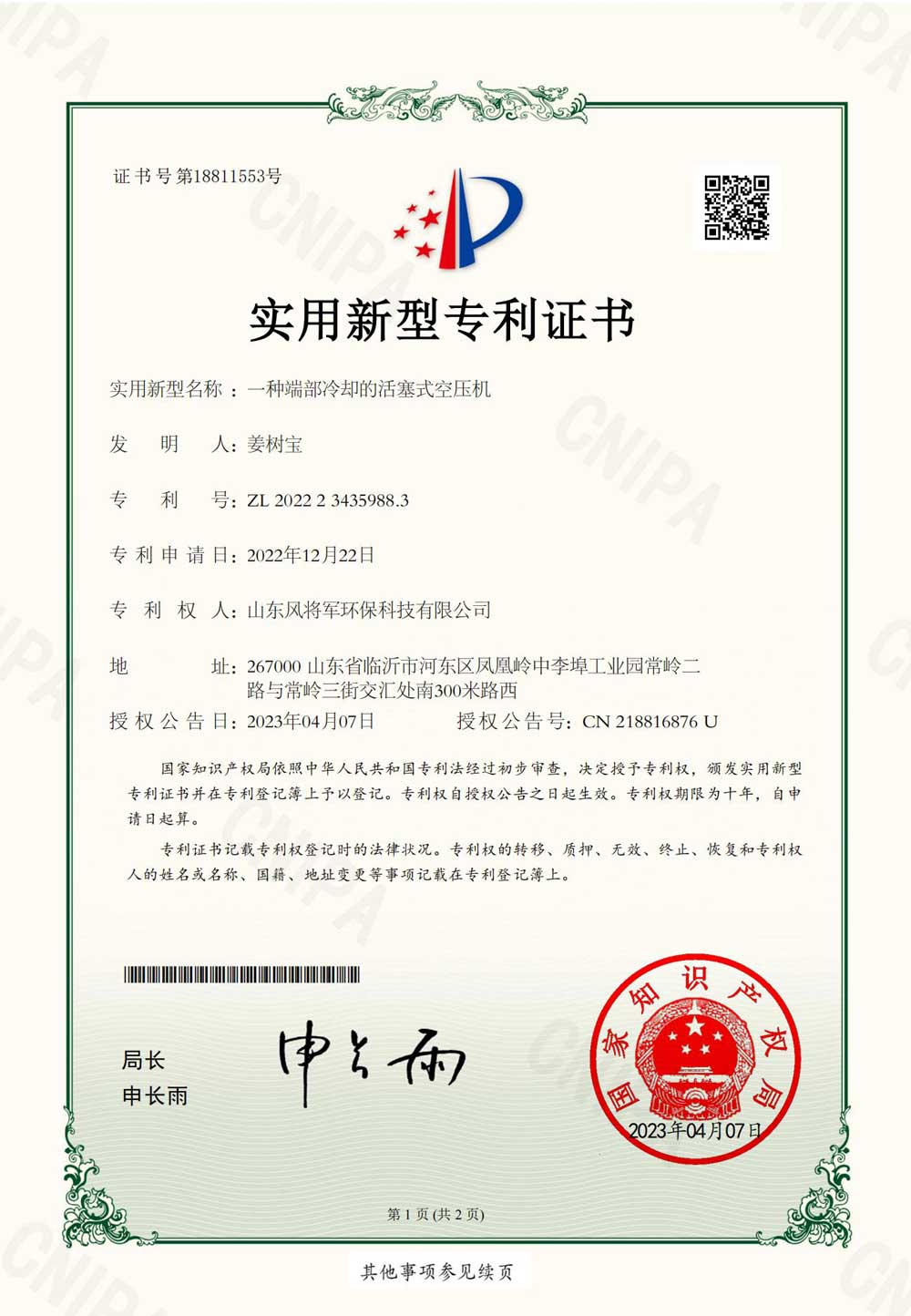
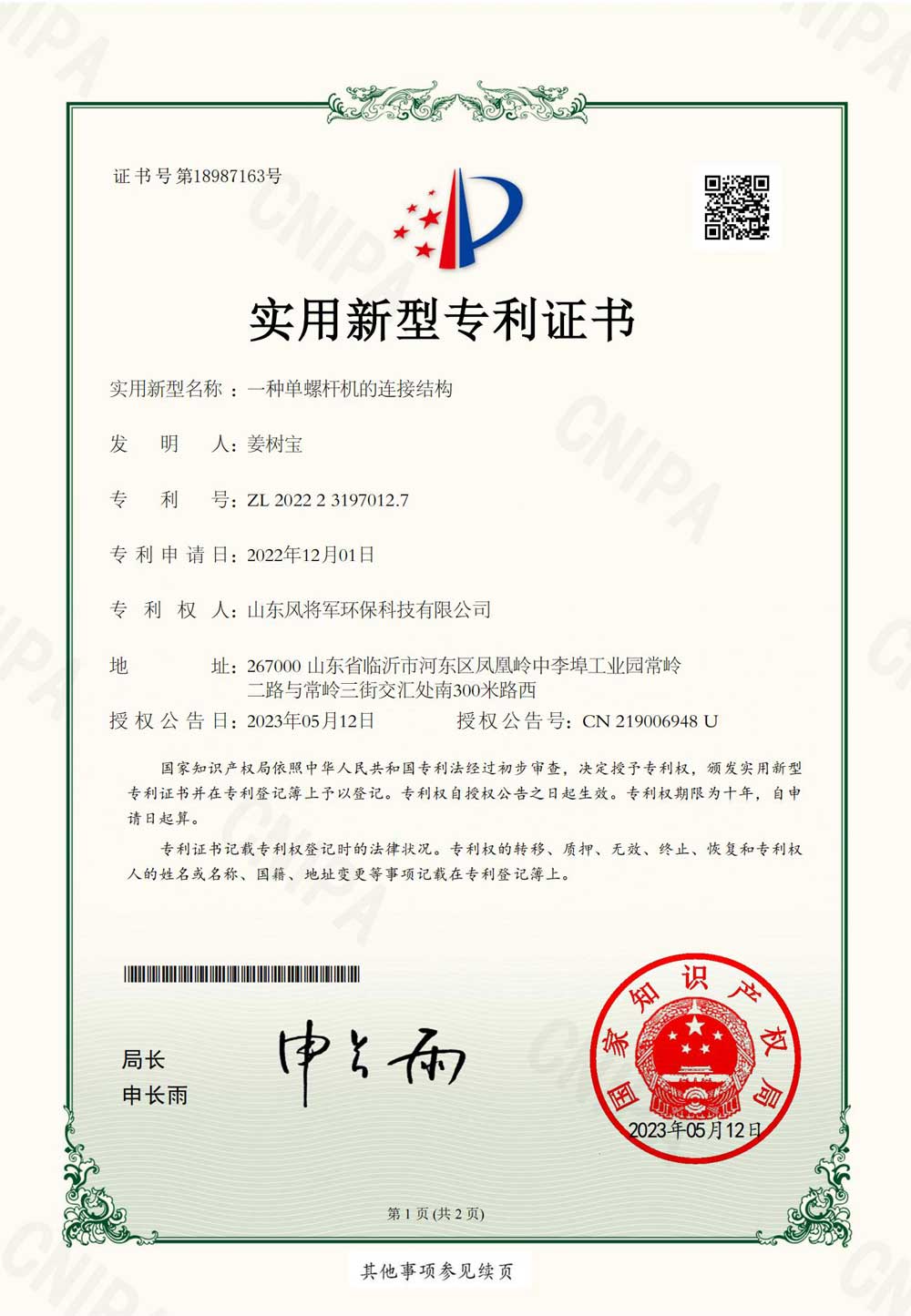
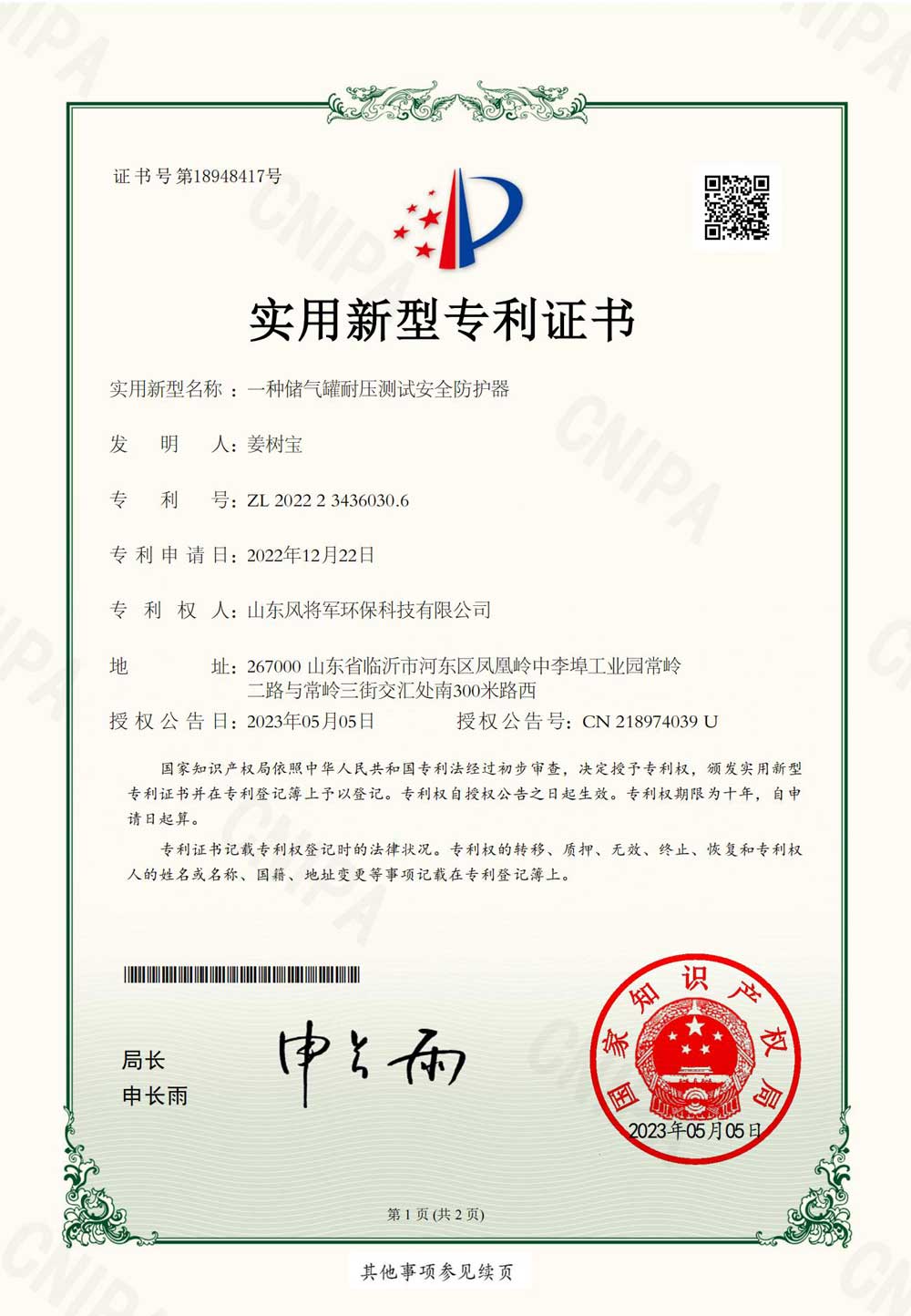
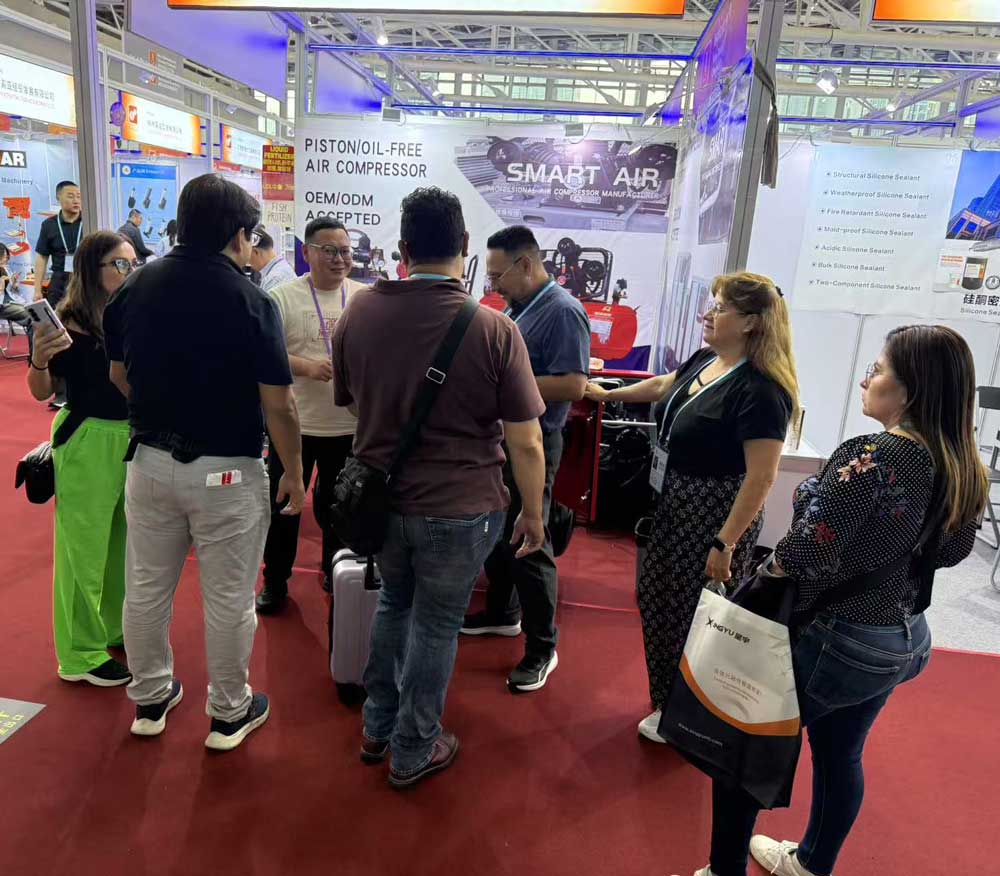
With a proven track record of successful collaborations in over 20 countries—including the USA, Italy, Canada, Colombia, Chile, Australia, Russia, and the UAE—we deliver tailored compressed air solutions worldwide.
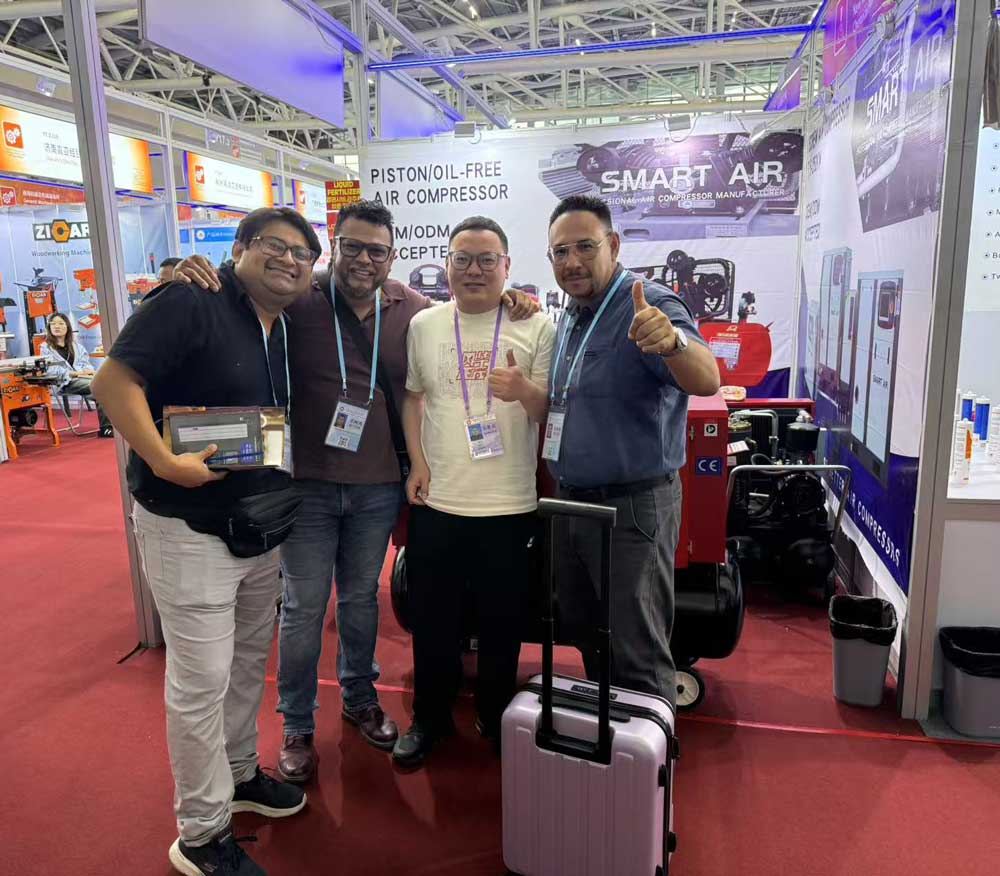
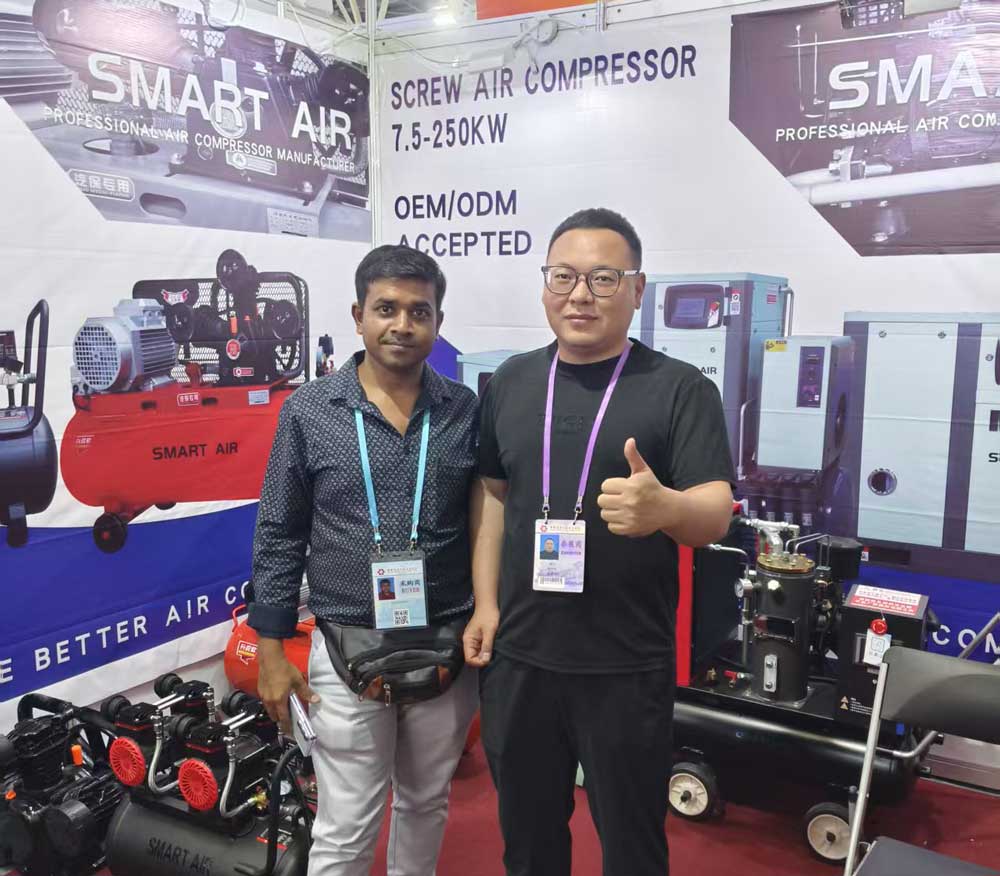
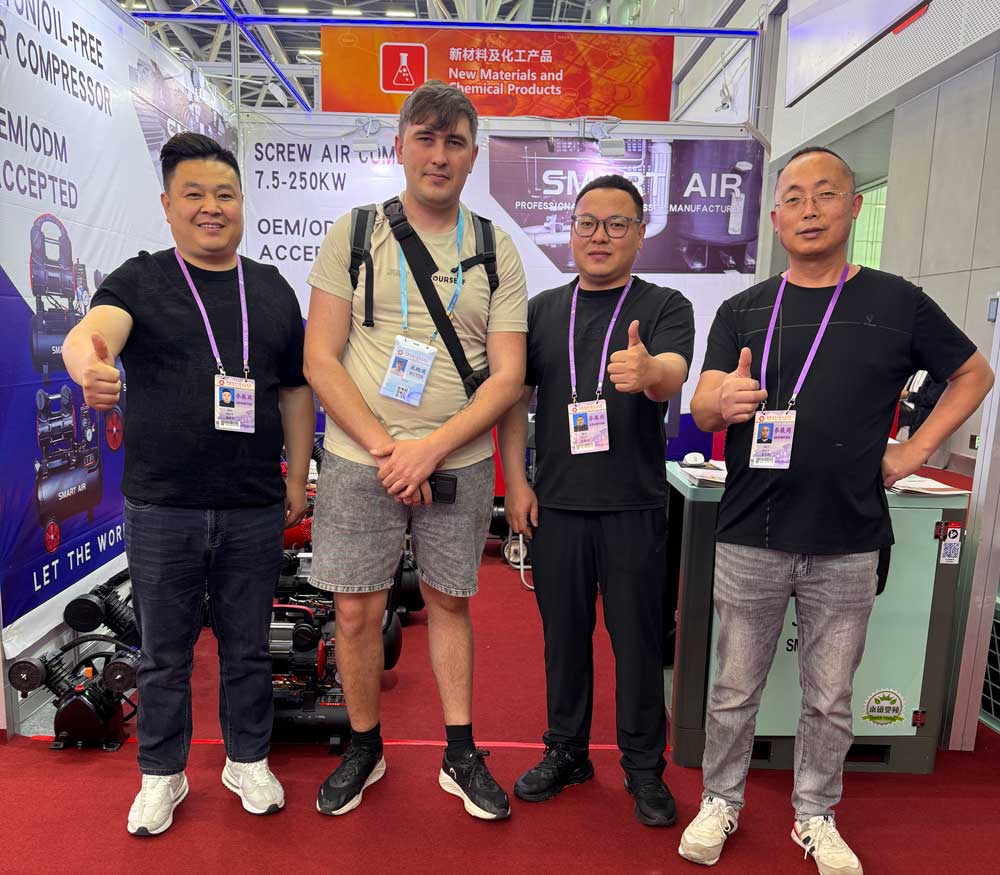
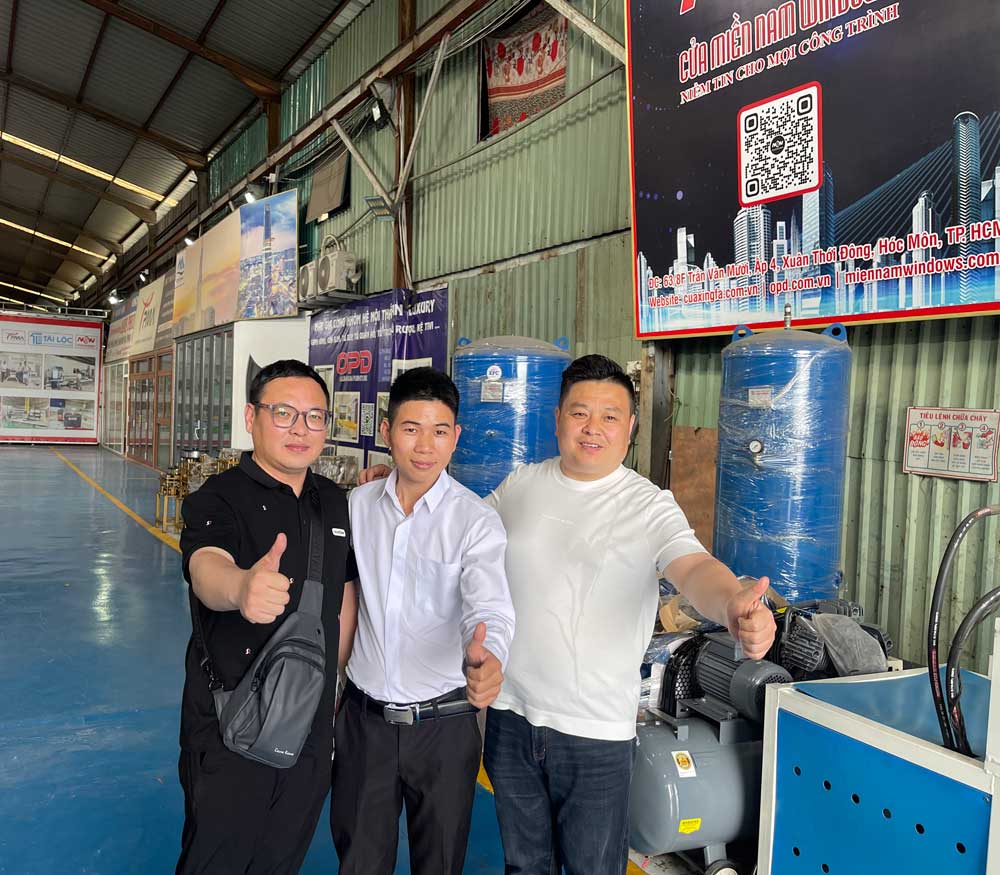
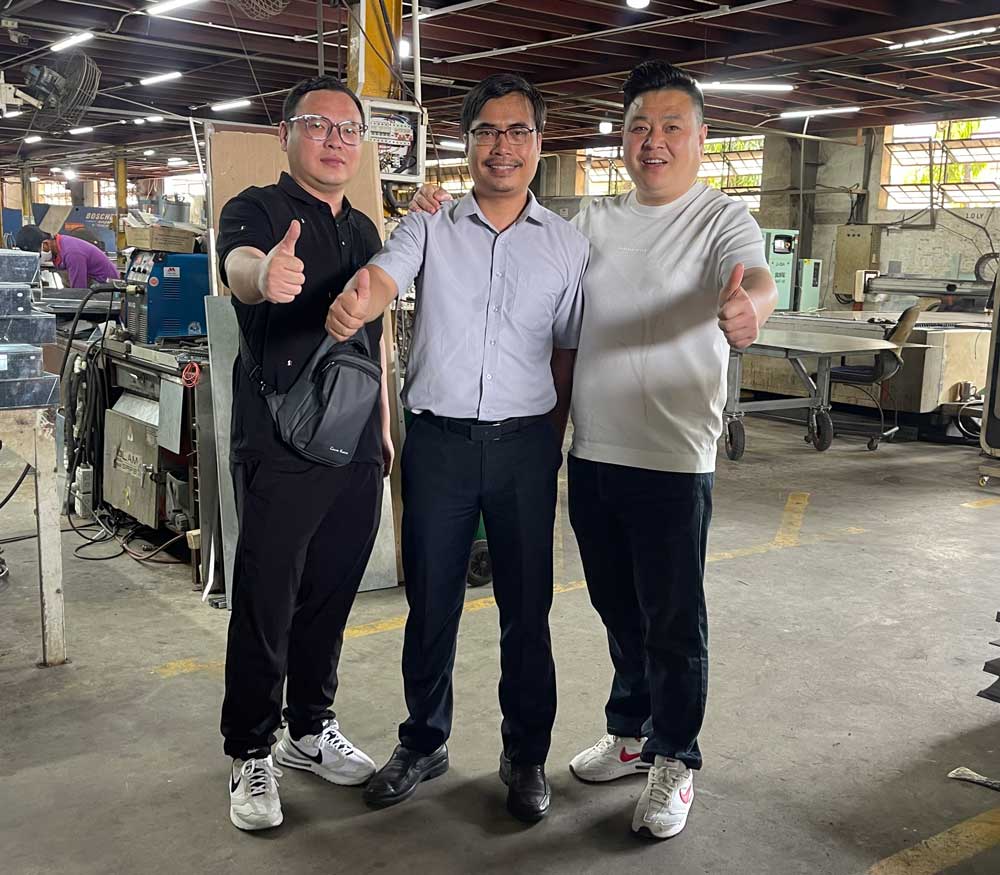
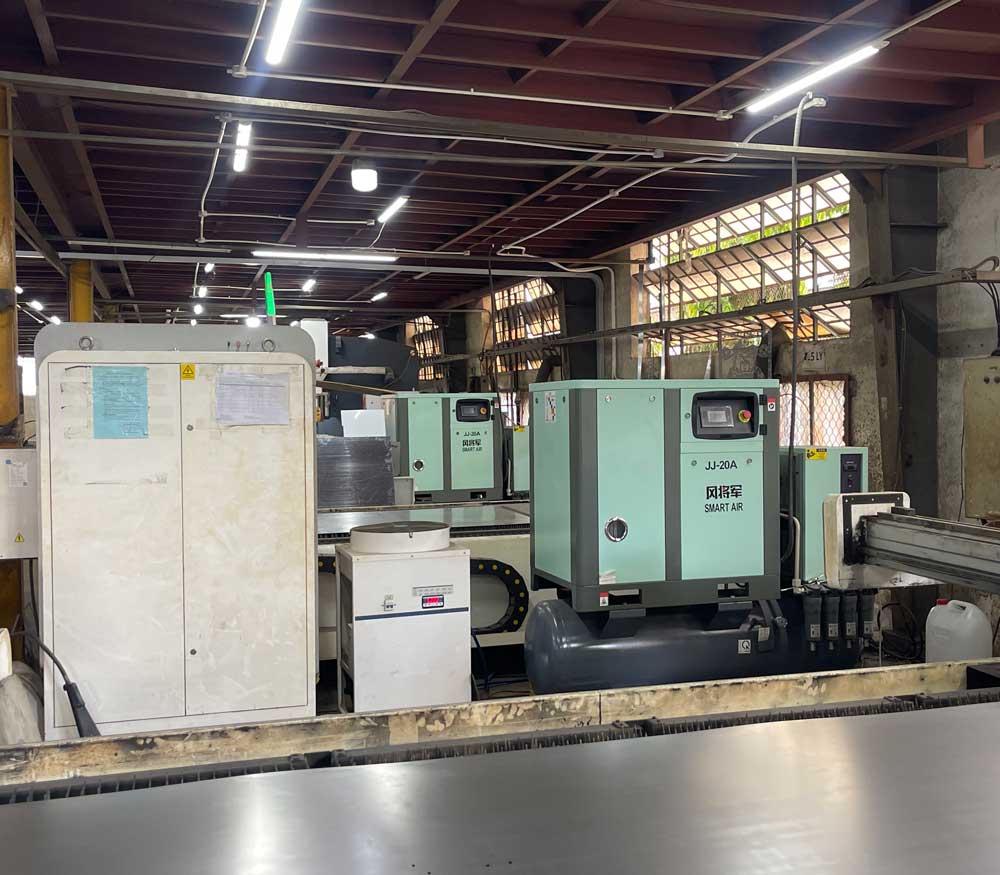
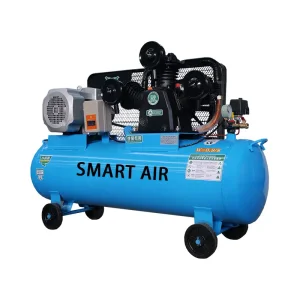
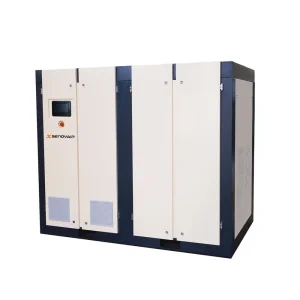
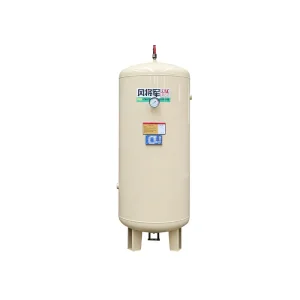
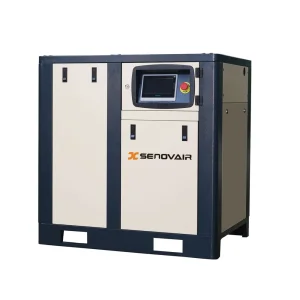
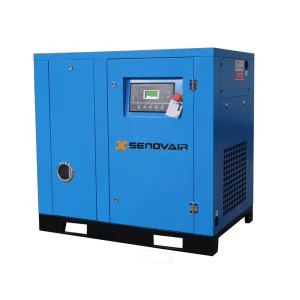
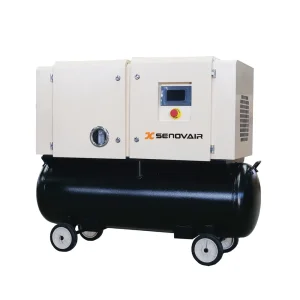
High-reliability screw air compressors, high-pressure integrated systems, storage tanks, and refrigerated dryers designed to work together seamlessly.
Expert engineering insights regarding refrigerated air drying, dew point stability, and system integration.
A Pressure Dew Point of 3°C is standard because cooling the air to this range condenses and removes the majority of water vapor. Dropping the temperature lower risks freezing the condensed moisture inside the heat exchanger, which can block the airflow. For applications requiring dew points below freezing, desiccant dryers are typical, whereas refrigerated dryers offer a reliable, cost-effective solution for general industrial needs.
Pressure drop occurs as compressed air flows through the heat exchangers and filters. A higher pressure drop means the main compressor must operate at a higher discharge pressure to maintain the required terminal pressure at the tools. Generally, every 1 bar of pressure drop requires about 7% more energy at the compressor. Smart Air refrigerated dryers are designed with large, smooth flow paths to keep the pressure drop under 0.15 bar, helping reduce energy consumption.
Yes, all pressure vessels—such as heat exchanger shells and air storage tanks—meet the requirements of the Pressure Equipment Directive (PED) 2014/68/EU. In addition, our refrigeration systems utilize eco-friendly, low-GWP refrigerants like R134a and R410A, which are fully compliant with EU F-Gas regulations.
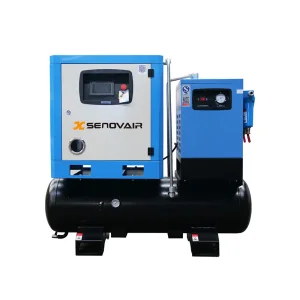
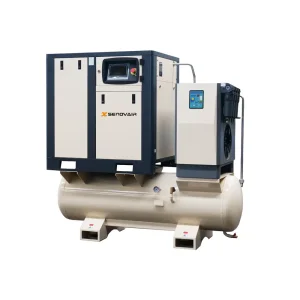
Our 4-in-1 system integrates the screw air compressor, refrigerated air dryer, multi-stage filtration, and an air receiver tank into a single skid. This configuration reduces the floor space required, simplifies site plumbing, and ensures the air undergoes filtration and moisture removal immediately after compression, providing a steady supply of clean, dry assist gas for high-speed laser cutting.
Routine maintenance includes keeping the condenser coils clean of dust and debris, checking that the auto-drains operate properly without loss of pressure, and replacing downstream filter cartridges regularly. Monitoring the microprocessor display for dew point variations also helps identify issues early, ensuring consistent air quality.
 Smart Air