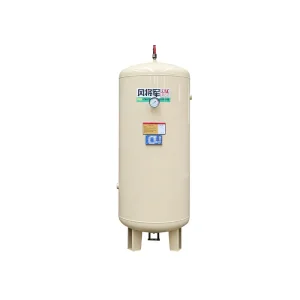
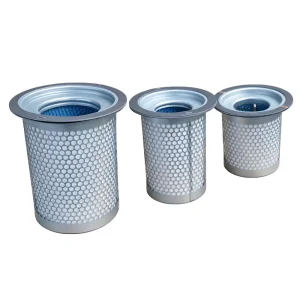
Highly durable solutions engineered for Kazakhstan's heavy industries, integrating robust pressure storage with modern smart compression technologies.
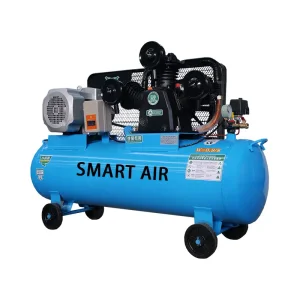
Addressing the Challenges of Climatic Variations, Regulatory Conformity, and Operational Safety in Central Asia
Kazakhstan represents one of the most demanding operational landscapes globally for mechanical process engineering. Stretching from the Caspian Sea to the Altai Mountains, industrial installations in cities like Karaganda, Pavlodar, Shymkent, and Atyrau must contend with extreme continental climates. Ambient operating temperatures swing dynamically from sub-zero winter lows of -45°C to intense summer peaks exceeding +40°C. In such conditions, standardized off-the-shelf air storage and compression components degrade rapidly, presenting significant safety hazards and process inefficiencies.
For pressure vessels (Air Storage Tanks), these extreme thermal shifts introduce acute risks of low-temperature brittle fracture. Standard steel vessels become vulnerable to structural cracking if the steel's transition temperature is not calibrated correctly. Additionally, high moisture content in sub-zero intake air undergoes sudden phase changes inside receiver tanks. This leads to accelerated internal condensate freezing, potentially blocking safety valves and causing catastrophic over-pressurization. Understanding these dynamics is why Smart Air Machinery engineers bespoke pressure equipment featuring cryogenic-grade steel formulations (such as 16MnDR or 09G2S equivalent) and automated heat-traced discharge systems.
Entering the industrial supply chains of Kazakhstan's major natural resources firms—including ENRC, Kazakhmys, and KazMunayGas—requires adherence to strict regulatory standards. Specifically, TR CU 032/2013 (Technical Regulation of the Customs Union "On safety of equipment operating under excess pressure") dictates precise rules for design, hydro-testing, safety factor margins, and documentation. Compliance must be fully verified and backed by non-destructive testing (NDT), such as ultrasonic and radiographic line inspections.
Smart Air Machinery guarantees the security of its vessels by maintaining state-of-the-art laboratory testing facilities. Every air storage tank dispatched to Kazakhstan undergoes rigorous hydropressure tests, Charpy V-notch impact tests at negative temperatures, and comes accompanied by a certified technical passport. This documentation is required for registration with the Emergency Situations Ministry of Kazakhstan (Prombezopasnost).
Smart Air Machinery (Linyi) Co., Ltd. sits within Linyi, the logistics capital of China. This geographic placement provides direct, cost-efficient rail freight links to Central Asia through the Horgos and Dostyk land ports. Beyond logistical advantages, our factory efficiency ensures high-performance output at a lower total cost of ownership (TCO).

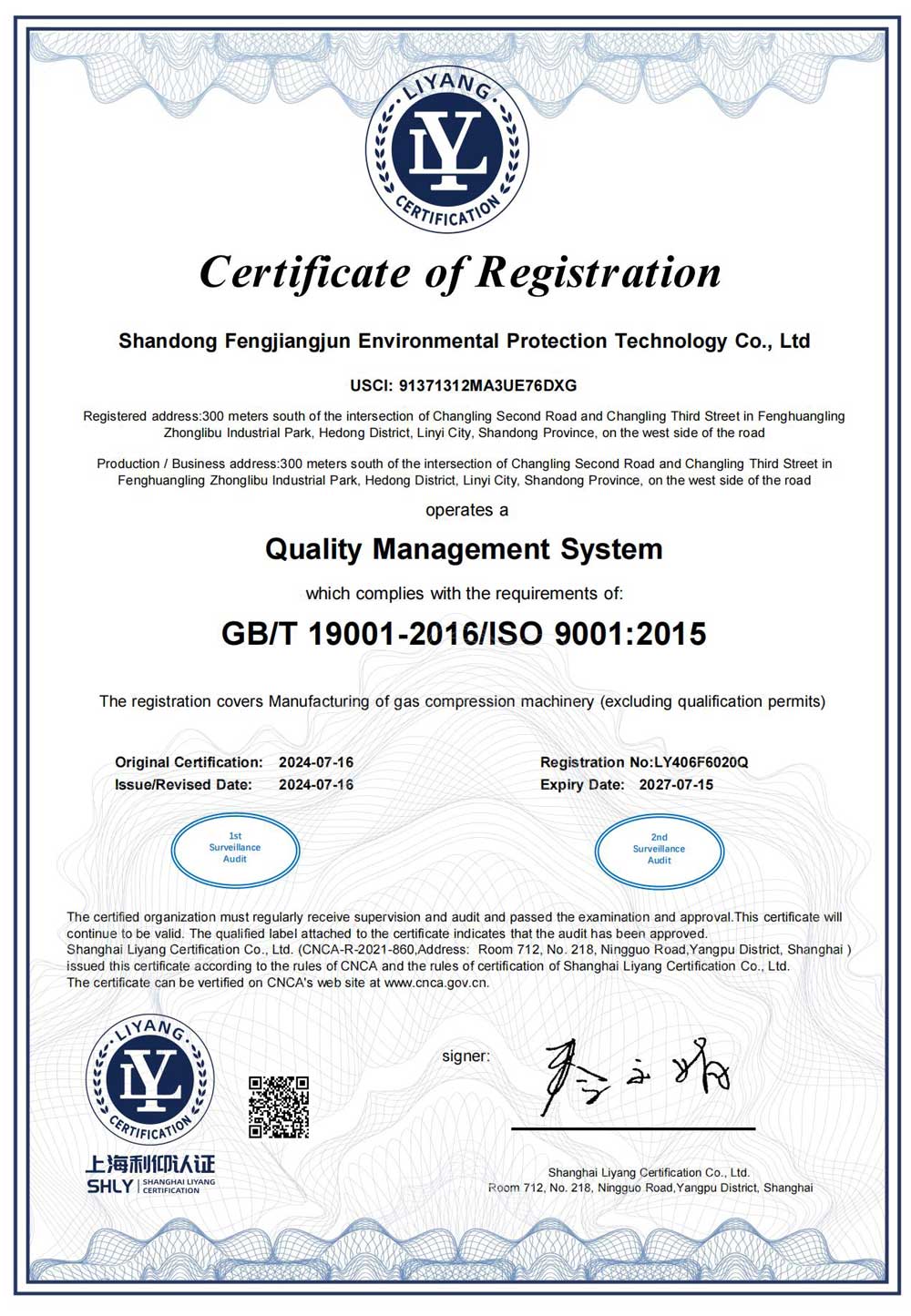
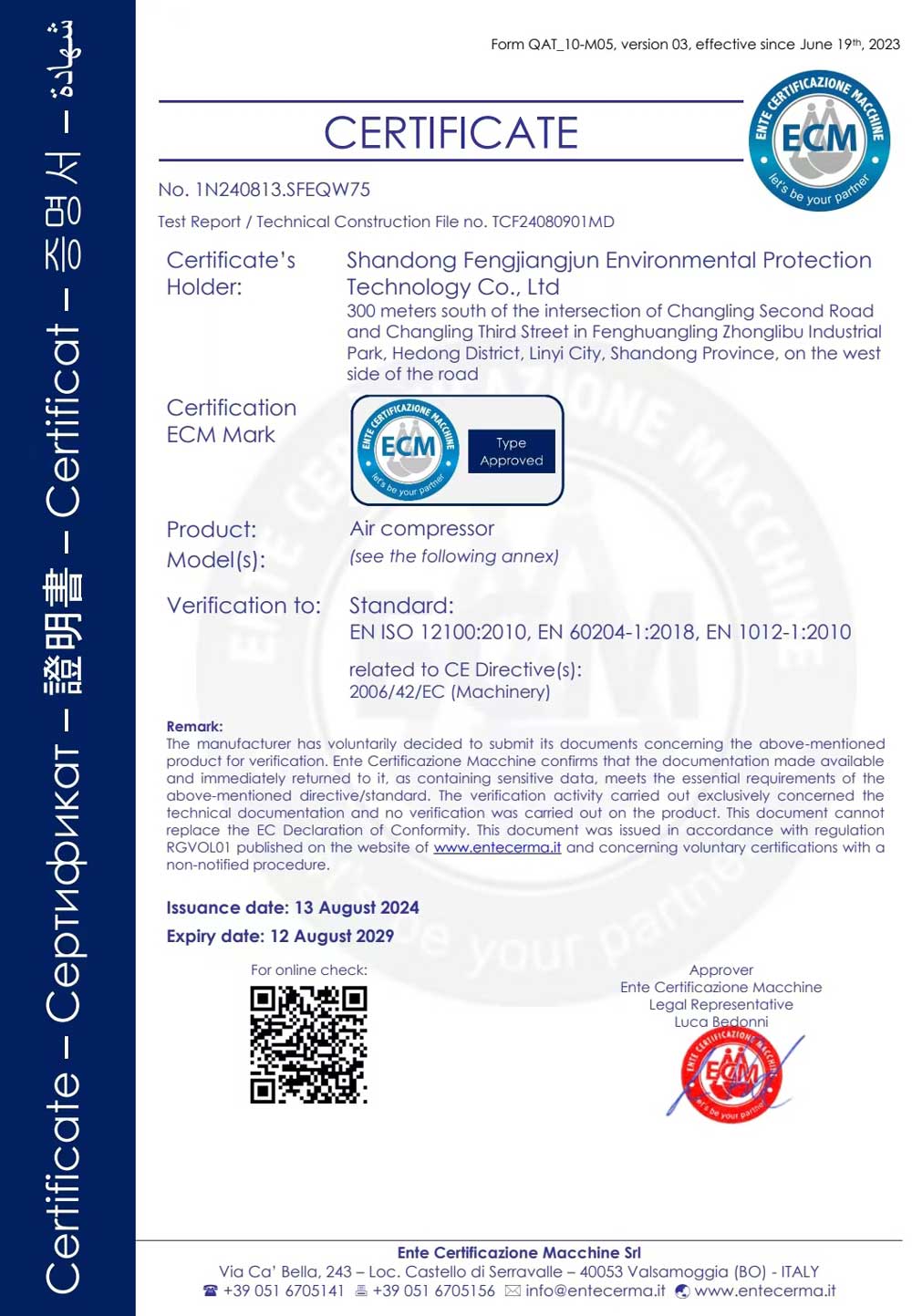
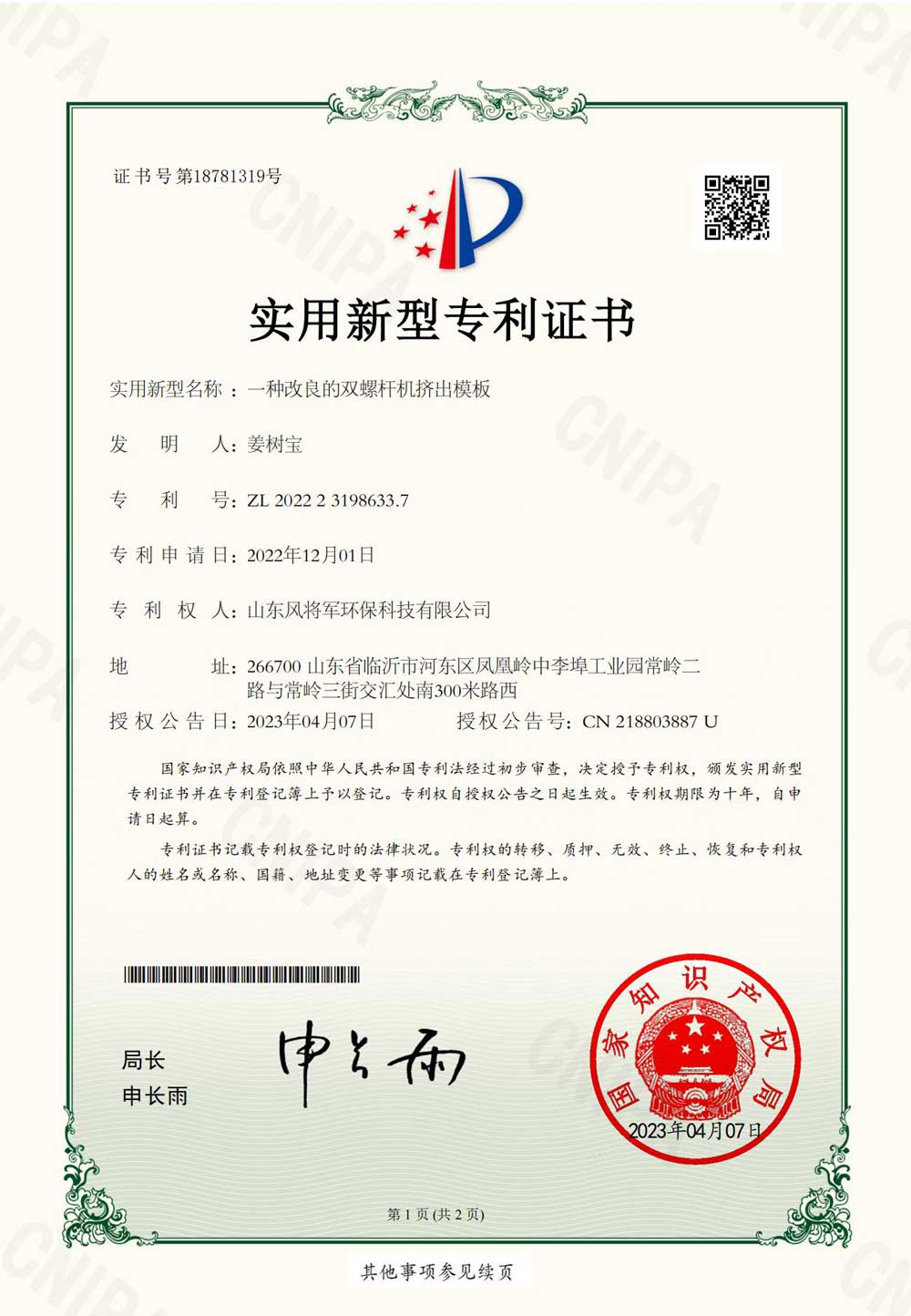
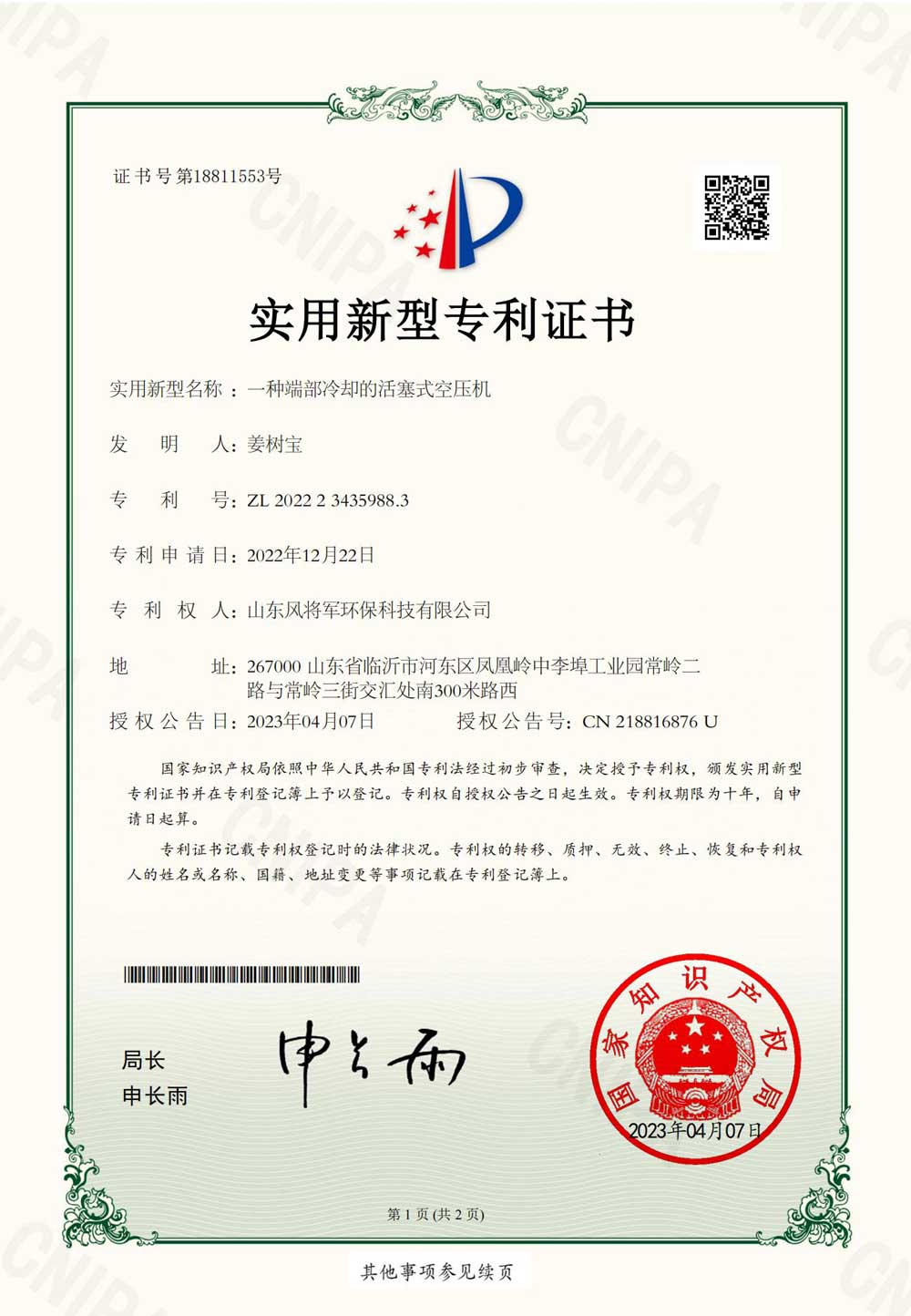
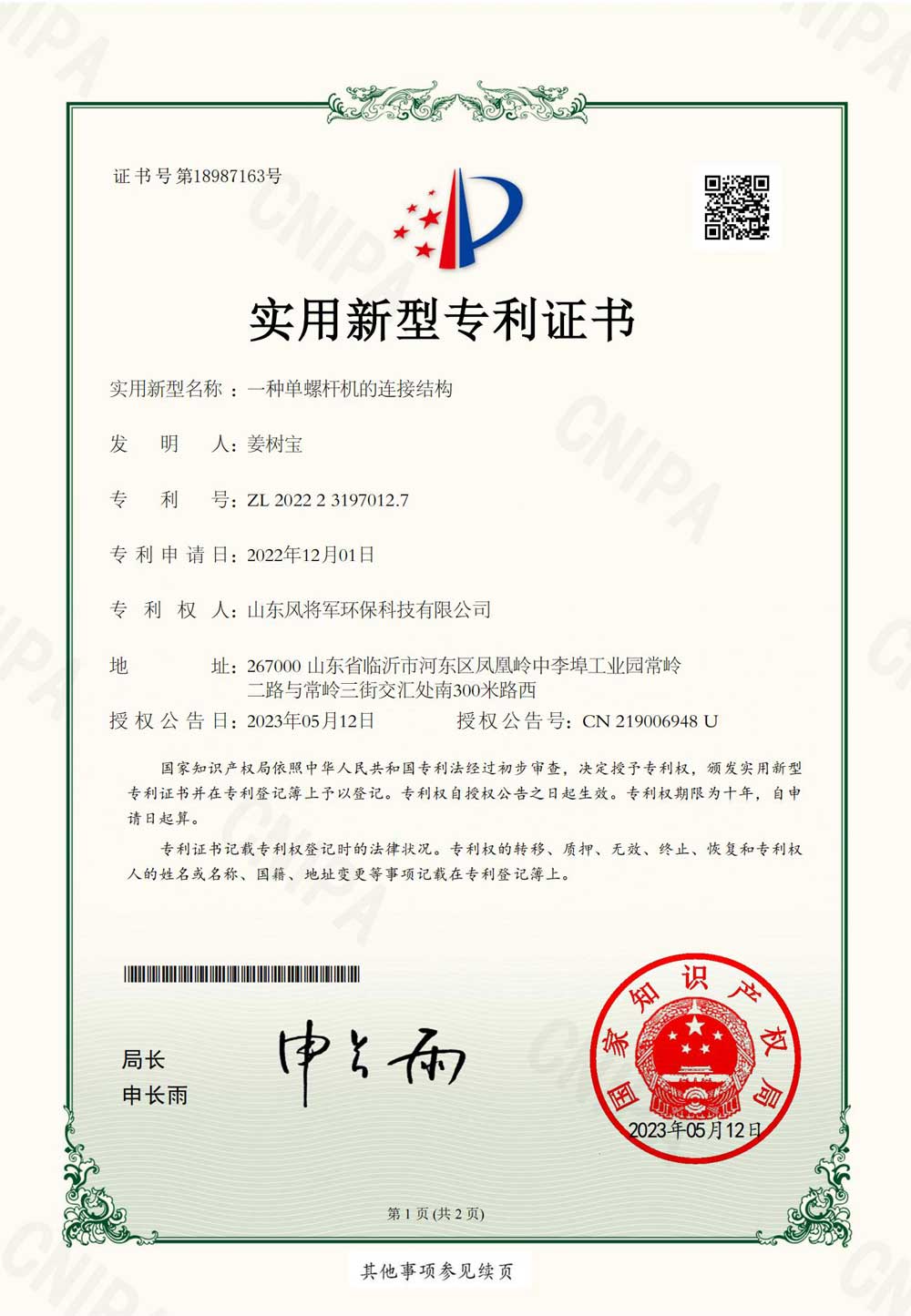
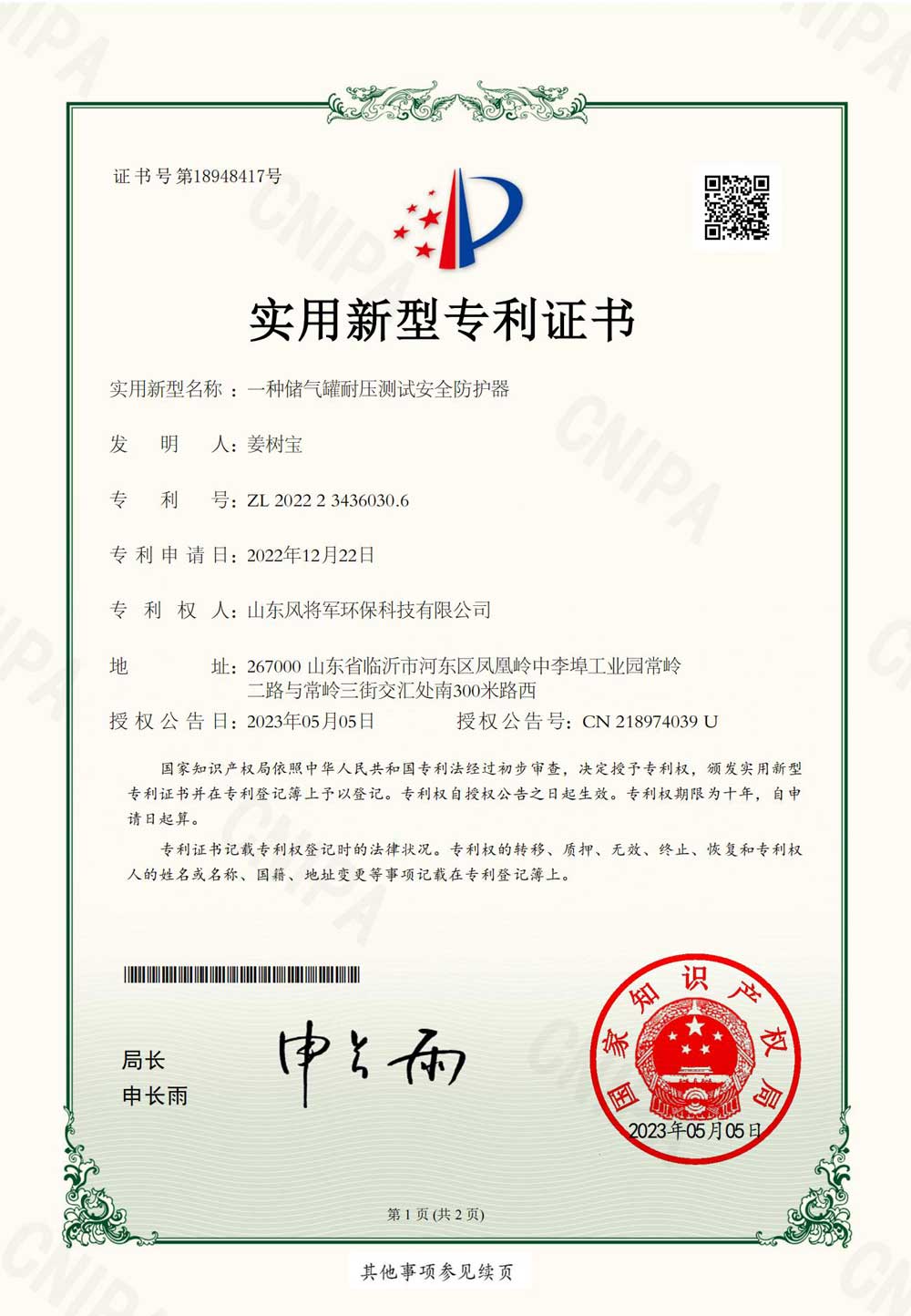
Official Quality and Safety Certifications
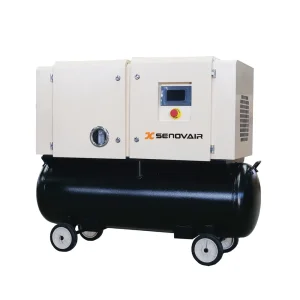
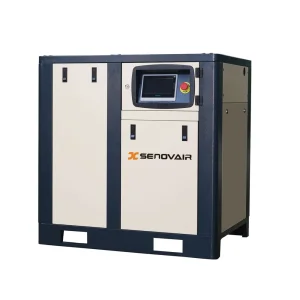
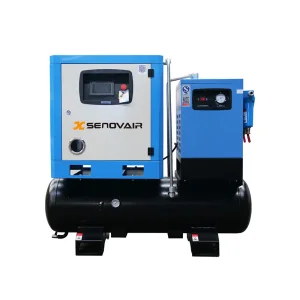
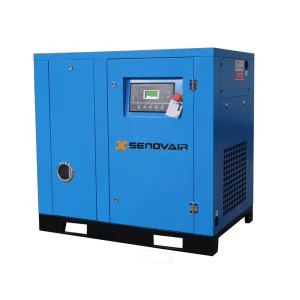
Compact and variable-speed systems designed to reduce energy consumption and footprint in heavy operations.
Discover how Smart Air systems are integrated across Central Asia's core industrial sectors to ensure reliable operations.

Our air receivers stabilize pressures up to 16 Bar, providing a dry, oil-free gas flow. This keeps laser optic lenses clear of contamination and ensures clean cuts through carbon steel and copper plates.
Read More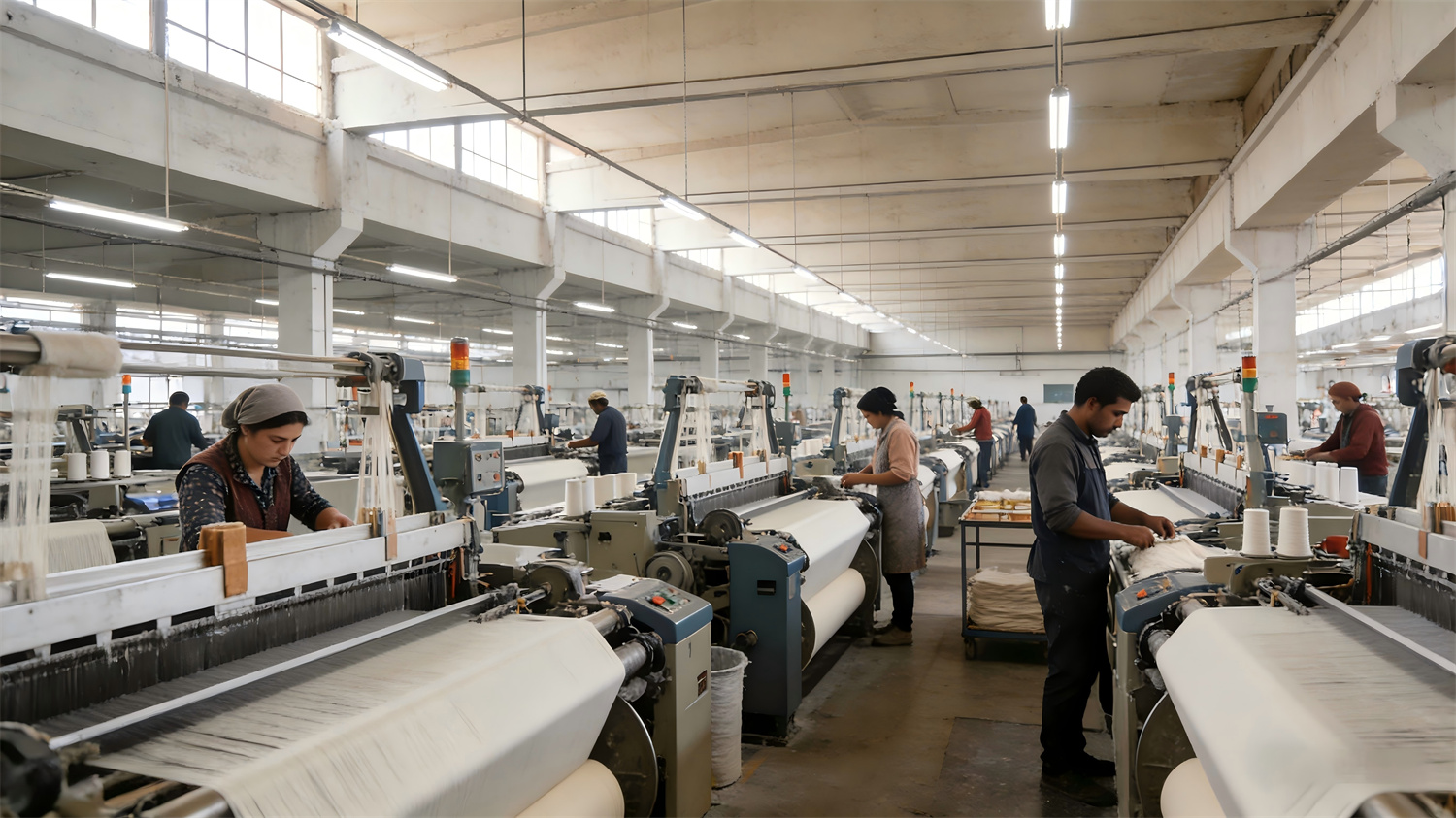
Providing oil-free, pulsation-free air streams to power high-speed air-jet looms. We prevent yarn contamination, ensuring maximum textile quality and reducing downtime on the spinning line.
Read More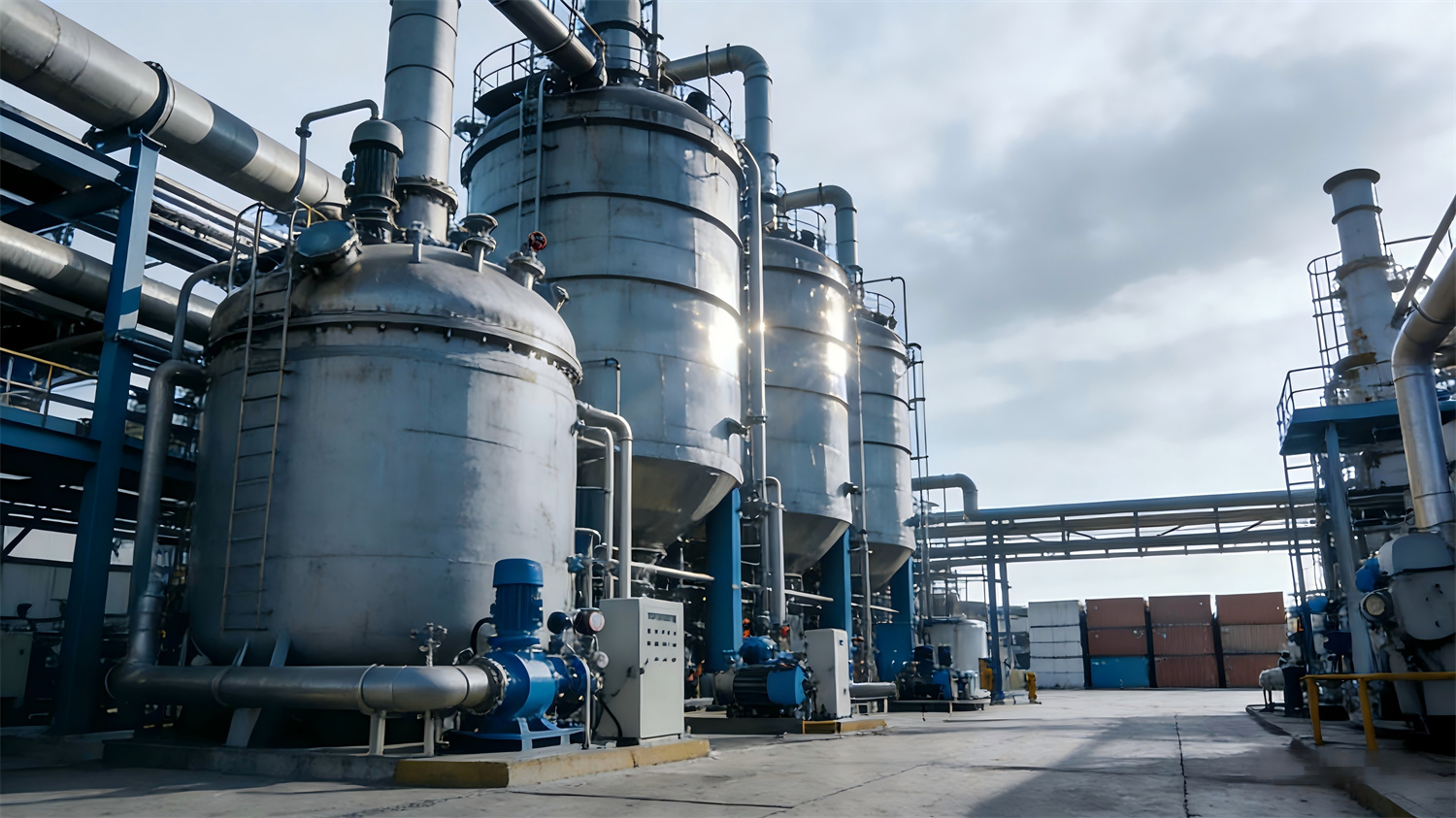
Designed for Atyrau refinery conditions. Features explosive-proof safety valves and anti-corrosive linings. Built to handle volatile pressure loops and safely process toxic and acidic gas environments.
Read MoreTo calculate the exact volume requirement ($V$) for industrial installations, design engineers must calculate the compressor free air delivery ($Q$), target operating pressure ($p_1$), drop pressure window ($p_2$), and maximum cycle frequencies ($f$) using standard thermal calculations:
Where $f_s$ represents the safety coefficient factor for temperature degradation under cold-climate conditions, and $T_factor$ adjusts for winter ambient density shifts. Selecting a vessel that is too small leads to excessive compressor loading cycles. This causes thermal stress in the screw rotor bearings and increases moisture carry-over into the distribution lines.
| Tank Model Reference | Nominal Volume ($m^3$) | Design Pressure (MPa) | Max Temp Range (°C) | Primary Material (GOST/GB) | NDT Weld Examination |
|---|---|---|---|---|---|
| ST-0.6/1.0-KZ | 0.6 | 1.0 | -40 to +150 | Q345R / 16MnDR | 100% Ultrasonic + RT |
| ST-1.0/1.3-KZ | 1.0 | 1.3 | -45 to +150 | 16MnDR Cryogenic | 100% Radiographic |
| ST-2.0/1.0-KZ | 2.0 | 1.0 | -40 to +150 | Q345R / 16MnDR | 100% Ultrasonic + RT |
| ST-3.0/1.6-KZ | 3.0 | 1.6 | -45 to +150 | 16MnDR Cryogenic | 100% Radiographic |
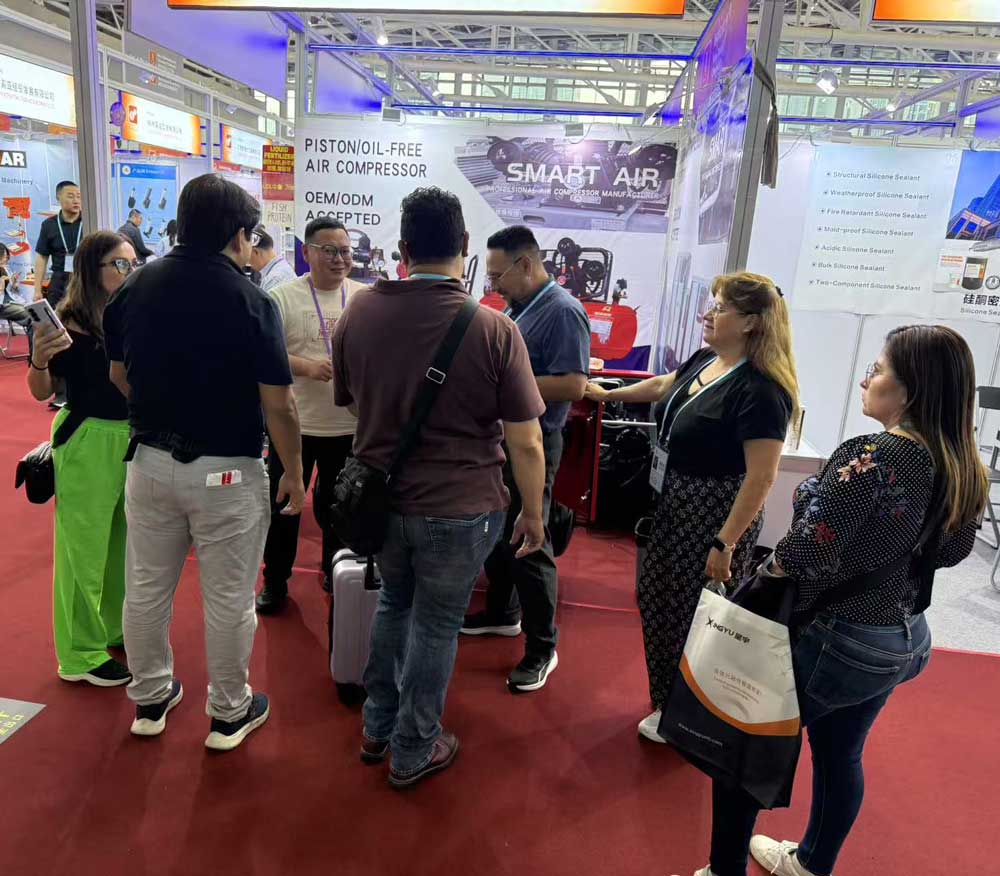
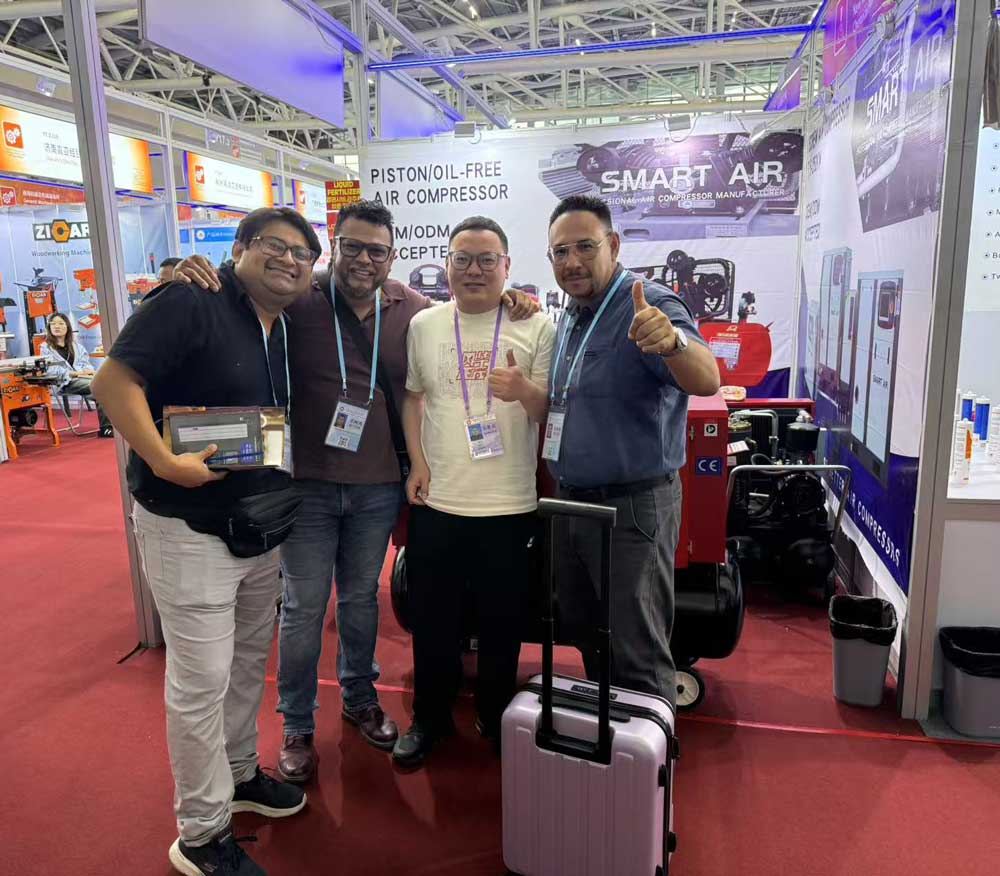
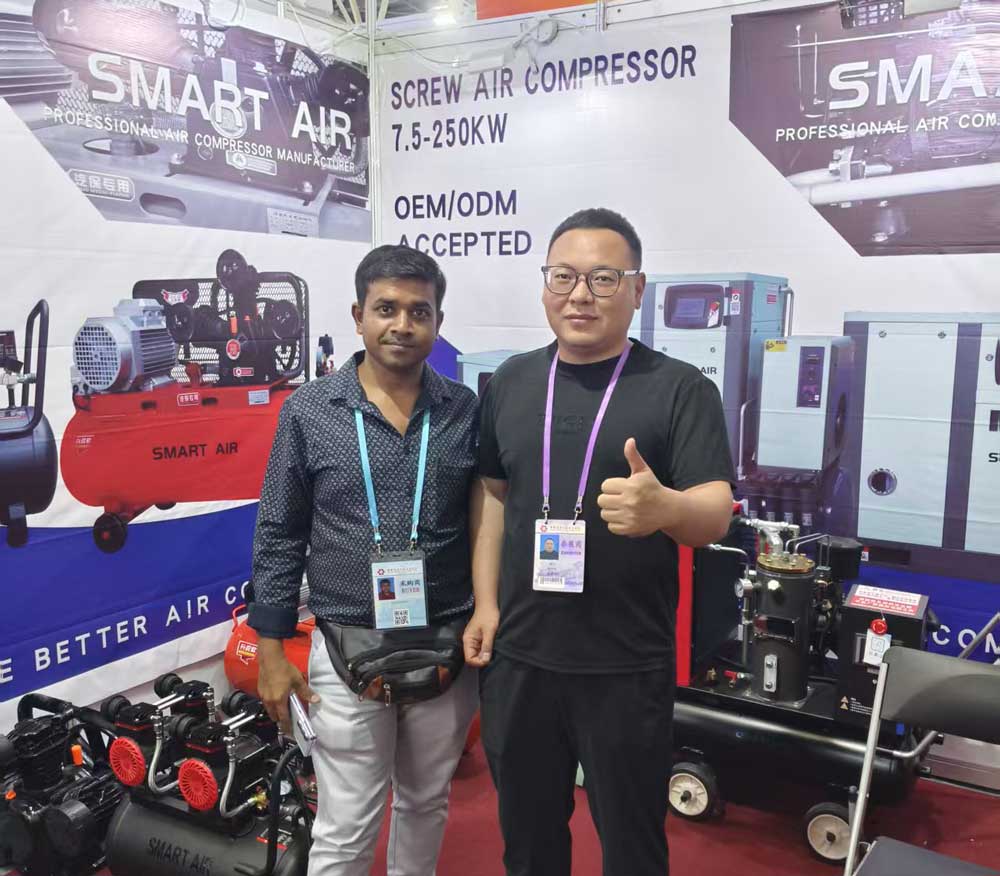
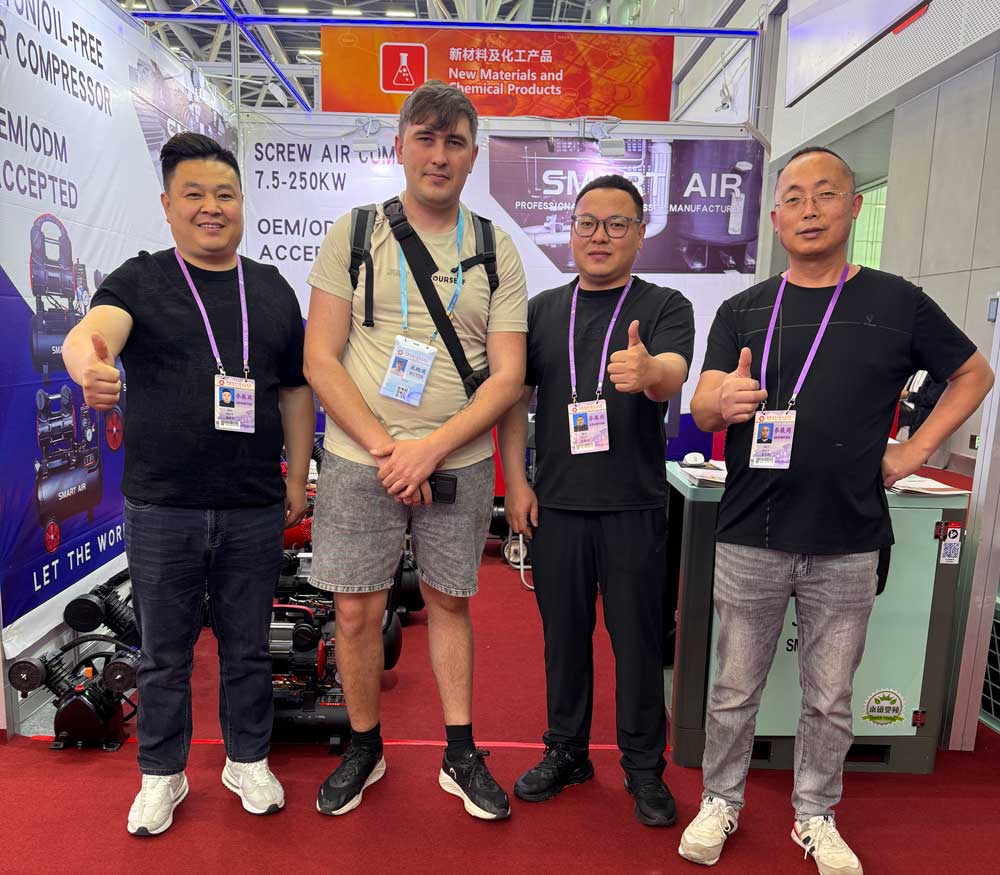
With operations in over 20 countries, Smart Air Machinery has participated in global exhibitions, demonstrating industrial engineering competence to clients worldwide.
Smart Air showcases its solutions annually at major oil, gas, and mining machinery exhibitions. We coordinate with technical delegations from across the CIS and Eastern Europe to adapt our systems for heavy metallurgy, gold processing plants, and trans-Eurasian transport projects.
Answers to engineering and compliance questions regarding air receiver tanks and compressor systems in Kazakhstan.
Explore our full line of pressure receiver vessels, auxiliary components, and heavy-duty piston or rotary screw compression systems.
 Smart Air