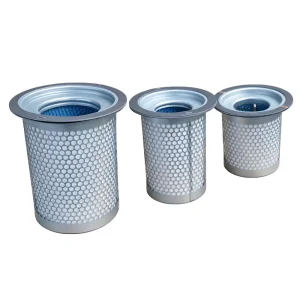
Explore our industrial-grade solutions engineered for maximum performance, thermal stability, and long-term durability.
A diversified manufacturing leader integrating advanced product R&D, high-end production processes, and worldwide logistics.
Over two decades of production experience in China's logistics heartland, utilizing advanced material testing, top-tier engineering talent, and rigorous Quality Control (QC) protocols.
Aesthetic industrial designs, meticulous selection of materials, and precision machining result in air compressors celebrated worldwide for robust lifespans and superior efficiency.
Committed to consolidating China's engineering strength globally. We actively implement strict corporate transparency, prioritizing user localized maintenance support and service availability.
Rooted in the principle that "quality builds reputation, reputation establishes the brand, and the brand defines the market." This drive has propelled us to the forefront of national high-tech manufacturing.
In-depth structural breakdown, application engineering, thermodynamic efficiencies, and global supply chain analyses.
An oil-lubricated reciprocating (piston) air compressor is a positive-displacement machine that relies on a crankshaft-driven piston assembly moving back and forth within a cylinder. During the downward stroke, air is drawn into the cylinder through the intake valve. On the upward stroke, this air is compressed within the confined cylinder space and discharged through the exhaust valves into the air receiver tank.
The role of lubricating oil in this system extends far beyond friction reduction. The oil forms a dynamic, micro-thin sealing film between the piston rings and the cylinder sleeve, minimizing blow-by (compressed air escaping back into the crankcase). Additionally, the lubricant acts as a critical thermal conduit, absorbing high temperatures generated during polytropic compression (where temperature increases concurrently with pressure). This thermal transfer keeps the head assembly operating within acceptable limits, extending the service life of the valve plates and gaskets compared to dry-running (oil-free) alternatives.
SEO Insight & Technical Tip: For high-intermittent duty cycles, oil-lubricated configurations provide a thermal dissipation coefficient up to 35% higher than equivalent oil-free units, making them the industry choice for demanding workshop tasks.
Mobility in industrial compressors demands structural resilience. Our mobile units feature heavy-duty wheels designed for rough surfaces, including construction sites and textile factory floors. The structural design places the air receiver tank at the bottom of the frame to maintain a low center of gravity, which prevents tipping during transit or high-frequency operation.
Crucial to this design is our integrated vibration damping system. A reciprocating compressor produces primary and secondary unbalanced forces due to the moving piston. Without proper damping, these vibrations can transfer to the receiver tank, causing weld fatigue, joint wear, and alignment issues with the electric motor or gasoline engine. We incorporate elastomeric engine mounts and reinforced structural welds to minimize vibration transfer, keeping structural stress low and operational noise within safe limits.
Based in Linyi, the logistics capital of China, Smart Air Machinery has access to a highly integrated supply chain network. Linyi's advanced industrial ecosystem supports rapid sourcing of raw materials, high-precision casting components, and quality electrical parts. This logistics cluster minimizes internal transit times and reduces structural component costs, allowing us to export cost-effective equipment without compromising on components.
Our supply chain resilience is built on strategic raw material reserves, automated component machining centers, and comprehensive testing labs. By managing the manufacturing process in-house—from casting inspection to final pressure testing—we maintain consistent quality control. This allows us to guarantee stable production schedules and secure container space for timely delivery to our international partners.
Looking ahead, the development of mobile piston compressors is focusing on intelligent monitoring systems and energy management. We are working to integrate Internet of Things (IoT) sensors directly into the crankcase of our high-capacity piston heads. These sensors monitor oil temperature, pressure changes, and vibration levels in real time. The data is transmitted to an integrated controller, alerting users to necessary oil changes or valve inspections before mechanical failures occur.
Additionally, we are exploring eco-friendly synthetic lubricants that maintain consistent viscosity across a wider range of temperatures, helping to reduce carbon buildup on exhaust valves. As global emissions standards tighten, pairing mobile diesel-driven units with advanced catalysts and adopting high-efficiency permanent magnet motors for electrical versions remain core focuses of our research and development team.
Providing reliable compressed air across a wide range of global commercial and industrial applications.
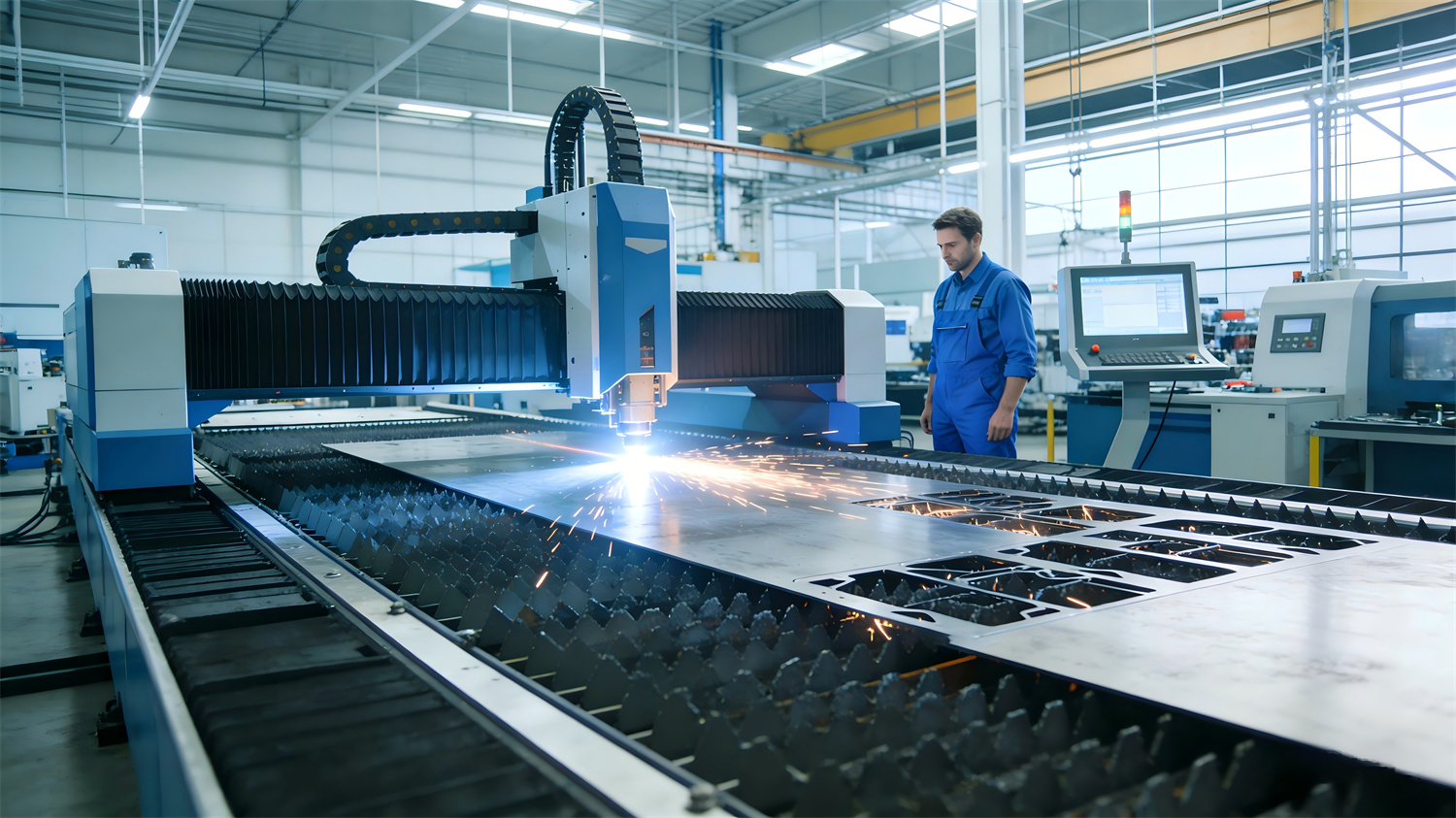
Provides stable auxiliary air to blow away molten slag and debris during the cutting process. This ensures clean, precise cuts on metal and non-metal materials while protecting sensitive laser heads.
Learn More →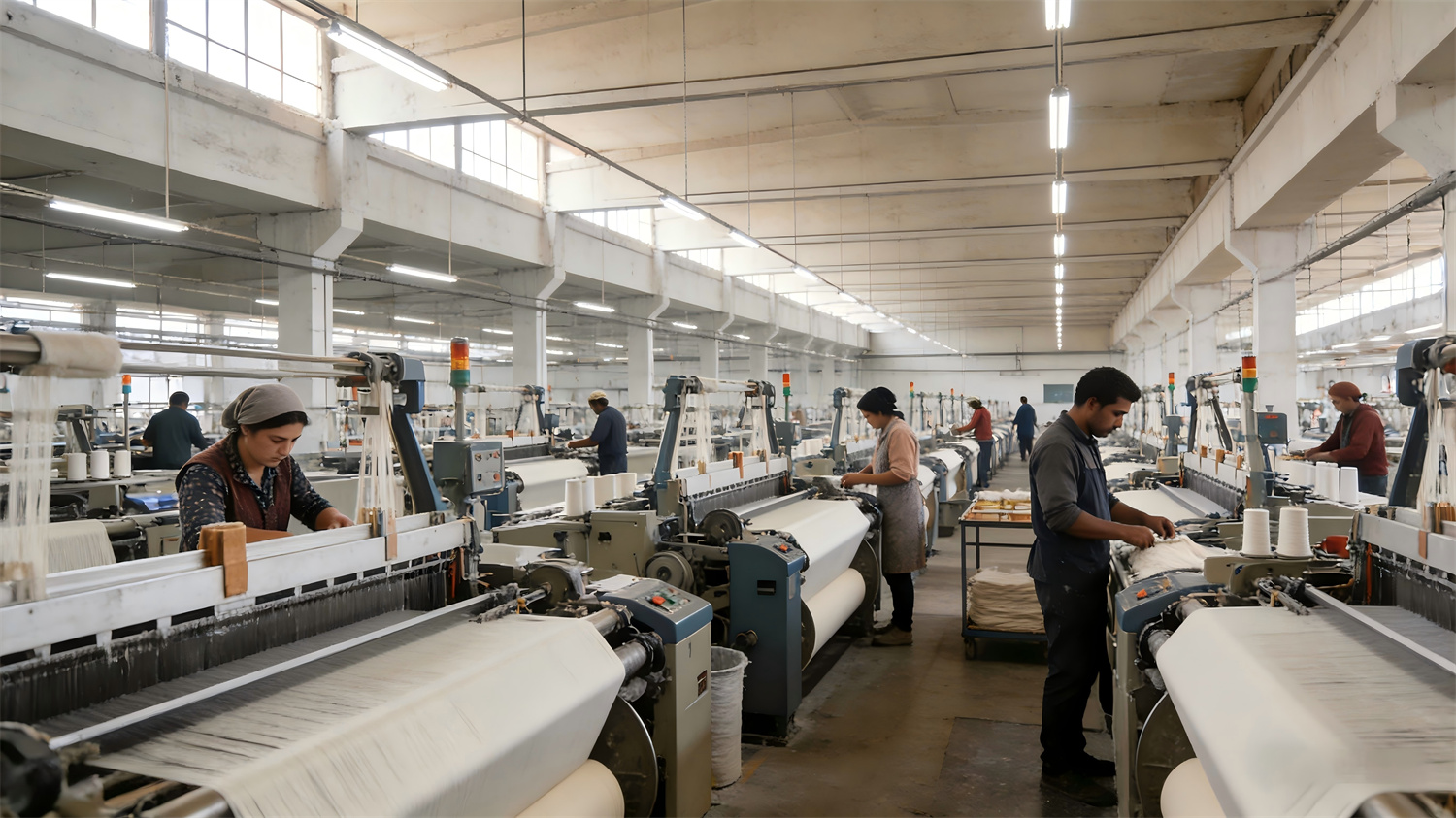
Powers pneumatic looms, sorting machinery, and packaging lines. Clean air helps prevent fiber contamination and ensures smooth, continuous production of high-quality yarns and fabrics.
Learn More →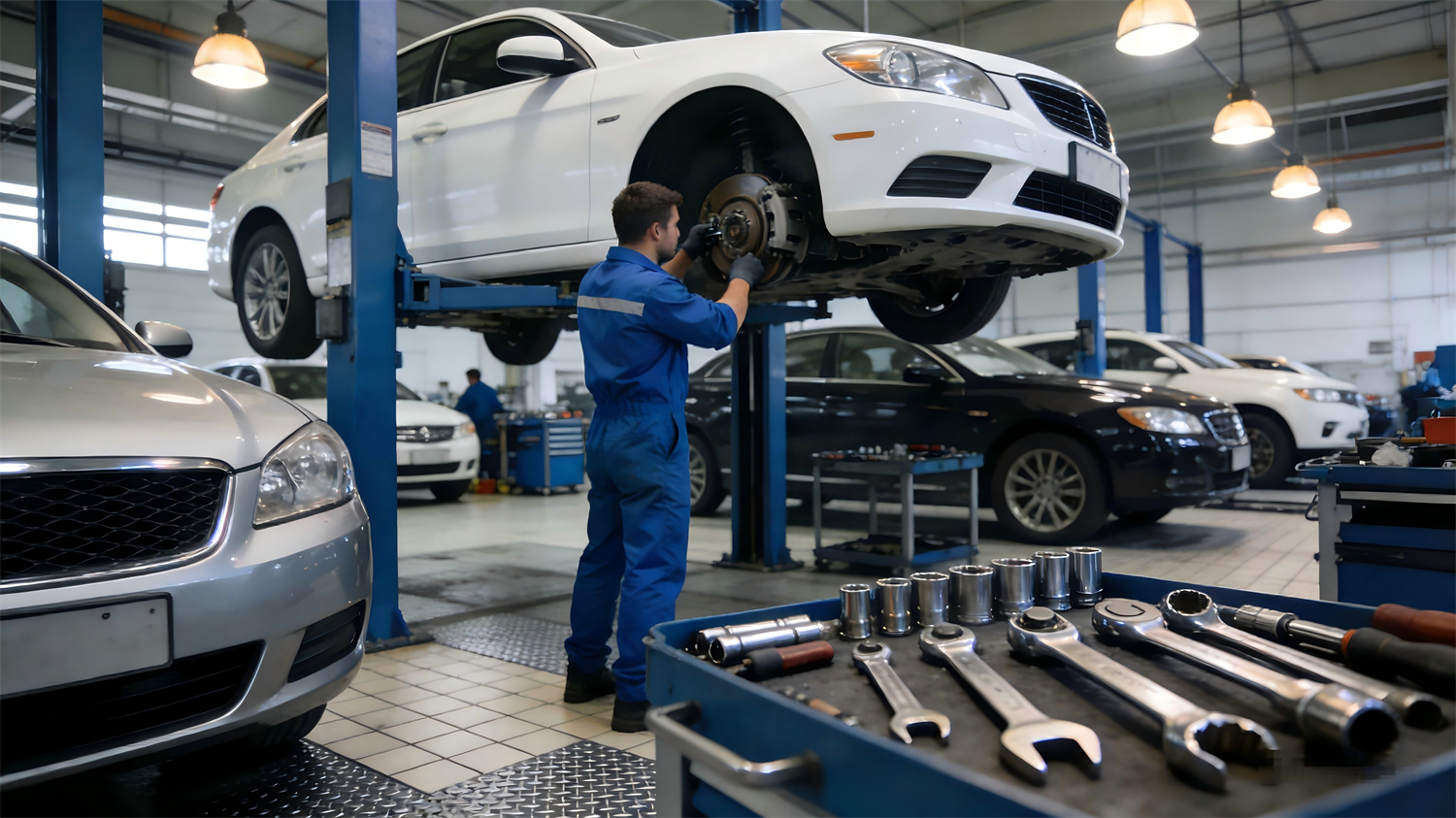
Powers assembly line tools, robotic manipulators, and spray painting booths. Our mobile units provide the consistent air volume and pressure needed for heavy-duty pneumatic impact tools.
Learn More →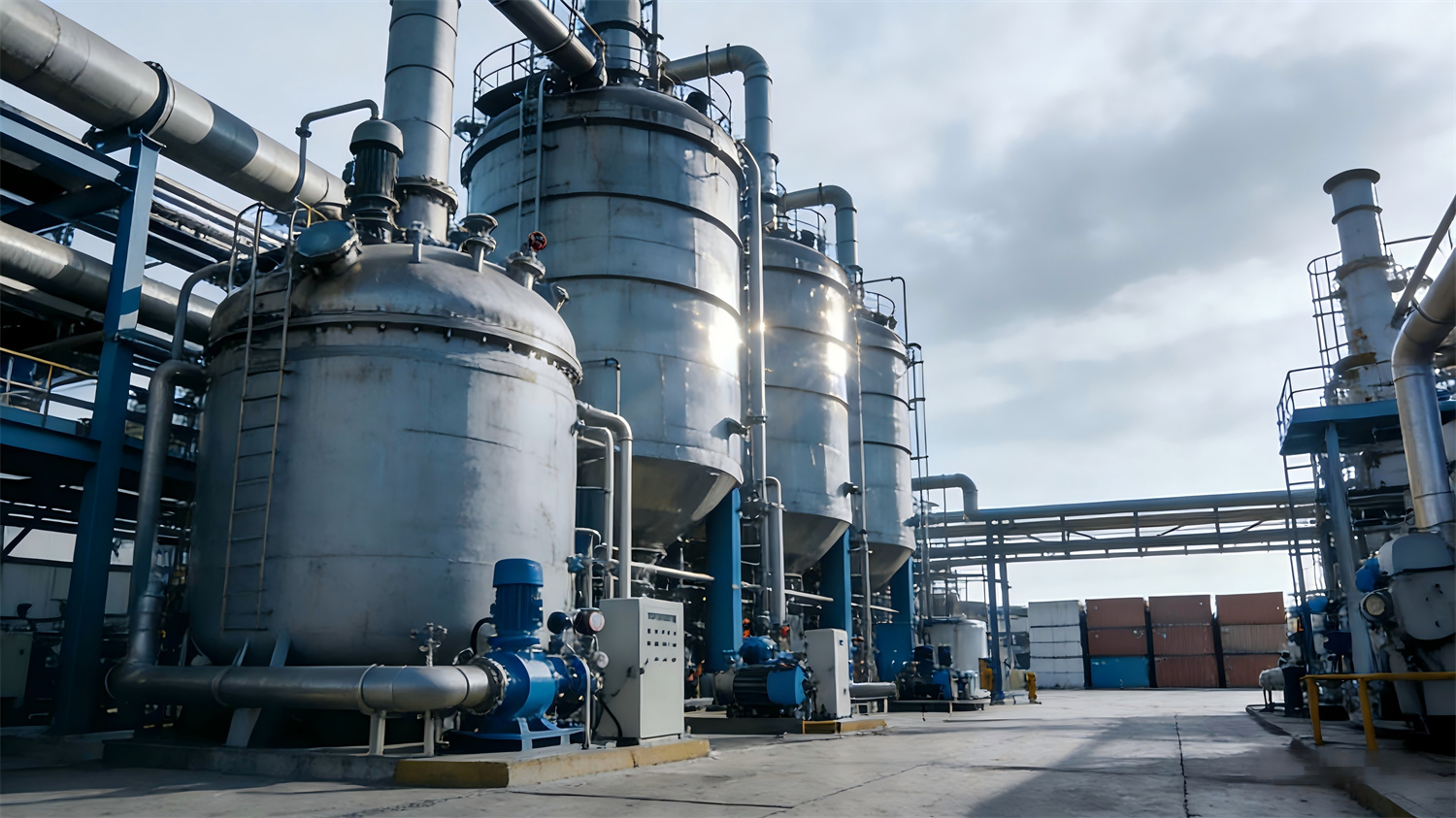
Delivers stable air for process control instrumentation, fluid piping aeration, and chemical reactions, meeting the safety and reliability requirements of harsh processing environments.
Learn More →
Powers tools on construction sites, including jackhammers, framing nailers, and concrete sprayers. Features a mobile chassis designed to withstand harsh outdoor environments.
Learn More →
Powers water-recycling pumps, high-pressure foam blasters, and detailing blow guns. The design helps dry hard-to-reach vehicle crevices without scratching painted surfaces.
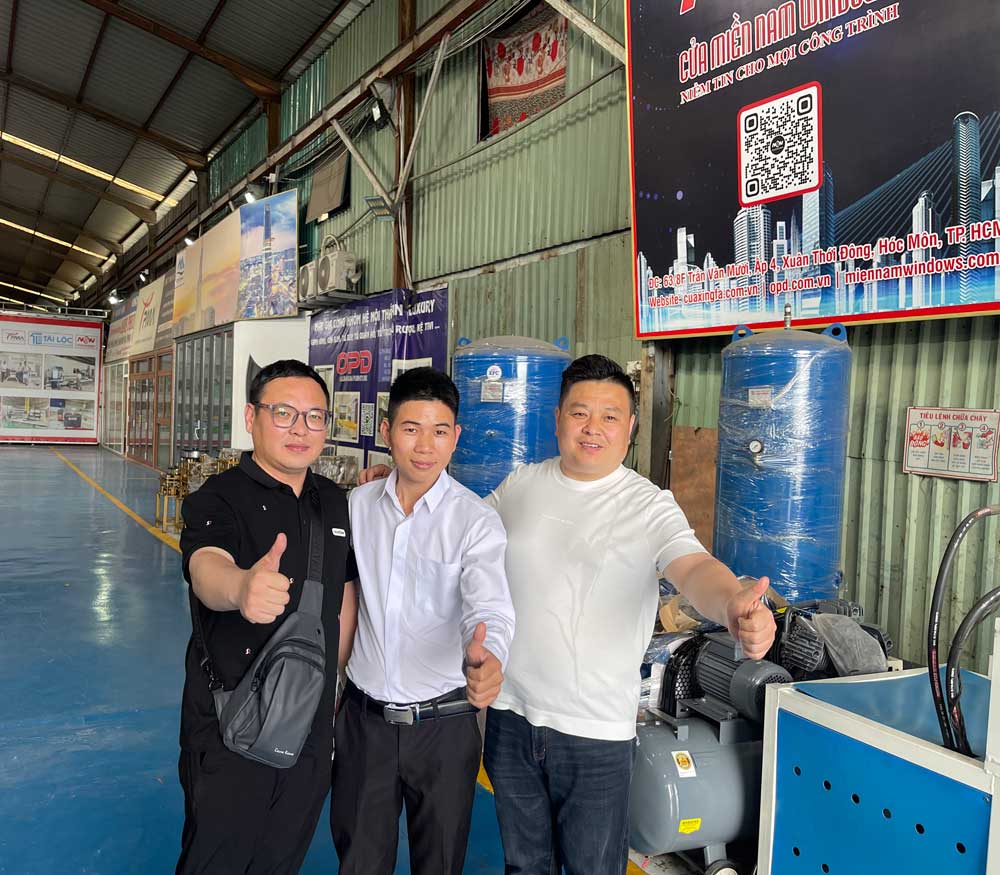
Learn More →Smart Air Machinery has partnered with clients in over 20 countries, including the USA, Canada, Colombia, Chile, Australia, New Zealand, Russia, Indonesia, Vietnam, Malaysia, India, Sri Lanka, Bangladesh, Pakistan, Dubai, Afghanistan, Israel, Syria, Kosovo, Tunisia, and Angola.
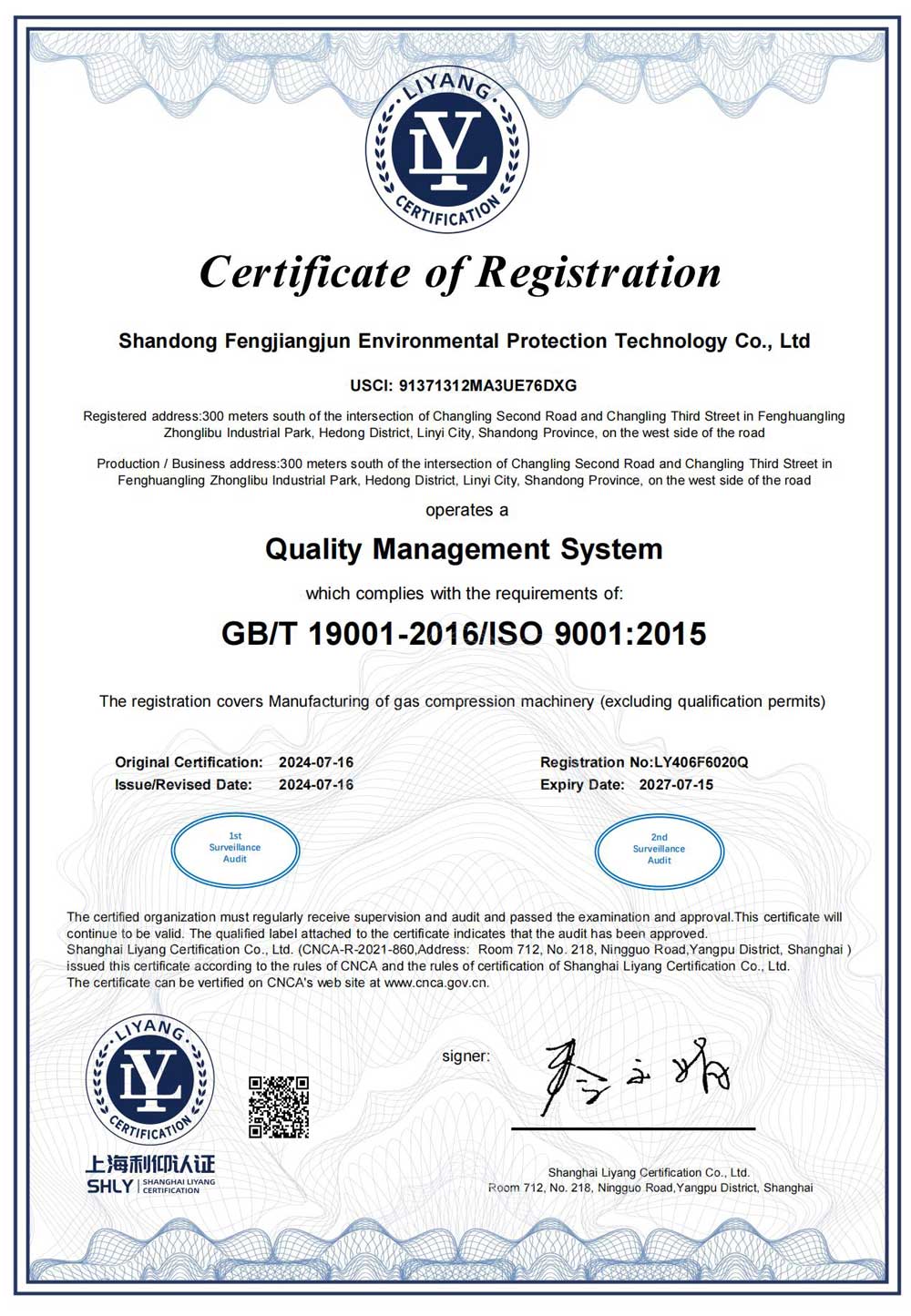
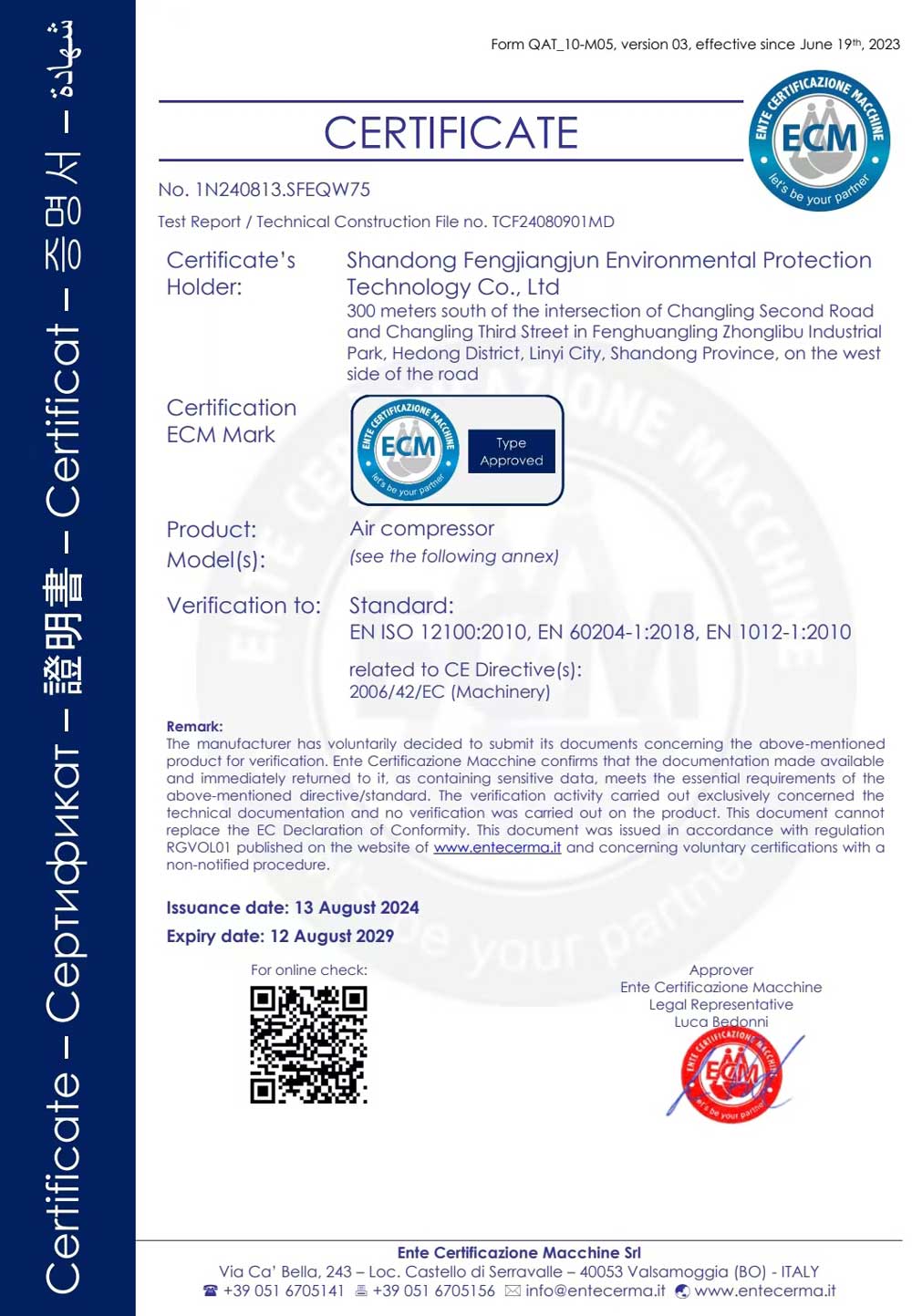
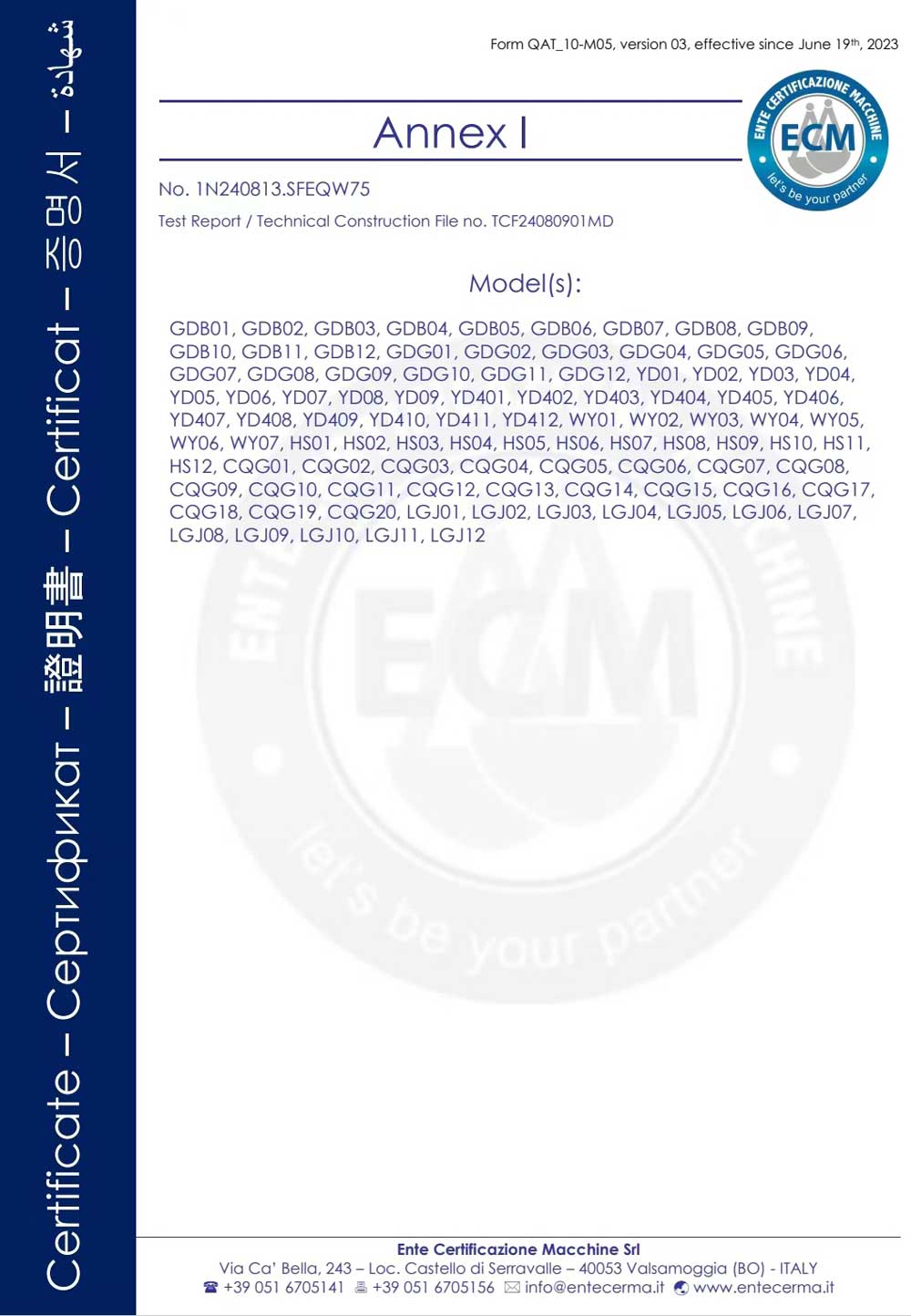
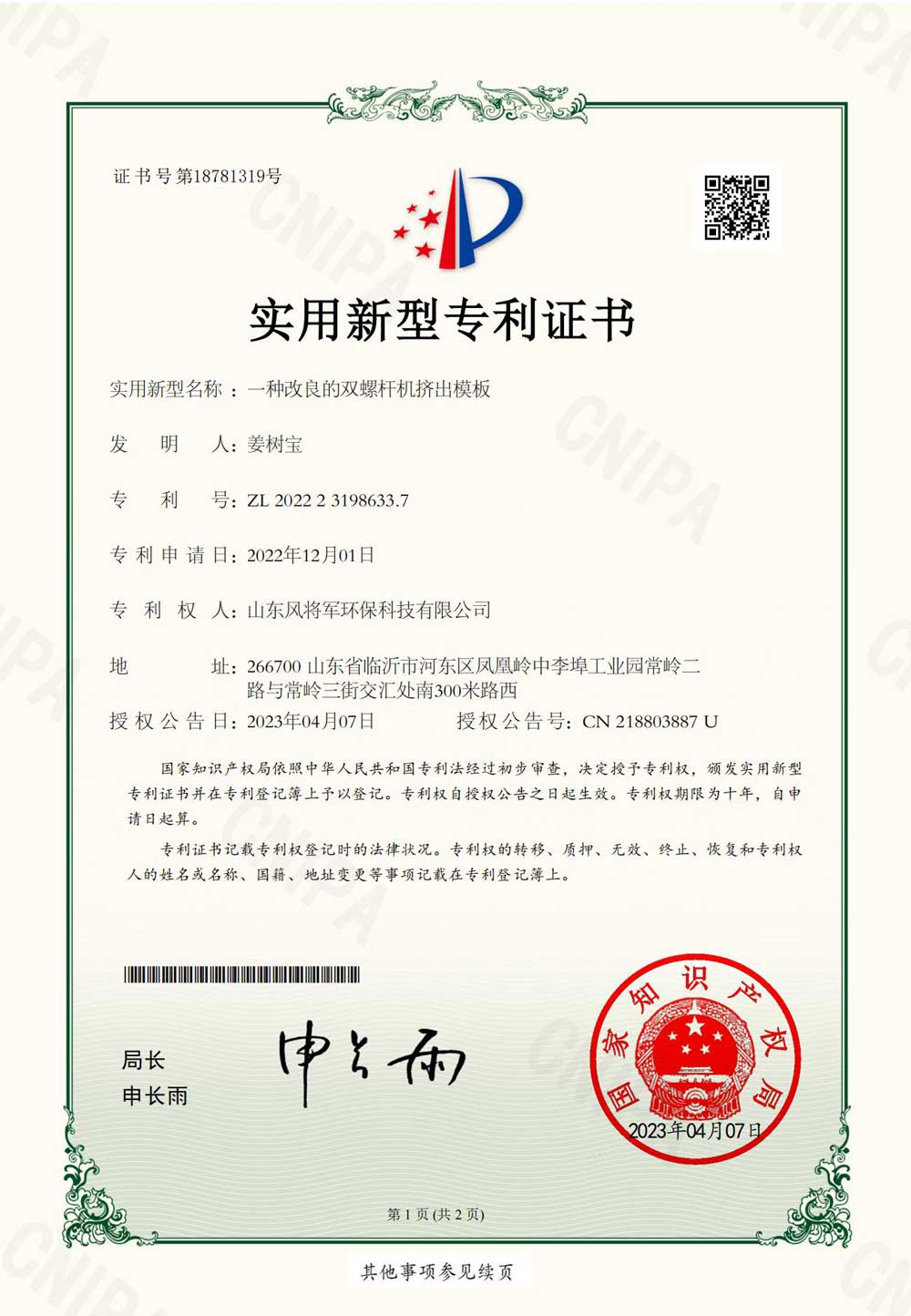
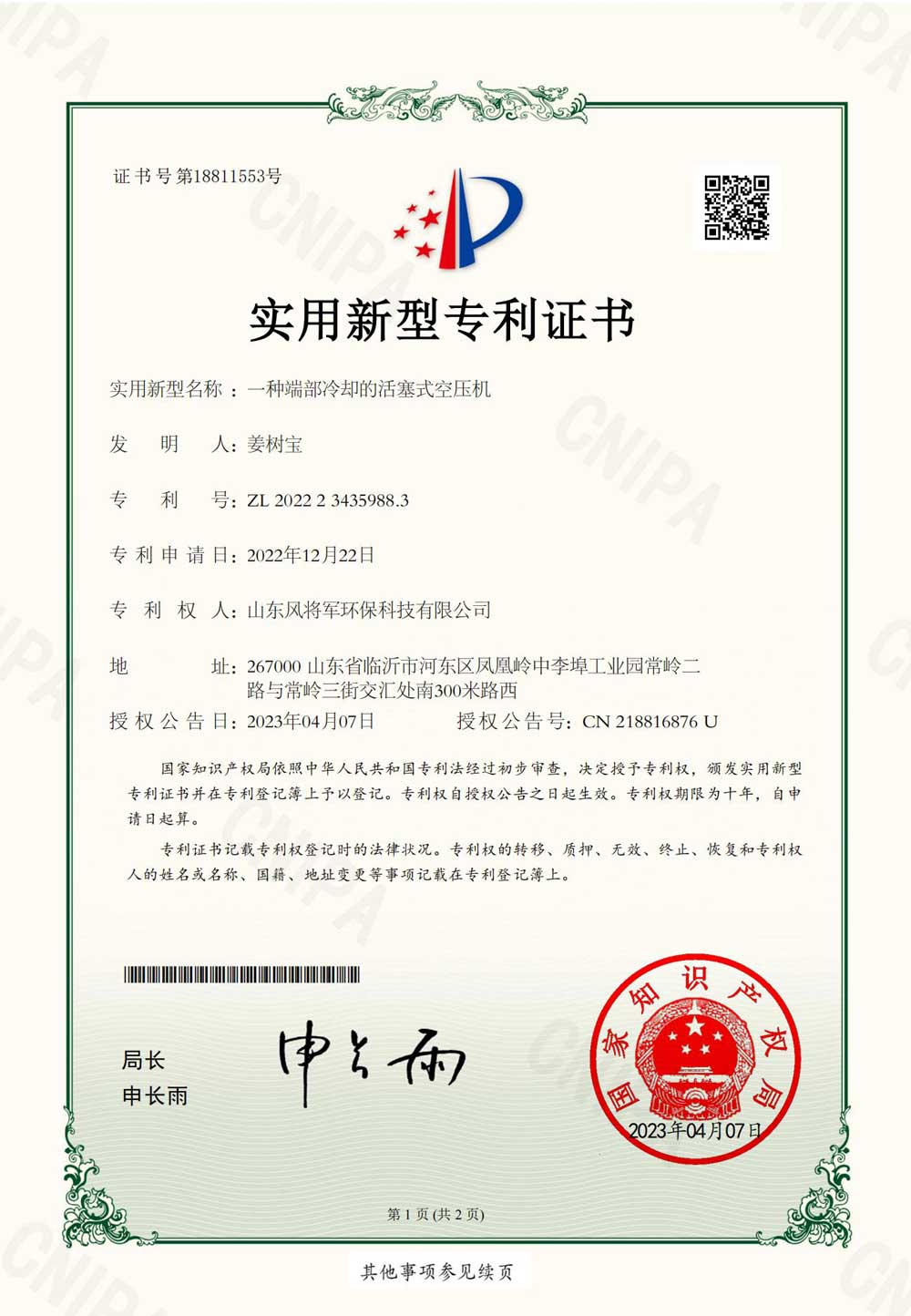
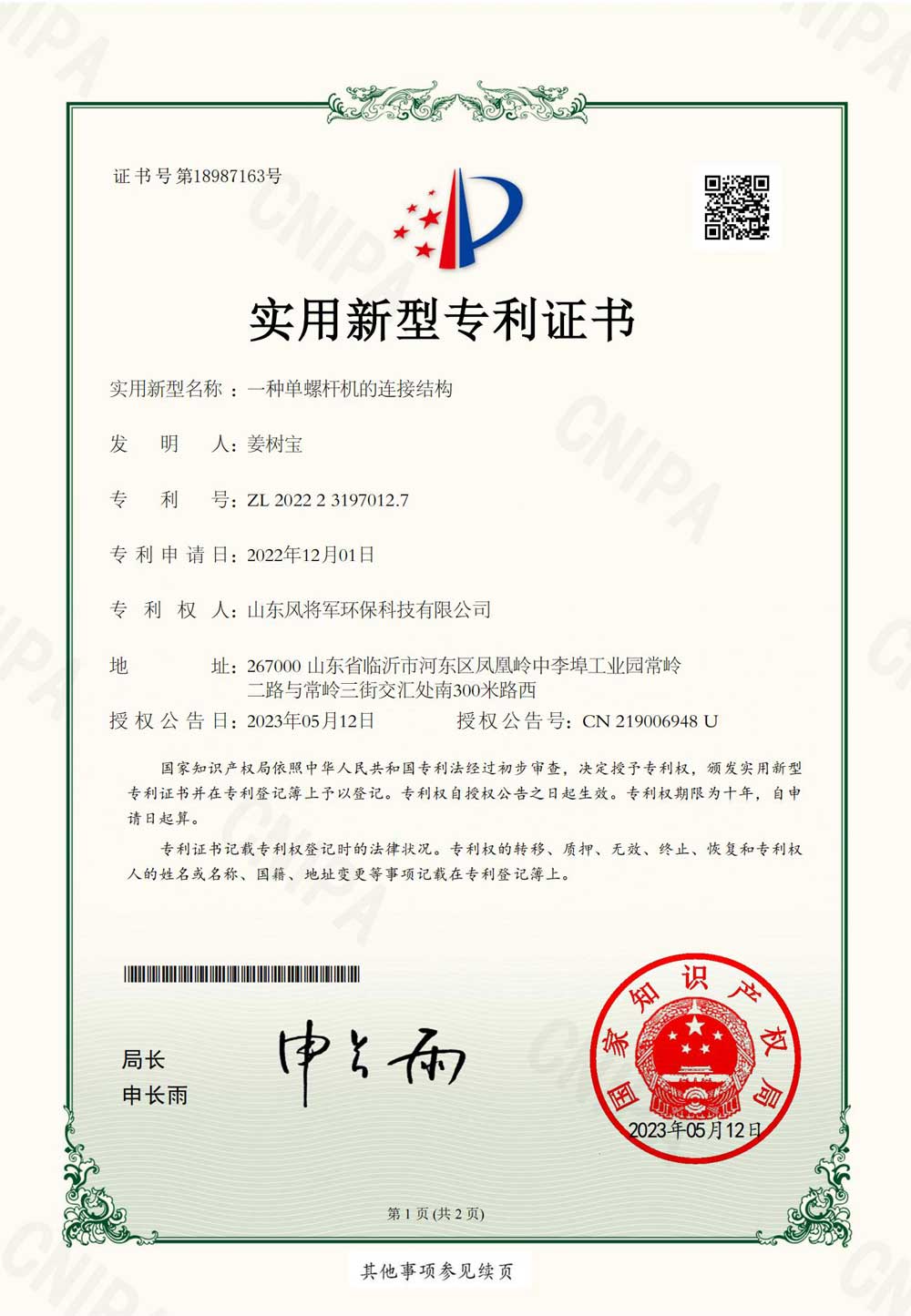
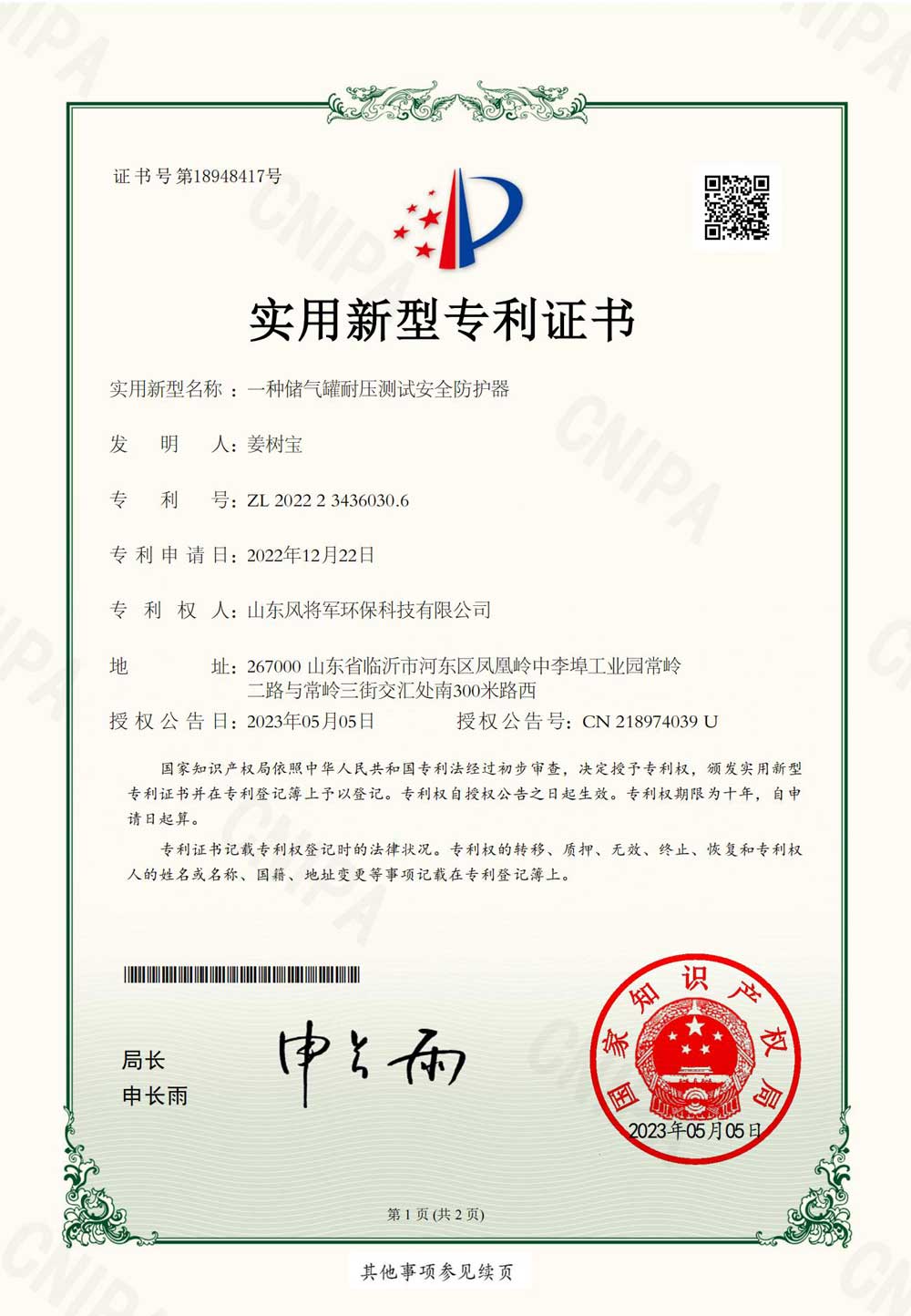
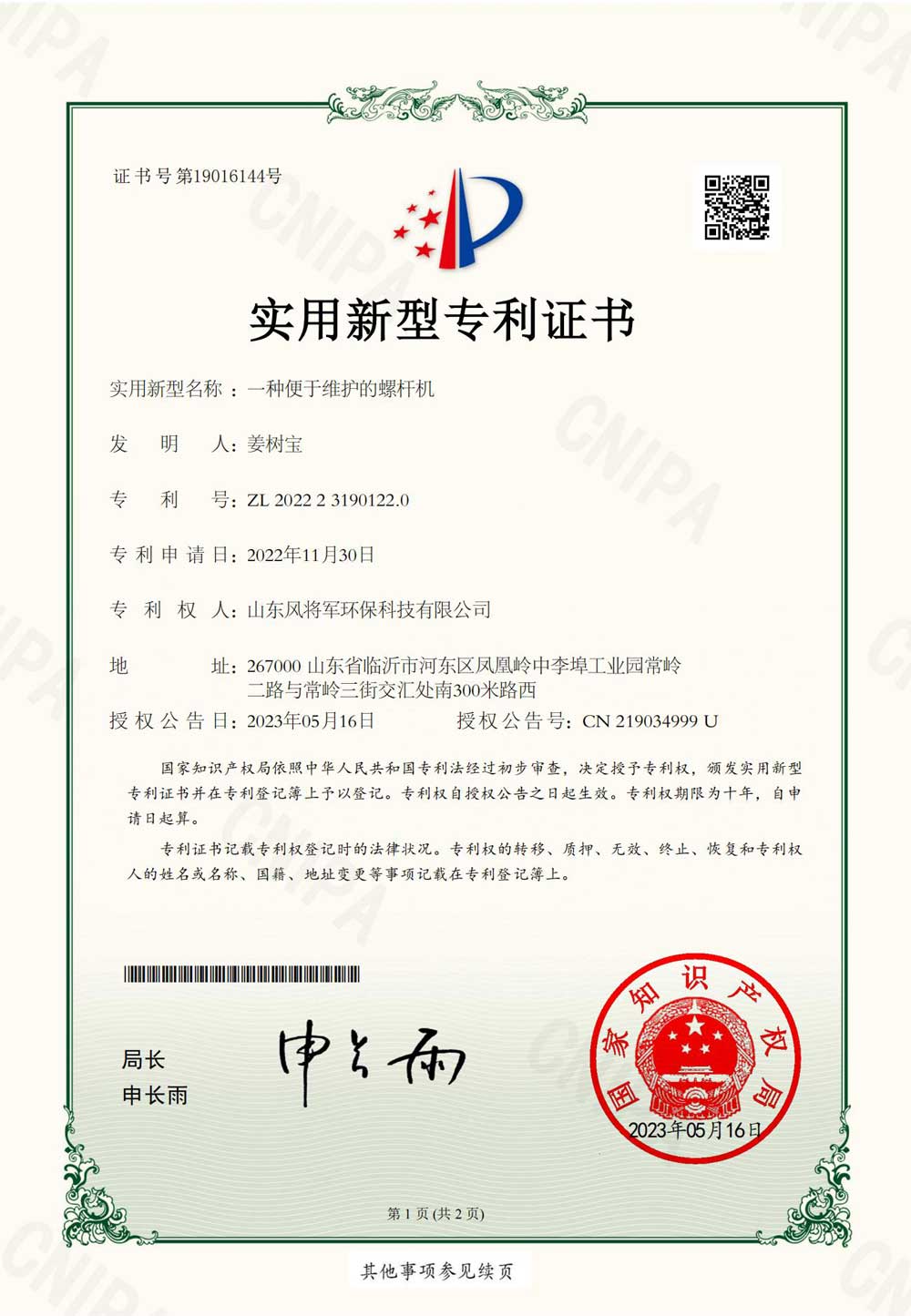
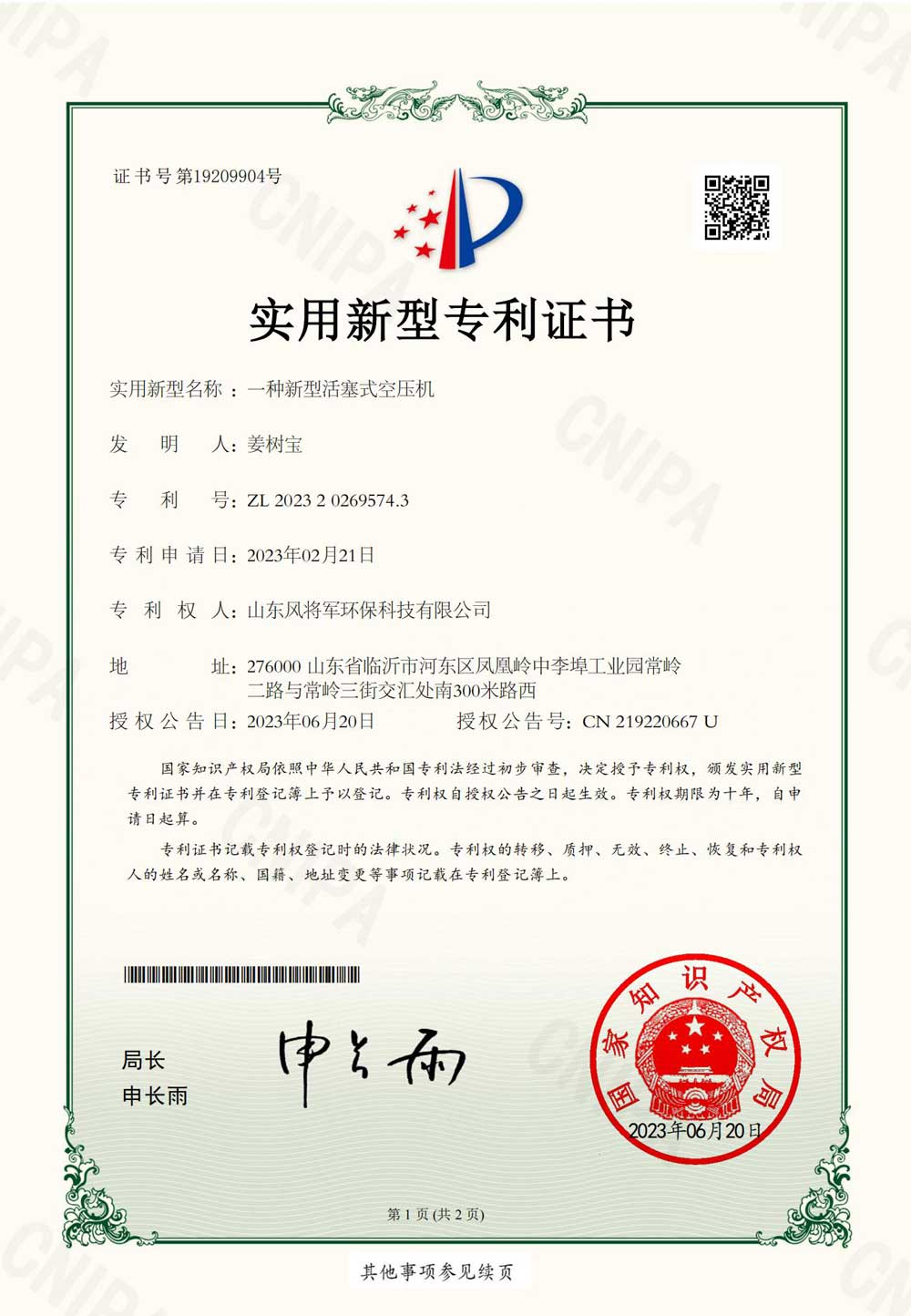
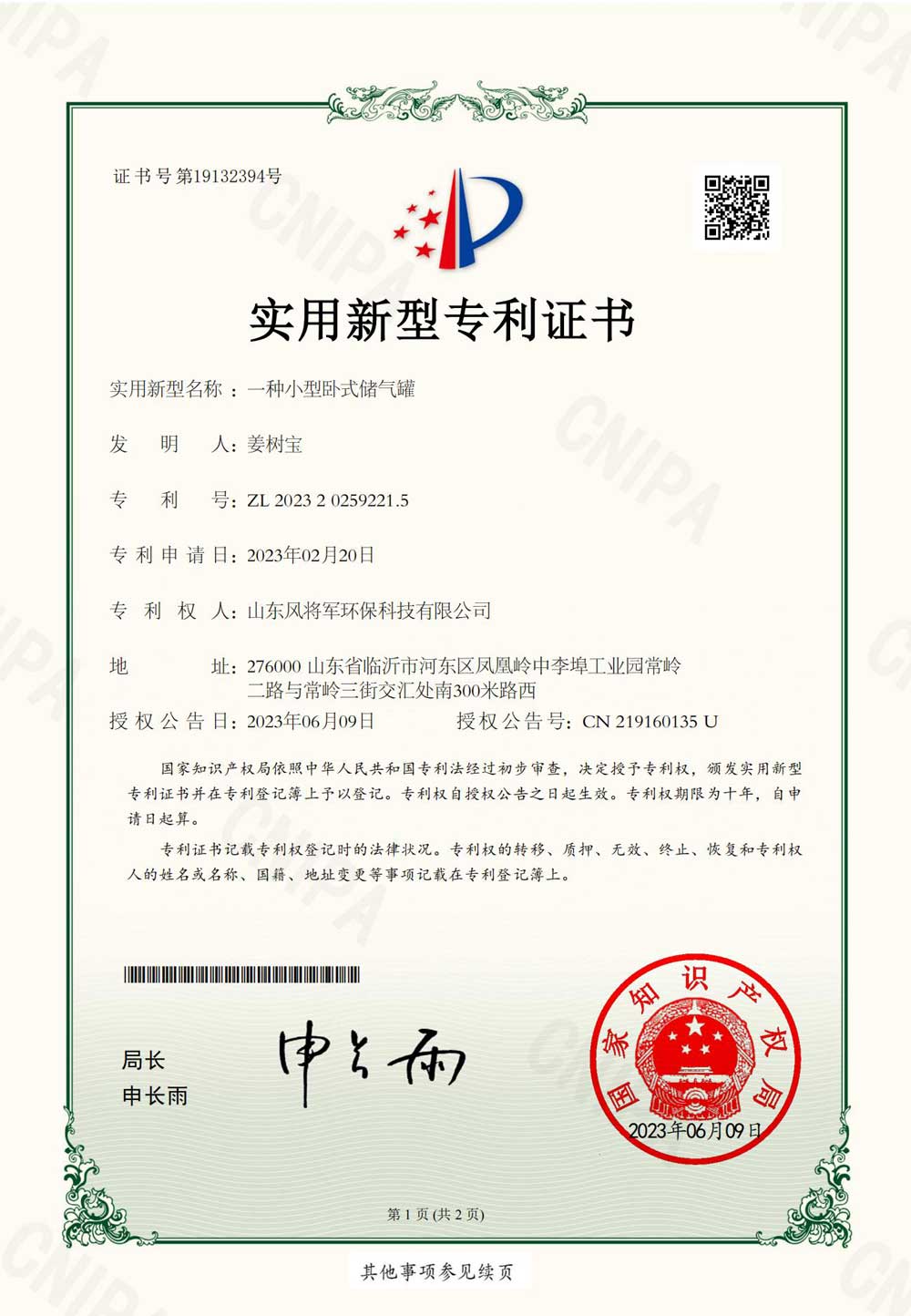
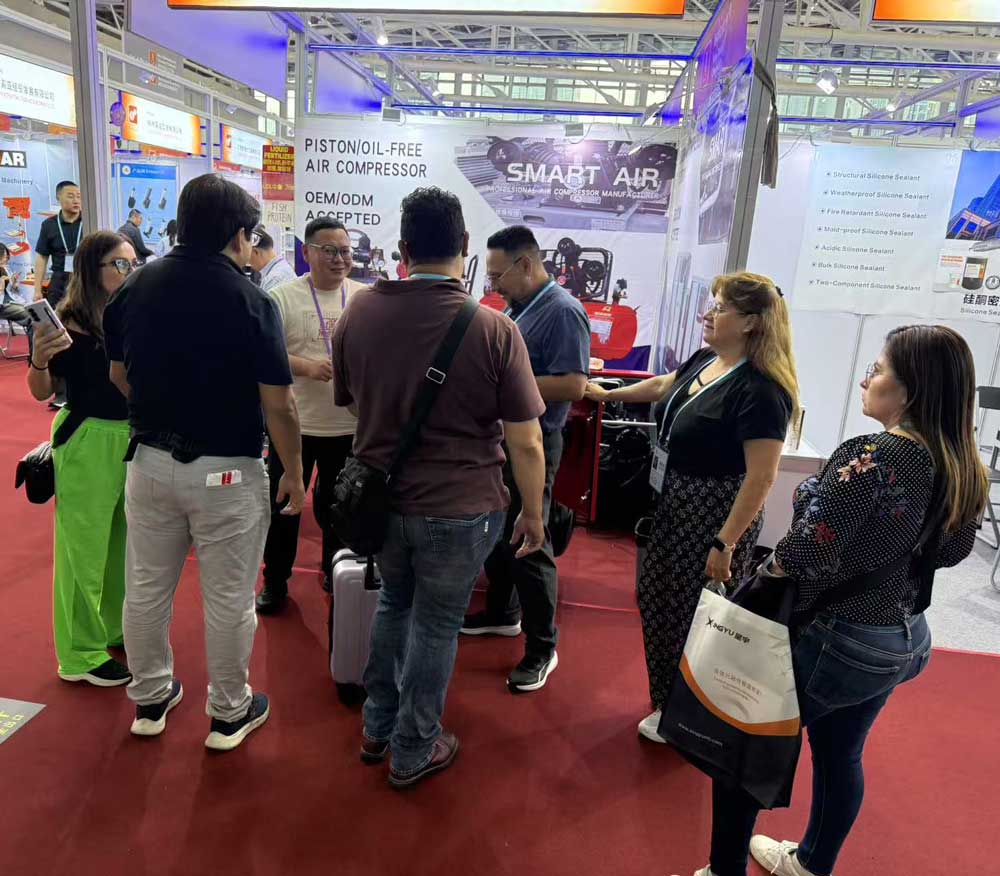
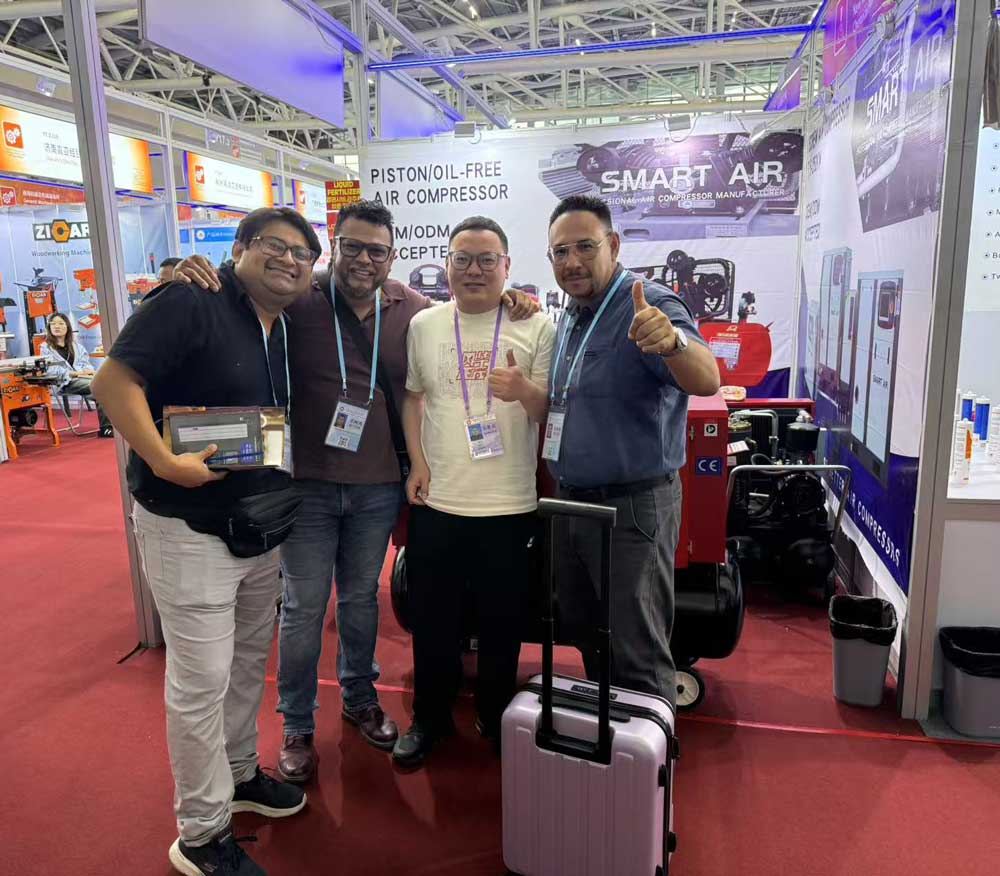
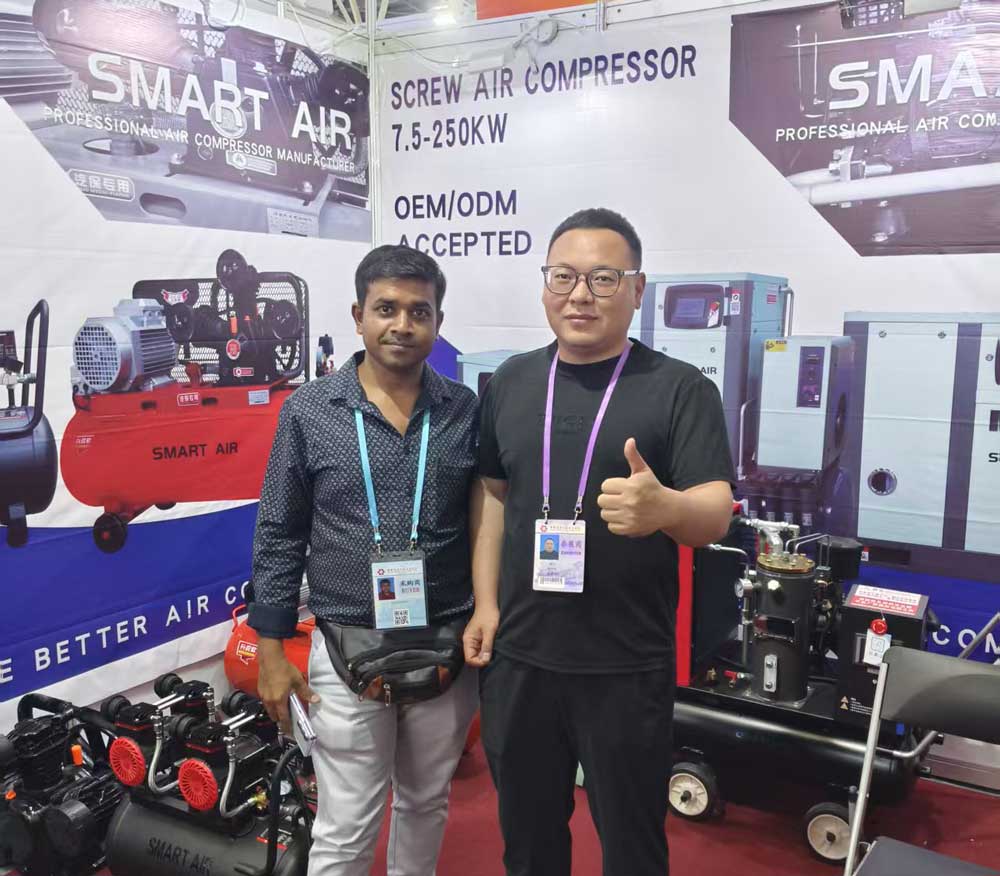
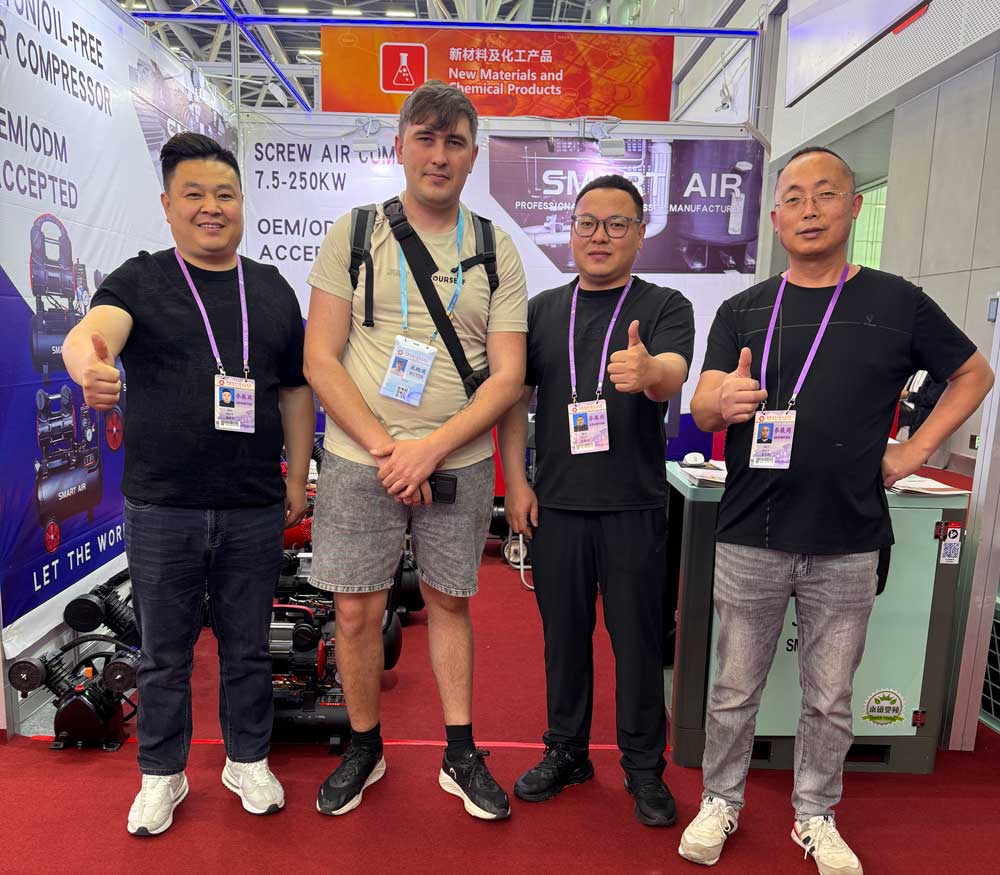
Our regular participation in international trade fairs and engineering exhibitions demonstrates our long-term commitment to global partnerships.
Common questions regarding oil-lubricated piston air compressors, troubleshooting, and system integration.
Quality parts and advanced air systems engineered to keep your production lines running smoothly.
 Smart Air