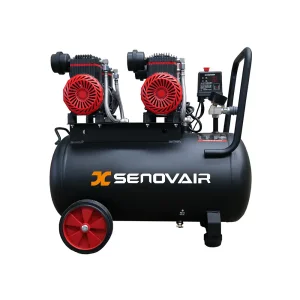
Explore our top engineering options built for stability, efficiency, and heavy-duty environments. Direct-from-factory pricing with global standards compliance.
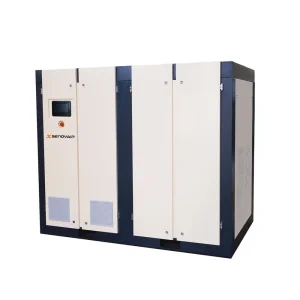
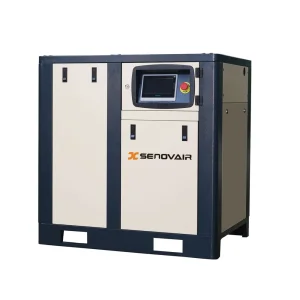
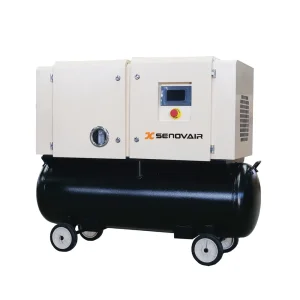
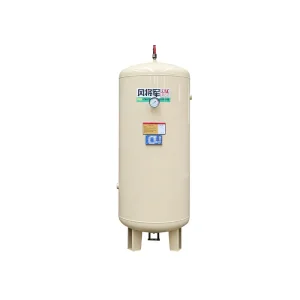
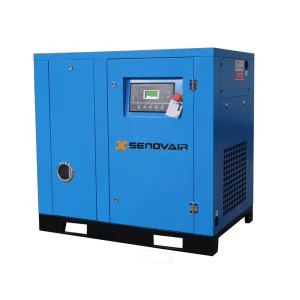
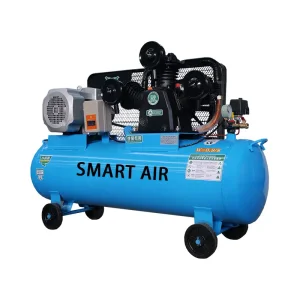
In-depth technical analysis on troubleshooting, global supply optimization, energy management, and China's smart manufacturing infrastructure.
Industrial compressed air is often defined as the "fourth utility" in modern manufacturing, playing a key role alongside water, electricity, and natural gas. Across chemical plants, automotive assembly lines, construction environments, and clean pharmaceutical facilities, compressed air serves as a safe and reliable energy source. In today's volatile economic climate, the key challenges for global operations are operational uptime and energy efficiency.
According to international energy reviews, air compressor systems account for up to 10% of total industrial electricity consumption globally. Over a 10-year equipment lifecycle, energy consumption represents nearly 75% of the Total Cost of Ownership (TCO). This financial reality has driven massive commercial demand toward Variable Speed Drive (VSD) systems and oil-free architectures that match dynamic air demands, prevent air-end wear, and reduce utility bills.
The process of "fixing an air compressor" has evolved from simple reactive repairs (fixing it when it breaks) to predictive analytics powered by IoT. Historically, simple components like oil filters, separators, and pressure switches were run to failure, leading to costly manufacturing downtime. Today, predictive maintenance monitors system parameters in real-time, preventing failures before they happen.
Critical development trends in air compressor lifecycle engineering include:
Procurement managers and engineering distributors face complex challenges when sourcing industrial machinery. Buying high-capacity screw compressors or high-pressure air storage tanks requires verified reliability, safety certifications (such as CE, ASME, or ISO), and robust after-sales support. Buying wholesale from direct manufacturers provides three main benefits:
Cost Optimization through Standardization: Buying directly from manufacturers cuts out intermediaries, giving access to wholesale prices that make capital expenditures more manageable. Customized Engineering: Industrial operations often require custom setups, such as 4-in-1 laser-cutting stations with integrated dryers, custom-colored air tanks, or specialized voltages for regional power grids. Direct factories can deliver these custom configurations on demand. Spare Parts Availability: A compressor is only as reliable as its wear parts. Sourcing directly from the factory ensures long-term access to identical oil filters, separators, air ends, and valves, keeping system performance consistent.
Smart Air Machinery (Linyi) Co., Ltd. represents the cutting edge of China's Industry 4.0 manufacturing. Located in Linyi, the logistics capital of China, the factory has spent over 20 years refining its manufacturing processes. Established in 2005, Smart Air has grown to employ over 200 workers, developing a highly integrated supply chain that spans research, design, production, and worldwide logistics.
Linyi's logistics network enables fast and cost-effective shipping, connecting our factory to local ports and international markets. Our production facility uses advanced CNC machining centers, automated rotor milling stations, and comprehensive testing rooms. Every unit we make undergoes continuous testing under load to confirm its volumetric output and motor efficiency before export, ensuring consistent performance for our global clients.
Located in Linyi, the logistics capital of China, our company has accumulated rich production experience, strong technical capabilities, a top-notch R&D team, and complete testing equipment through over 20 years of diligent research and continuous innovation.
Our products, known for their aesthetically pleasing design, meticulous material selection, exquisite craftsmanship, and superior quality, are sold worldwide and have received widespread acclaim from customers.
Smart Air is committed to building a leading brand in China's air compressor industry. We firmly implement our own brand strategy, adhere to the principle of honest business practices, prioritize customer service, continuously strengthen our production capabilities, and constantly enhance our brand influence.
We firmly believe that "quality creates reputation," "reputation creates brand," and "brand creates market." Currently, we have become a well-known and advanced enterprise in the industry.
Smart Air Machinery engineers custom-tailored compressed air solutions designed to handle the specific operational demands of diversifed industries.
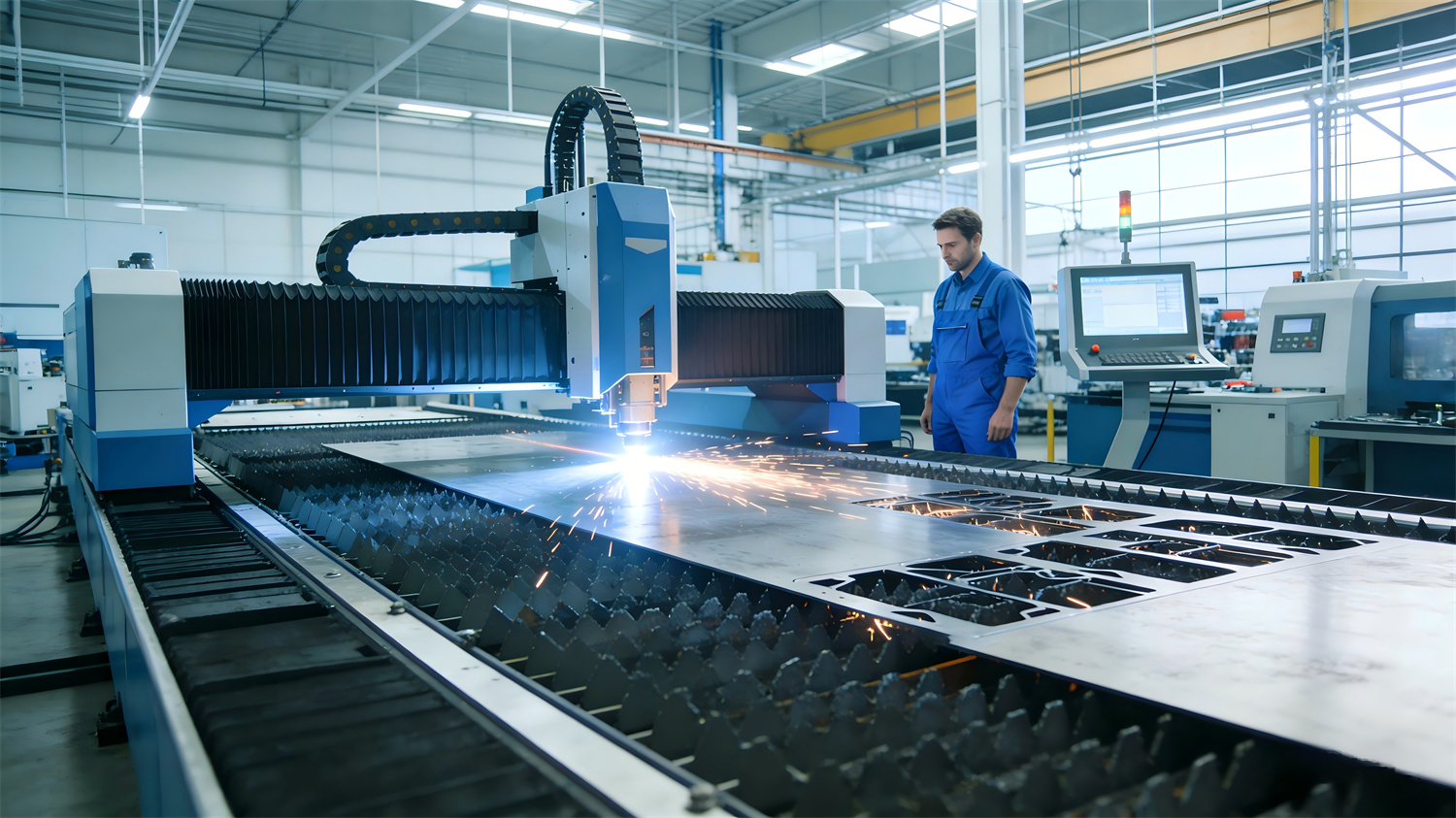
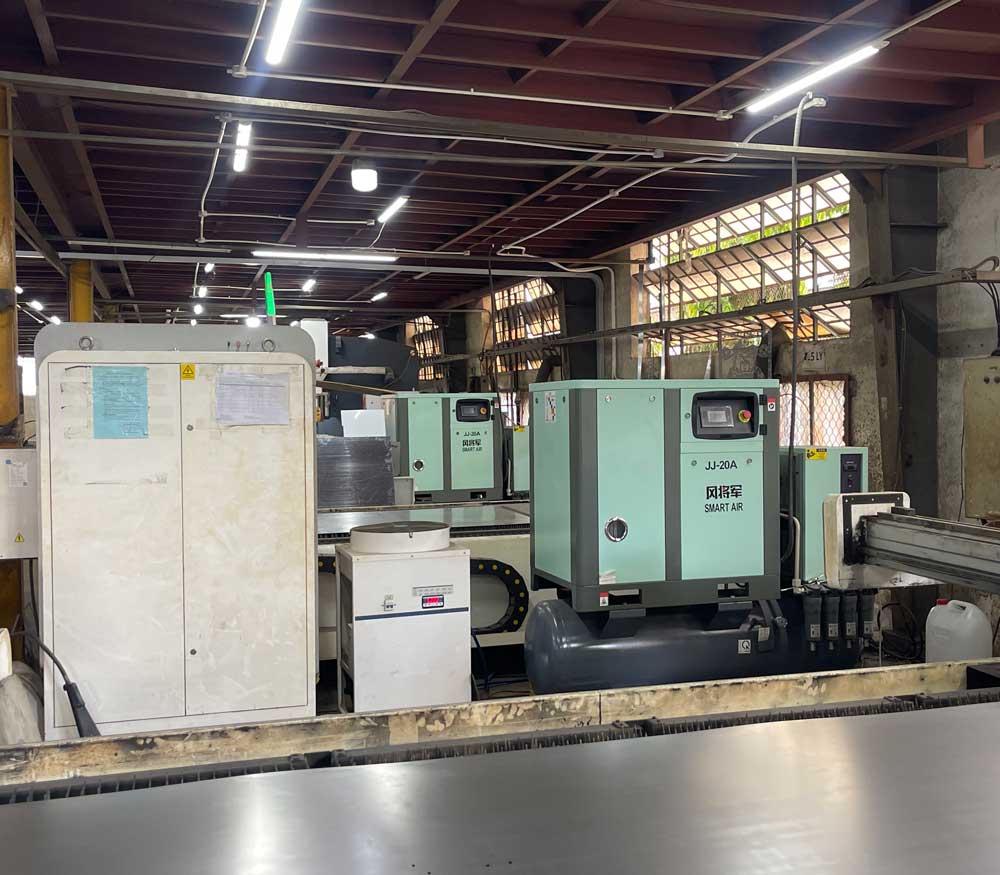
Air compressors are essential supporting equipment for the laser cutting industry, providing high-pressure, clean and stable compressed air for the cutting process. They blow away molten slag and debris in time to ensure smooth cutting surfaces and high precision, avoiding cutting defects. Suitable for cutting various materials such as metal and non-metal, energy-saving and oil-free models prevent air pollution, protect laser heads and extend equipment service life, effectively improving production efficiency and reducing operating costs for enterprises.
Learn More →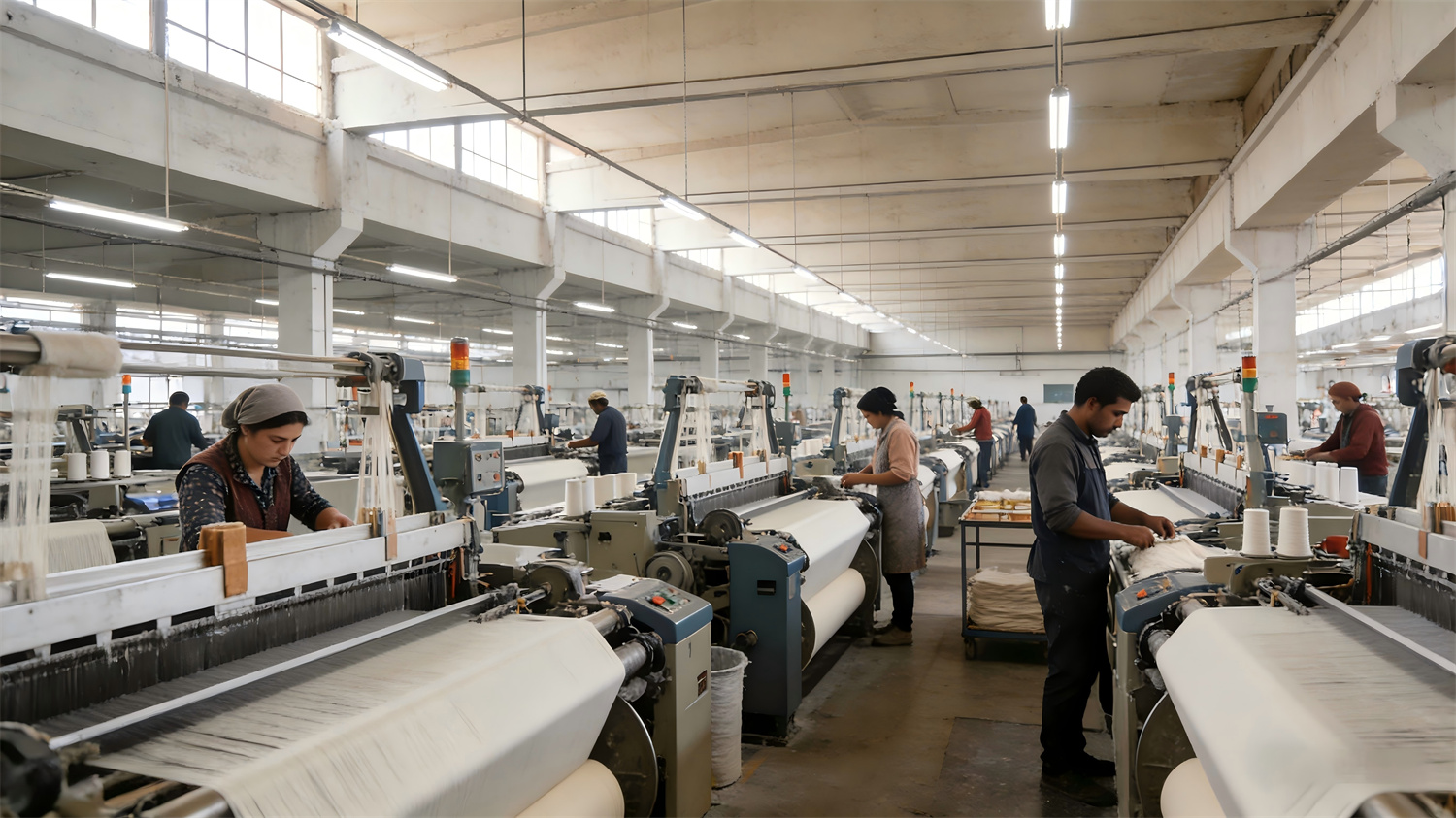
Air compressors are indispensable core equipment in the textile industry, providing stable, clean and appropriate-pressure compressed air for the whole production process. They power weaving machines, spinning frames and other equipment to ensure smooth operation, improve yarn and fabric quality. Energy-saving and oil-free models avoid yarn and fabric pollution, reduce equipment wear, and help enterprises improve production efficiency, reduce energy consumption and ensure continuous and stable production of high-quality textiles.
Learn More →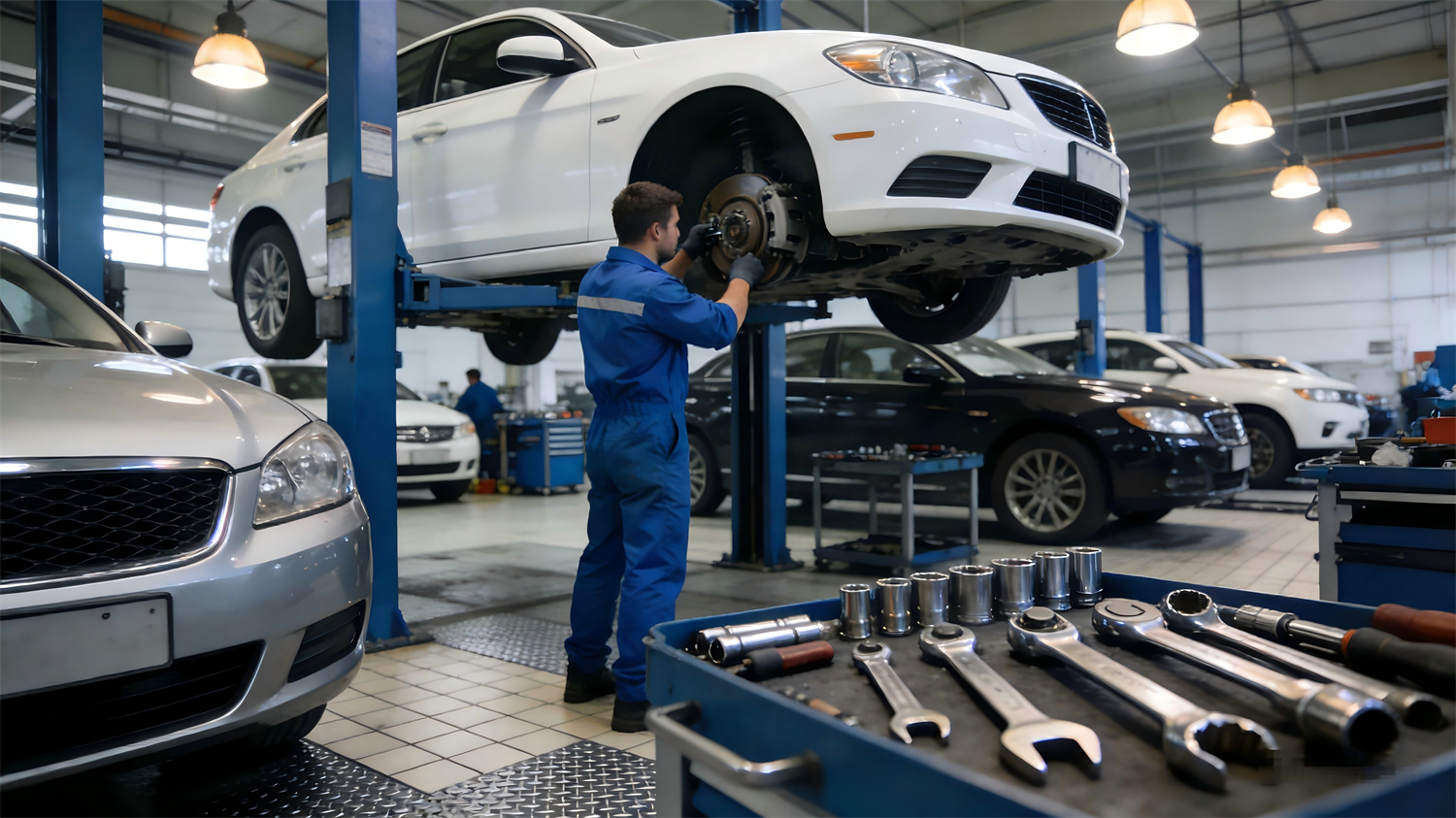
Air compressors are vital supporting equipment in the automotive industry, providing stable, clean and high-pressure compressed air for both production and vehicle operation. They power pneumatic tools in assembly lines, ensure precise processing of auto parts, and support braking, suspension and air conditioning systems in vehicles. Energy-saving and high-efficiency models reduce energy consumption, protect equipment, and help enterprises improve production efficiency and ensure the safety and reliability of automotive products.
Learn More →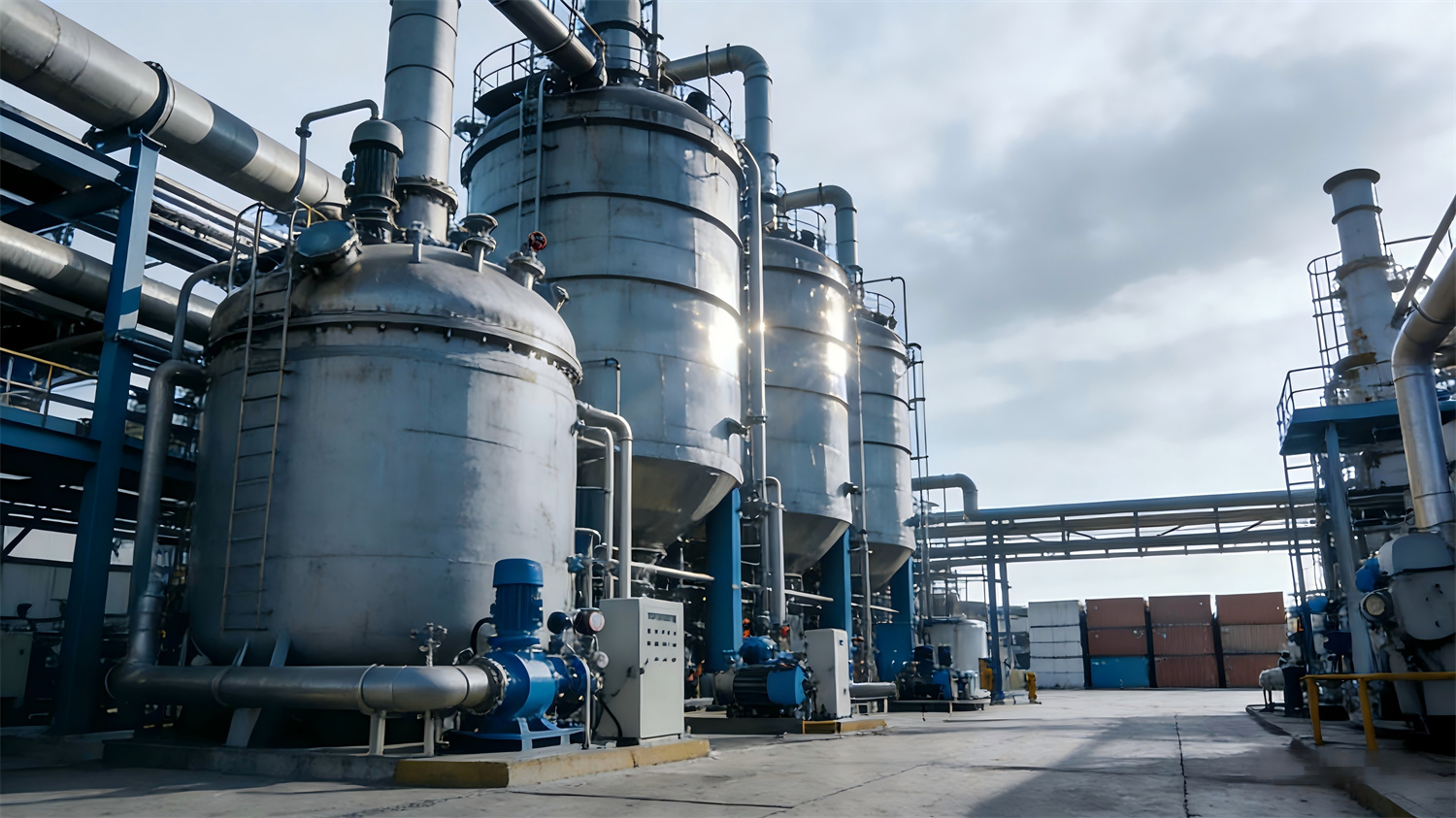
Air Compressors for chemical industry play an important role. It can provide the power needed for chemical processes, and also suitable for providing pressure required during chemical reactions, control air emissions and storage of chemicals. Chemical industries are complicated and require high requirements, many materials in this field are flammable, explosive or toxic and corrosive. Therefore, the technical requirements of compressors are very high in chemical industry; it requires safe operation and stable maintenance with an easy maintenance.
Learn More →
Air compressors are indispensable core equipment in the construction industry, providing stable, high-pressure and clean compressed air for a variety of on-site construction operations. They effectively power various pneumatic tools, including jackhammers, nail guns, concrete sprayers and air drills, greatly improving construction efficiency and ensuring the quality of projects. Suitable for all construction scenarios, whether indoor decoration or outdoor large-scale engineering, their energy-saving and durable performance enables them to adapt to harsh on-site environments, reduce energy consumption and equipment failure rate, and help construction enterprises speed up the construction progress and ensure safe, efficient and stable operation.
Learn More →
Air compressors are essential equipment for the car washing industry, providing high-pressure and clean compressed air to optimize the washing process. They blow away water stains, dust and debris in gaps such as door seams and air outlets, ensuring a thorough and spotless clean. Suitable for both manual and automatic car washes, energy-saving models reduce power consumption, improve working efficiency, and avoid scratches on car surfaces, helping car wash shops enhance service quality and reduce operating costs.
Learn More →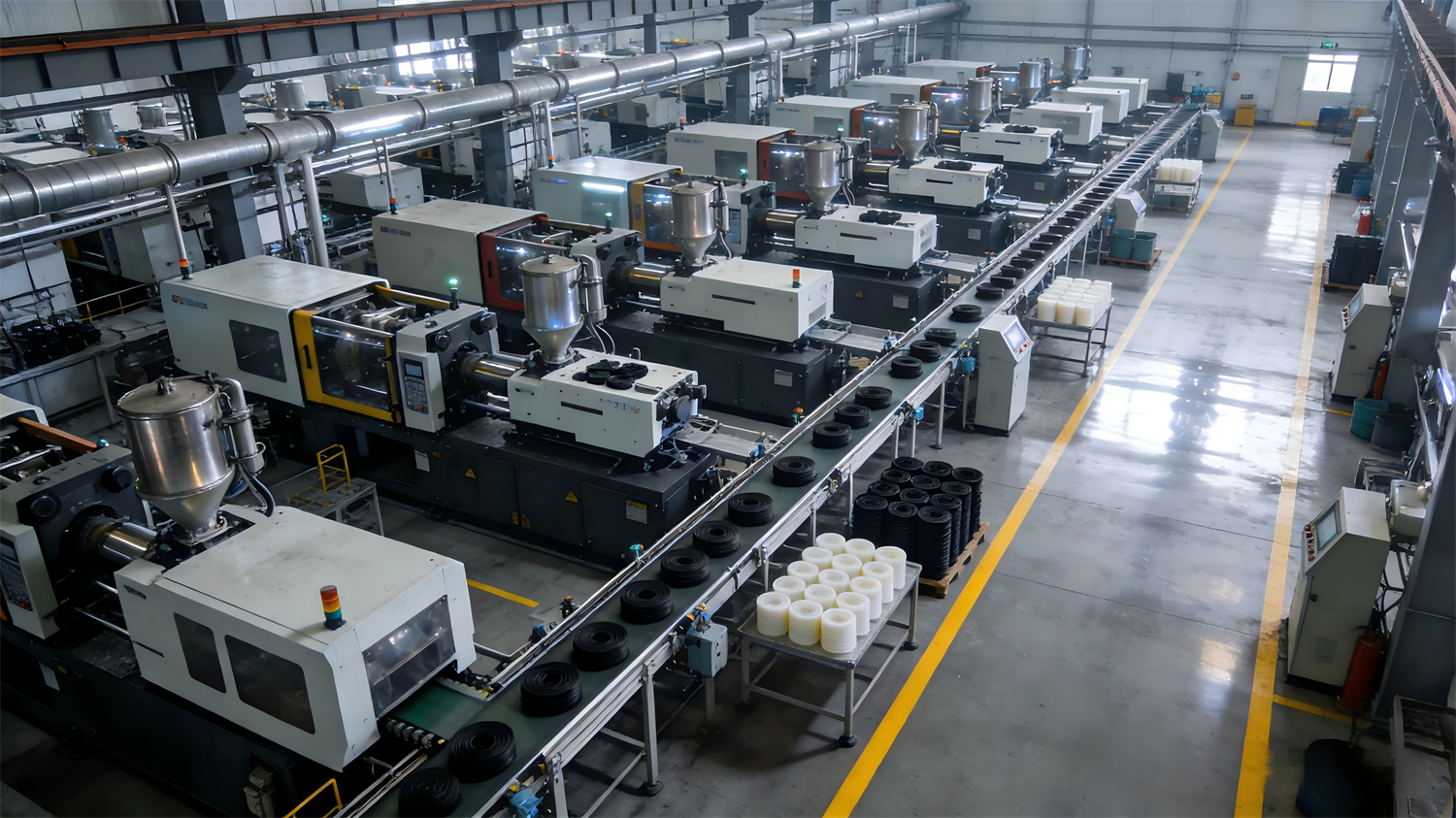
The production process of rubber and plastic products relies on compressed air as a motive power source; naturally compressed air compressors are indispensable. Rubber is widely used for its good elasticity, insulation, and malleability in industries such as agriculture, defense, transportation, mechanical manufacturing, medicine and hygiene. Plastic products have an extremely important role in today's world. With rapid development of downstream applications, clean, oil-free high pressure air keeps molding lines moving efficiently.
Learn More →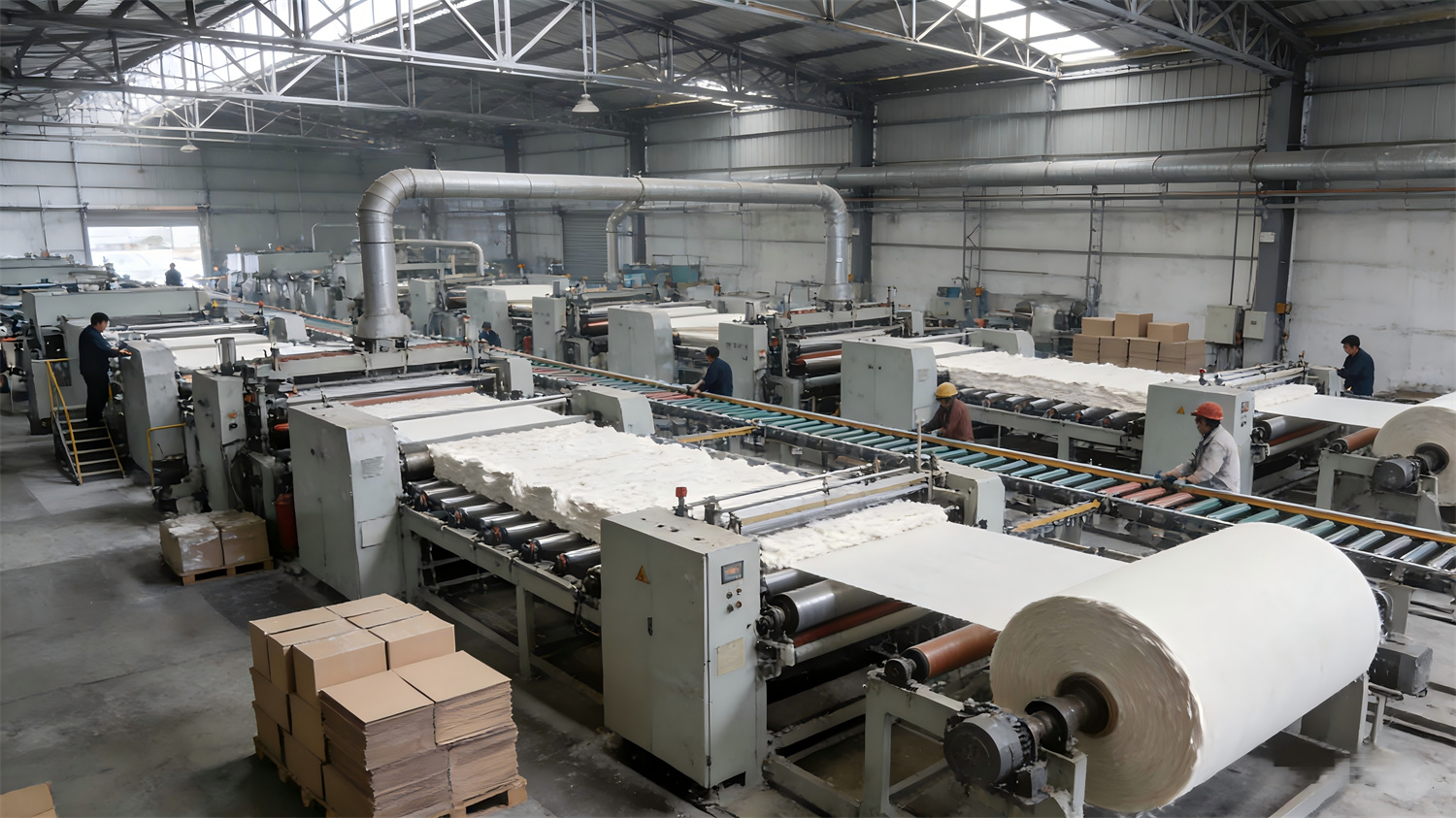
Air compressors are essential supporting equipment in the papermaking industry, providing stable, clean and appropriate-pressure compressed air for the entire production process. They power key equipment such as pulp beaters, paper machines and drying systems, ensuring uniform pulp mixing, smooth paper formation and efficient drying. Oil-free and dust-proof models avoid contamination of pulp and paper, ensuring product quality. With energy-saving and durable performance, they adapt to the high-load continuous production of papermaking, reduce energy consumption and equipment failure, helping enterprises improve production efficiency and reduce operating costs while ensuring stable output of high-quality paper products.
Learn More →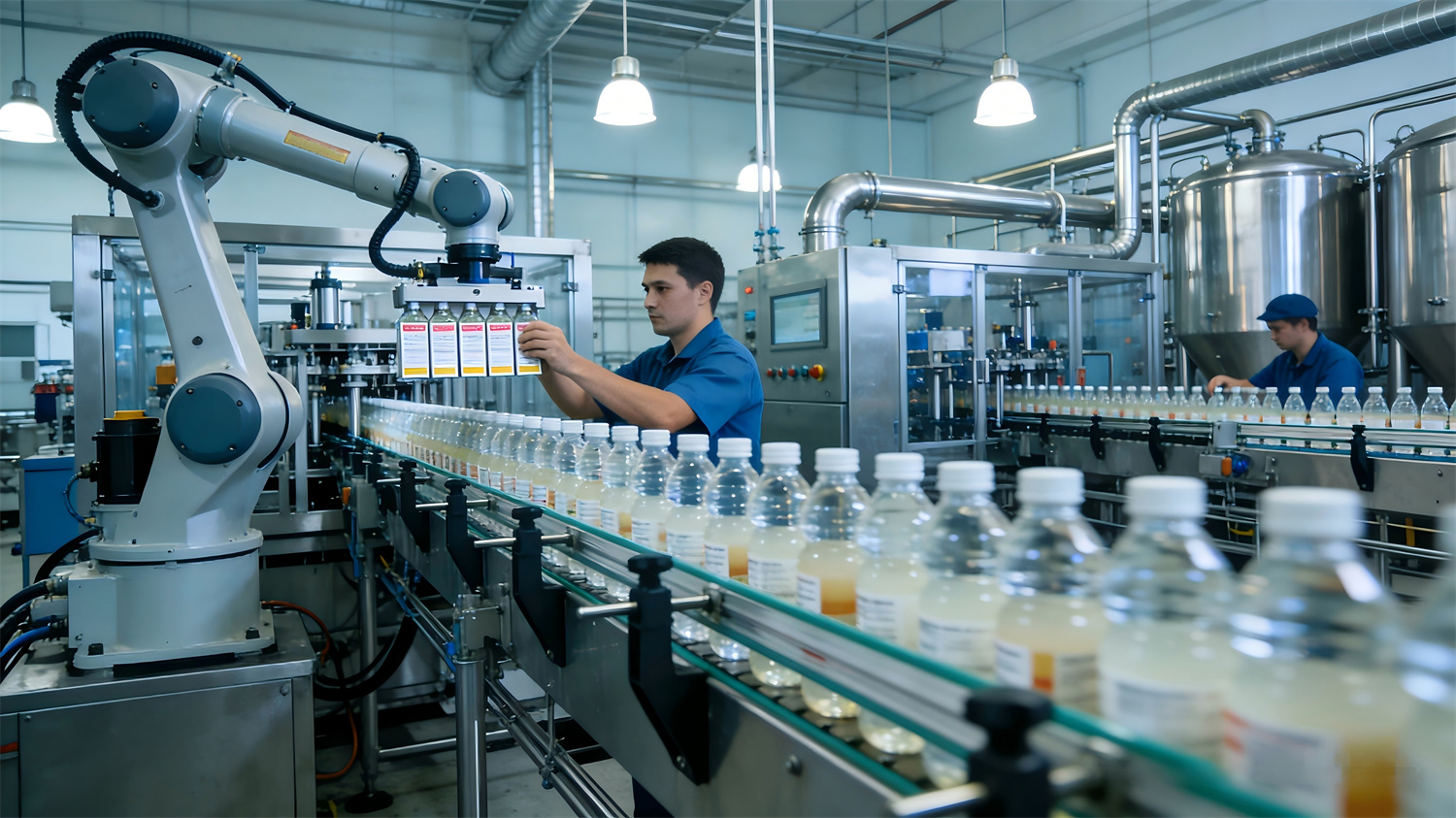
Air compressors are crucial supporting equipment in the food and beverage industry, providing clean, oil-free and stable compressed air that meets food safety standards for the entire production process. They power pneumatic conveying systems for raw materials, drive filling, capping and packaging equipment, and assist in product drying and sterilization. Oil-free models effectively avoid food contamination, protect production equipment, and adapt to high-hygiene requirements of food and beverage production. Energy-saving and efficient, they reduce operating costs, improve production efficiency, and help enterprises ensure product quality and comply with food safety regulations.
Learn More →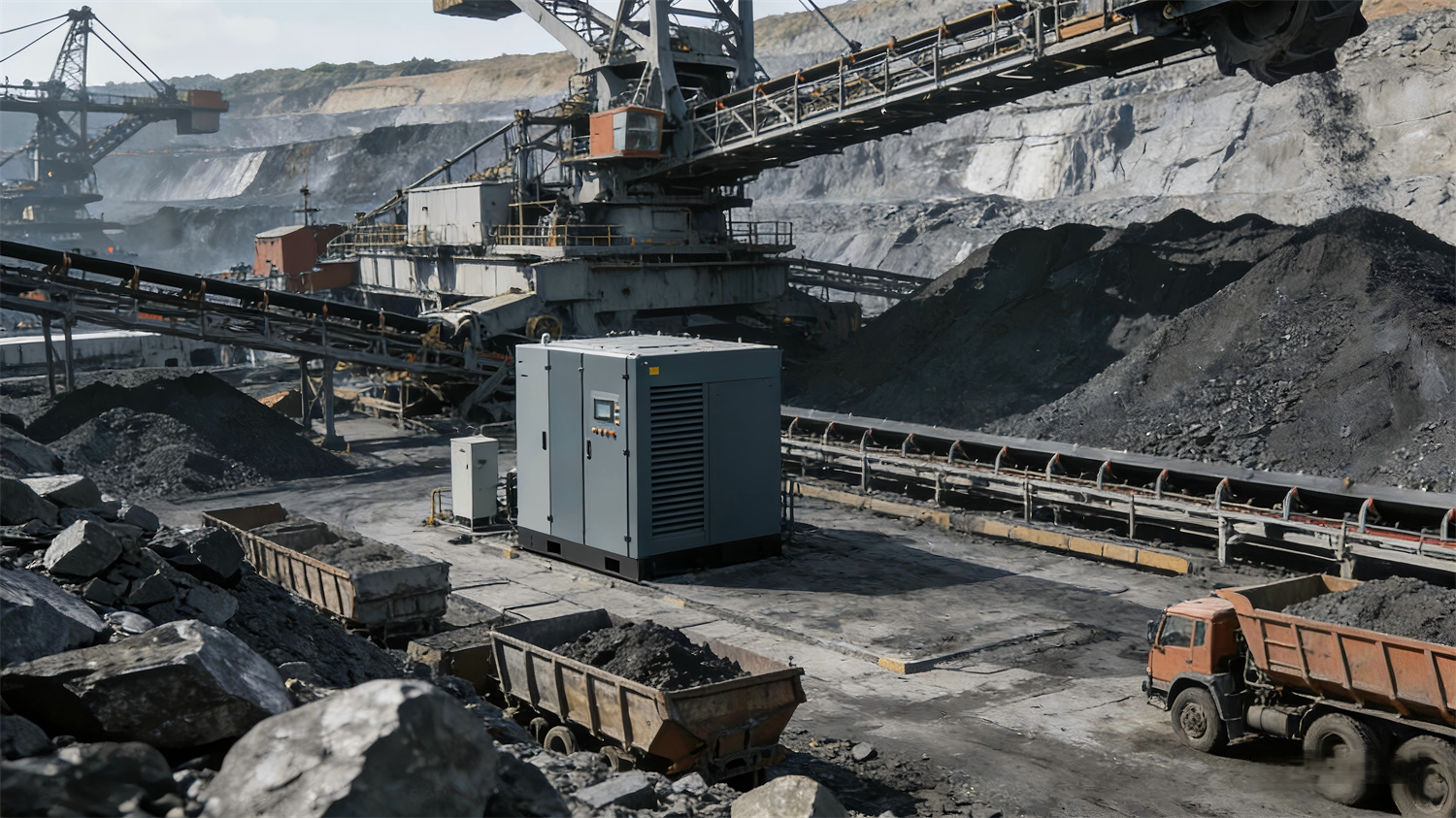
Air compressors are essential core equipment in the mining industry, providing stable, high-pressure and durable compressed air to adapt to harsh underground and open-pit mining environments. They power key pneumatic tools such as rock drills, breakers and coal cutters, enabling efficient ore extraction and rock breaking. With dust-proof and anti-corrosion performance, they can operate stably in dusty, humid and high-temperature conditions, reducing equipment failure. Energy-saving models lower energy consumption and operating costs, while ensuring continuous production, helping mining enterprises improve work efficiency and ensure the safety of on-site operations.
Learn More →
Air compressors are critical and indispensable equipment in the pharmaceutical industry, providing Class 0 oil-free, sterile and stable compressed air that fully complies with GMP standards. They support the entire production process, including raw material mixing, drug granulation, filling, and packaging, powering pneumatic control systems and conveying equipment. The oil-free and sterile design effectively avoids cross-contamination of drugs, protecting product purity and safety. Energy-saving and efficient, they reduce operating costs, ensure continuous and stable production, and help pharmaceutical enterprises meet strict industry regulations and improve production efficiency.
Learn More →Exporting to over 20 countries, including the USA, Canada, Russia, Colombia, Australia, and the UAE, under globally recognized standards.
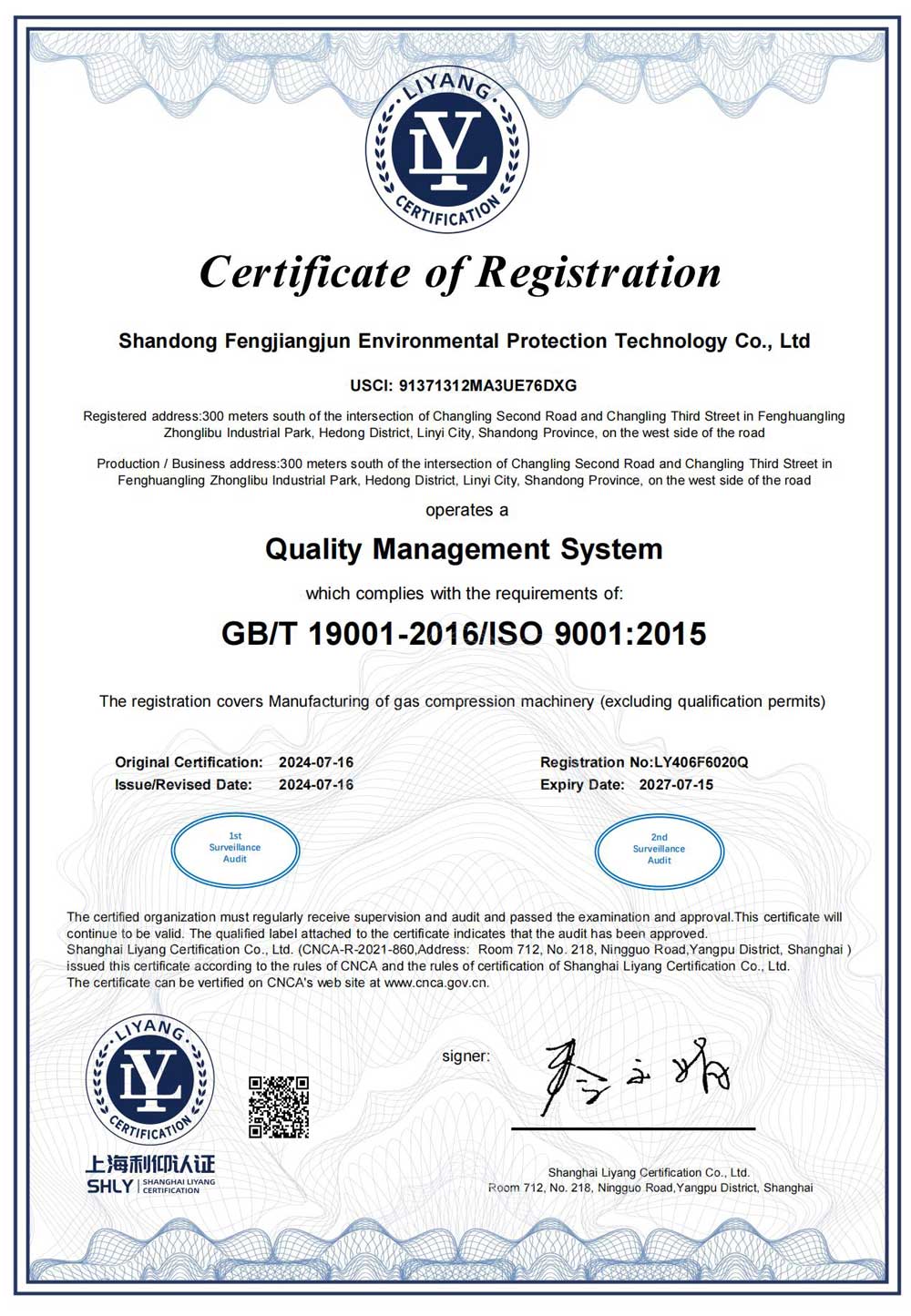
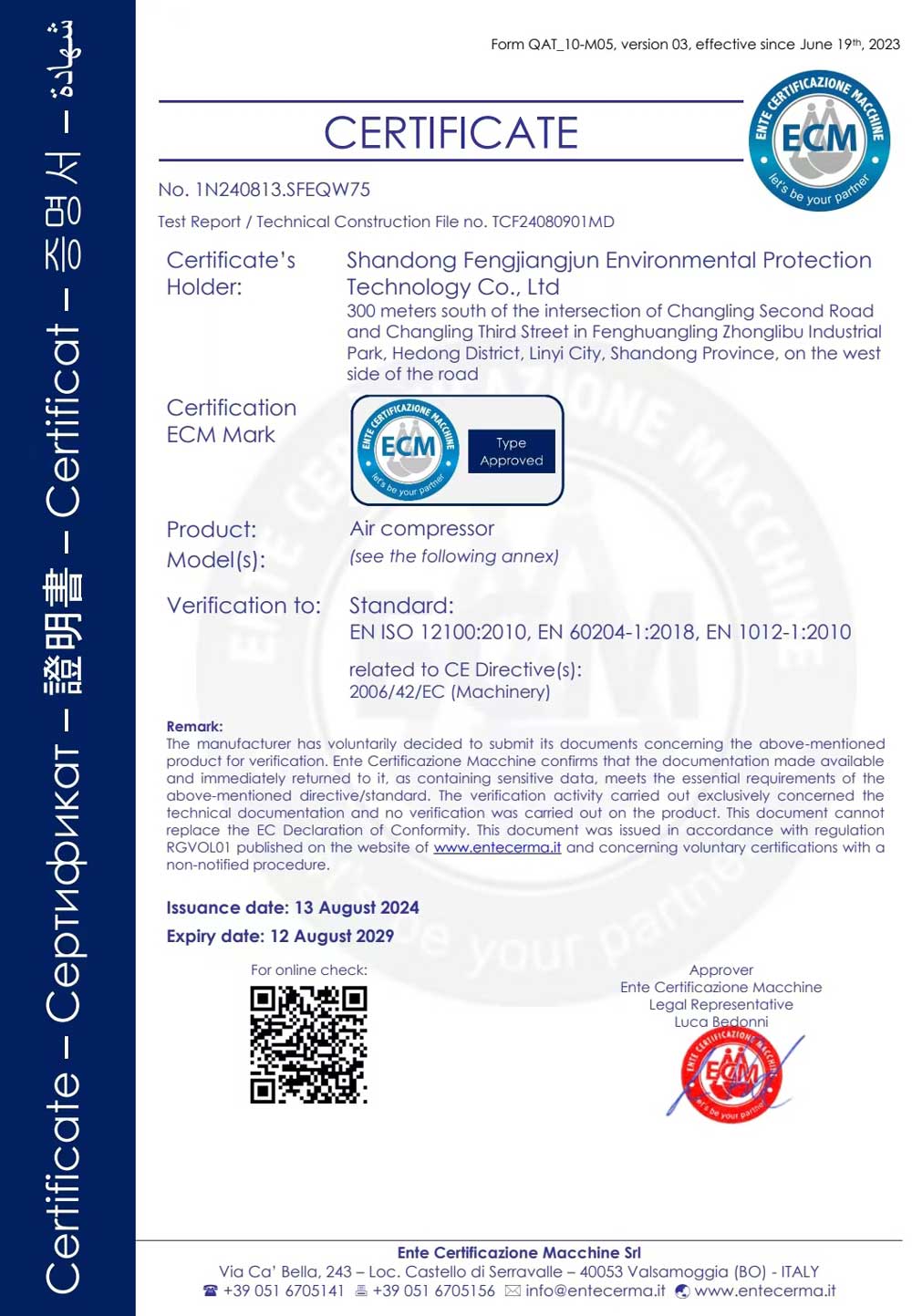
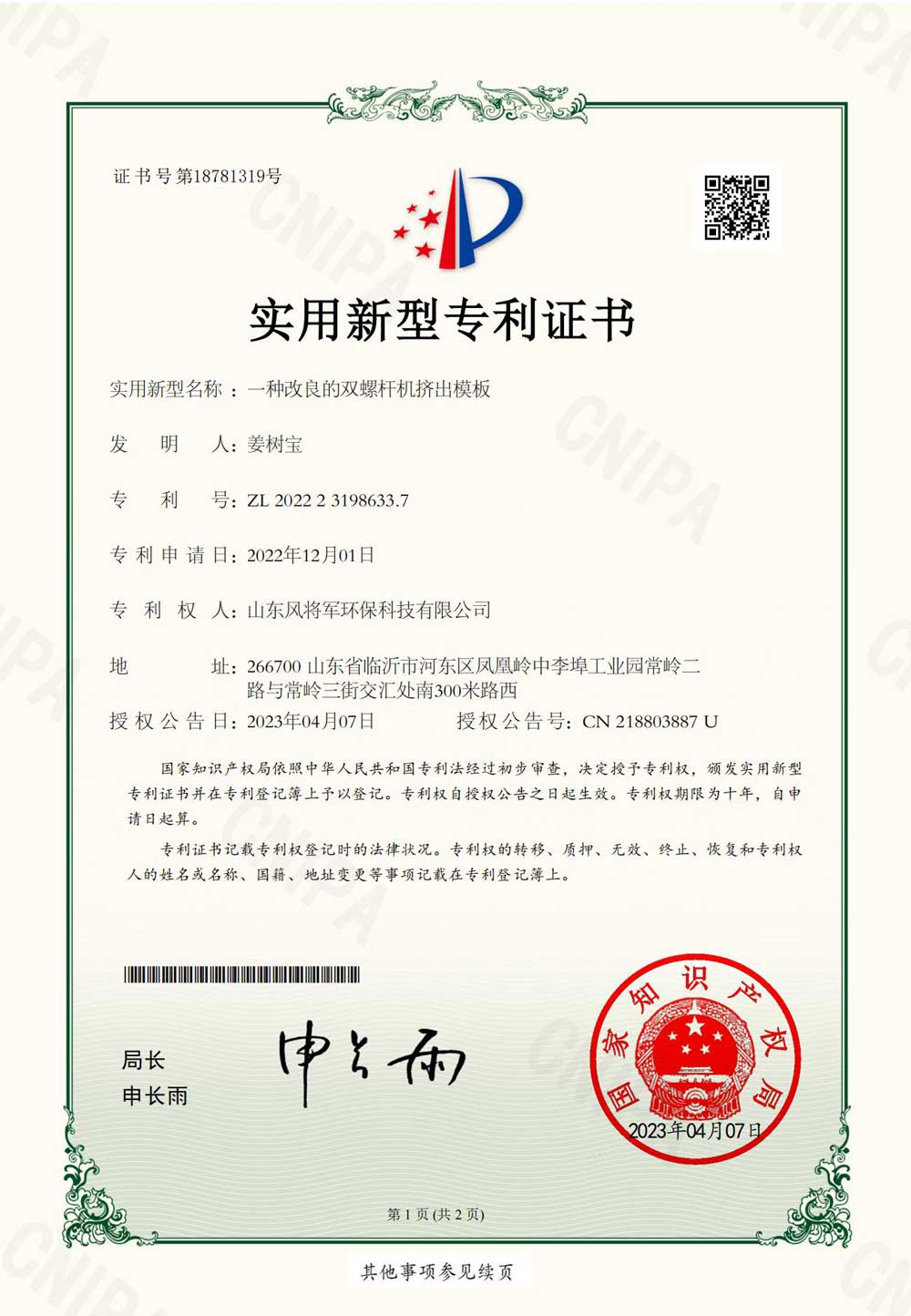
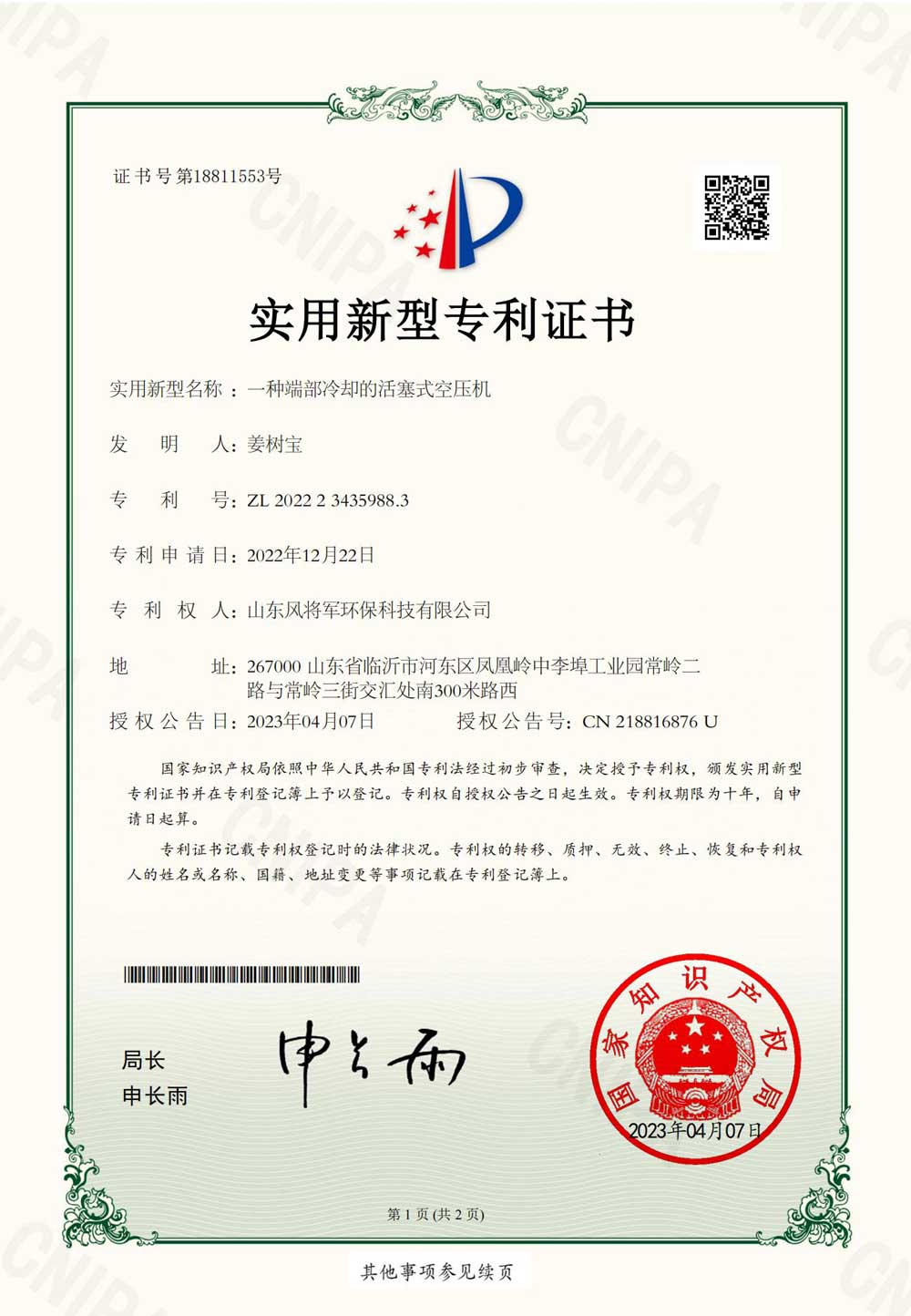
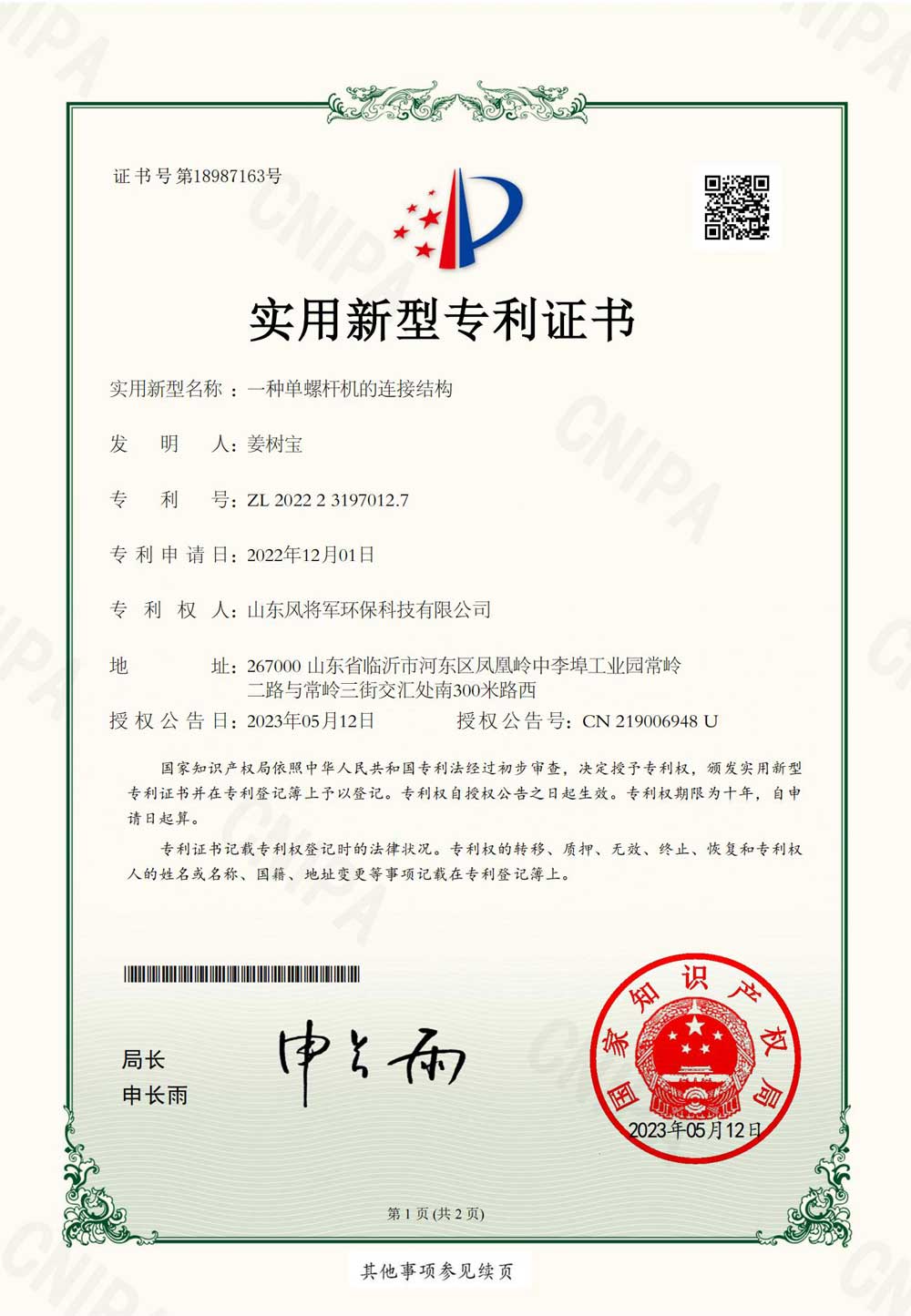
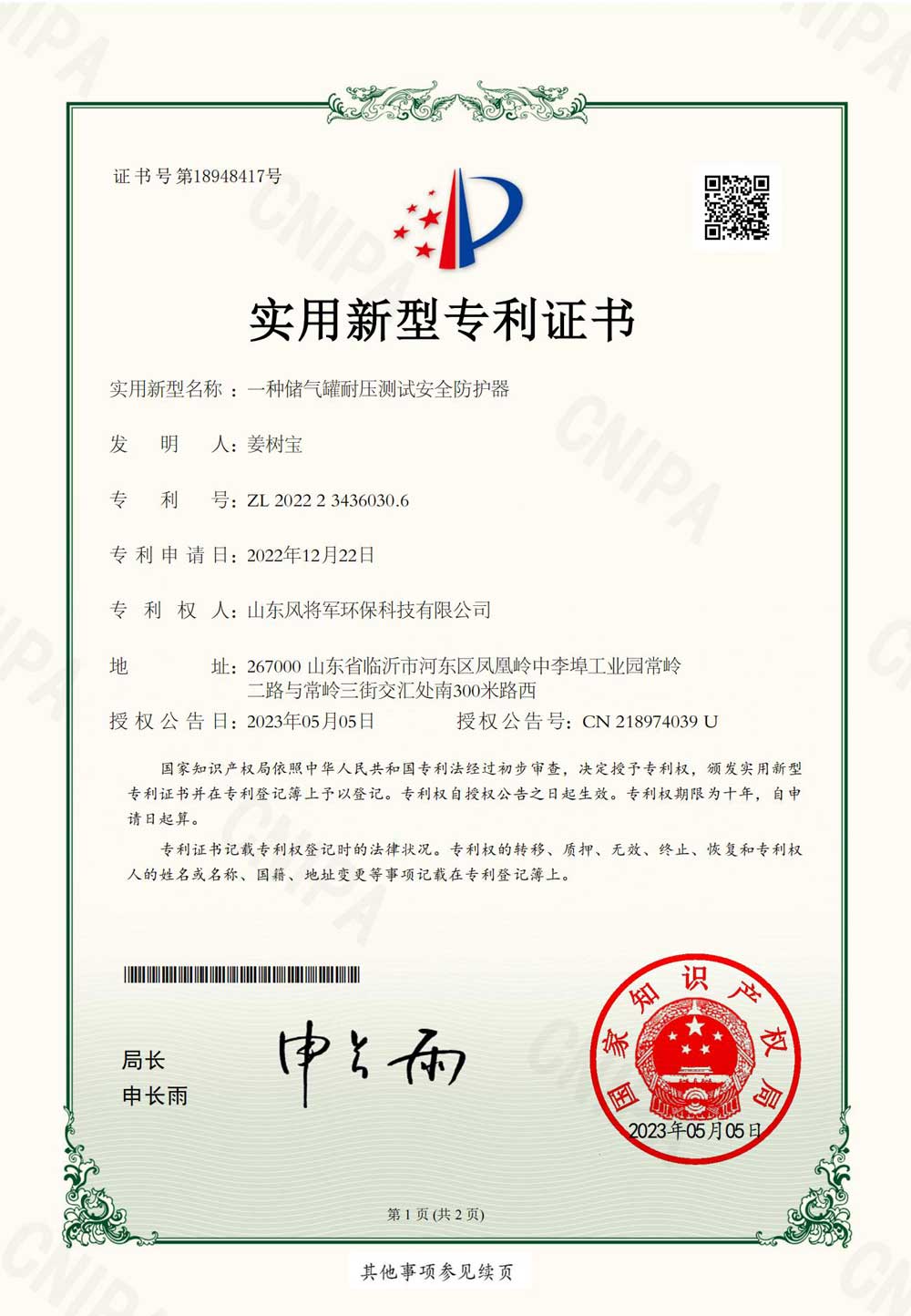
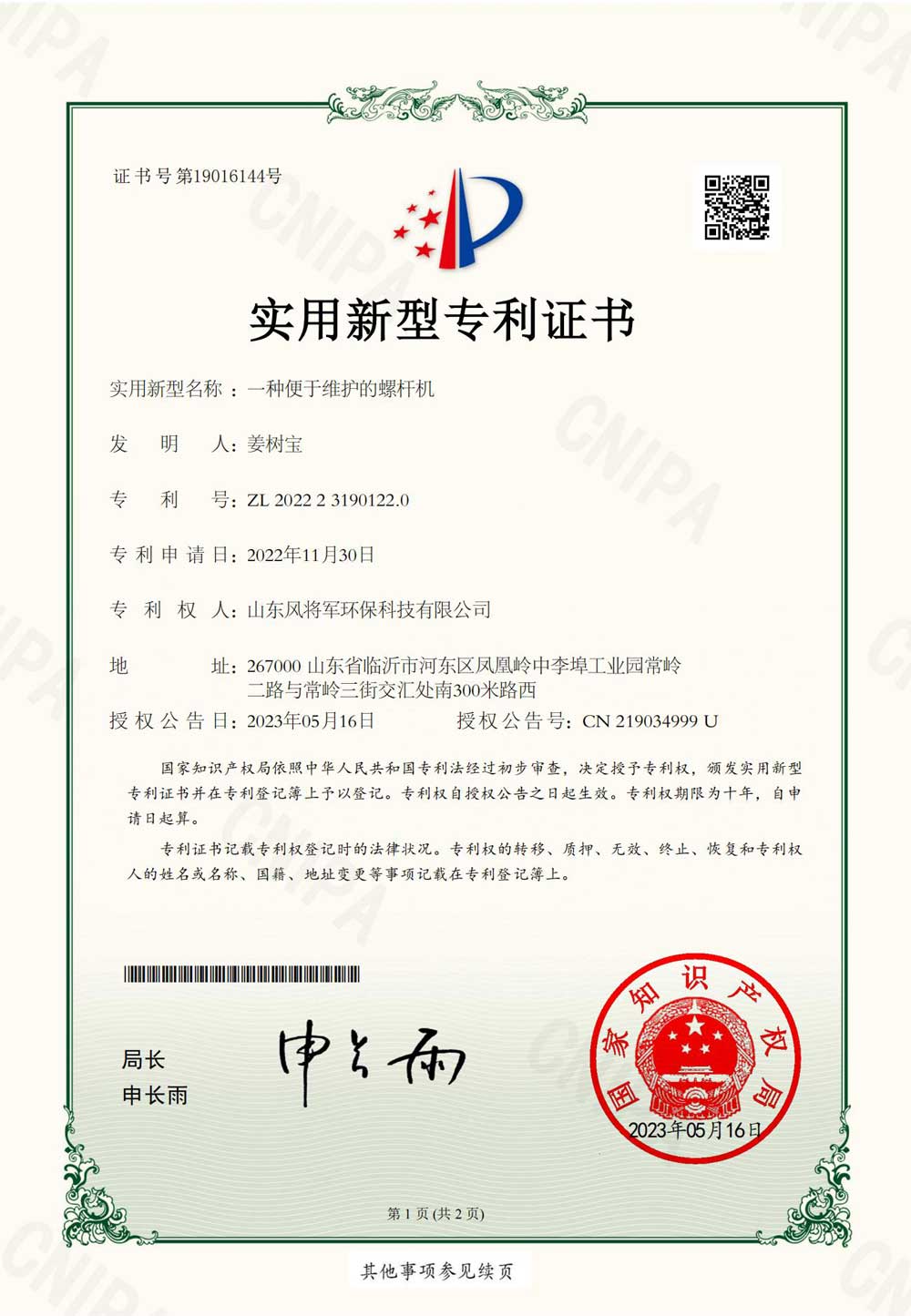
Since its establishment, Smart Air Machinery has focused on meeting international safety and quality standards. Our efforts have earned us several certifications, including ISO9001 and CE approvals. Our brand has also received domestic recognition, being named a "China Famous Brand," a "High-Tech Enterprise," and a "3A Credit Enterprise."

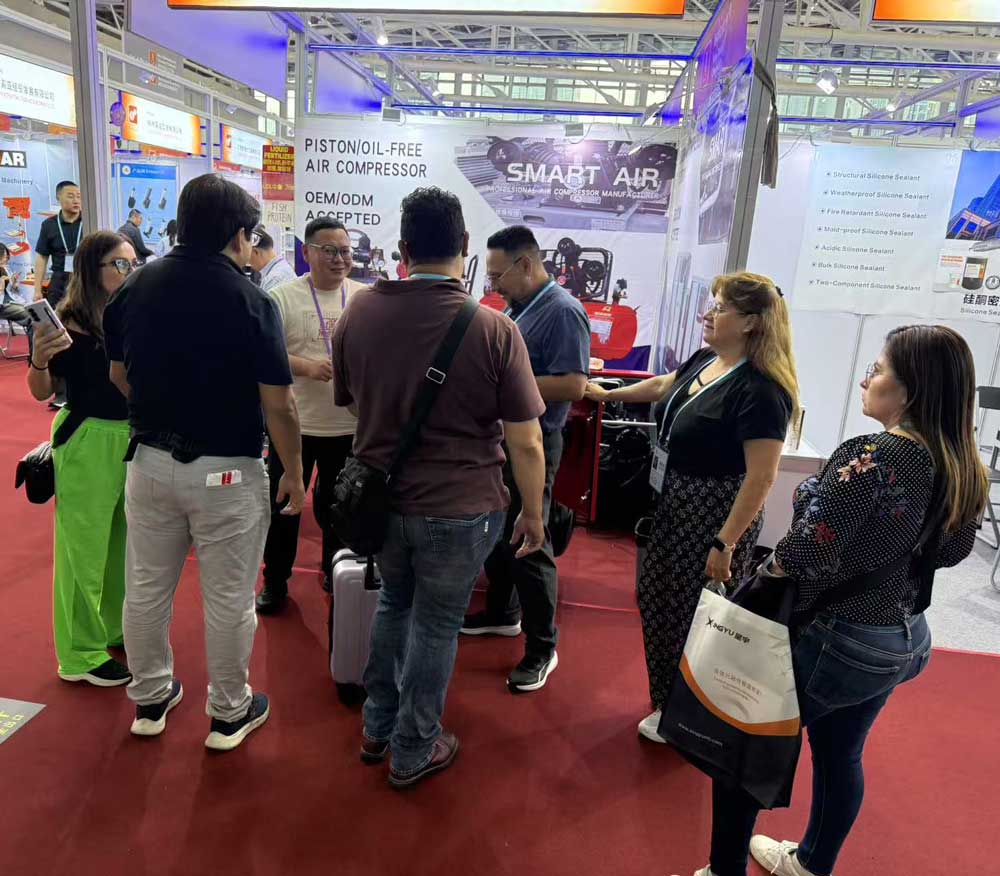
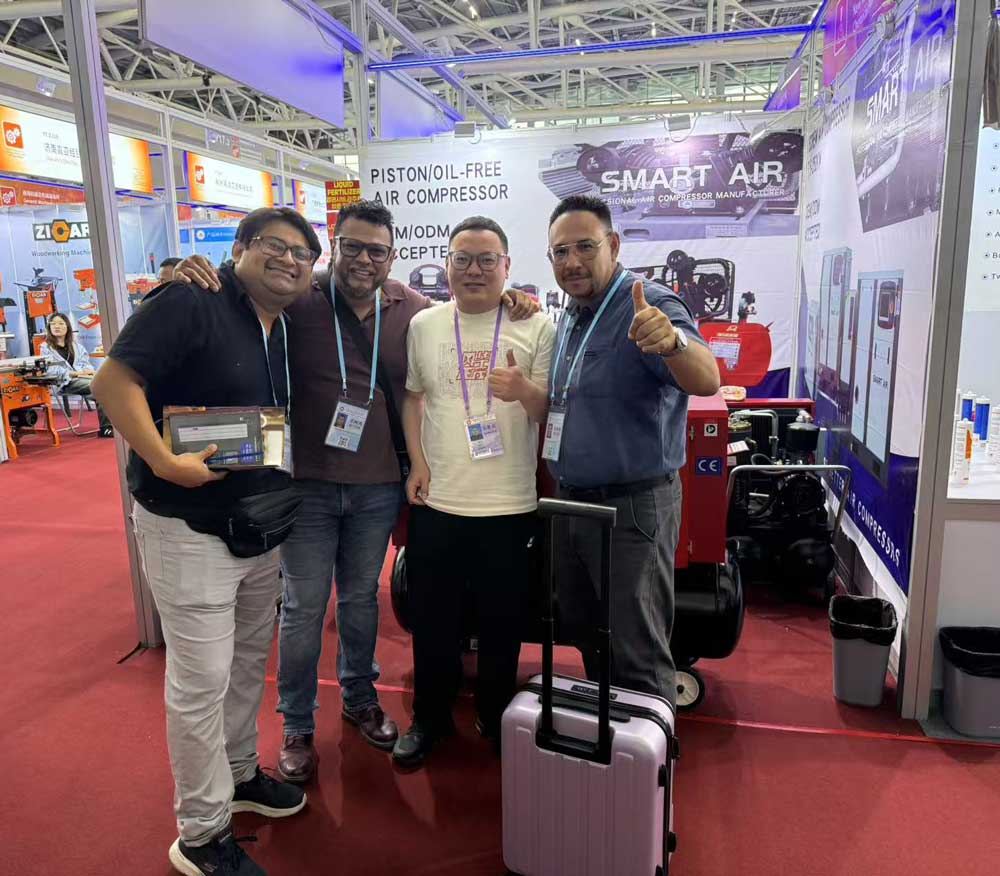
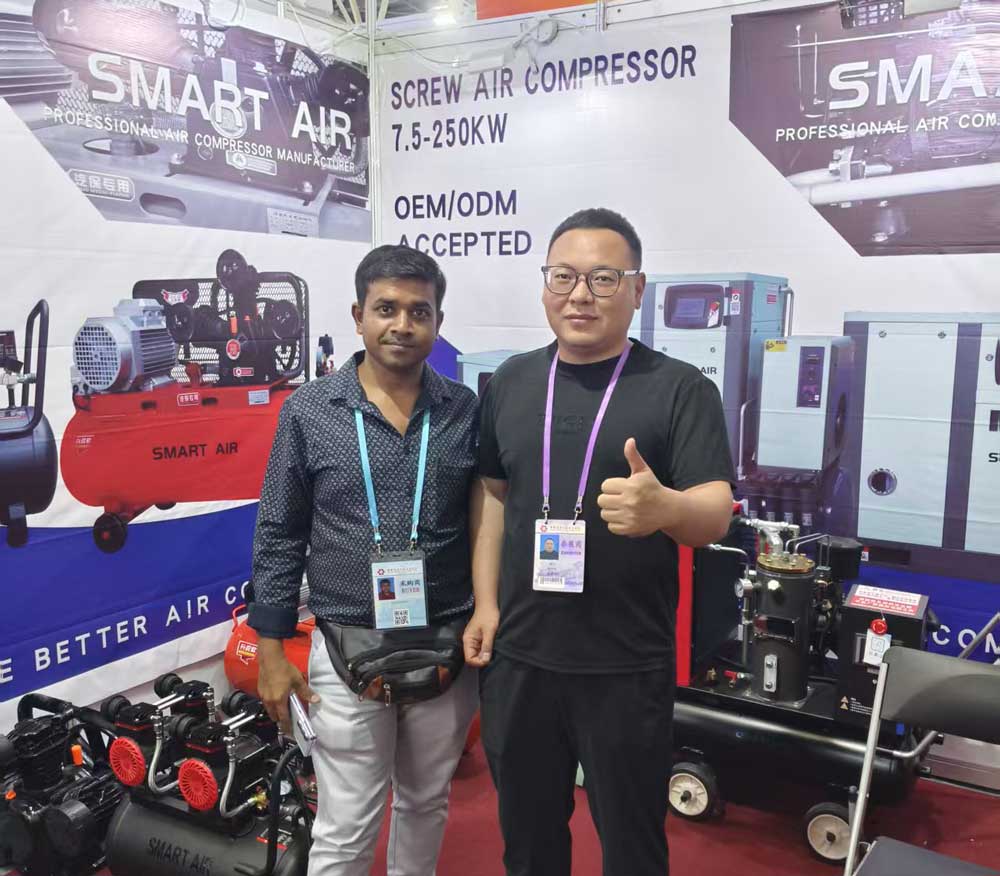
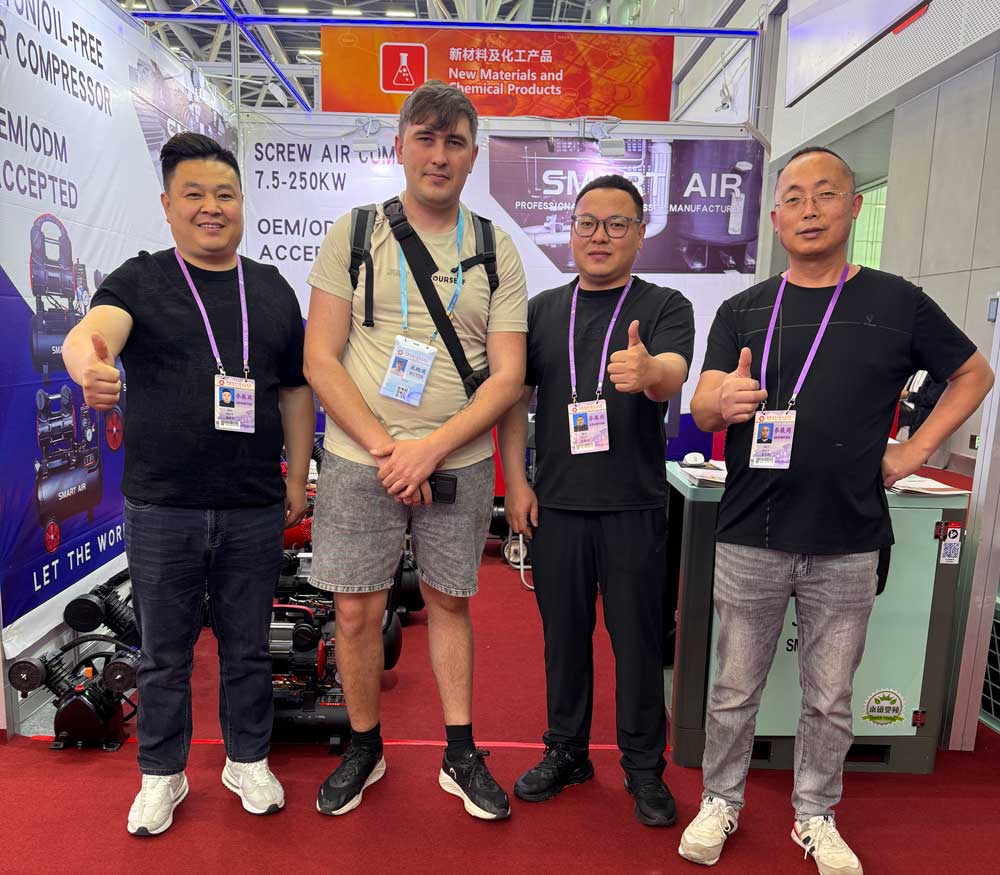
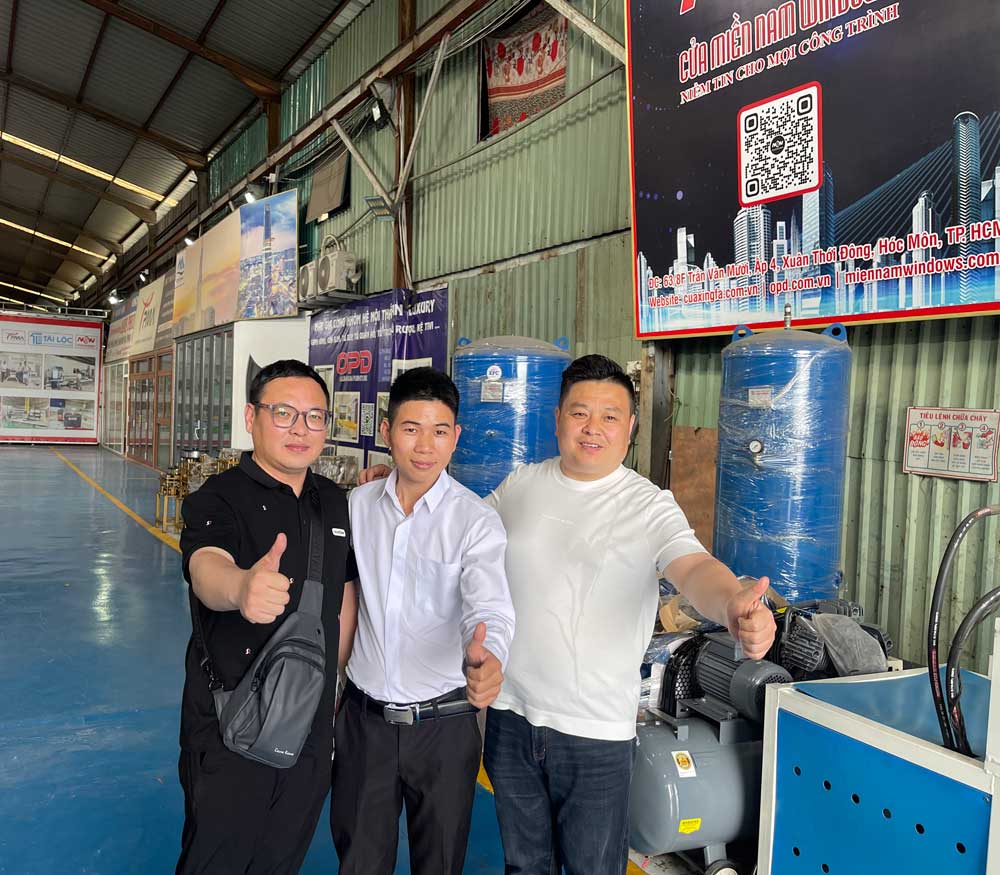
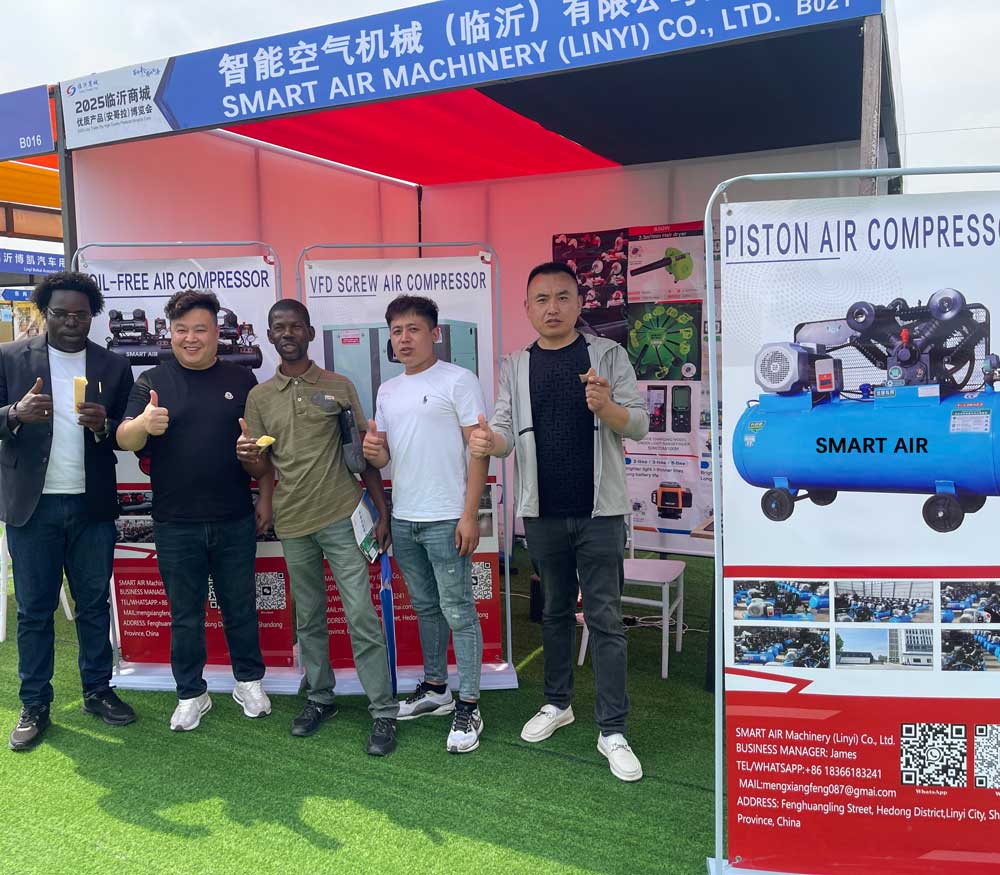
Connecting with clients globally to showcase our products and discuss customized air systems solutions.
Get answers to common technical questions about troubleshooting, maintenance, and optimizing your air compressor systems.
Complete your facility's setup with our high-pressure integrations, mobile options, and air-treatment equipment.
 Smart Air