 Smart Air
Industrial Air Storage Systems: B2B Engineering Whitepaper
A Comprehensive Manual for Sizing, Optimization, Regulatory Compliance, and Supplier Audits
1. The Fundamental Role of Pressure Vessels in Pneumatic Networks
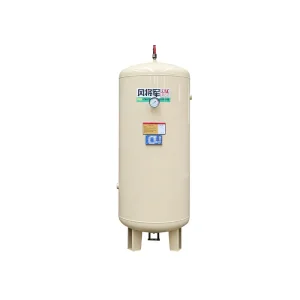
Industrial air pressure tanks, commonly designated as air receivers, are critical elements in compressed air utility lines. Rather than simply serving as hollow physical containers, they act as dynamic energy reservoirs. They manage the differences between the supply from the compressor room and the varying demands of plant floors. Dynamic volumetric demand fluctuates constantly, and an unbuffered line causes rapid compressor cycling. This cyclic behavior accelerates drive coupling failure and leads to motor winding overheating.
An optimized air receiver acts as a dampener to isolate downstream piping networks from the pulsating discharge of reciprocating air ends. By slowing high-velocity compressed air, the tank drops the air stream velocity below its dew point interface limit. This physical mechanism condenses entrained moisture and vaporized lubricating oil, which drop directly into base collection ports. Automatic zero-loss drain valves then safely purge the condensed liquids. Consequently, these vessels function as mechanical moisture separators, relieving thermal load on downstream refrigerated dryers and high-efficiency particulate filters.
2. Global Procurement Dynamics & Industrial Demand Trends
Global demand patterns for industrial air storage tanks show a strong shift toward durability, materials traceability, and international compliance. Procurement teams face a complex regulatory landscape. Importing a pressure vessel without validated, localized design registrations presents a significant operational risk. In the European Union, the Pressure Equipment Directive (PED) 2014/68/EU governs all designs. In North America, the ASME Section VIII division code is the recognized design benchmark. For Australia and New Zealand, AS1210 and WorkSafe registrations dictate structural compliance. China's GB150 national design standard regulates domestic pressure vessel manufacturing with strict design criteria.
| Design Code standard | Target Jurisdiction | Mandatory Radiographic NDT Testing | Hydrostatic Safety Factor |
|---|---|---|---|
| ASME Section VIII, Div 1 | United States, Canada (CRN), Global Oil & Gas | Spot or 100% depending on joint efficiency (E) | 3.5x Design Pressure (Pre-2007: 4.0x) |
| PED 2014/68/EU (EN 13445) | European Economic Area (CE Mark) | Determined by Hazard Category (I to IV) | 1.43x Maximum Allowable Pressure (PS) |
| AS1210 / AS4343 | Australia, New Zealand | Based on Hazard Level classification index | Varies (Typically 4.0x base material yield) |
| GB 150 (China Standard) | PR China, Selected Asian Markets | Mandatory depending on Class I, II, III vessel type | 1.5x Design Pressure (Hydraulic test validation) |
Modern factories must source tanks built using high-grade materials. Standard carbon steel vessels often use Q235B or Q345R boiler-plate alloys. These grades provide optimal tensile strength and weldability for structural shells. For ultra-pure environments like food production, medical laboratories, and chemical processing, marine-grade Stainless Steel (SUS 304 or SUS 316L) is necessary. Choosing stainless steel prevents internal oxidation, eliminating particulate contamination in downstream processes.
3. Macro-Industry Solutions & System Integration Matrix
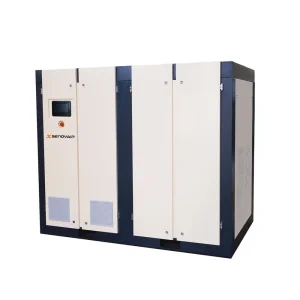
To maximize efficiency, an air pressure tank must be selected based on the compressor's type and control scheme. For traditional fixed-speed rotary screw compressors with a standard Load/Unload cycle, the storage volume must be larger to prevent excessive motor restarts. A recommended sizing ratio is 30 to 45 liters of storage capacity per liter/second of Free Air Delivery (FAD). When integrating with Variable Speed Drive (VSD) screw systems, the sizing ratio can be safely reduced to 10 to 15 liters per l/s. The inverter adjusts motor speed in real-time to match system demand.
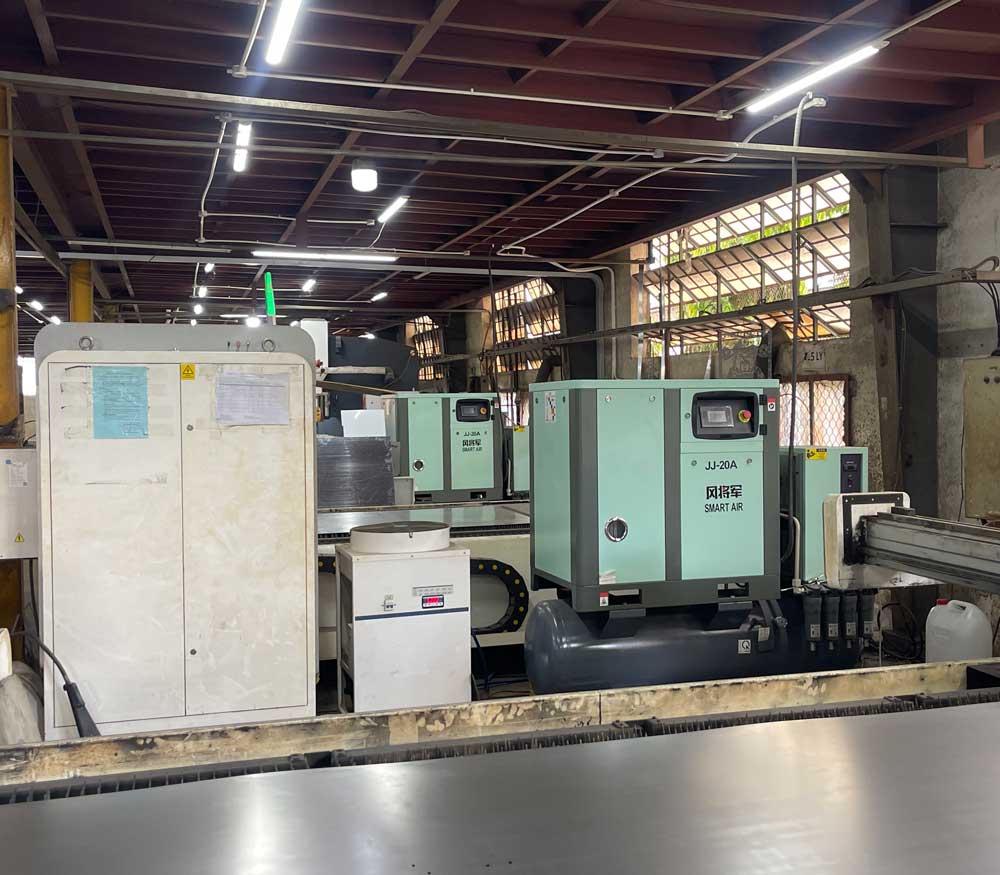
High-Precision Laser Cutting Stations
Requires high-pressure storage tanks (ranging from 16 to 30 Bar) to deliver clean, dry air. This air blows away molten slag, ensuring smooth, burr-free cuts.
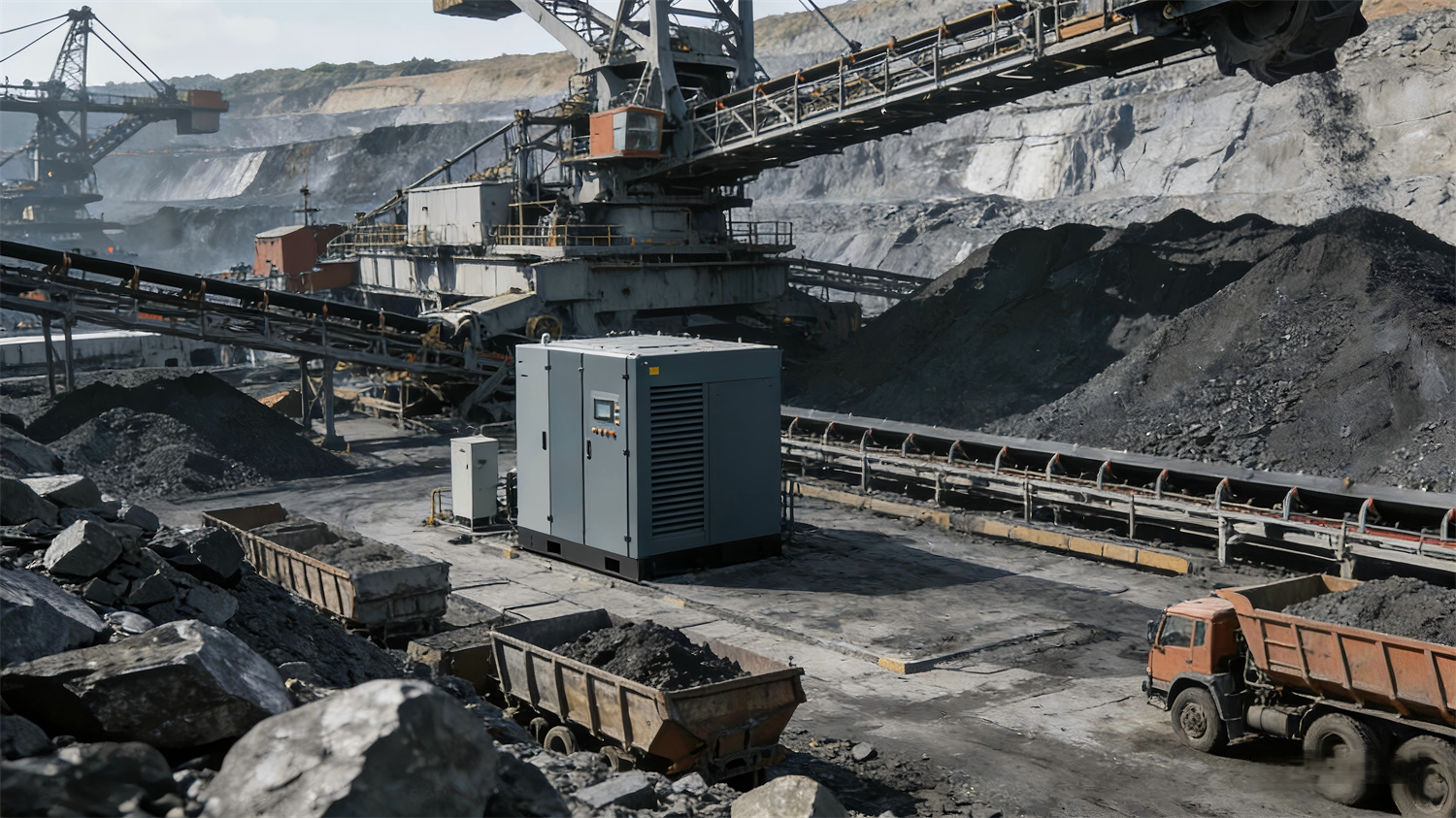
Heavy Industrial & Mining Operations
Focuses on damping pulsations from reciprocating compressors, managing dynamic load surges, and providing backup volume for safety shut-offs.
Pharmaceutical & Medical Facilities
Demands stainless steel air receivers with mirror-polished internal surfaces. Must operate with oil-free air ends and sterile, Class 0 filtration setups.
4. Technical Roadmap: Intelligent Vessels and Digital Integration
Industrial pressure vessels are evolving from passive components into active, monitored systems. Industry 4.0 integrations use electronic transducers, digital level transmitters, and network-connected safety devices. Traditional mechanical dial gauges are being replaced by smart sensors that transmit real-time pressure data to a central SCADA control panel or cloud-based IoT monitors. This allows plant engineers to track pressure drops across filter banks and identify leakage paths instantly.
Safety valves are also transitioning to active monitoring systems. If a safety valve activates due to overpressure, electronic sensors alert the facility maintenance team immediately via Modbus or Ethernet/IP. Condensation drainage is shifting from manual valves to smart electronic drains. These automatic zero-loss drains measure accumulated moisture levels and open only when full, purging water without releasing valuable compressed air.