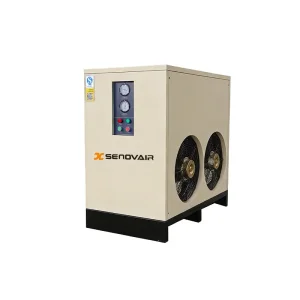
Explore our leading collection of integrated air dryers, compressor systems, and high-efficiency filtration solutions optimized for modern industrial applications.
Why modern automated industries are transitioning from standard cooling to precise chemical adsorption drying technologies.
Standard refrigerated air dryers satisfy typical industrial requirements by cooling air to a Pressure Dew Point (PDP) of roughly +3°C to +5°C. However, in precision environments, moisture at this level will condense inside pipelines, causing pneumatic component failure, optical lens contamination, and organic degradation.
Our custom desiccant air dryers leverage advanced pressure-swing adsorption (PSA) and thermal reactivation technologies. Utilizing premium desiccants like activated alumina and synthetic molecular sieves, we consistently achieve an ultra-low Pressure Dew Point of -40°C to -70°C. This complies fully with ISO 8573-1 Class 1 and Class 2 standardizations for moisture exclusion.
Standard desiccant systems suffer from early bed degradation due to oil aerosols in the input compressed air. As a specialized manufacturer, Smart Air integrates proprietary pre-filtration and particulate separation stages directly within the structural design of our custom desiccant air dryers. This prevents oil coating of the desiccant media, extending desiccant lifetime by up to 45% compared to standard field designs.
An overview of energy efficiency directives, global carbon neutrality goals, and their direct impact on factory compressed air networks.
Stricter energy policies globally, such as the EU Eco-Design standards and ISO 50001 energy management frameworks, require factories to lower purge air loss. Traditional heatless dryers lose up to 15% of their processed air for regeneration. Smart Air’s custom desiccant air dryers integrate Dew Point Dependent Switching (DDS) to drop purge losses to under 5%.
Global operations face volatile climate shifts, from extreme tropical humidity in Southeast Asia to freezing winter conditions in Northern Europe and Canada. Standard dryers experience hydraulic shock and chemical channeling under these fluctuations. Our systems are engineered to dynamically adjust cycle periods according to real-time ambient inputs.
Purchasing a desiccant air dryer involves analyzing both initial CapEx and long-term OpEx. By utilizing premium grade activated alumina beds and custom valves, our systems maintain lower differential pressures. This reduces energy loads on upstream screw compressors, producing operational cost savings year-over-year.
Established in 2005, Smart Air Machinery is a diversified manufacturing enterprise integrating product research and development, production, and sales. Employing over two hundred highly skilled people, we primarily manufacture screw air compressors, piston air compressors, air storage tanks, and related custom machinery.
Located in Linyi, the logistics capital of China, our company has accumulated rich production experience, strong technical capabilities, a top-notch R&D team, and complete testing equipment through over 20 years of diligent research and continuous innovation.
Since its establishment, the company has successively received numerous honors, including "China Famous Brand," "China's Preferred Brand for Green and Environmentally Friendly Products," "Top Ten Foreign Trade Enterprises in the Mall," "High-Tech Enterprise," "3A Credit Enterprise," and "Civilized and Trustworthy Unit."
Over 20 years of diligent research, continuous innovation, and testing ensure our machinery withstands extreme workloads in challenging industrial environments.
Known for aesthetically pleasing designs, meticulous material selection, exquisite craftsmanship, and superior quality, our systems are sold worldwide.
We firmly implement our own brand strategy, adhere to honest business practices, prioritize customer service, and enhance global brand influence.
We firmly believe that "quality creates reputation," "reputation creates brand," and "brand creates market."
How compressed air and optimized drying systems drive efficiency, reliability, and precision across diverse industrial sectors.
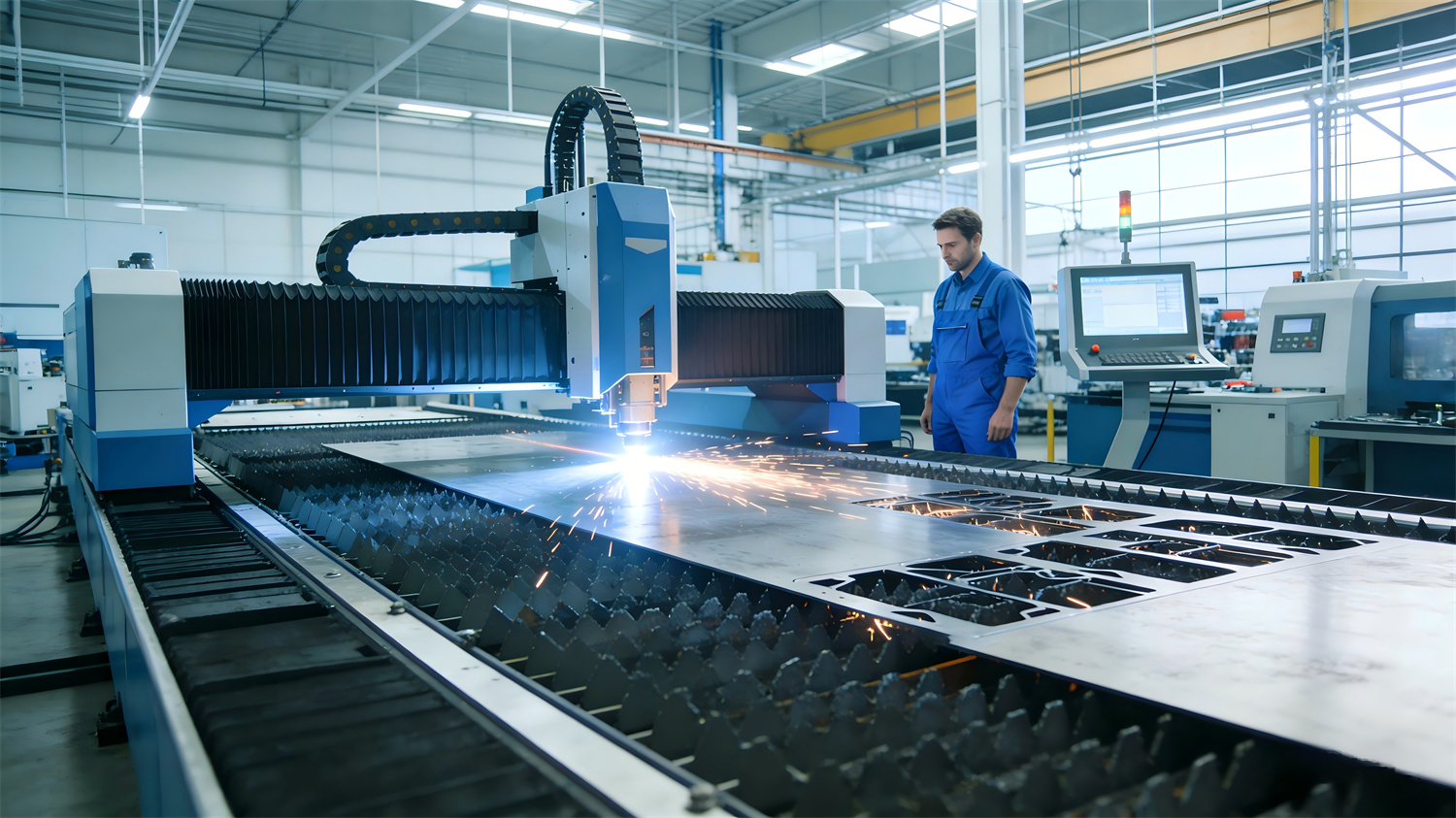
Air compressors are essential supporting equipment for the laser cutting industry, providing high-pressure, clean and stable compressed air for the cutting process. They blow away molten slag and debris in time to ensure smooth cutting surfaces and high precision, avoiding cutting defects. Suitable for cutting various materials such as metal and non-metal, energy-saving and oil-free models prevent air pollution, protect laser heads and extend equipment service life, effectively improving production efficiency and reducing operating costs for enterprises.
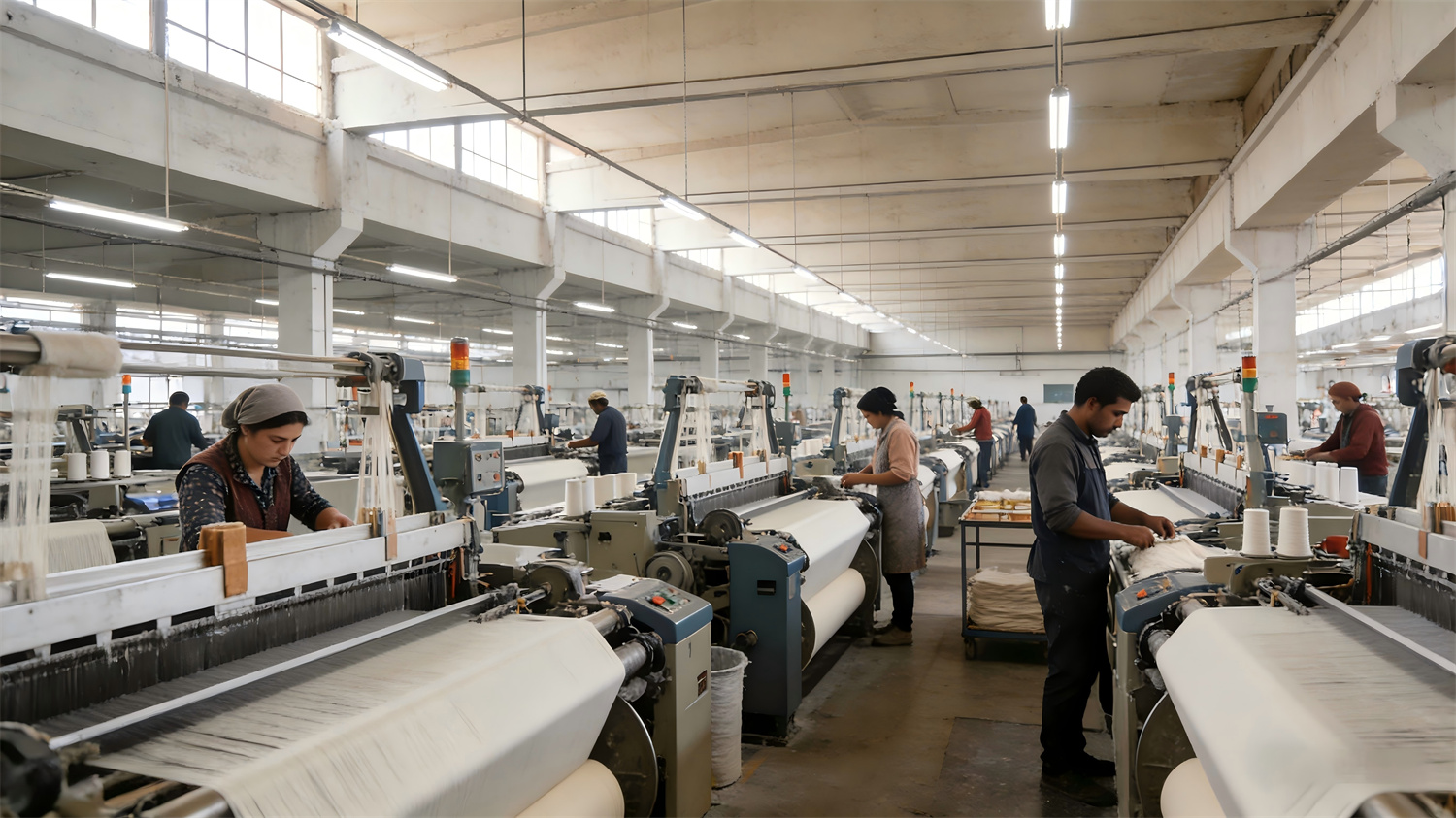
Air compressors are indispensable core equipment in the textile industry, providing stable, clean and appropriate-pressure compressed air for the whole production process. They power weaving machines, spinning frames and other equipment to ensure smooth operation, improve yarn and fabric quality. Energy-saving and oil-free models avoid yarn and fabric pollution, reduce equipment wear, and help enterprises improve production efficiency, reduce energy consumption and ensure continuous and stable production of high-quality textiles.

Air compressors are vital supporting equipment in the automotive industry, providing stable, clean and high-pressure compressed air for both production and vehicle operation. They power pneumatic tools in assembly lines, ensure precise processing of auto parts, and support braking, suspension and air conditioning systems in vehicles. Energy-saving and high-efficiency models reduce energy consumption, protect equipment, and help enterprises improve production efficiency and ensure the safety and reliability of automotive products.
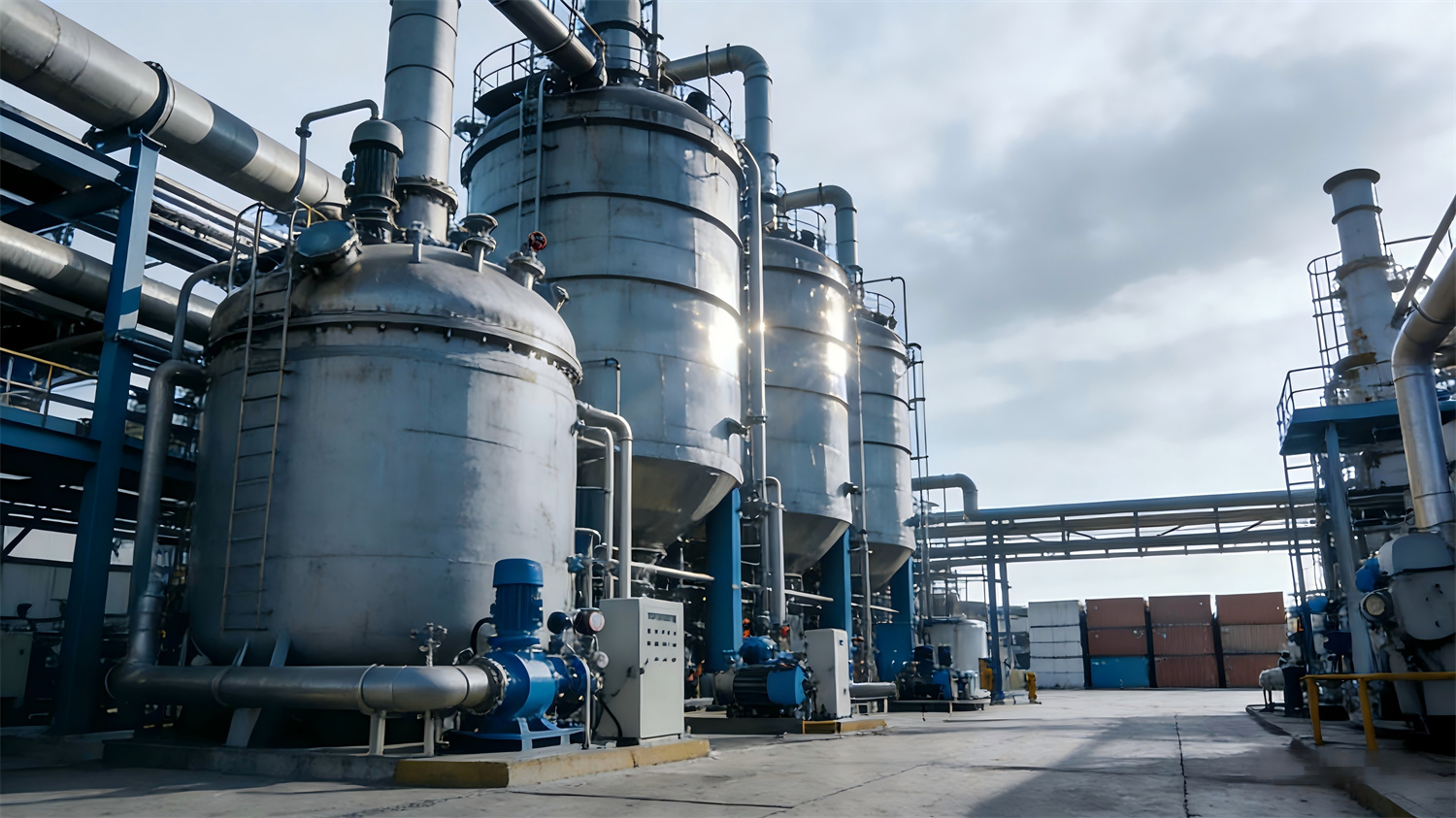
Air Compressors for chemical industry play an important role. It can provide the power needed for chemical processes, and also suitable for providing pressure required during chemical reactions, control air emissions and storage of chemicals. Chemical industries are complicated and require high requirements, many materials in this field are flammable, explosive or toxic and corrosive. Therefore, the technical requirements of compressors are very high in chemical industry; it requires safe operation and stable maintenance with an easy maintenance.

Air compressors are indispensable core equipment in the construction industry, providing stable, high-pressure and clean compressed air for a variety of on-site construction operations. They effectively power various pneumatic tools, including jackhammers, nail guns, concrete sprayers and air drills, greatly improving construction efficiency and ensuring the quality of projects. Suitable for all construction scenarios, whether indoor decoration or outdoor large-scale engineering, their energy-saving and durable performance enables them to adapt to harsh on-site environments, reduce energy consumption and equipment failure rate, and help construction enterprises speed up the construction progress and ensure safe, efficient and stable operation.

Air compressors are essential equipment for the car washing industry, providing high-pressure and clean compressed air to optimize the washing process. They blow away water stains, dust and debris in gaps such as door seams and air outlets, ensuring a thorough and spotless clean. Suitable for both manual and automatic car washes, energy-saving models reduce power consumption, improve working efficiency, and avoid scratches on car surfaces, helping car wash shops enhance service quality and reduce operating costs.
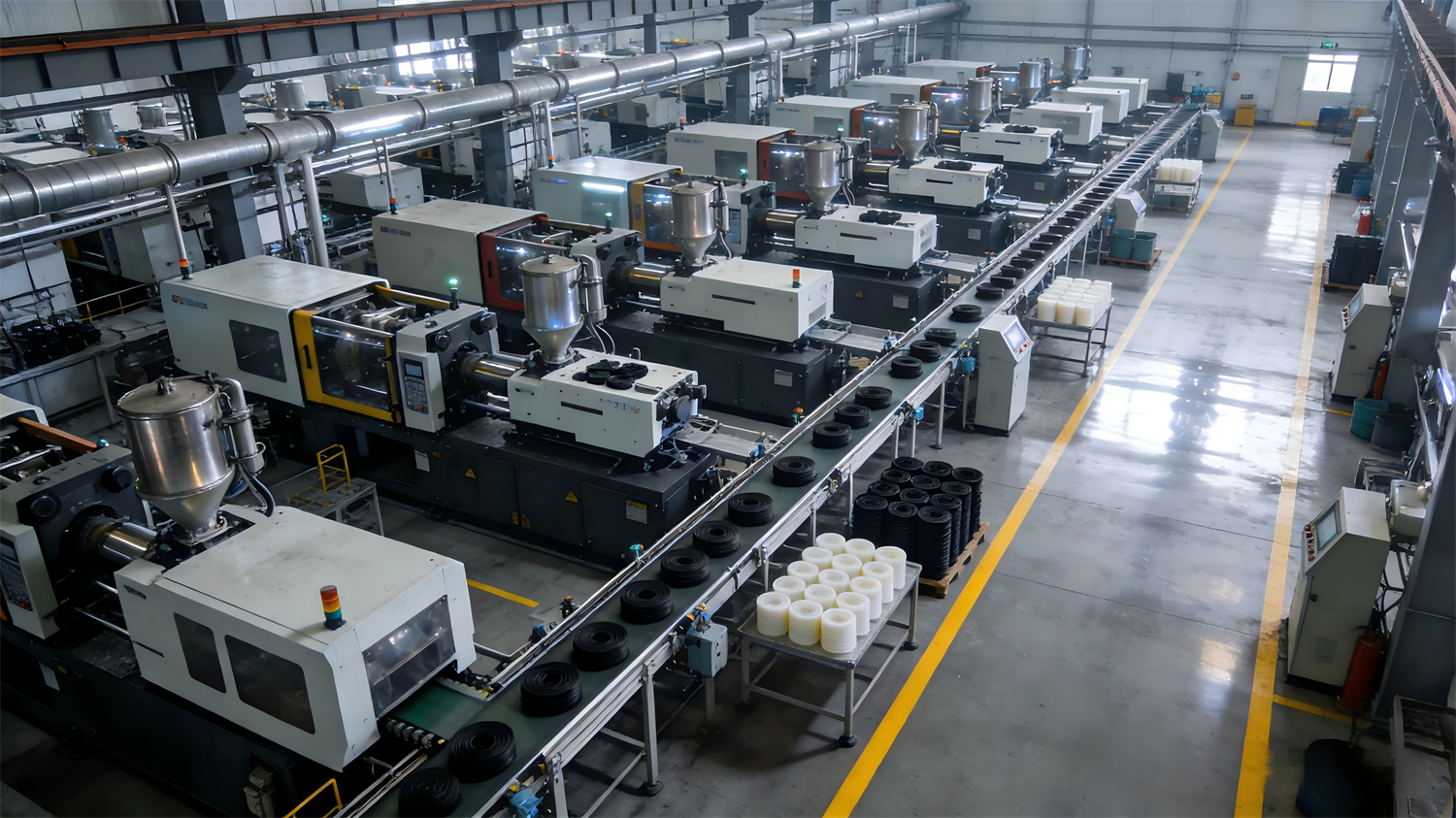
Rubber and plastic products are essential components of our daily lives – rubber, for example, is widely used for its good elasticity, insulation, and malleability, as well as its water and air resistance, tensile strength and wear resistance in industries such as agriculture, defense, transportation, mechanical manufacturing, medicine and hygiene. With the rapid development of the rubber products industry in recent years, its downstream application fields will be further expanded and extended. As for plastic products they need no mention – they have an extremely important role in today’s world and have been developing rapidly all over the world for years. The production process of these rubber and plastic products relies on compressed air as a motive power source; naturally compressed air compressors are indispensable.
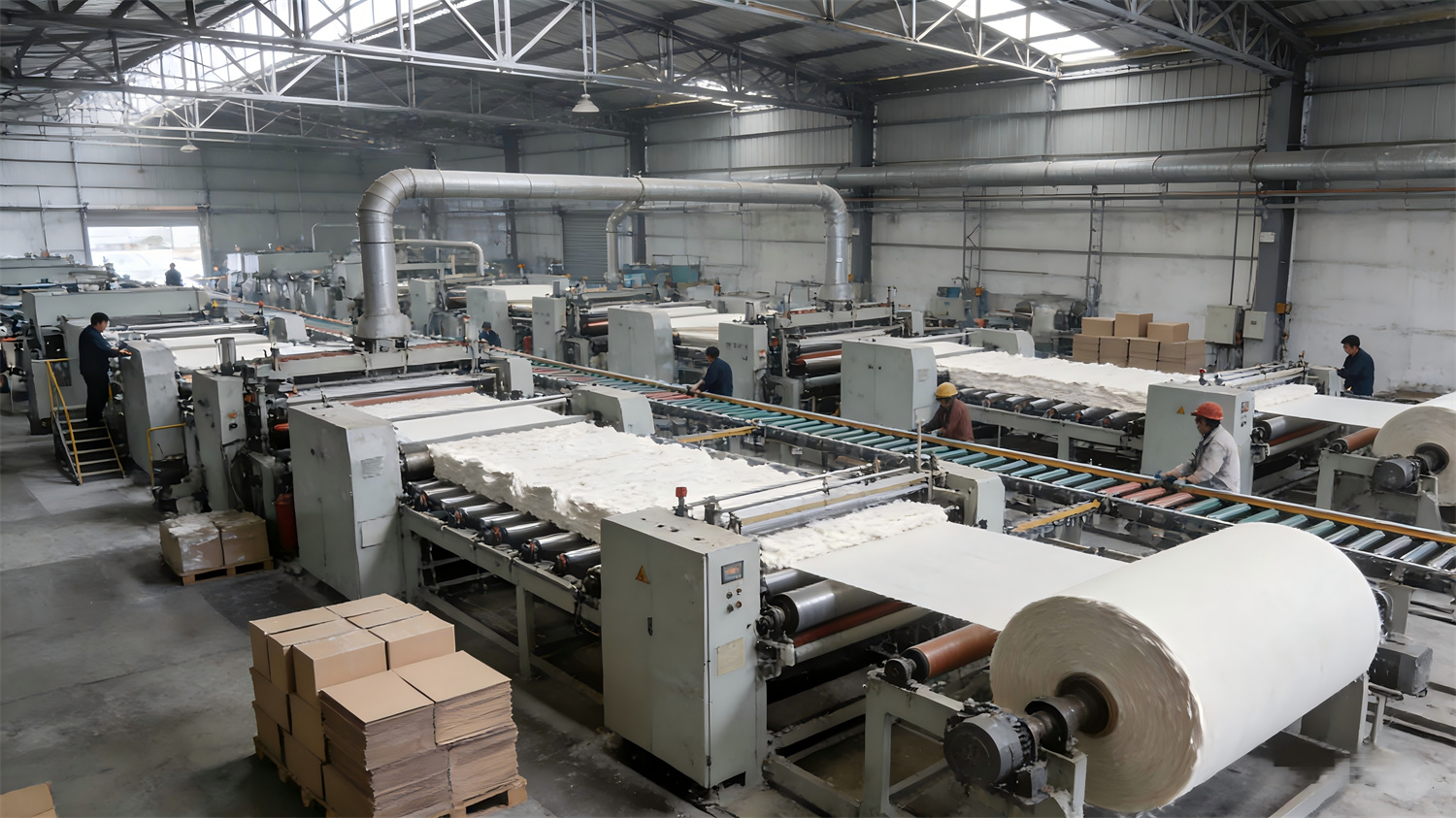
Air compressors are essential supporting equipment in the papermaking industry, providing stable, clean and appropriate-pressure compressed air for the entire production process. They power key equipment such as pulp beaters, paper machines and drying systems, ensuring uniform pulp mixing, smooth paper formation and efficient drying. Oil-free and dust-proof models avoid contamination of pulp and paper, ensuring product quality. With energy-saving and durable performance, they adapt to the high-load continuous production of papermaking, reduce energy consumption and equipment failure, helping enterprises improve production efficiency and reduce operating costs while ensuring stable output of high-quality paper products.
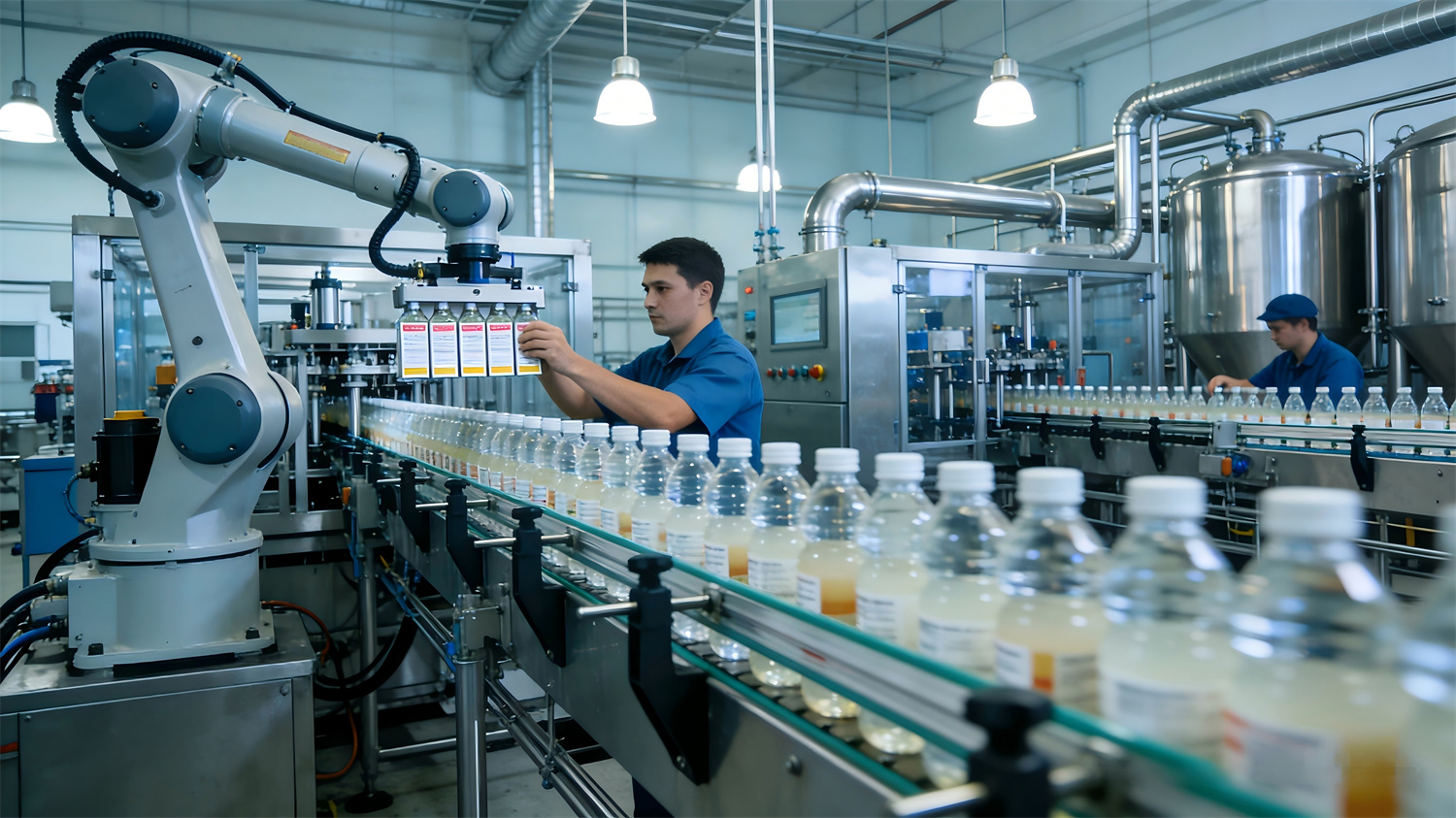
Air compressors are crucial supporting equipment in the food and beverage industry, providing clean, oil-free and stable compressed air that meets food safety standards for the entire production process. They power pneumatic conveying systems for raw materials, drive filling, capping and packaging equipment, and assist in product drying and sterilization. Oil-free models effectively avoid food contamination, protect production equipment, and adapt to high-hygiene requirements of food and beverage production. Energy-saving and efficient, they reduce operating costs, improve production efficiency, and help enterprises ensure product quality and comply with food safety regulations.
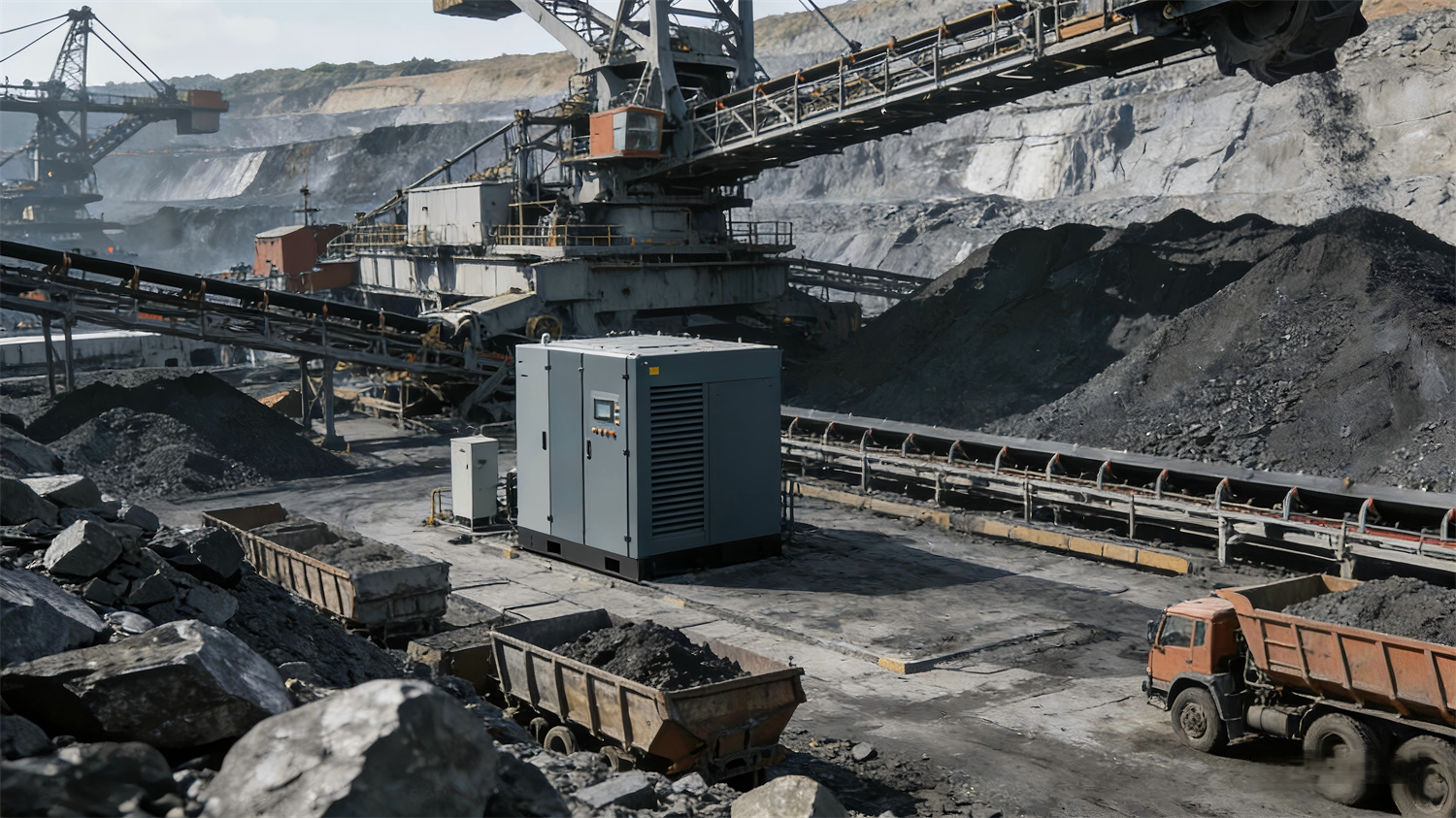
Air compressors are essential core equipment in the mining industry, providing stable, high-pressure and durable compressed air to adapt to harsh underground and open-pit mining environments. They power key pneumatic tools such as rock drills, breakers and coal cutters, enabling efficient ore extraction and rock breaking. With dust-proof and anti-corrosion performance, they can operate stably in dusty, humid and high-temperature conditions, reducing equipment failure. Energy-saving models lower energy consumption and operating costs, while ensuring continuous production, helping mining enterprises improve work efficiency and ensure the safety of on-site operations.

Air compressors are critical and indispensable equipment in the pharmaceutical industry, providing Class 0 oil-free, sterile and stable compressed air that fully complies with GMP standards. They support the entire production process, including raw material mixing, drug granulation, filling, and packaging, powering pneumatic control systems and conveying equipment. The oil-free and sterile design effectively avoids cross-contamination of drugs, protecting product purity and safety. Energy-saving and efficient, they reduce operating costs, ensure continuous and stable production, and help pharmaceutical enterprises meet strict industry regulations and improve production efficiency.
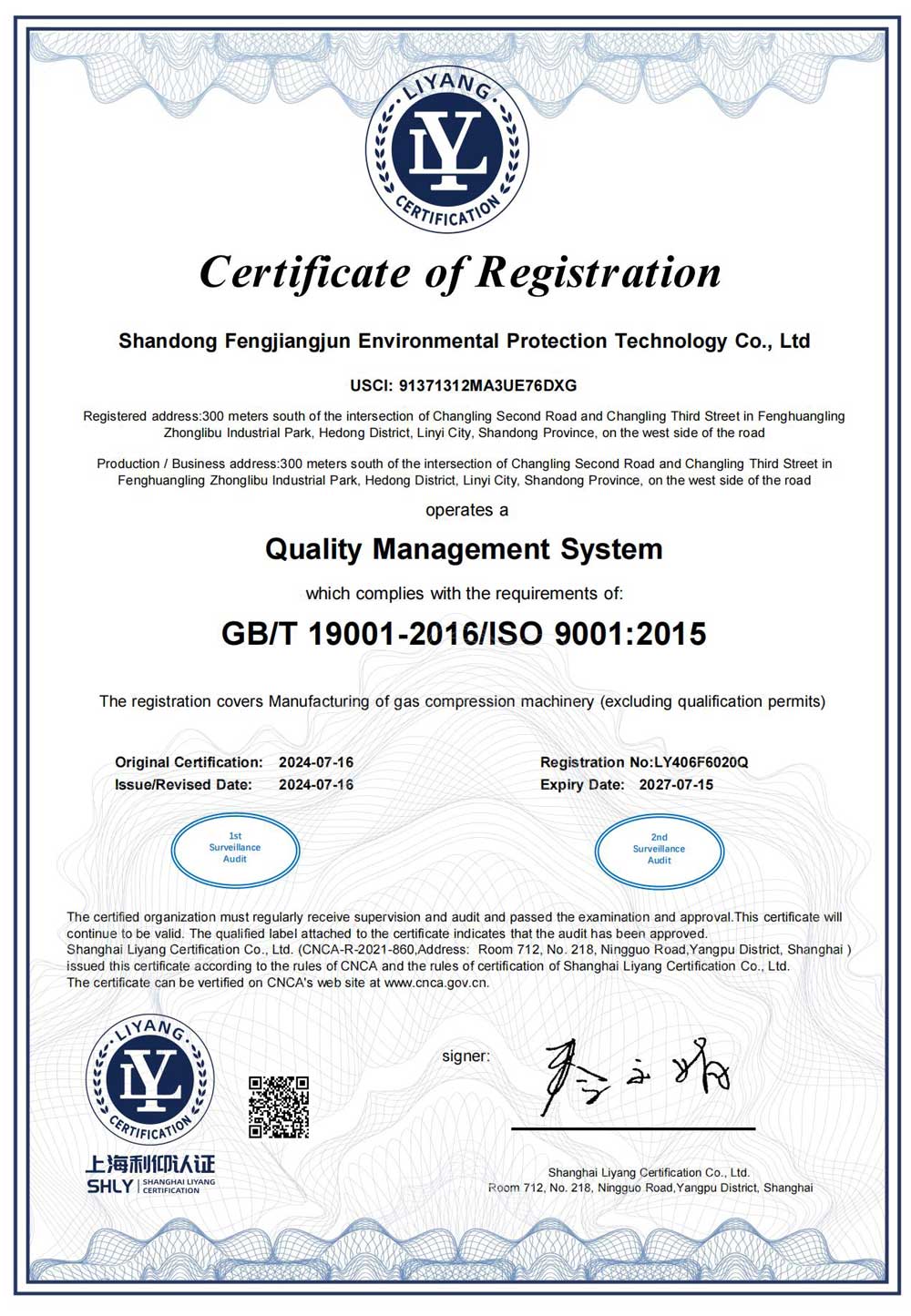
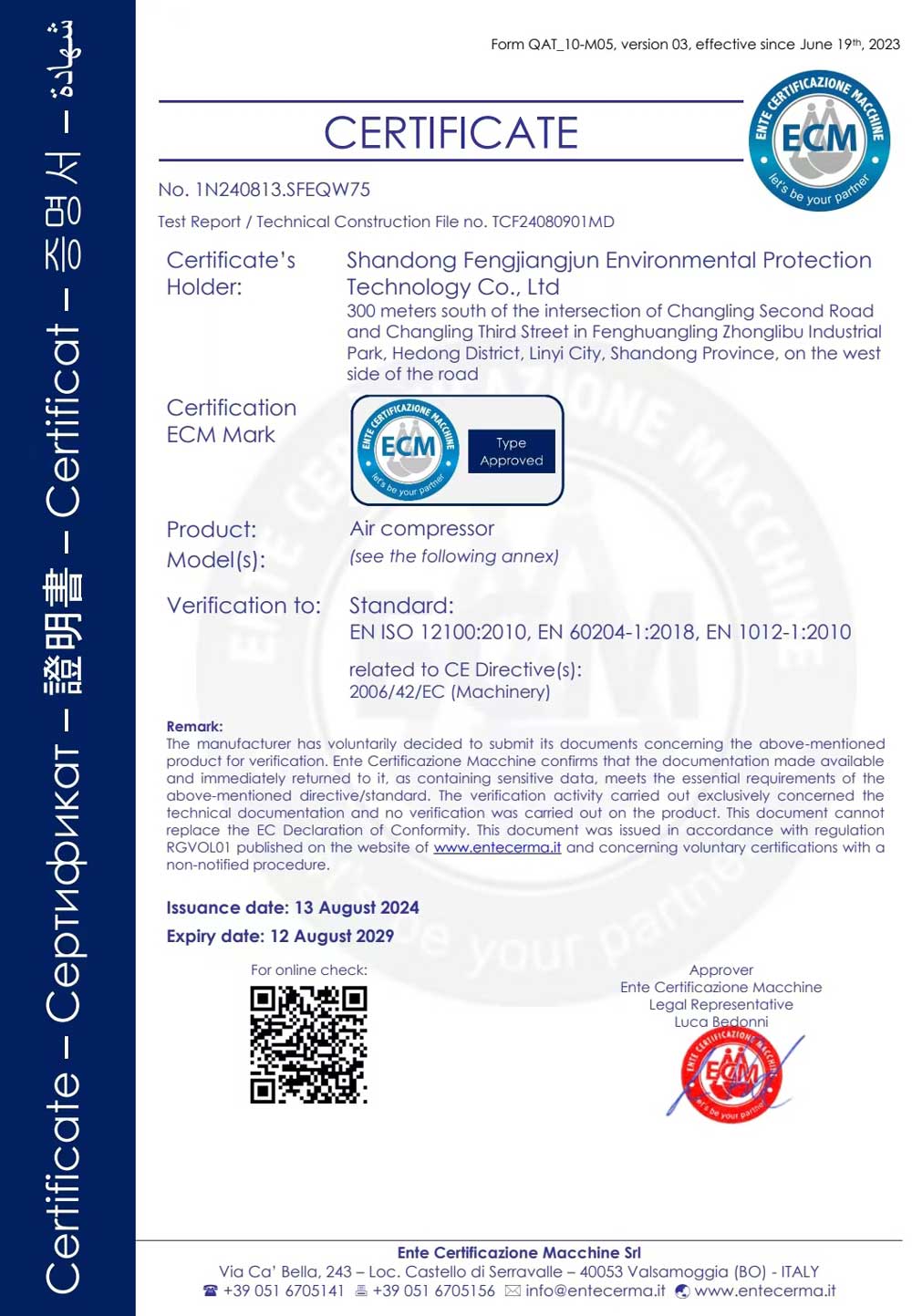
Smart Air Machinery manufactures systems matching global installation codes. We understand that pressure vessels and electrical systems are subject to strict regional certifications. Every custom desiccant air dryer is built to meet international and national safety mandates.
We maintain collaborative partnerships in over 20 countries, including the USA, Canada, Colombia, Chile, Australia, New Zealand, Russia, Indonesia, Vietnam, Malaysia, India, Sri Lanka, Bangladesh, Pakistan, Dubai, Afghanistan, Israel, Syria, Kosovo, Tunisia, and Angola. We offer installation guidance, spare parts coordination, and customized engineering services tailored to your plant footprint.
How Smart Air integrates advanced monitoring and energy-saving designs into future compressed air systems.
Future desiccant dryers will feature smart IoT interfaces. Operators can monitor pressure dew points, bed temperature profiles, and valve actuation timings from a central control room. This enables predictive maintenance prior to desiccant deterioration.
By leveraging residual heat of compression (HOC) and blower-purge designs, we aim to design zero-purge regeneration models. This system uses the heat generated by the compressor to regenerate the desiccant bed, minimizing purge air usage.
We are testing composite desiccant matrices that combine molecular sieves with structural binders. These are engineered to handle liquid water spikes without breaking down, extending desiccant life and protecting downstream processes.
Connecting with partners globally, demonstrating quality systems, and expanding the footprint of Chinese high-tech machinery.
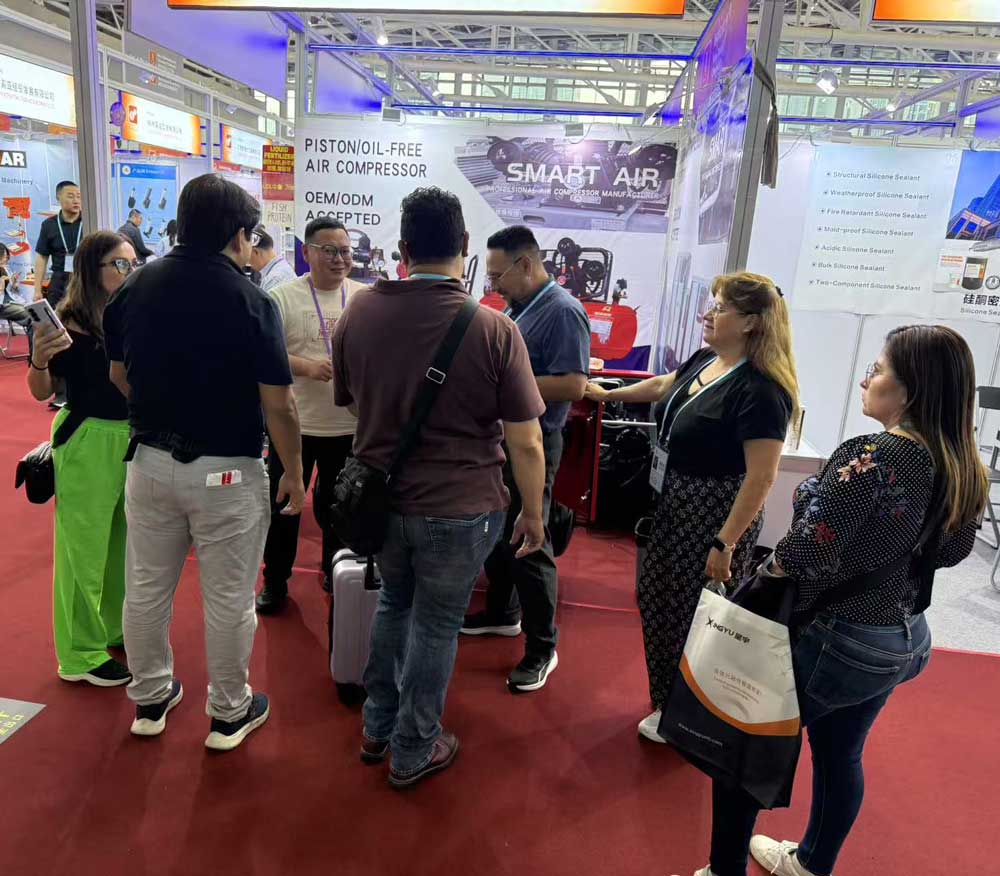
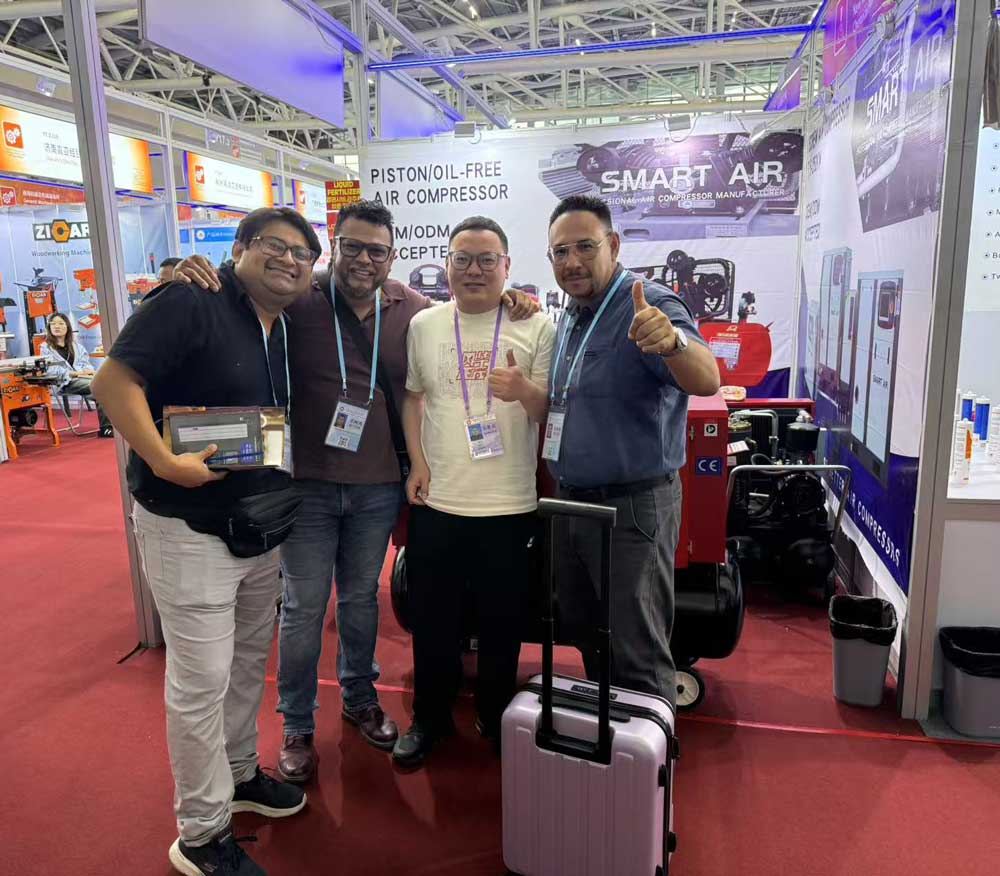
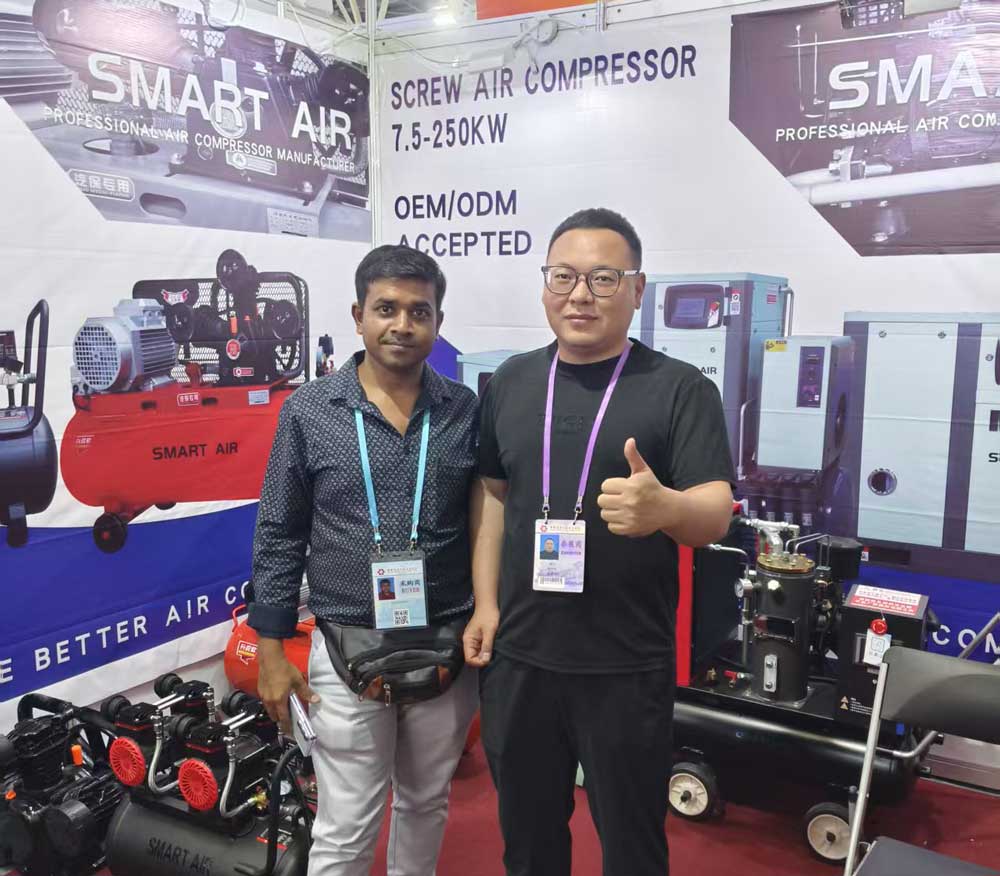
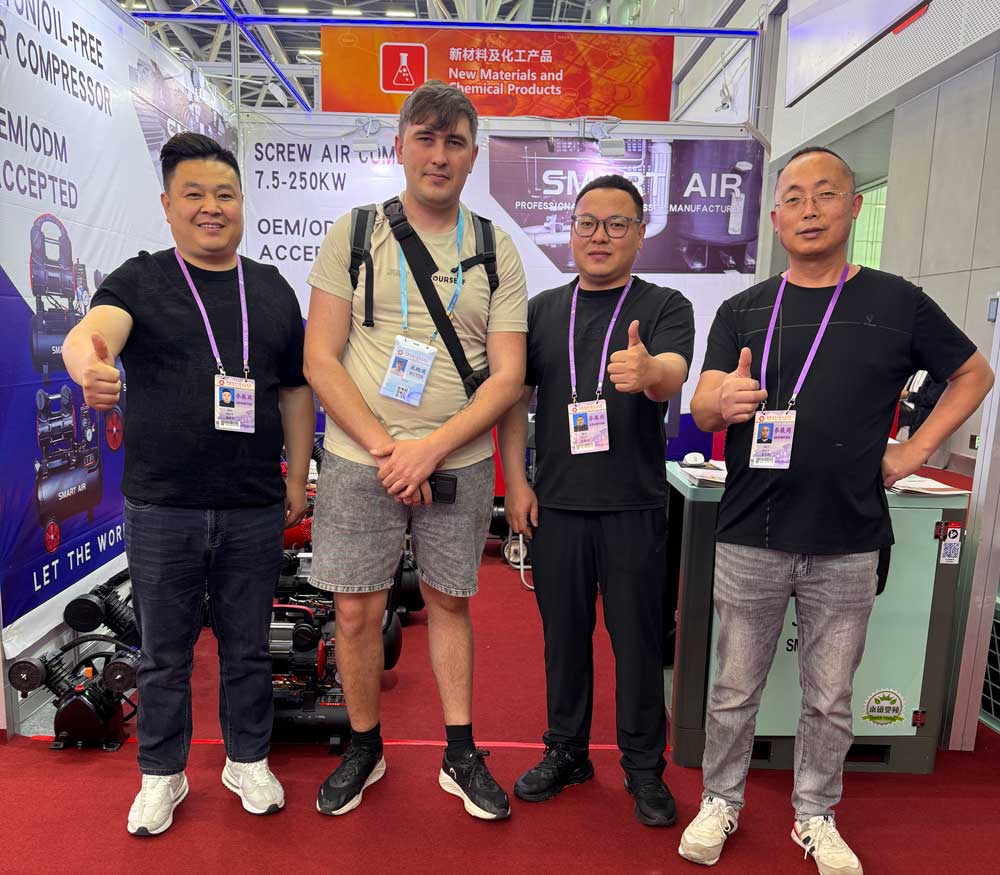
Our customers consistently express satisfaction with our products, praising their reliability and efficiency. Experience quality and dedicated engineering support with Smart Air.
Discuss CooperationExpert answers to the most common engineering and procurement questions regarding compressed air drying systems.
Heatless Desiccant Dryers use a portion of the dried compressed air (typically 15%) to purge and regenerate the offline desiccant tower. They are mechanically simple and have a lower upfront cost but are more expensive to operate due to high purge air loss.
Heated Purge Desiccant Dryers utilize an electric heater to warm the purge air, increasing its moisture capacity. This drops the purge air loss down to 5–7%, reducing the demand on your screw compressors and lowering operational costs.
We typically match desiccant choices to the desired Pressure Dew Point (PDP) and inlet air conditions:
Desiccants are highly porous chemical structures that are easily contaminated by oil aerosols and liquid water. Oil coats the desiccant beads, blocking adsorption sites and leading to high dew points. Liquid water slugs can break down activated alumina beads, causing structural damage. We recommend installing a high-efficiency coalescing pre-filter to remove liquid water and oil aerosols down to 0.01 micron before the air enters the dryer.
Standard desiccant dryers operate on a fixed timer, switching towers every 2 to 5 minutes regardless of the actual moisture load. If the factory operates at partial capacity, this results in unnecessary purge air usage.
DDS (Dew Point Dependent Switching) monitors the moisture levels at the outlet. The system only regenerates the offline tower when the online tower reaches its absorption capacity. Under partial loads, this extends cycle times and reduces purge losses, lowering energy consumption.
Adsorption efficiency decreases as inlet air temperatures rise. For temperatures exceeding 40°C, we recommend placing a refrigerated pre-dryer or air-cooled aftercooler upstream. This drops the inlet air temperature and removes the bulk of the moisture, ensuring the desiccant dryer operates within its designed performance range.
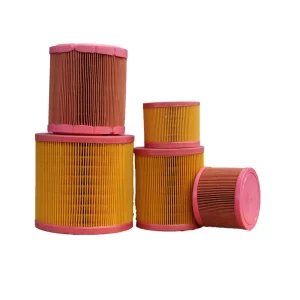
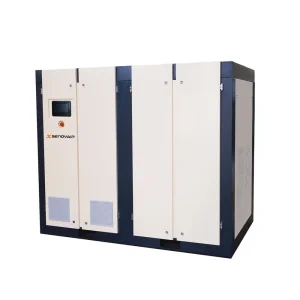
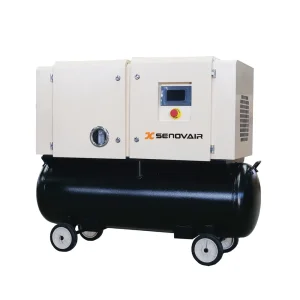
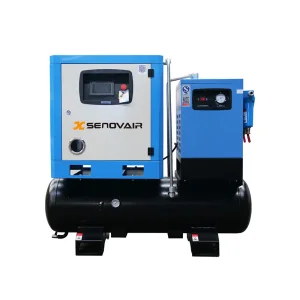
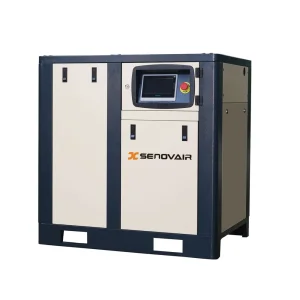
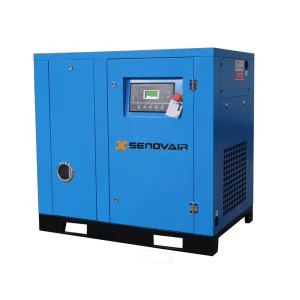
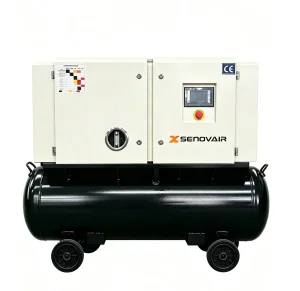
Explore our highly efficient fixed-speed and variable-speed screw compressors, filtration components, and high-pressure system configurations.
 Smart Air