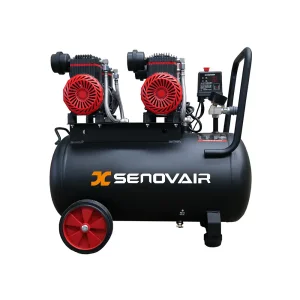
Direct from our state-of-the-art Chinese manufacturing facility. Engineered for thermal stability, longevity, and high-efficiency dew point suppression.
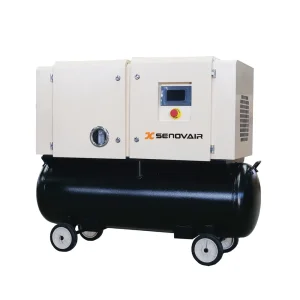
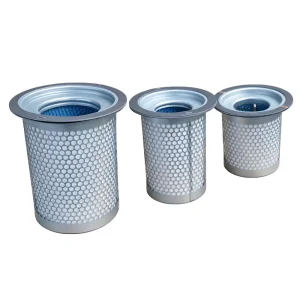
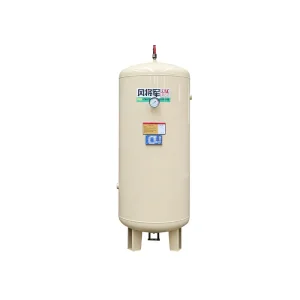
An Architectural Analysis of Compressed Air Preparation, Moisture Control, and Dew Point Integrity across Modern Industrial Environments.
Compressed air is widely recognized as the fourth industrial utility. However, the compression process naturally concentrates atmospheric humidity, creating a hot, saturated gas stream. Without standard thermal treatment and physical condensation separation, this moisture precipitates inside downline pneumatic piping, causing severe pipe corrosion, structural pneumatic valve failures, and catastrophic batch contamination in precision applications like laser cutting or pharmaceuticals.
To adhere to the rigorous standards of ISO 8573-1:2010 (defining purity classes for particulate, water, and oil), modern manufacturing plants require heavy-duty refrigerated or desiccant air dryers. In hot and humid regions, the thermal load on compressor after-coolers increases dramatically. As a premium China exporter and high-tech factory, Smart Air Machinery designs drying systems capable of operating under high ambient inlet temperatures while maintaining pressure dew points (PDP) down to -40°C (-40°F) or even -70°C (-94°F) using advanced molecular sieve desiccant blends.
| Dryer Technology Type | Common Pressure Dew Point (PDP) | ISO Purity Class (Water) | Primary Industrial Sector Applications | Energy / Purge Air Consumption |
|---|---|---|---|---|
| Refrigerated (Cycling/Thermal Mass) | +3°C to +7°C | Class 4 | General manufacturing, automotive assembly, construction, pneumatic tools | Low (Relies on refrigerant compressor power cycle) |
| Heatless Desiccant (Adsorption) | -40°C to -70°C | Class 1 to 2 | Chemical processing, pharmaceutical production, electronics, deep sub-zero environments | High (Uses 15-20% purge air for regeneration) |
| Heated Purge Desiccant | -40°C | Class 2 | Heavy instrumentation air, large scale industrial factories, textile plants | Moderate (Utilizes heat energy to reduce purge air loss to ~7%) |
| Blower Purge Desiccant | -40°C to -70°C | Class 1 to 2 | Refineries, major automated processing hubs, packaging plants | Very Low Purge (Uses atmospheric blower air for desiccant cooling) |
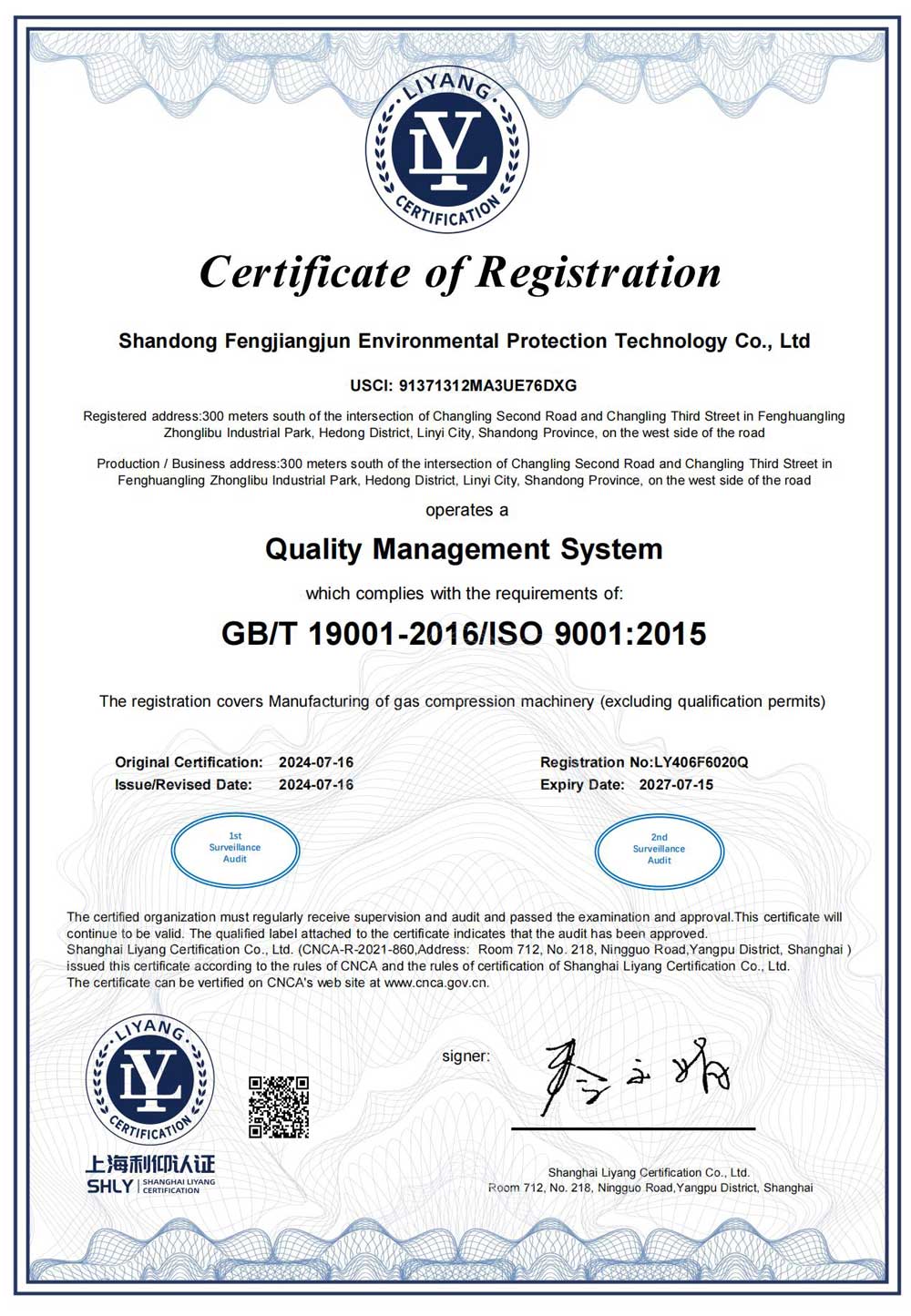
Established in 2005 | Certified High-Tech Industrial Enterprise
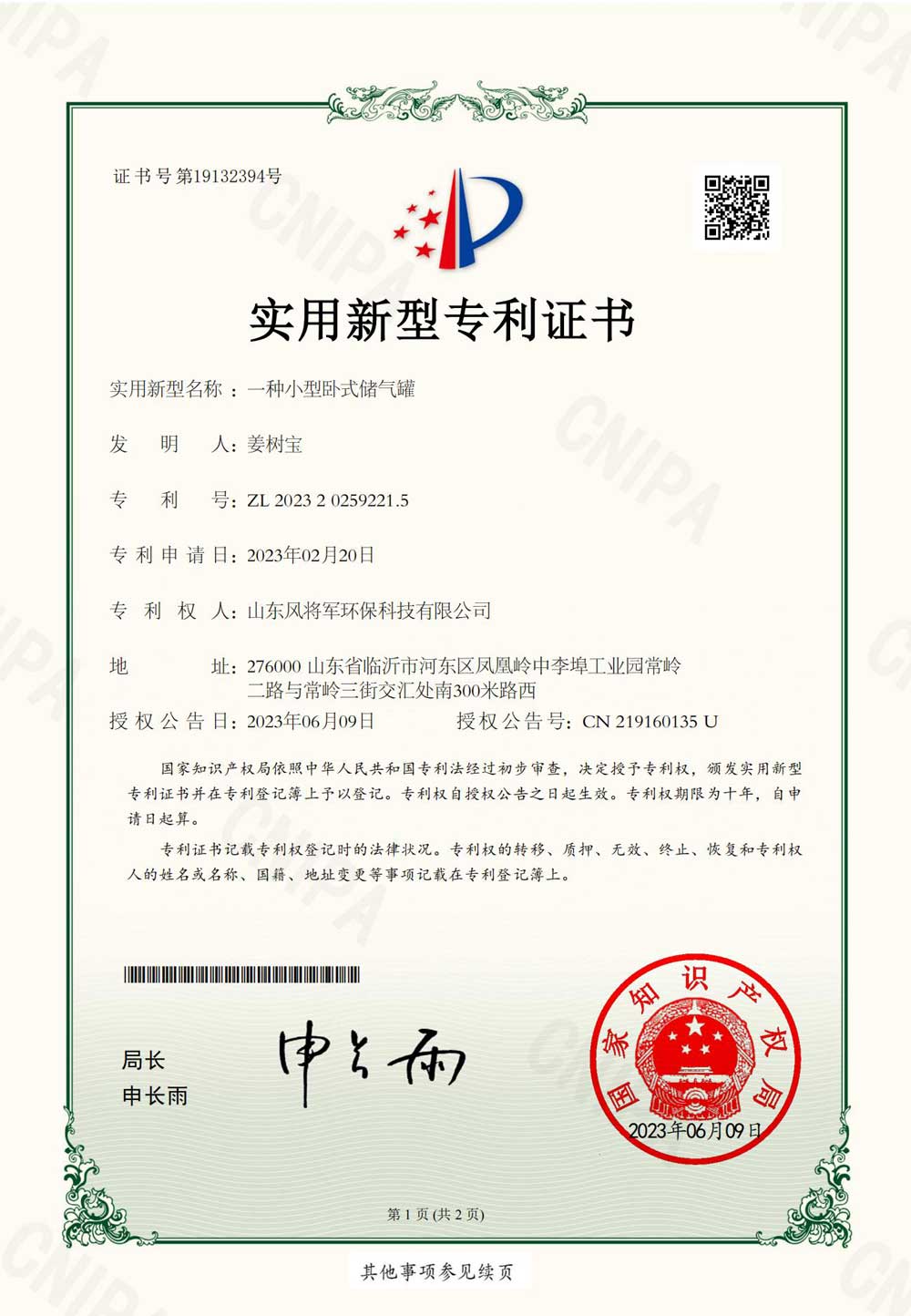
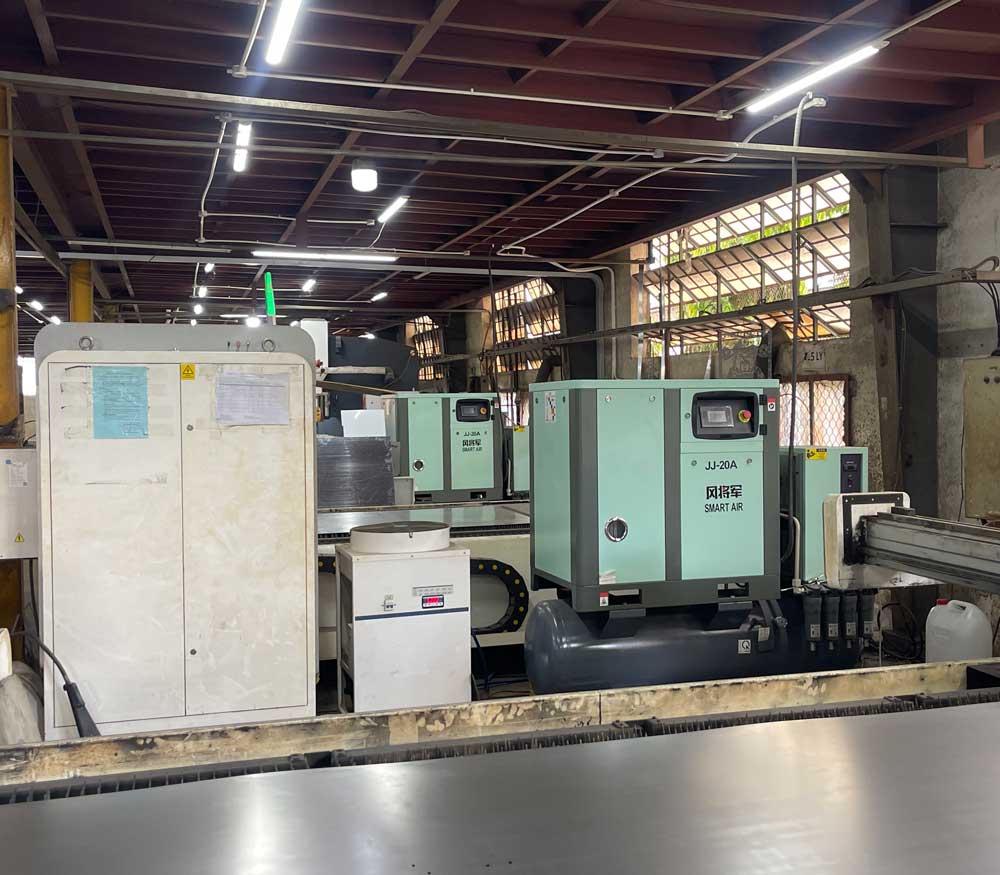
Smart Air Machinery (Linyi) Co., Ltd. is a leading industrial force based in the logistics capital of China. For nearly two decades, we have focused on the deep integration of research, development, and vertical manufacturing of screw air compressors, high-pressure piston machinery, and advanced after-treatment systems like heavy-duty air dryers and air storage vessels. Our facility spans comprehensive casting, machining, assembly, and automated thermodynamic testing centers.
We pride ourselves on offering complete plant systems where air compressors, refrigerated dryers, oil-water separators, and storage tanks operate in absolute resonance. This minimizes pressure drops and thermal buildup, delivering unrivaled system efficiency and cost savings.
Over 20 years of continuous research, localized supply chain integration, and precision Chinese assembly.
Aesthetic layouts, low-vibration assemblies, and optimized thermodynamic heat exchanges.
Our operational mantra: Quality creates reputation, reputation builds the brand, and brand dominates the market.
Established Year
Technical Staff
Global Export Countries
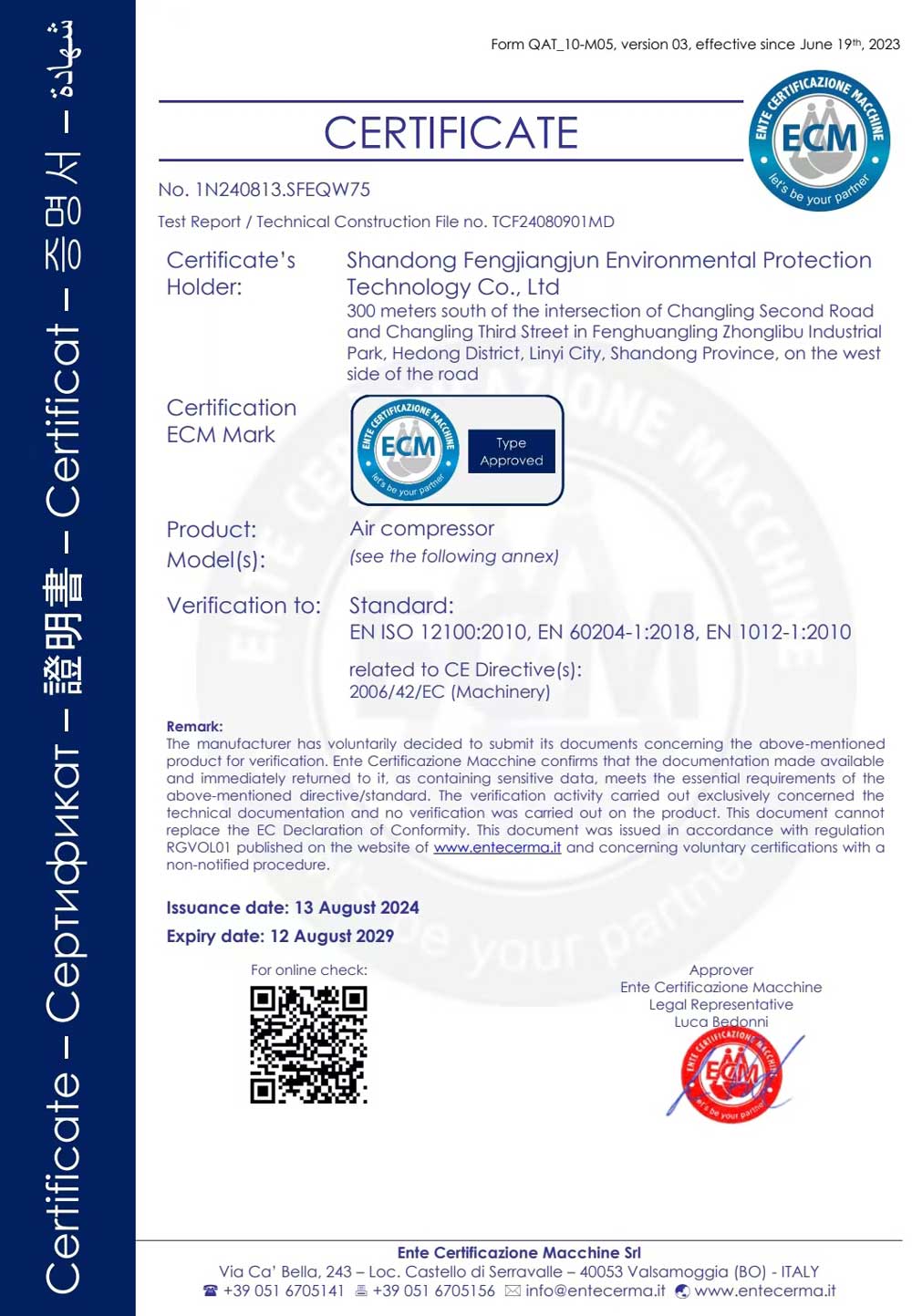
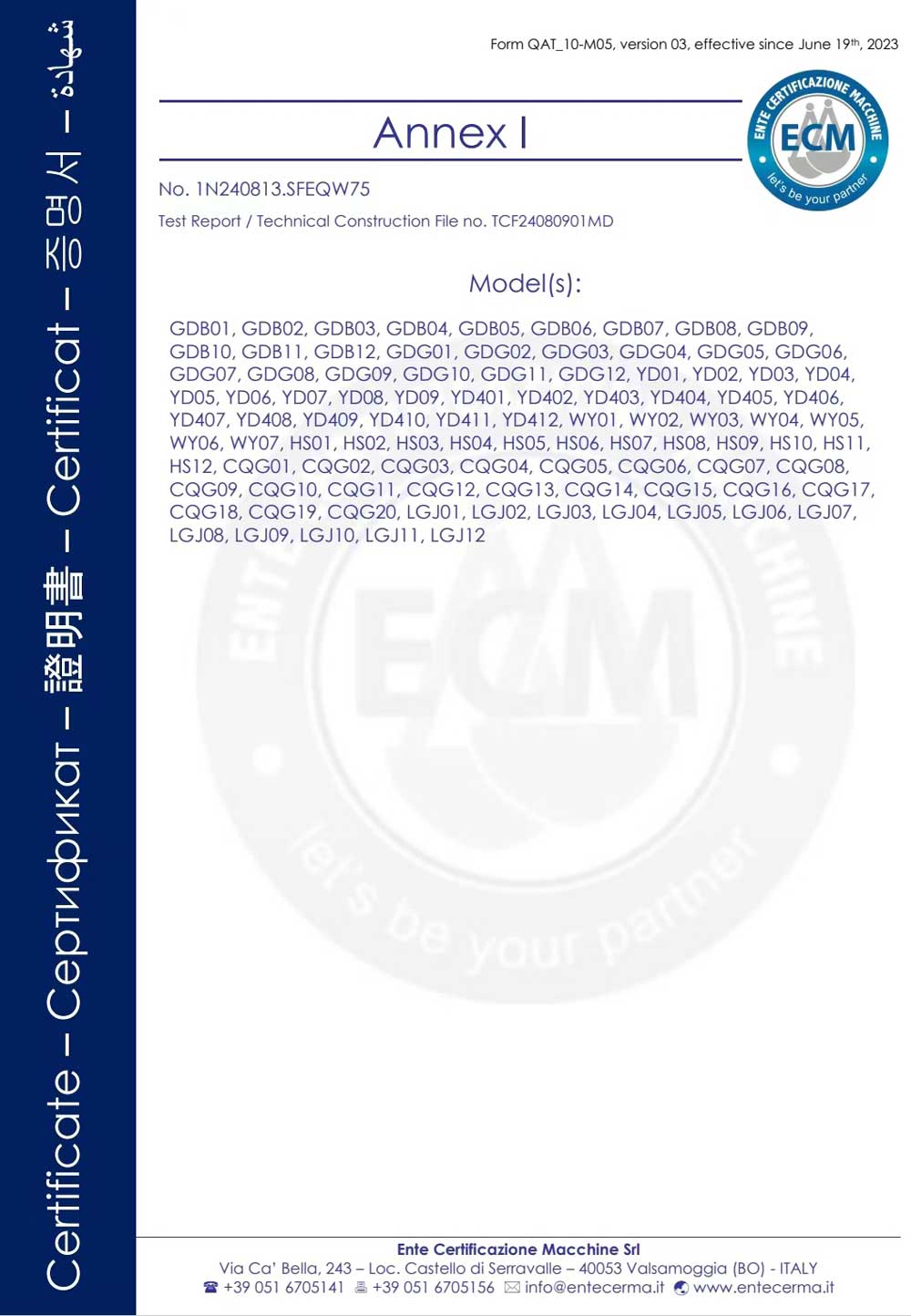
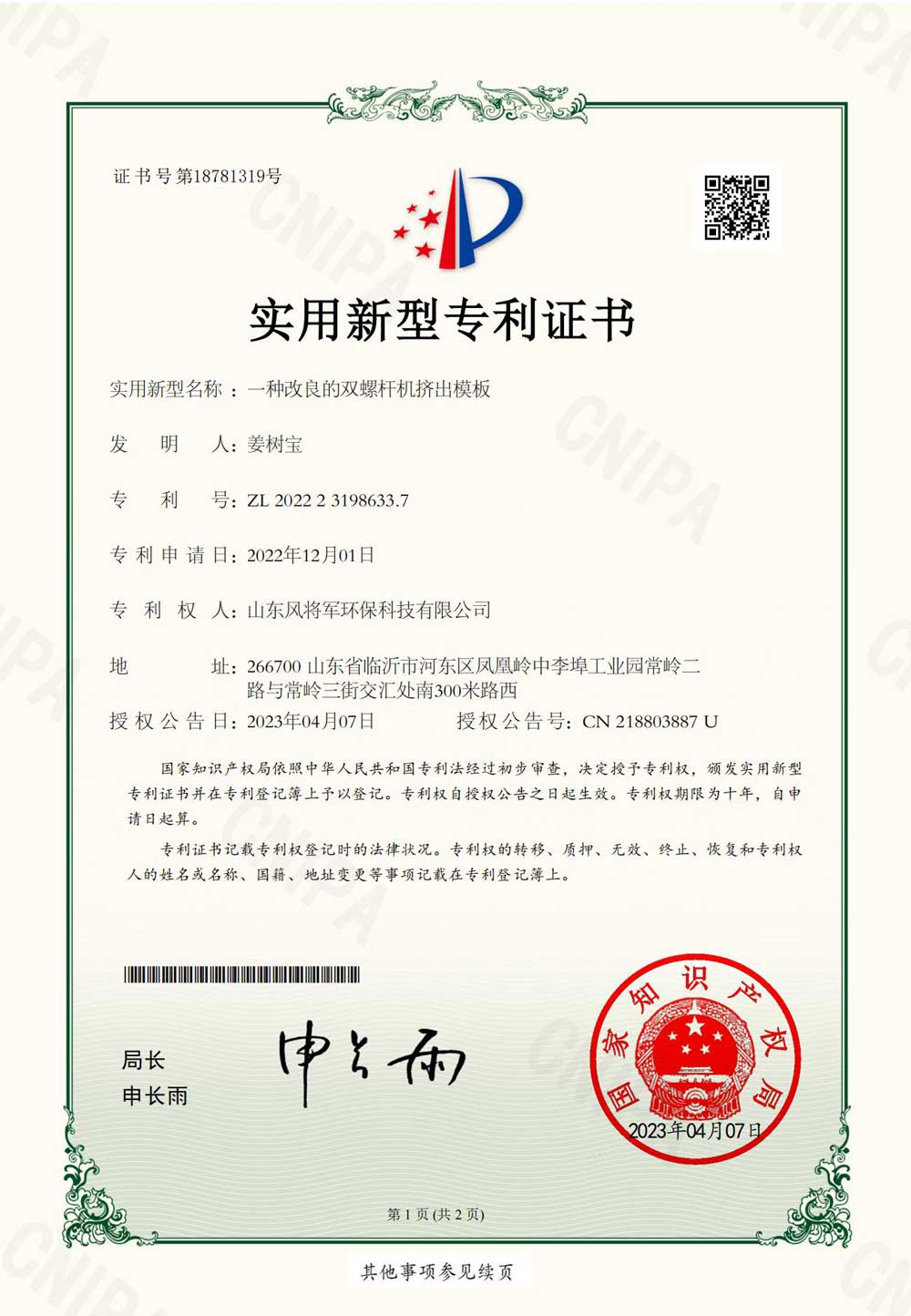
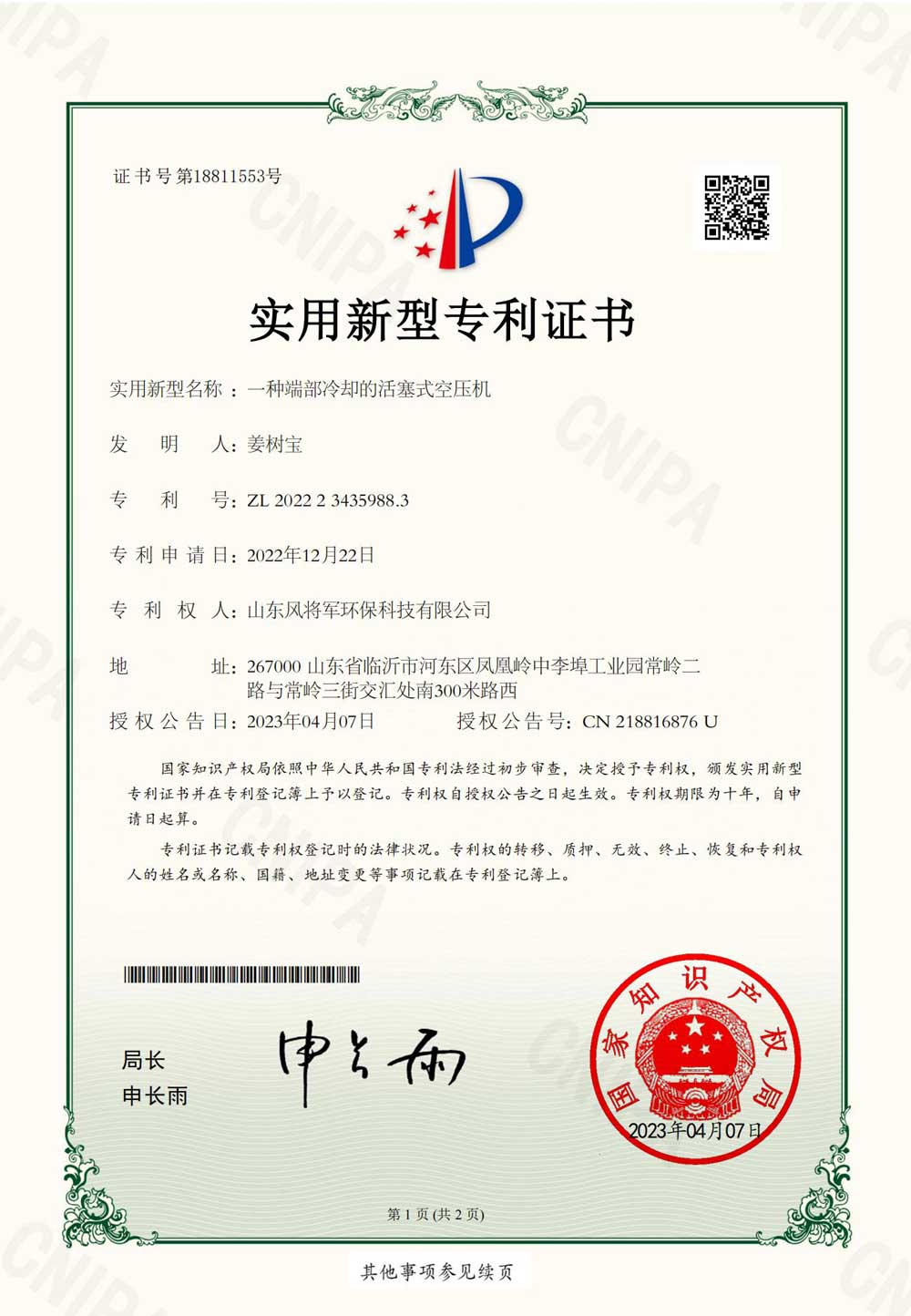
Certified Standards
Our engineered solutions are trusted across 20+ countries and fully compliant with international structural and environmental regulations.
We maintain successful supply chain relationships across key industrial zones, including: the USA, Canada, Colombia, Chile, Australia, New Zealand, Russia, Indonesia, Vietnam, Malaysia, India, Sri Lanka, Bangladesh, Pakistan, Dubai, Afghanistan, Israel, Syria, Kosovo, Tunisia, and Angola.
Every application has unique requirements for dew point control, particulate filtration, and oil contamination. Explore our specific industry setups.
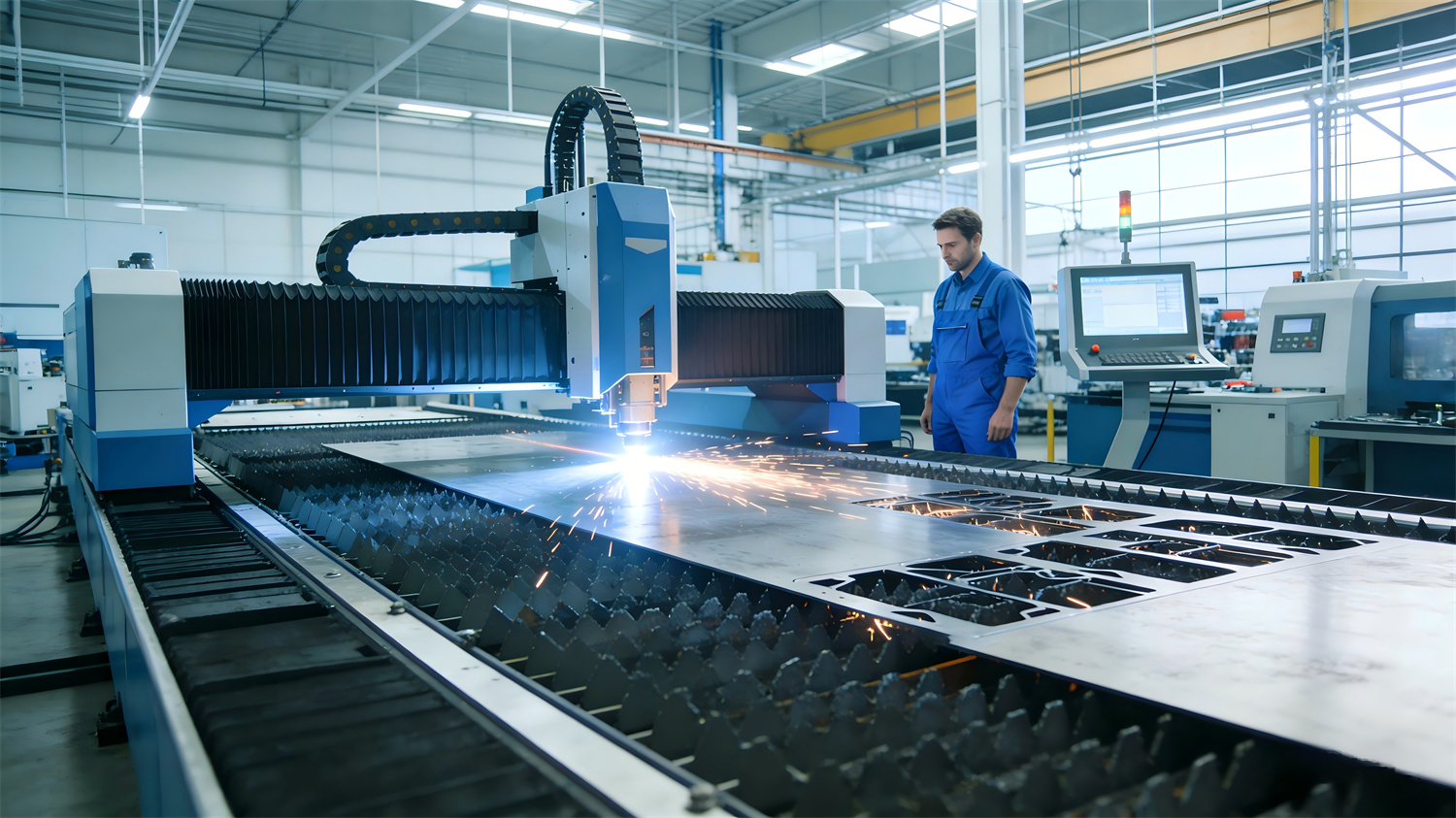
High-pressure nitrogen or compressed air serves as the assist gas. Moisture causes beam distortion and lens fogging. Our specialized 4-in-1 laser cutting systems integrate refrigeration air dryers and sub-micron coalescing filters to ensure smooth cuts and protect the sensitive laser optical assembly.
Learn More →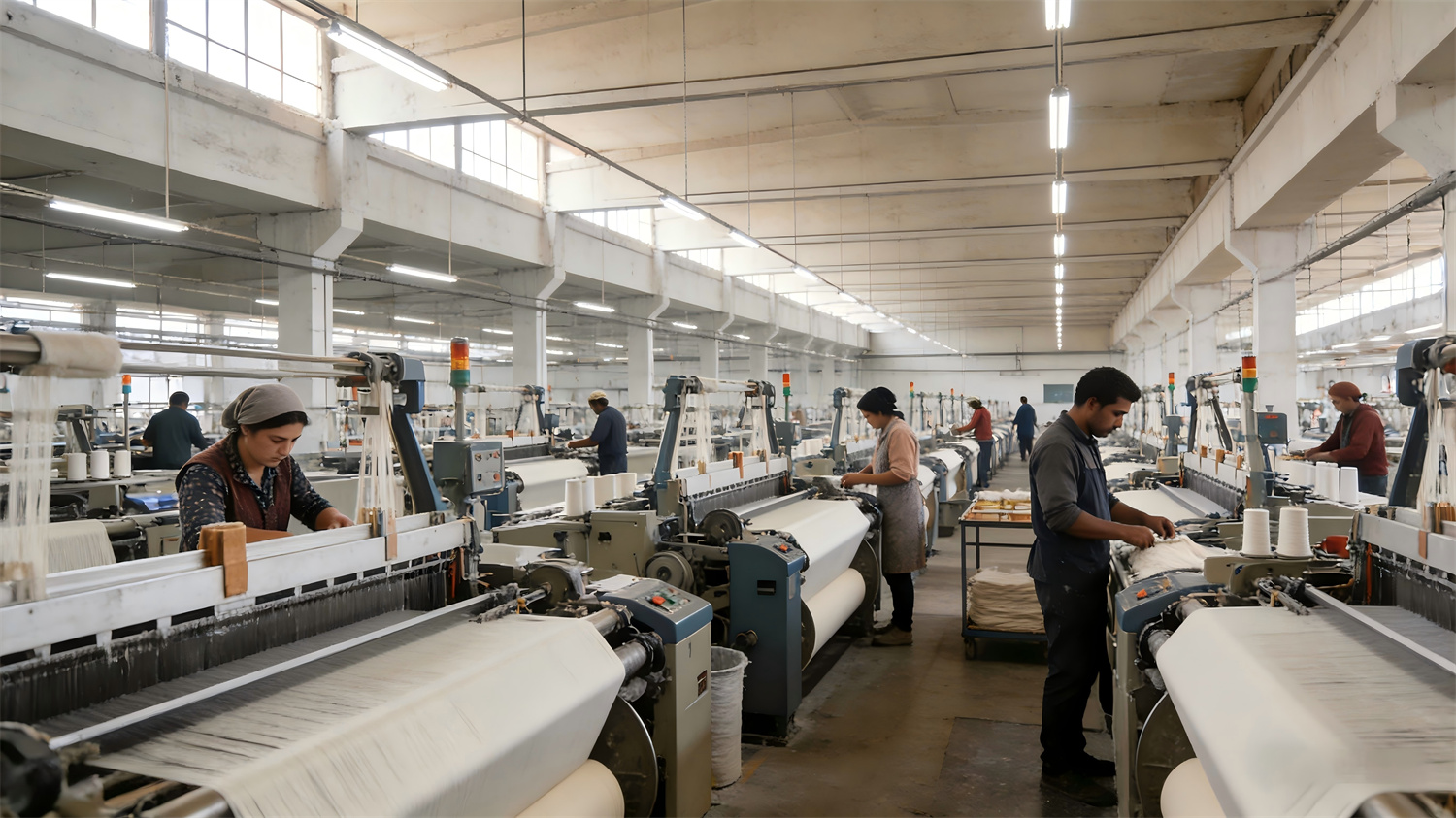
Air-jet looms feed delicate yarn threads via compressed air. A single droplet of water or oil stain will ruin the raw fabric, creating dynamic batch loss. Our multi-stage desiccant dryer configurations deliver steady, bone-dry air, guaranteeing flawless fabric consistency.
Learn More →
Moisture in automotive paint lines leads to surface imperfections, fish eyes, and paint bubbling. Precise air dryers ensure paint shop tools and robotic application nozzles spray smooth coatings while powering automated pneumatic tooling with zero corrosion risks.
Learn More →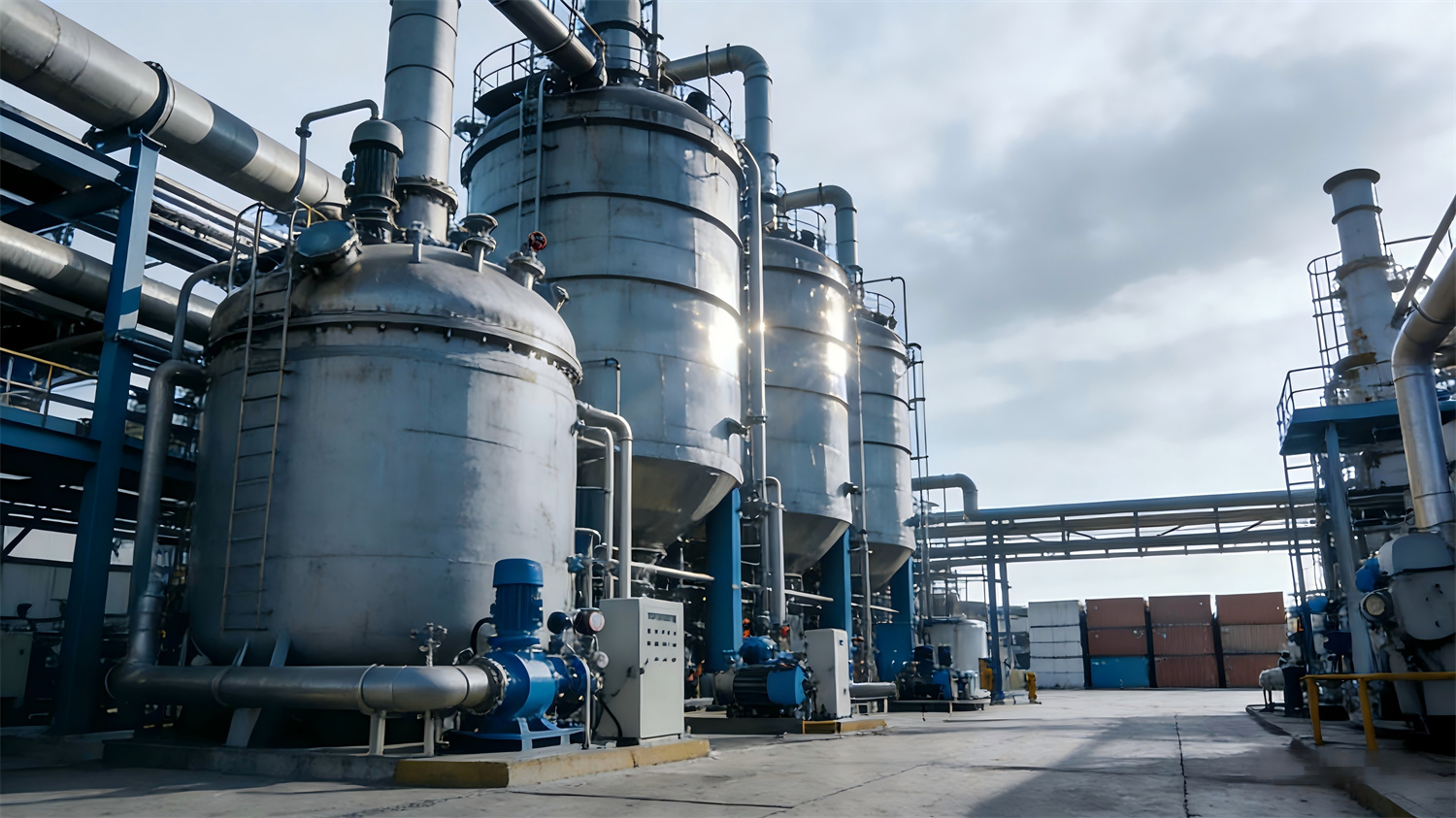
Safety is the primary metric in chemical engineering. Many processing media are highly volatile or reactive with water. Our instrument-grade desiccant air dryers provide deep dew points down to -70°C to guarantee dry air blankets for chemicals, pneumatic control valves, and process safety lines.
Learn More →
Heavy duty pneumatic drills, jackhammers, and sandblasters demand continuous flow. Moist air freezes pneumatic tooling valves in colder climates. Our compact mobile compressors with integrated thermal dryers allow non-stop, off-grid operations in rugged terrain.
Learn More →
Moisture-free air ensures precise chemical dosing and spot-free air-drying systems. Our low-maintenance dryers prevent mineral deposition inside automated spray control manifolds and high-pressure cleaning nozzles.
Learn More →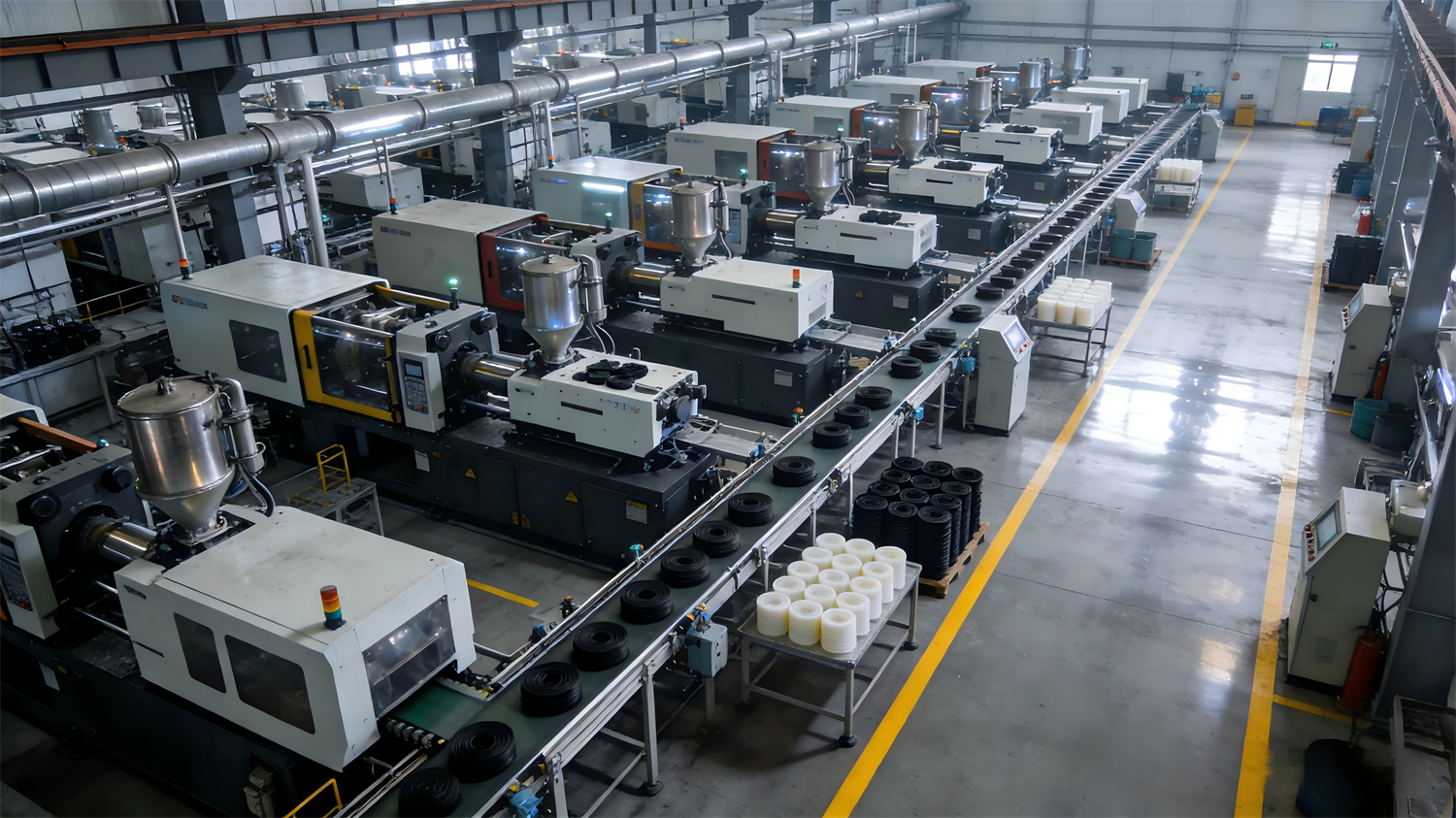
In injection molding and blow molding processes, dry air keeps condensation off expensive molds. It also provides high pressure for forming plastic bottles, preventing microscopic water vapor from clouding transparent plastics.
Learn More →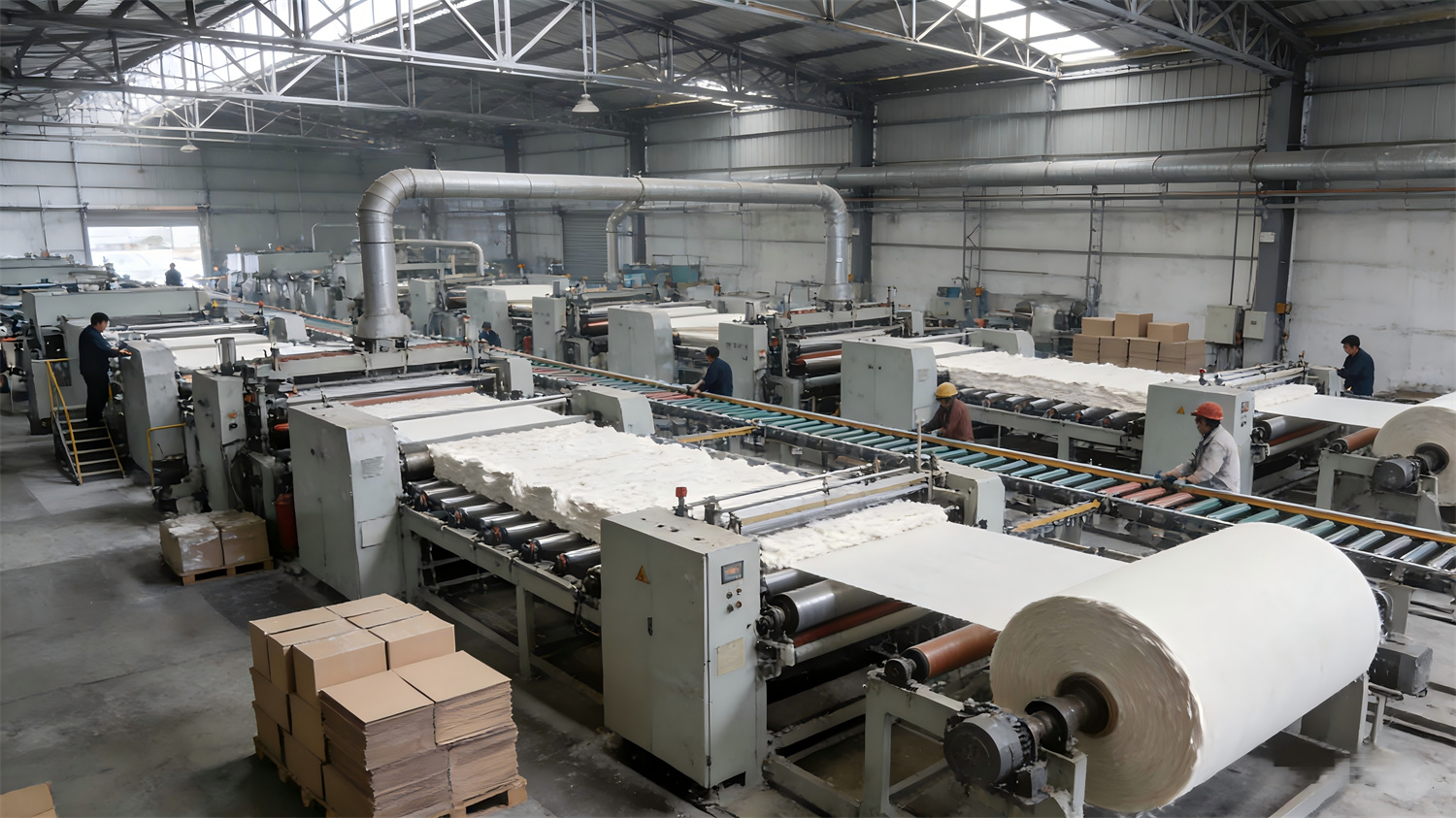
Moisture control is paramount in high-speed papermaking. Saturated air degrades web strength. Heavy-duty air dryers feed consistent pressure to pulp beaters, paper machine controls, and thermal drying systems for uniform product output.
Learn More →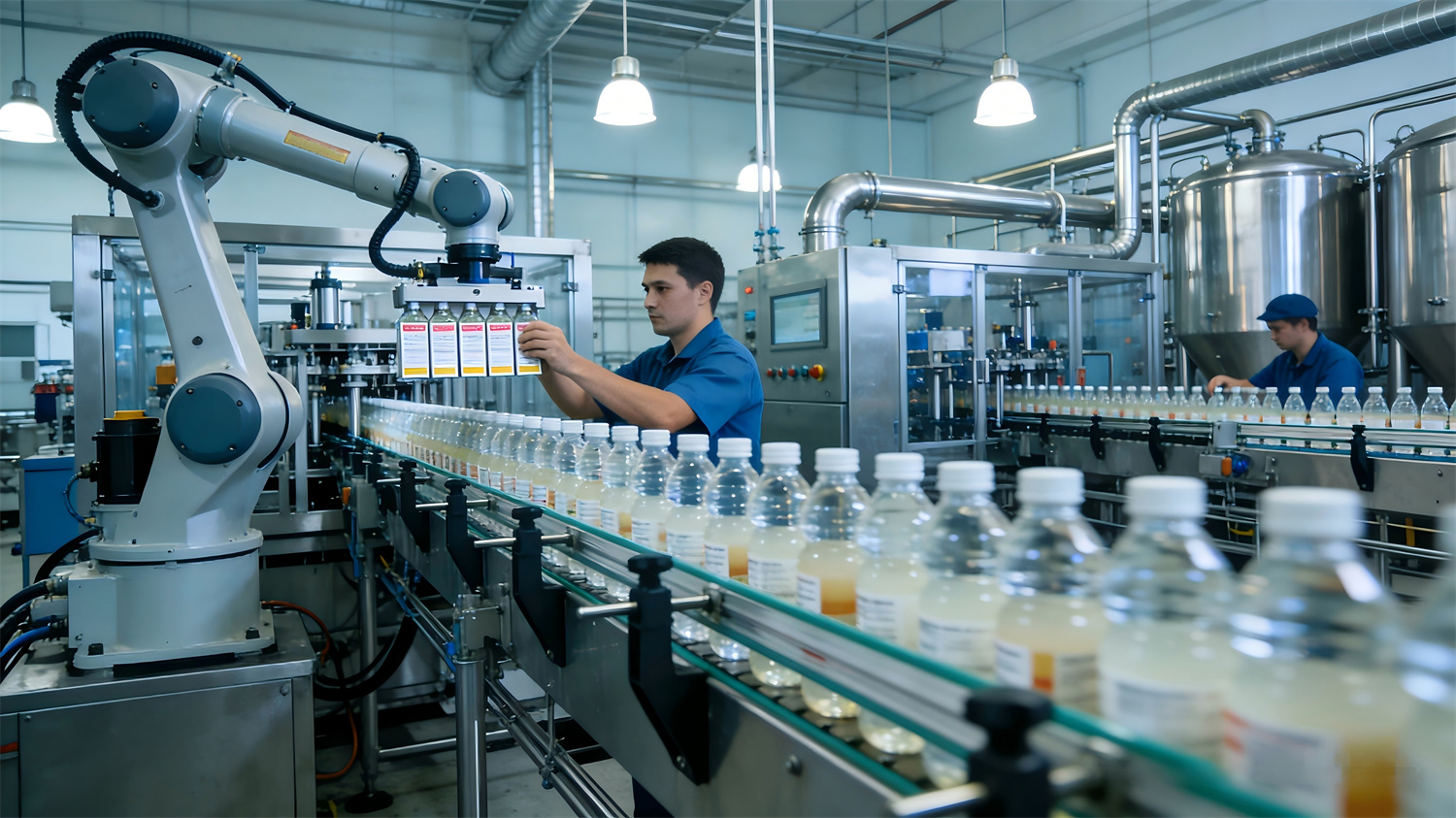
Strict FDA and hygienic standards necessitate oil-free, dry air. Water droplets trigger bacterial cultivation inside packaging lines. Our Class 0 configurations isolate the air path, preventing trace contaminants from reaching consumer goods.
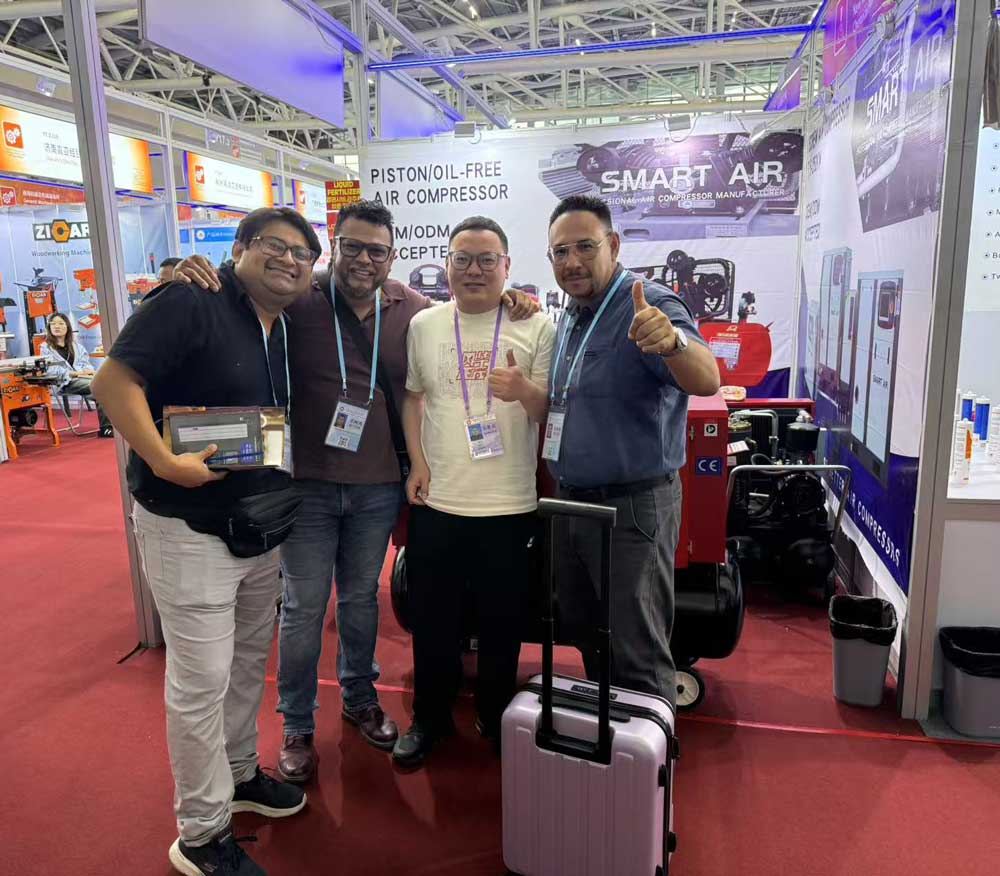
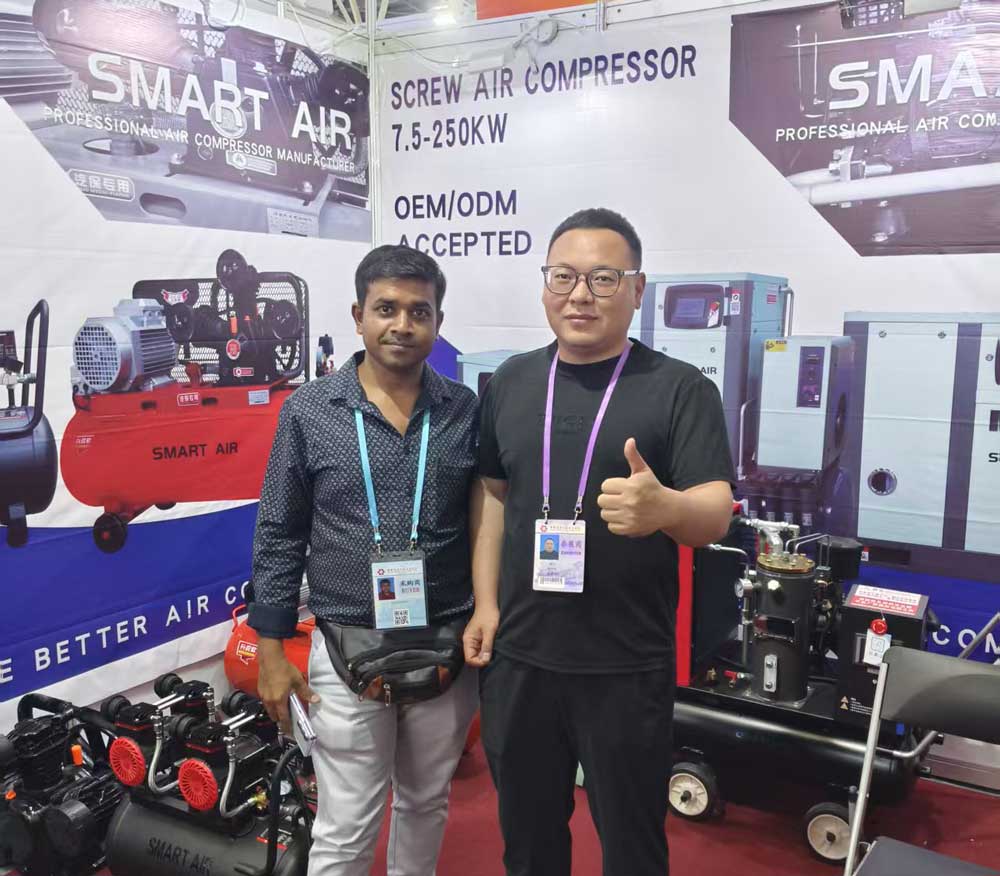
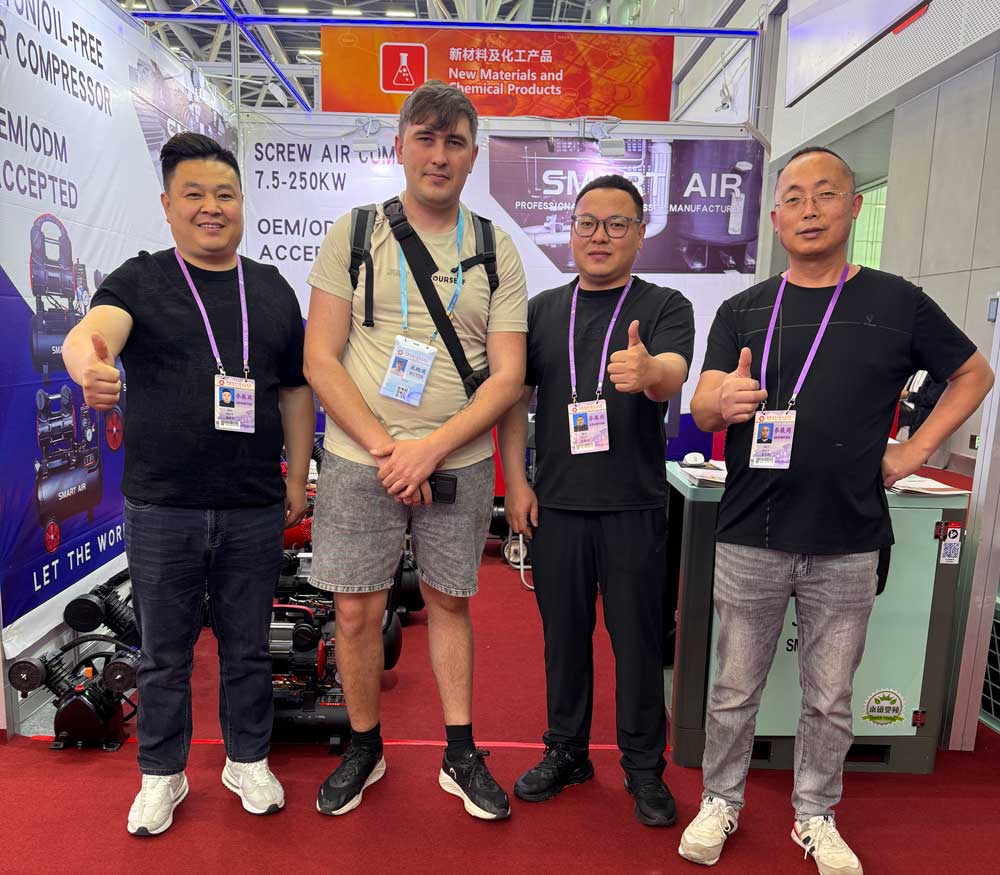
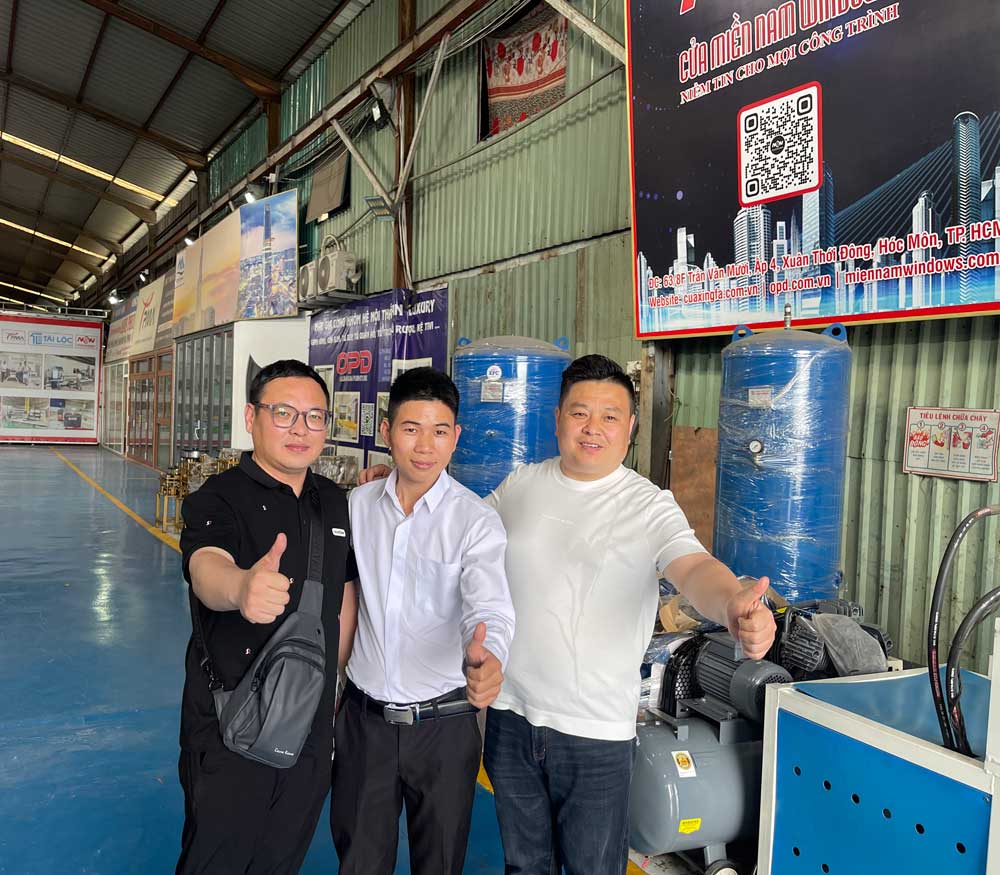
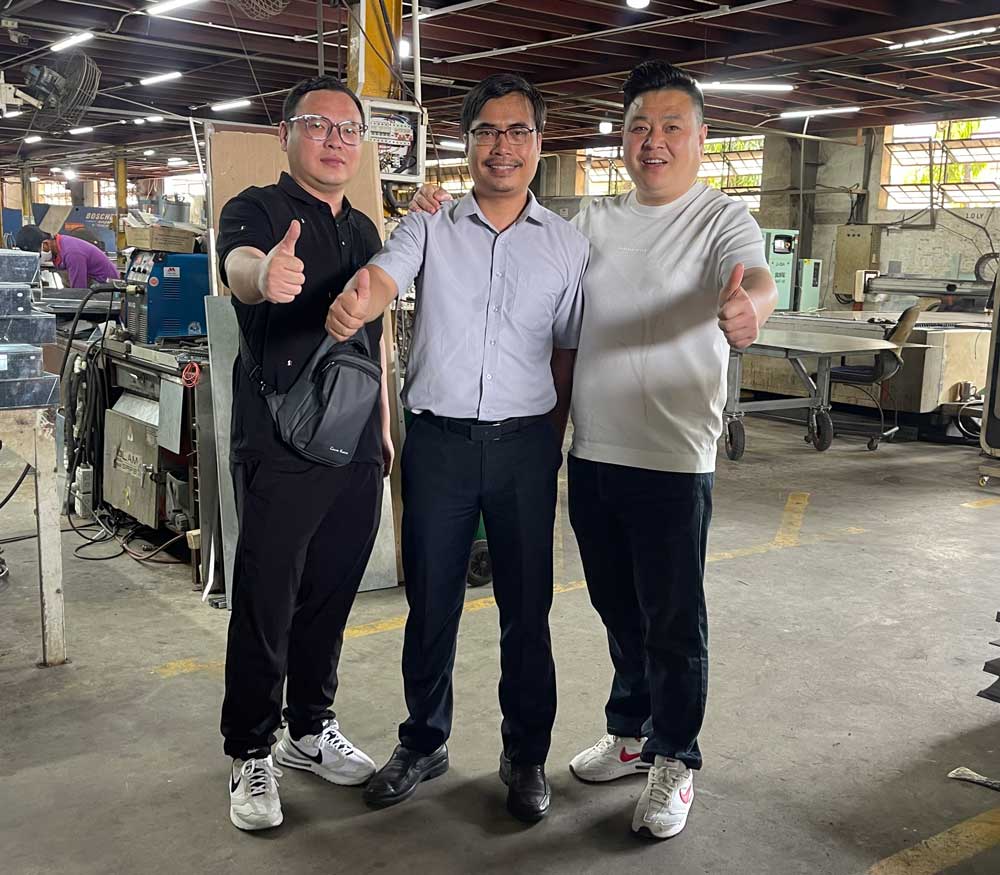
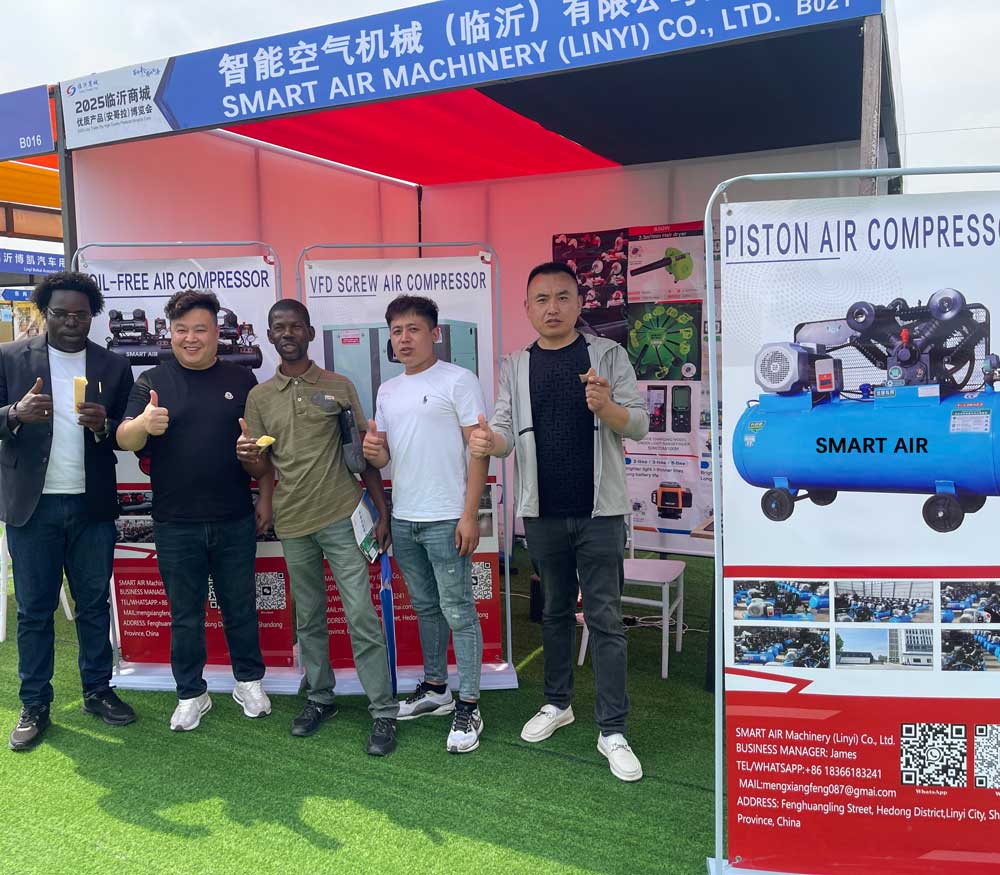
Learn More →Connecting with procurement directors, heavy machine engineers, and global distributors around the globe.

Strategic directions in variable speed refrigeration cycles, green refrigerants, and intelligent energy recovery loops.
Traditional non-cycling refrigerated air dryers run continuously at full load regardless of the actual air consumption. Smart Air’s engineering roadmap focuses heavily on cycling designs utilizing high-capacity thermal mass fluids or phase change materials (PCM). Under low air demand, the refrigeration compressor turns off while the pre-chilled thermal mass continues to condense the incoming moisture, saving up to 60% on operational power overheads.
Integrating Permanent Magnet Variable Speed Drives (PM VSD) with air dryer fan speeds and compressor motors allows real-time adjustments relative to the air velocity, temperature, and ambient humidity. When monitored through custom IoT interfaces, managers can track dew point status, pressure differential indicators, and condenser thermal efficiency from remote plant control centers.
Global environmental agreements push for the replacement of hydrofluorocarbons (HFCs). Our engineering factory is proactively transition from R134a and R407c to eco-friendly, ultra-low Global Warming Potential (GWP) alternatives such as R513A and R449A. This ensures our worldwide clientele remains ahead of strict environmental audits in European and North American markets.
Desiccant dryers require dry air to regenerate wet desiccant beds. Heatless systems dump high amounts of compressed air (up to 20%) to the atmosphere. We are implementing waste heat capture loops from the primary screw compressor oil circuits to heat the desiccant beds. This drastically lowers or completely eliminates purge air loss, lowering overall factory overheads.
Review our specialized high-performance product series. Designed to combine compression, filtration, and dehydration into a single physical footprint.
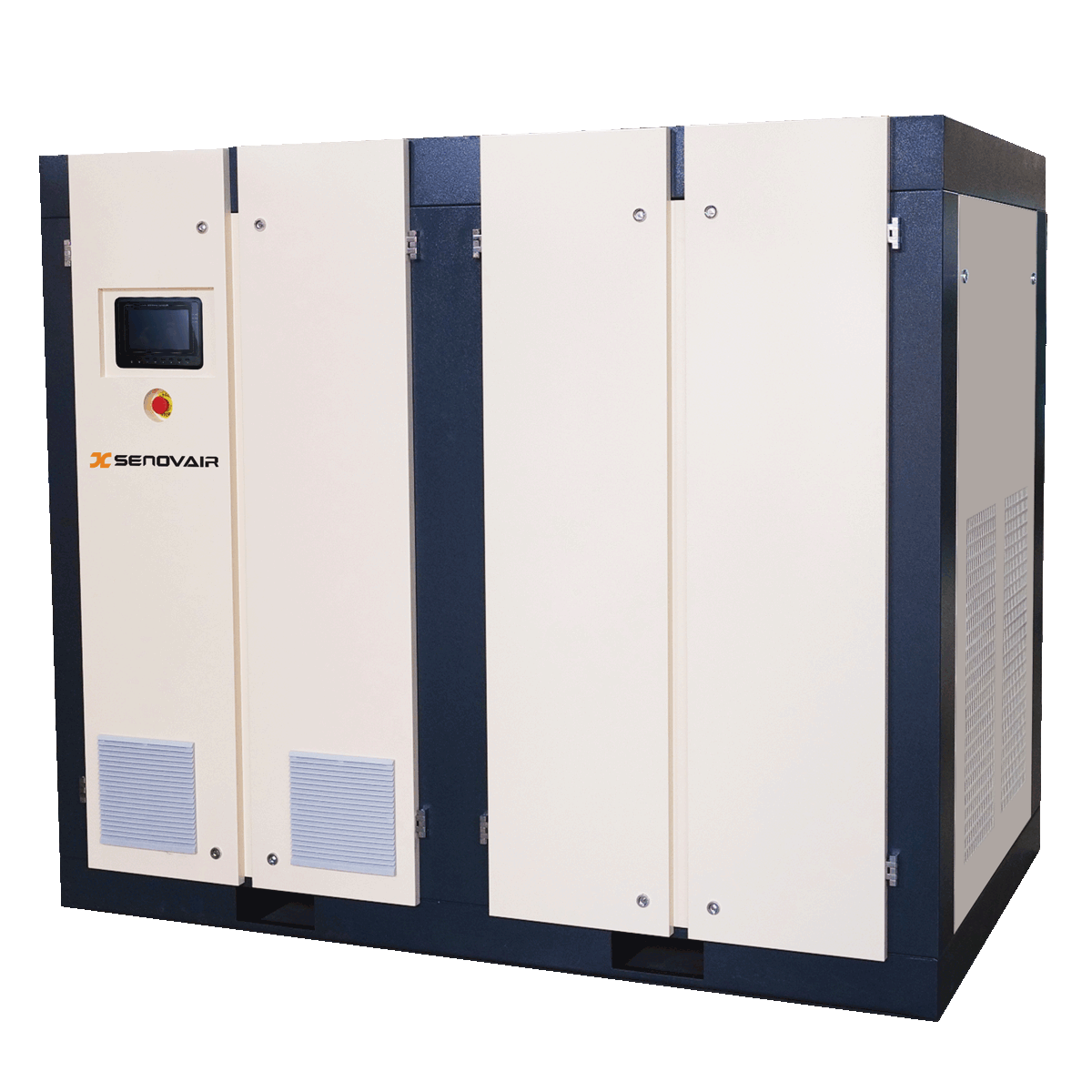
Maximizes energy output through two-stage compression cycles. Equipped with permanent magnet synchronous motors.
Read Technical Sheet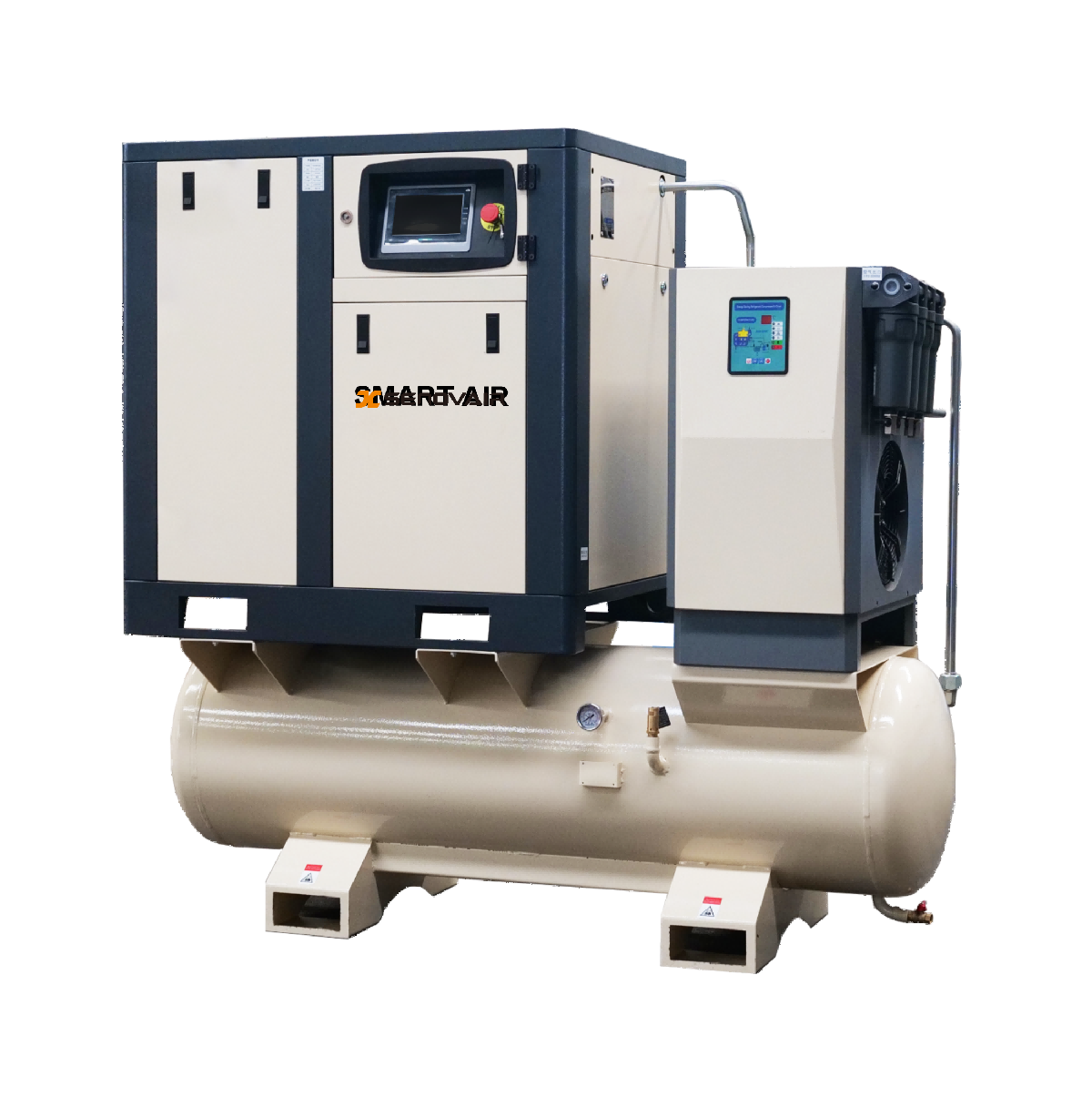
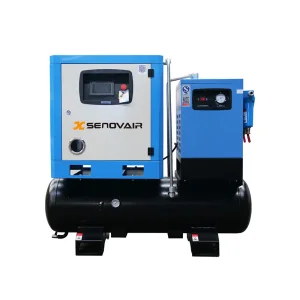
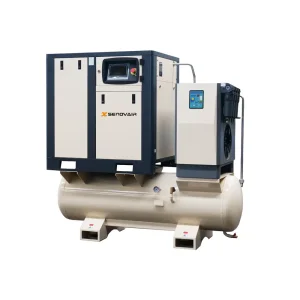
Integrates air compression, desiccant/refrigeration dryer, filtration, and air receiver vessel on a heavy-duty skid.
Read Technical Sheet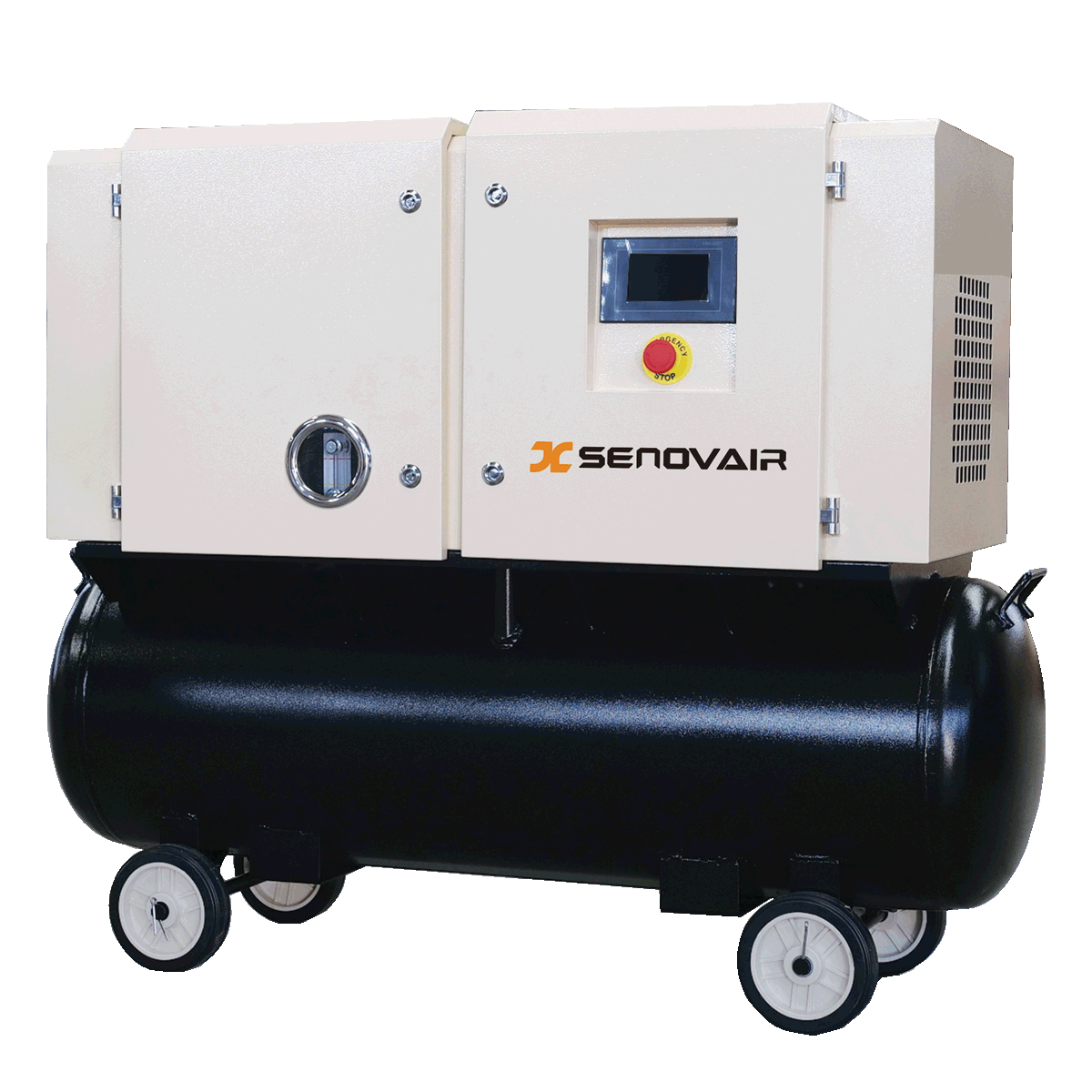
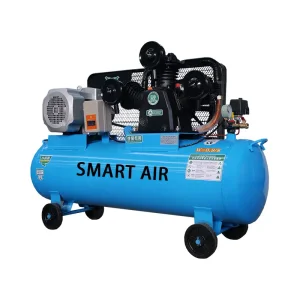
Compact engineering utilizing wheel mounting for easy transportation. Combines compressor core with receiver tank.
Read Technical Sheet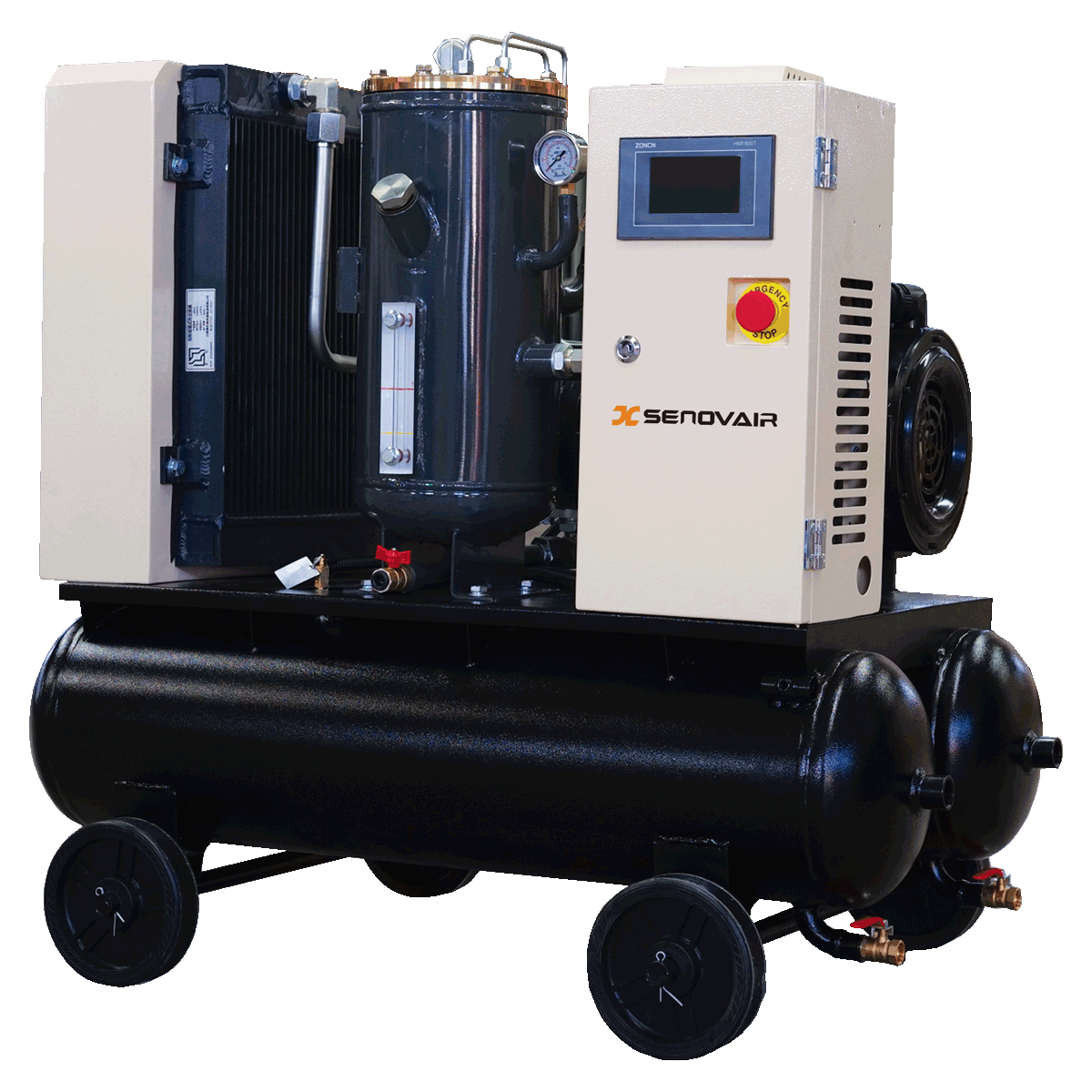
Tailor-made for limited-space workshops or garages. Extremely low noise levels with robust build quality.
Read Technical Sheet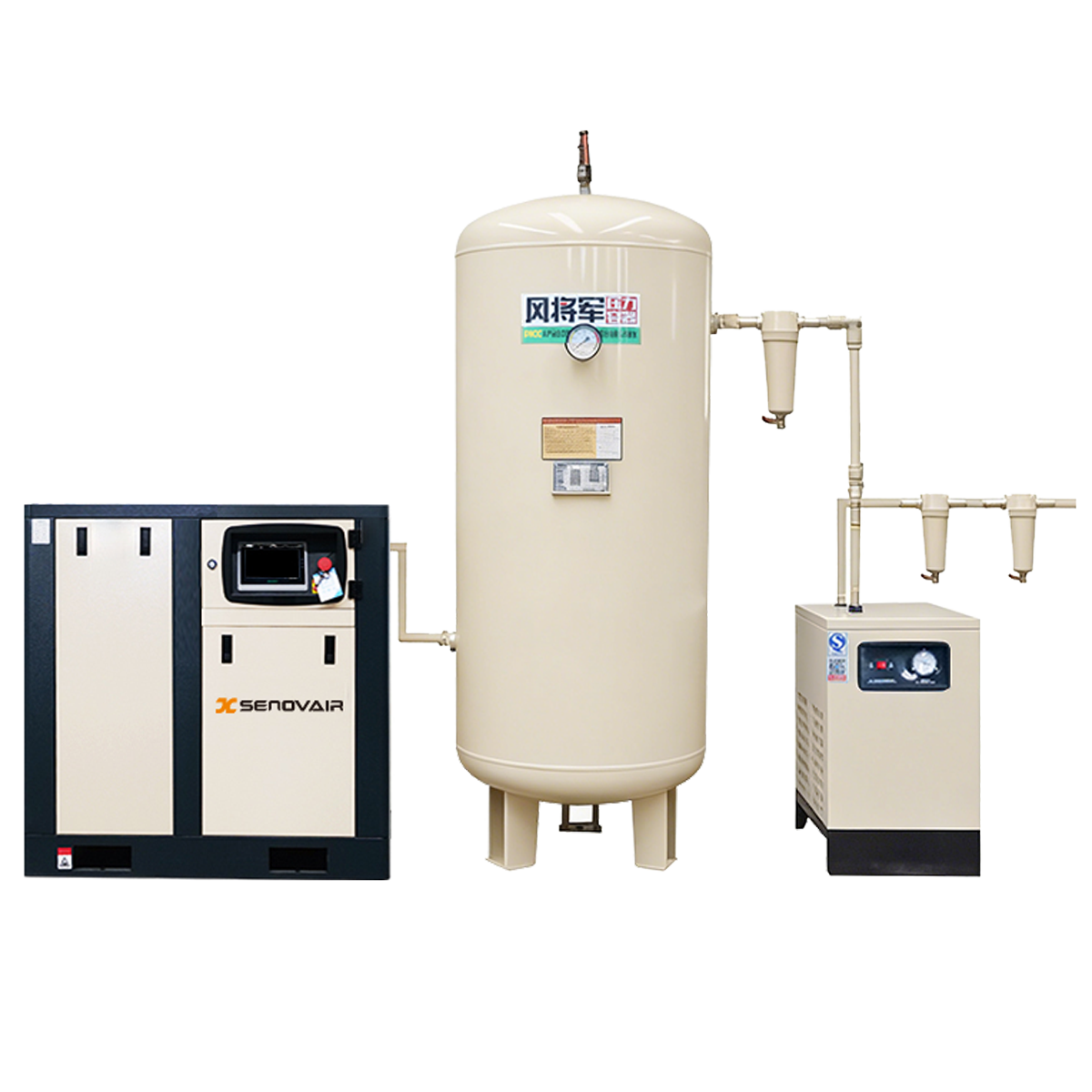
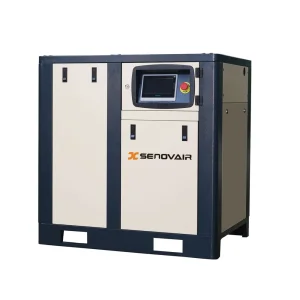
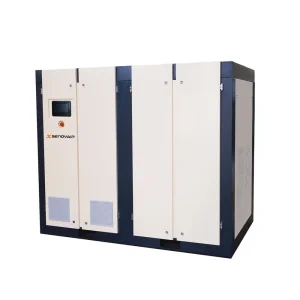
Optimized heavy industrial plant layout combining multi-stage screw compressors, drying system, and control interfaces.
Read Technical Sheet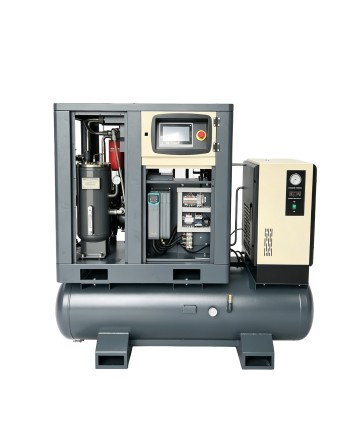
Equipped with high pressure capabilities for 15-20 bar operations with specialized clean-air filter lines.
Read Technical SheetIn-depth responses to critical thermodynamic, sizing, and configuration questions commonly posed by procurement managers and field operators.
It depends entirely on your required ISO purity class. Refrigerated dryers cool the air down to approximately +3°C (37°F) to condense out liquid water, making them perfect for general factory pneumatic machinery. Desiccant dryers use chemical adsorption (activated alumina or molecular sieves) to pull water vapor at the molecular level, delivering a pressure dew point of -40°C to -70°C. Choose desiccant systems for sub-zero outdoor piping, chemical instrumentation, or high-purity pharmaceutical lines.
Compressed air saturated with moisture carries double the water volume for every 5°C increase in temperature. A dryer sized for a 35°C (95°F) inlet air temperature will experience thermal overload if the upstream compressor's aftercooler outputs air at 45°C (113°F). You must apply temperature correction factors during sizing, or choose an oversized dryer model to prevent water carryover during hot summer months.
High pressure drops are typically caused by undersized piping connection ports, clogged pre-filters (coalescing models), or fouled heat exchangers. A high pressure drop forces the air compressor to run at a higher set pressure, driving up electricity consumption. Smart Air utilizes oversized internal manifolds and premium high-flow filters to keep system pressure drop below 0.15 bar (2.1 psi).
Under standard operating conditions with proper upstream oil filtration, premium activated alumina desiccant lasts between 2 to 3 years (approx. 10,000 to 12,000 running hours). If upstream oil filters fail and oil vapor coats the desiccant beads (known as oil poisoning), the adsorption pores become blocked, requiring immediate desiccant replacement.
The 4-in-1 integrates the rotary screw air compressor block, a refrigerated air dryer, multi-stage filtration, and an air receiver tank onto a single chassis. This eliminates the necessity of complex external piping, reduces pressure drops between components, saves up to 50% floor space, and ensures the dryer starts and stops in harmony with the compressor cycle.
Yes, desiccant air dryers are the only systems capable of delivering sub-zero pressure dew points (-40°C or below). Since the dew point is significantly lower than the freezing point, there is no moisture left to condense and freeze inside the downstream piping system, protecting outdoor machinery in extreme cold regions.
Looking forward to your personalized system generation. Our engineering division will design a tailormade combination of screw compressors, desiccant/refrigerated dryers, and vessels to optimize your facility's energy and air purity metrics.
Consult An Application EngineerEnsure ISO compliance, eliminate line corrosion, and boost downstream pneumatic longevity with our factory products.
 Smart Air