Explore our highly integrated systems designed for robust pressure containment, efficient condensation management, and seamless system expansion.
An in-depth analysis of high-pressure storage container physics, energy loss remediation, and standard compliance for global air engineering procurement officers.
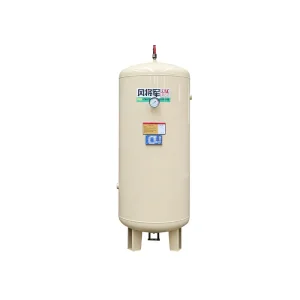
In modern industrial facilities, the compressed air system acts as the "fourth utility." However, its efficiency and safety depend directly on the structural integrity and design of the pressure containment vessel. A Compressed Air Container (commonly called an air storage tank or receiver) serves multiple thermodynamic and mechanical functions. It acts as a mechanical buffer, smoothing pressure pulses from positive-displacement compressors, and serves as a primary cooling barrier. This drop in temperature helps condense moisture out of the air flow, preventing liquid water from reaching sensitive downstream equipment.
Without an appropriately sized containment system, air compressors suffer from rapid cycling. This increases wear on motor contacts, degrades bearing components, and causes significant pressure fluctuations at the point of use. By optimizing the volume and placement of these containers, plants can stabilize system pressures, reduce energy consumption, and lower operational overhead.
The primary thermodynamic function of the compressed air container is governed by the ideal gas law. When air is rapidly compressed, thermal energy increases, resulting in hot, moisture-saturated air. As the hot compressed air enters the receiver container, the velocity drops, and the air cools against the steel shell. This process causes vaporized water to condense into liquid droplets, which accumulate at the bottom of the container for removal via automatic drain valves.
To calculate the required receiver container volume for stable operation, engineers use the formula:
Where V represents the receiver volume, Q is the compressor free air delivery (FAD), P1 is atmospheric pressure, f is the permissible motor cycle frequency, and Pmax - Pmin is the target pressure differential. Selecting an optimized, thick-walled container prevents localized velocity spikes, ensuring maximum condensation efficiency before the air reaches air dryers and filtration systems.
Your trusted engineering manufacturer specializing in industrial pressure vessels and integrated screw air systems since 2005.
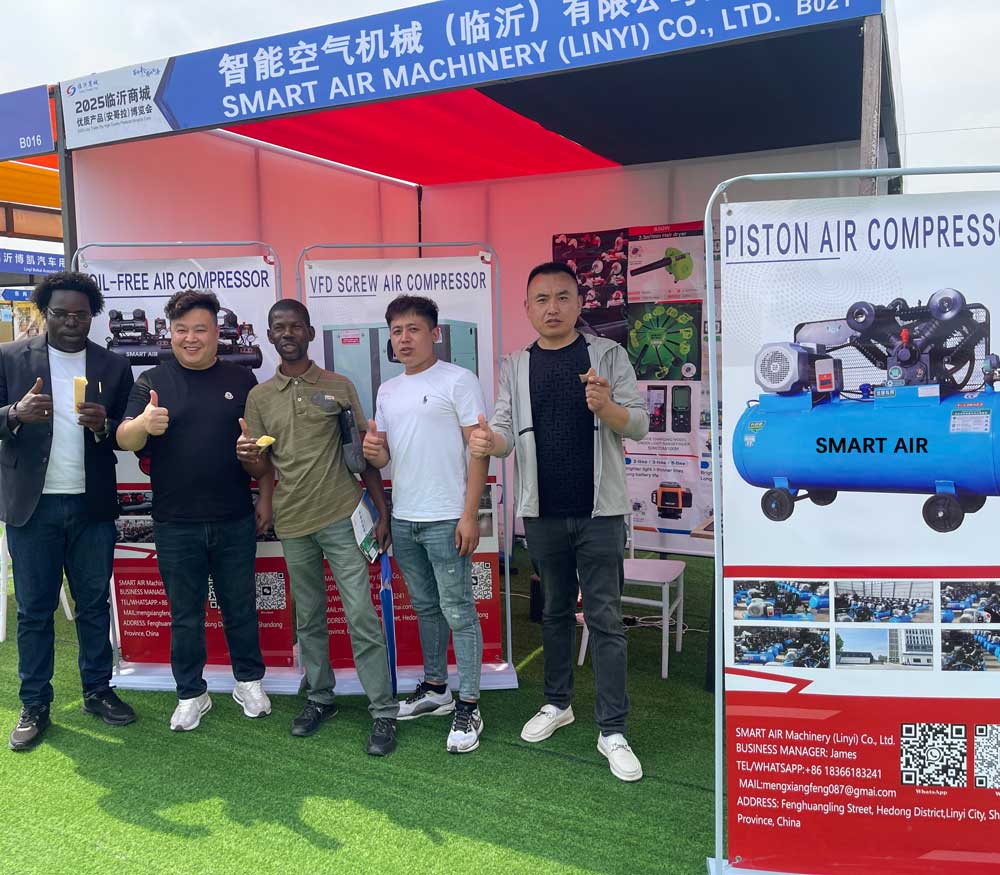
Established in 2005, Smart Air Machinery (Linyi) Co., Ltd. has developed into a diversified manufacturing enterprise integrating research and development, production, and international sales. Headquartered in Linyi, China's logistics capital, our facility leverages regional transit networks to deliver products reliably worldwide.
We employ more than two hundred skilled technicians, design engineers, and quality assurance specialists. Our production program focuses on oil-lubricated and oil-free screw air compressors, mobile piston air compressors, energy-saving permanent magnet variable speed drive (PM VSD) systems, and specialized high-pressure air storage tanks.
We combine advanced engineering design, premium materials, and verified safety margins to deliver reliable containment systems.

Based in Linyi, China's logistics hub, we offer over 20 years of research, design innovation, and extensive manufacturing experience. Our facility features advanced non-destructive testing (NDT) rooms and high-precision welding systems.

Our containers are known for their durable structure, careful material selection, and precise fabrication. They are engineered to resist corrosion, handle cycling fatigue, and operate reliably in harsh industrial environments.

Smart Air aims to build a leading position in China's air compressor industry. We operate under our own brand strategy, maintain transparent customer relationships, and continuously upgrade our automated manufacturing systems.

We work to the principle that "quality builds reputation, reputation builds the brand, and the brand builds the market." Each storage container undergoes hydrostatic tests and joint x-ray examinations before delivery, establishing us as a trusted manufacturing partner in the industry.
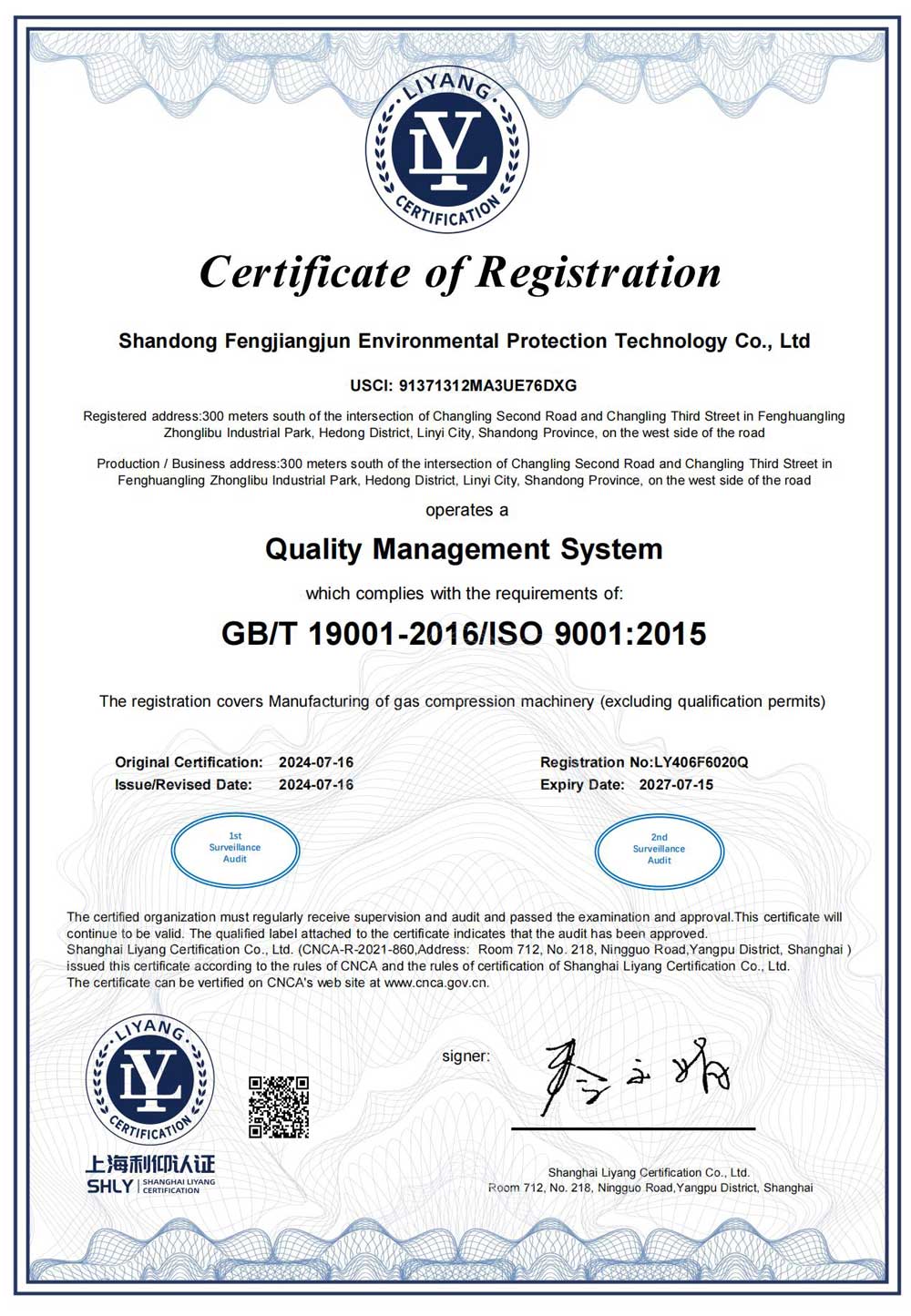
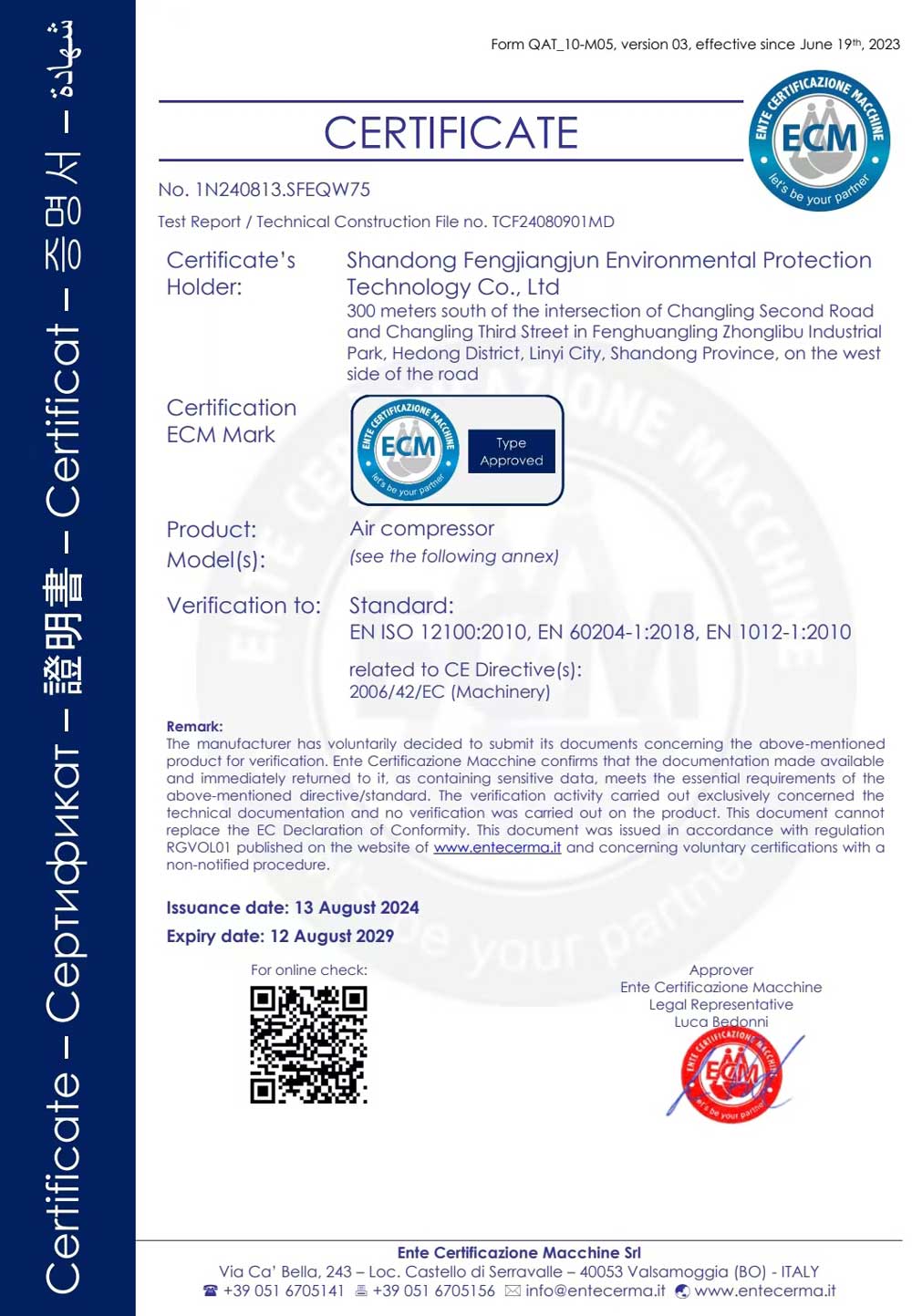
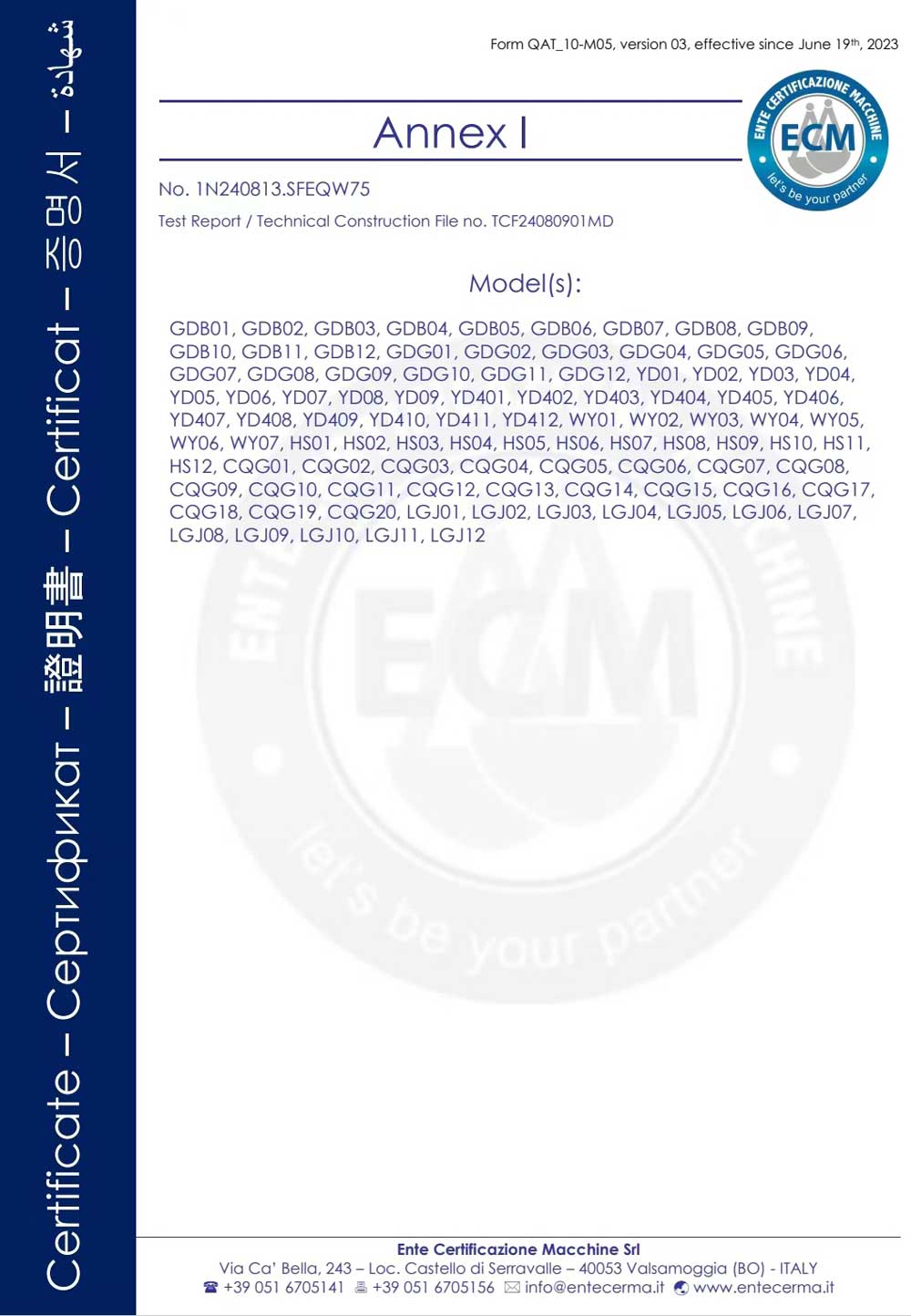
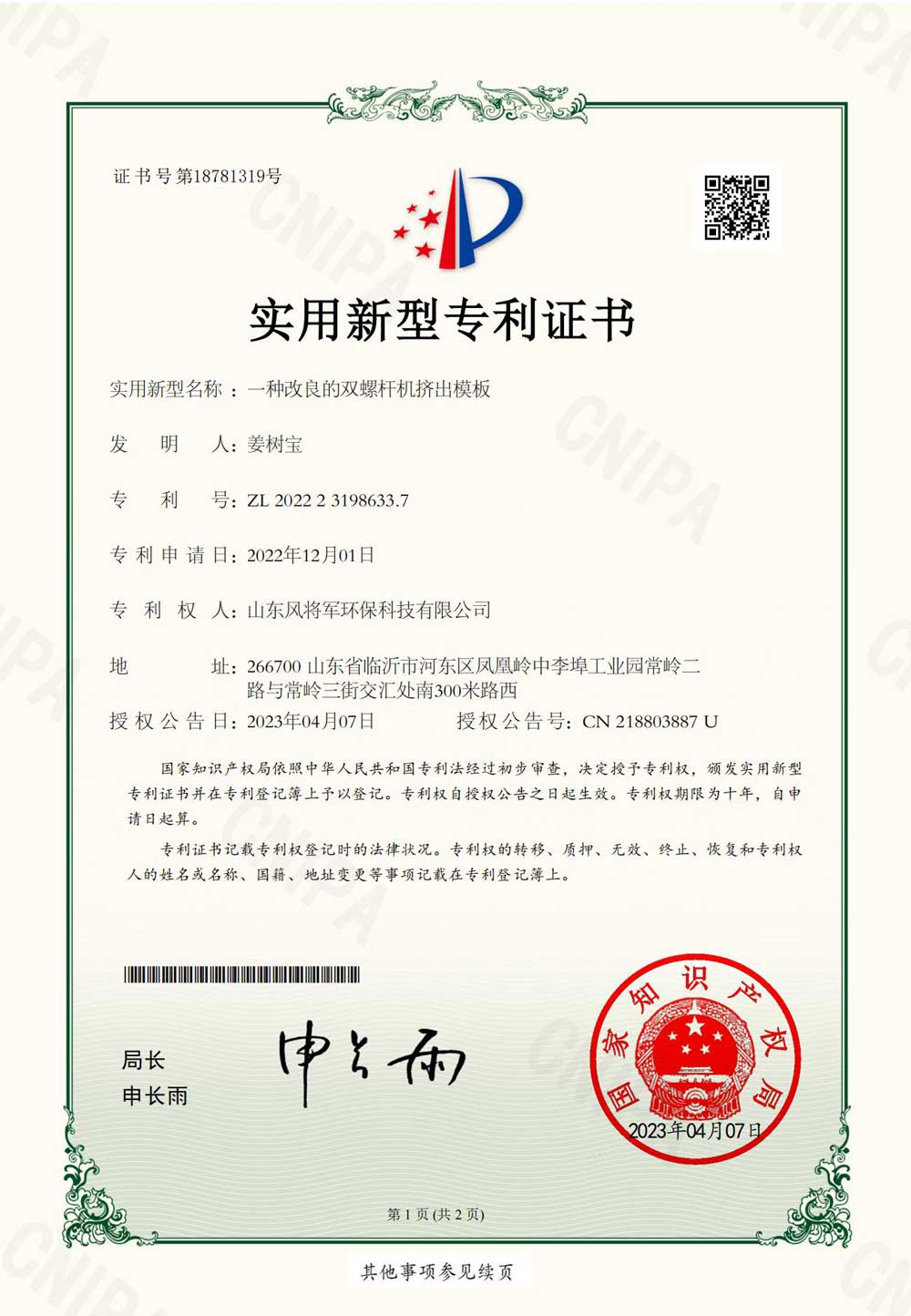
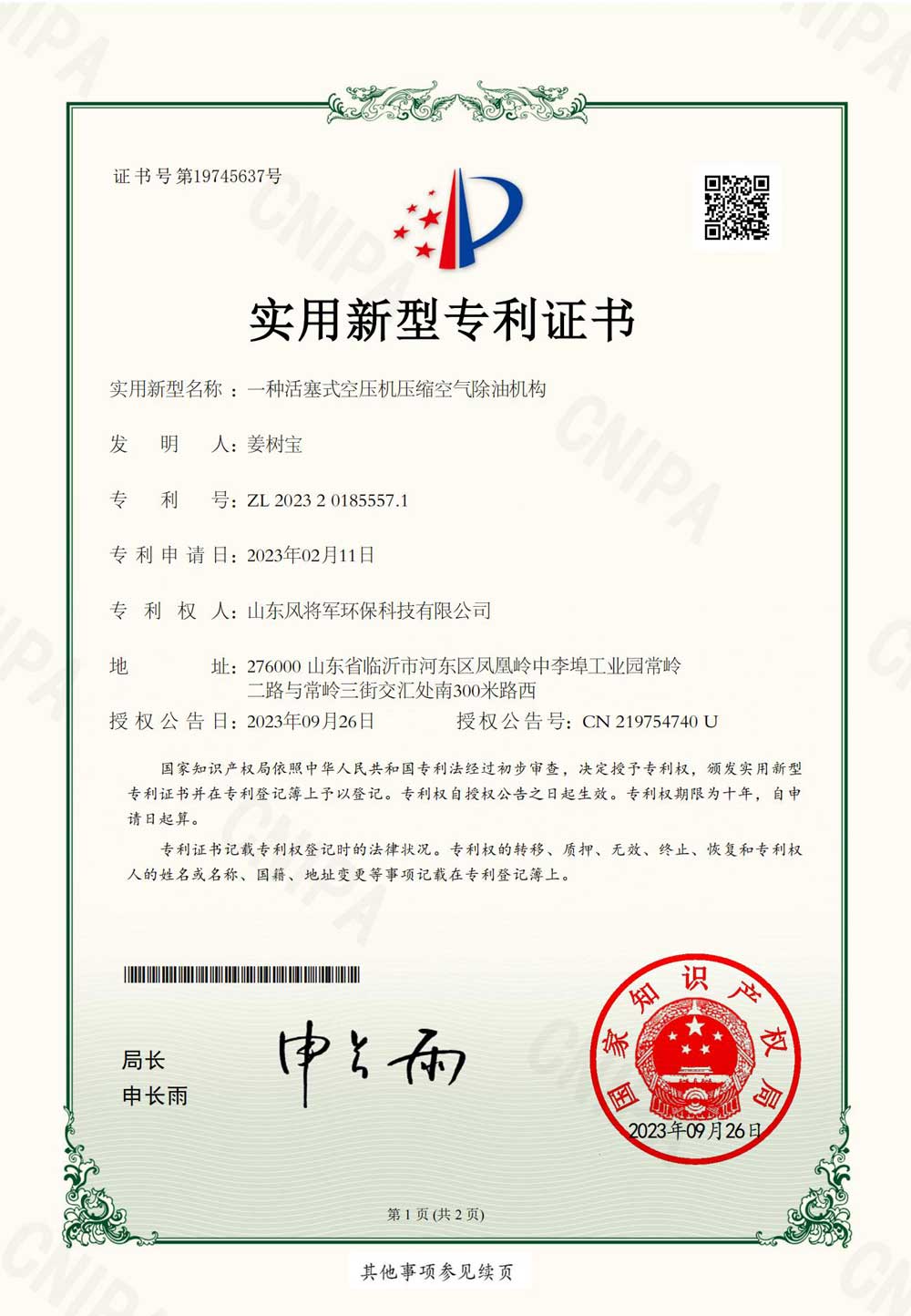
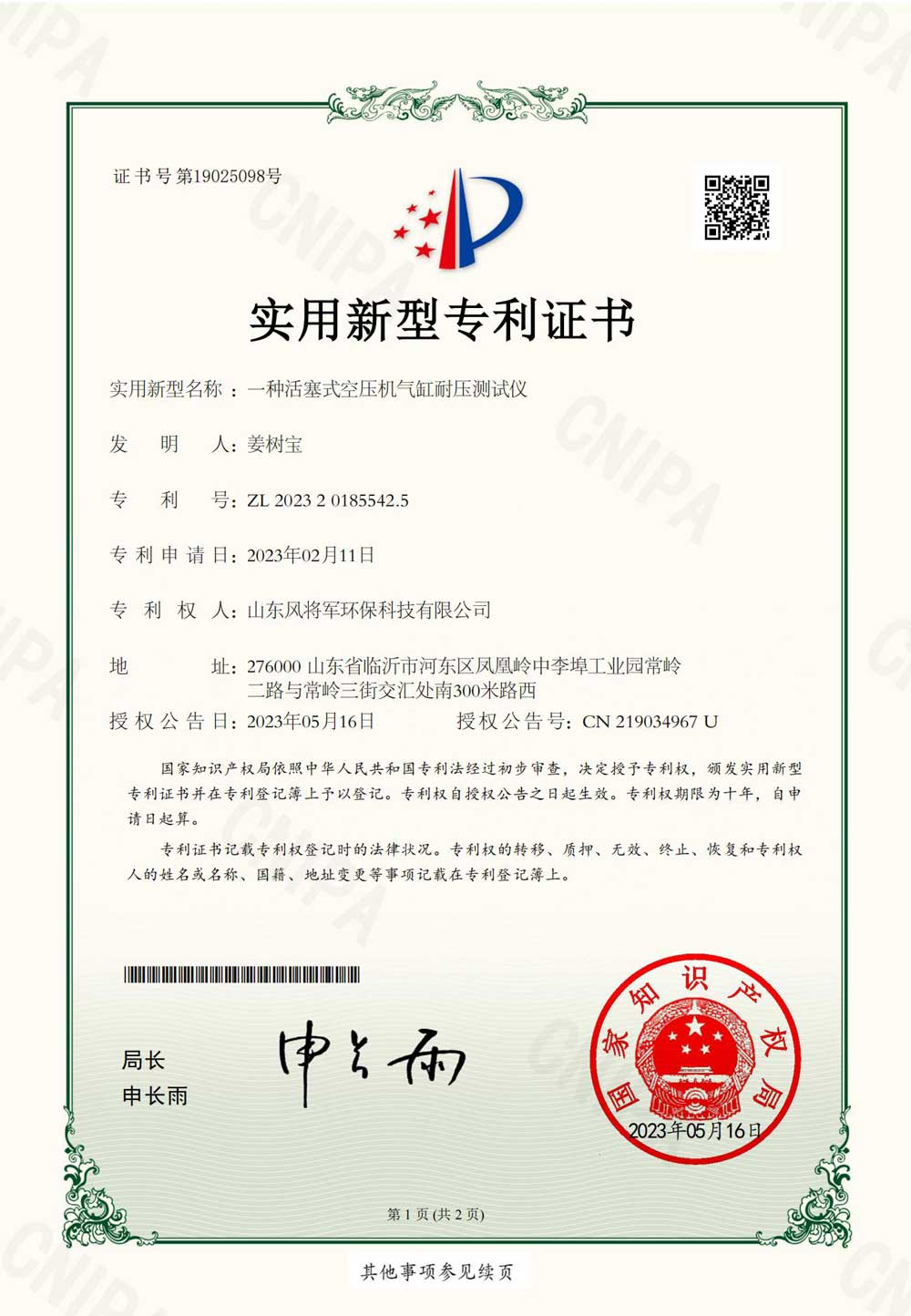
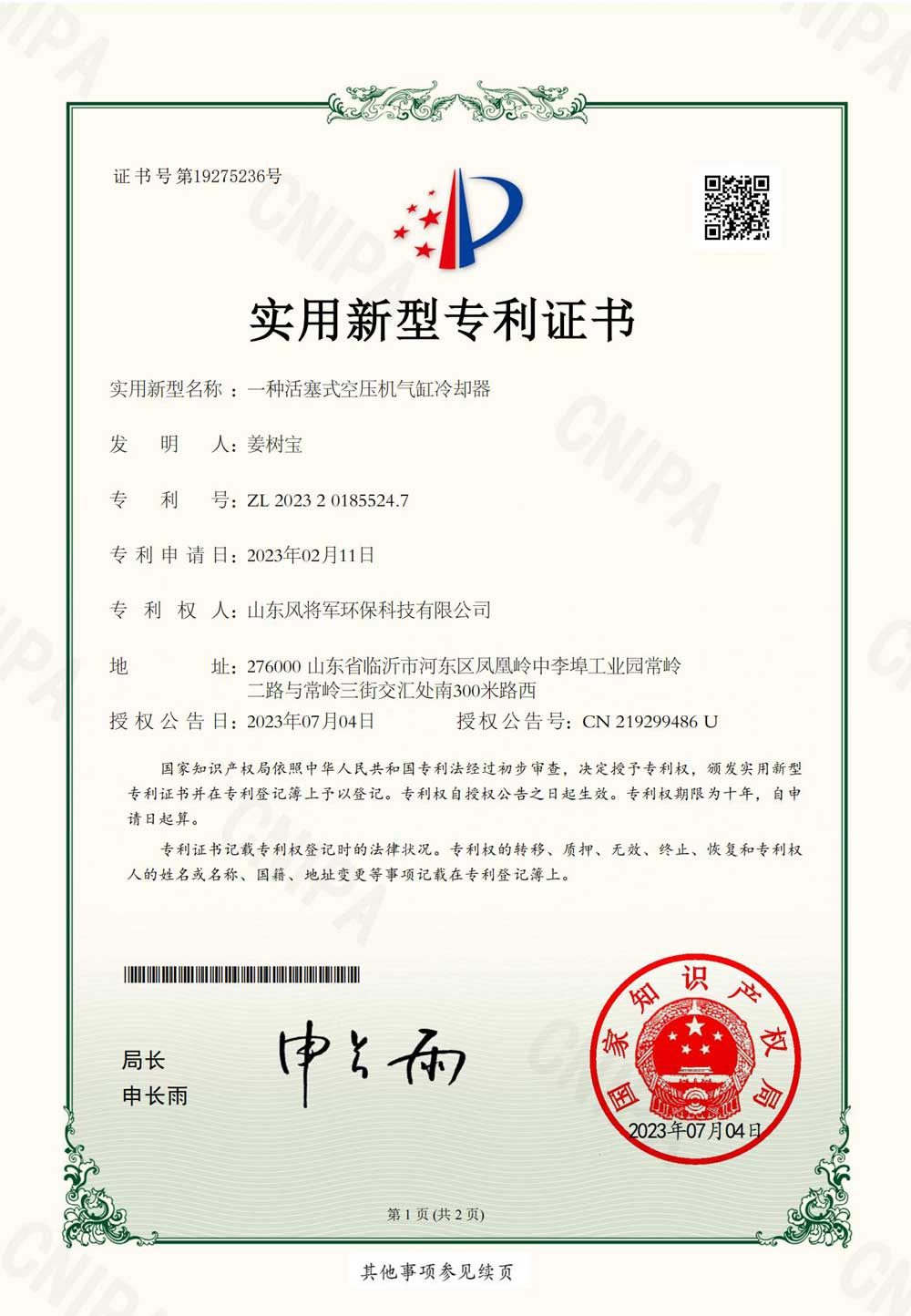
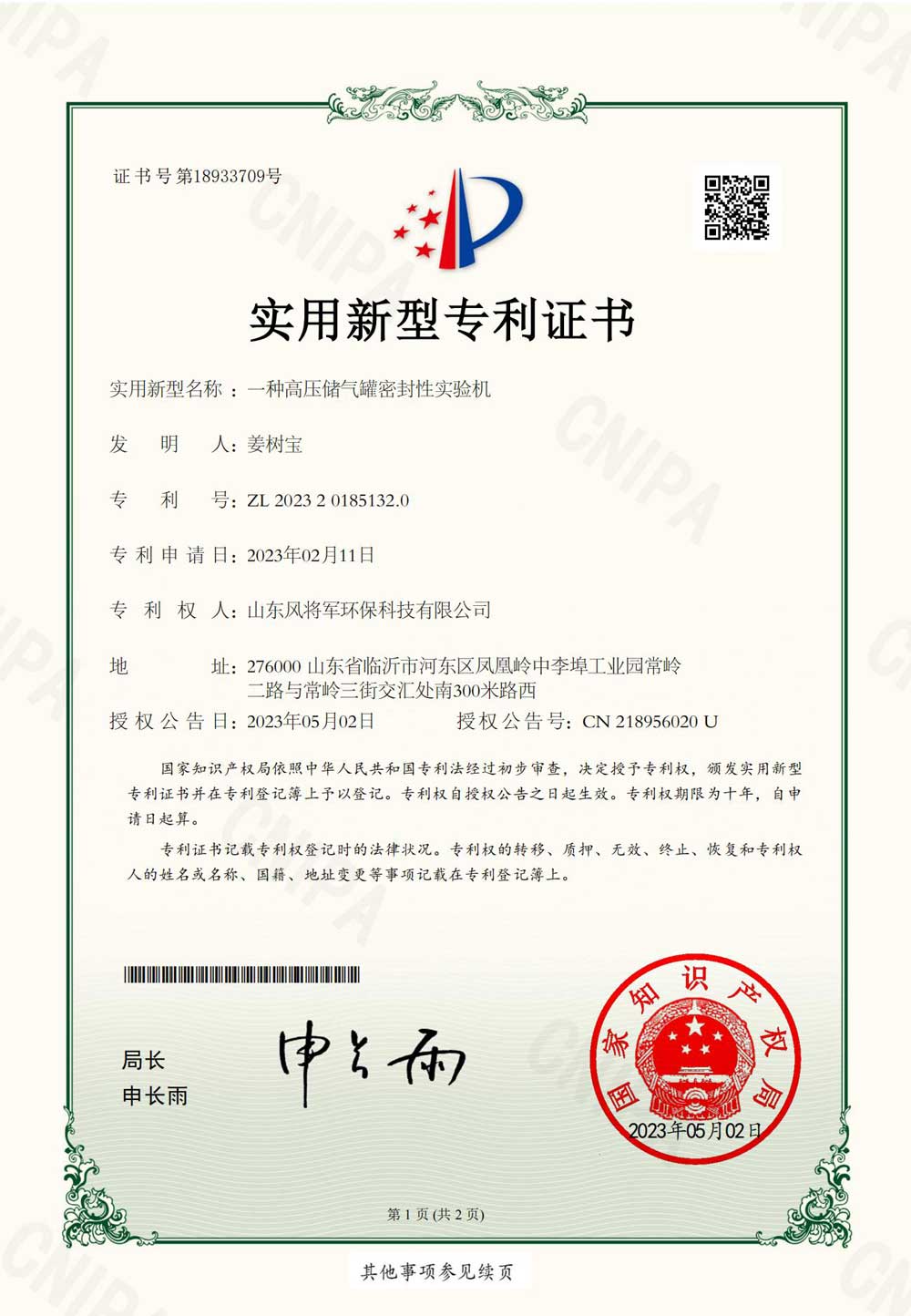
Our production quality is backed by certified safety standards and recognized green manufacturing practices.
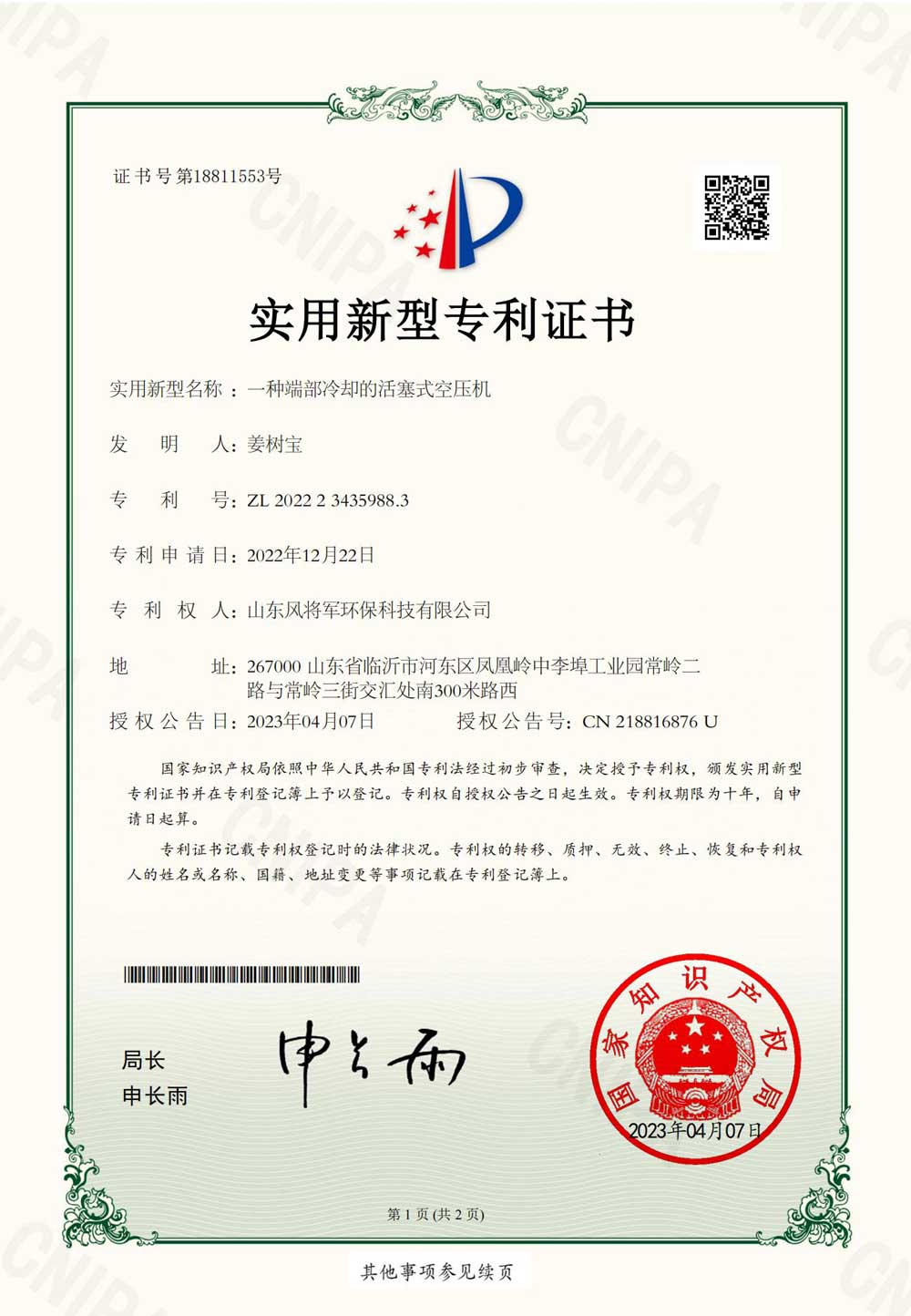
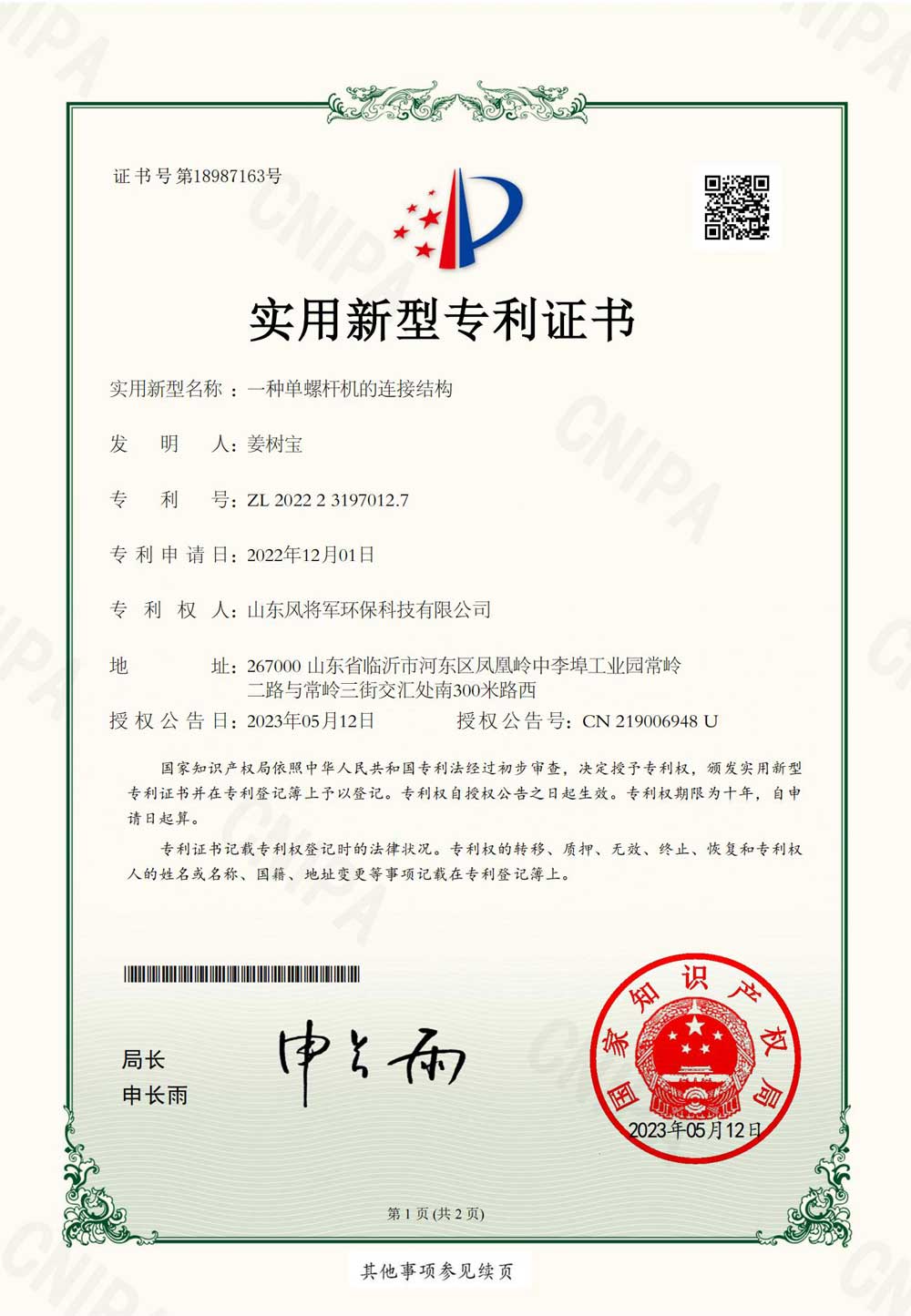
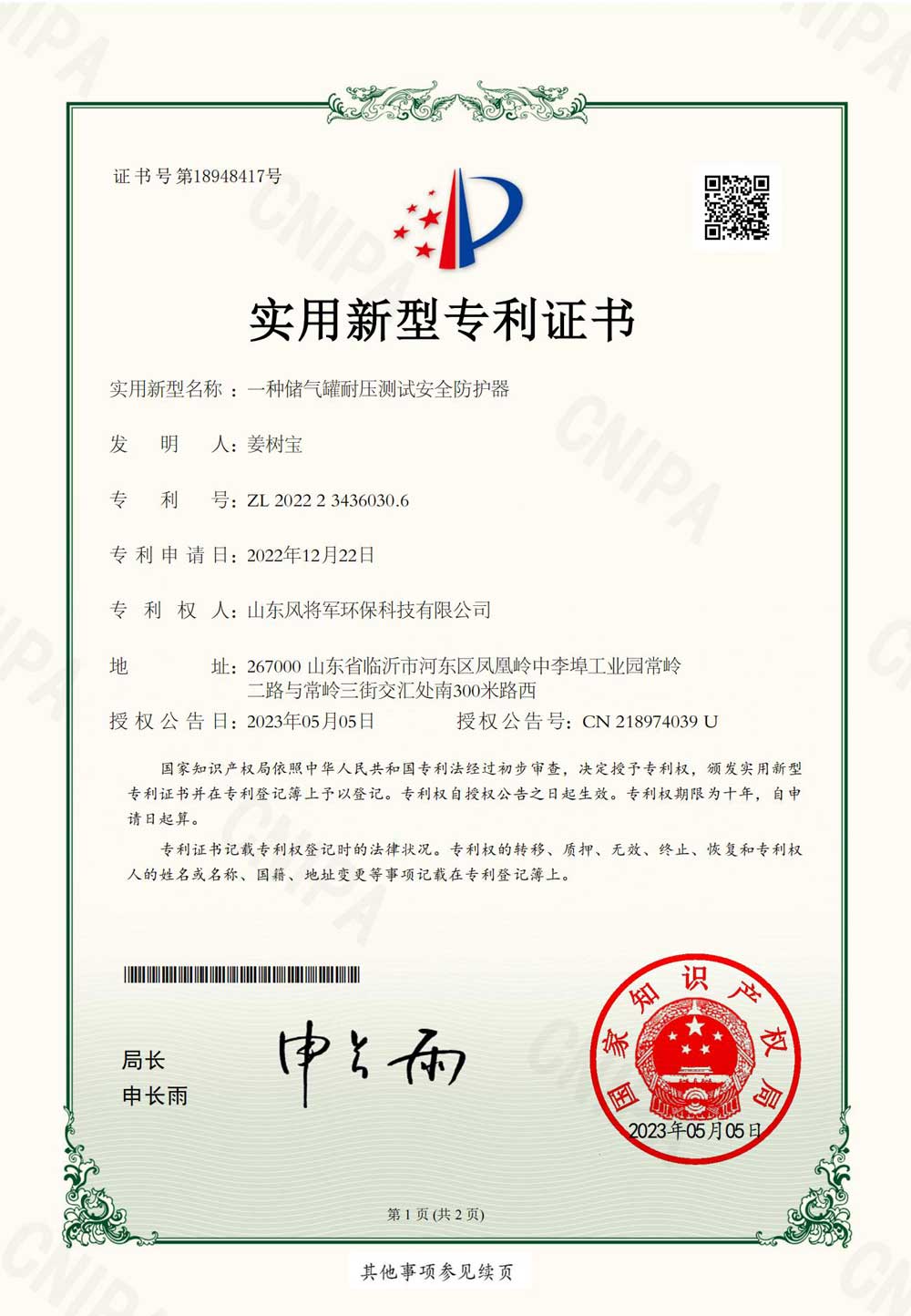
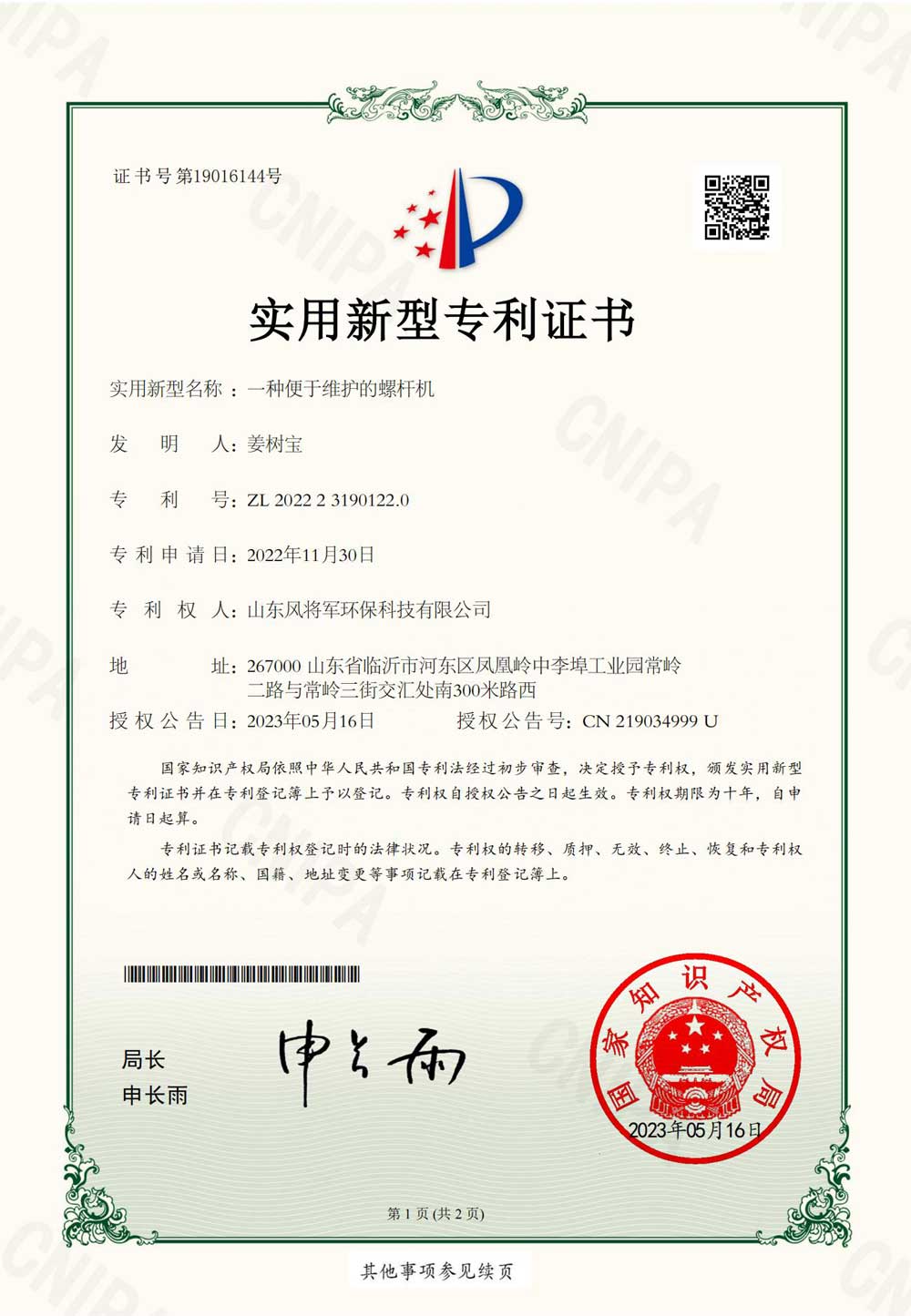
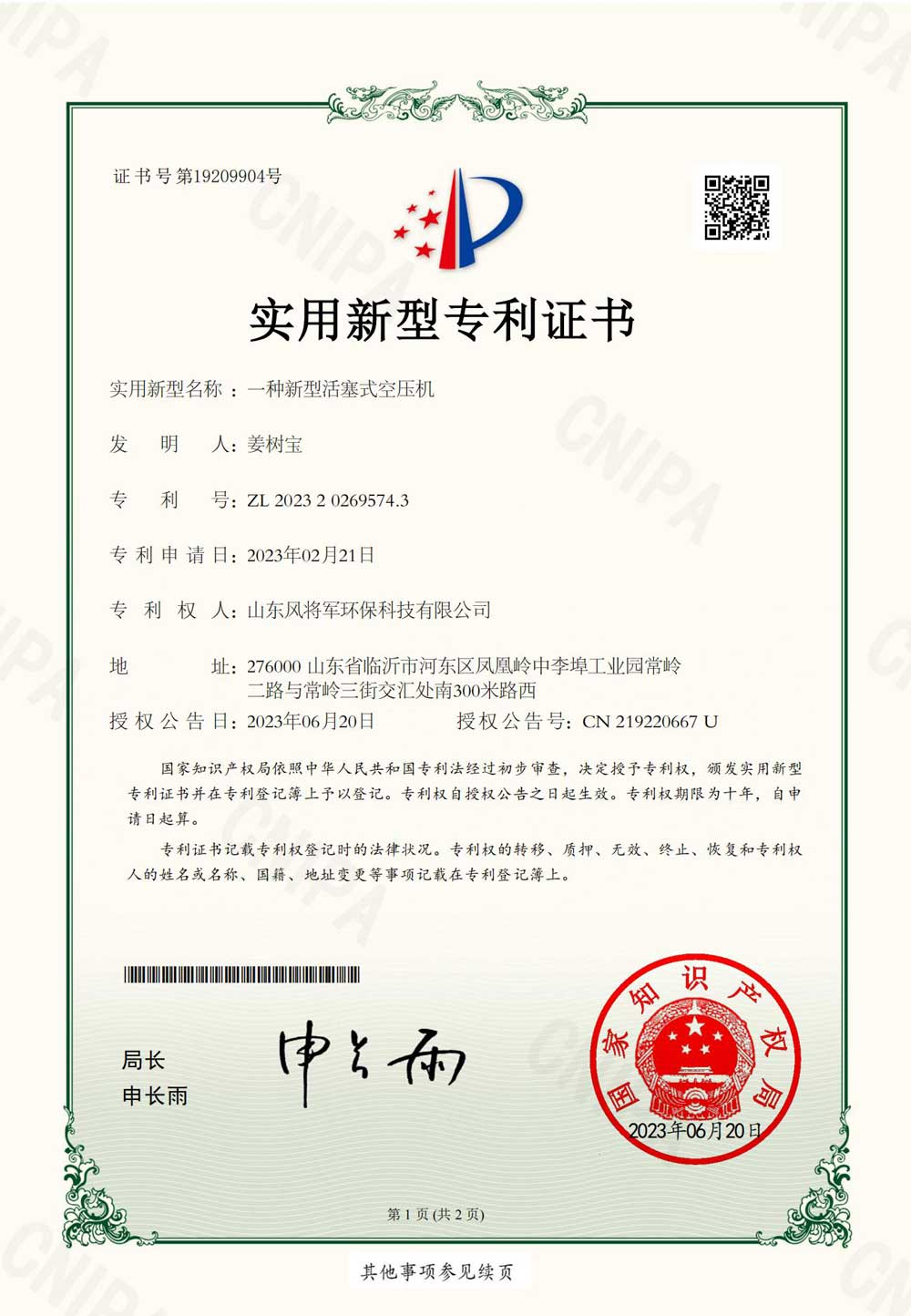
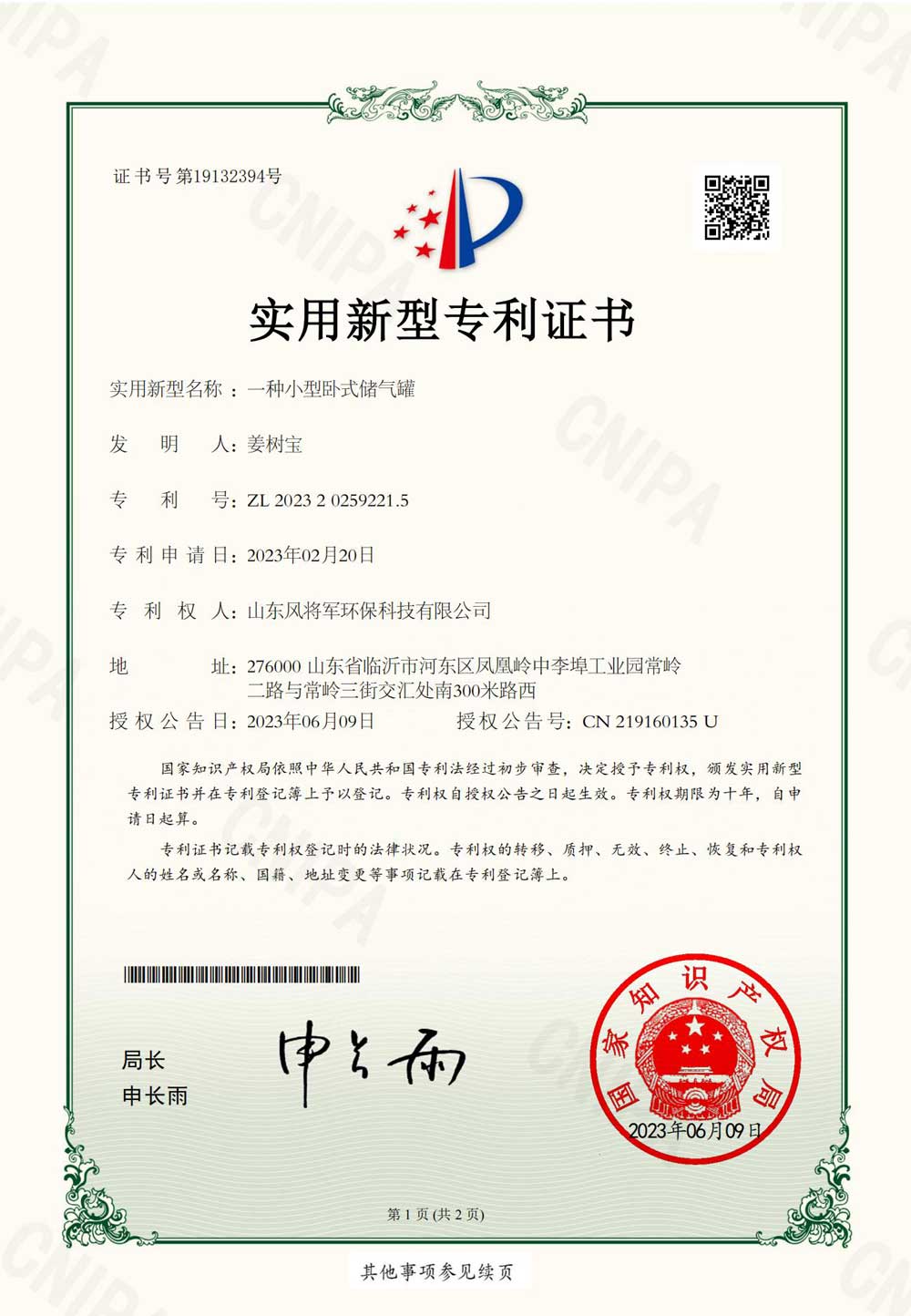
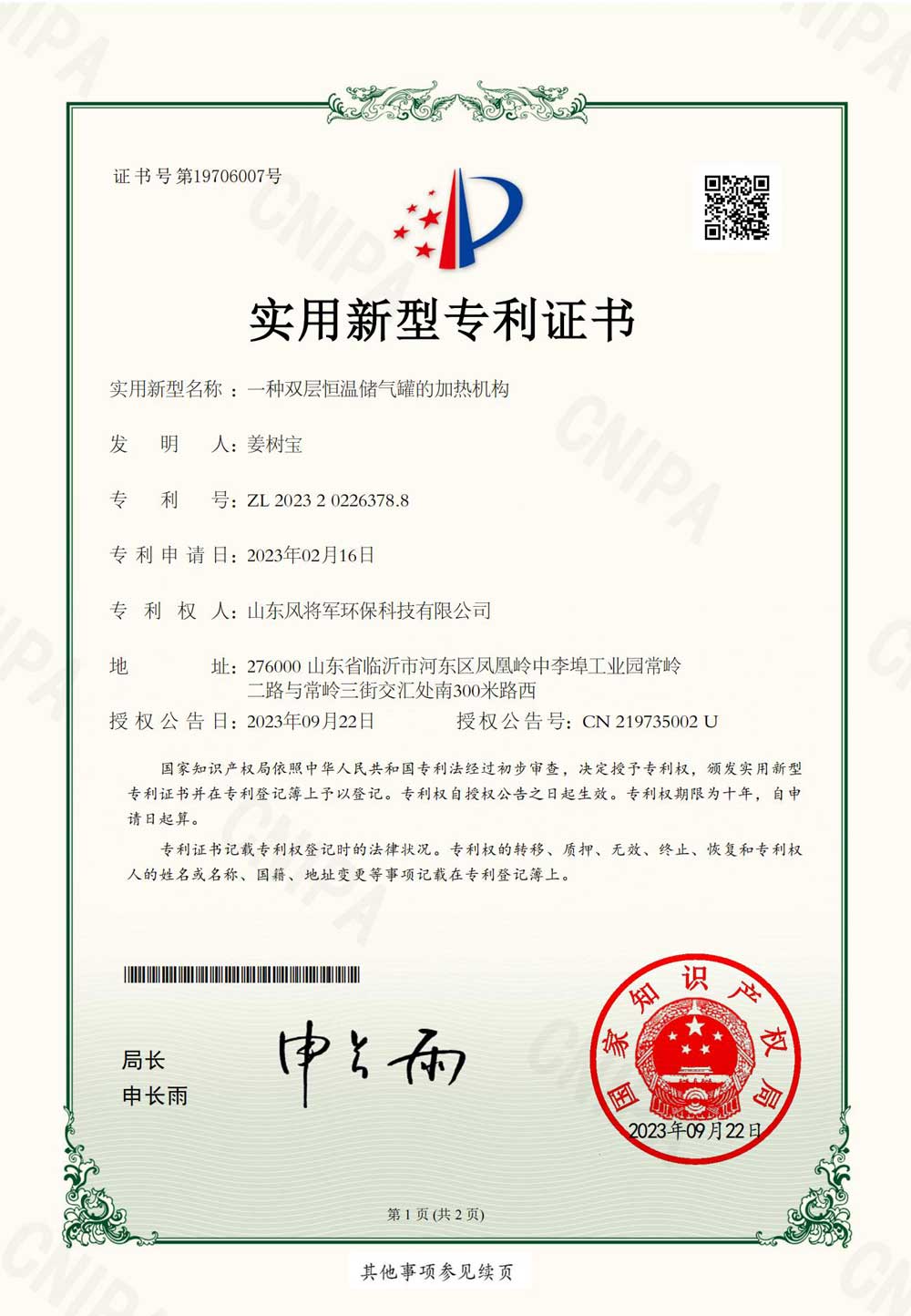
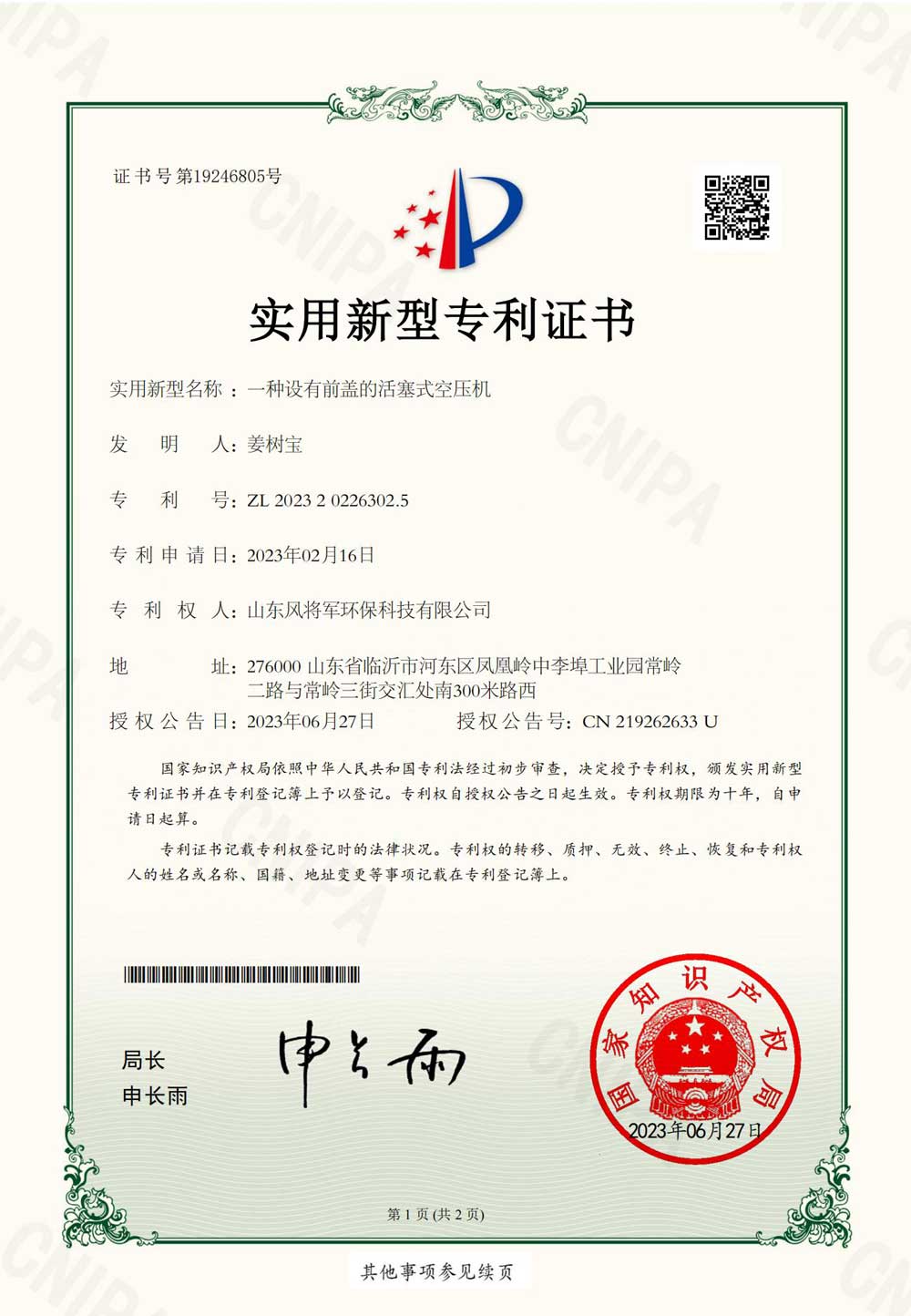
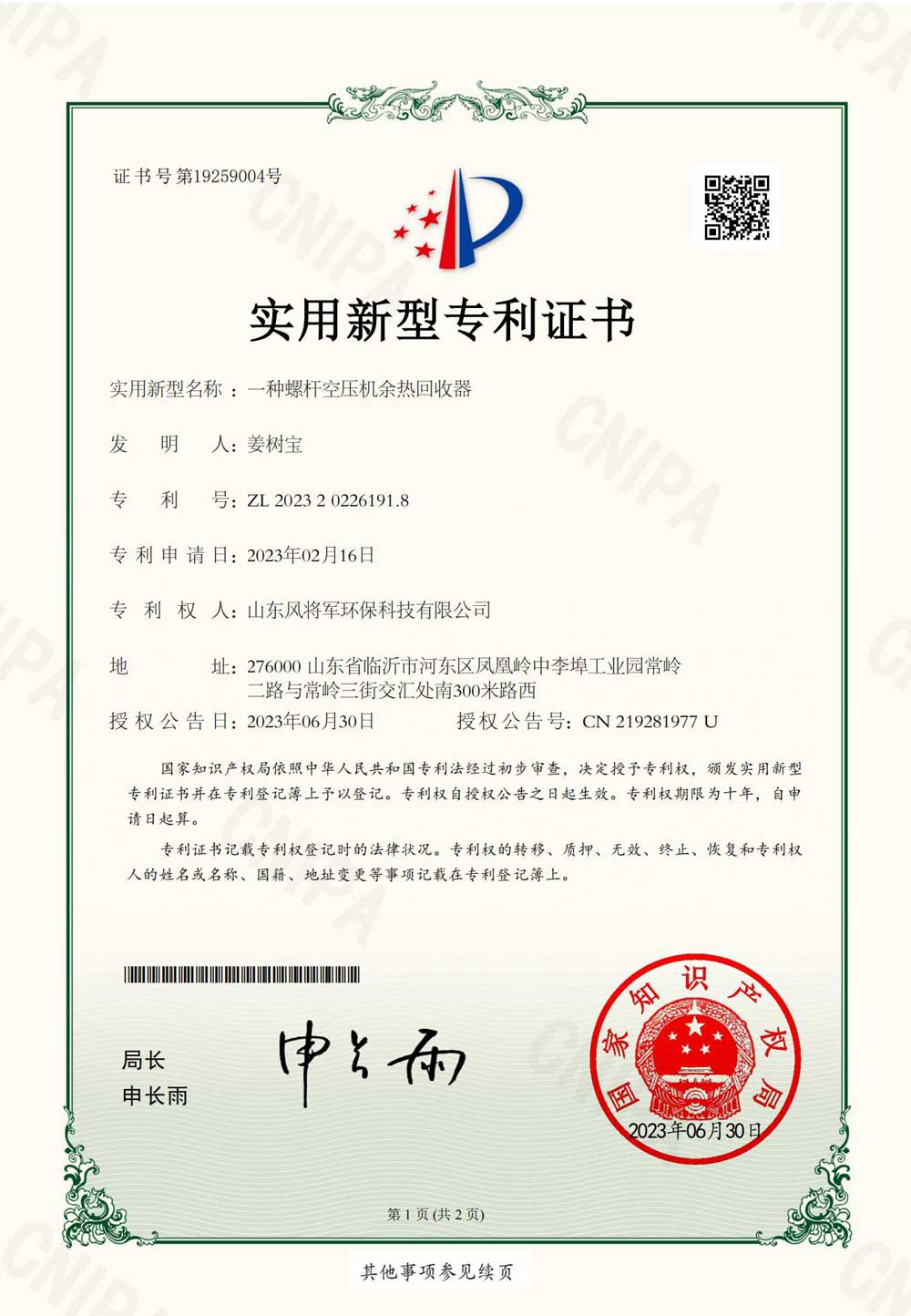
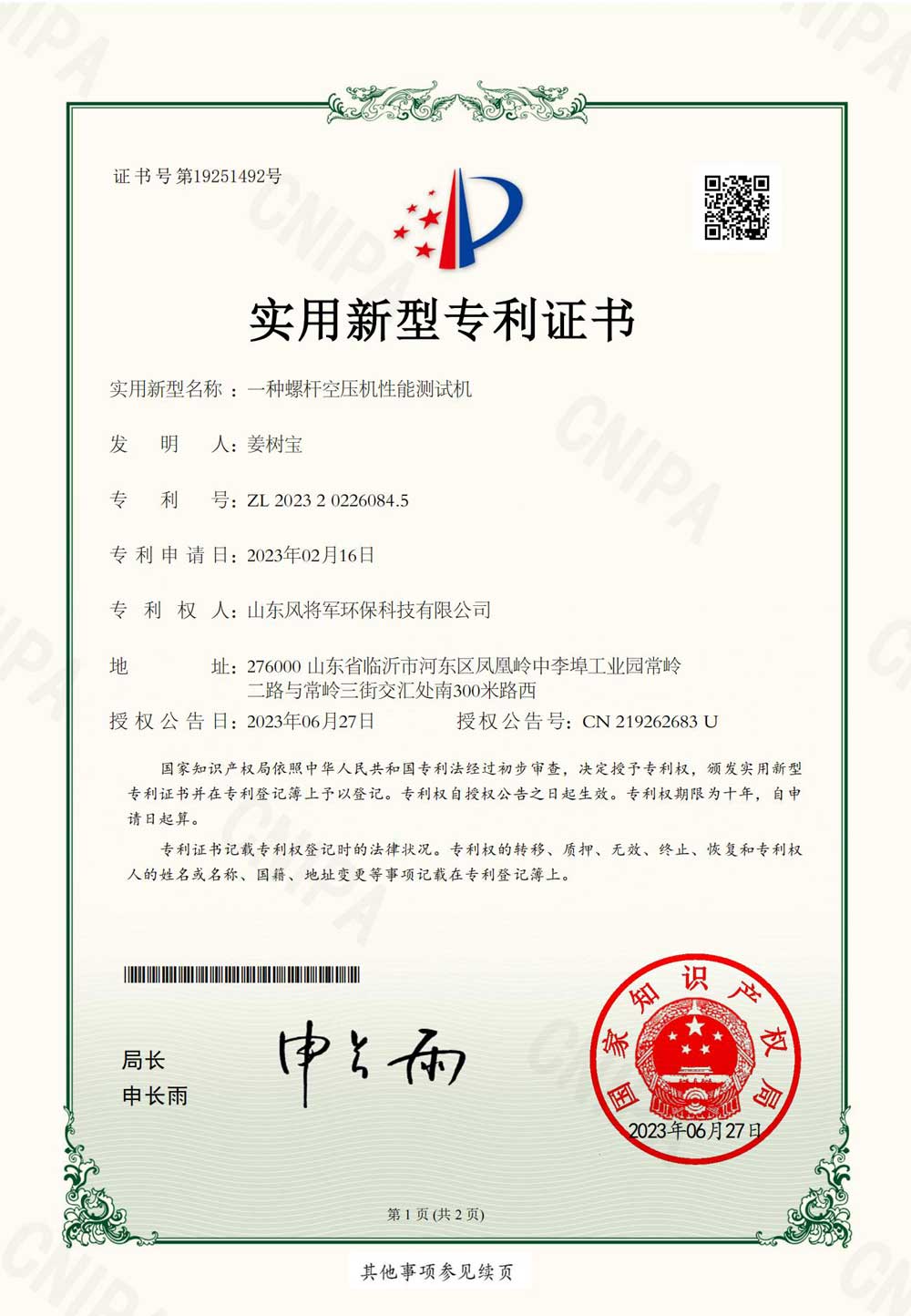
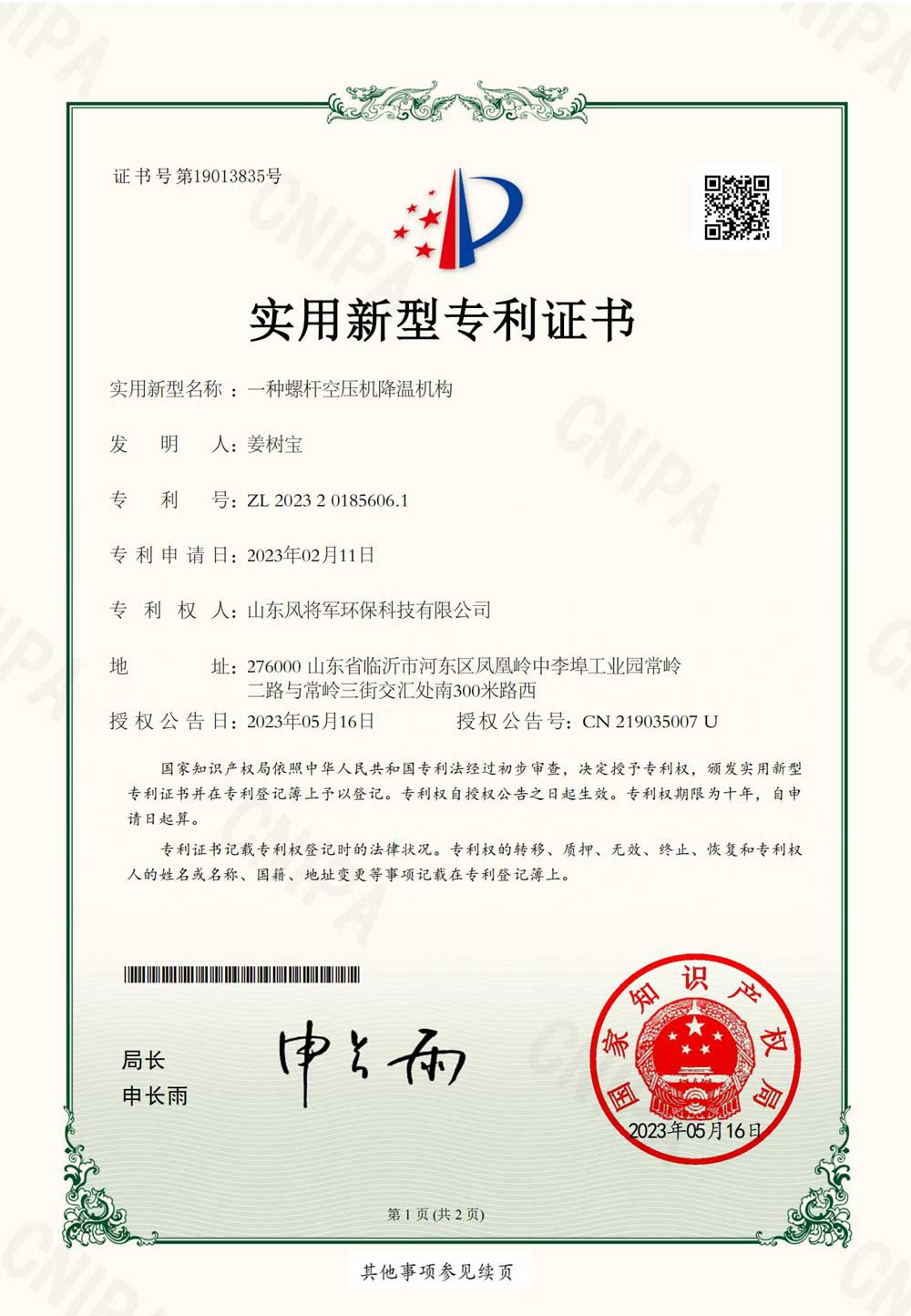
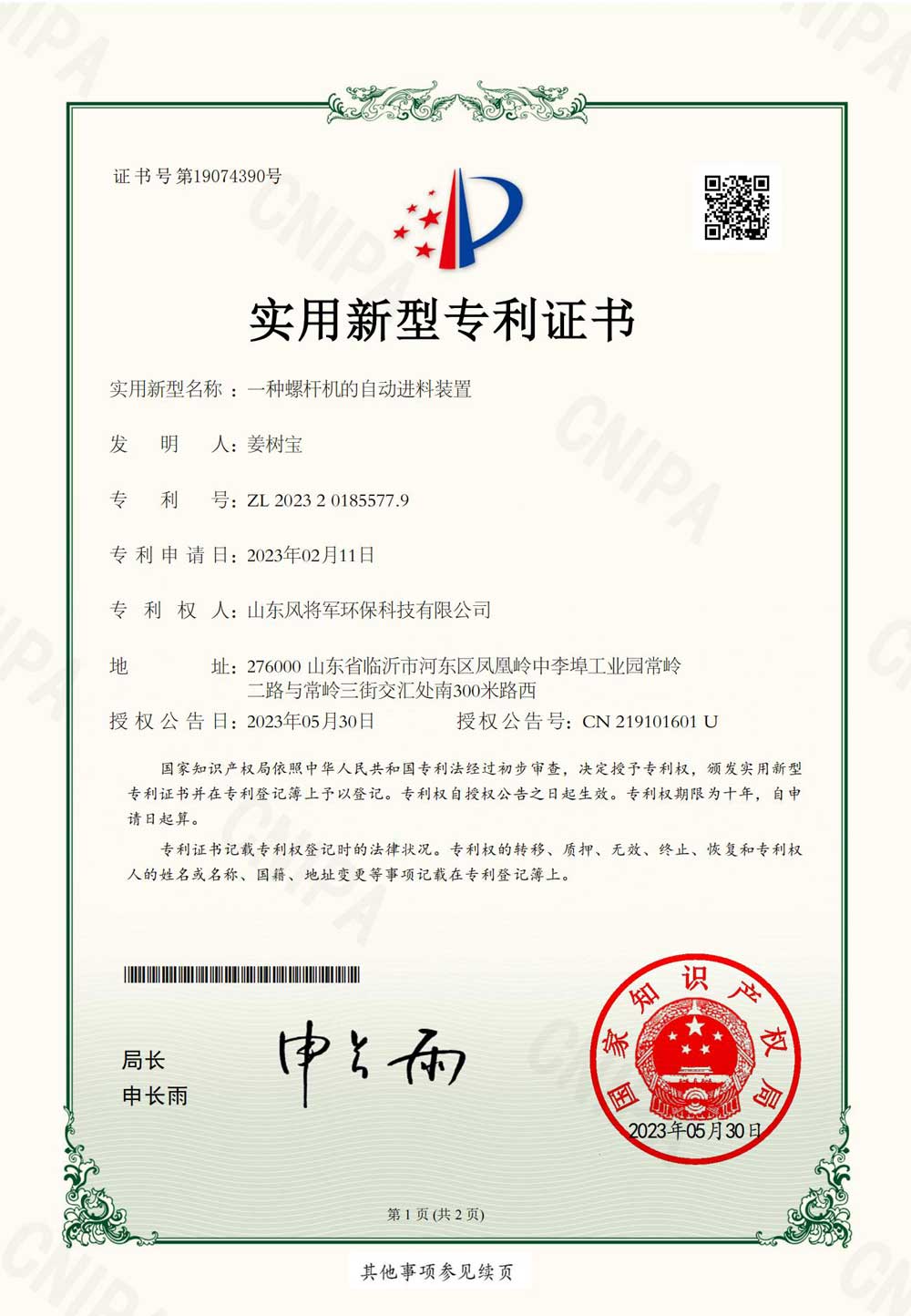
Pressure containers require strict regulatory oversight due to the thermal and mechanical energy stored inside. Smart Air has obtained honors and compliance certifications, including China Famous Brand, Green and Environmentally Friendly Preferred Brand, and recognition as a National High-Tech Enterprise and 3A Credit Enterprise. Our products comply with critical international codes for pressure vessels, ensuring safe operation at industrial job sites globally.

Supporting critical industrial projects worldwide with high-performance air solutions.
Our solutions have been tested in varied operational climates across more than 20 countries. From high-humidity locations in Indonesia, Vietnam, Malaysia, and Sri Lanka, to arid environments in Dubai, Afghanistan, Israel, and Syria, our products deliver consistent pressure levels. We serve manufacturing networks in the USA and Canada, heavy industries in Colombia and Chile, and primary processing sites in Australia, New Zealand, Russia, India, Bangladesh, Pakistan, Kosovo, Tunisia, and Angola.
We work closely with engineering team leaders to ensure all customized containment vessels meet local national standards, pressure vessel registration guidelines, and import compliance rules.
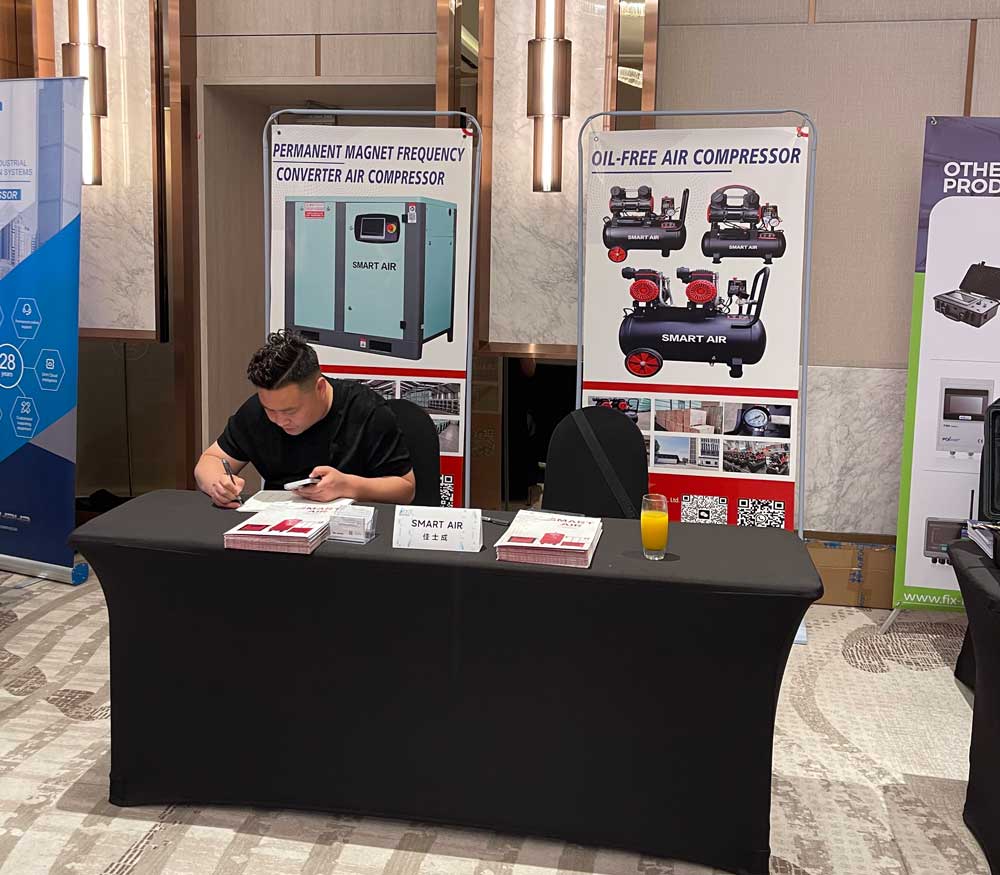
Integrated solutions combining variable speed screws, dual-stage compression air-ends, and certified storage tanks.
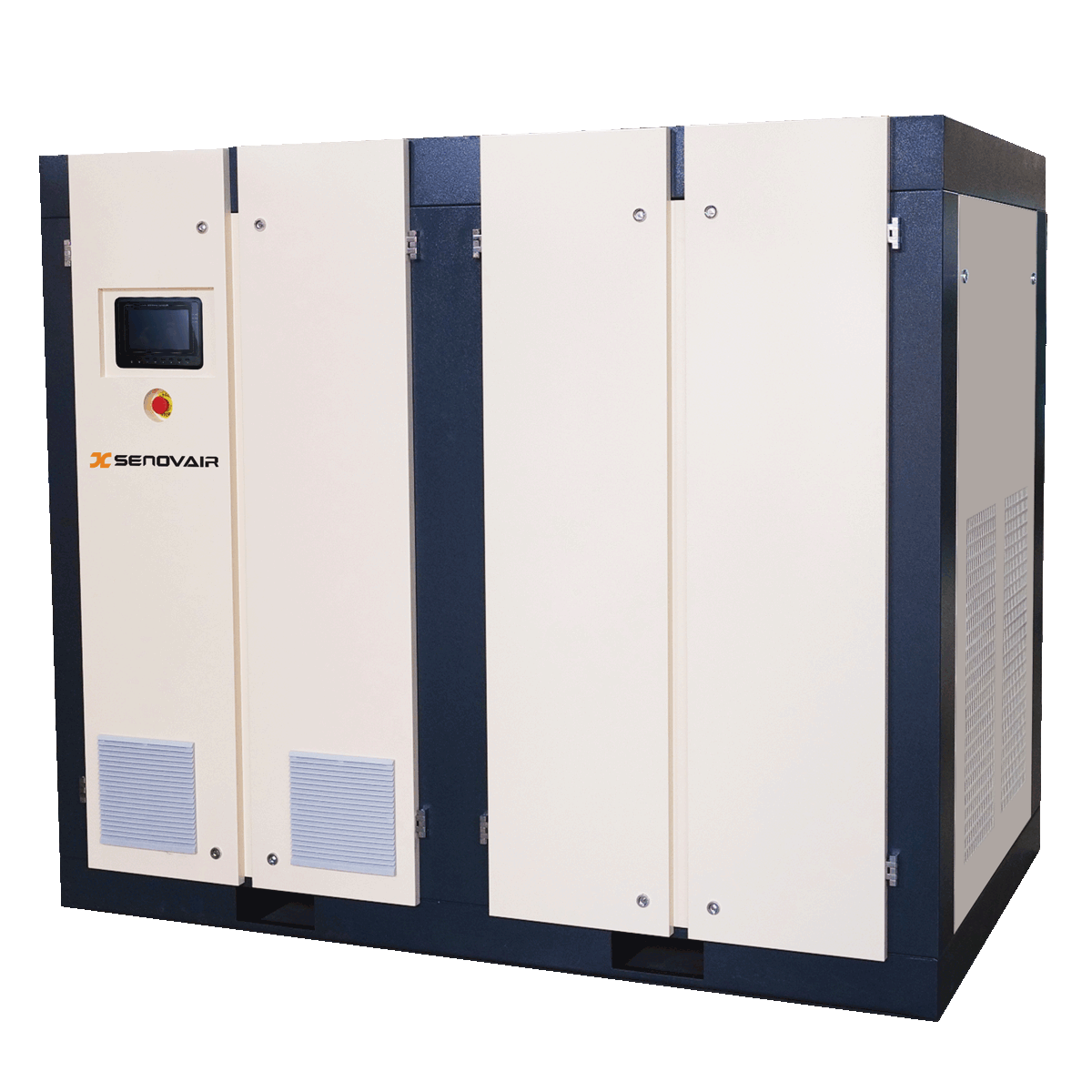
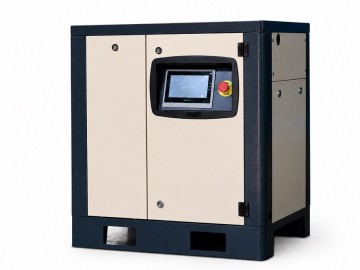
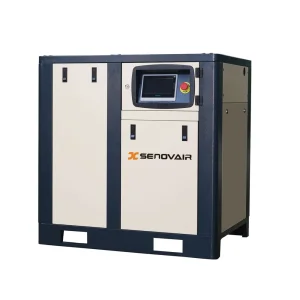
Features active variable frequency drives that match motor speed to air demand, reducing start-up inrush currents.
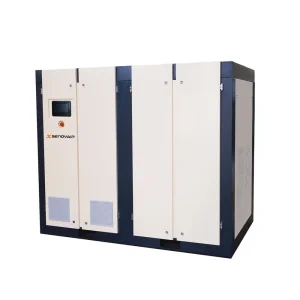
Uses dual inline rotors to divide compression ratio. This reduces internal leakage rates and boosts volumetric efficiency.
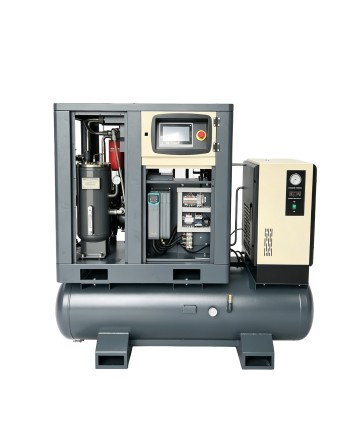
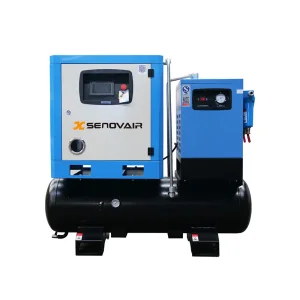
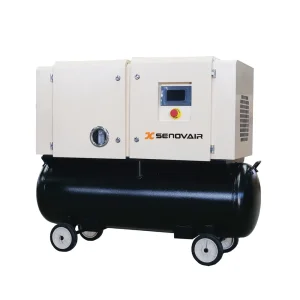
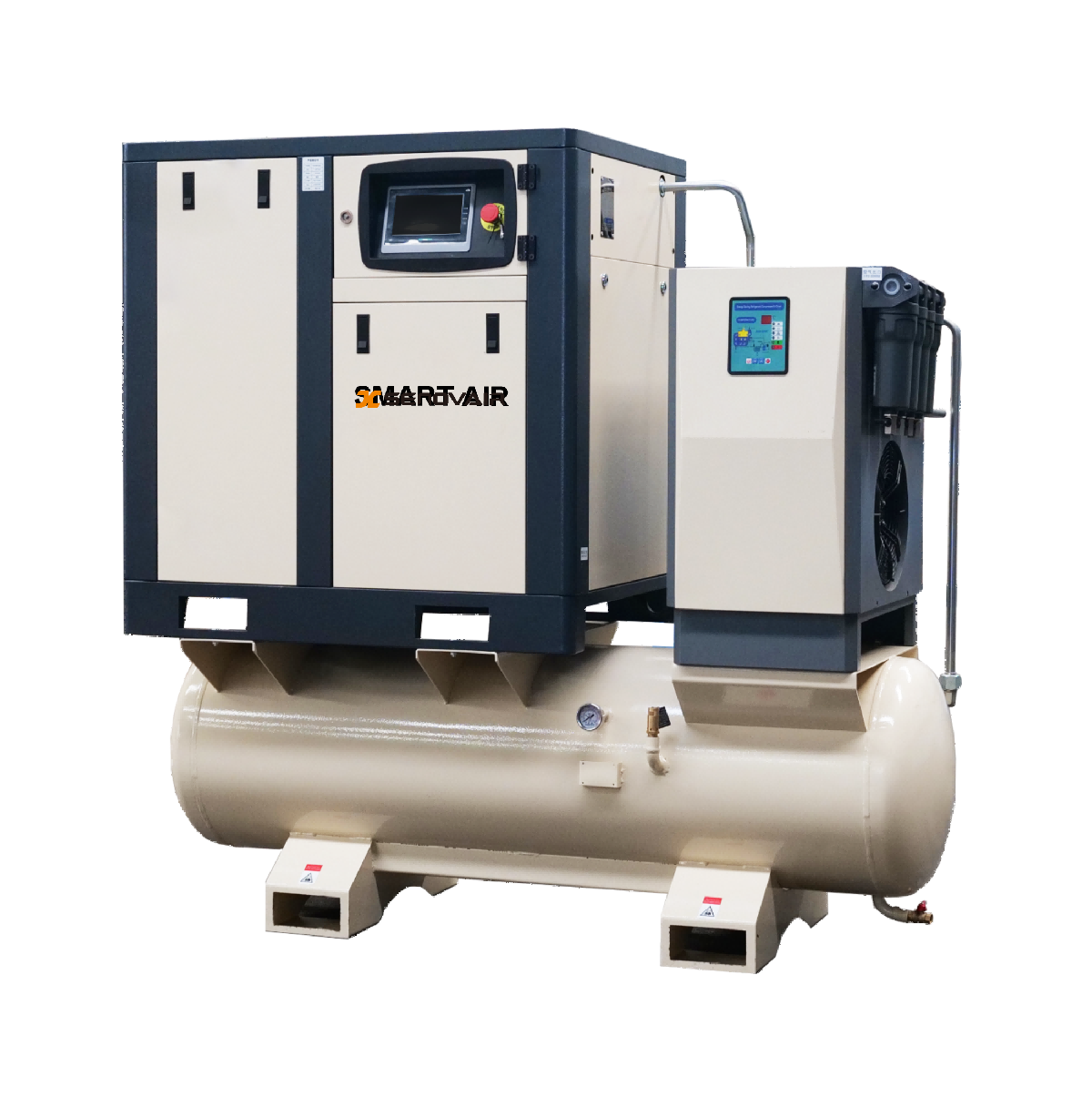
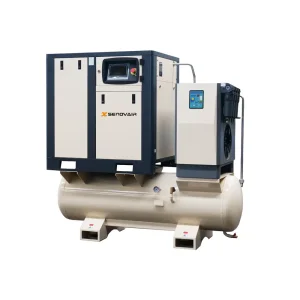
An all-in-one system combining a screw compressor, refrigeration dryer, multiline coalescing filtration, and receiver tank.
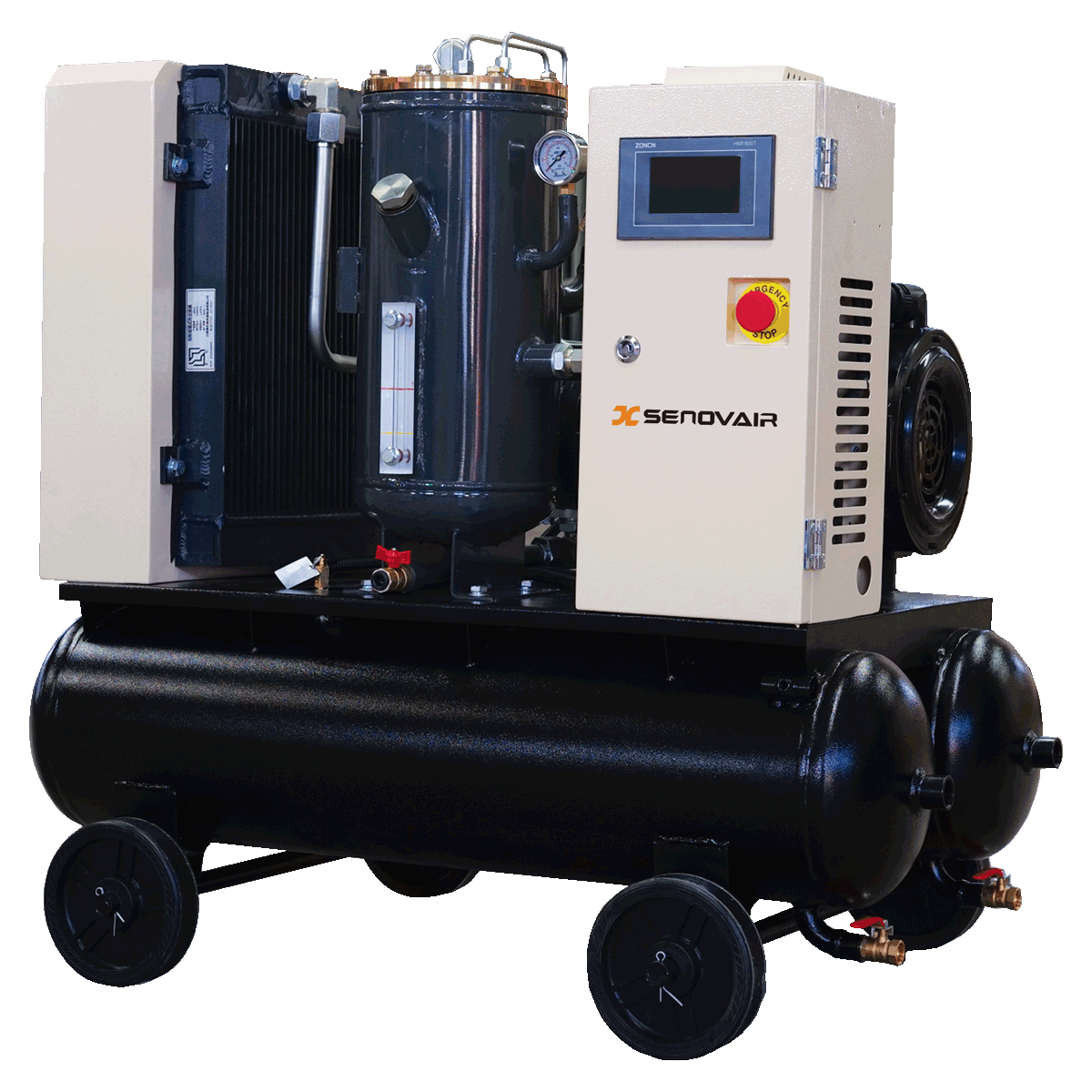
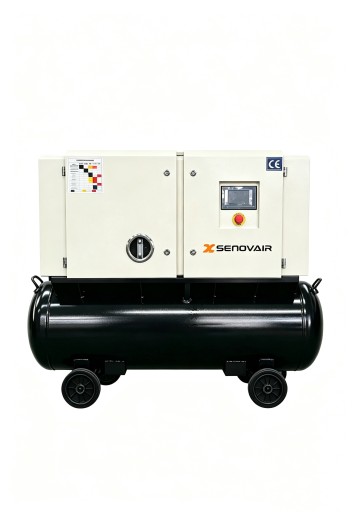
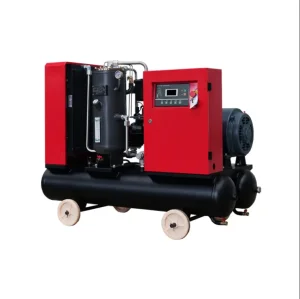
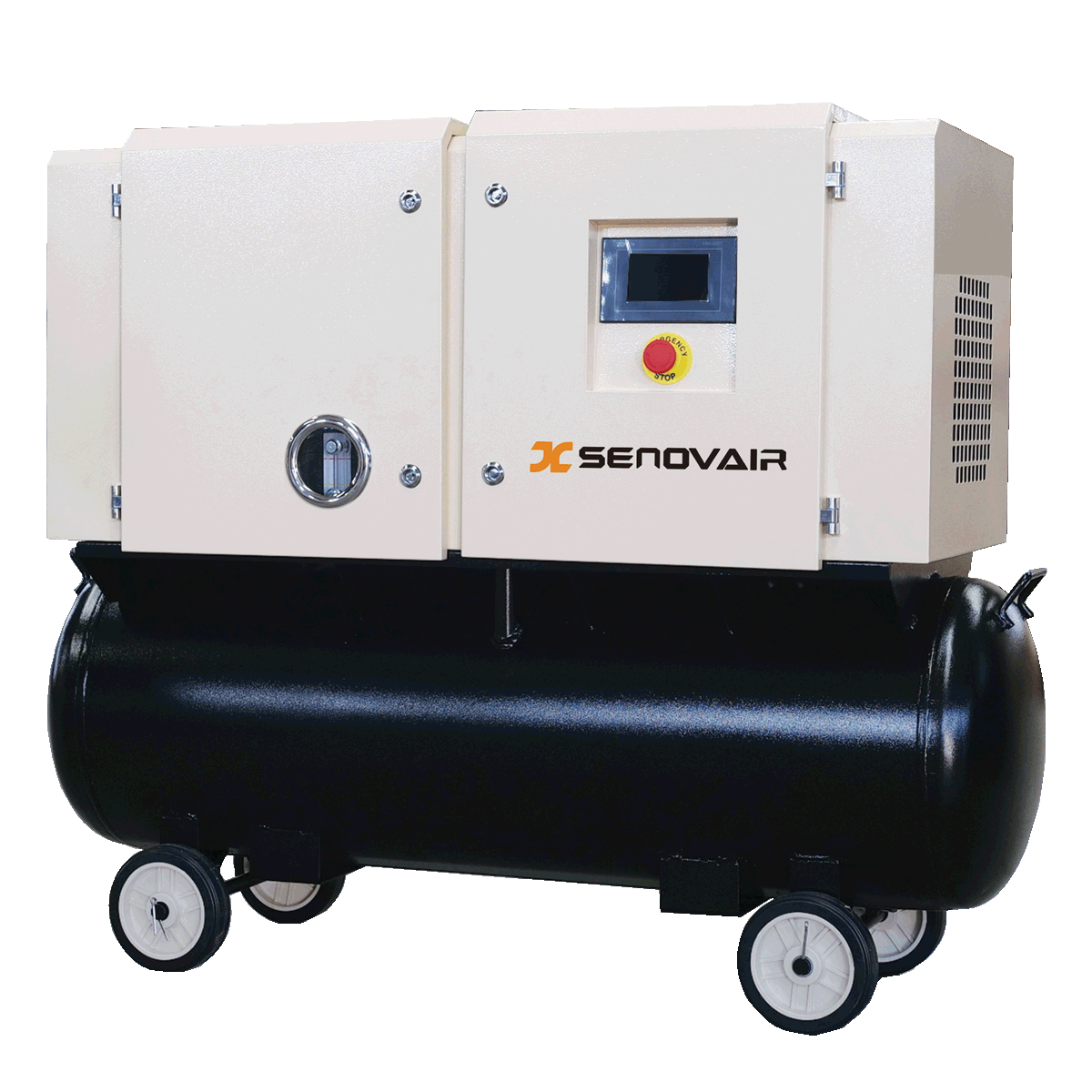
Mounts the compression unit directly onto the storage container, minimizing pressure drop through piping connects.
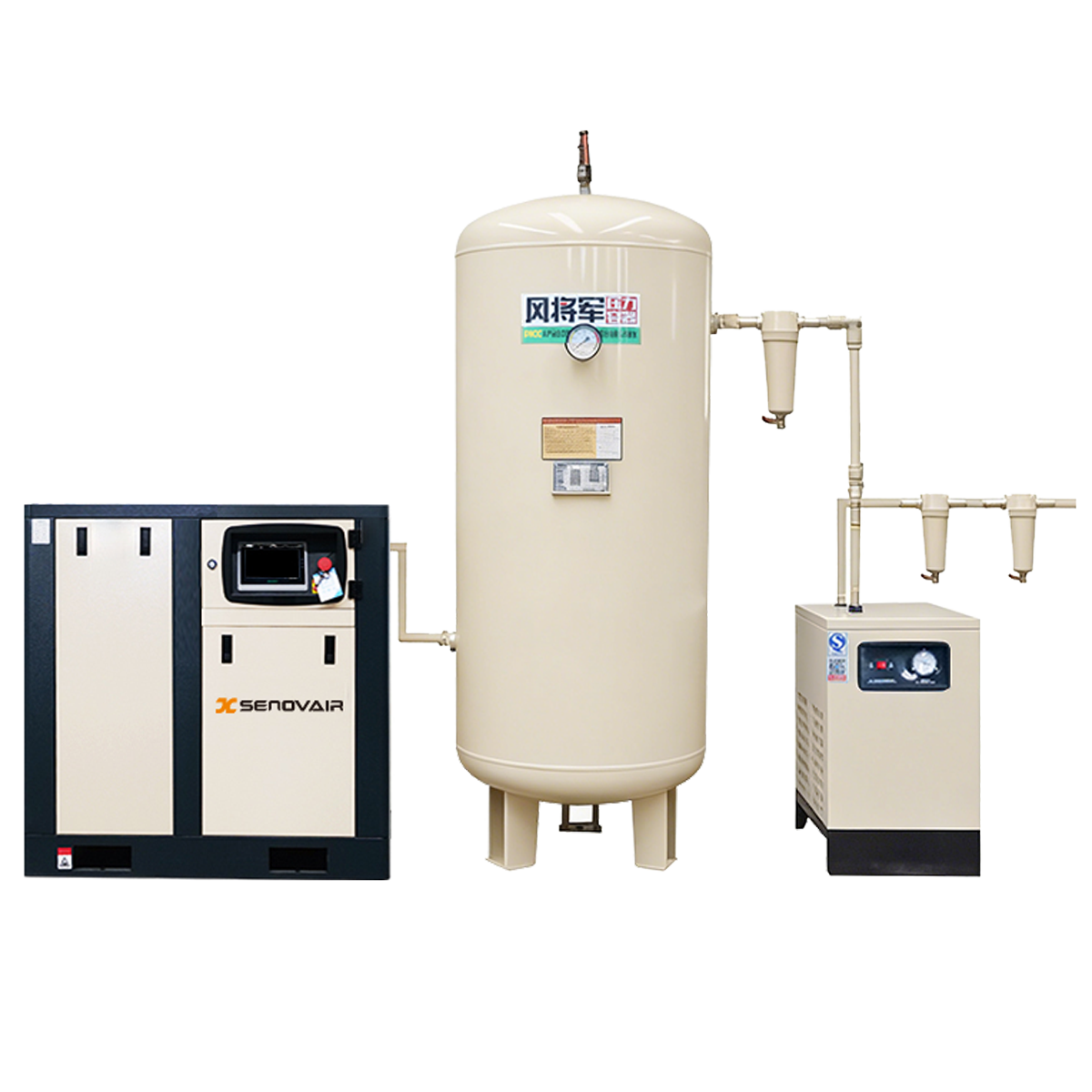
Compact, skid-mounted system designed for workshops, repair garages, and distributed processing layouts.
We manufacture screw air compressors, piston compressors, air storage tanks, and down-line cleaning equipment. Need help selecting the right system capacity? Contact our engineering team for support.
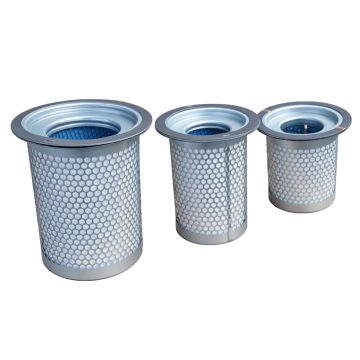
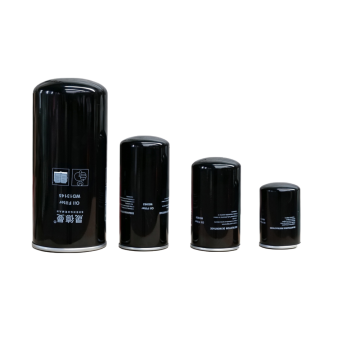
Get System Sizing ToolPremium auxiliary parts ensure long-term air quality and protection against moisture carryover.
How compressed air container volume and purification systems are tailored to meet target industry standards.
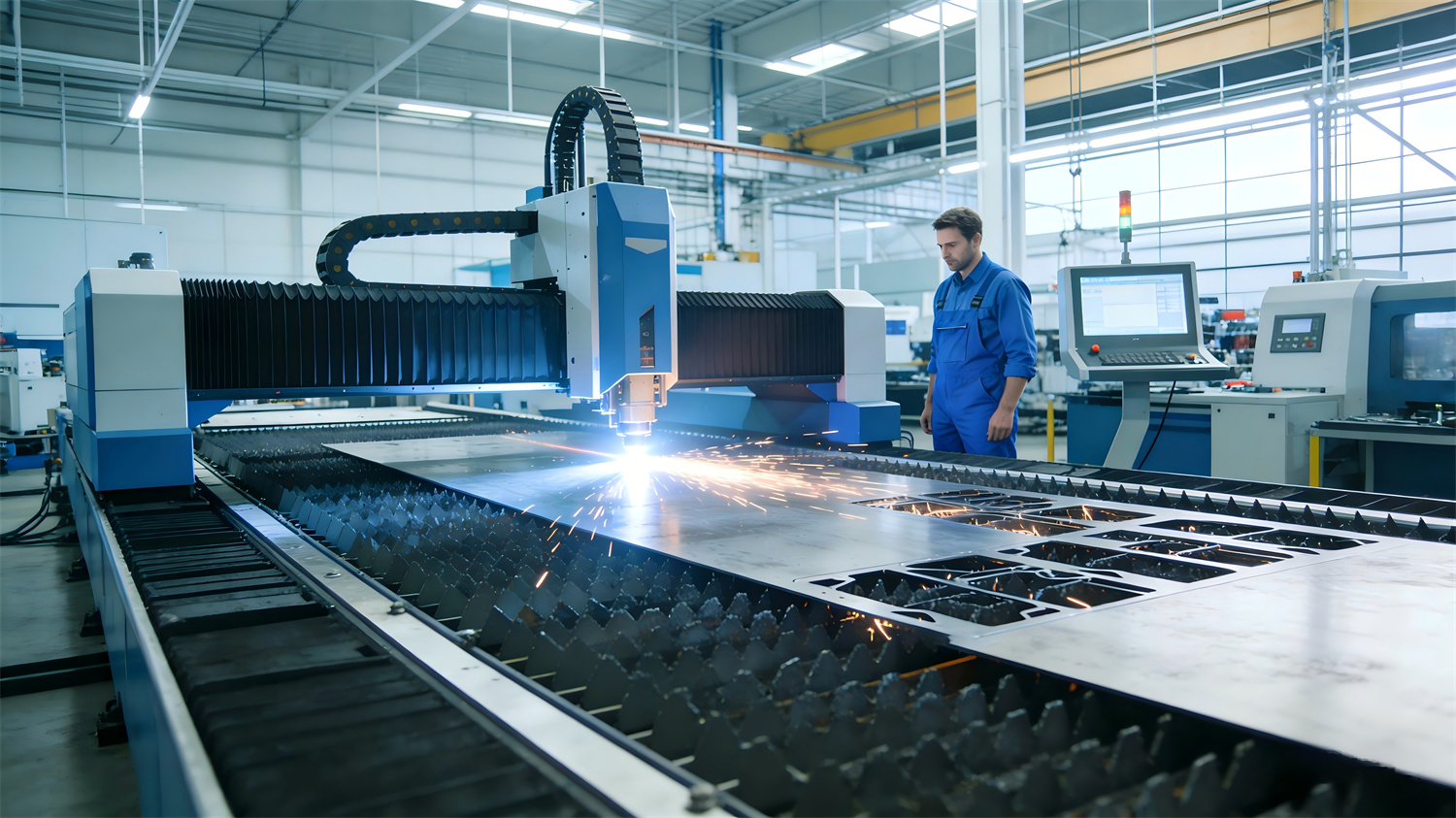
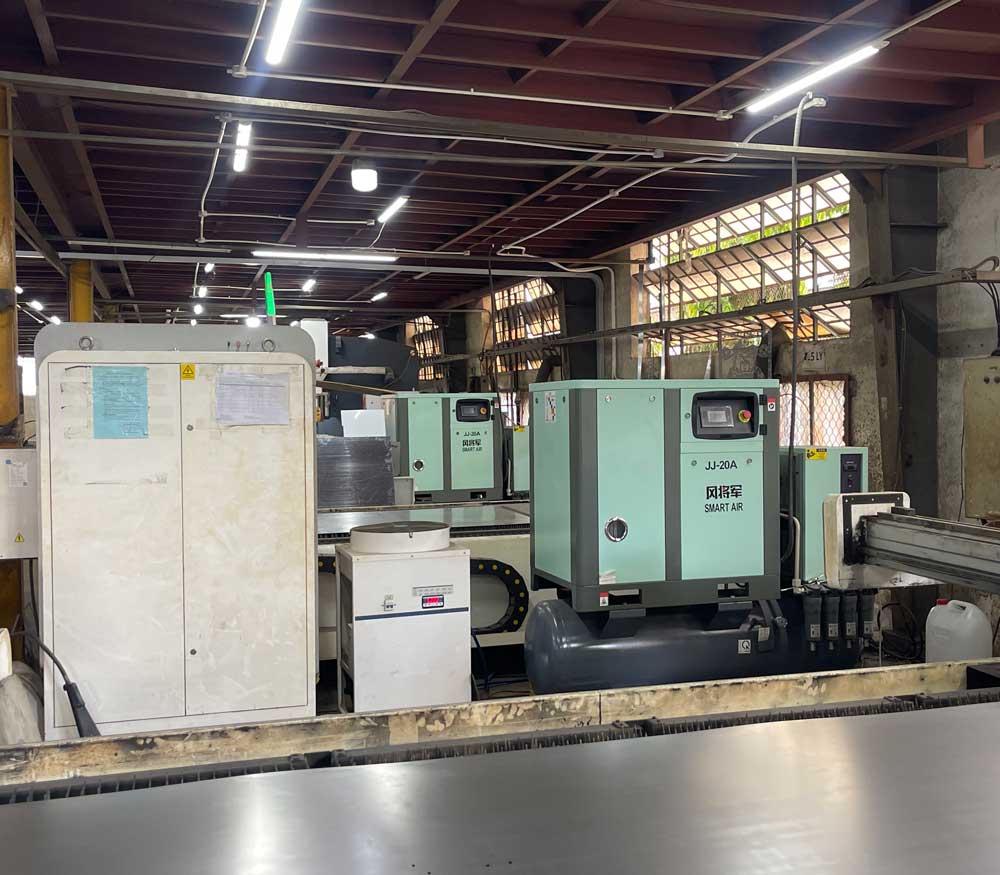
High-pressure air storage containers are key components in fiber laser operations. They provide the pressure required to clear slag from the kerf, ensuring clean cuts, high dimensional precision, and protection for the focusing lens.
Read Case Studies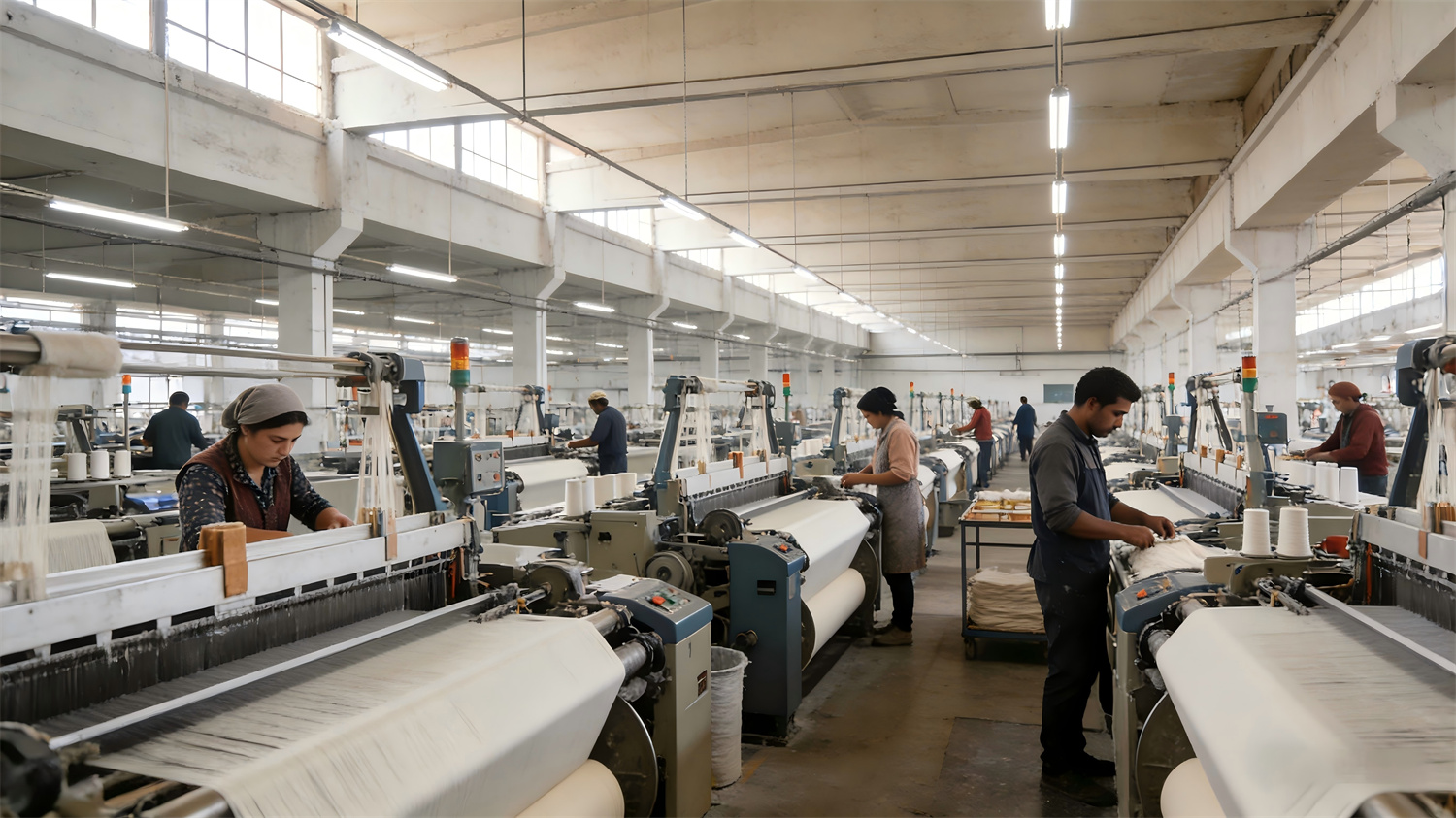
Air jet weaving machines require consistent, pulsation-free air delivery. Properly sized air receiver containers prevent pressure drops at the looms, helping reduce thread breaks and maintain consistent fabric quality.
Read Case Studies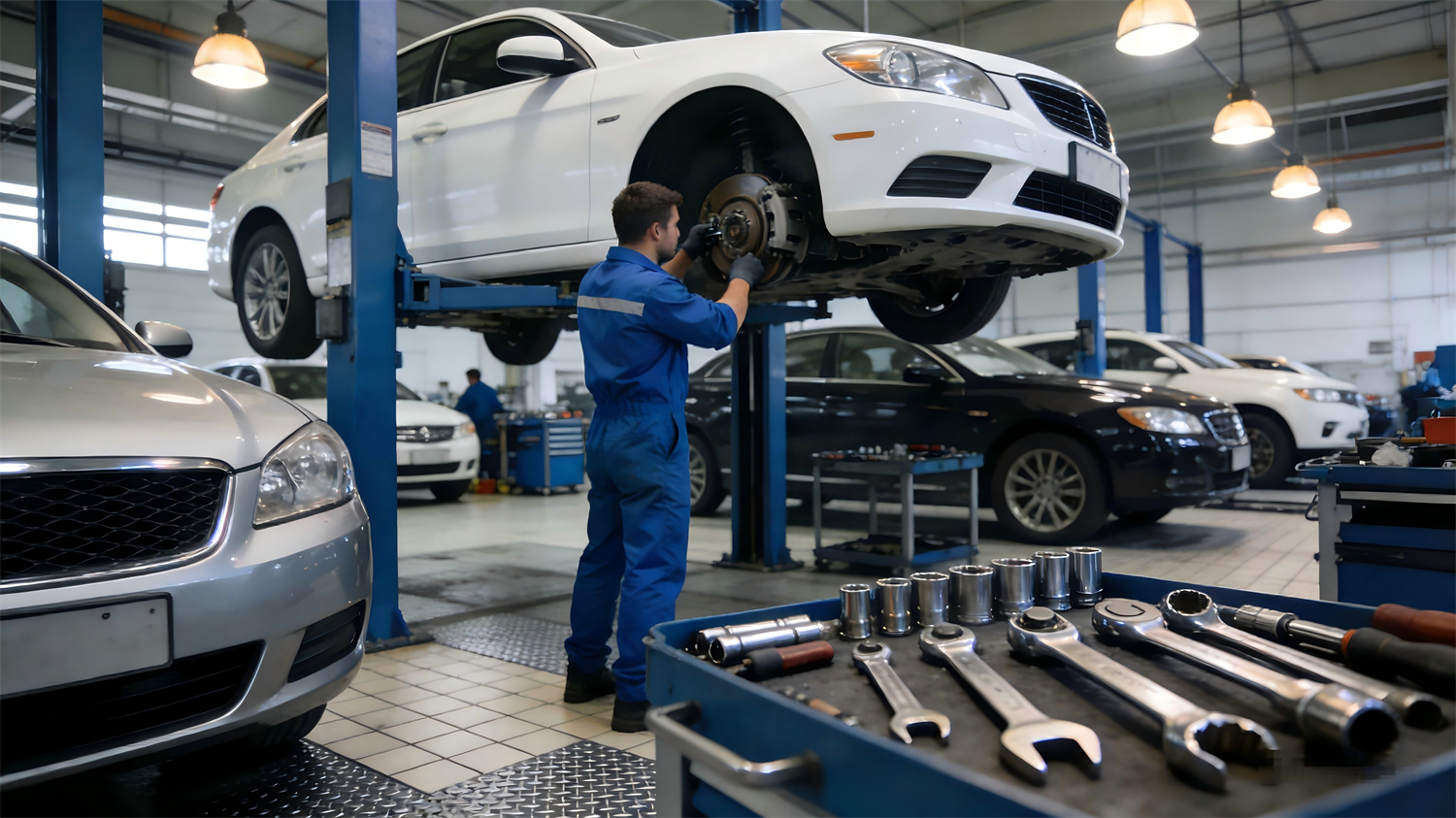
From pneumatic assembly tools to paint booths, automotive plants depend on dry, oil-free air. Our storage systems pre-cool the air to condense moisture, helping protect paint finishes from water contamination.
Read Case Studies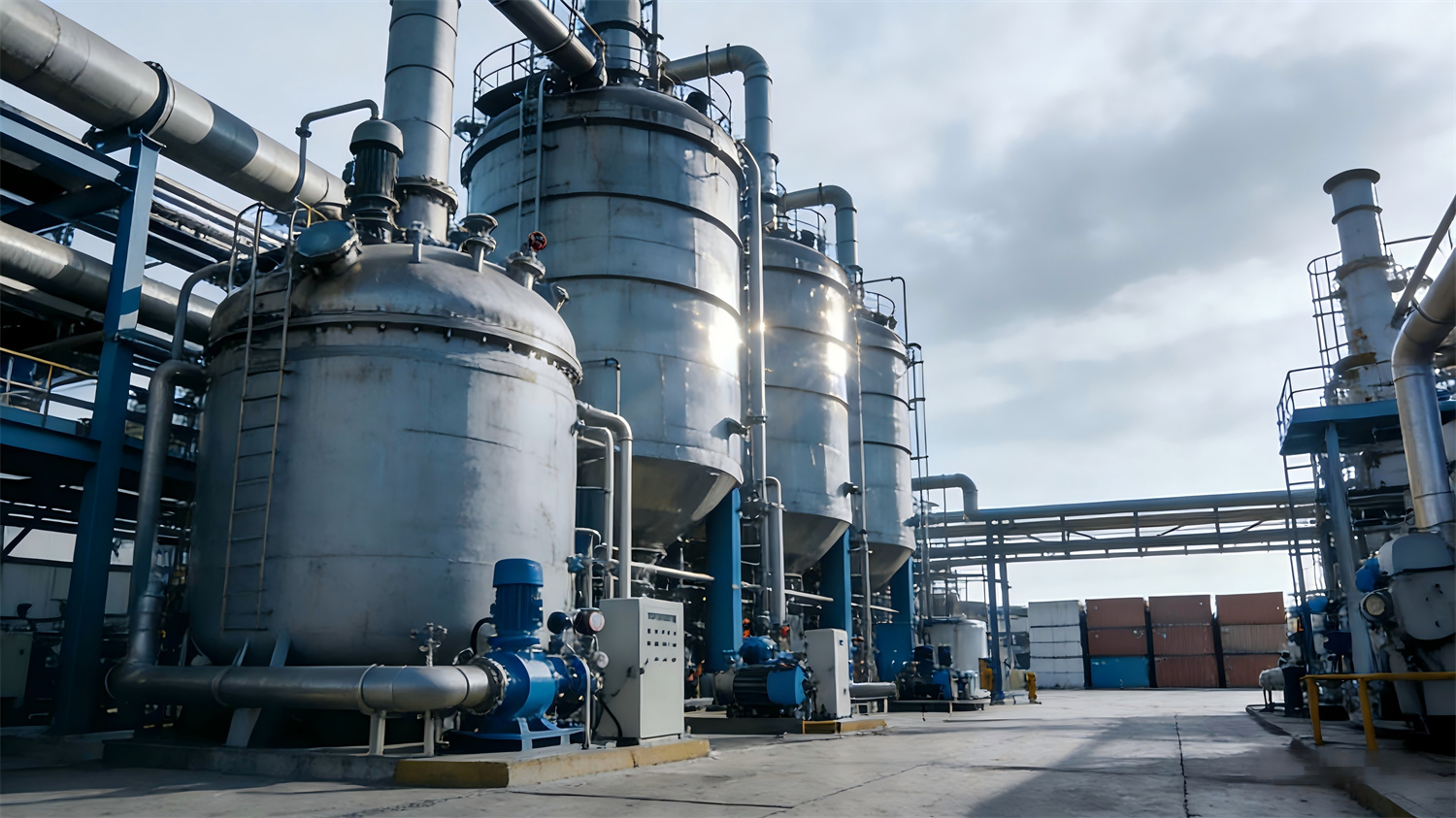
Chemical processing environments require corrosion-resistant components and reliable containment. We offer specialized internal tank coatings and corrosion-resistant steel options to handle demanding operating conditions.
Read Case Studies
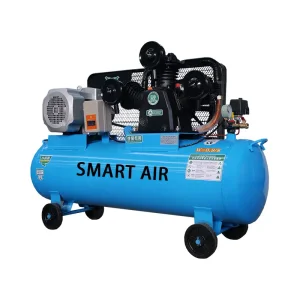
Mobile air receivers provide a stable pressure buffer for heavy pneumatic tools on site. Built with heavy-duty mounting skids and rugged wheel assemblies, they are designed to perform reliably in outdoor environments.
Read Case Studies
Pneumatic water extraction systems require quick bursts of pressurized air. Our receiver tanks store the volume needed for cyclic demands, helping reduce energy consumption during off-peak periods.
Read Case Studies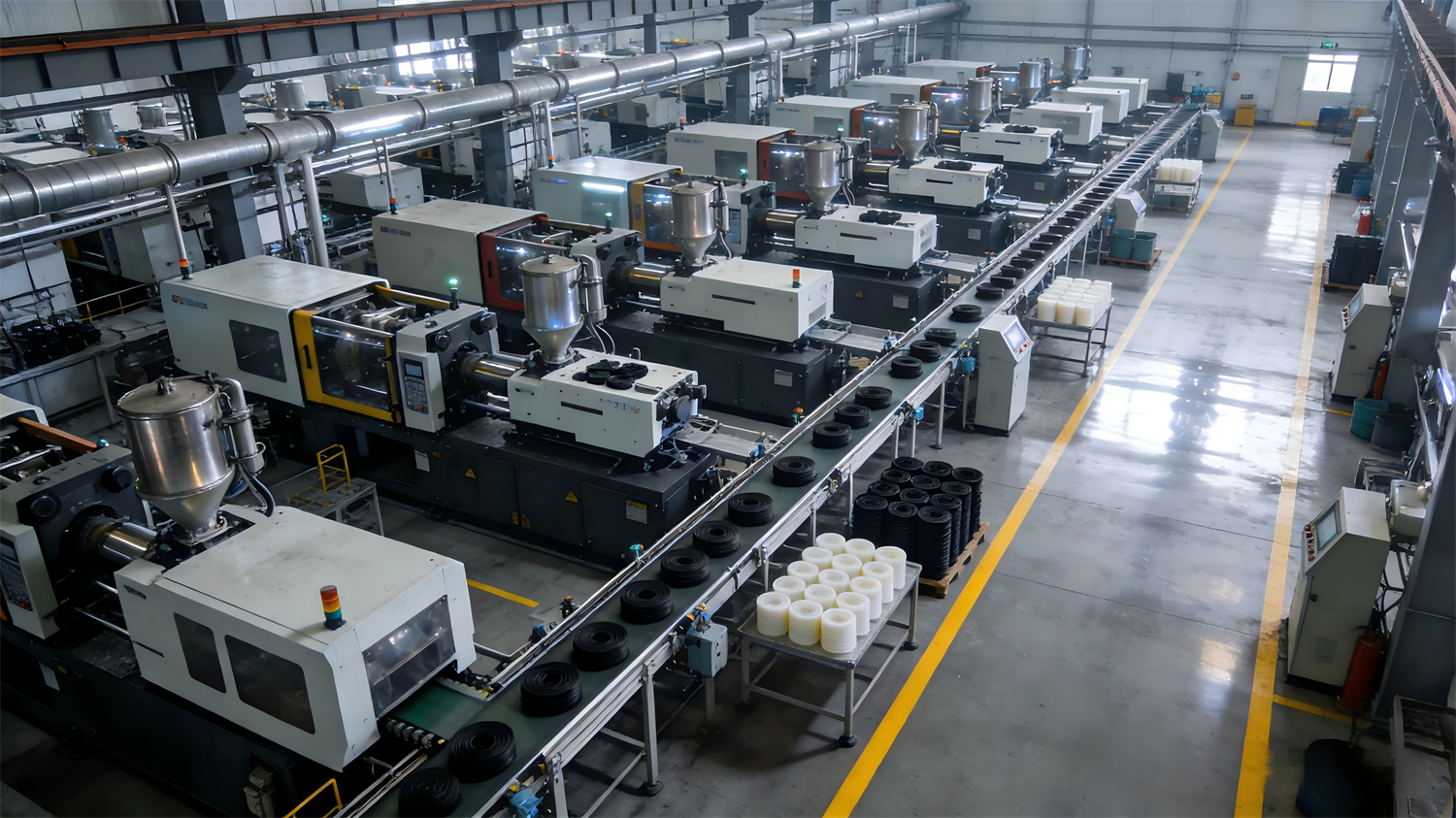
Our storage containers support the high-volume demand of plastic blow molding. They act as pressure reservoirs, maintaining consistent pressures during rapid mold expansion cycles.
Read Case Studies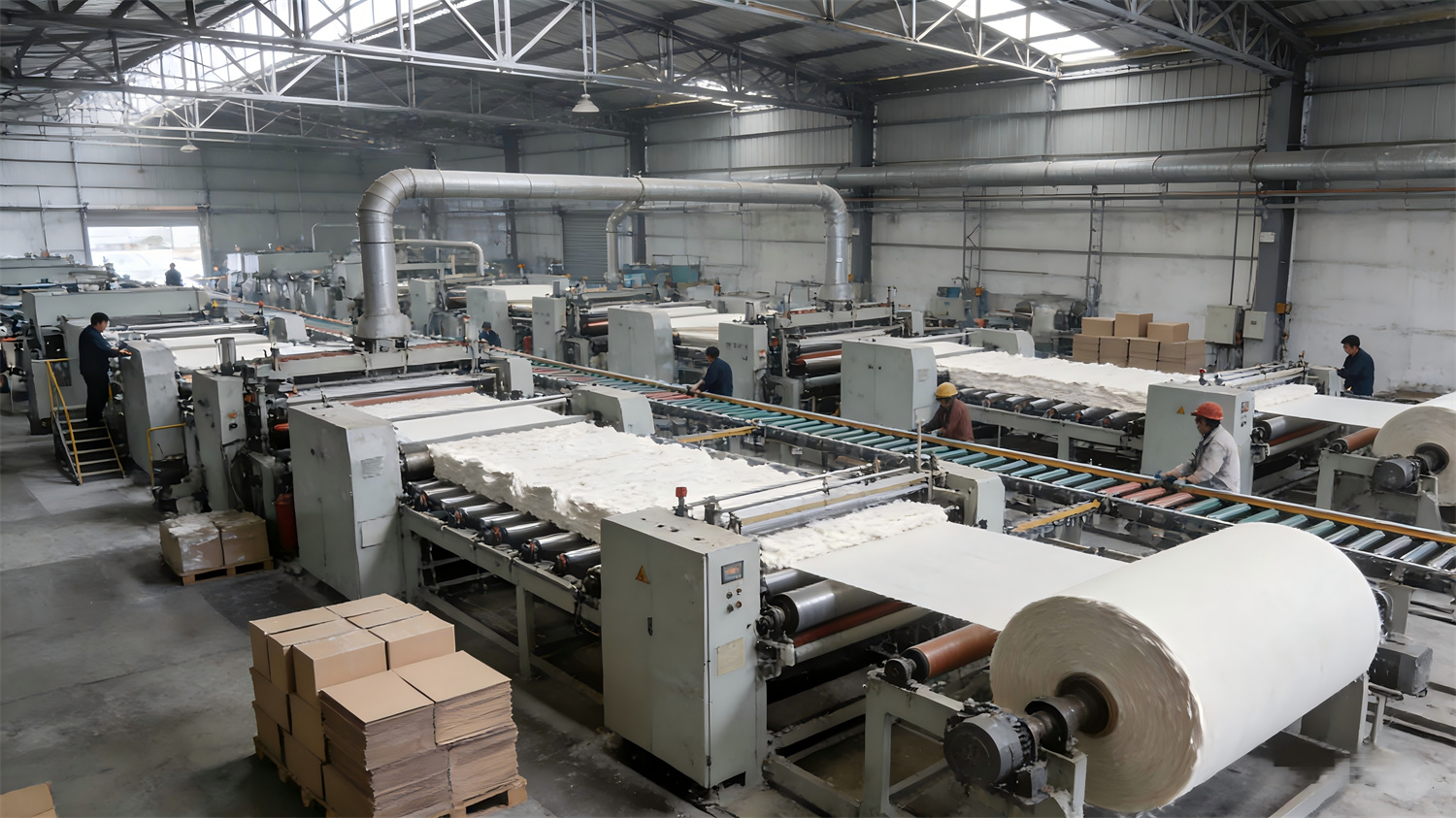
Pulp mixing and paper drying systems depend on stable instrumentation air. Our storage systems provide clean air pressure, helping protect sensitive pneumatic actuators from moisture damage.
Read Case Studies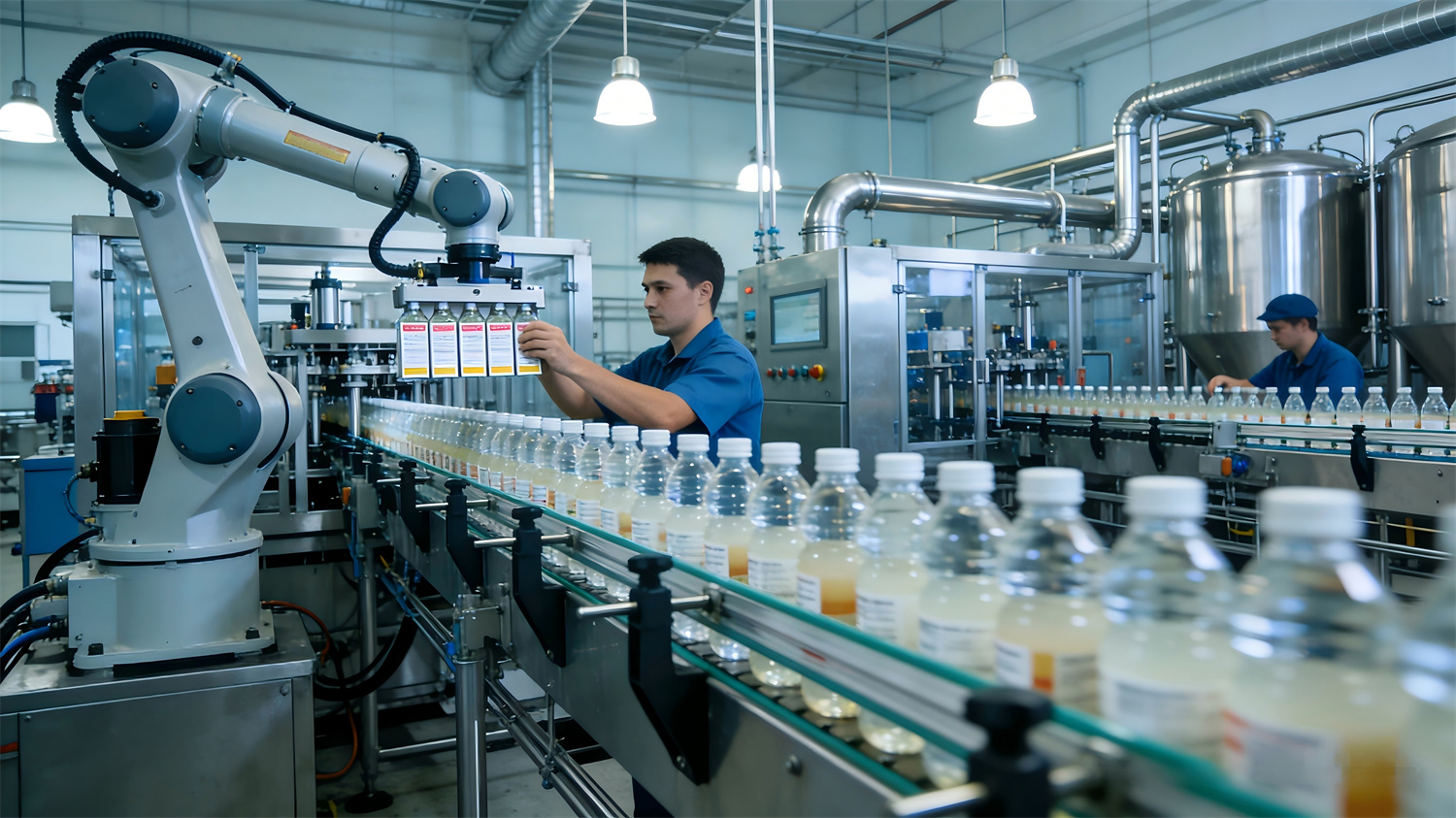
Food processing applications require oil-free air. Our receiver systems include corrosion-resistant internal coatings, supporting sanitation requirements during pneumatic product transport and packaging.
Read Case Studies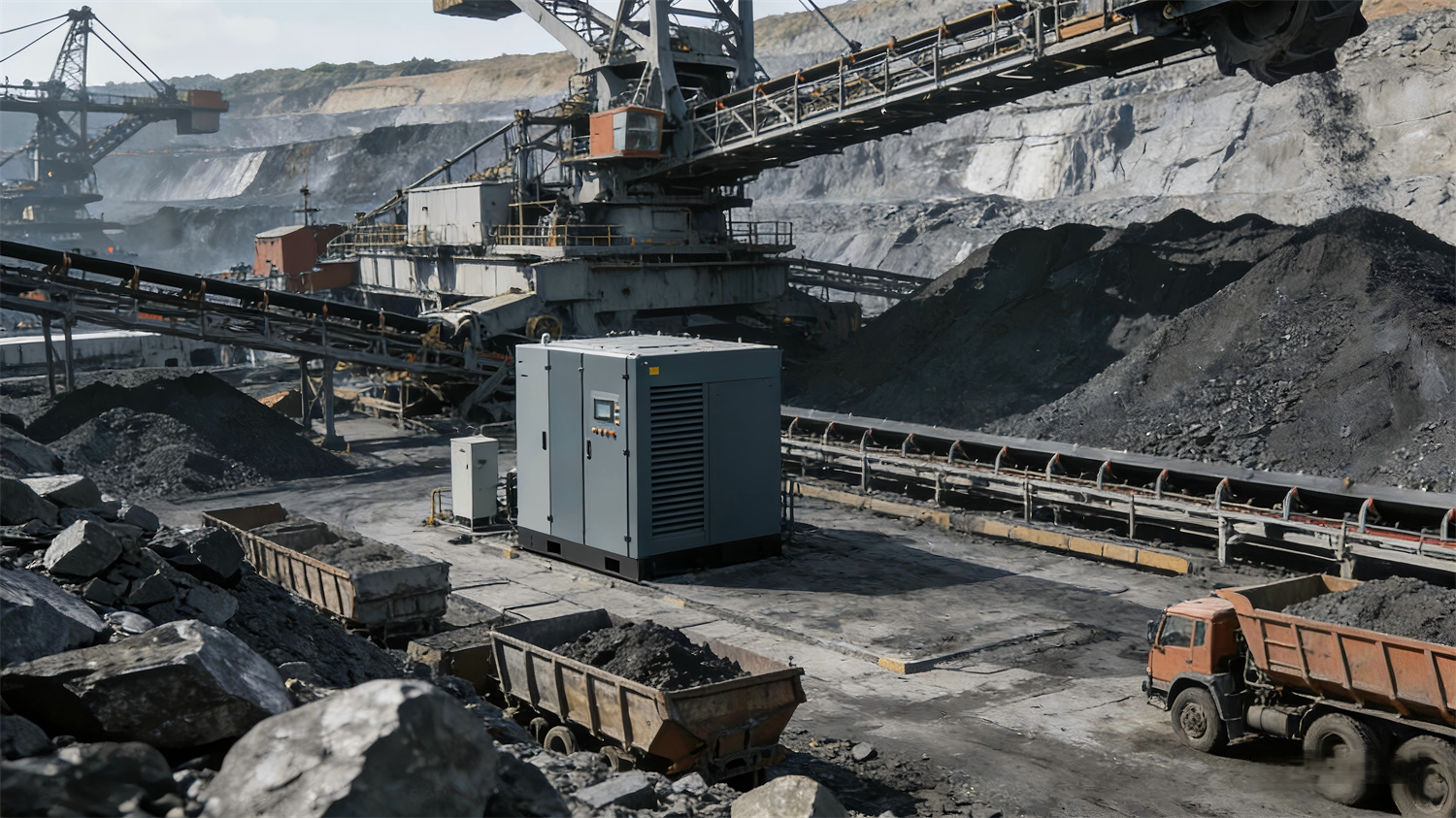
Our heavy-walled pressure vessels are built for underground mining applications, offering dust protection, anti-vibration structural designs, and compliance with underground mining safety standards.
Read Case Studies
Pharmaceutical processes require oil-free air that meets cleanroom standards. We supply specialized Class 0 stainless steel storage units and filtration systems to help maintain air purity and comply with GMP regulations.
Read Case StudiesA guide to purchasing standards, safety design regulations, and import compliance rules for engineering buyers.
When purchasing compressed air container systems, engineering teams evaluate safety certifications, manufacturing quality, and long-term reliability. A pressure container is classified as a hazardous equipment category due to the stored energy. Therefore, design standards and safety margins are strictly regulated by international safety codes.
ASME Section VIII Div 1 is the primary standard for vessels operating above 15 psi in North and South America. Choosing ASME-compliant vessels helps ensure verified shell thicknesses and safety relief settings.
The European CE-PED 2014/68/EU directive is required for pressure vessels imported into the EU. It regulates material choices, welding qualifications, and hydro-testing protocols.
GB150 governs the design, fabrication, and testing of steel pressure vessels in China. It outlines requirements for stress analysis, material safety margins, and structural inspections.
Our ongoing work in smart diagnostic systems, variable speed technology, and sustainability initiatives.
Industrial manufacturing plants are increasingly adopting smart diagnostic systems and variable speed technologies. At Smart Air Machinery, we are updating our compressor and vessel designs to support these industrial requirements.
Common questions from design engineers and procurement officers regarding storage tanks and systems.
The recommended tank capacity depends on your compressor's output and demand patterns. As a general guideline, size the tank at 3 to 4 gallons per CFM of compressor output for constant loads, and up to 10 gallons per CFM for systems with high fluctuation in air demand.
As compressed air cools within the storage container, moisture condenses into liquid water. If not properly drained, this water can cause internal corrosion, damage downstream pneumatic tools, and reduce the overall storage volume of the vessel.
ASME Section VIII is primary in North and South America, focusing on design formulas, material standards, and hydrostatic testing. CE-PED is required in the European Union, focusing on hazard classifications, safety accessories, and material trace records.
Maintenance includes draining condensate daily (or using auto-drains), checking pressure relief valves annually, inspecting external coatings for corrosion, and conducting periodic thickness tests to ensure shell integrity.
Integrated 4-in-1 systems mount the compressor, dryer, filtration, and storage tank in a single compact package. This reduces the piping run and minimizes pressure drops across fittings, helping optimize overall energy usage.
Review our specialized air storage tanks, custom systems, and replacement components designed to meet industrial safety rules.
 Smart Air