Premium pressure vessels and highly integrated air compressor stations certified for harsh environments in Oslo, Bergen, Stavanger, and maritime zones.
An authoritative guide to thermodynamic sizing, local compliance regulations (Arbeidstilsynet), low-temperature steel metallurgy, and decarbonization strategies for maritime, oil & gas, and aquaculture sectors in Scandinavia.
Norway is at the global forefront of high-tech industrial operations, characterized by its reliance on renewable energy, strict environment mandates, and challenging climatic zones. The nation’s core economic engines—offshore oil & gas production in the North Sea, land-based aquaculture and processing facilities, subsea engineering, maritime shipping, and metallurgical processing—require highly specialized engineering equipment. Unlike conventional industrial ecosystems, installations in Norway must withstand extremely high humidity, corrosive sea salt environments, and cold weather ranges down to -40°C in inland regions such as Røros or northern territories like Tromsø.
In this context, compressed air systems are not merely auxiliary utilities; they are mission-critical power mediums. The configuration of air storage tanks (receivers) plays a pivotal role in maintaining system pressure stability, mitigating severe temperature drop dynamics, and minimizing energy footprints. Norwegian industries heavily prioritize machinery that directly supports their national carbon reduction targets. Under Norway's strict environmental framework, industrial operators seek pneumatic systems that demonstrate high efficiency and a long operational lifespan with minimal risk of stress corrosion cracking.
Implementing air storage tanks in Norway requires deep understanding of localized environments. Key operational arenas present distinct engineering prerequisites:
Due to cold outdoor conditions, the rate of condensation inside an air receiver accelerates. To correctly size an air storage vessel for Norwegian installations, engineers must account for temperature differentials and cyclic loading profiles:
V = (Q * p1 * T2) / (f * (p2 - p1) * T1)
Where: V = Air receiver volume (m³), Q = Compressor free air delivery (FAD, m³/min), p1 = Ambient atmospheric pressure (bar), p2 = Max discharge pressure (bar), T1 = Ambient temperature (K), T2 = Compressed air inlet temperature (K), and f = Permissible cycle frequency (cycles/hour).
Globally, pressure vessel manufacturing has transitioned from empirical metalworking to advanced automated production. Modern tanks incorporate state-of-the-art plate rolling, high-definition plasma cutting, and double-sided submerged arc welding (DSAW) processes monitored by high-sensitivity X-ray inspection. Internationally, the focus is shifting toward "Smart Storage" systems that utilize electronic sensors to monitor temperature, humidity, pressure, and metal wall thickness. Integrating IoT-enabled drain valves and digital telemetry interfaces allows operators to predict maintenance intervals, reducing risks of structural failure.
In Norway, pressure vessels must satisfy strict safety requirements. Equipment must carry the CE mark and conform to the Pressure Equipment Directive (PED) 2014/68/EU. Under the Norwegian labor authority (Arbeidstilsynet) guidelines, air receivers must undergo rigorous design approval, manufacturing inspection, and hydrostatic pressure testing.
Our pressure vessel designs meet these requirements through:
1. Material Compliance: Utilizing low-temperature steel such as P265GH or stainless steel 316L, complete with EN 10204 3.1 certification.
2. Welding Validation: Utilizing qualified welding procedures (WPQR) and qualified operators (WPS) according to EN ISO 15614-1.
3. Hydrostatic Inspection: Every unit undergoes hydrostatic testing at 1.43 times the maximum allowable design pressure.
We source heavy-gauge structural steel exclusively from top-tier Chinese mills. This guarantees optimal weldability, uniform chemical makeup, and superior low-temperature performance suitable for winter conditions in Northern Europe.
Our facility utilizes double-sided submerged arc welding (DSAW) and longitudinal seam welding lines. This approach minimizes internal stresses and guarantees consistent penetration depth, meeting strict EU pressure vessel safety standards.
We perform 100% X-ray inspection, ultrasonic thickness scans, and magnetic particle examinations on all load-bearing welds. This ensures zero defects before vessels leave our factory for deployment in Norway.
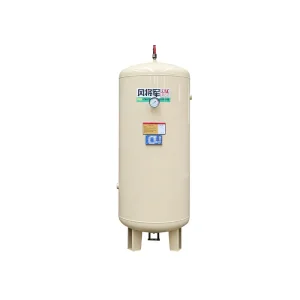
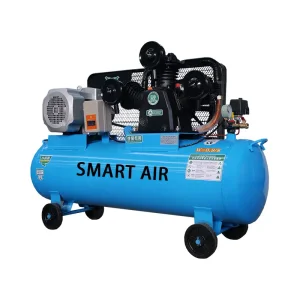
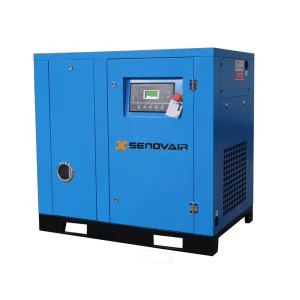
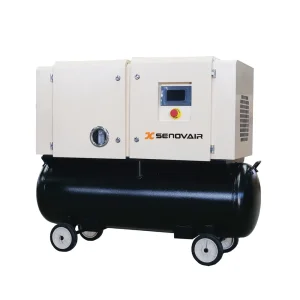
Discover our range of air compressors and high-pressure storage receivers tailored for specialized commercial applications in Norway.
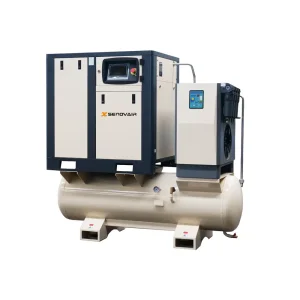
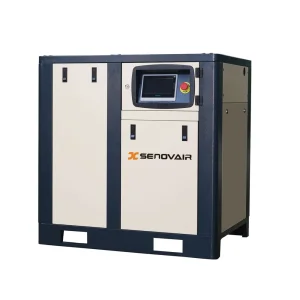
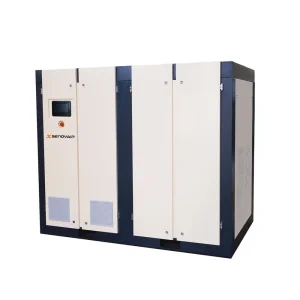
Comprehensive sizing and pressure ratings for standard carbon and stainless steel air storage tanks.
| Model Designation | Nominal Capacity (Liters) | Maximum Design Pressure (bar) | Temperature Design Envelope (°C) | Corrosion Allowance (mm) | PED Approvals / Directives |
|---|---|---|---|---|---|
| AST-0.3-10P | 300 | 10 / 16 | -20 to +120 | 1.5 | PED 2014/68/EU Module H |
| AST-0.6-10P | 600 | 10 / 16 | -20 to +120 | 1.5 | PED 2014/68/EU Module H |
| AST-1.0-10P | 1,000 | 10 / 16 / 40 | -40 to +120 | 2.0 | PED 2014/68/EU Module H |
| AST-2.0-16P | 2,000 | 16 / 40 | -40 to +120 | 2.0 | PED 2014/68/EU Module H |
| AST-5.0-16P | 5,000 | 16 / 40 | -40 to +120 | 2.0 | PED 2014/68/EU Module H |
Smart Air Machinery (Linyi) Co., Ltd. - Driving industrial compression efficiency worldwide since 2005.
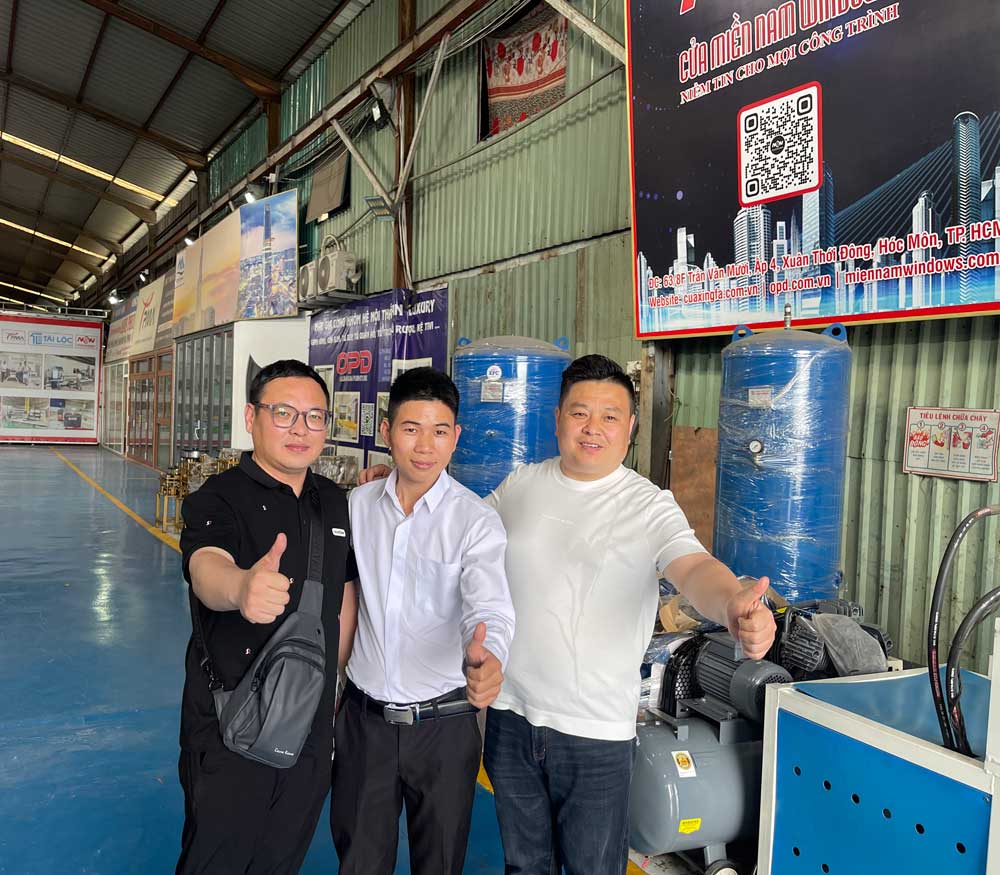
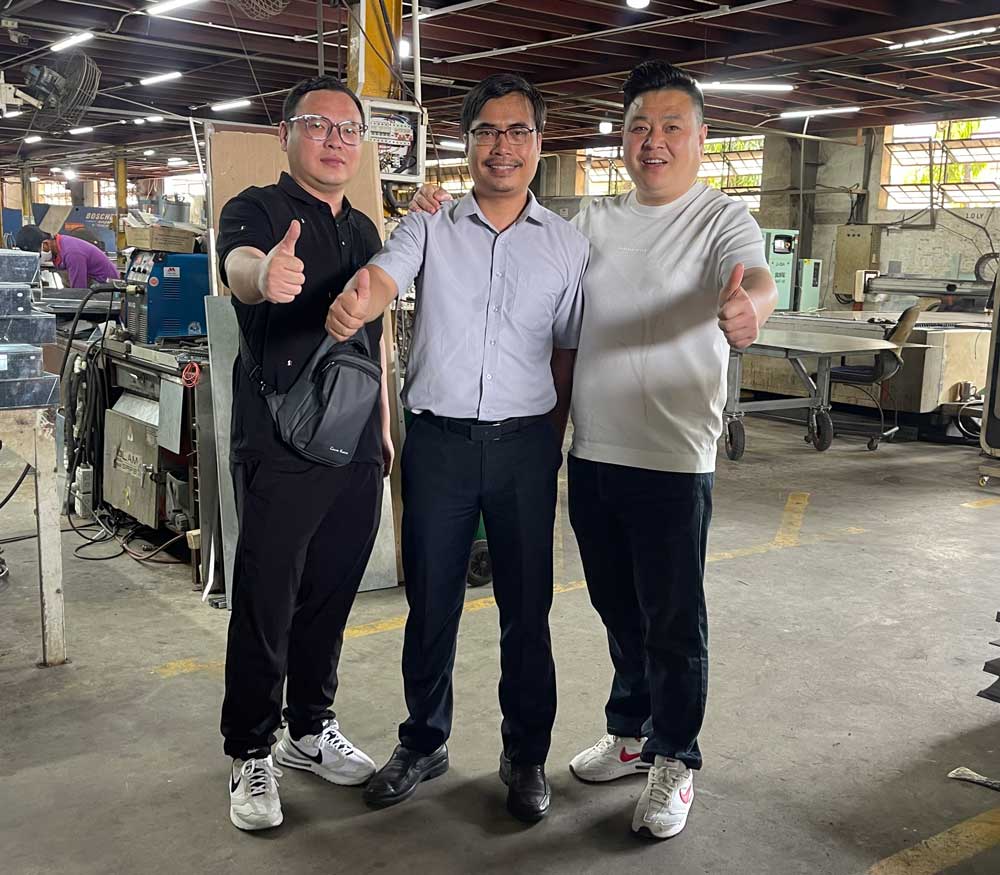
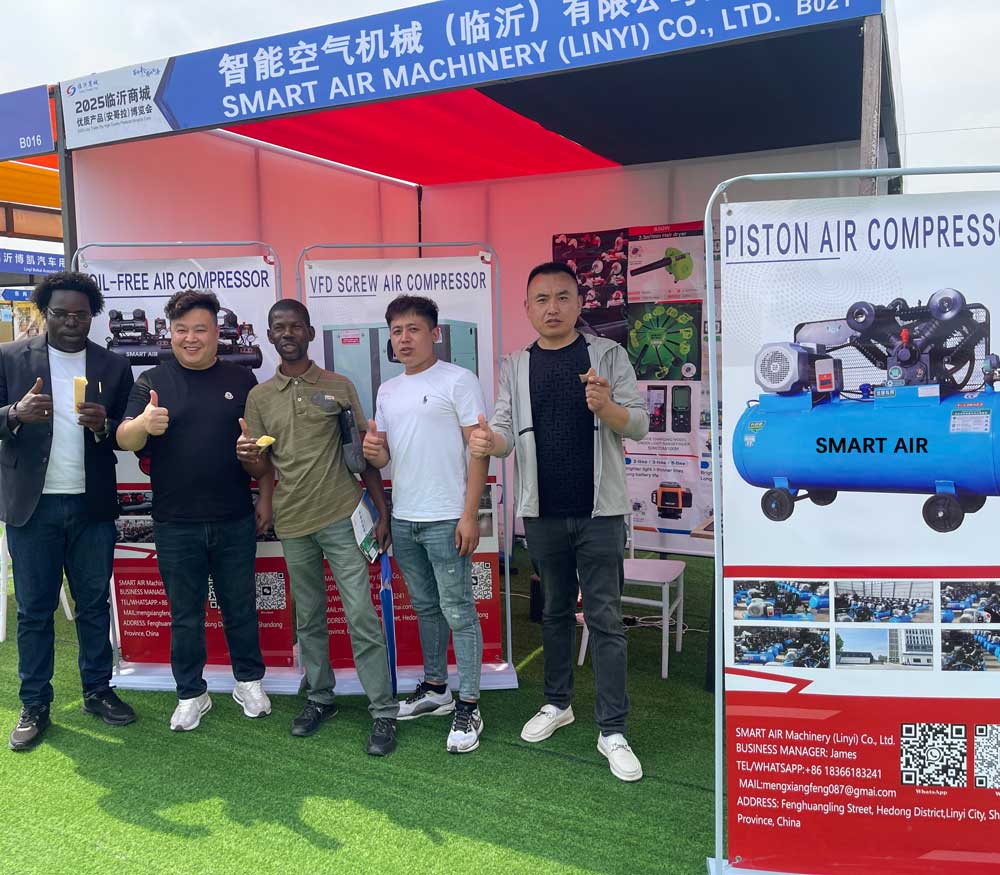
Smart Air Machinery (Linyi) Co., Ltd., established in 2005, is a diversified manufacturing enterprise integrating product research and development, production, and sales. The company employs over two hundred people and primarily manufactures screw air compressors, piston air compressors, air storage tanks, and related machinery. Located in Linyi, the logistics capital of China, our company has accumulated rich production experience, strong technical capabilities, a top-notch R&D team, and complete testing equipment through over 20 years of diligent research and continuous innovation.
Year Established
Active Employees
Export Countries
Quality Verified

Located in Linyi, the logistics capital of China, our company has accumulated rich production experience, strong technical capabilities, a top-notch R&D team, and complete testing equipment through over 20 years of diligent research and continuous innovation.

Our products, known for their aesthetically pleasing design, meticulous material selection, exquisite craftsmanship, and superior quality, are sold worldwide and have received widespread acclaim from customers.

Smart Air is committed to building a leading brand in China's air compressor industry. We firmly implement our own brand strategy, adhere to the principle of honest business practices, prioritize customer service, continuously strengthen our production capabilities, and constantly enhance our brand influence.

We firmly believe that "quality creates reputation," "reputation creates brand," and "brand creates market." Currently, we have become a well-known and advanced enterprise in the industry.
Since its establishment, the company has successively received numerous honors, including "China Famous Brand," "China's Preferred Brand for Green and Environmentally Friendly Products," "Top Ten Foreign Trade Enterprises in the Mall," "High-Tech Enterprise," "3A Credit Enterprise," and "Civilized and Trustworthy Unit."
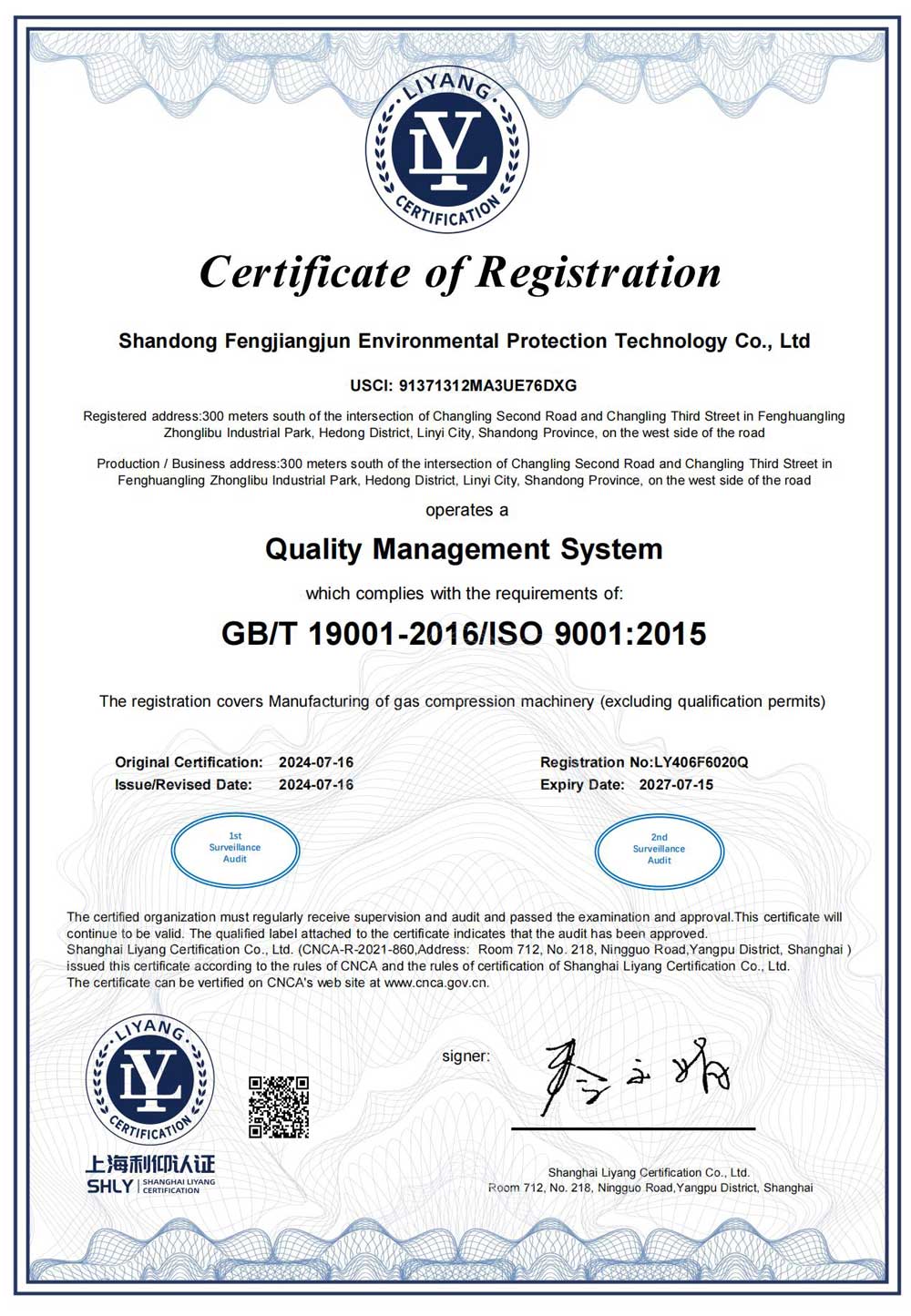
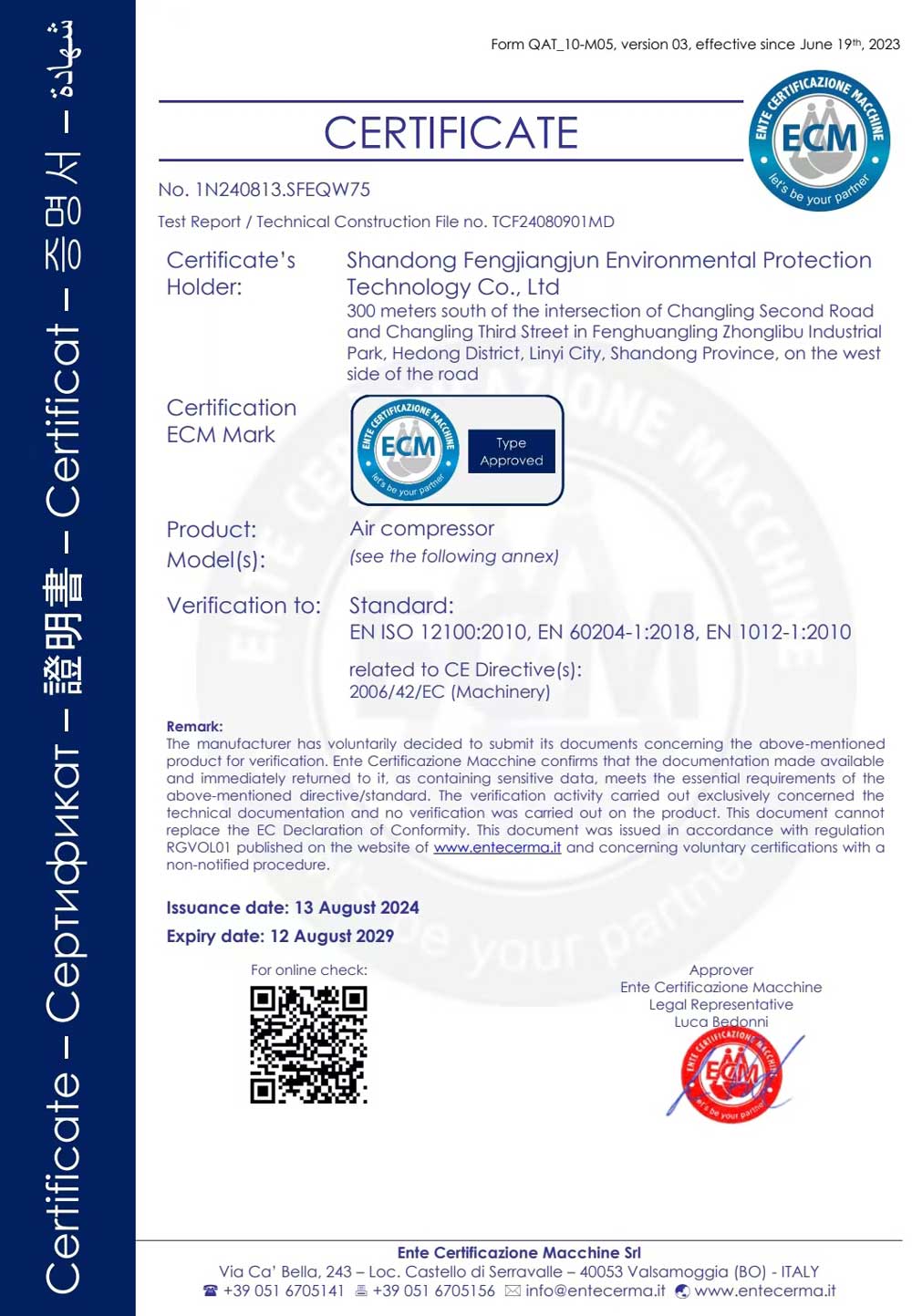
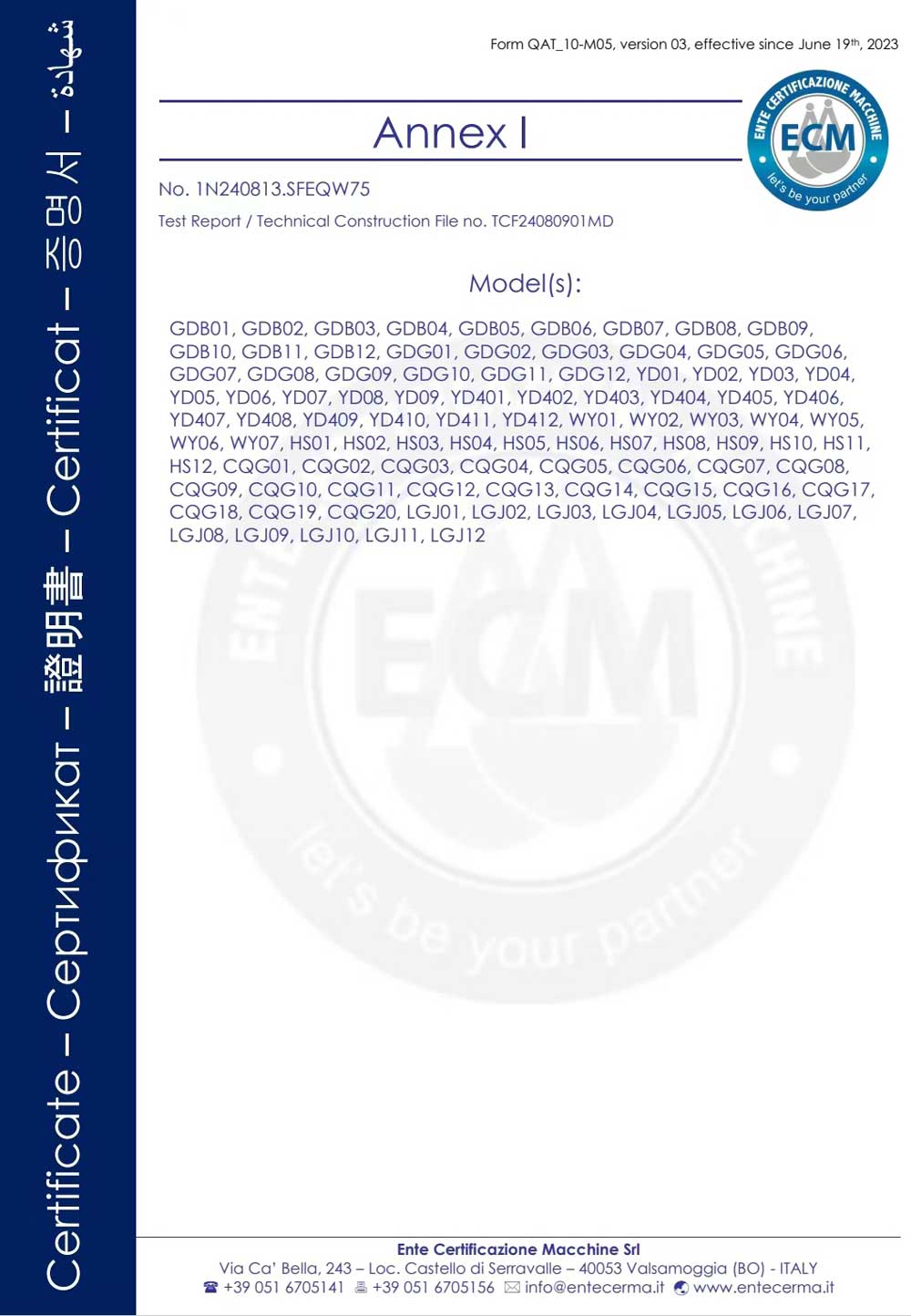

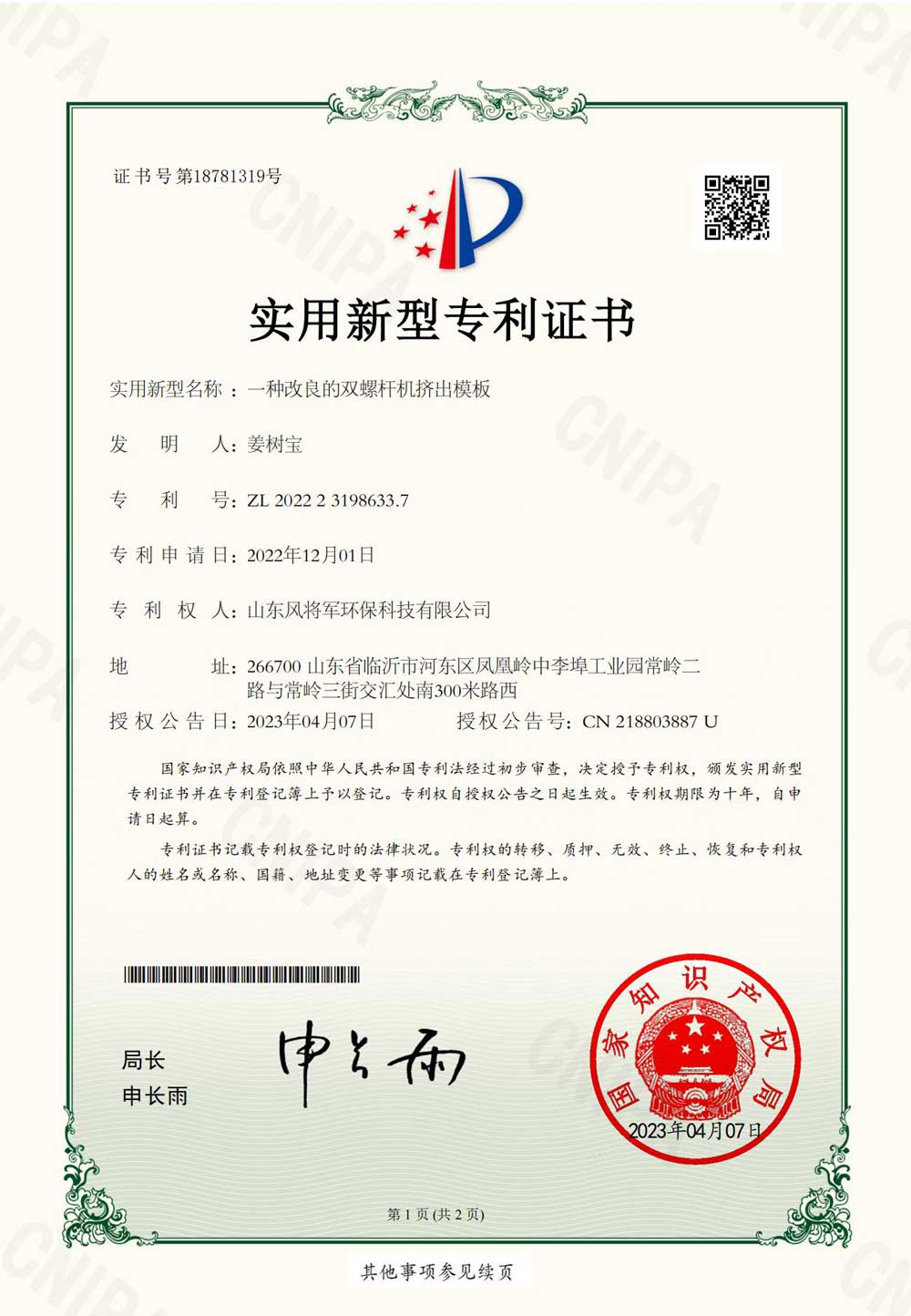
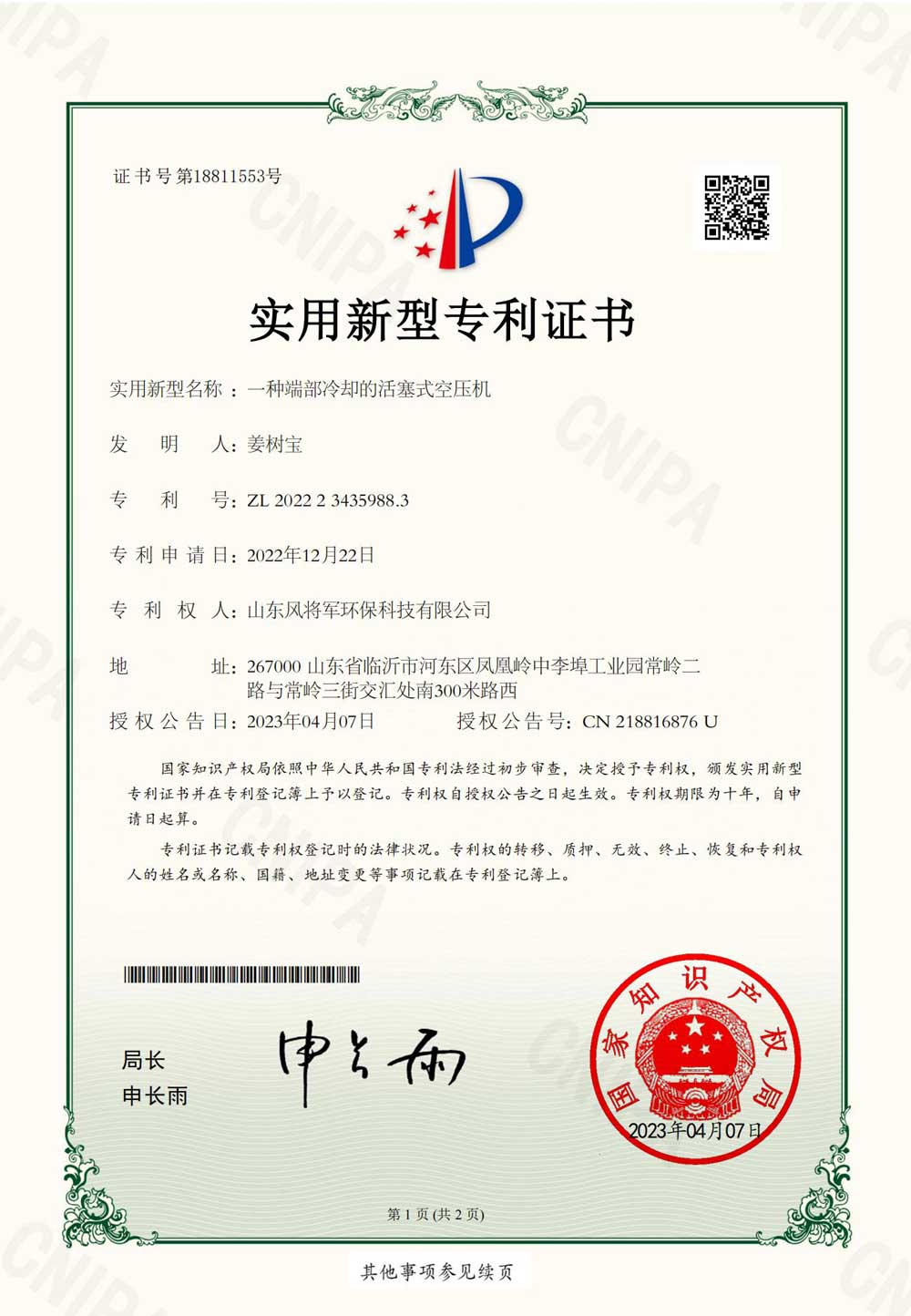
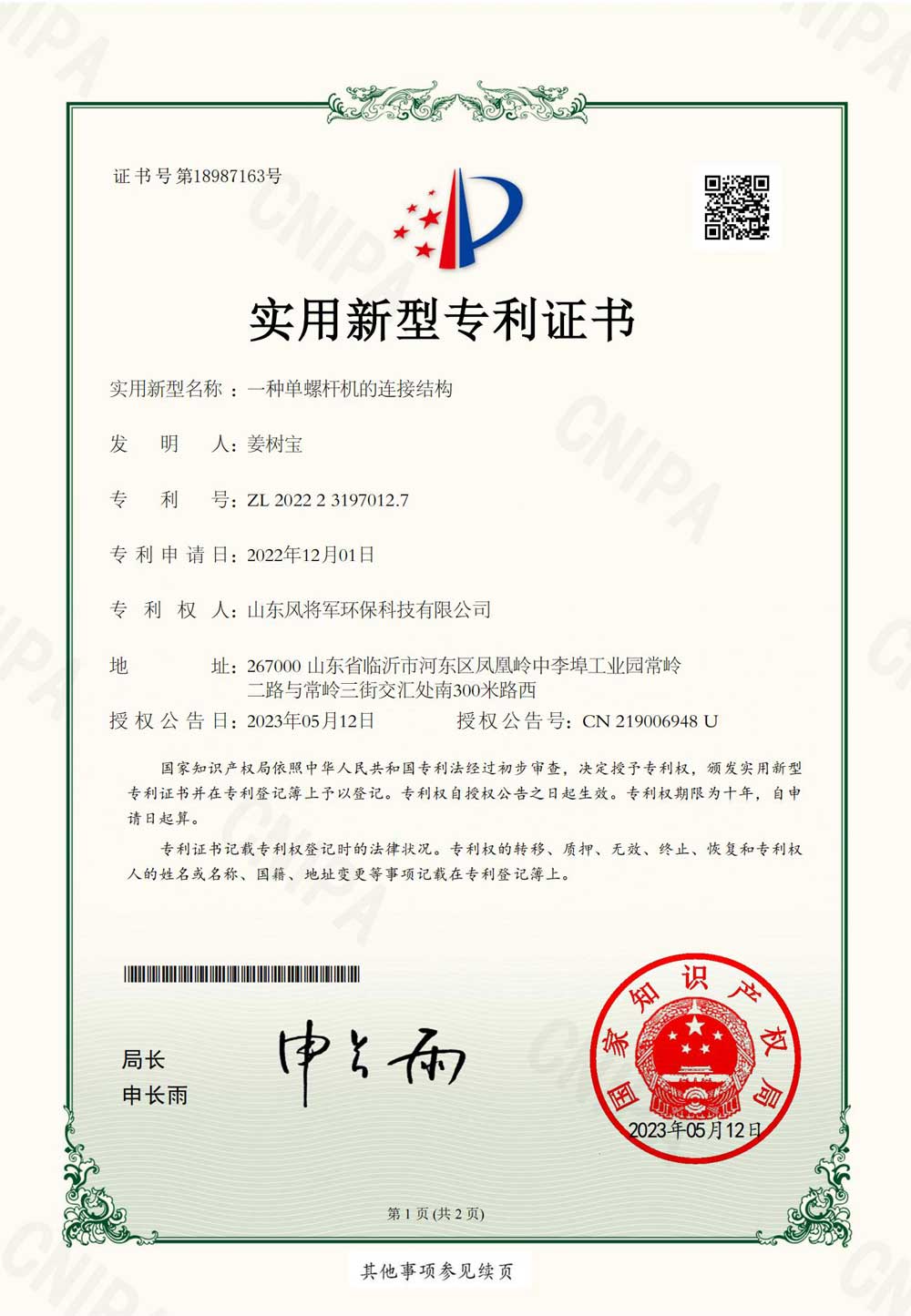
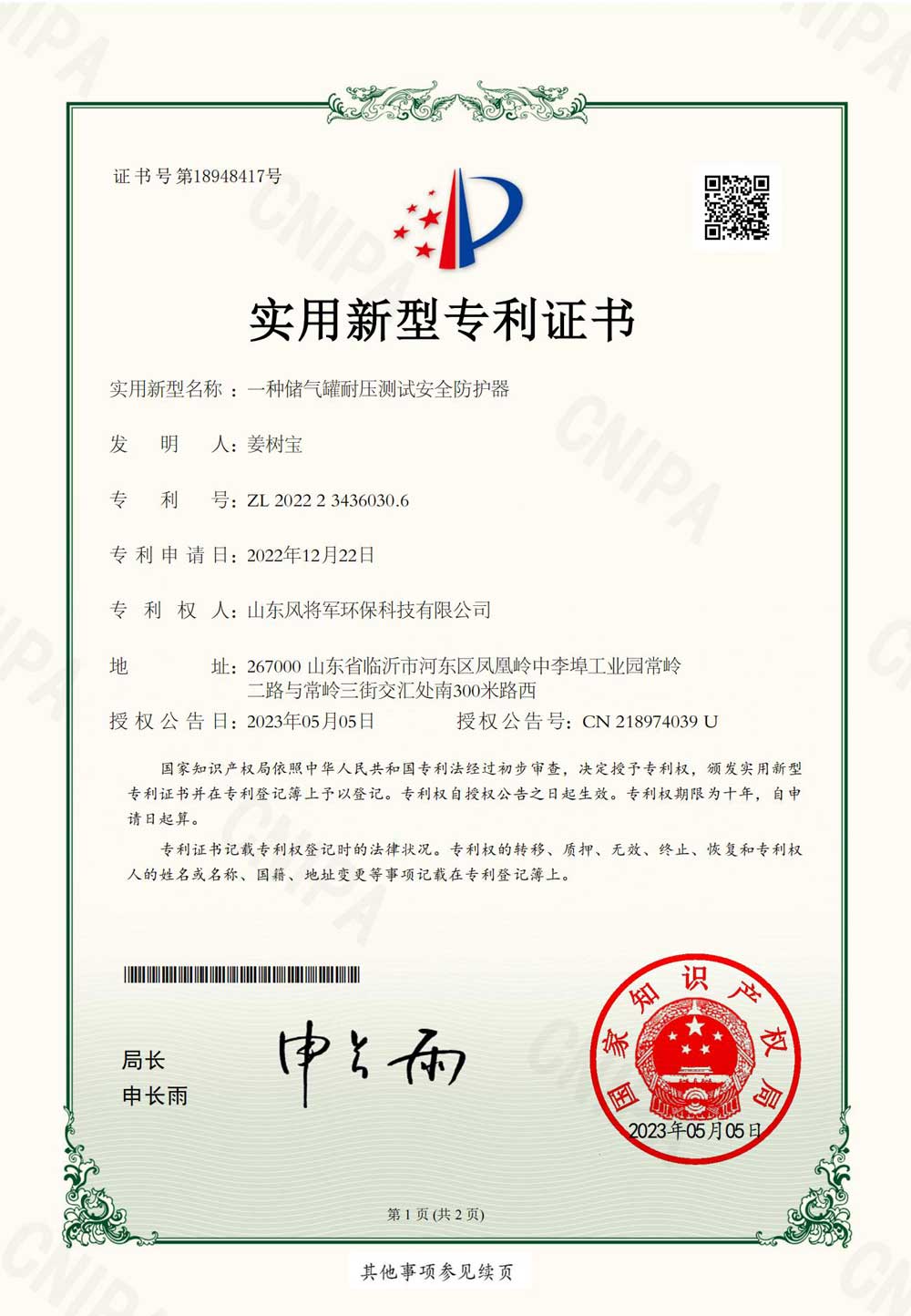
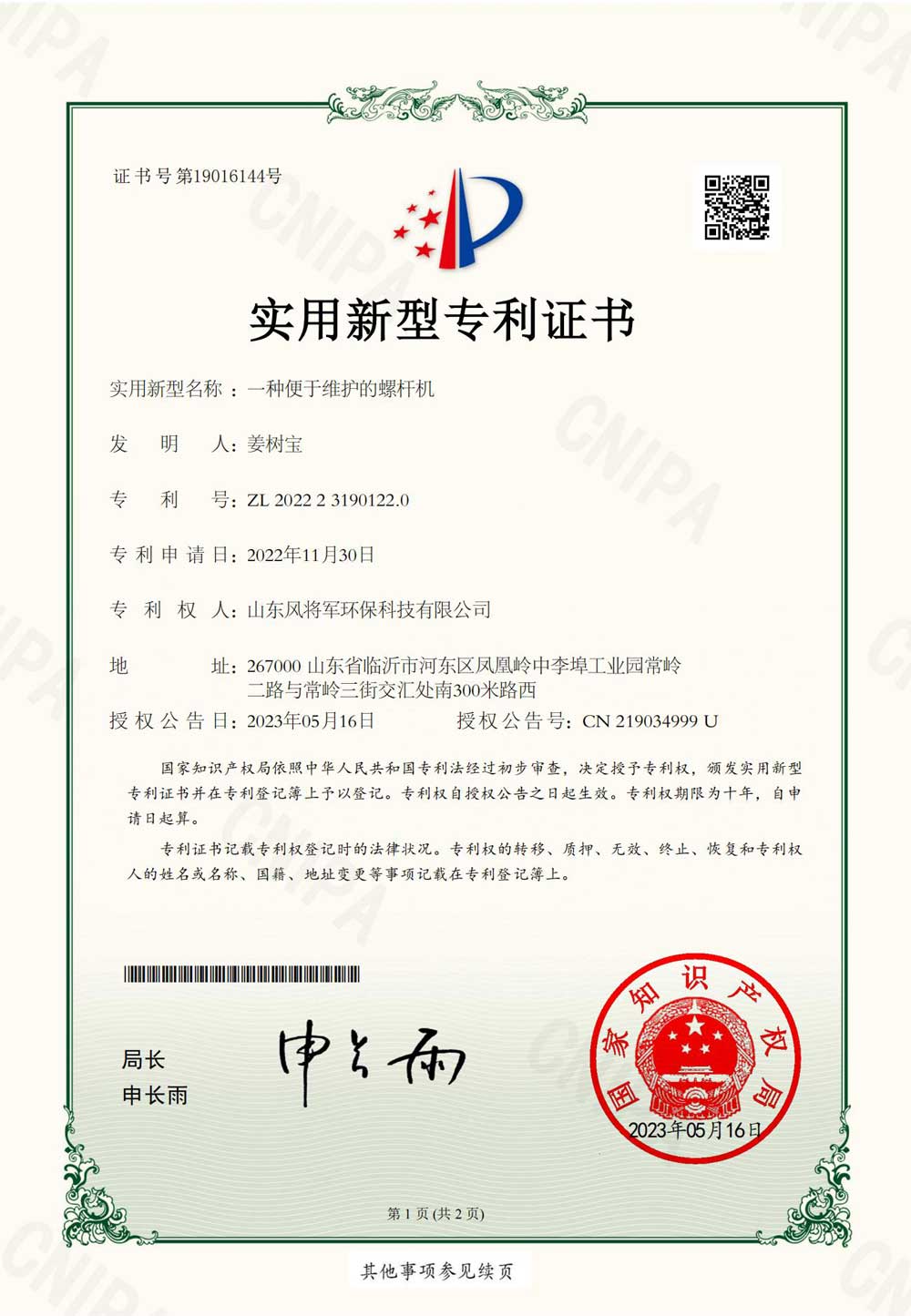
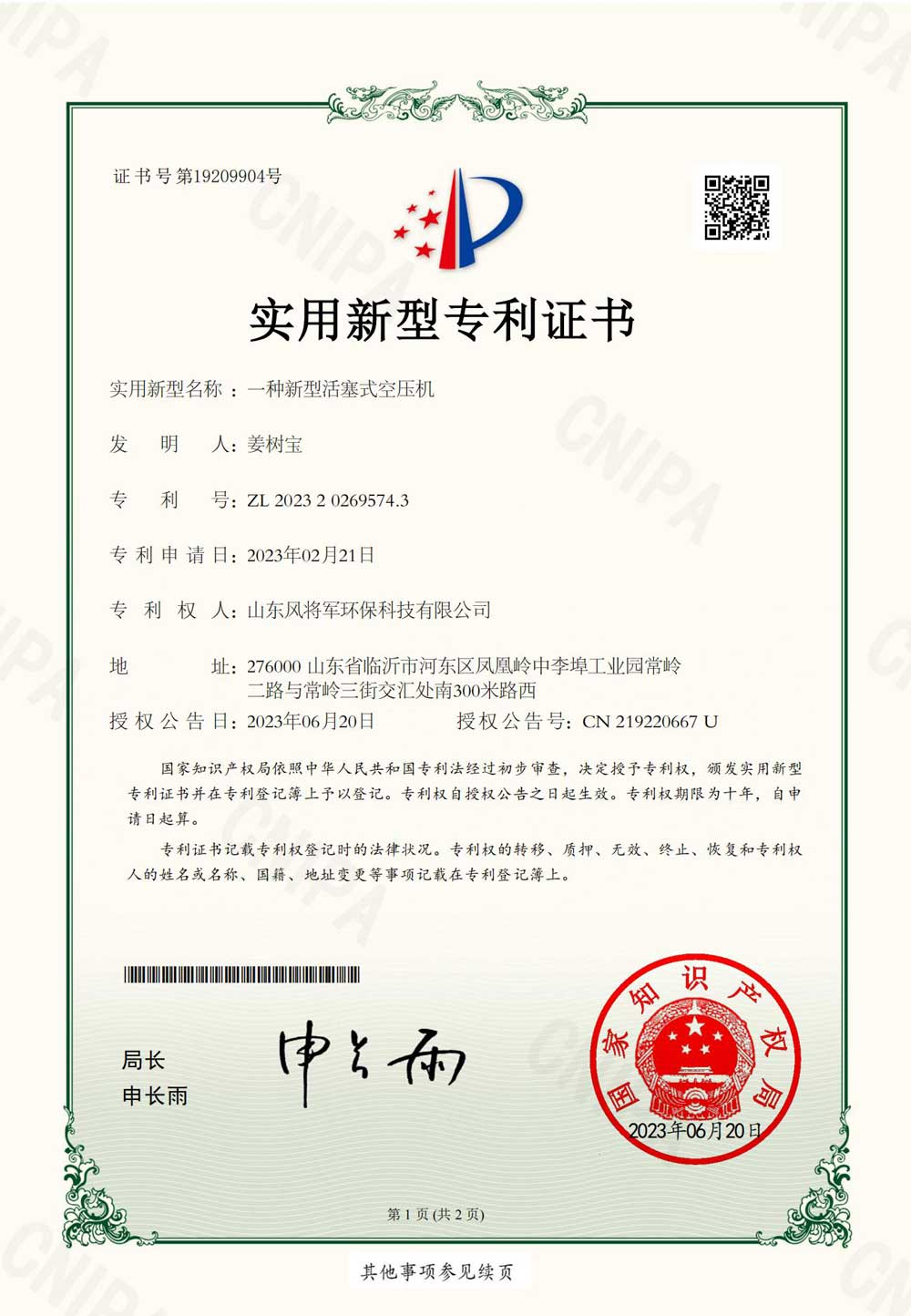
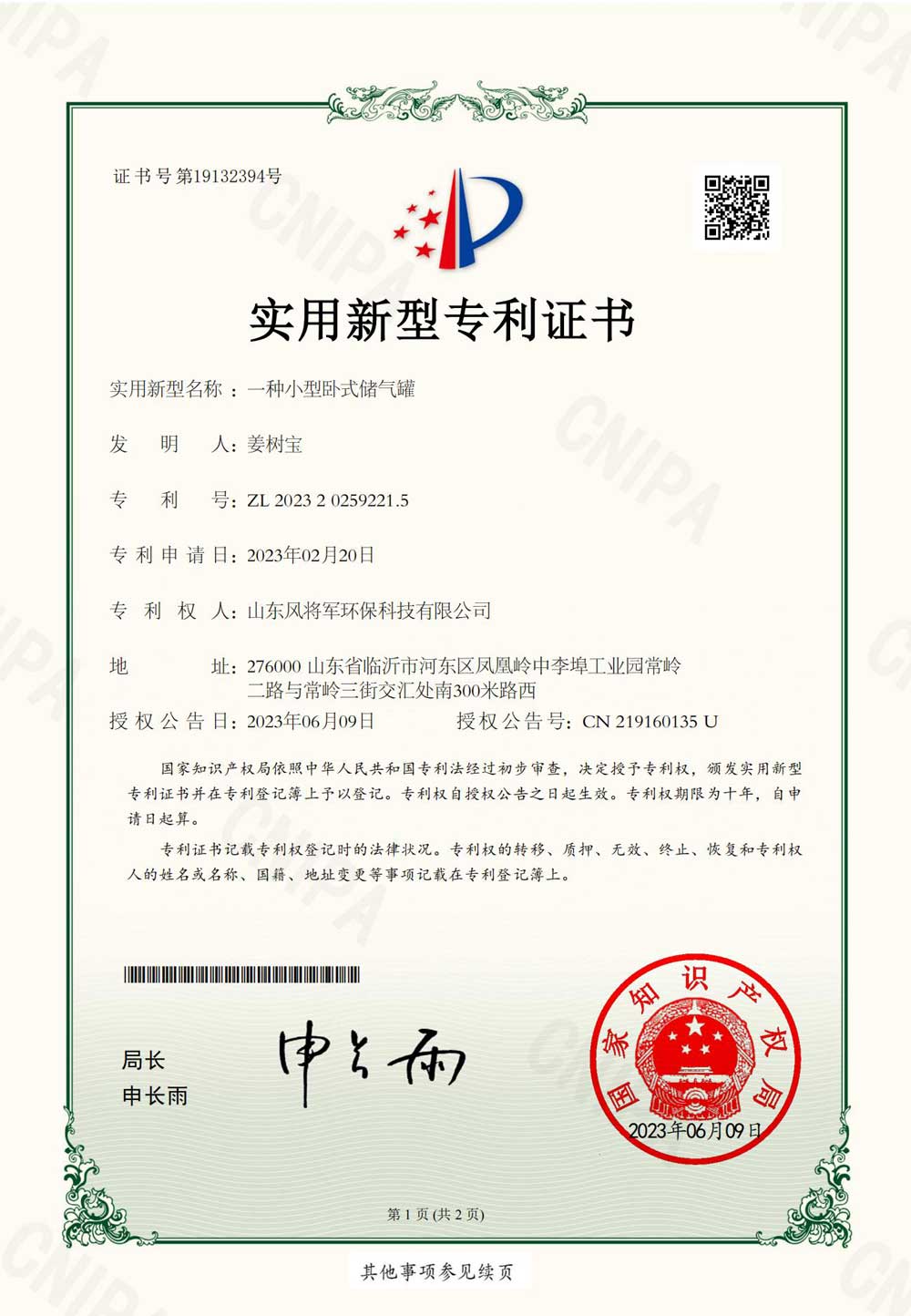
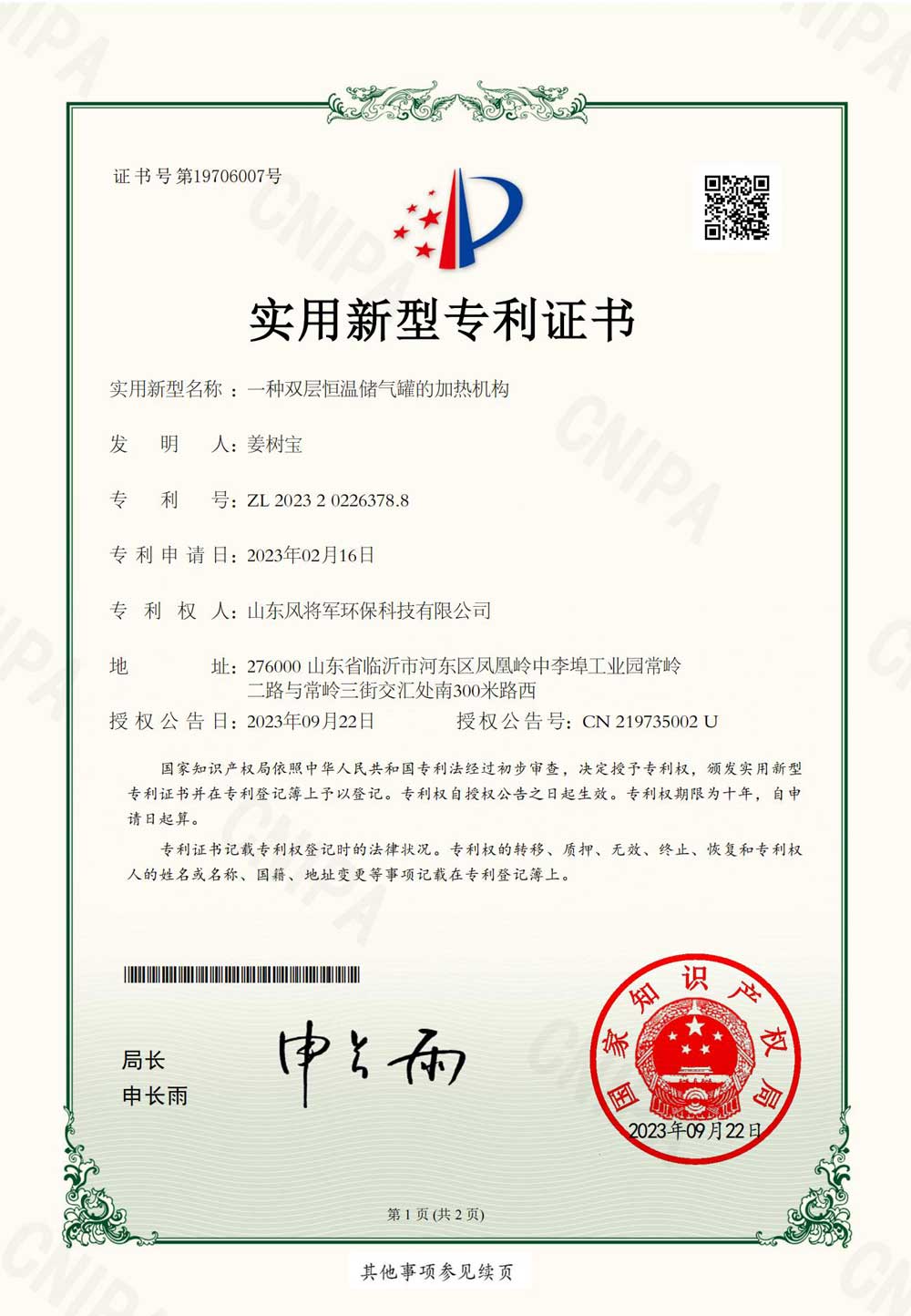
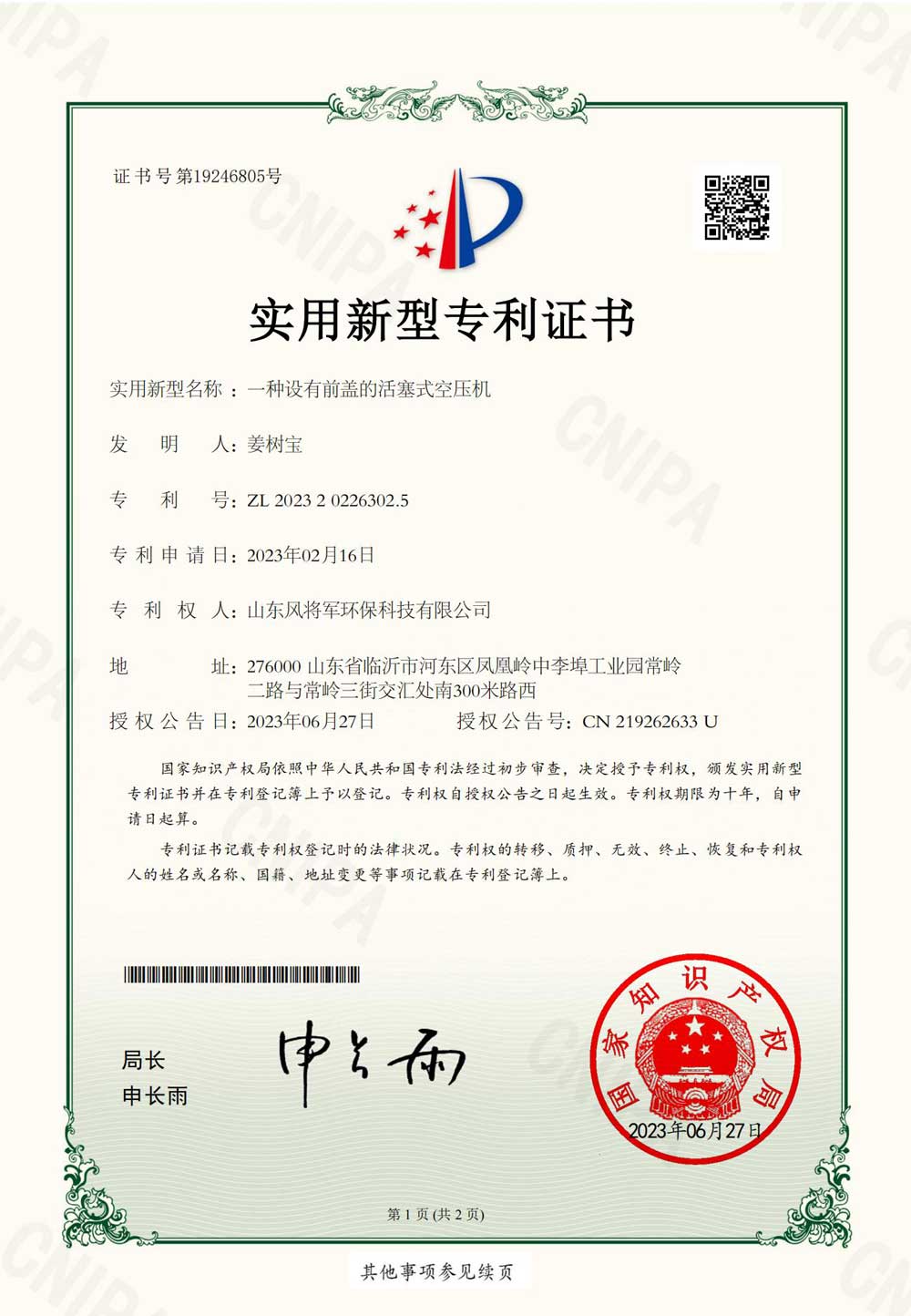
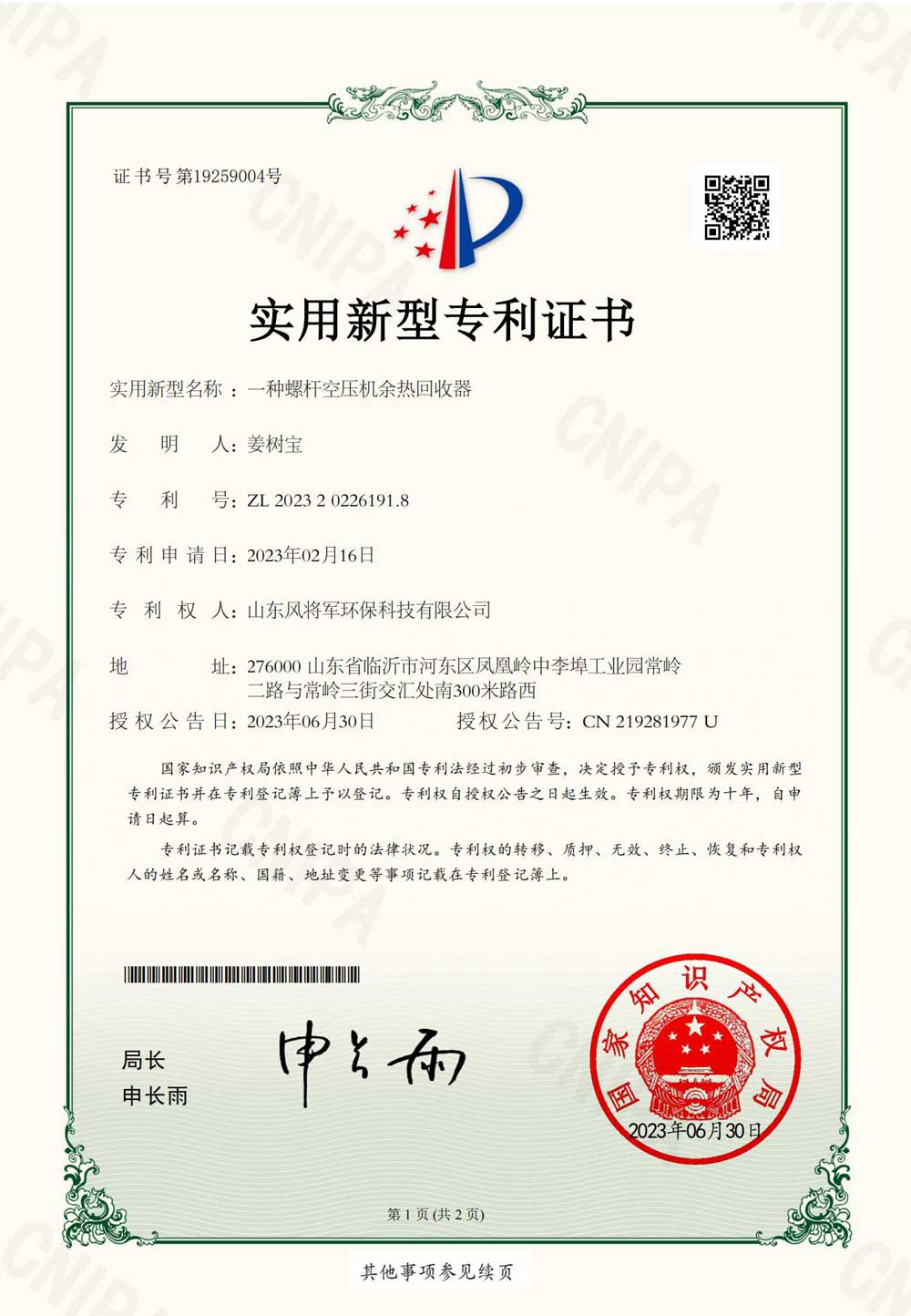
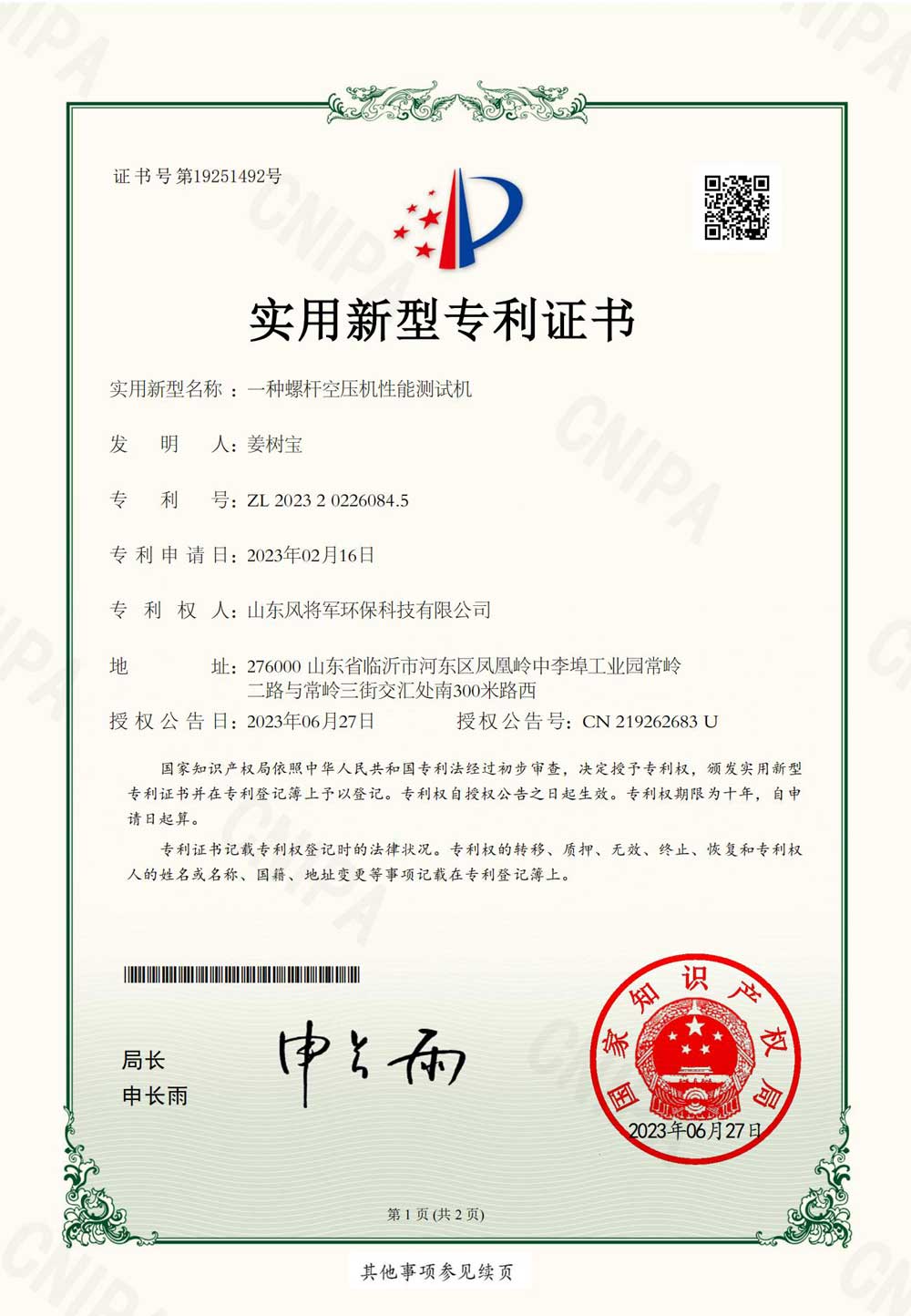
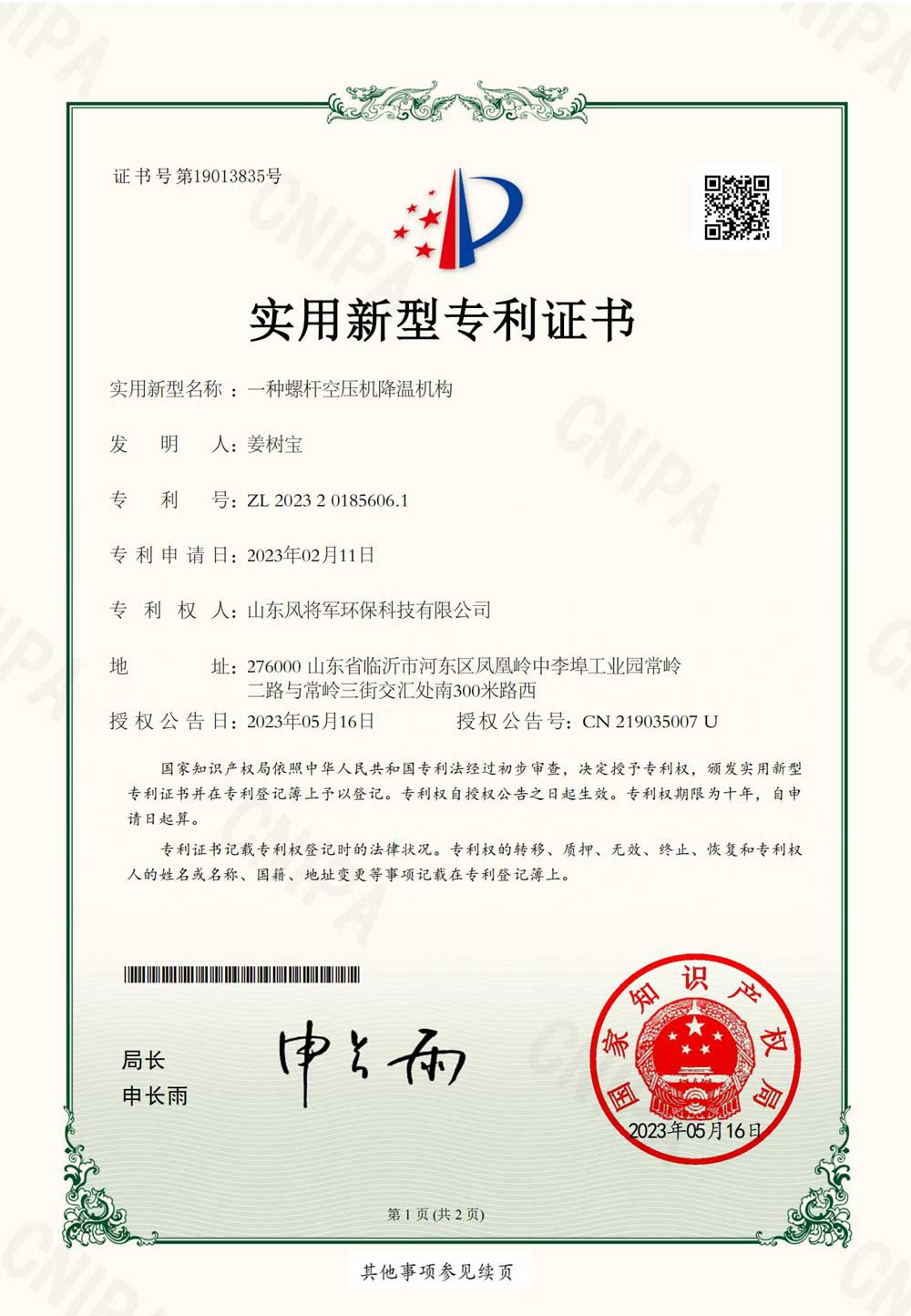
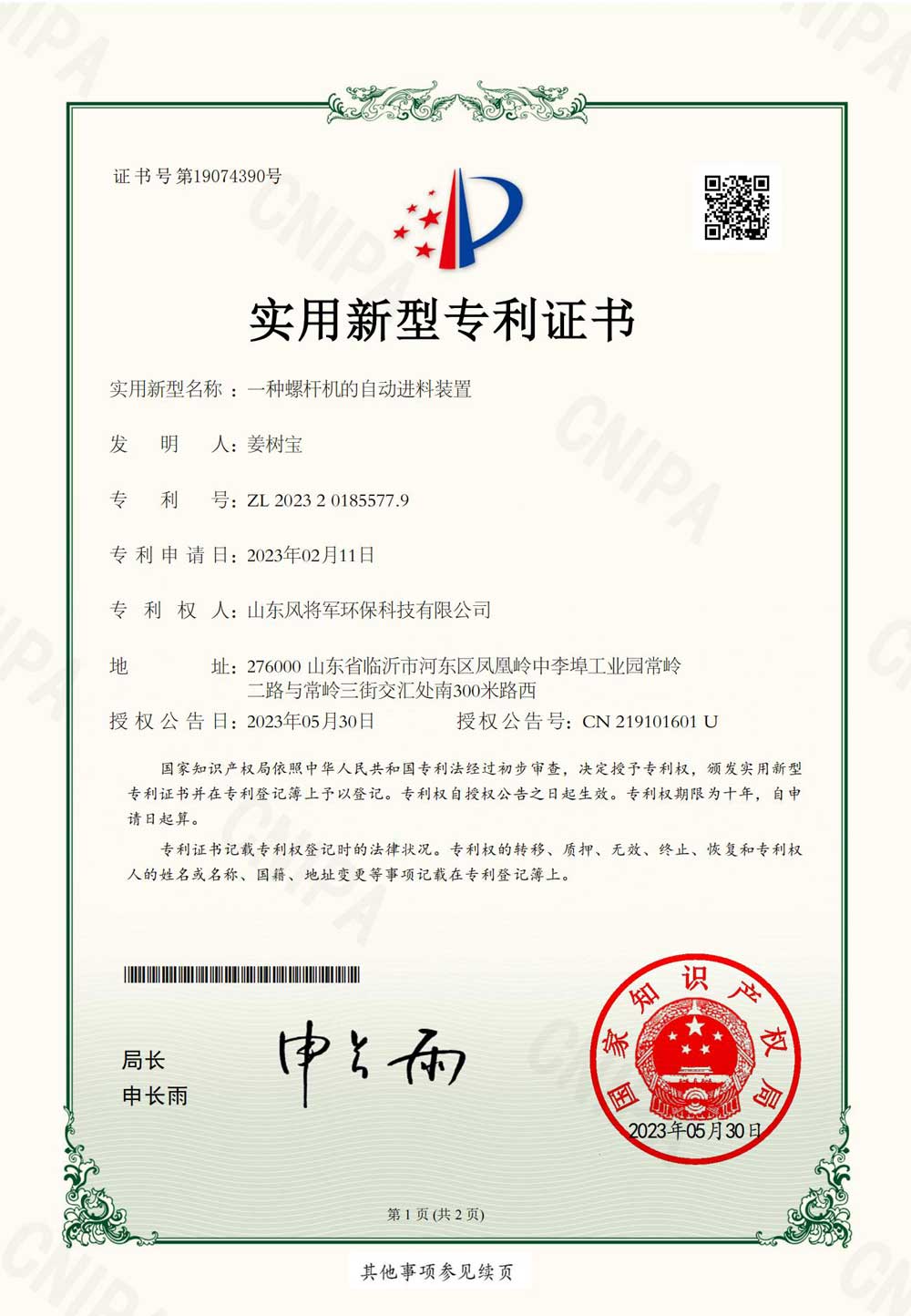
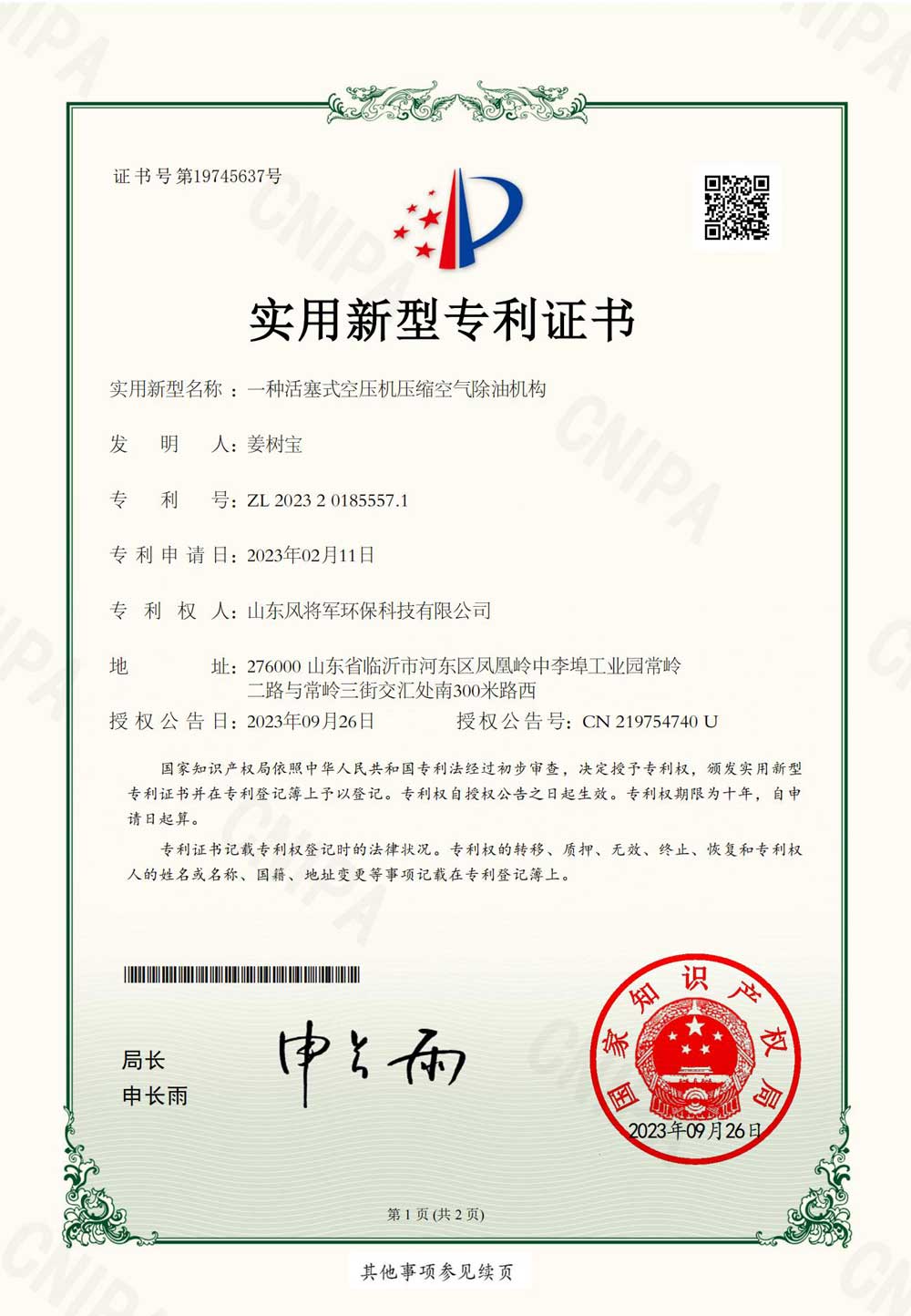
With a proven track record of successful collaborations in over 20 countries, including the USA, Canada, Colombia, Chile, Australia, New Zealand, Russia, Indonesia, Vietnam, Malaysia, India, Sri Lanka, Bangladesh, Pakistan, Dubai, Afghanistan, Israel, Syria, Kosovo, Tunisia, and Angola, we are committed to meeting the diverse needs of our clients. At Smart Air, we pride ourselves on delivering tailored solutions that adhere to the highest standards of quality and performance. Our customers consistently express their satisfaction with our products, praising their reliability and efficiency. Join the growing list of satisfied clients who trust Smart Air for their air compression needs. Experience excellence with us today!
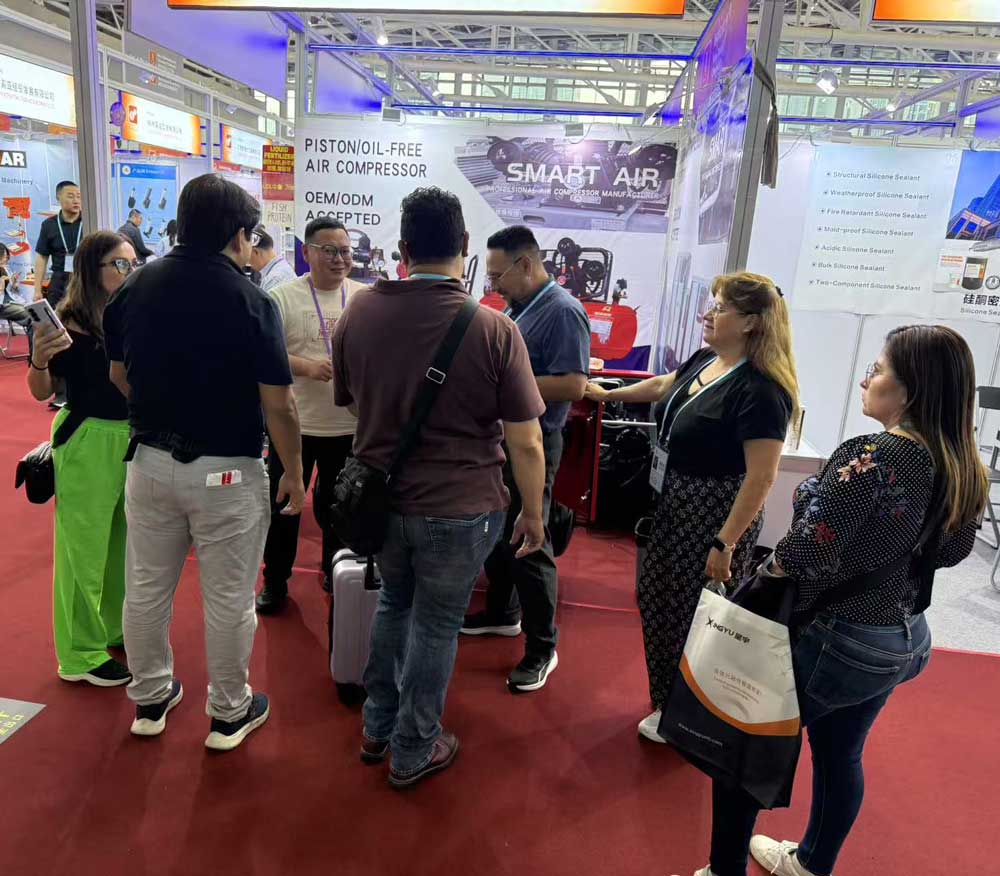
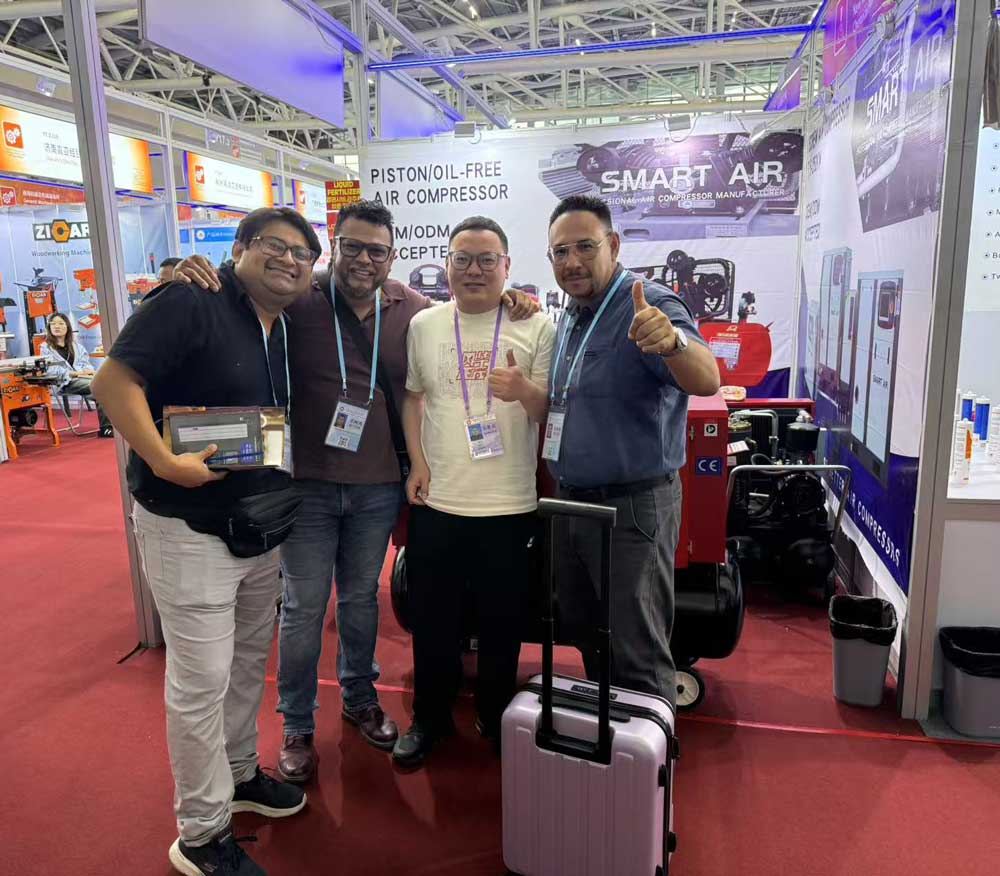
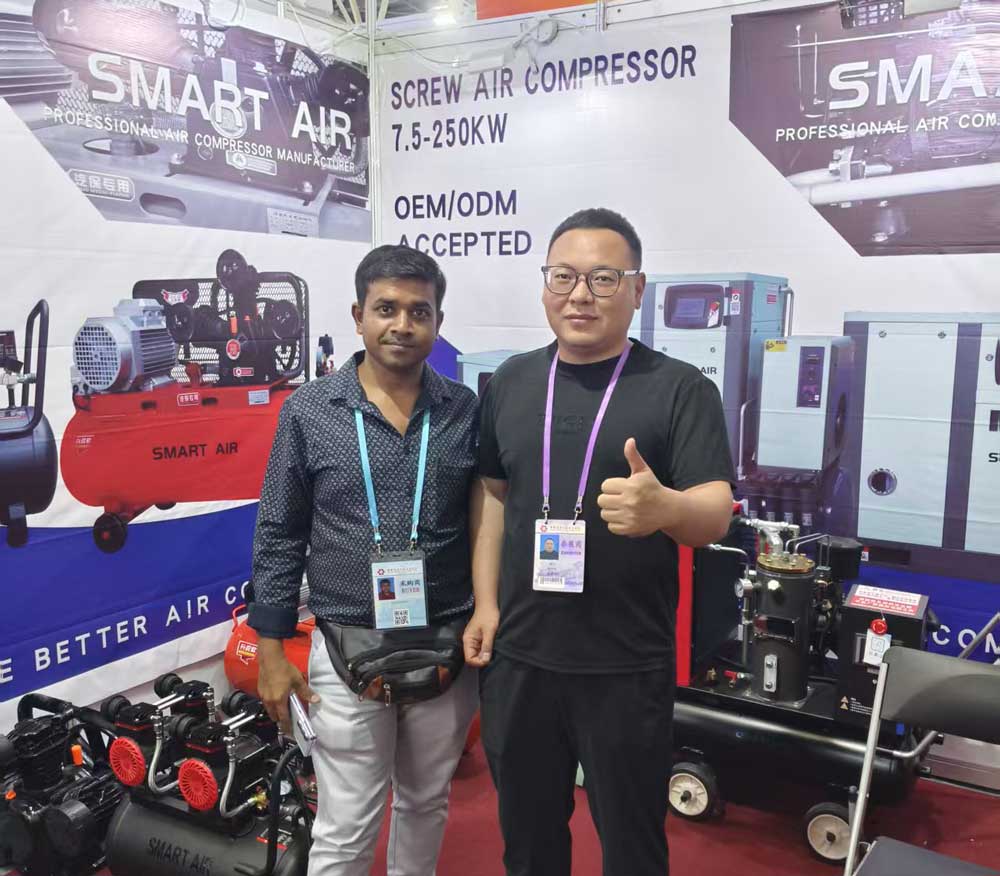
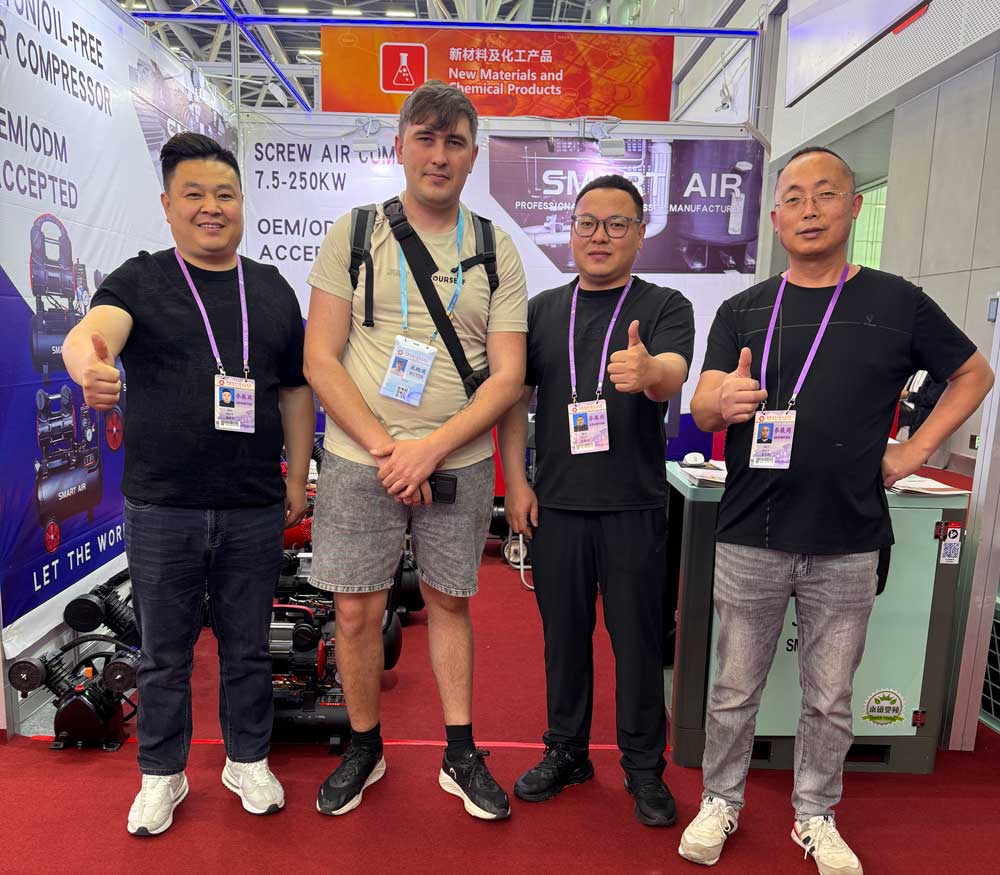
Providing optimized air storage and compression units customized for key industrial sectors globally.
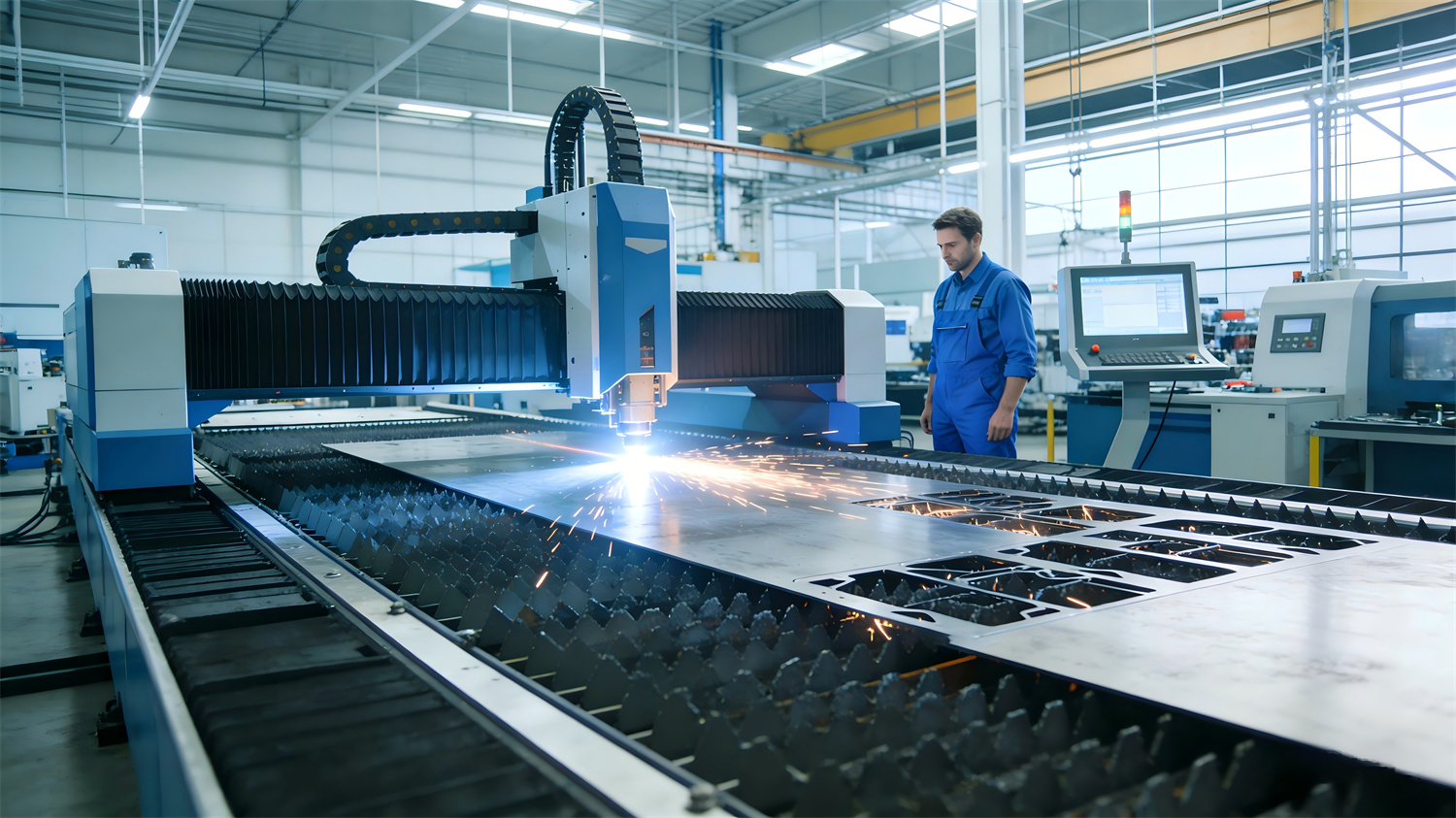
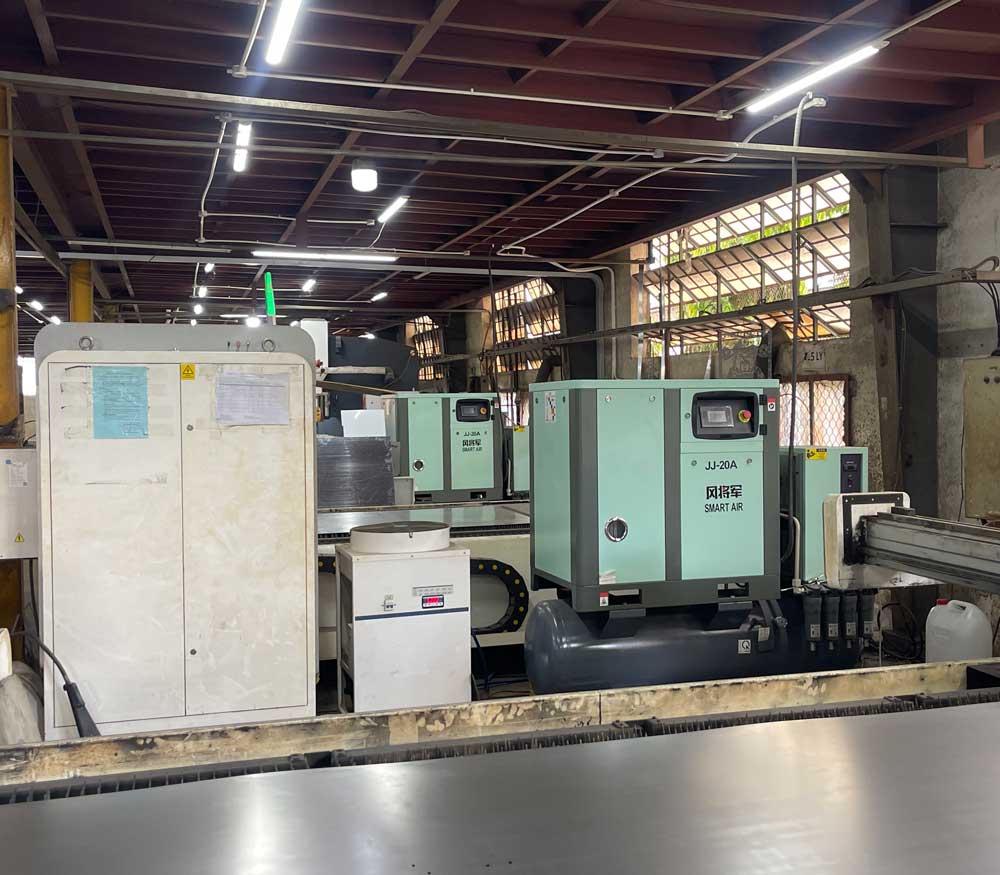
Air compressors are essential supporting equipment for the laser cutting industry, providing high-pressure, clean and stable compressed air for the cutting process. They blow away molten slag and debris in time to ensure smooth cutting surfaces and high precision, avoiding cutting defects. Suitable for cutting various materials such as metal and non-metal, energy-saving and oil-free models prevent air pollution, protect laser heads and extend equipment service life, effectively improving production efficiency and reducing operating costs for enterprises.
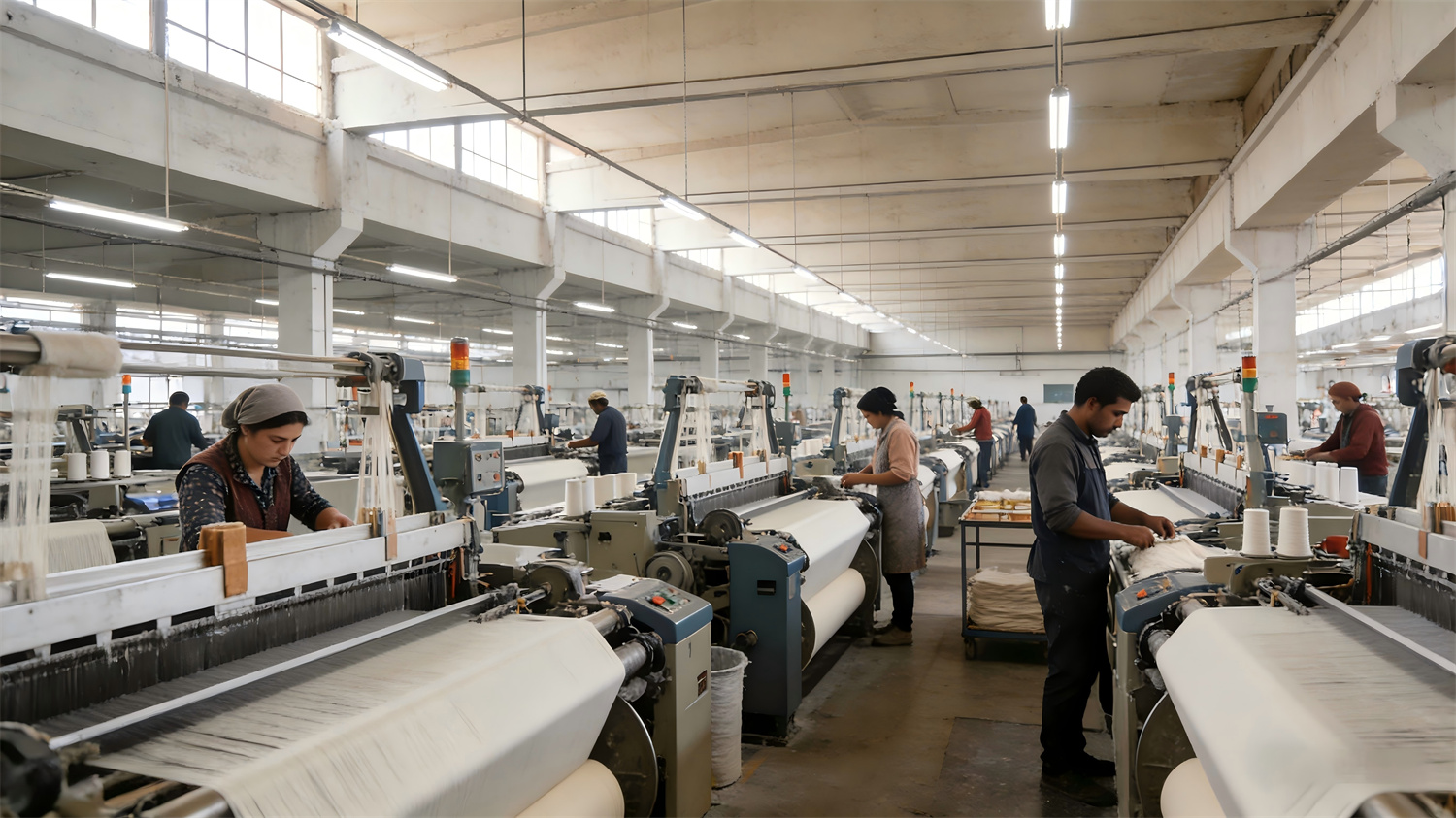
Air compressors are indispensable core equipment in the textile industry, providing stable, clean and appropriate-pressure compressed air for the whole production process. They power weaving machines, spinning frames and other equipment to ensure smooth operation, improve yarn and fabric quality. Energy-saving and oil-free models avoid yarn and fabric pollution, reduce equipment wear, and help enterprises improve production efficiency, reduce energy consumption and ensure continuous and stable production of high-quality textiles.
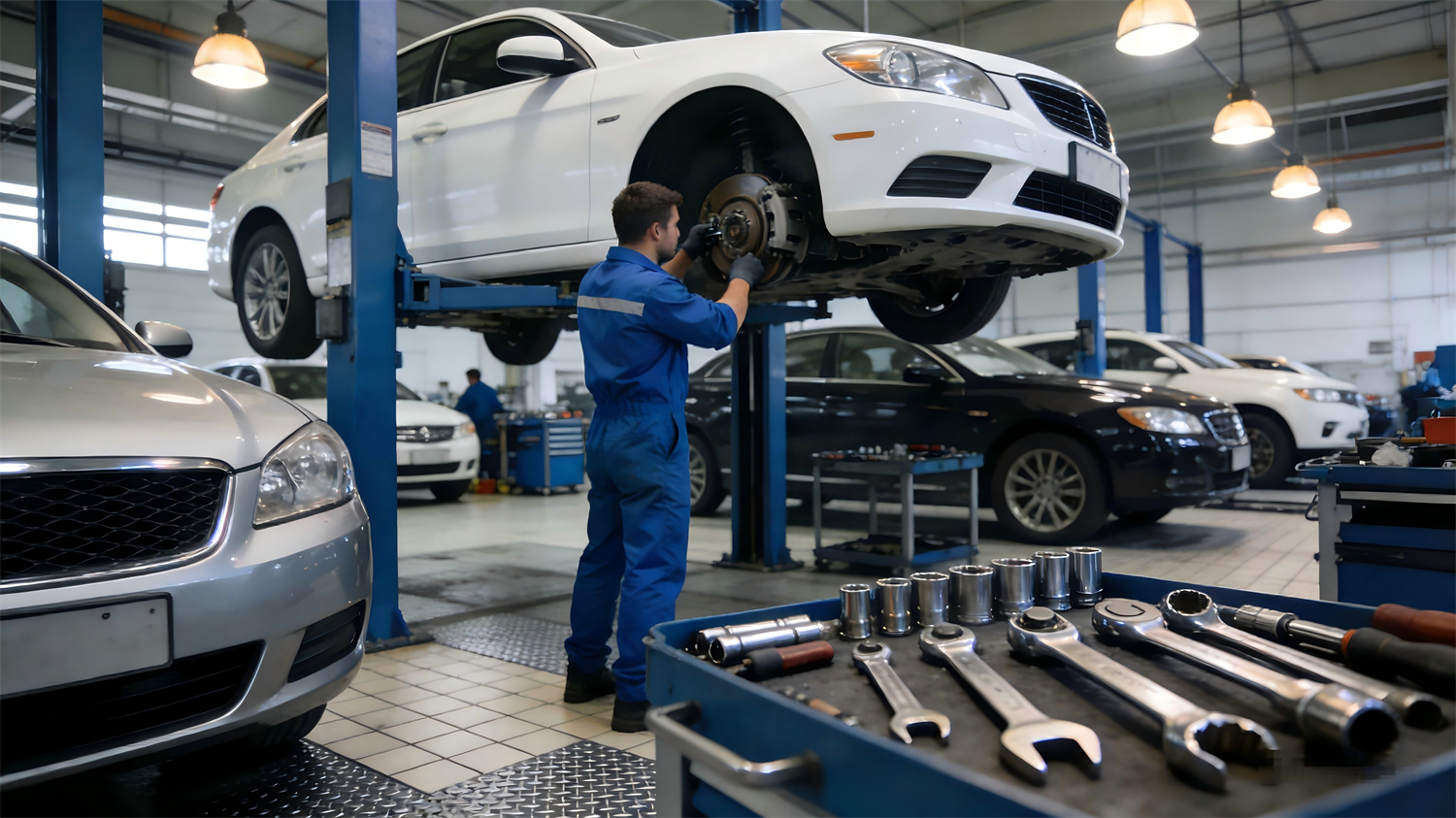
Air compressors are vital supporting equipment in the automotive industry, providing stable, clean and high-pressure compressed air for both production and vehicle operation. They power pneumatic tools in assembly lines, ensure precise processing of auto parts, and support braking, suspension and air conditioning systems in vehicles. Energy-saving and high-efficiency models reduce energy consumption, protect equipment, and help enterprises improve production efficiency and ensure the safety and reliability of automotive products.
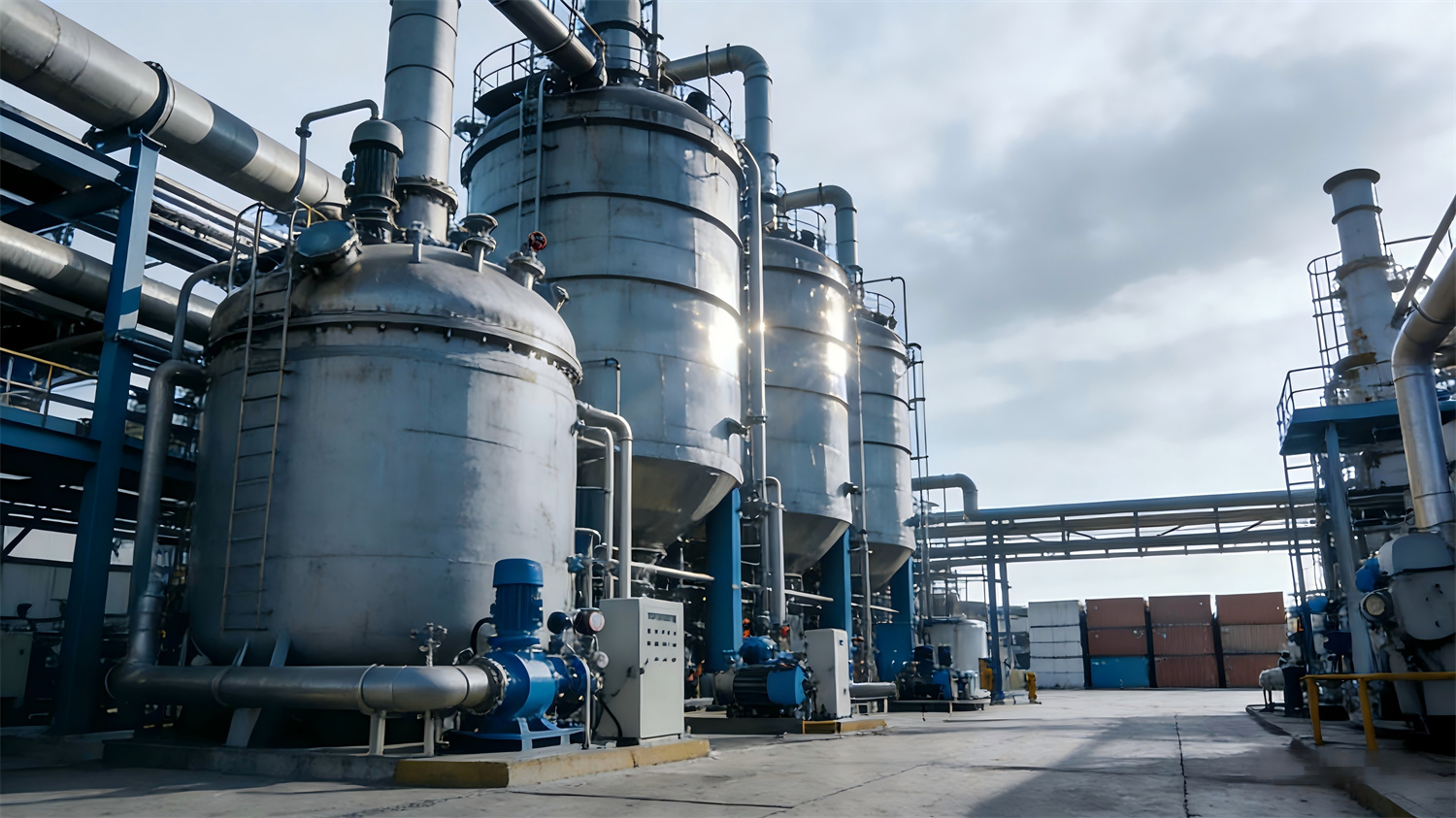
Air Compressors for chemical industry play an important role. It can provide the power needed for chemical processes, and also suitable for providing pressure required during chemical reactions, control air emissions and storage of chemicals. Chemical industries are complicated and require high requirements, many materials in this field are flammable, explosive or toxic and corrosive. Therefore, the technical requirements of compressors are very high in chemical industry; it requires safe operation and stable maintenance with an easy maintenance.

Air compressors are indispensable core equipment in the construction industry, providing stable, high-pressure and clean compressed air for a variety of on-site construction operations. They effectively power various pneumatic tools, including jackhammers, nail guns, concrete sprayers and air drills, greatly improving construction efficiency and ensuring the quality of projects. Suitable for all construction scenarios, whether indoor decoration or outdoor large-scale engineering, their energy-saving and durable performance enables them to adapt to harsh on-site environments, reduce energy consumption and equipment failure rate, and help construction enterprises speed up the construction progress and ensure safe, efficient and stable operation.

Air compressors are essential equipment for the car washing industry, providing high-pressure and clean compressed air to optimize the washing process. They blow away water stains, dust and debris in gaps such as door seams and air outlets, ensuring a thorough and spotless clean. Suitable for both manual and automatic car washes, energy-saving models reduce power consumption, improve working efficiency, and avoid scratches on car surfaces, helping car wash shops enhance service quality and reduce operating costs.
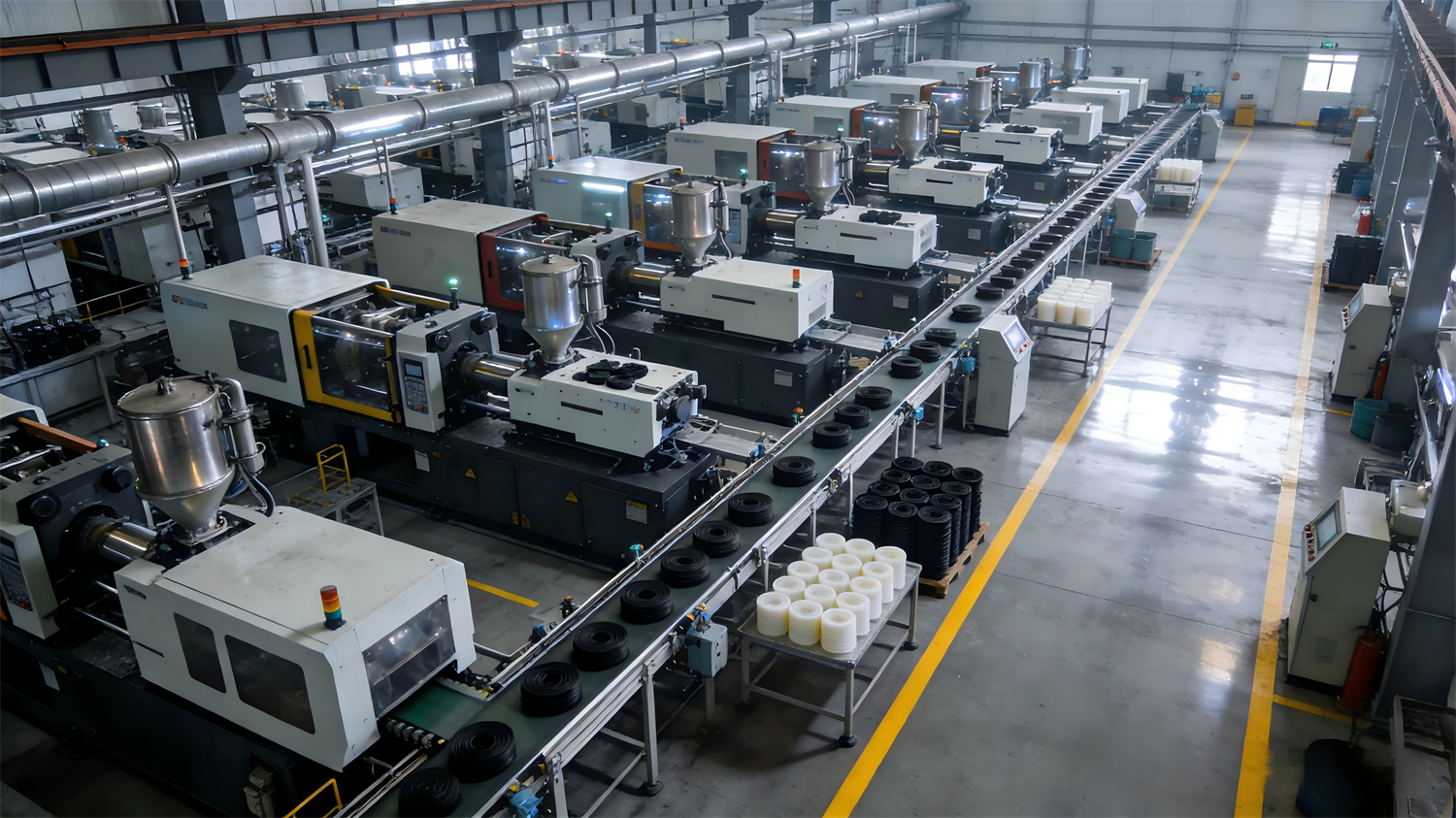
Rubber and plastic products are essential components of our daily lives – rubber, for example, is widely used for its good elasticity, insulation, and malleability, as well as its water and air resistance, tensile strength and wear resistance in industries such as agriculture, defense, transportation, mechanical manufacturing, medicine and hygiene. With the rapid development of the rubber products industry in recent years, its downstream application fields will be further expanded and extended. As for plastic products they need no mention – they have an extremely important role in today’s world and have been developing rapidly all over the world for years. The production process of these rubber and plastic products relies on compressed air as a motive power source; naturally compressed air compressors are indispensable.
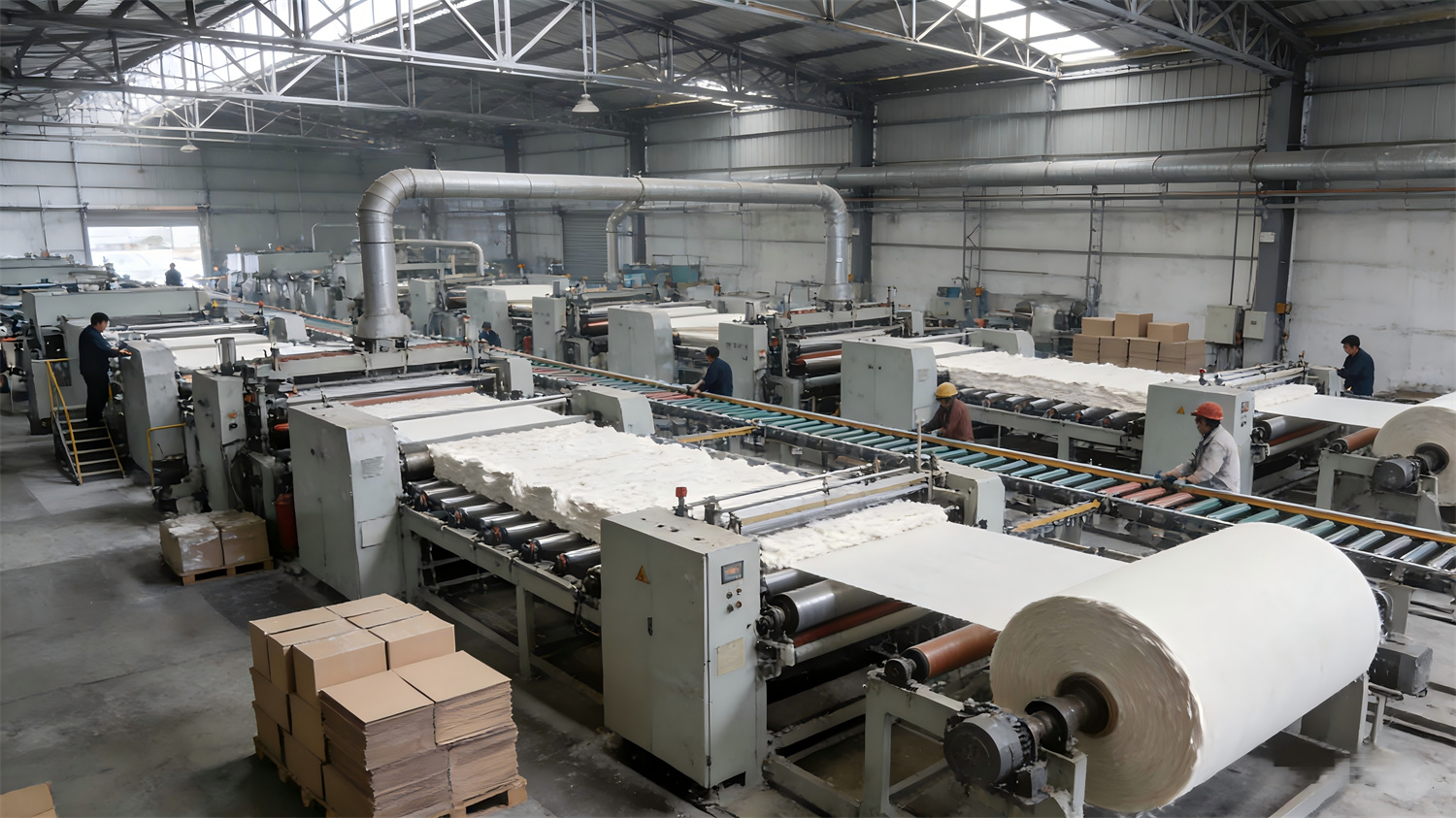
Air compressors are essential supporting equipment in the papermaking industry, providing stable, clean and appropriate-pressure compressed air for the entire production process. They power key equipment such as pulp beaters, paper machines and drying systems, ensuring uniform pulp mixing, smooth paper formation and efficient drying. Oil-free and dust-proof models avoid contamination of pulp and paper, ensuring product quality. With energy-saving and durable performance, they adapt to the high-load continuous production of papermaking, reduce energy consumption and equipment failure, helping enterprises improve production efficiency and reduce operating costs while ensuring stable output of high-quality paper products.
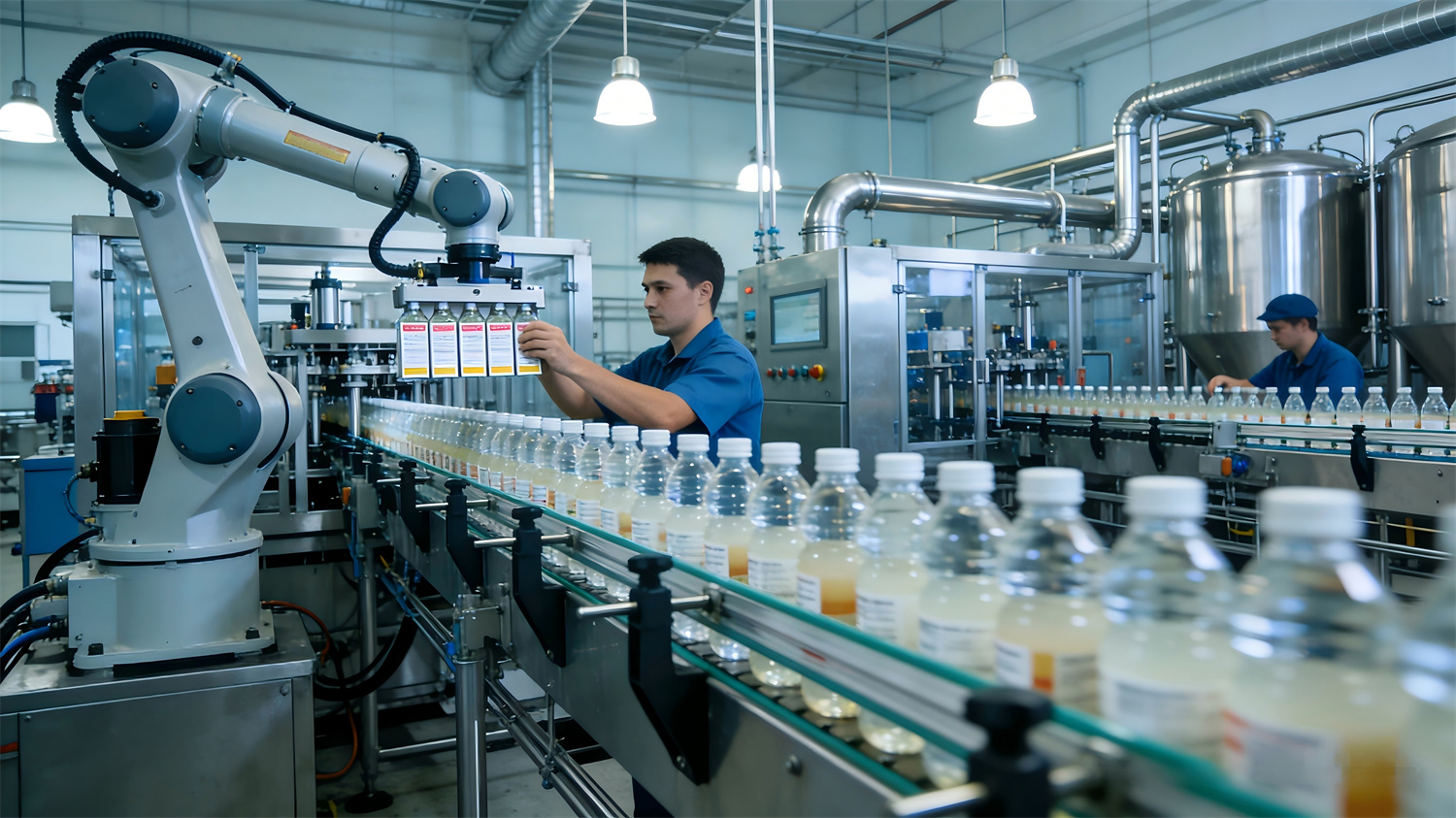
Air compressors are crucial supporting equipment in the food and beverage industry, providing clean, oil-free and stable compressed air that meets food safety standards for the entire production process. They power pneumatic conveying systems for raw materials, drive filling, capping and packaging equipment, and assist in product drying and sterilization. Oil-free models effectively avoid food contamination, protect production equipment, and adapt to high-hygiene requirements of food and beverage production. Energy-saving and efficient, they reduce operating costs, improve production efficiency, and help enterprises ensure product quality and comply with food safety regulations.
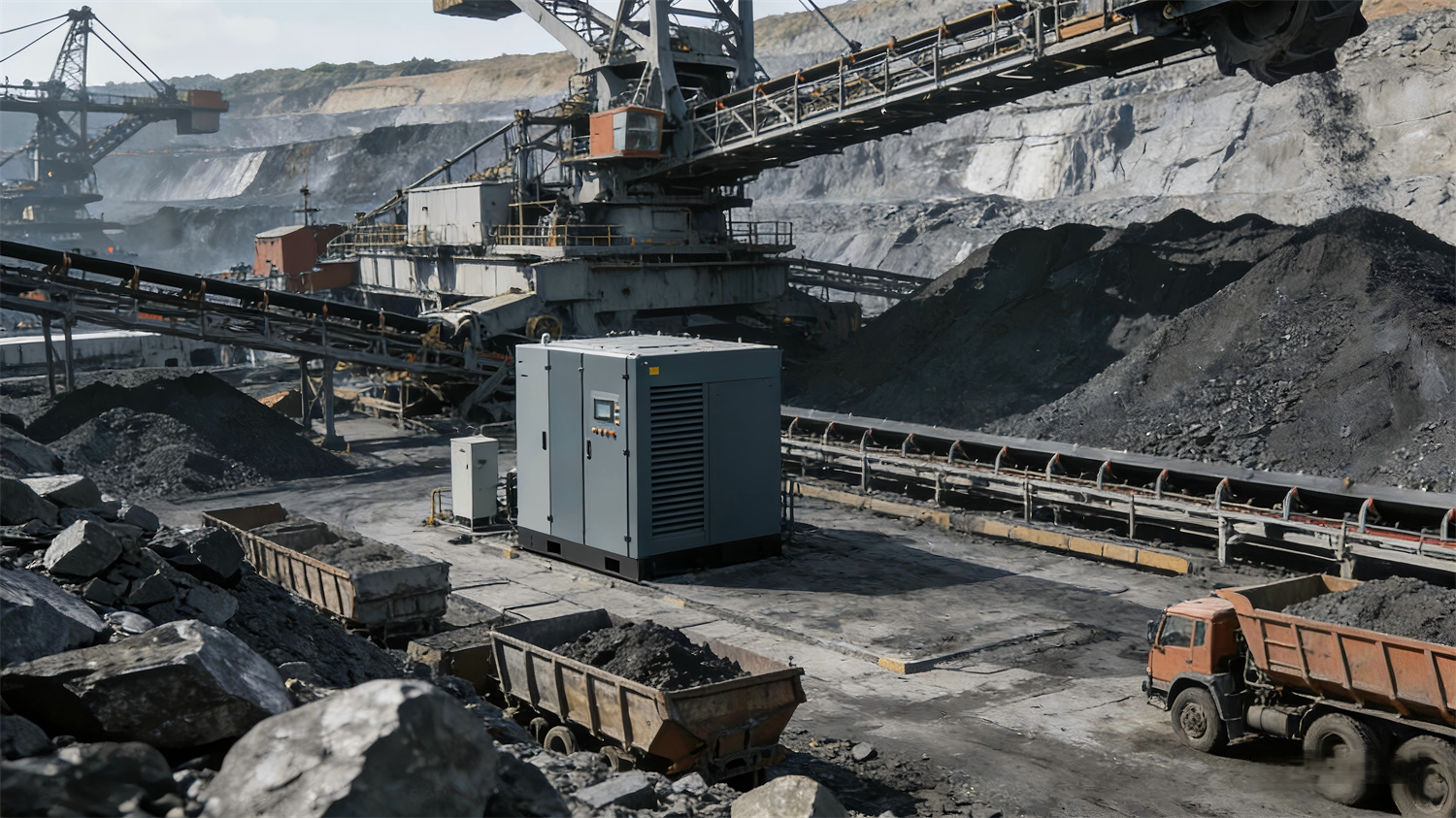
Air compressors are essential core equipment in the mining industry, providing stable, high-pressure and durable compressed air to adapt to harsh underground and open-pit mining environments. They power key pneumatic tools such as rock drills, breakers and coal cutters, enabling efficient ore extraction and rock breaking. With dust-proof and anti-corrosion performance, they can operate stably in dusty, humid and high-temperature conditions, reducing equipment failure. Energy-saving models lower energy consumption and operating costs, while ensuring continuous production, helping mining enterprises improve work efficiency and ensure the safety of on-site operations.

Air compressors are critical and indispensable equipment in the pharmaceutical industry, providing Class 0 oil-free, sterile and stable compressed air that fully complies with GMP standards. They support the entire production process, including raw material mixing, drug granulation, filling, and packaging, powering pneumatic control systems and conveying equipment. The oil-free and sterile design effectively avoids cross-contamination of drugs, protecting product purity and safety. Energy-saving and efficient, they reduce operating costs, ensure continuous and stable production, and help pharmaceutical enterprises meet strict industry regulations and improve production efficiency.
Technical guidance regarding design, environmental installation, safety standards, and operations.
Norway is a member of the EEA, meaning all pressure vessels must comply with the Pressure Equipment Directive (PED 2014/68/EU). In practice, European standard EN 13445 or AD2000 code rules are widely used. Structural integrity must also comply with Norwegian Labor Inspectorate (Arbeidstilsynet) guidelines, which regulate operating validation and initial inspections before commissioning.
Standard carbon steel (such as Q235B) can become brittle at sub-zero temperatures. For outdoor applications in Norway where winter temperatures drop below -20°C, pressure vessels must use low-temperature certified steel (e.g., P265GH, P355NL2, or 316L Stainless Steel). This material must show verified Charpy V-notch impact toughness values at low temperatures to prevent brittle failure under pressure.
Variable Speed Drive (VSD) compressors adjust motor speed to match air demand, but they still have limits on response speed. A properly sized air receiver provides temporary storage that buffers sudden demand spikes. This prevents the compressor from hunting (rapidly accelerating and decelerating), reducing energy consumption and mechanical wear on the screw element.
For high-salinity maritime regions (like Stavanger or Bergen), we recommend hot-dip galvanizing (HDG) internally and externally. Galvanized coatings provide sacrificial zinc protection. For offshore installations, we apply multi-layer epoxy coating systems that meet the NORSOK M-501 standard, ensuring long-term resistance to harsh sea spray.
Water condensation in compressed air systems can freeze and block drain valves. We recommend installing zero-loss electronic drains with tracing heaters and thermal insulation. This setup keeps accumulated moisture liquid until it discharge safely into an oil-water separator.
Looking for a custom air receiver or integrated compressor package? Our engineering team designs systems tailored for maritime, aquaculture, and industrial operations in Norway, complete with full PED certification.
 Smart Air