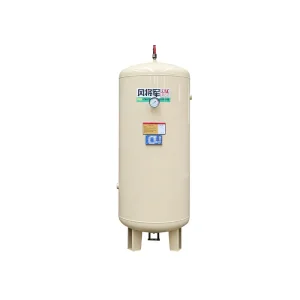
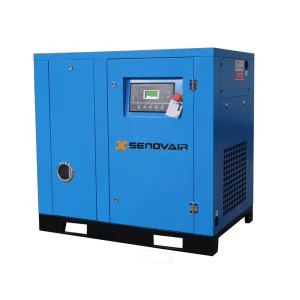
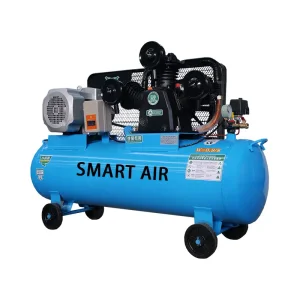
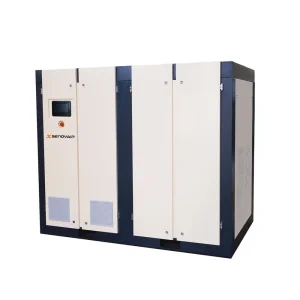
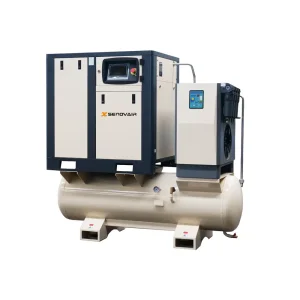
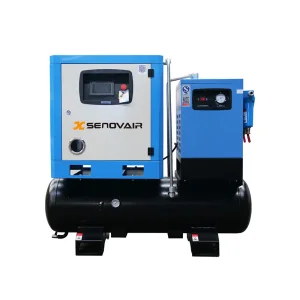
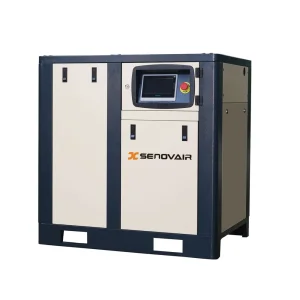
Featured receiver tanks and matching screw compressors engineered for rapid drop-in installation in Southern California facilities.
The industrial landscape of Los Angeles, spanning from the bustling port facilities of Long Beach to the aerospace corridors of El Segundo and Torrance, demands unmatched reliability in high-pressure pneumatic systems. Operating within Southern California requires strict adherence to Cal/OSHA regulations (California Code of Regulations, Title 8) for unfired pressure vessels. A premium air storage tank acts as the vital dampening buffer, isolating downstream automation lines from the severe volumetric fluctuations generated by heavy duty rotary screw compressors.
Globally, manufacturing plants are rapidly shifting toward ultra-reliable, smart pneumatic networks to combat rising electricity tariffs and peak-load demand charges. As a leading specialized manufacturer, we design and produce ASME-certified carbon steel and stainless steel air receiver tanks that perform critical functions: moisture separation through centrifugal drop out, pressure ripple elimination, and thermal load damping. This allows variable speed drive (VSD) systems to cycle efficiently without executing unnecessary starts, expanding the operational lifespan of the compressor block.
When matching an air compressor to a factory's piping network, mechanical engineers must calculate storage capacity based on transient demand spikes. Without an appropriately sized receiver tank, screw compressors run in continuous unload cycle states or suffer from short-cycling. This results in energy waste and rapid oil deterioration. By utilizing a heavy-gauge shell constructed with high-yield strength steel, our tanks offer the structural resilience required to withstand frequent pressure swing cycles. They also provide localized seismic support layouts engineered to comply with the International Building Code (IBC) Zone 4 requirements common to Southern California.
Additionally, the internal environment of an air storage vessel is highly susceptible to corrosive condensate accumulation. In coastal regions like Los Angeles, where ambient humidity varies, standard vessels can experience internal pitting. To prevent this, our production facility applies specialized internal epoxy coatings or constructs sanitary stainless steel tanks. These solutions are perfect for high-purity medical, food contact, and semiconductor processes.
The transition from passive steel canisters to active, sensor-monitored smart pressure vessels.
Integrating heavy-duty structural base rings and engineered saddle supports that absorb ground movement, exceeding local Southern California construction standards.
Applying high-solids epoxy barriers internally to protect against acidic condensates, extending vessel life up to three times compared to uncoated steel.
Equipping tanks with digital pressure transducers, thermal sensors, and automated condensate sensors that feed real-time pressure diagnostics directly into PLC control systems.
Deploying specialized high-flow internal baffles to help dry the air, combined with zero-loss electronic drains to maintain constant storage volume without venting pressure.
A globally recognized manufacturer with over two decades of engineering excellence in industrial air storage and compression systems.
Established in 2005 and situated in the logistics hub of Linyi, China, our manufacturing facilities span over decades of experience. Our R&D team develops custom pressure vessels and rotary screw compressors utilizing high-precision testing rigs.
Our air storage receiver tanks and screw compressors feature optimized structural profiles, rigorous metallurgical selection, and precise automated welding. They are relied upon globally for continuous duty cycles under extreme loads.
Smart Air is committed to manufacturing reliable air compressor systems. By optimizing global supply chains, we provide OEM/ODM services to partners in over 20 countries, including the USA, Canada, Australia, and Germany.
"Quality creates reputation, reputation creates brand, and brand creates market." Every pressure vessel undergoes hydro-testing, ultrasonic weld testing, and inspector verification before leaving our assembly lines.
Established Year
Pneumatic Experts & Staff
Export Countries & Regions
ASME Standards Complaint
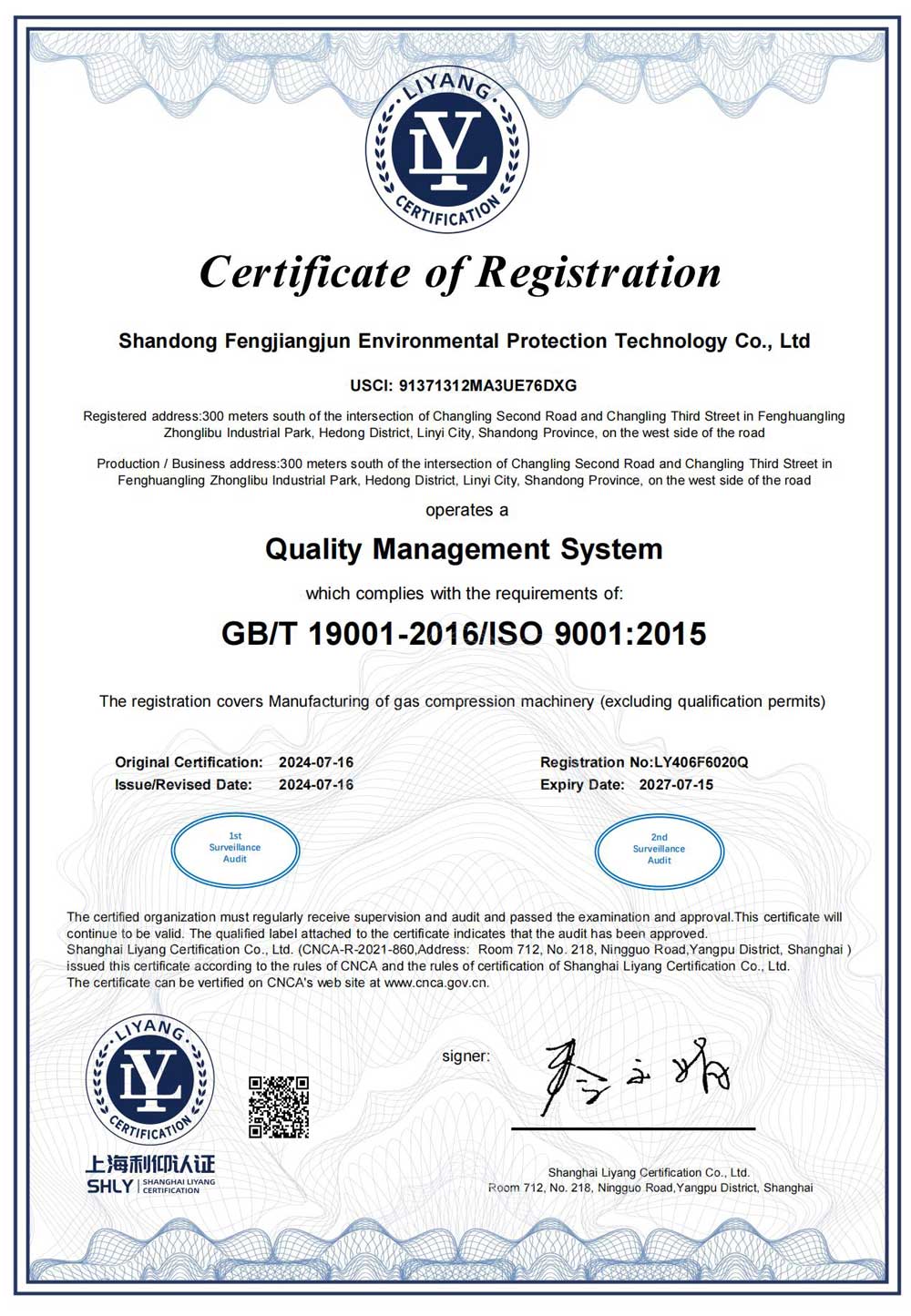
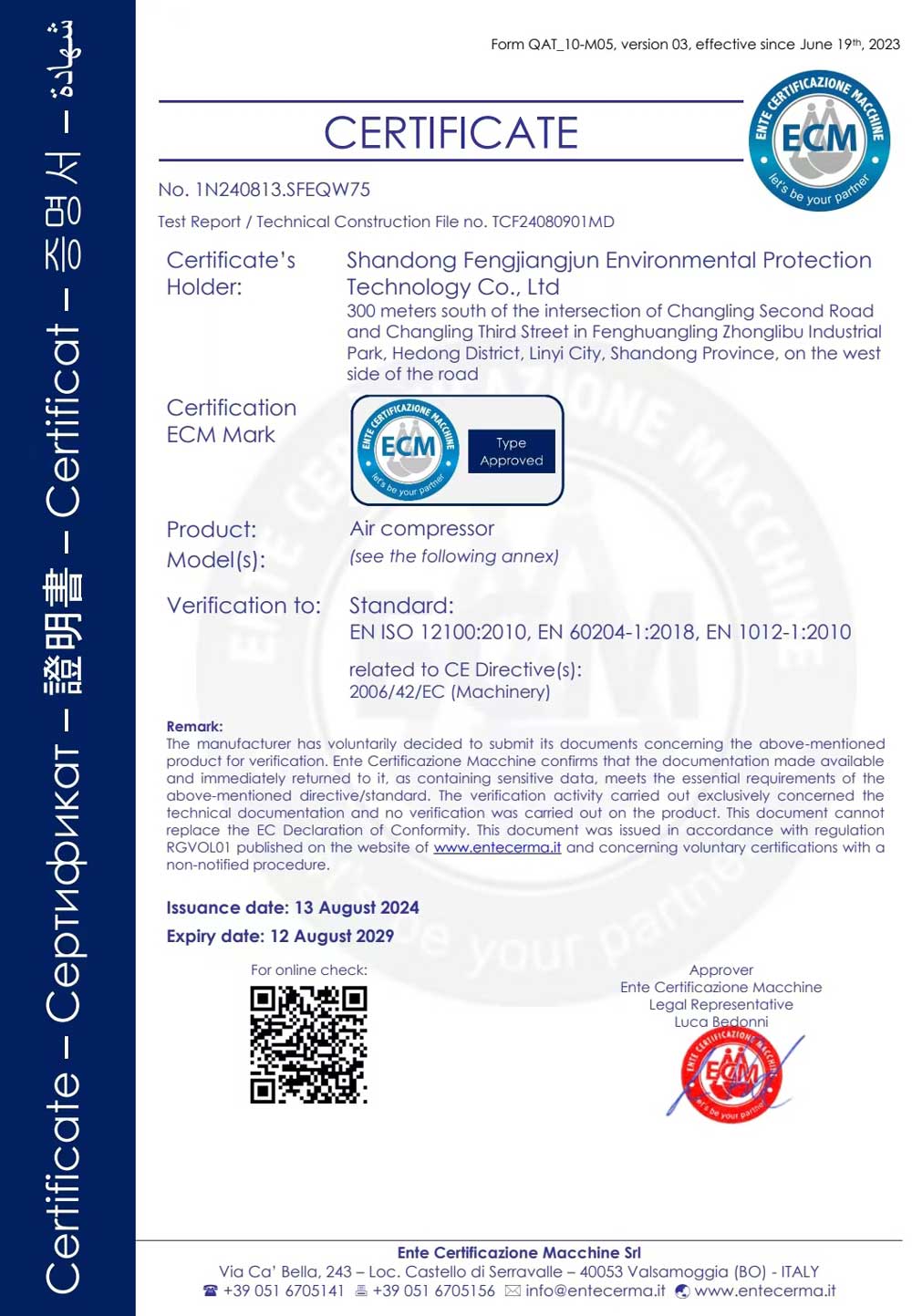
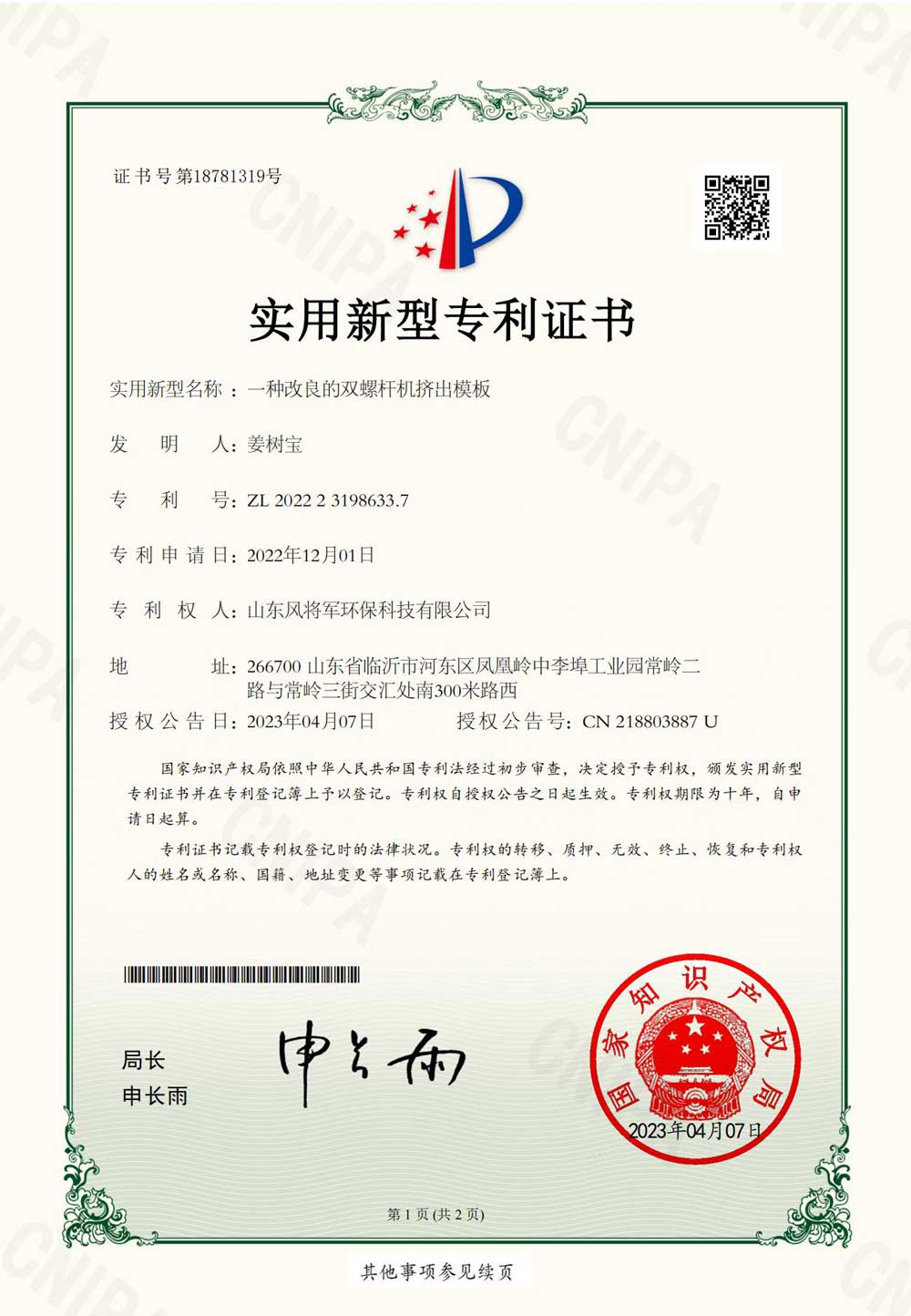
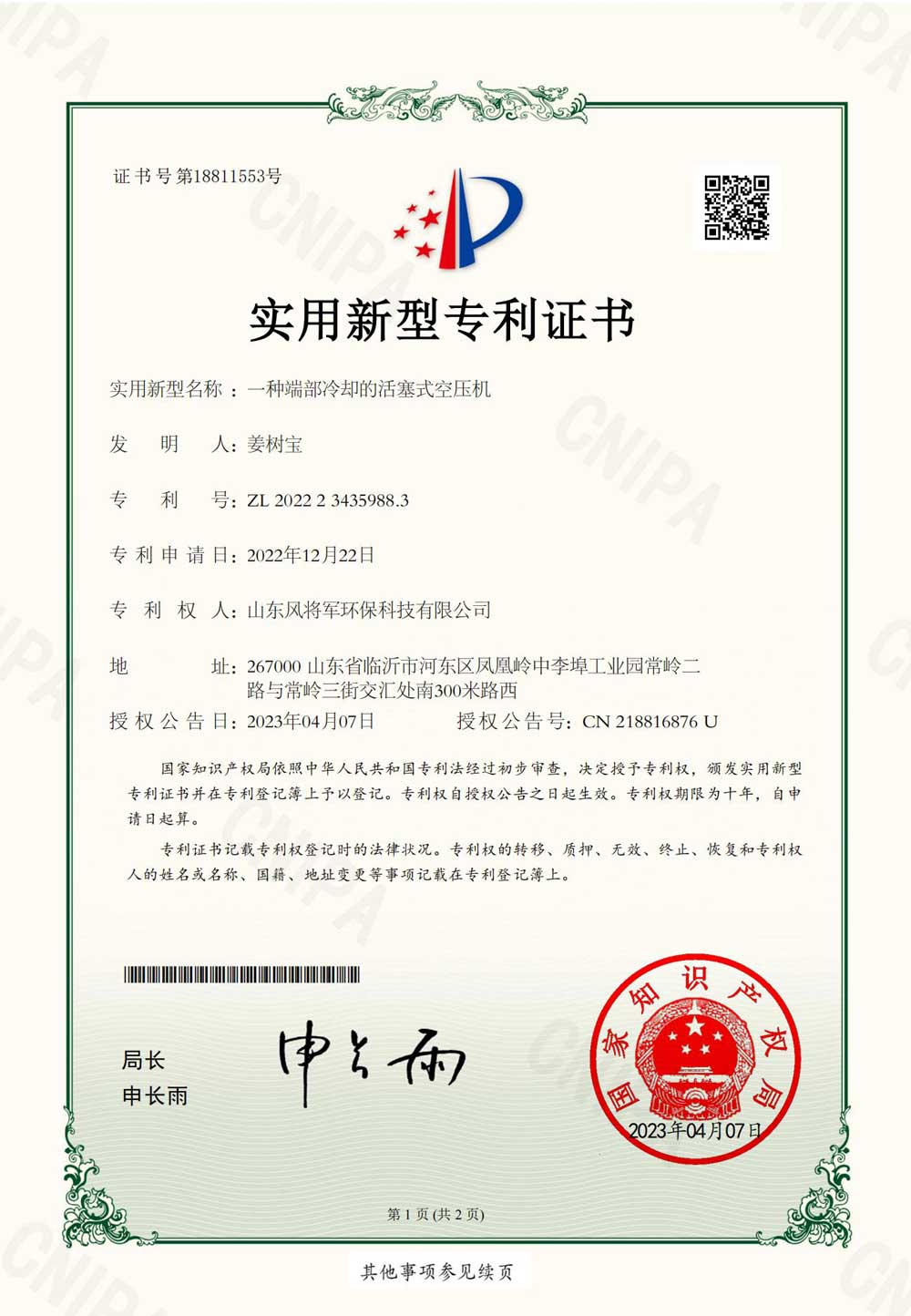
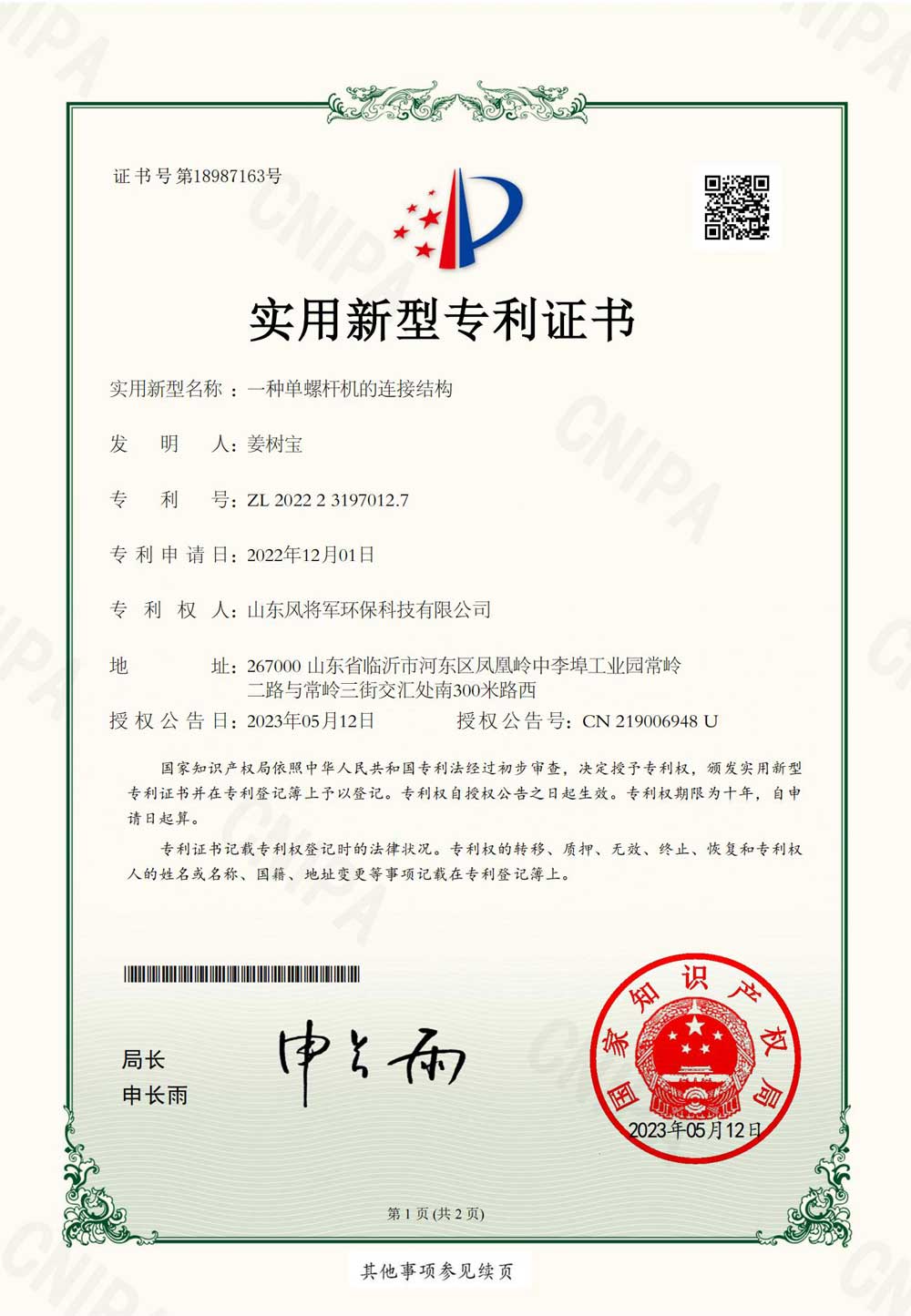
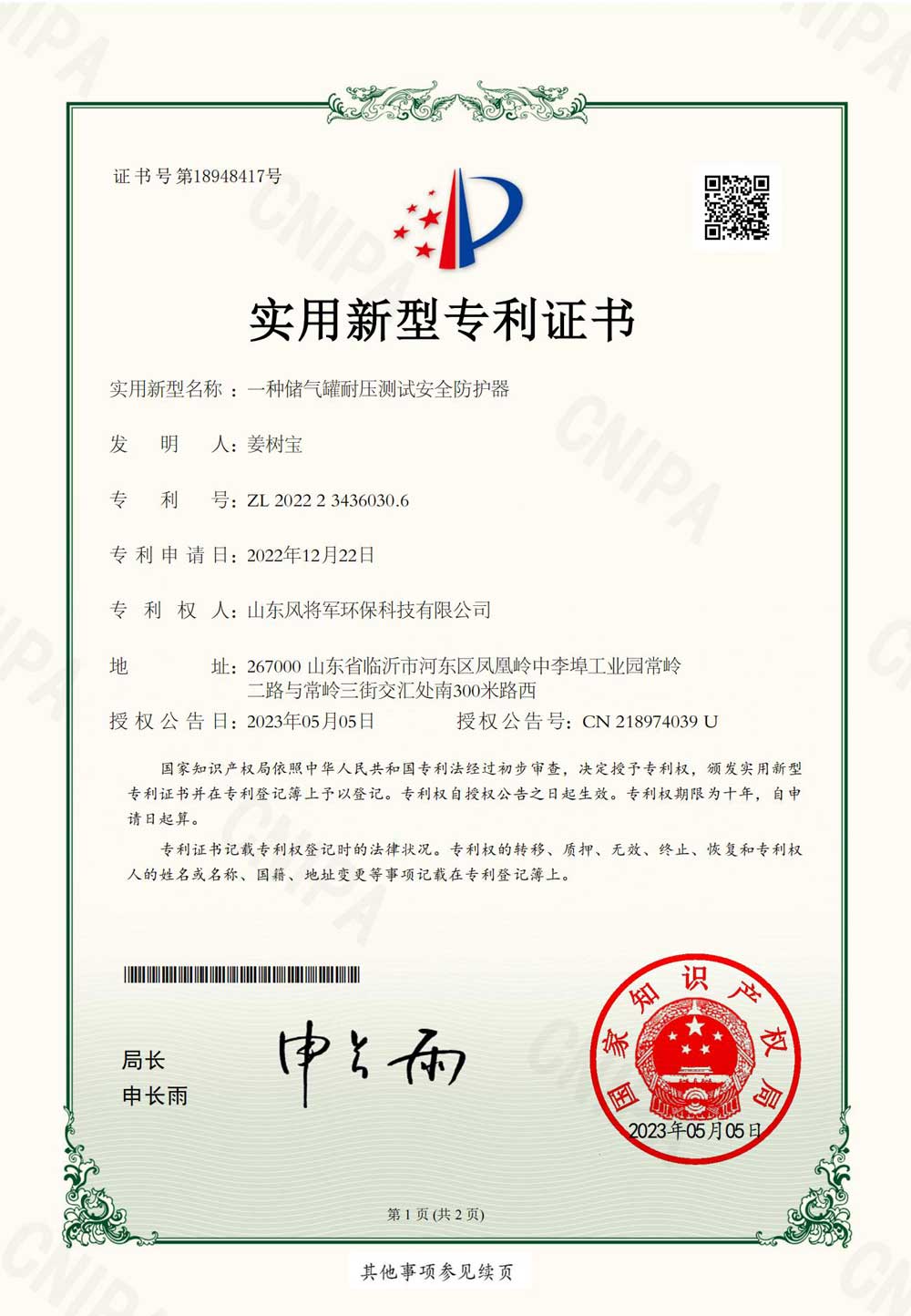
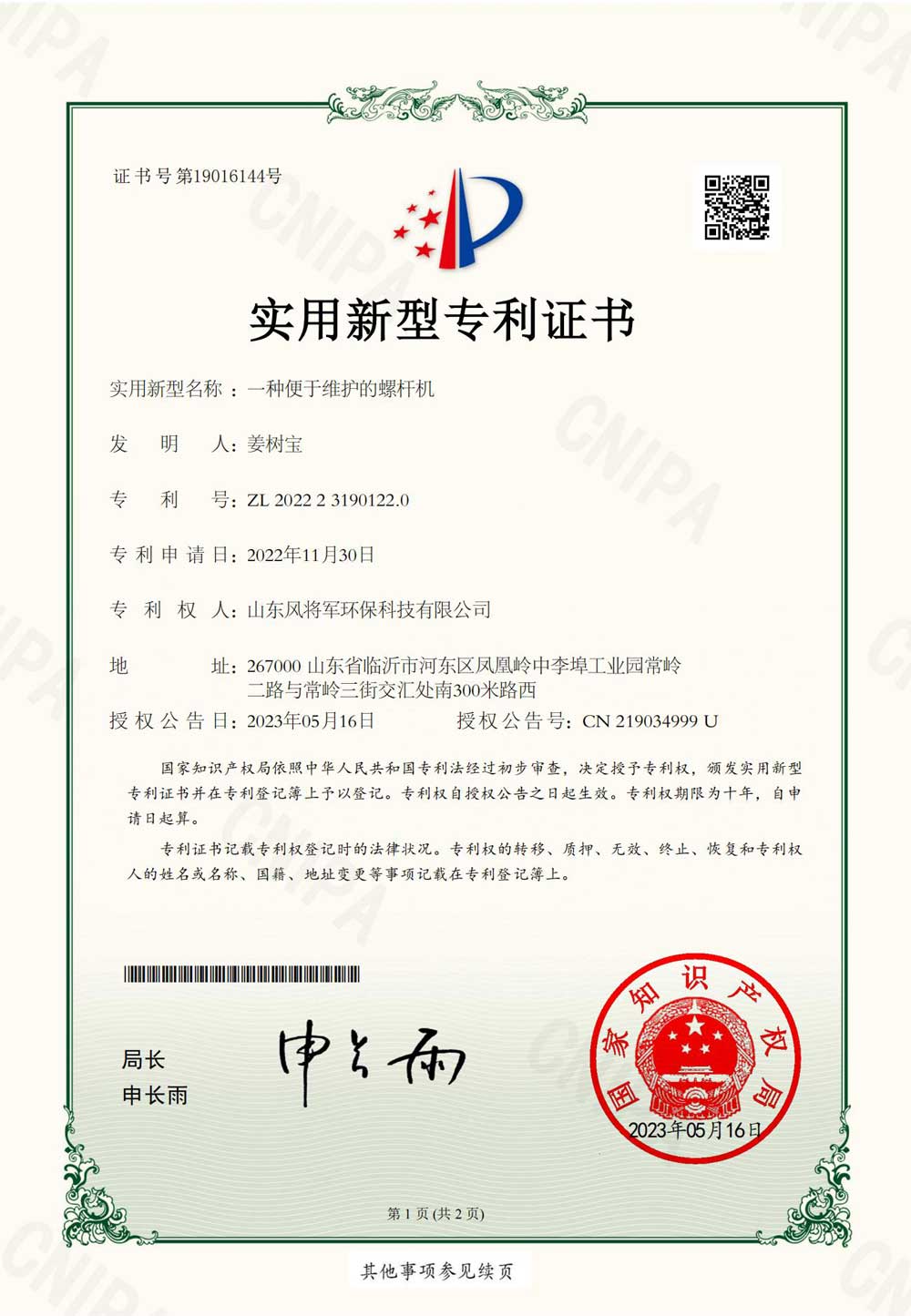
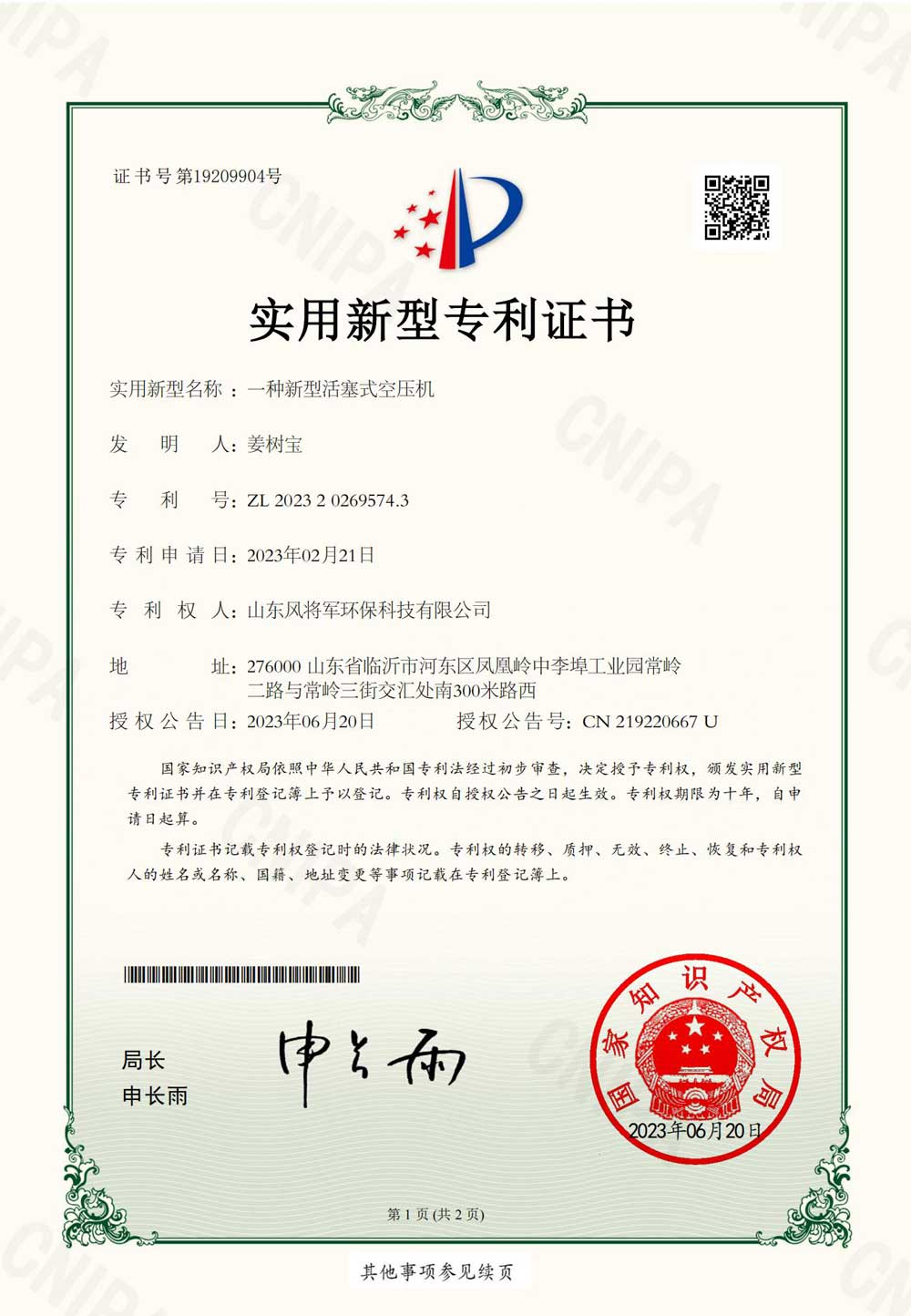
Smart Air Machinery operates under rigorous ISO9001 quality framework guidelines. Our products have earned recognition, including "China Famous Brand," "Green and Environmentally Friendly Product," and "High-Tech Enterprise." We work closely with international registration databases to ensure seamless customs clearance and compliance.
Maximizing process efficiency, structural safety, and operational reliability across key industries in Southern California.
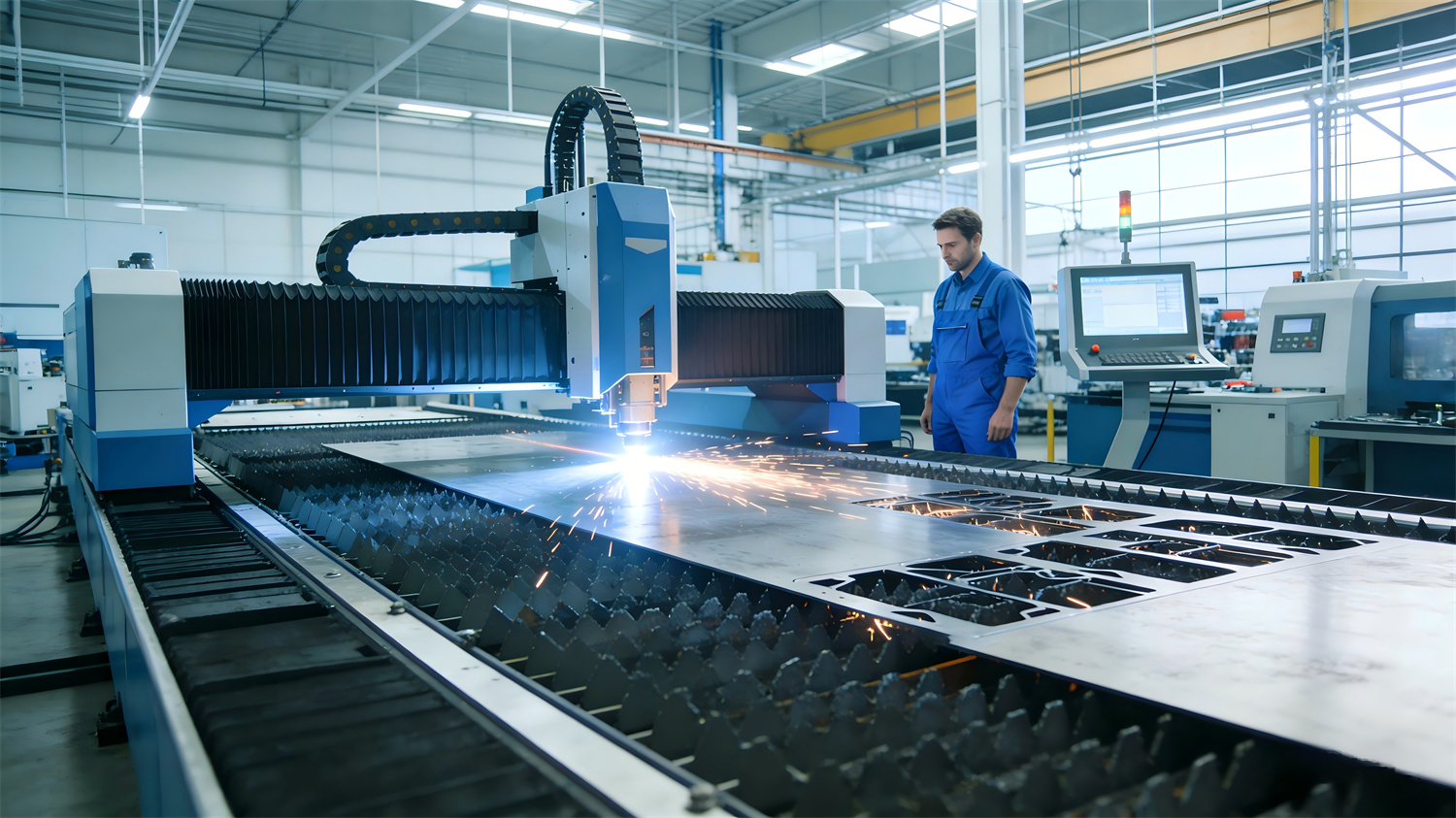
High-pressure, clean air receiver vessels act as dynamic accumulators to stabilize auxiliary gas flow. This maintains steady pressure to blow away molten slag, resulting in micro-inch cut tolerances.
Optimize Laser Feed Air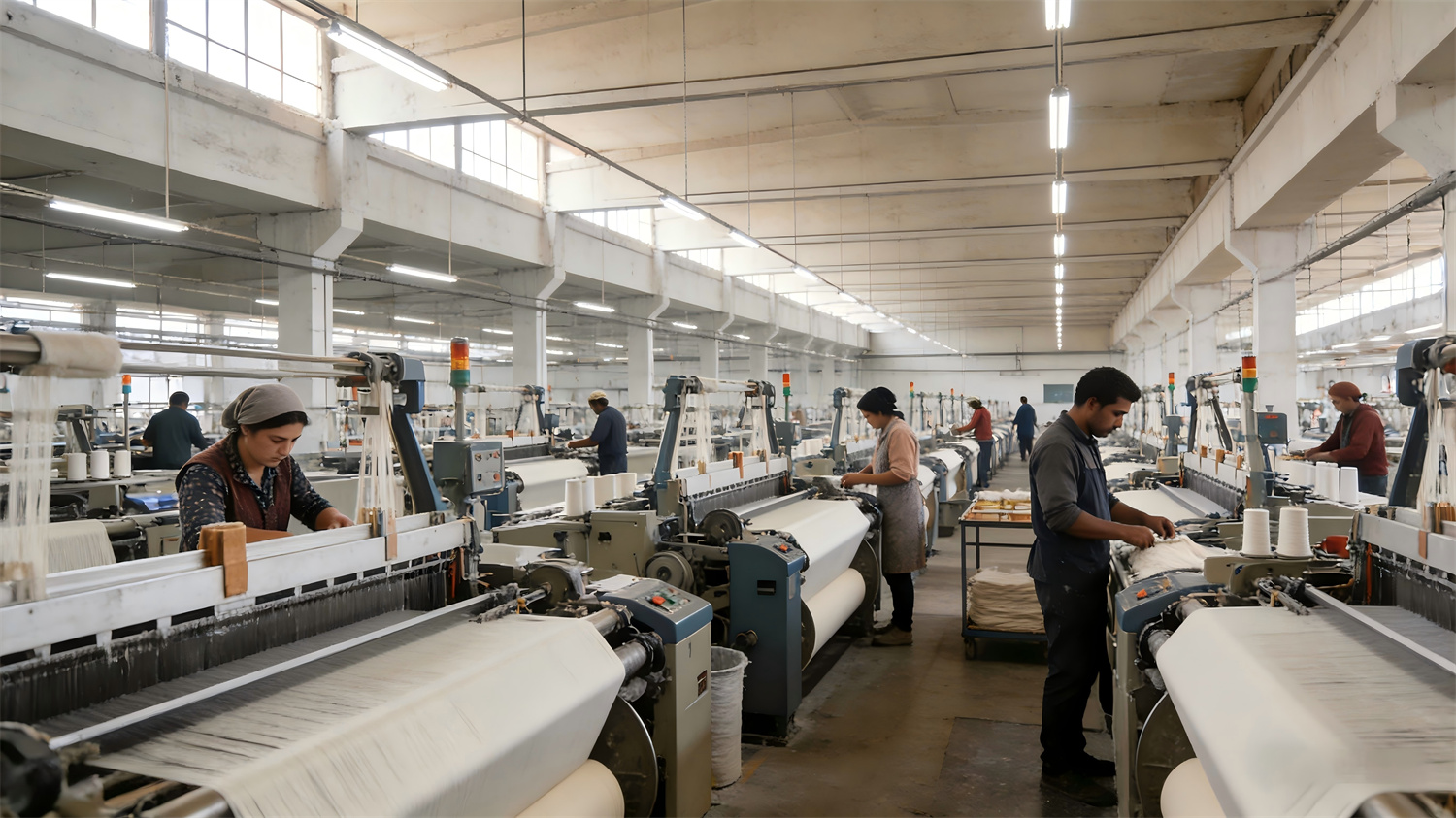
Maintains consistent pressure margins for automated air-jet looms. Prevents thread breakage due to dynamic pressure drops, keeping textile machinery operating smoothly.
Optimize Textile Flow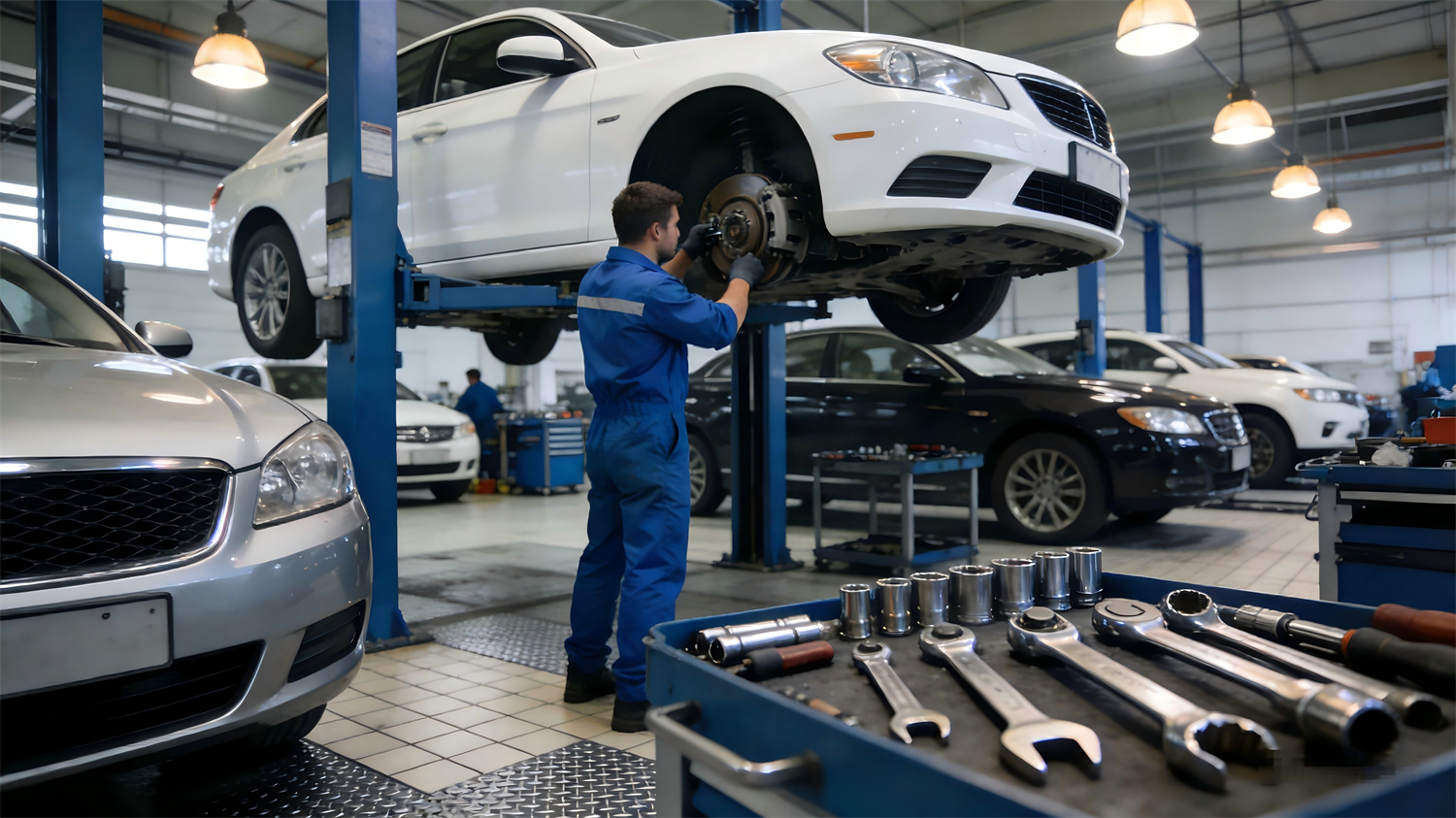
Buffers the intermittent demand of pneumatic assembly tools, spray booths, and robotic welding fixtures. Prevents system-wide pressure fluctuations on the main production line.
Request Automotive Layouts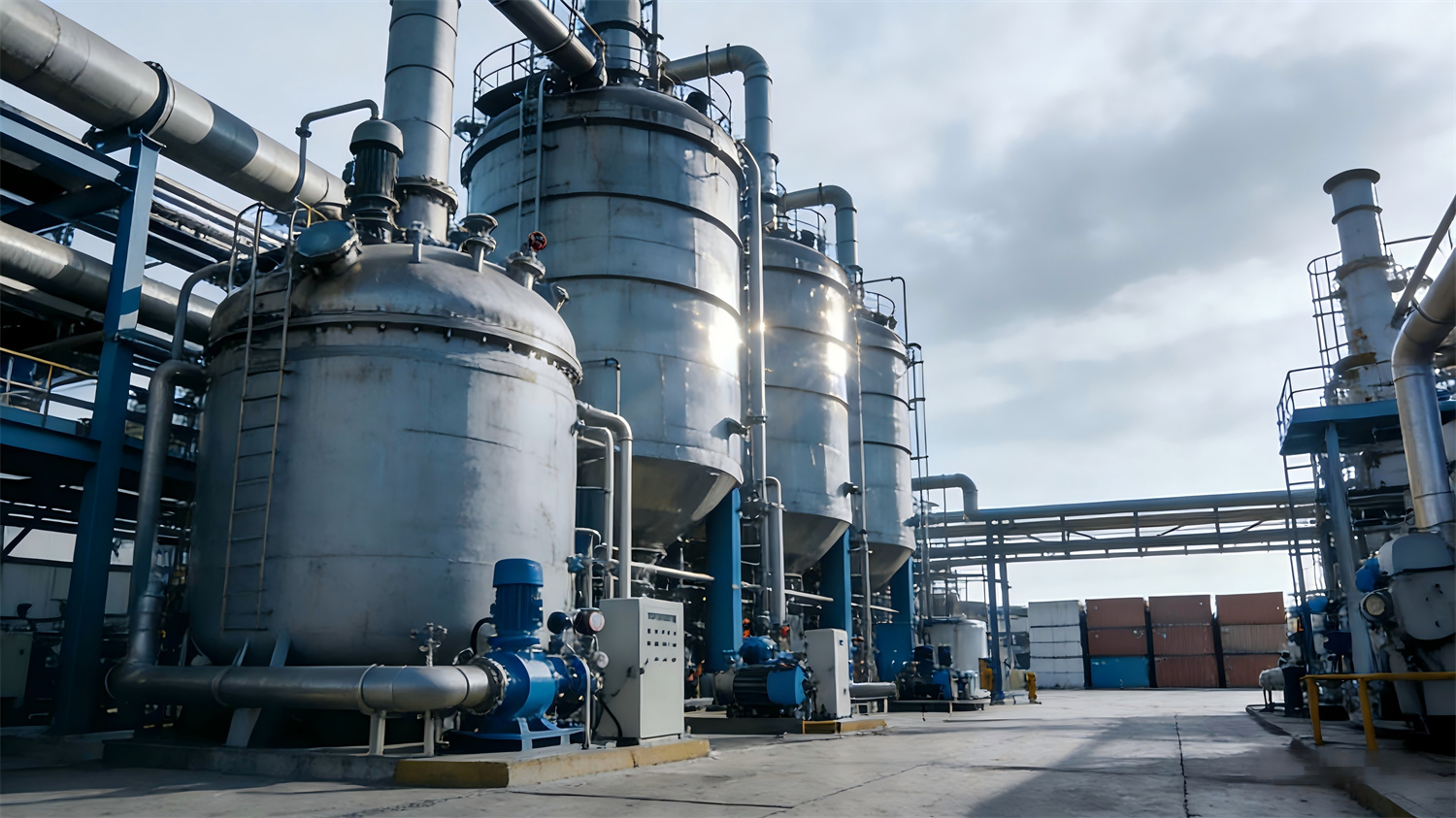
Maintains pressure stability for sensitive pneumatic actuators and control loops. Built with corrosion-resistant materials to handle aggressive environments safely.
Request Corrosion Analysis
Mobile air storage vessels supply high-volume airflow to pneumatic breakers, concrete sprayers, and dynamic drills. Designed to perform reliably in harsh construction environments.
View Mobile Tank Range
Provides the consistent air pressure needed for automatic drying arches and pneumatic valve systems, keeping commercial wash stations running reliably.
See Car Wash SystemsServing industrial markets worldwide with expert engineering support and reliable logistics networks.
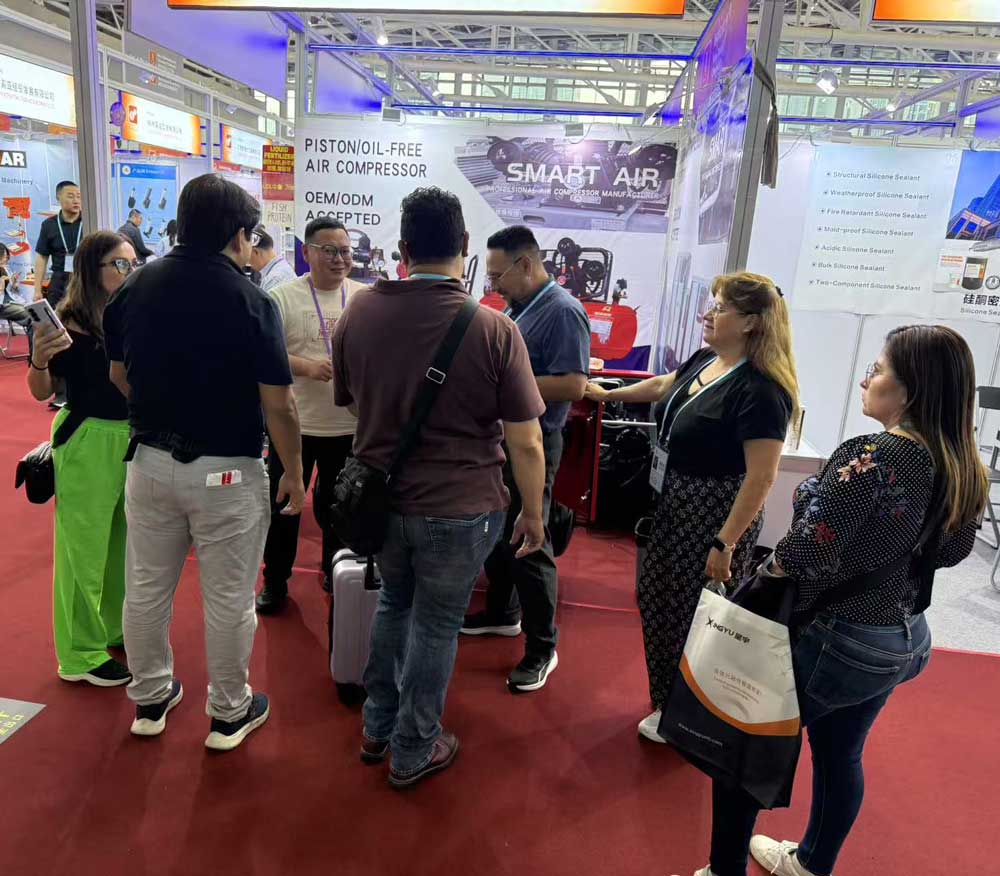
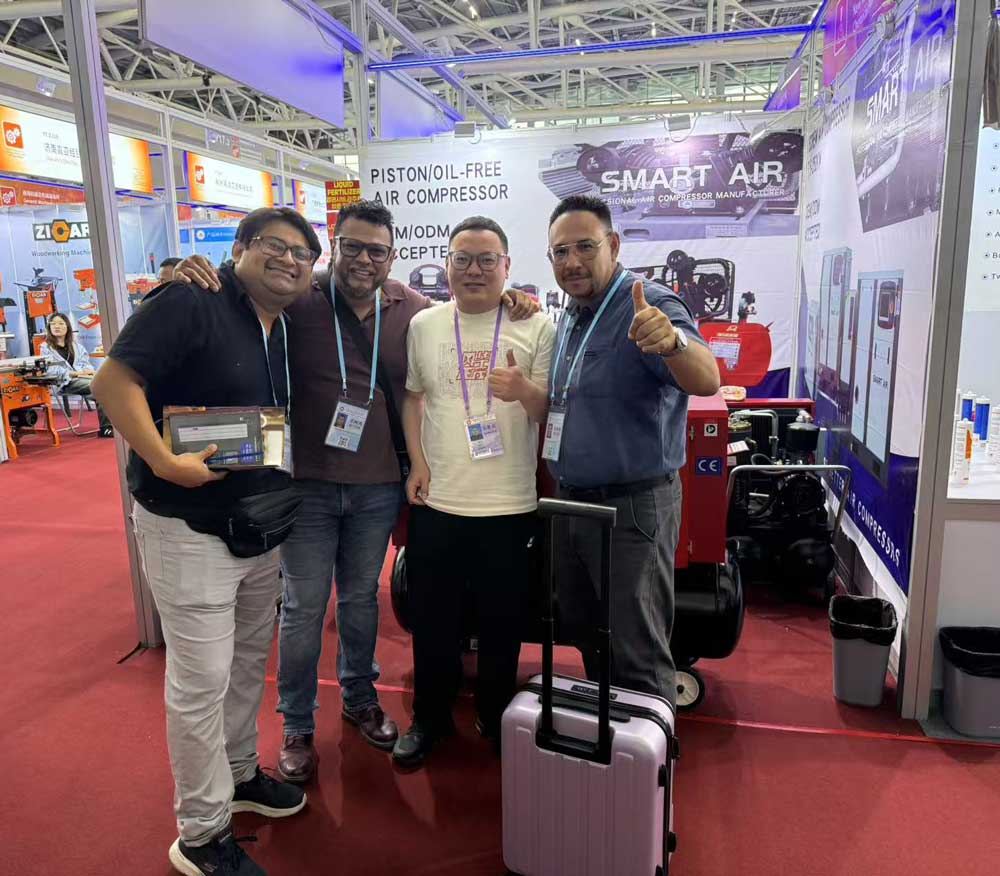
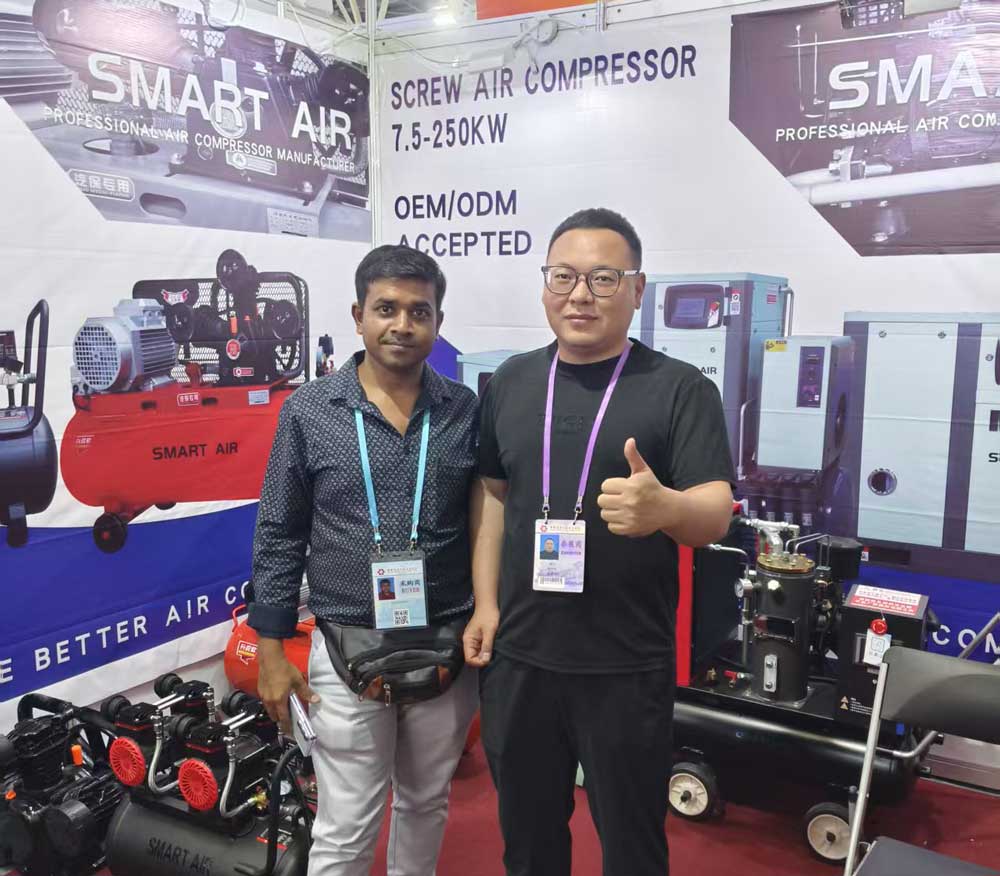
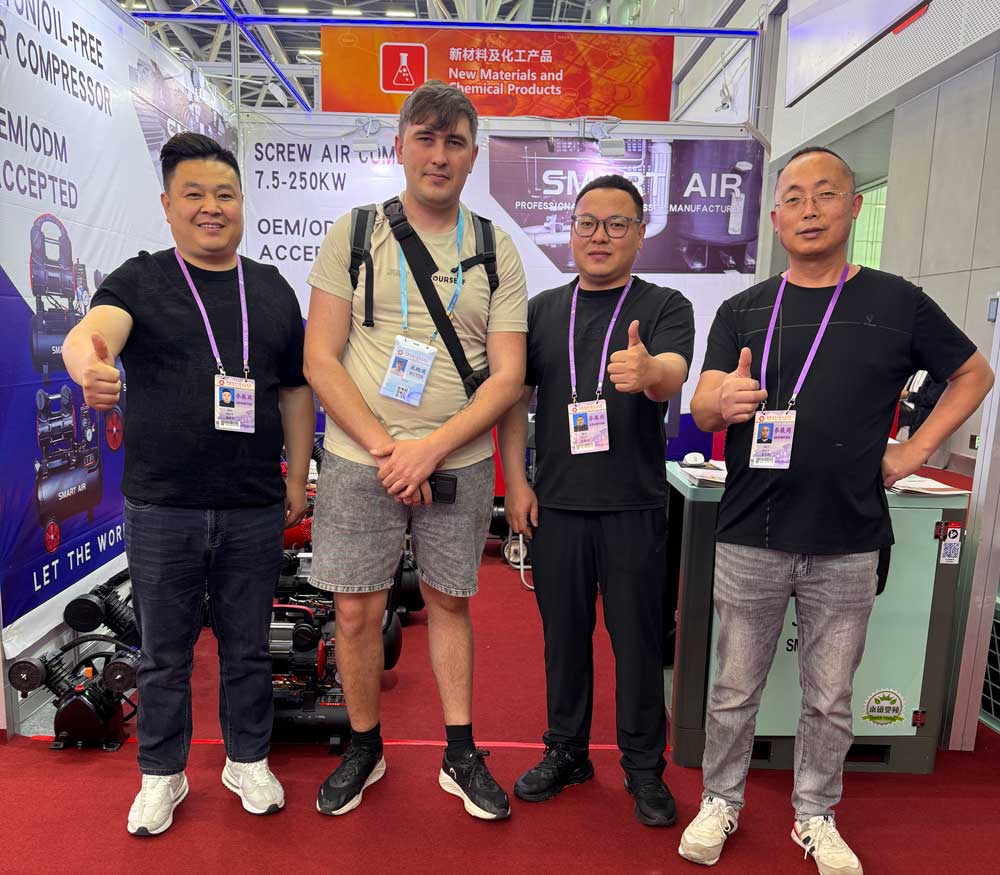
Expert guidance on choosing and operating pressure vessels to meet ASME standards and California Title 8 compliance.
A reliable baseline calculation is: V = (Q * p0) / (f * ΔP), where V represents the vessel volume, Q is the compressor free air delivery (FAD), p0 is the inlet pressure, f is the maximum permitted cycle frequency, and ΔP is the acceptable pressure bandwidth. Our engineers can provide calculated ASME storage sizing recommendations based on your specific flow rates.
Yes. In California, Title 8 regulations mandate that pressure vessels operating above 15 PSI with internal diameters exceeding 6 inches must be built to ASME Section VIII requirements. They also require certification by a National Board inspector and proper registration.
A wet receiver tank is installed directly before the drying equipment. It cools the air and separates bulk moisture. A dry receiver tank is positioned after the dryer. It stores clean, dry air to prevent moisture carry-over during sudden demand spikes.
Wet tanks collect water continuously. To prevent internal corrosion and loss of storage volume, we recommend installing electronic zero-loss drains. These automatic drains release accumulated moisture without venting compressed air.
In Southern California, air receiver installations must withstand local seismic forces (IBC Zone 4 / ASCE 7). We provide heavy-duty base support rings and anchor bolt packages designed to meet these safety standards.
Yes, our engineering team designs custom port configurations, clean-out access manways, and instrumentation taps. We provide custom CAD/SolidWorks drawings for approval before production begins.
Explore our range of energy-efficient screw compressors, integrated high-pressure air stations, and heavy-duty receiver vessels.
 Smart Air