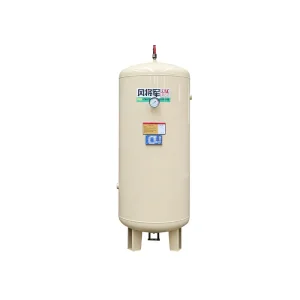
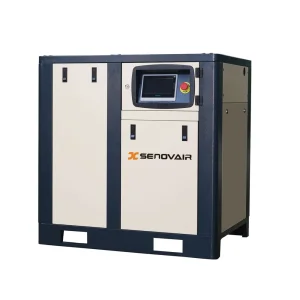
As Iraq rebuilds its economic engine, industrial zones from Basra to the Kurdistan Region are undergoing a massive technological shift. The efficiency of power generation, petrochemical processing, concrete production, and food manufacturing hinges on a single, often overlooked component: compressed air storage stability.
Operating heavy machinery in Iraq poses distinct physical challenges. Summer ambient temperatures regularly exceed 50°C (122°F), which changes how air behaves when compressed. Ambient heat increases the moisture-carrying capacity of intake air. Without heavily engineered air storage receiver tanks, compressors suffer from rapid thermal cycling, water condensation in pneumatic lines, and severe pressure drops. As an ISO 9001 certified manufacturer, Smart Air Machinery has developed targeted engineering configurations specifically to mitigate the thermal, structural, and atmospheric pressure variables inherent in the Middle East.
Iraq's current economic diversification efforts, driven by both private investment and state rebuilding initiatives, have sparked high demand for robust manufacturing systems. Key regions driving this growth include:
International engineering contractors working in Iraq (such as those operating in the Majnoon, West Qurna, or Rumaila fields) enforce strict safety policies. An uncertified pressure vessel is a safety risk. Therefore, our air storage tanks are designed, fabricated, and tested in accordance with international design standards.
Our manufacturing plant utilizes advanced welding and structural testing protocols. Every air receiver undergoes Non-Destructive Testing (NDT), including radiographic weld testing and hydrostatic tests up to 1.5 times the design pressure limit. This guarantees that whether the tank is installed in a high-humidity coastal zone like Al-Faw or a hot, dry inland facility near Mosul, it maintains structural integrity under constant pressure cycling.
We use carbon steel plates (Q345R pressure vessel steel grade or equivalent) with precise corrosion allowances to handle extreme condensate challenges.
Tanks act as secondary coolers, dropping air temperature, condensing oil-water vapors, and lessening the load on refrigerated air dryers.
Automated plasma cutting, precision robotic welding, and streamlined logistics from Linyi (the logistics capital) directly to Umm Qasr Port.
Configurations ranging from 100L up to 10,000L volumes, built in both horizontal and vertical layouts for varied shop footprints.
Established in 2005, Smart Air Machinery (Linyi) Co., Ltd. has grown into a diversified manufacturing enterprise integrating research and development, smart production, and global export. Spanning decades of deep technical research, we employ over 200 dedicated professionals, including a top-tier R&D team specializing in pressure vessels, industrial dryers, and high-efficiency screw compressors.
Located in Linyi, China's logistics capital, our factory features advanced testing machinery, digital hydrostatic testing bays, and precision steel-rolling machines. Through decades of continuous innovation, we have solidified our reputation as a trusted manufacturing partner across Europe, North America, Southeast Asia, and the Middle East.
We build reliability into every weld. Our commitment is backed by major safety certifications, demonstrating compliance with structural and environmental requirements:
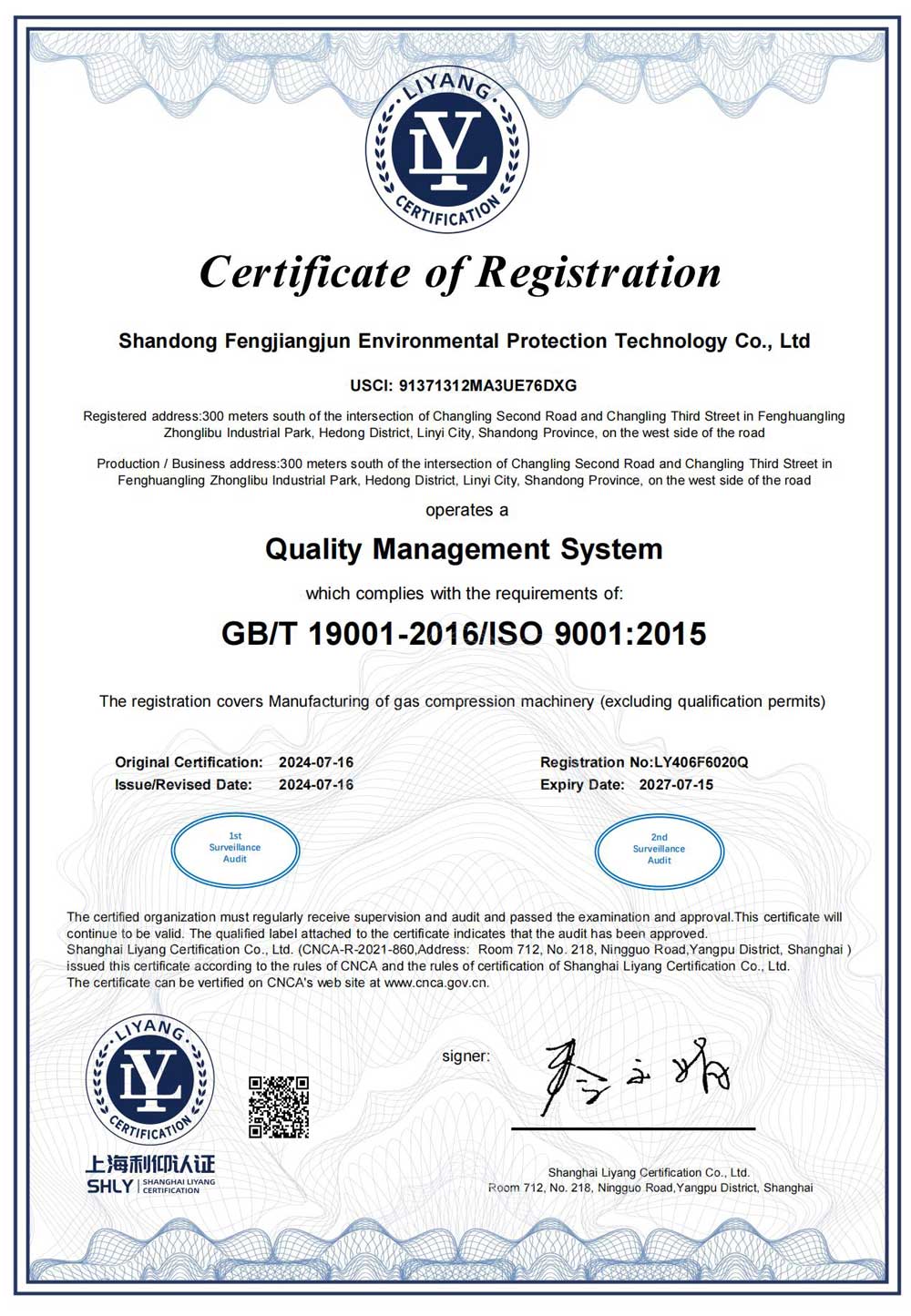
ISO9001:2015 Quality Management System Certification
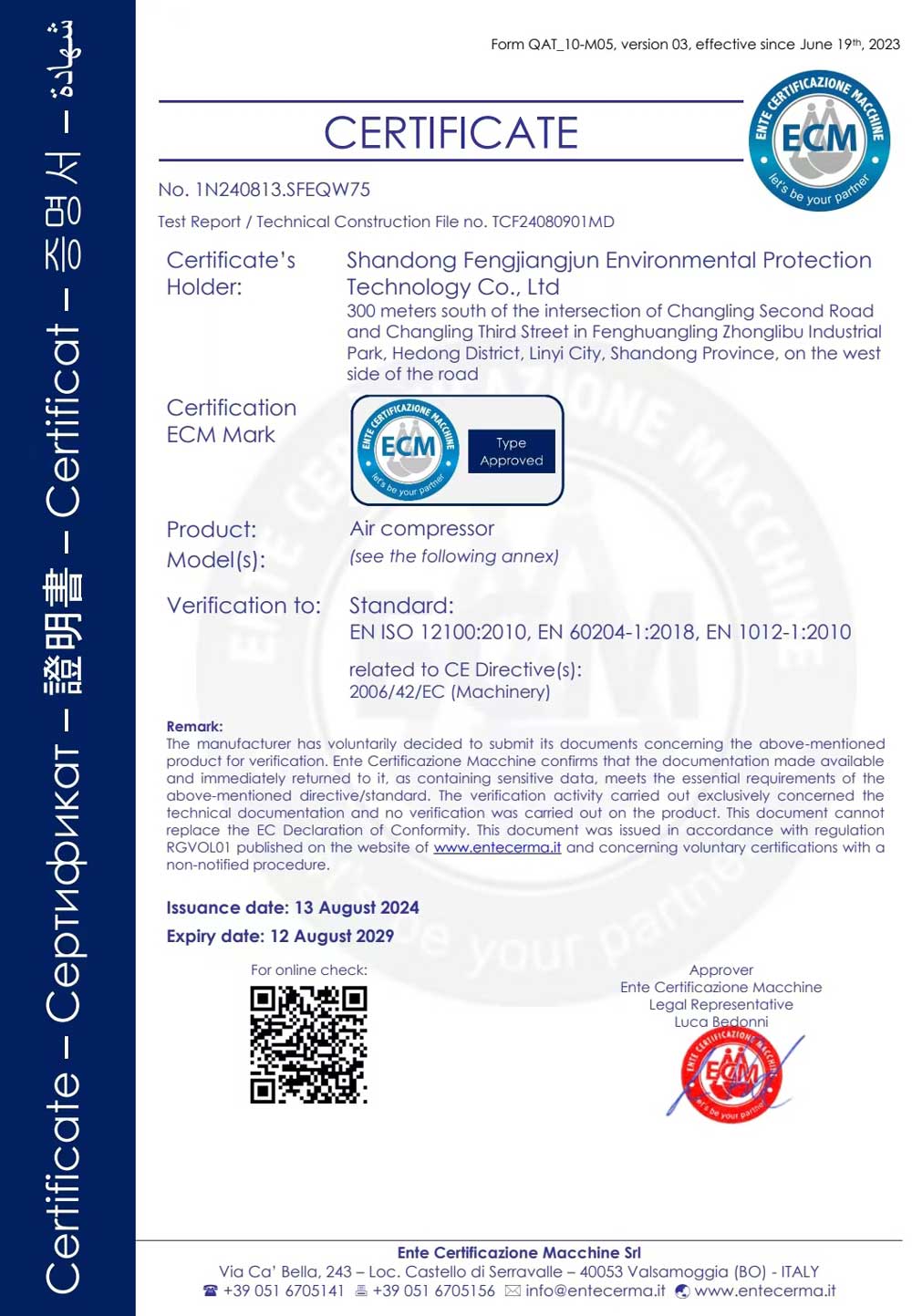
European Union CE Mark Conformity for Pressure Equipment
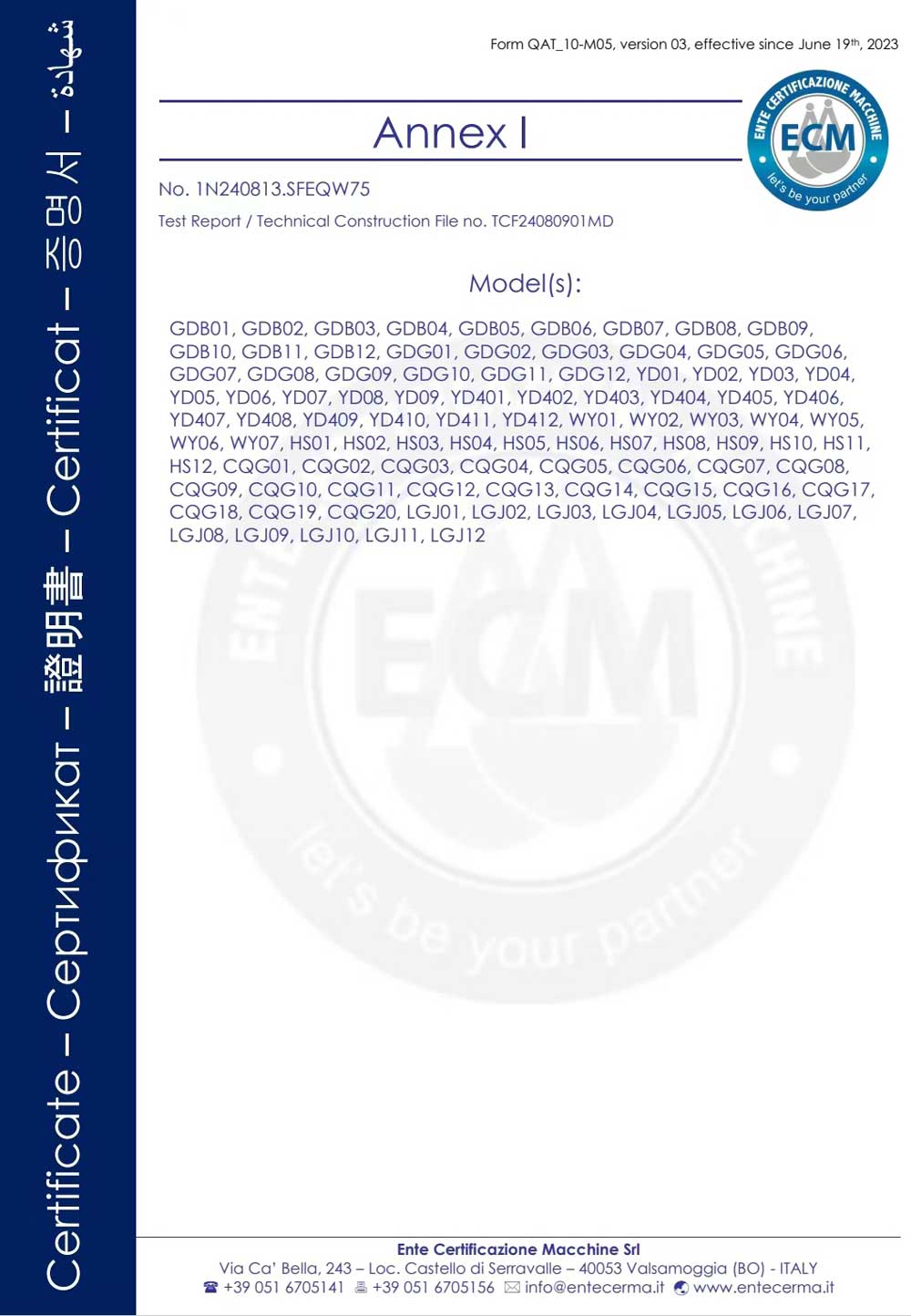
ASME Pressure Vessel Manufacturer's Authorization
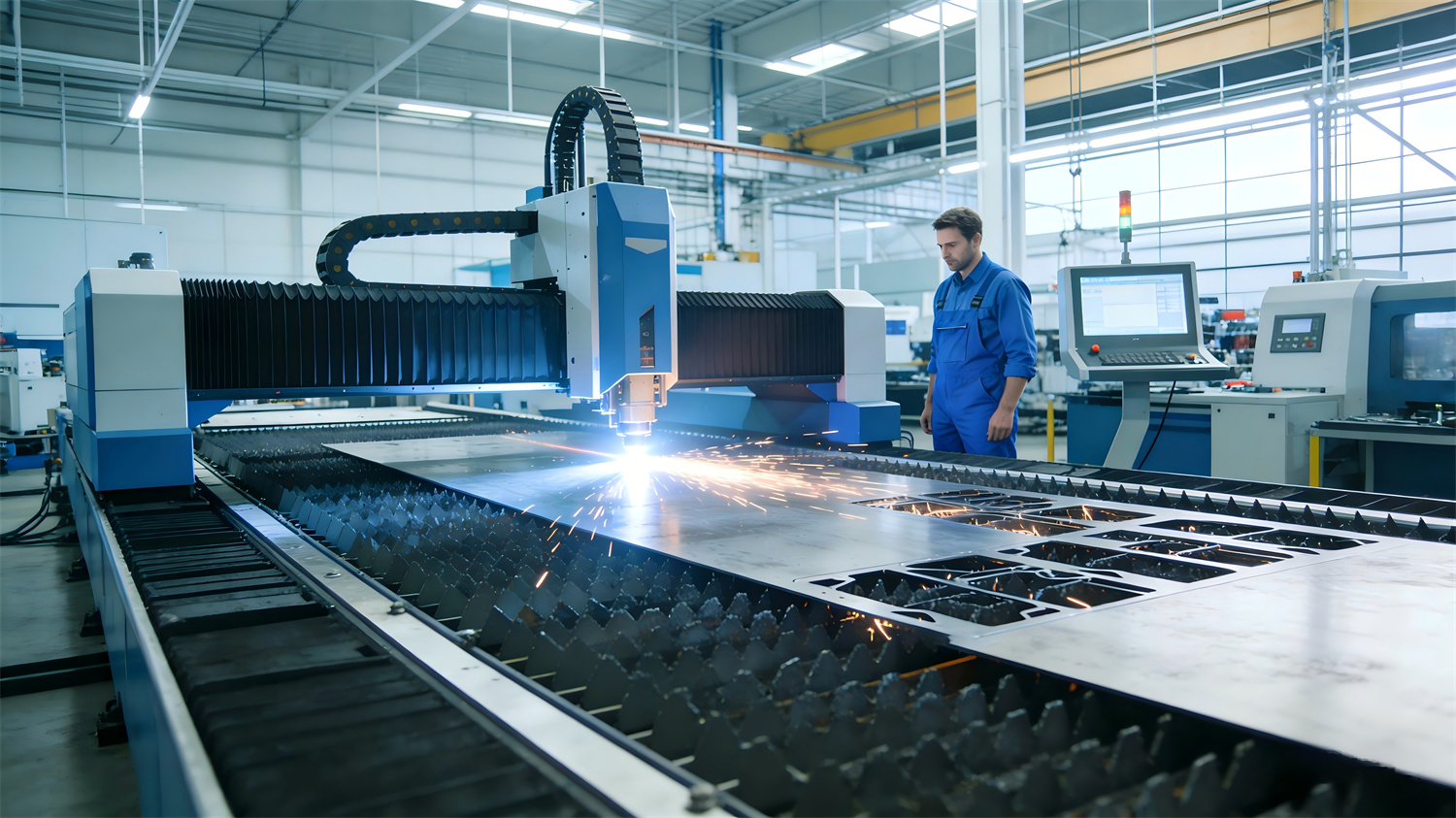
Provides highly stable pressure buffering and secondary water removal, crucial for preventing optical damage on high-precision fiber laser tables in Erbil metal processing workshops.
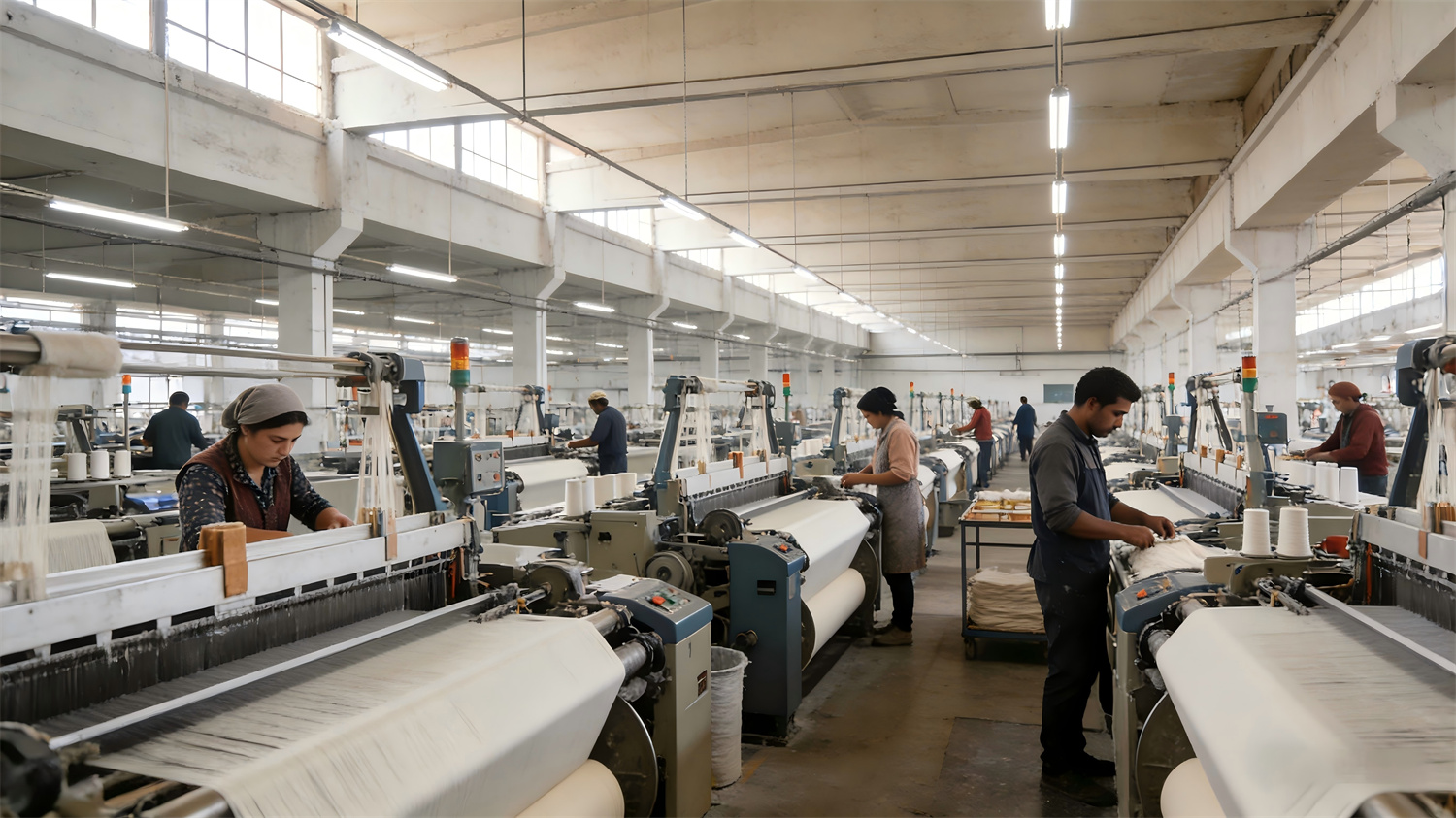
Powers pneumatic looms and spinners in central Iraq, protecting delicate yarns from oil or moisture-induced discoloration through integrated filtration systems.
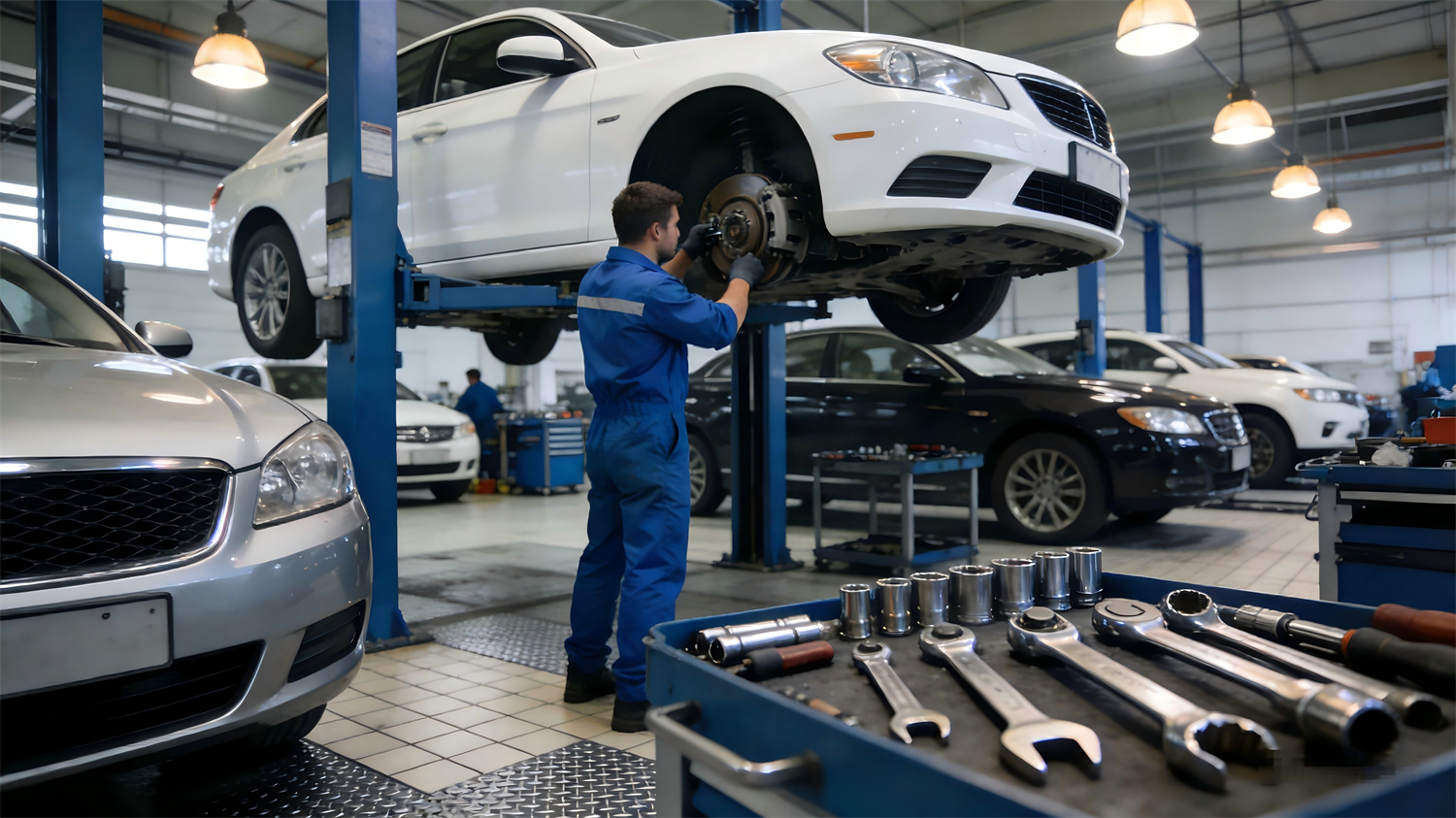
Supports body paint spray systems and heavy impact wrenches in Baghdad service centers, ensuring smooth air flow and water-free finishes.
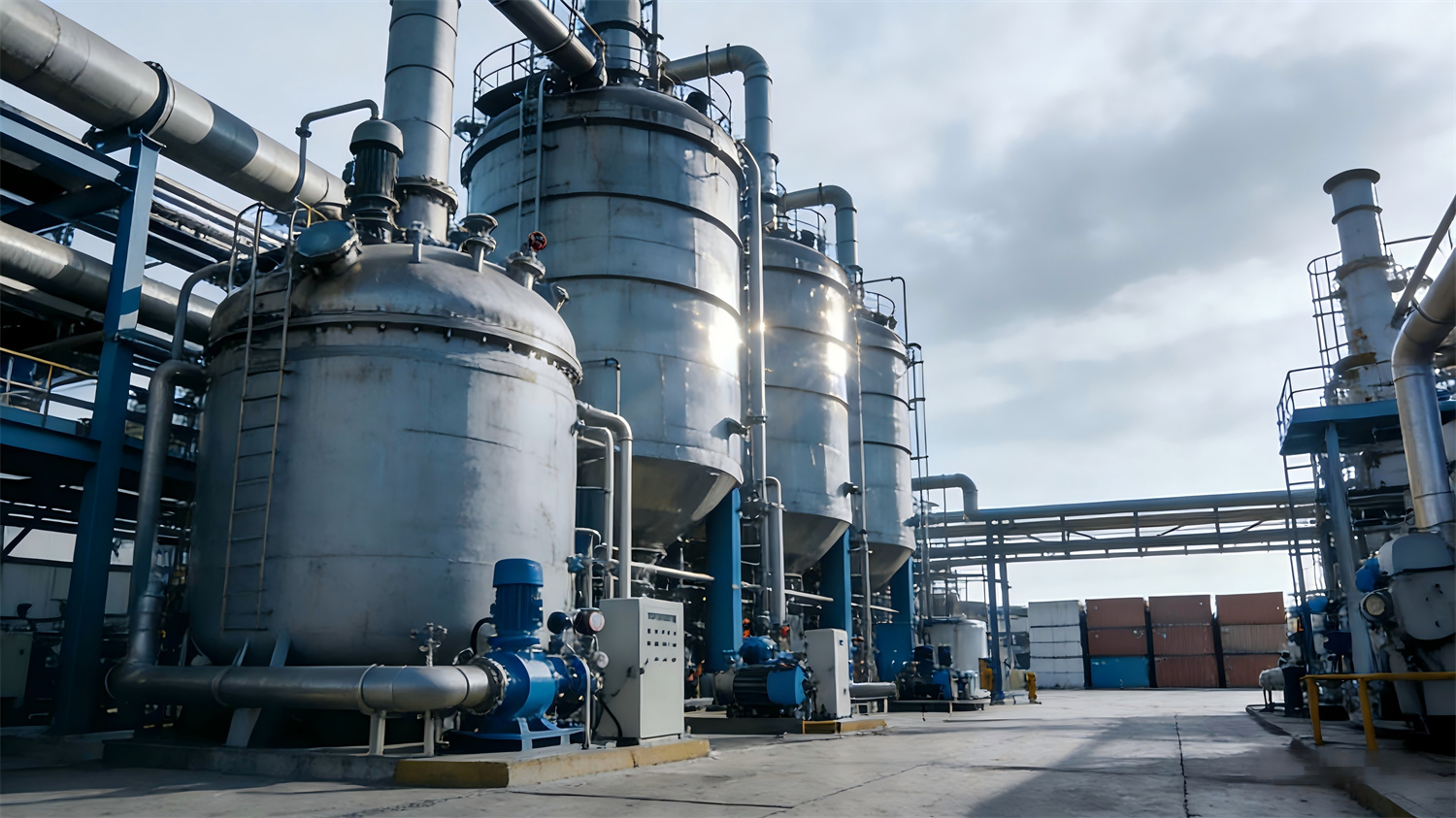
Designed for oil & gas extraction and chemical blending facilities in Basra. Features explosion-proof safety options and thick shell walls for hazardous zones.
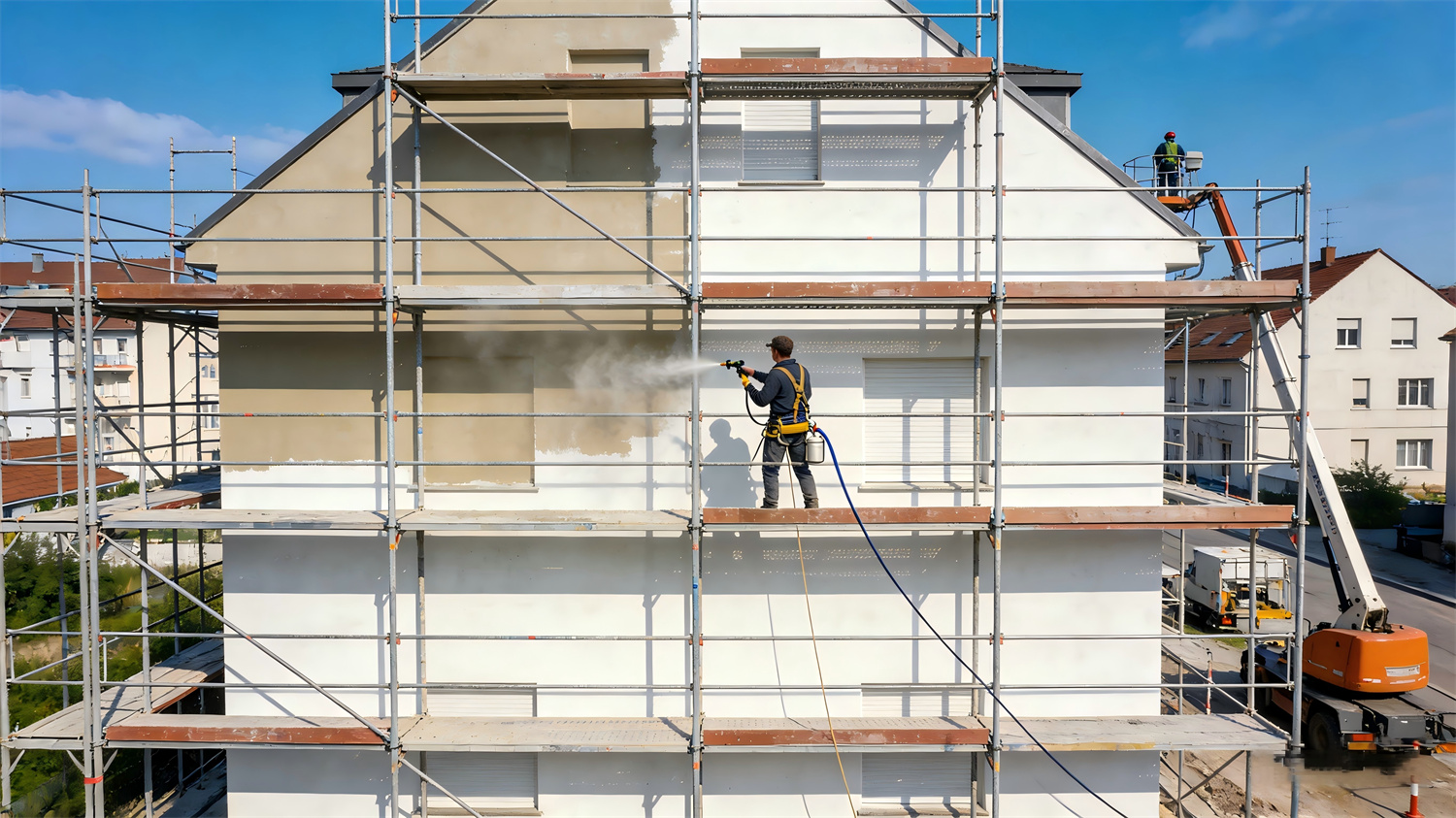
Supplies air power for sandblasters and pneumatic concrete spraying machinery at housing and infrastructure developments throughout Mosul.
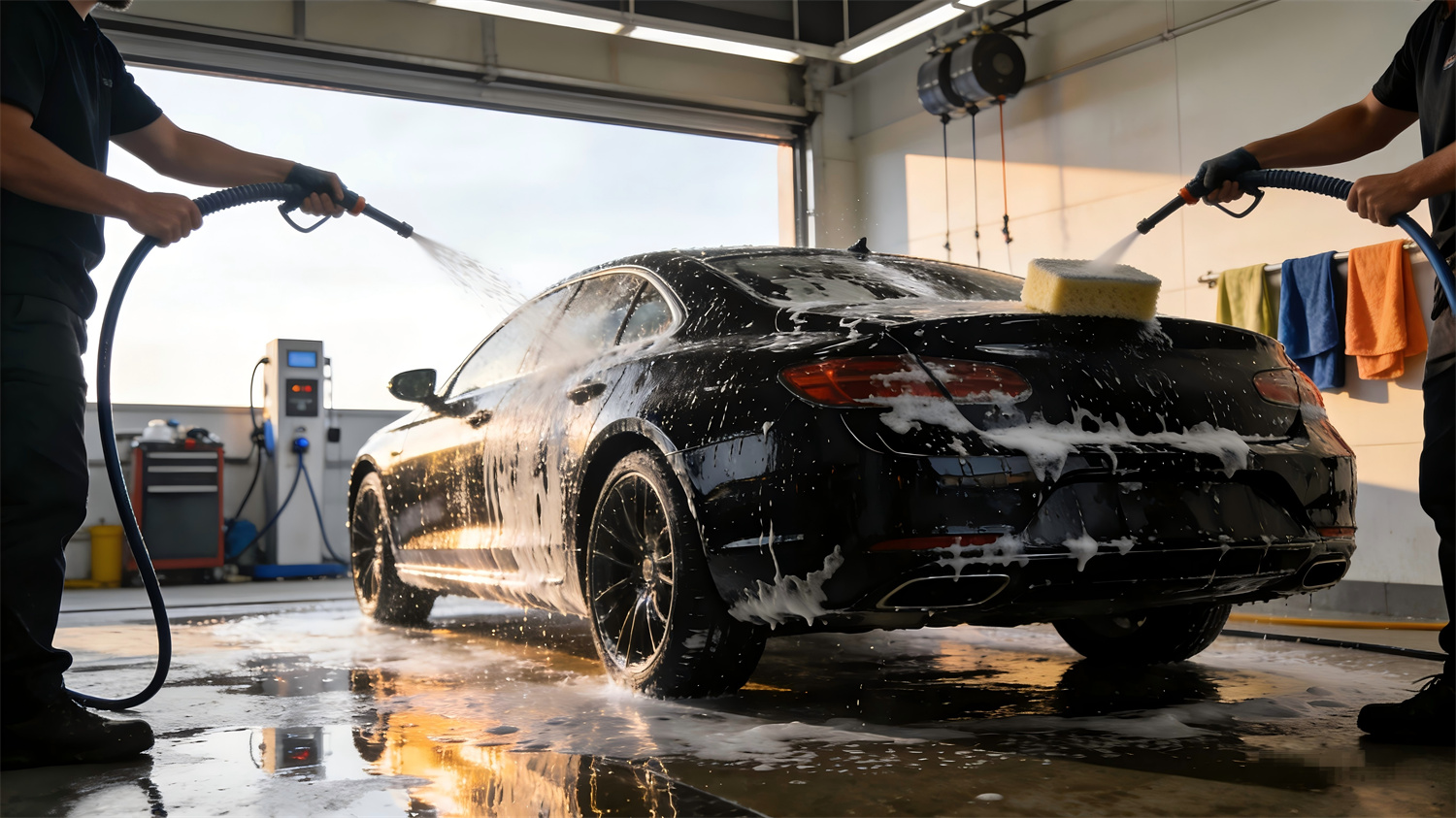
Powers high-pressure water pumps and fast blow-dryers, helping commercial car washes lower electric use and improve cycle times.
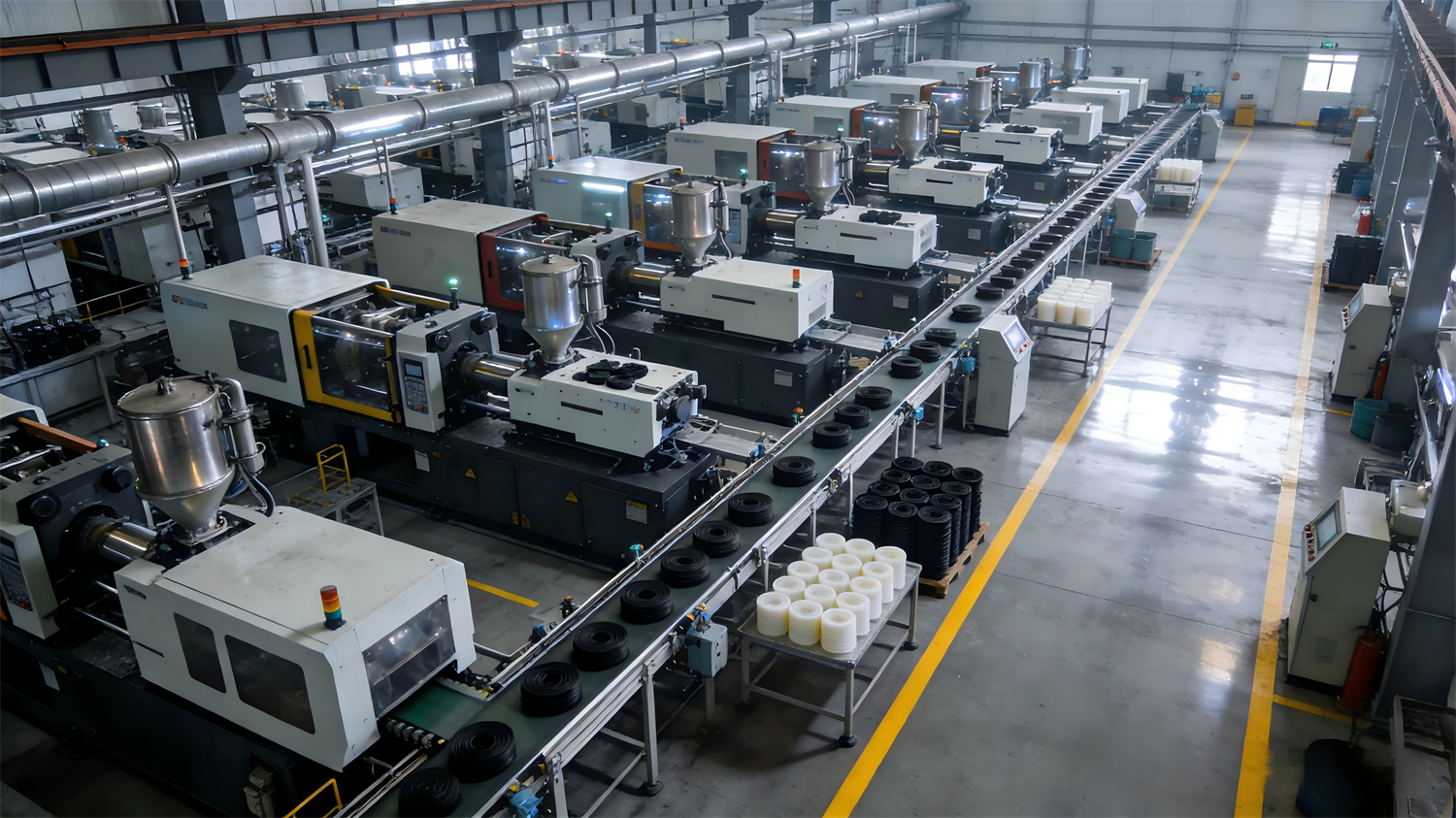
Maintains steady pressure for extrusion lines and blow molding systems, keeping wall thickness uniform and minimizing manufacturing rejects.
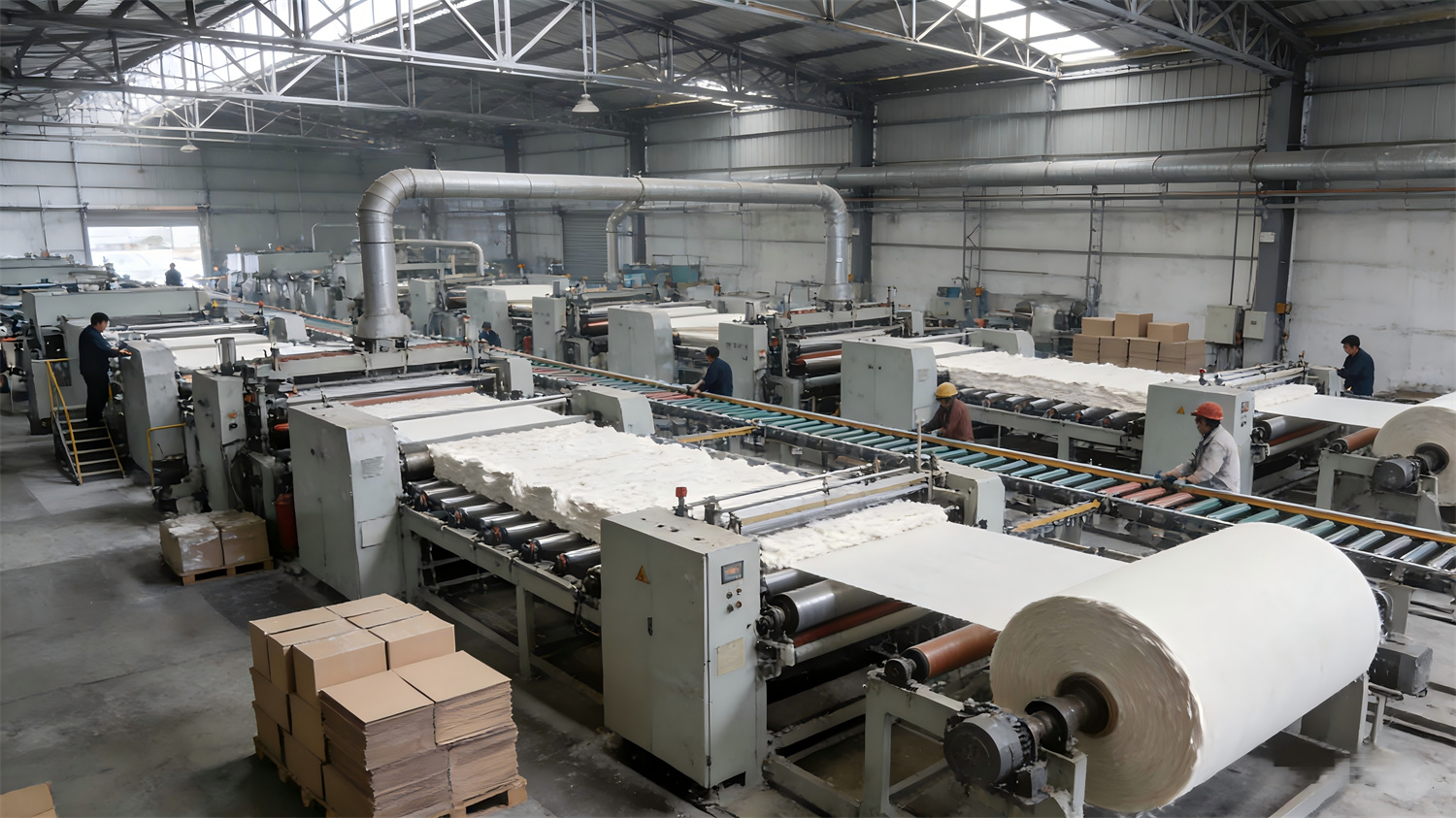
Powers continuous pulp mixing, processing rollers, and drying arrays under challenging ambient factory environments.
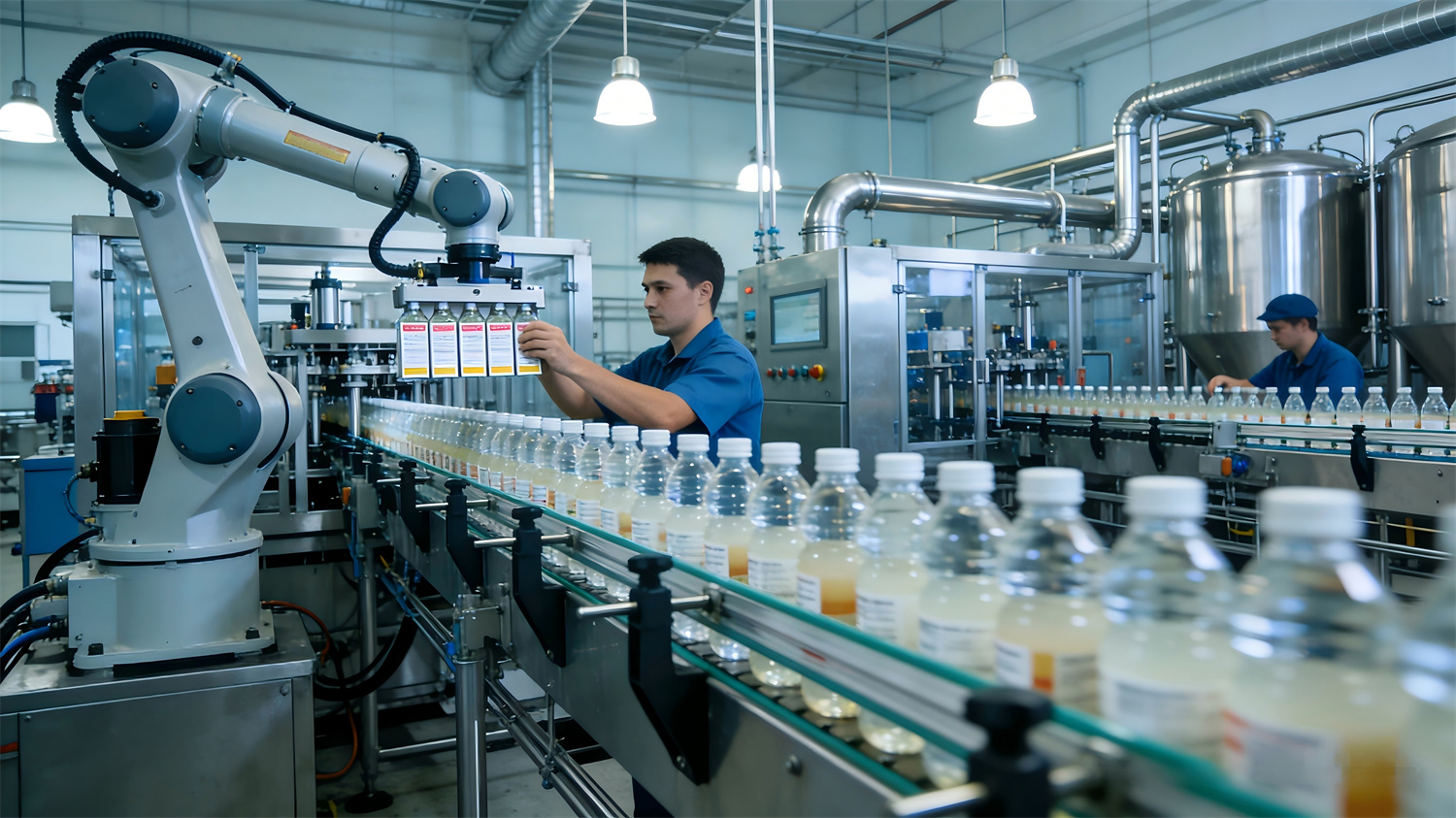
Maintains sterile, dry air configurations required for bottle filling, capping, and conveying lines in regional beverage processing plants.
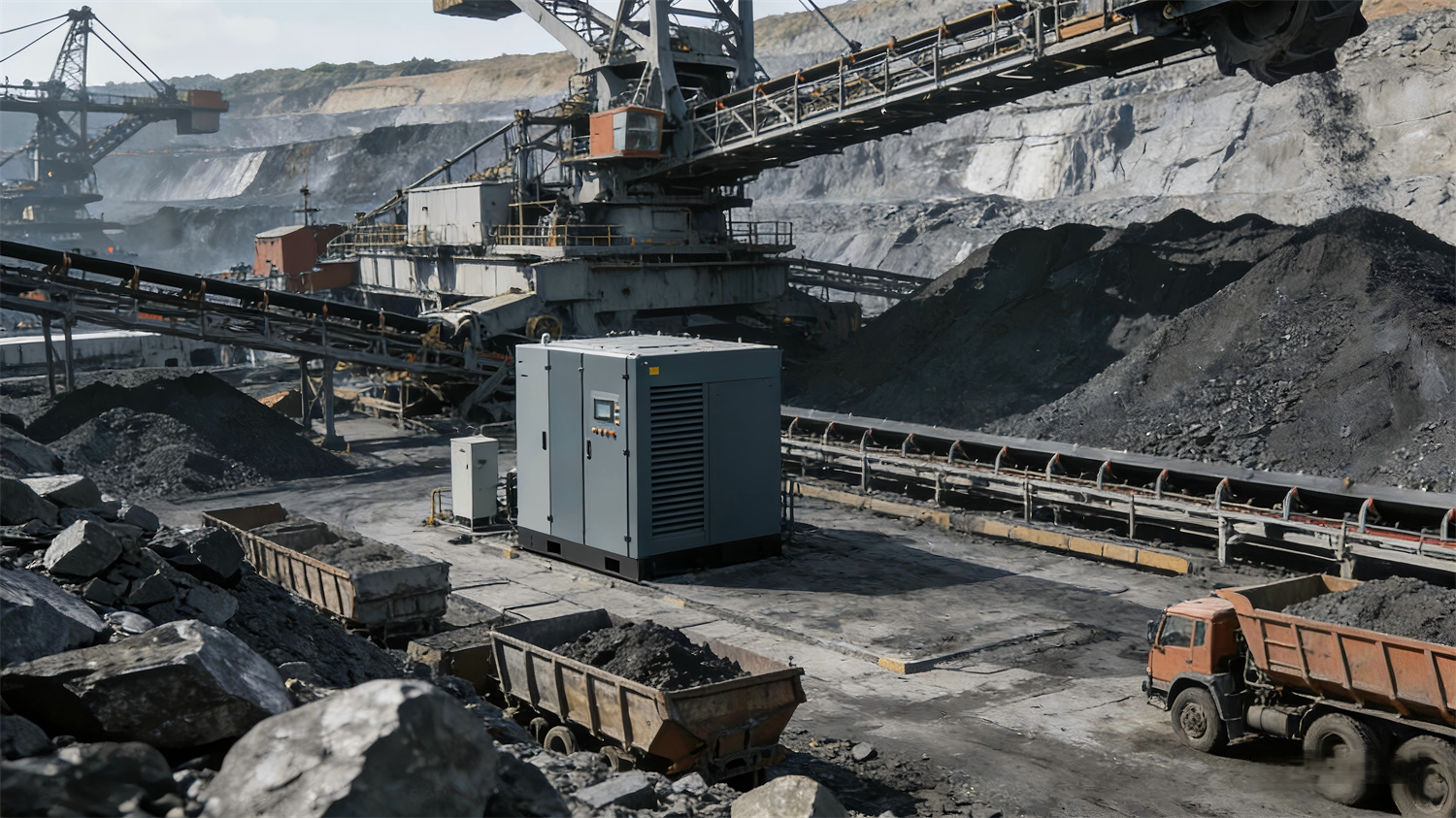
Rugged, heavy-gauge steel storage vessels built to supply power for deep drilling and stone extraction in dry, dusty quarry settings.
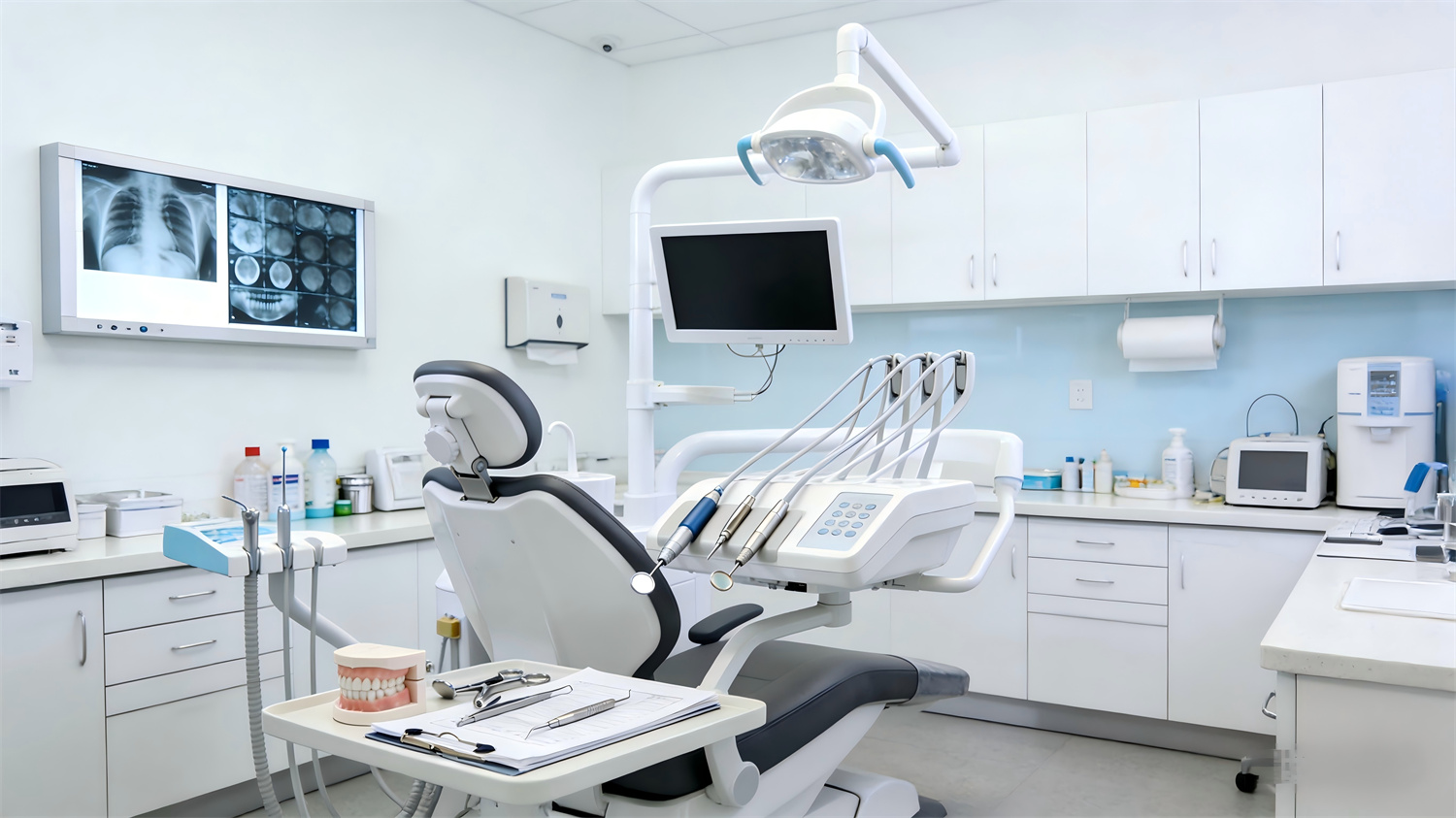
Provides zero-risk, oil-free pressure buffering. Designed to meet GMP standards for hospital central networks and pharmaceutical labs in Baghdad.
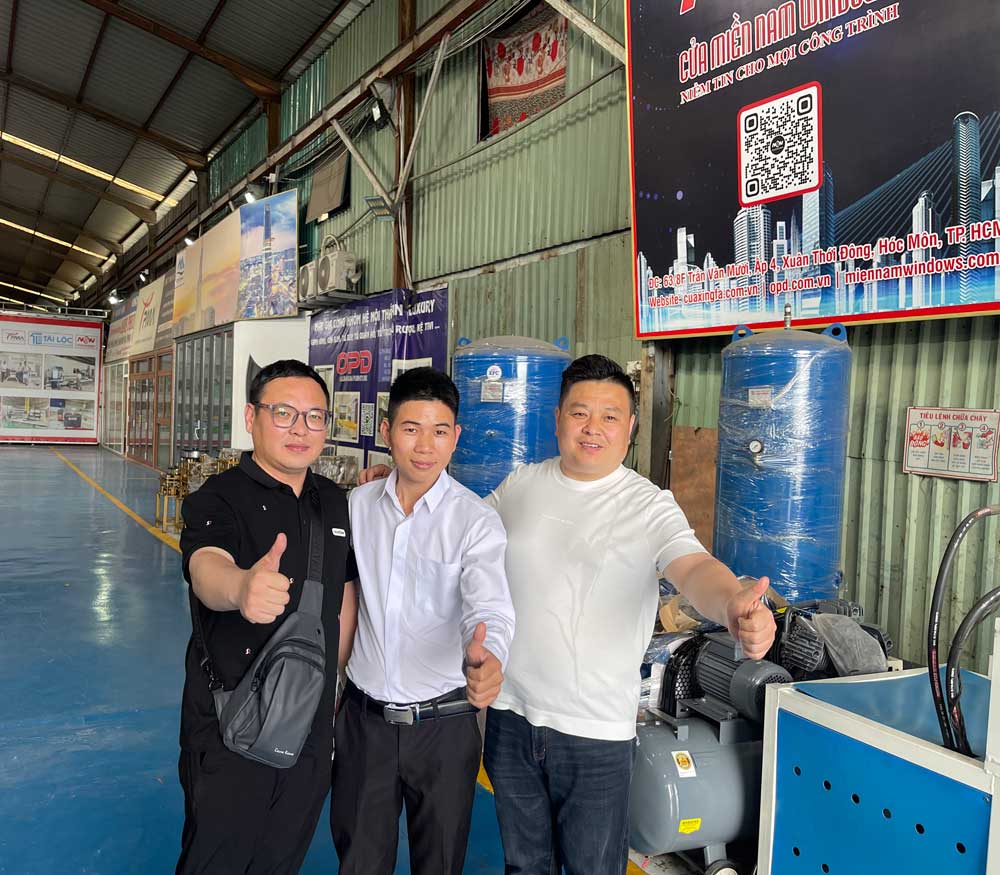
We support industrial operations worldwide, including in the USA, Canada, Colombia, Chile, Russia, Vietnam, India, Pakistan, Dubai, and Syria. Our active presence at international trade shows highlights our dedication to local markets:
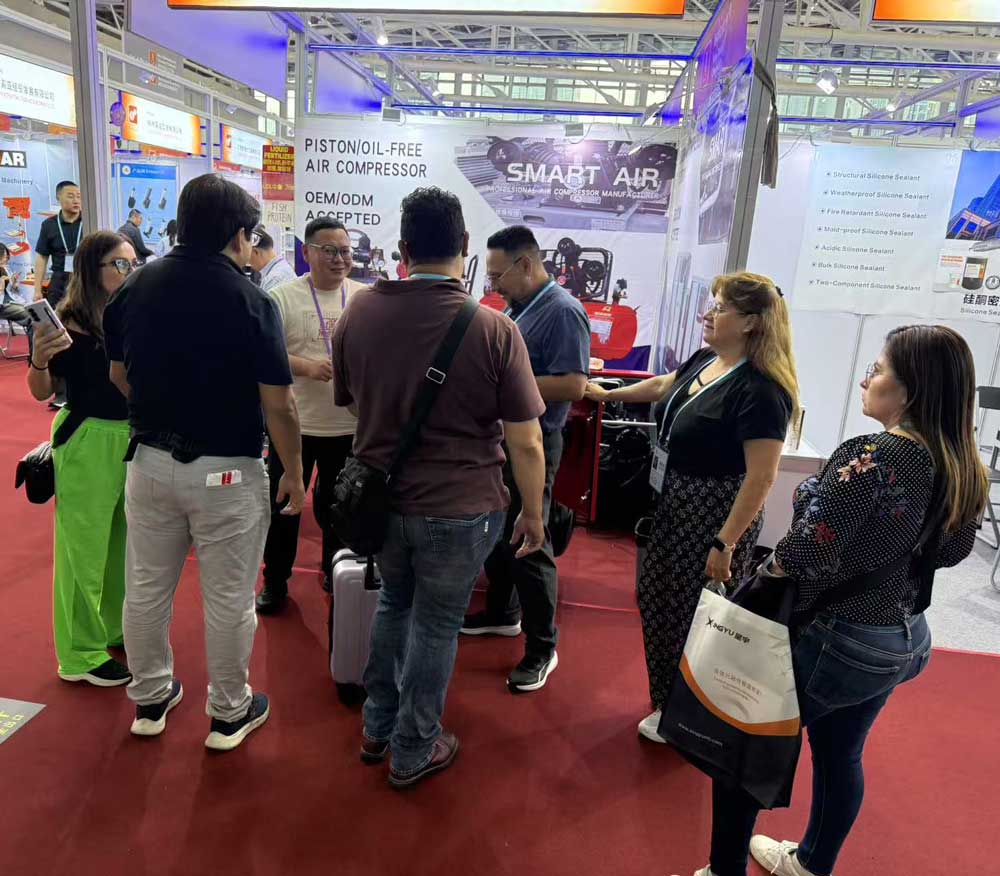
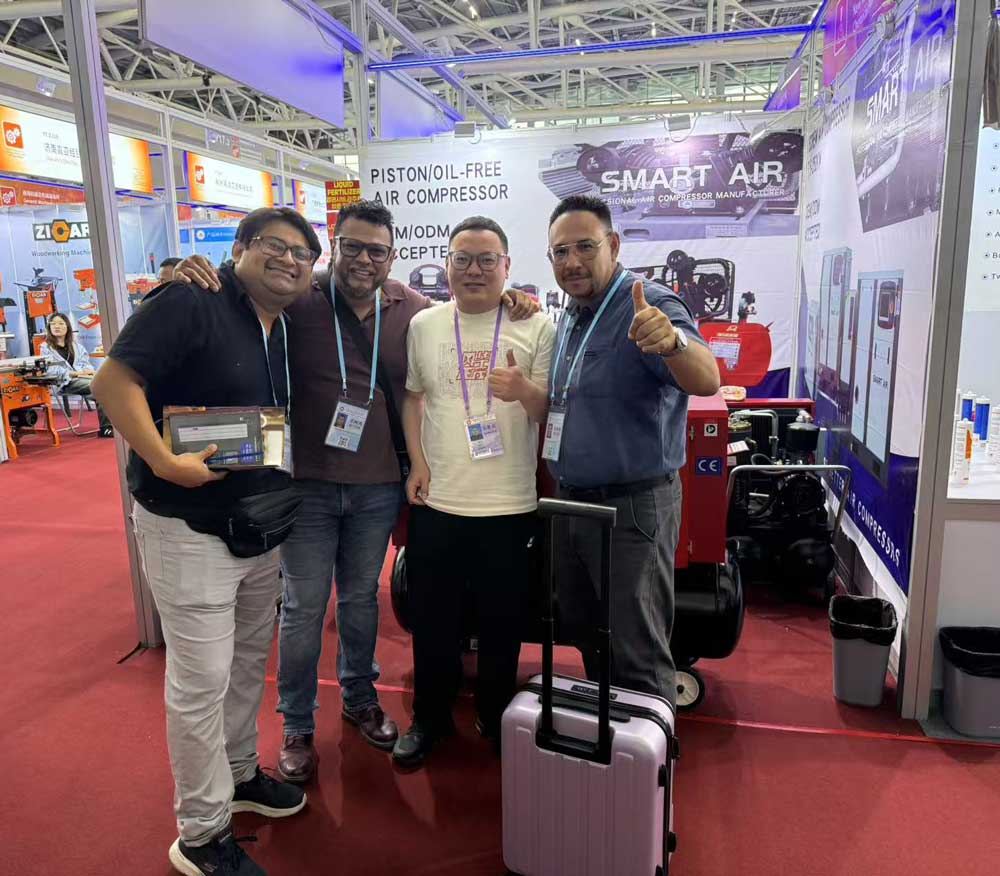
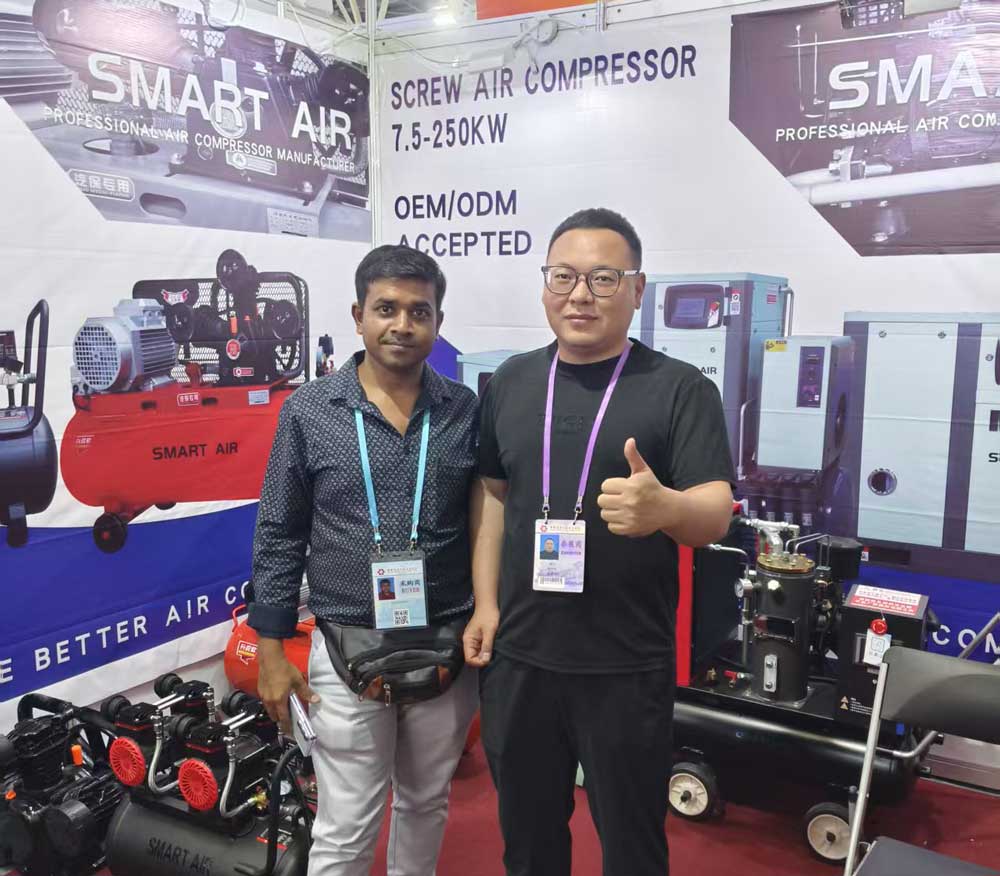
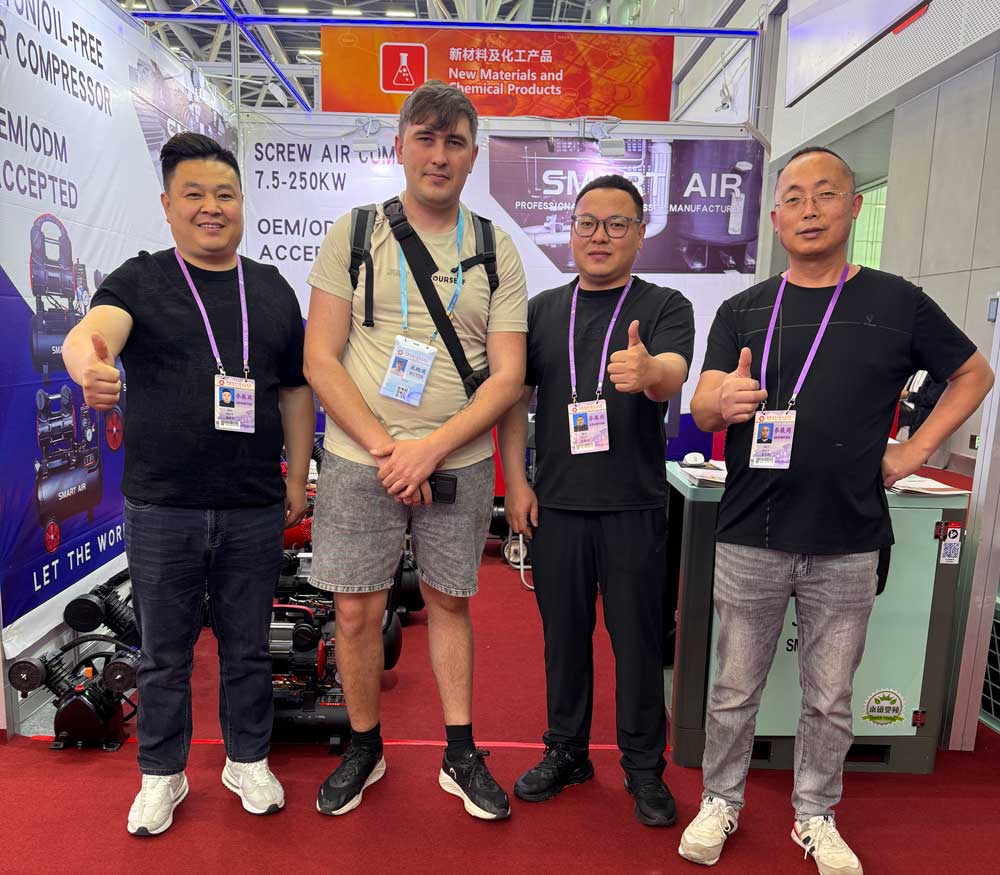
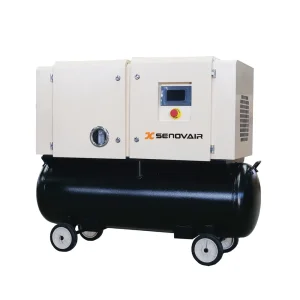
High heat lowers the density of intake air and increases its capacity to carry water vapor. When compressed air enters the receiver tank, it cools down, causing large amounts of water to condense. Our tanks feature specialized bottom drain ports, auto-drain systems, and optional internal epoxy coatings to resist corrosion caused by this accumulation of condensate.
Yes. Every pressure vessel we build complies with either ASME Section VIII Division 1 or European Union CE standards. We supply all inspection documentation, welding maps, radiographic test results, and hydrostatic test certifications to satisfy safety inspectors on project sites in Iraq.
As a rule of thumb, we recommend a storage capacity of at least 30% to 50% of your compressor's total output capacity (CFM or m³/min). For systems serving heavy variable loads (such as sandblasting or large pneumatic cylinders in cement works), choosing a larger tank provides a crucial buffer to prevent system pressure drops.
We regularly ship equipment to major destinations in Iraq. Shipments travel from our Linyi hub via Qingdao or Shanghai ports directly to Umm Qasr Port. For the Kurdistan region, we coordinate transit routes through Mersin Port in Turkey, managing the logistics, marine insurance, and customs clearance paperwork.
Q345R is a specialized boiler-grade plate steel designed to handle pressure. It offers superior tensile strength, toughness under heat, and resistance to fatigue caused by pressure cycles. We do not use standard structural steels like Q235 for our heavy pressure vessels.
The tank acts as an energy buffer. It stores volume so that your compressor doesn't have to start up every time there is a brief demand for air. In systems using VSD compressors, a properly sized receiver allows the motor to run at lower, energy-saving RPMs, reducing power usage.
Yes. We configure systems with dust-sealed safety release valves and durable, glycerin-filled stainless steel pressure gauges that resist damage from sand, dust, and vibrations.
Consult with our engineers to configure the optimal air storage tank and compressor combination for your project environment and safety standards.
Send Inquiry Now Smart Air