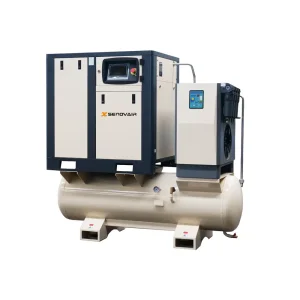
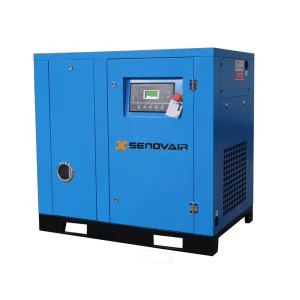
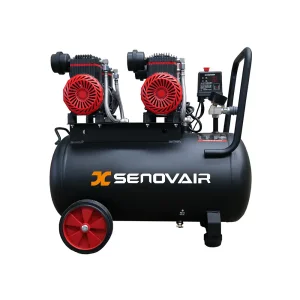
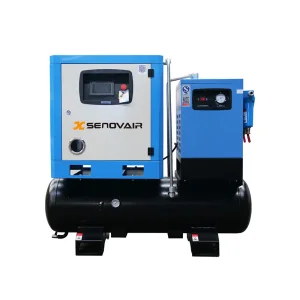
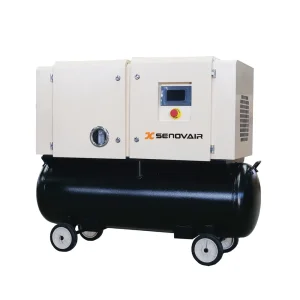
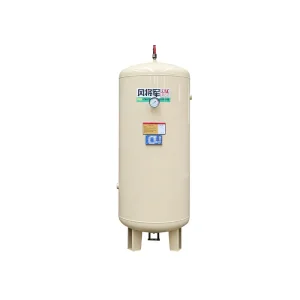
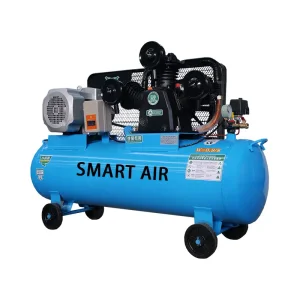
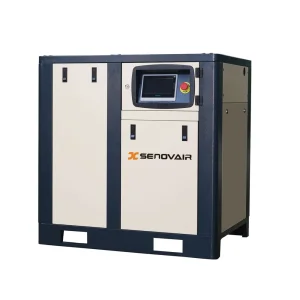
Explore our premium range of heavy-duty, all-in-one screw compressors, high-pressure solutions, and storage air systems engineered for modern industrial applications.
Compressed air is widely recognized as the fourth industrial utility. However, ambient air drawn into a compressor contains large quantities of water vapor, gaseous pollutants, and particulates. During compression, the concentration of these impurities rises exponentially. If left untreated, moisture condenses within the piping network, causing catastrophic outcomes: rust formation, pneumatic actuator failure, corrupted sensor readings, and contaminated end products.
Refrigerated air dryers serve as the primary defensive barrier by utilizing a refrigeration cycle to cool the incoming compressed air. As the temperature drops, moisture condenses out of the air stream. By lowering the temperature to a precise Pressure Dew Point (PDP)—typically 3°C to 10°C (37°F to 50°F)—up to 99% of entrained water vapor is liquefied and discharged through automated drain valves.
Expert Insight: Selecting the correct refrigerated dryer requires assessing the ambient correction factors, inlet temperatures, and minimum target dew point. Modern smart factories demand dryers that maintain dew point stability even under fluctuating volumetric flow rates.
Leveraging deep industrial clusters, advanced logistics, and state-of-the-art thermal engineering to deliver unmatched value to global buyers.
Based in Linyi—widely known as China's logistics capital—manufacturers benefit from integrated component networks. From rotary compressors and copper tubing to sheet metal frames and smart microprocessors, components are sourced locally, eliminating logistics bottlenecks.
Chinese factories employ automated manufacturing processes, robotic welding, and helium leak detection chambers. Every refrigerated air dryer undergoes rigorous testing under simulated high-temperature, high-humidity environments to ensure performance in harsh environments.
Whether you require custom pressure-vessel certifications (ASME, CE, EAC, AS1210), specialized explosion-proof components, or high-pressure designs (up to 40 bar or above for laser cutting), Chinese suppliers provide modular OEM adjustments at competitive cost structures.
Established in 2005, Smart Air Machinery has evolved into a diversified manufacturing powerhouse that integrates advanced R&D, automated production, and global distribution. Covering screw compressors, piston compressors, air storage tanks, and high-performance refrigerated air dryers, our mission is to build highly reliable, energy-efficient compressed air infrastructure.
Through 20 years of continuous innovation, we have built a team of over 200 dedicated professionals, including fluid dynamics engineers, refrigeration experts, and after-treatment specialists. Located in Linyi, we utilize top-tier testing facilities and automated sheet-metal processing lines to ensure every unit leaving our factory delivers long-term durability.

Rich production experience, strong technical capabilities, and a top-notch R&D team accumulated over two decades of diligent research.

Aesthetically pleasing design, meticulous material selection, and exquisite craftsmanship recognized by global industrial buyers.

We are committed to building a leading brand in China's air compressor industry, focusing on honest practices and client service.

We firmly believe that "quality creates reputation, reputation creates brand, and brand creates market."
Validated by global testing bodies. Smart Air products meet strict safety, quality, and environmental regulations across major international markets.
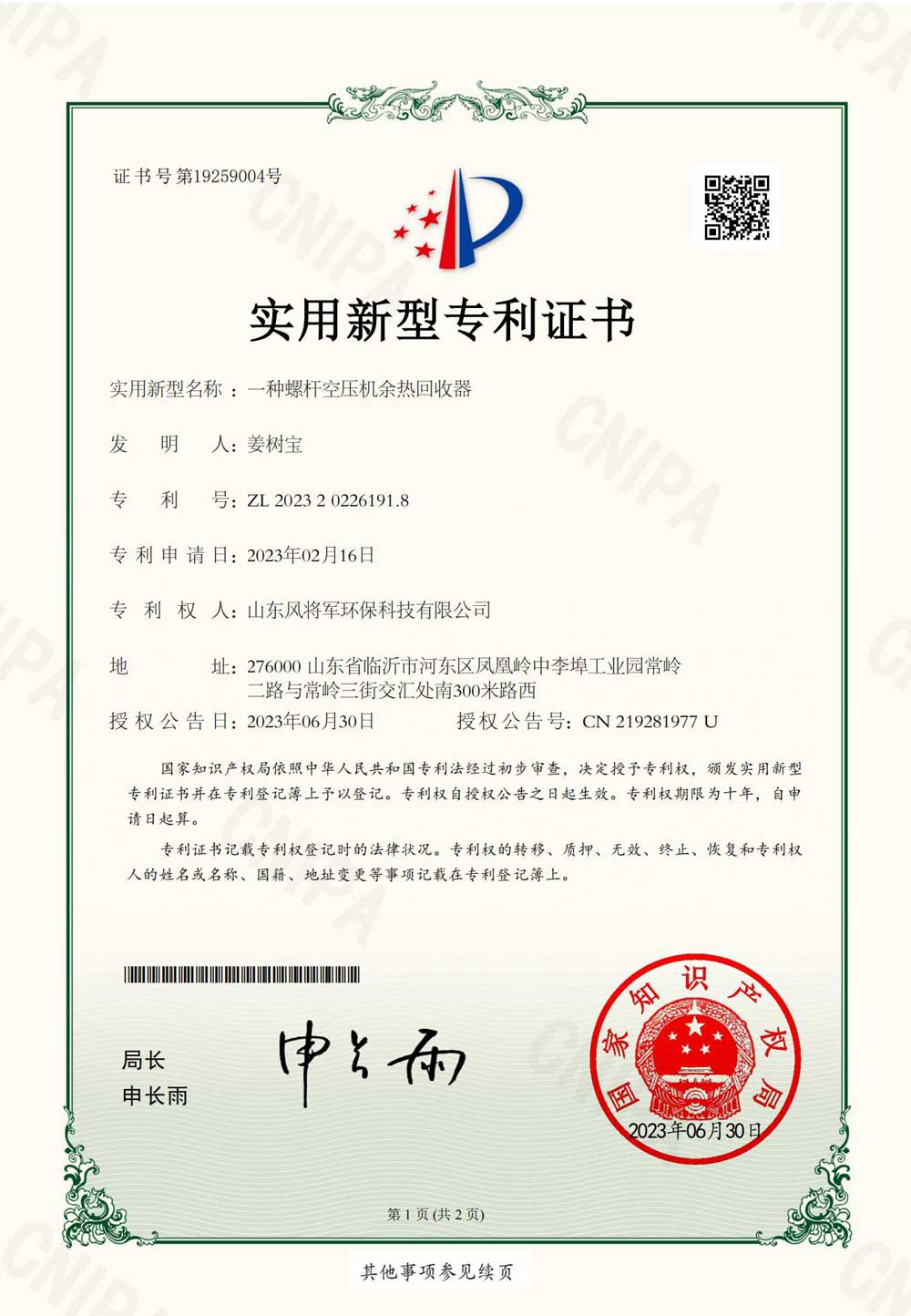
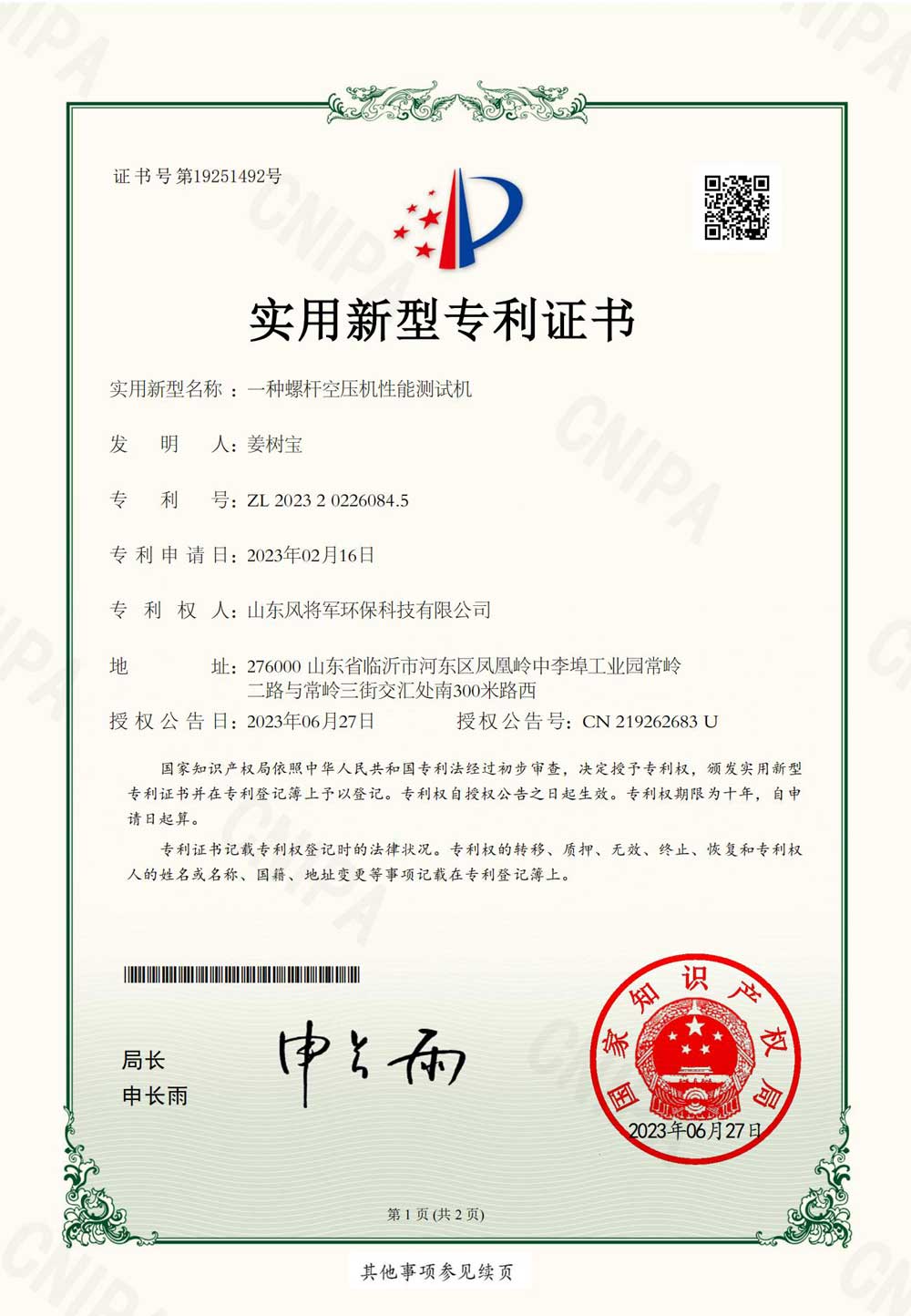
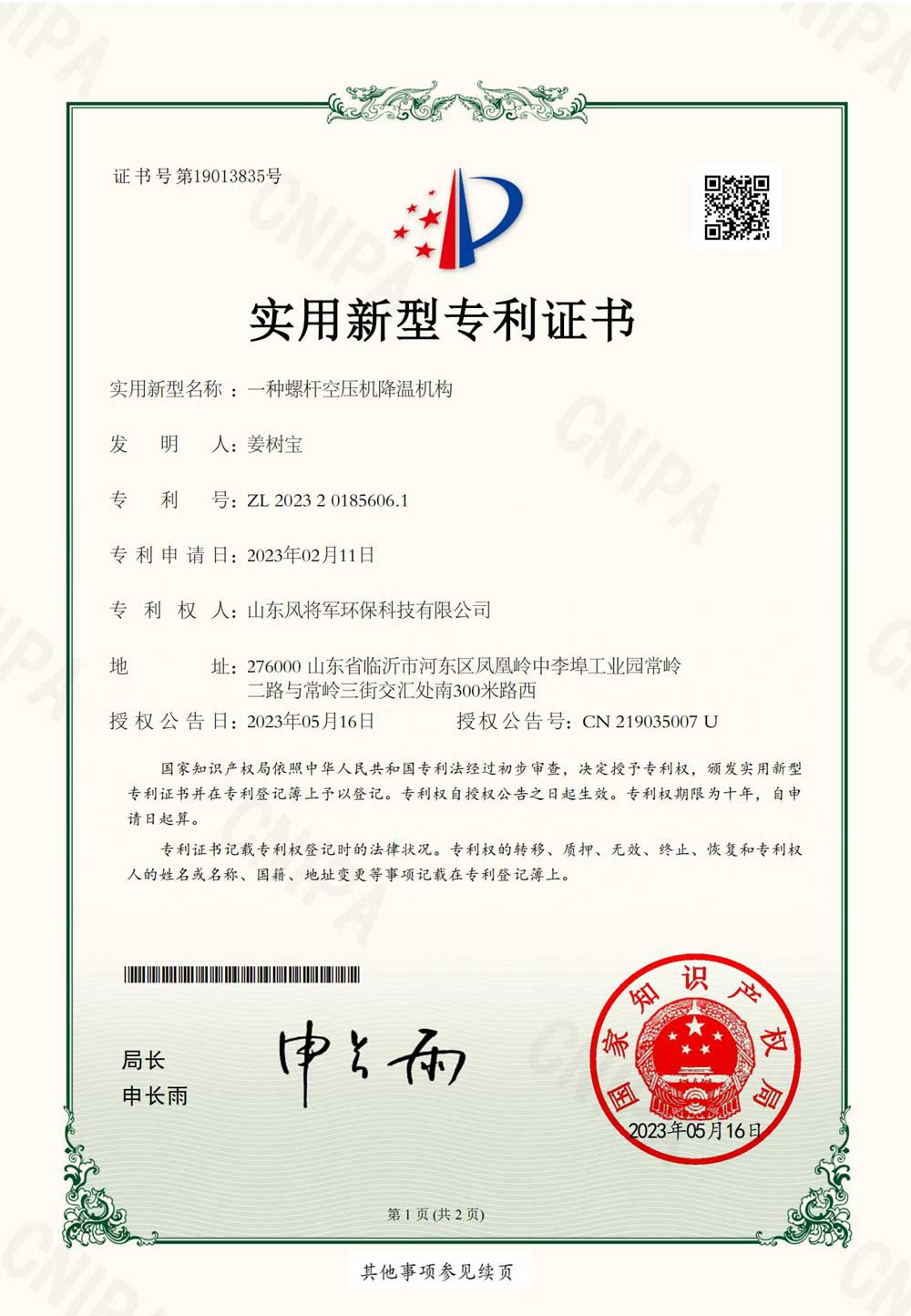
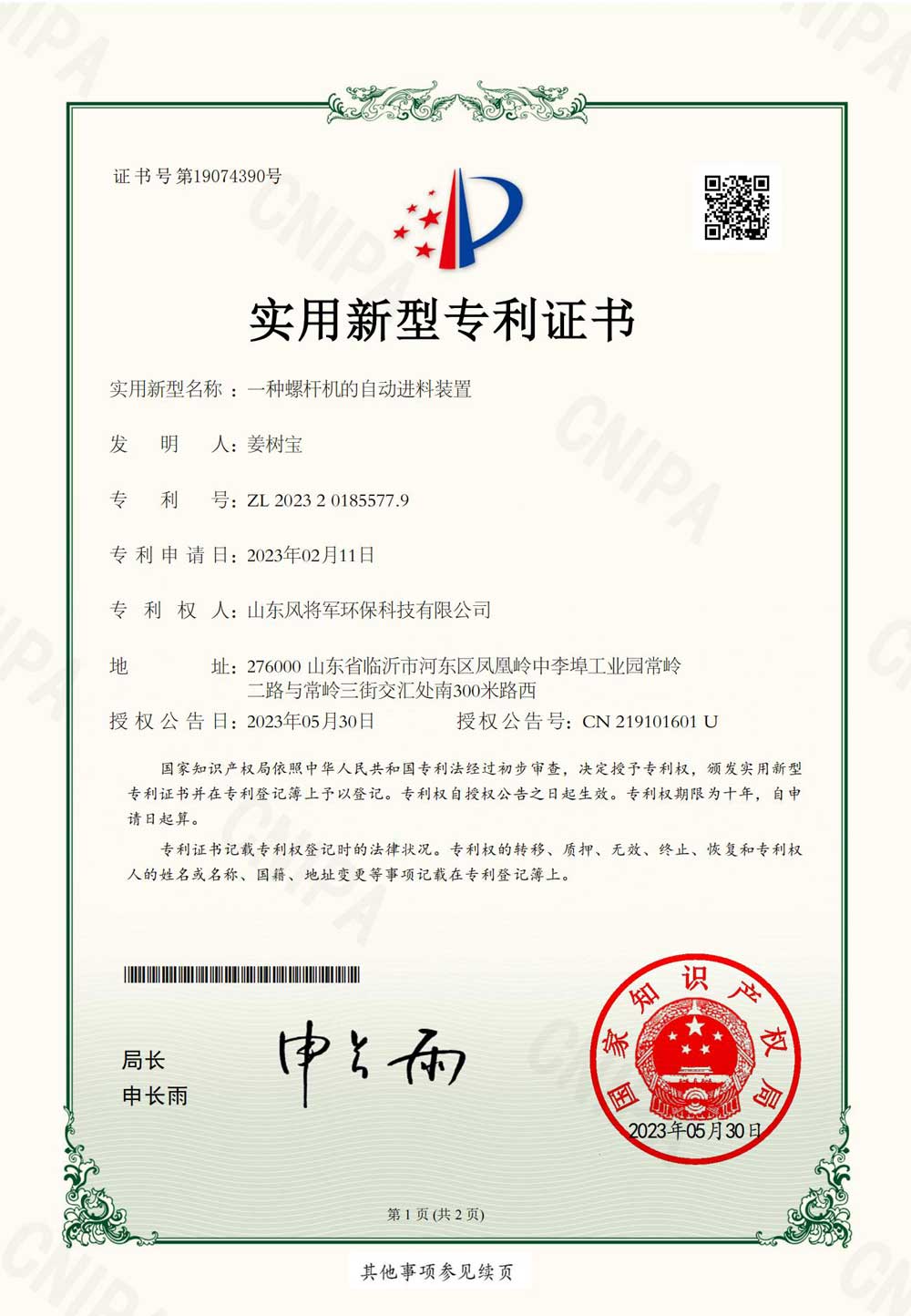
Since our establishment, the company has received numerous honors, including "China Famous Brand," "China's Preferred Brand for Green and Environmentally Friendly Products," "Top Ten Foreign Trade Enterprises," "High-Tech Enterprise," "3A Credit Enterprise," and "Civilized and Trustworthy Unit."
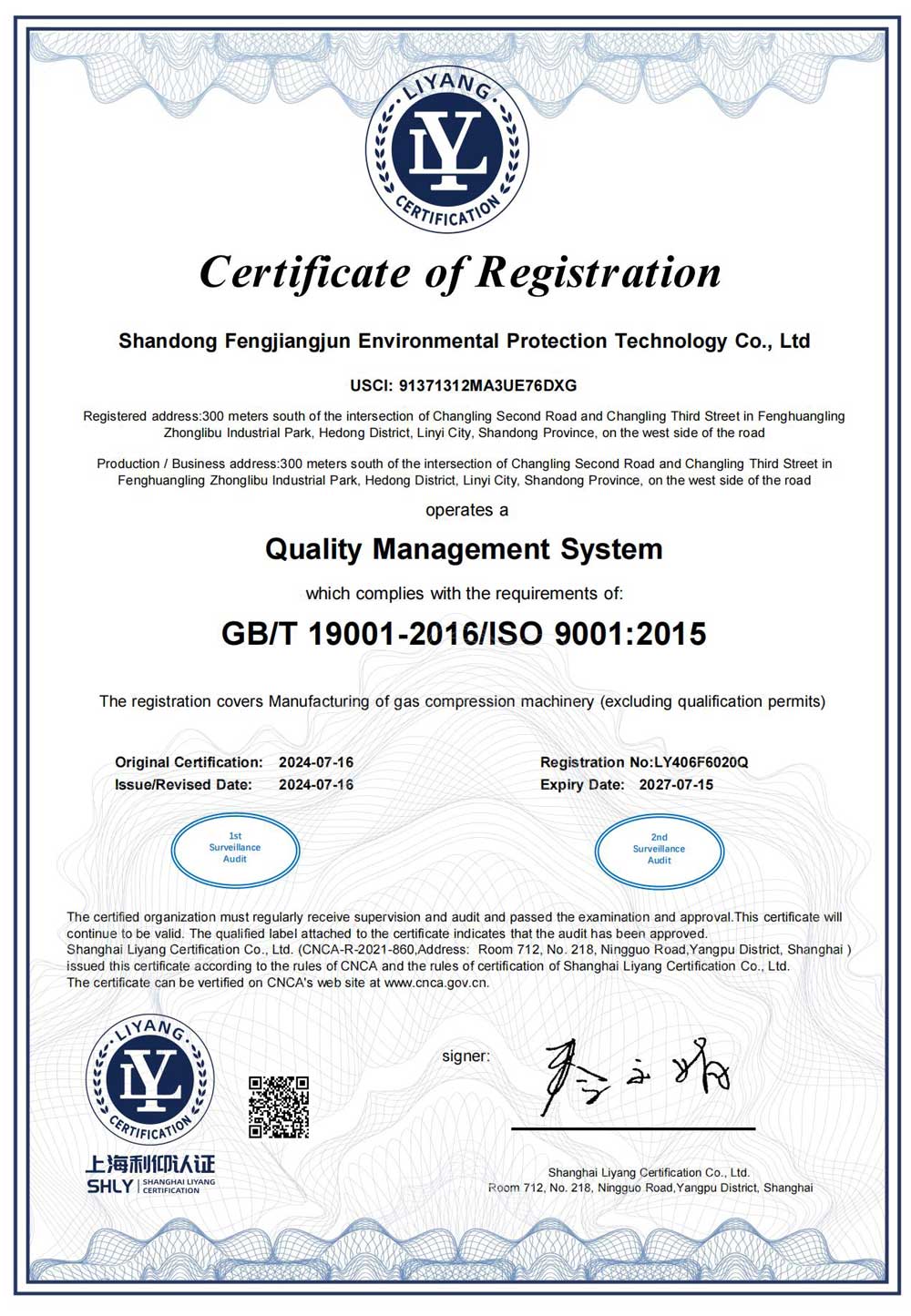
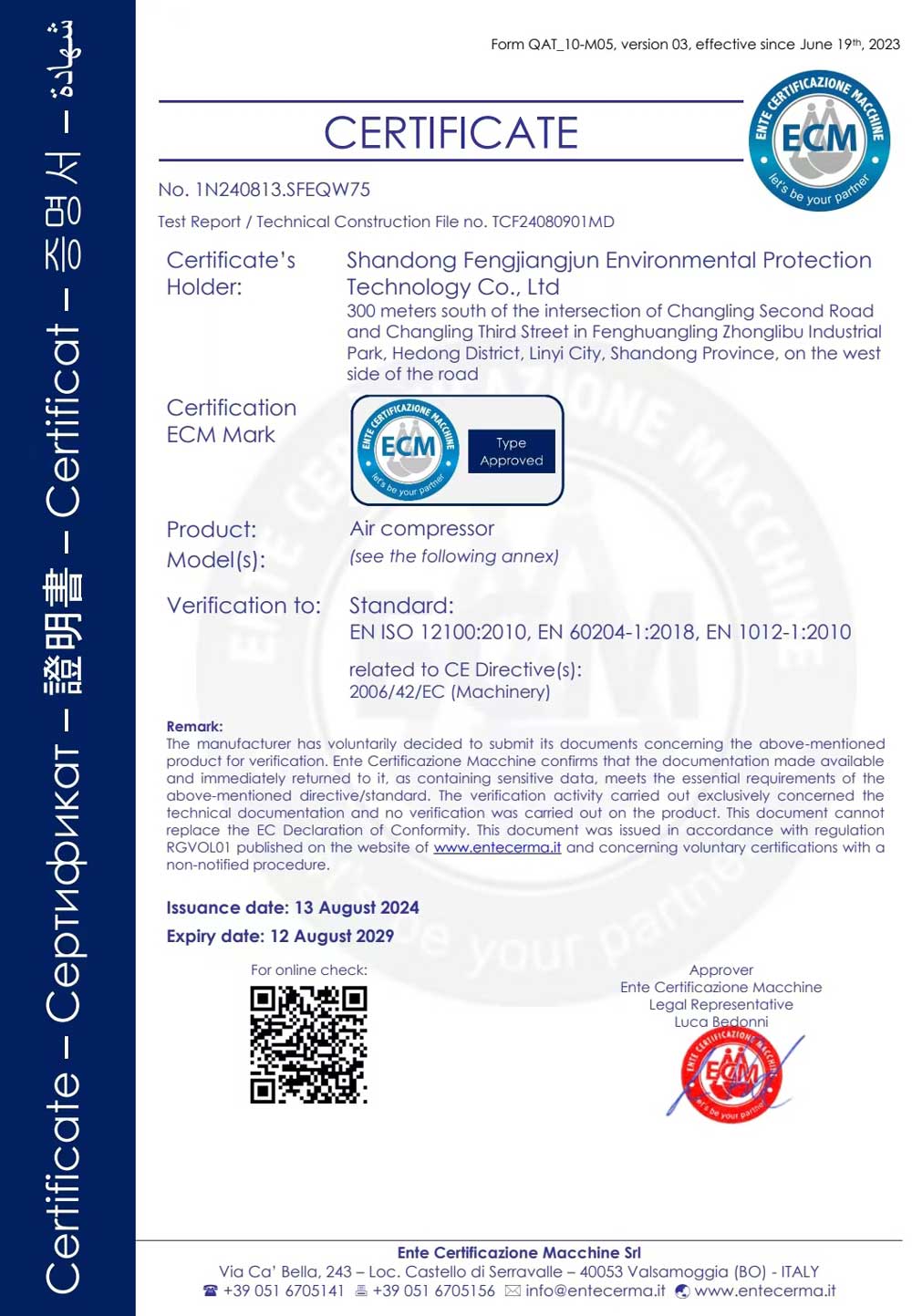
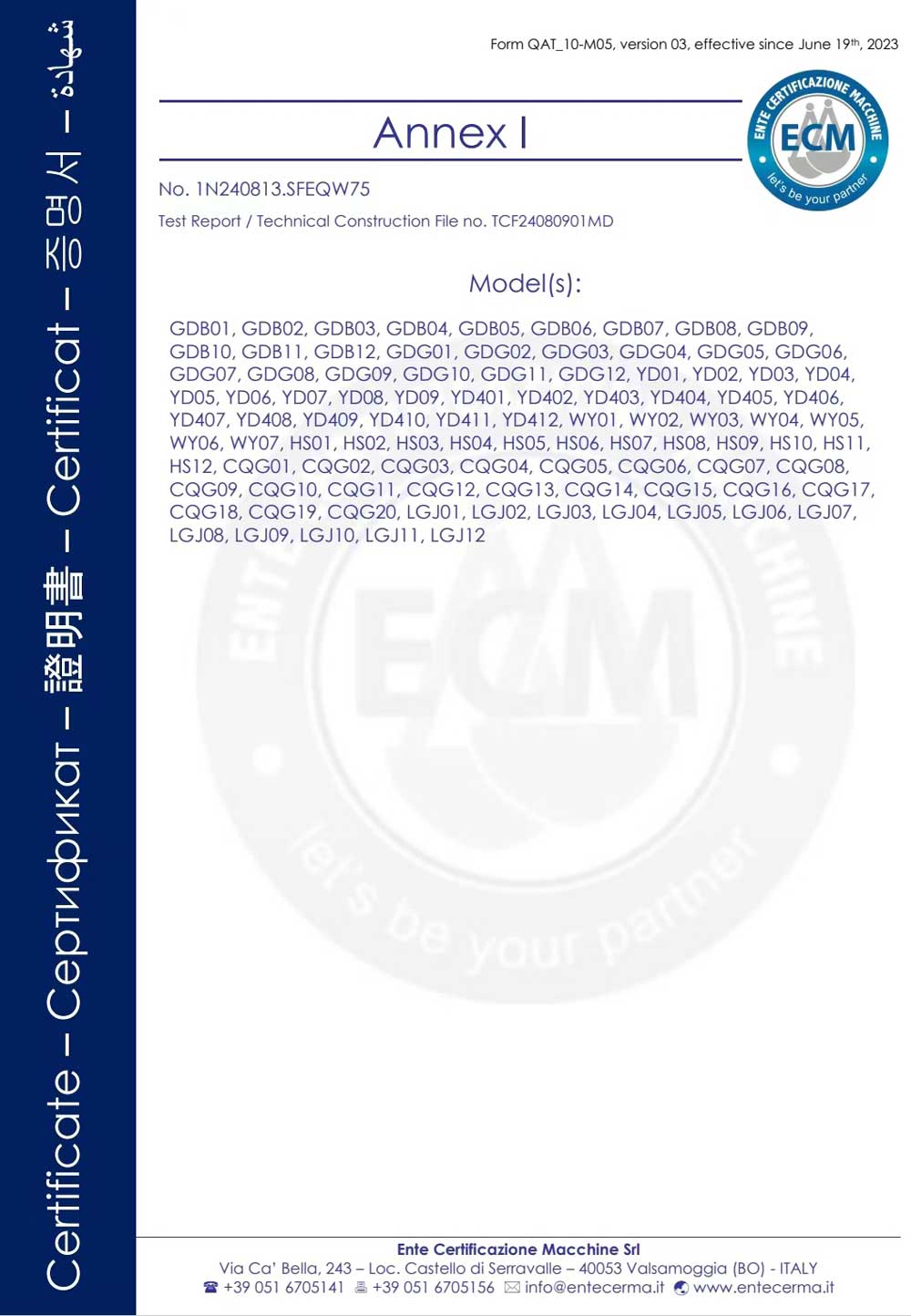

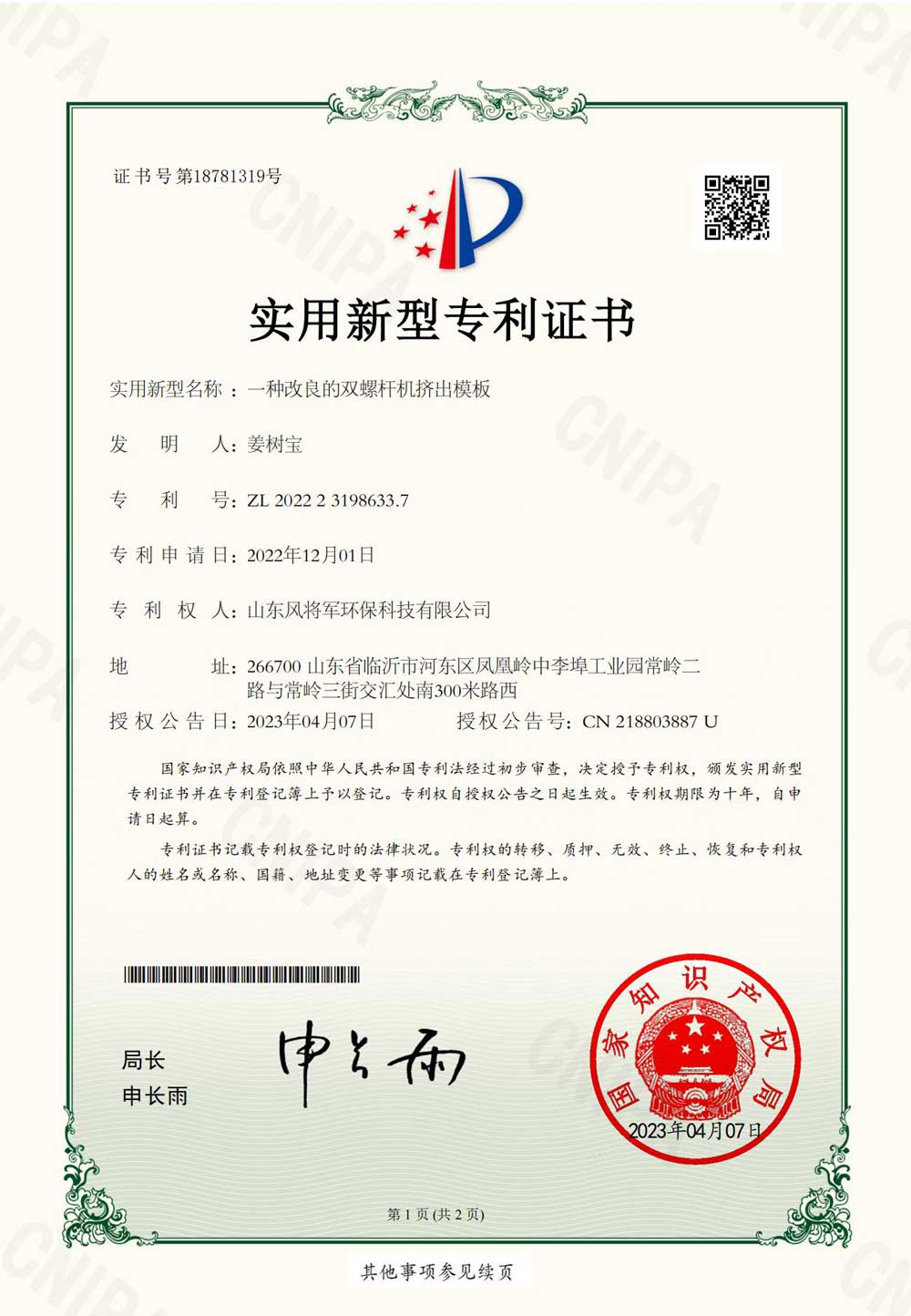
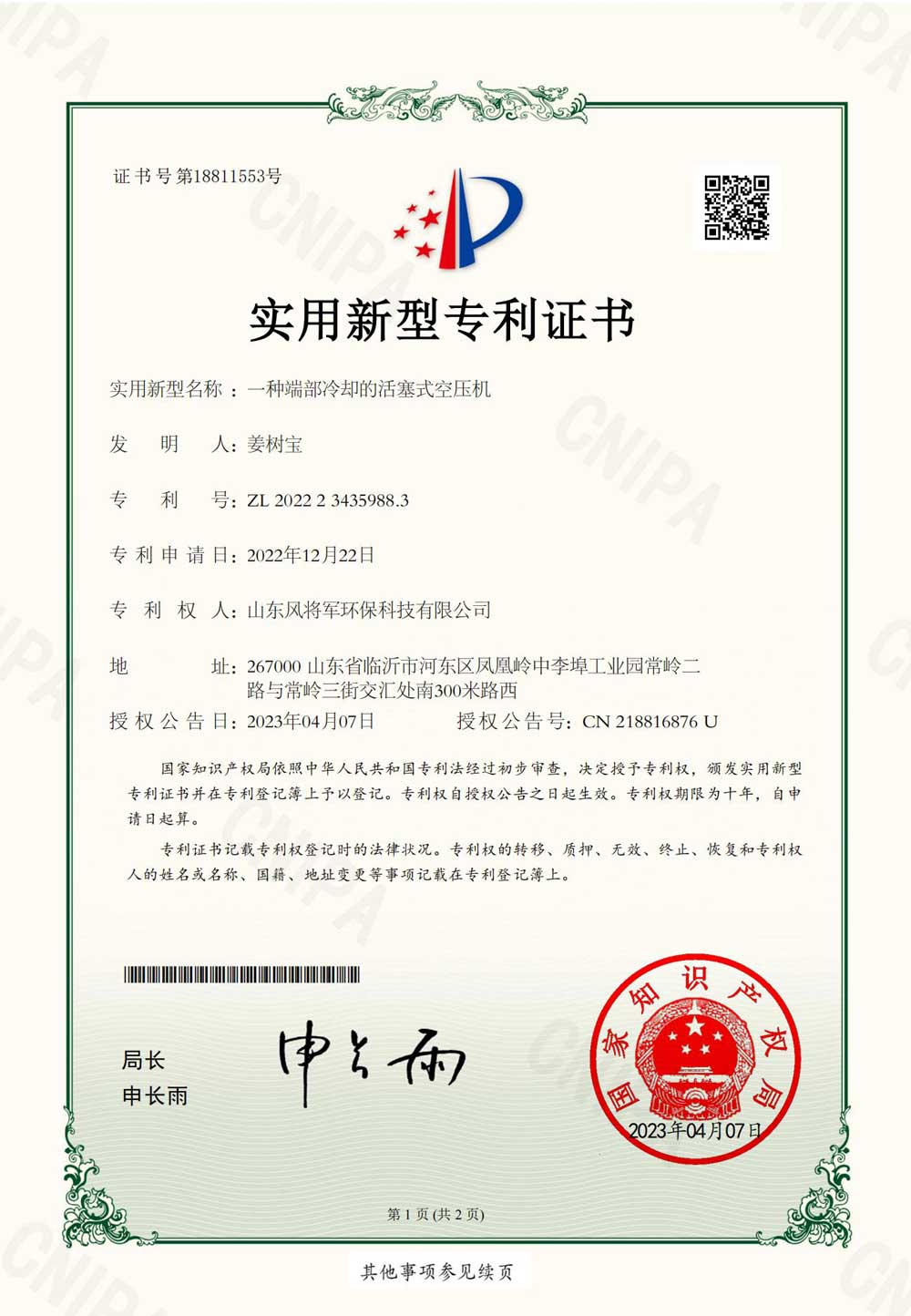
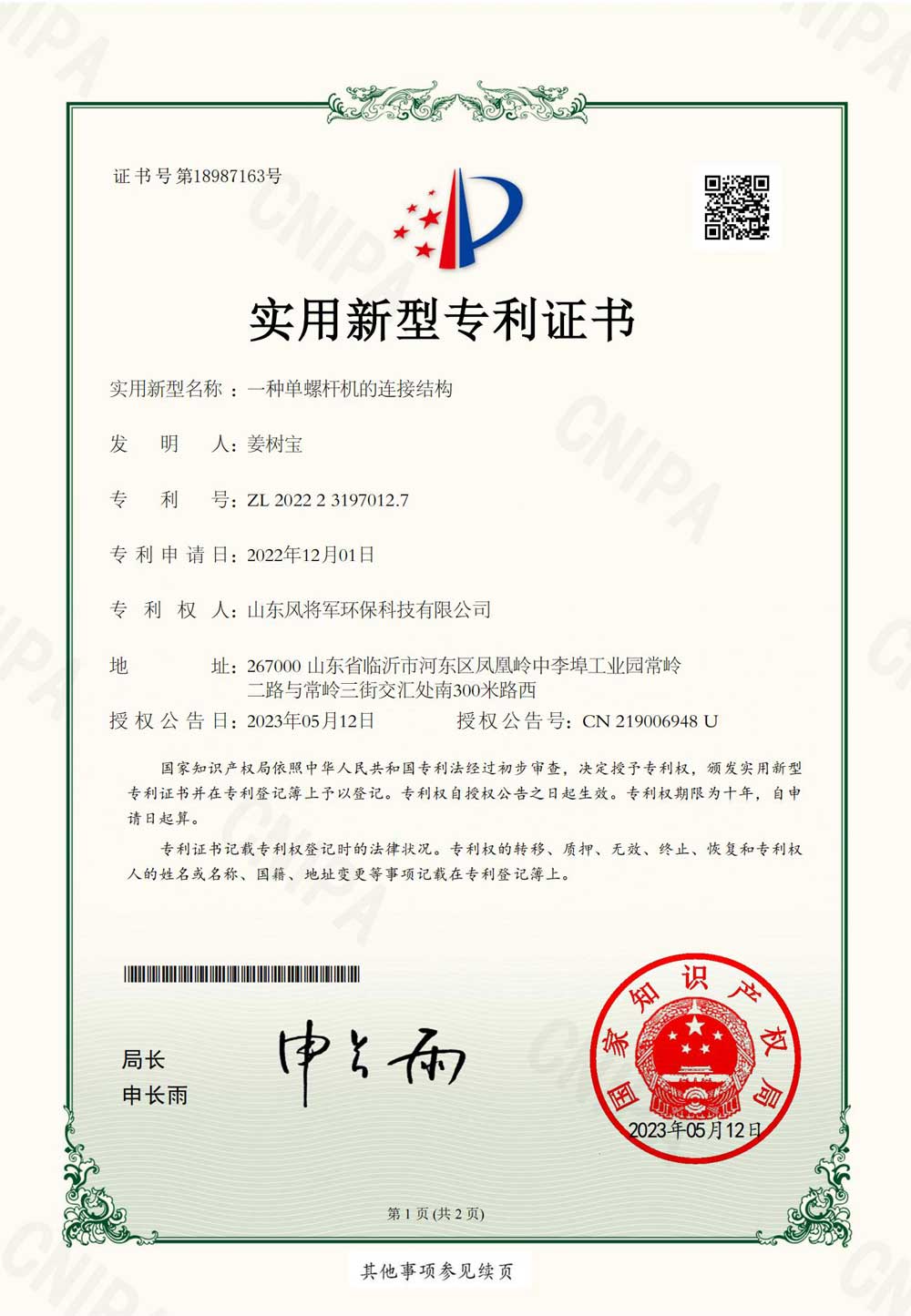
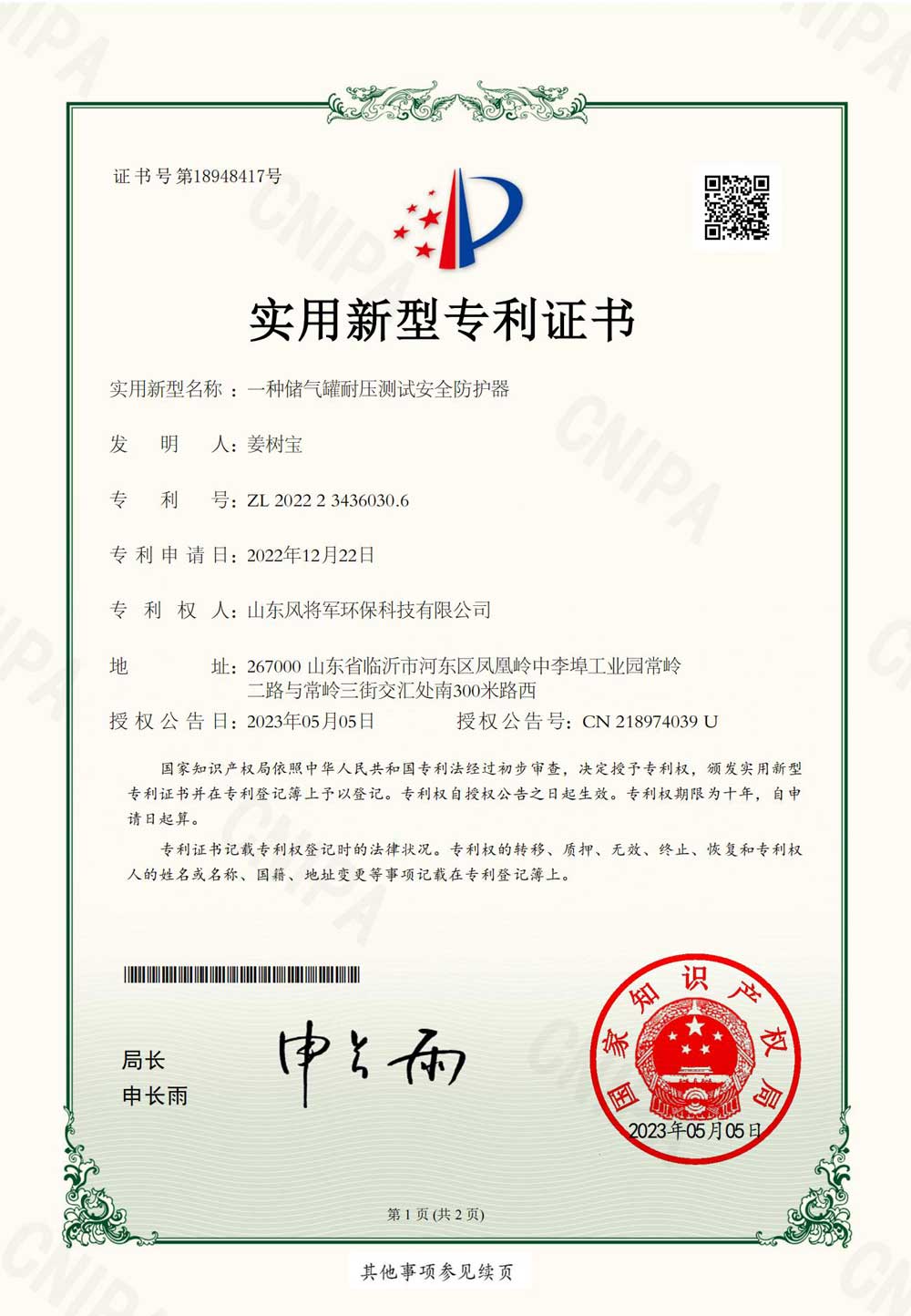
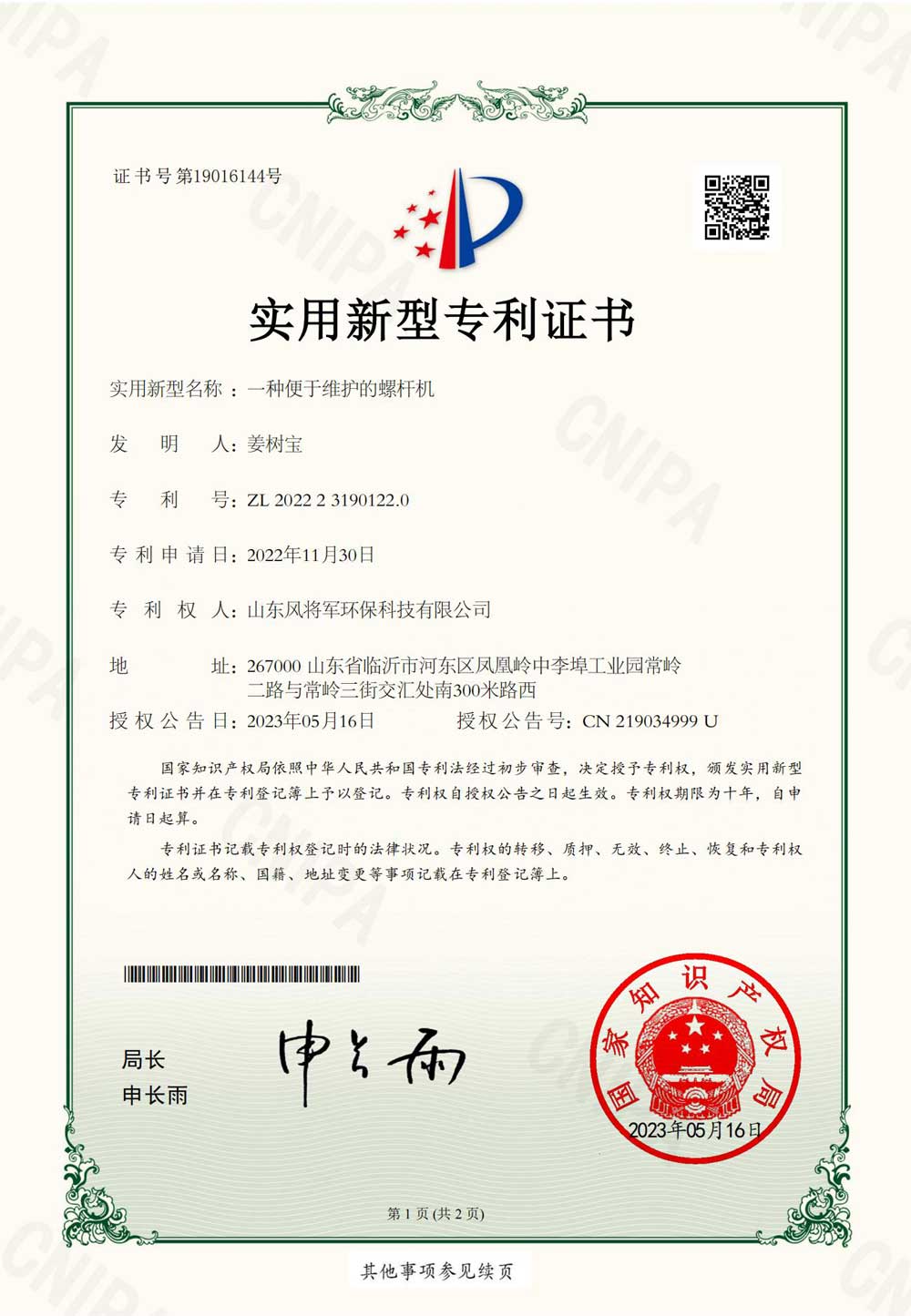
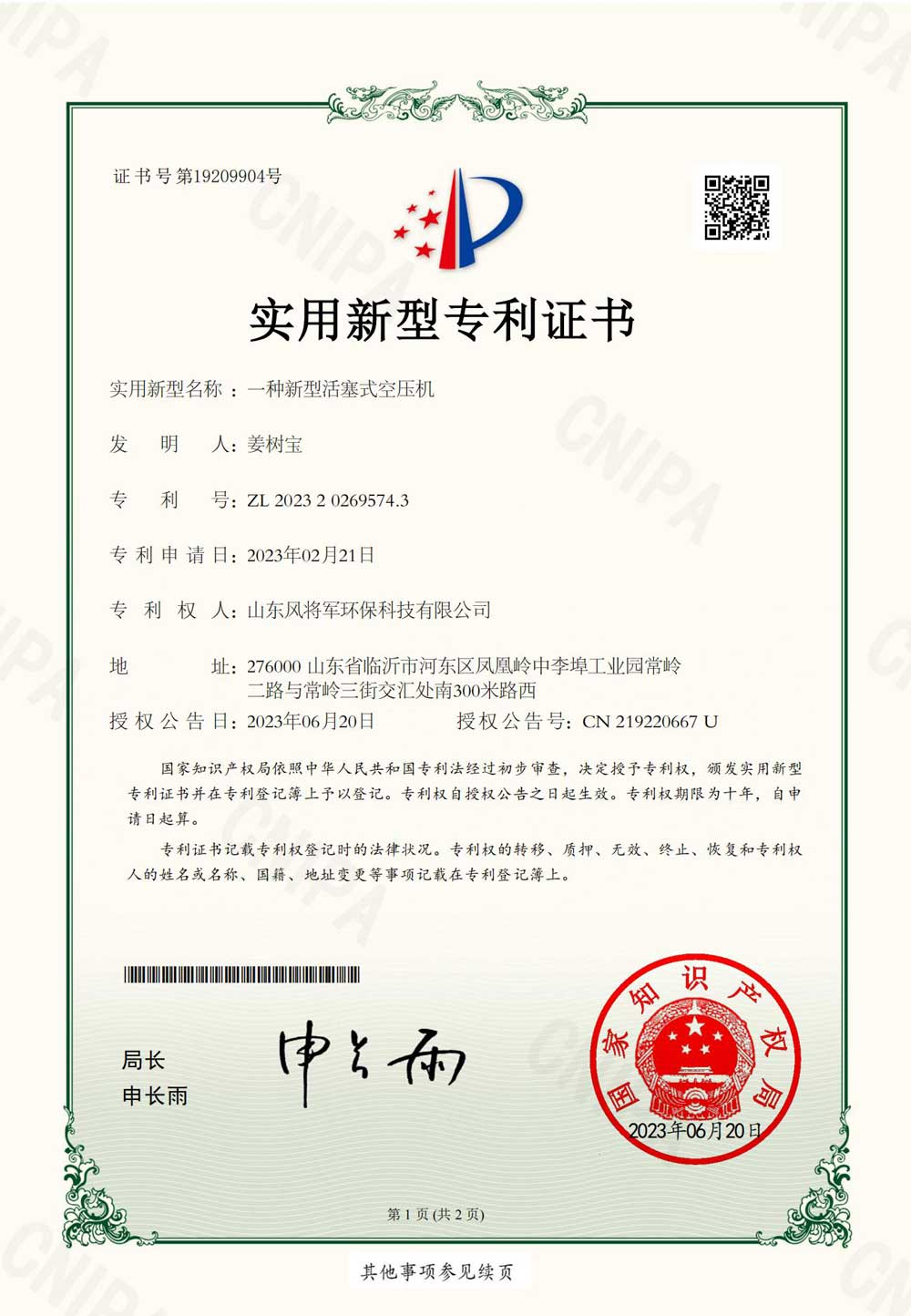
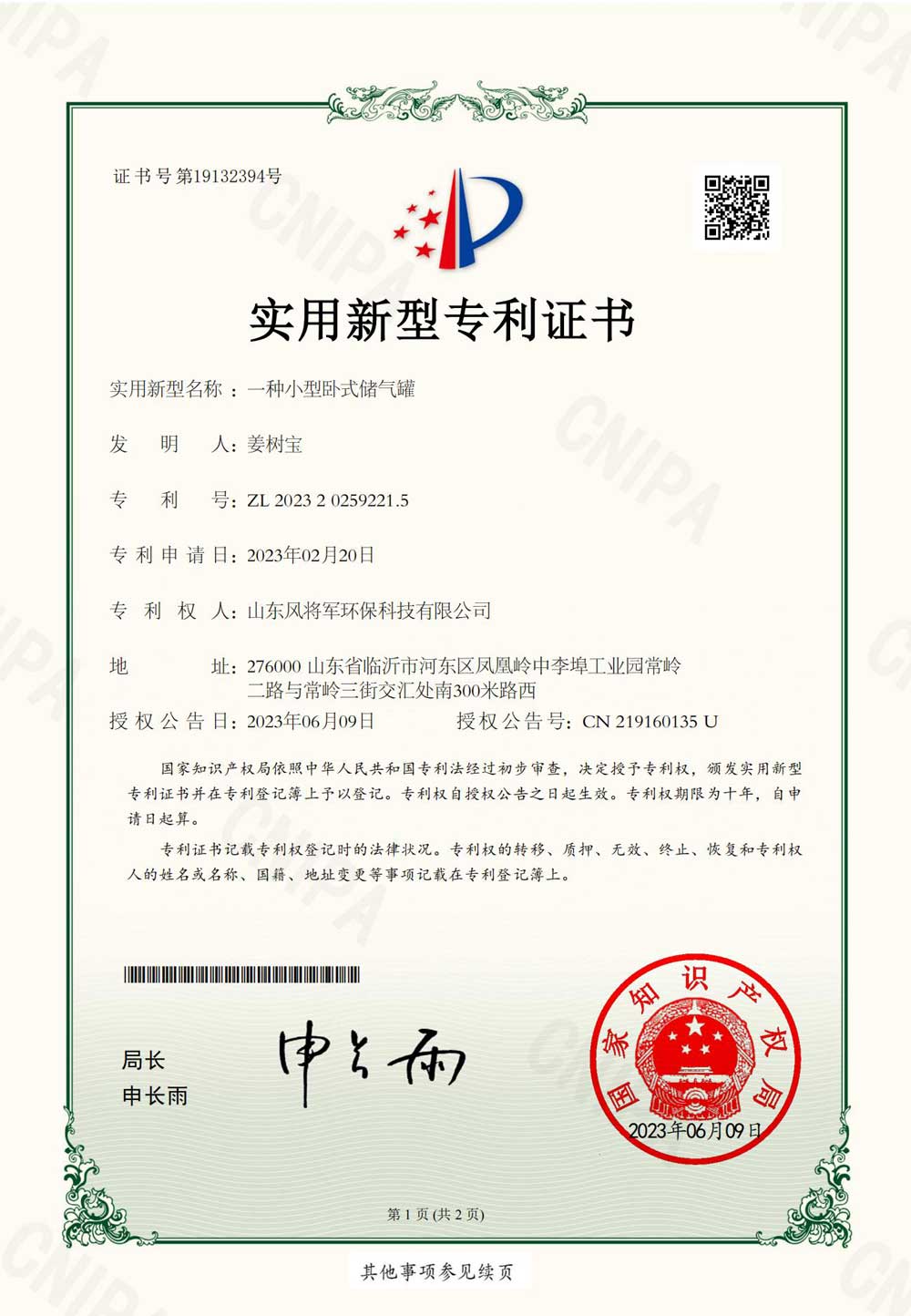
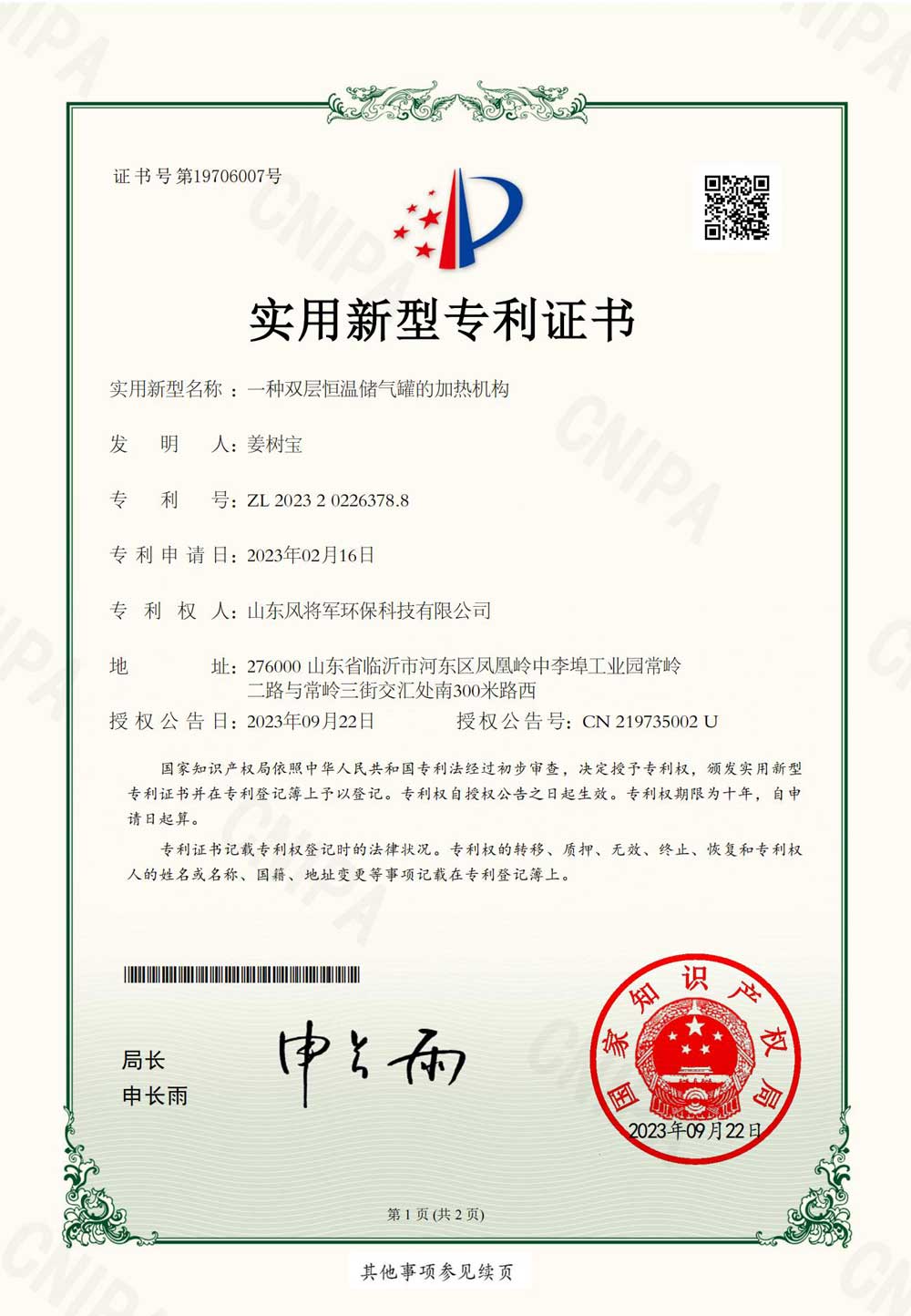
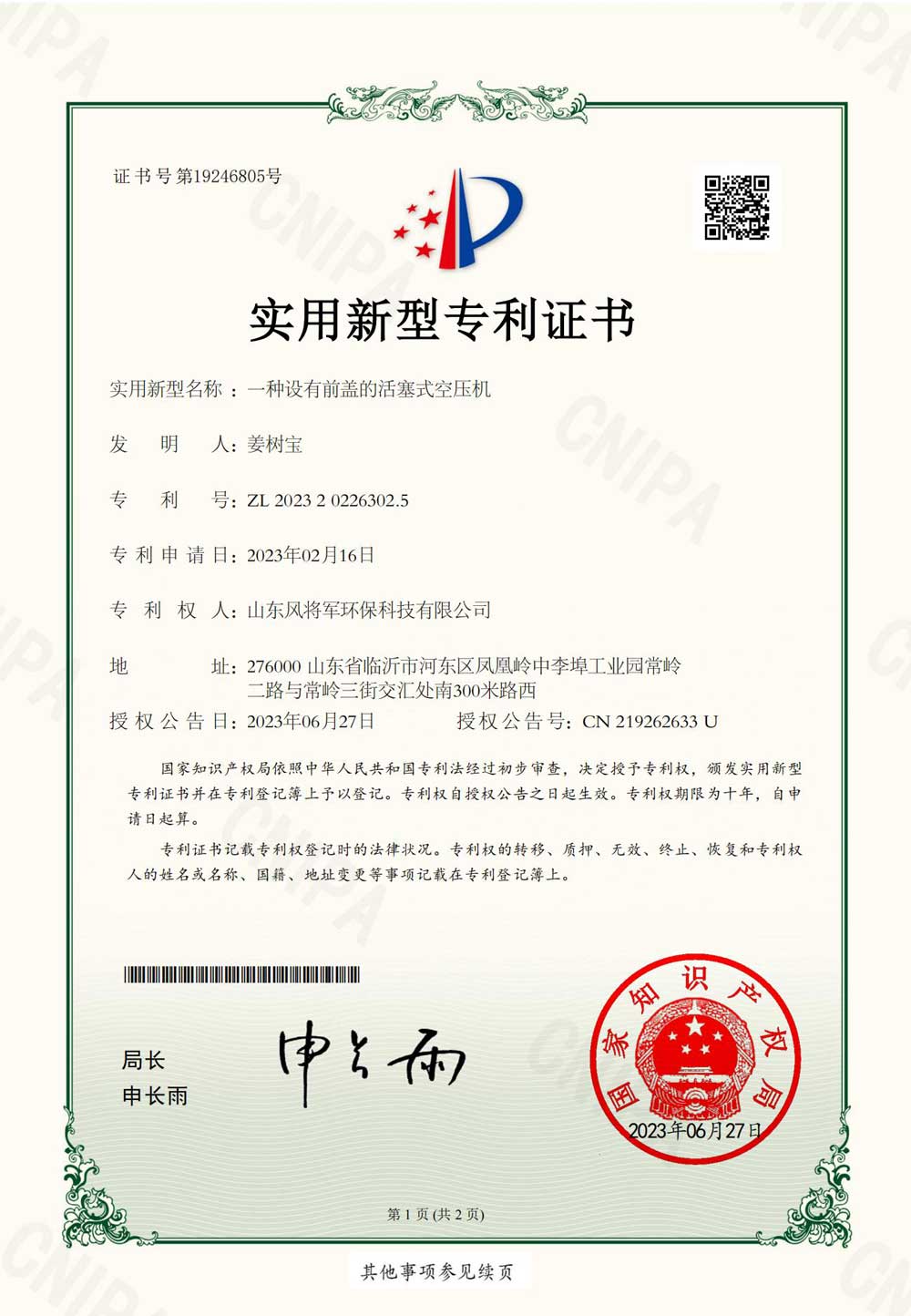
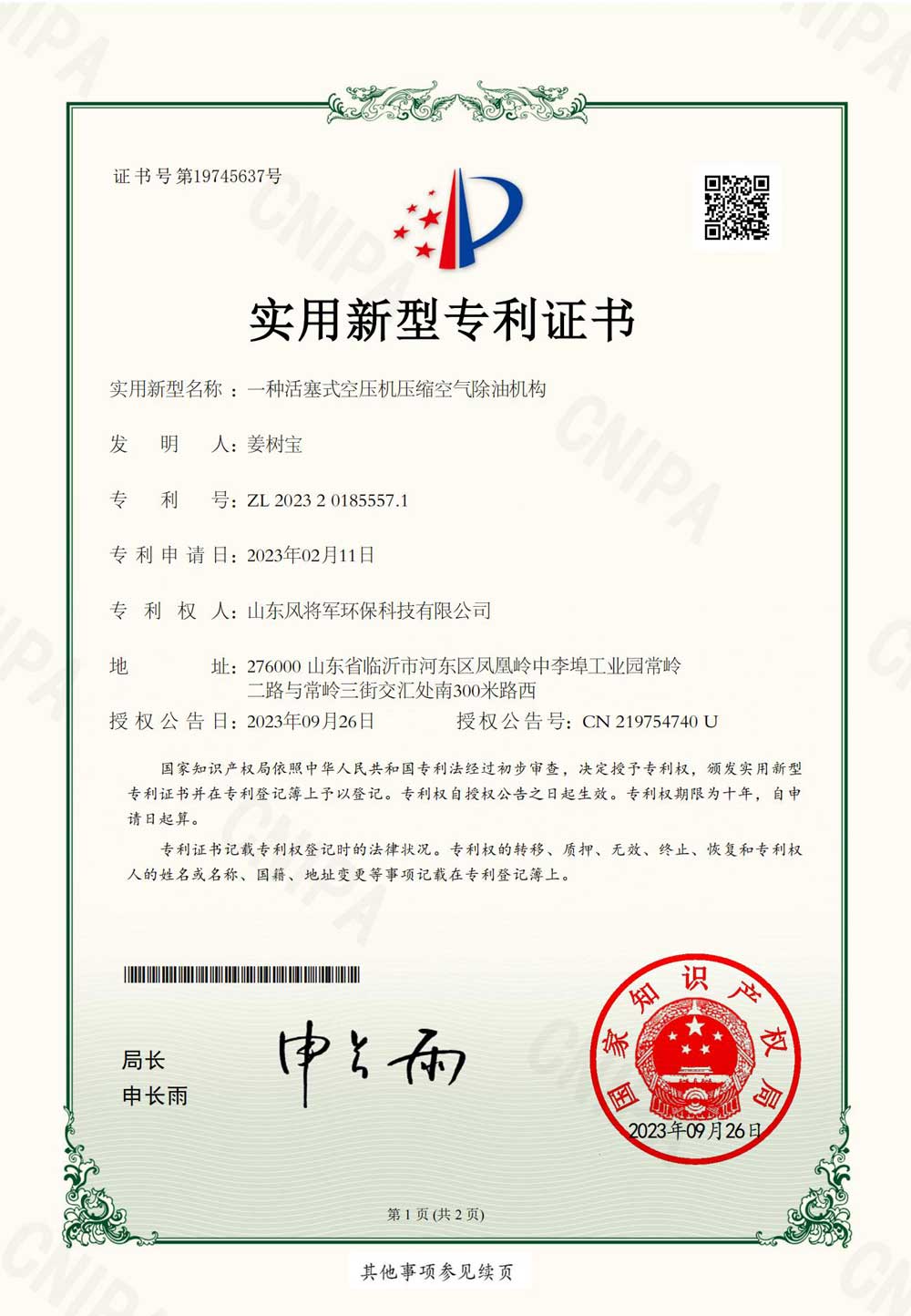
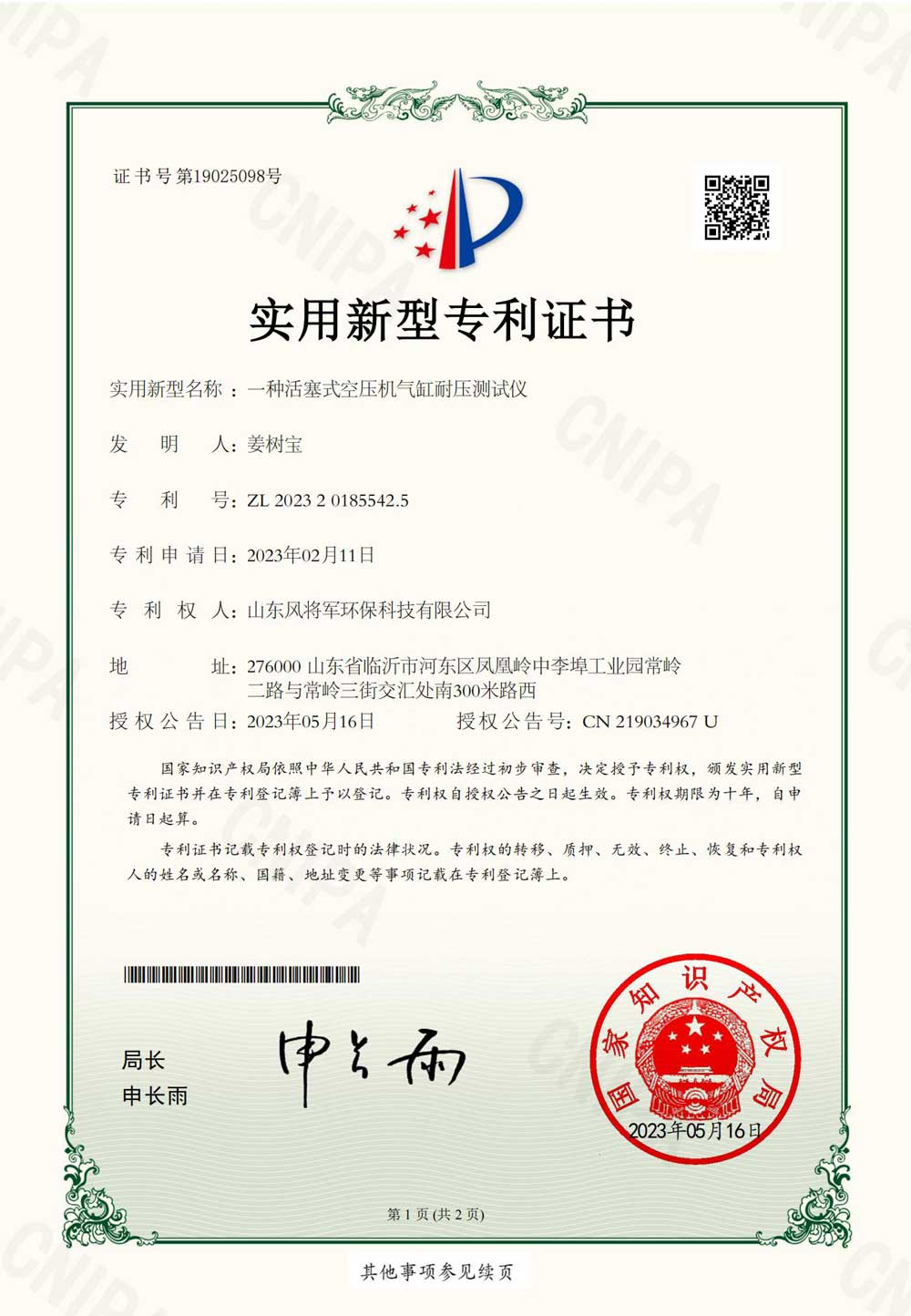
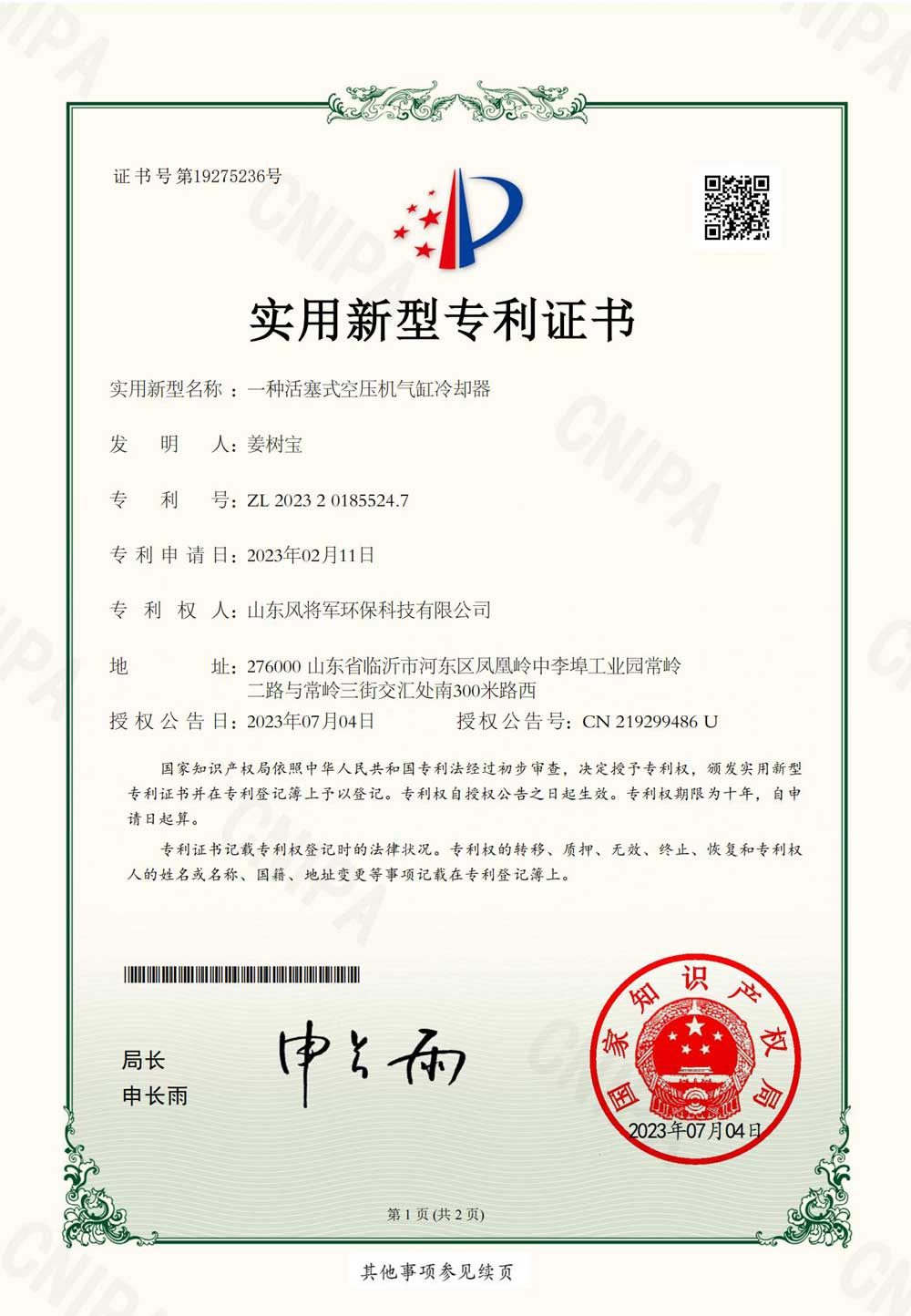
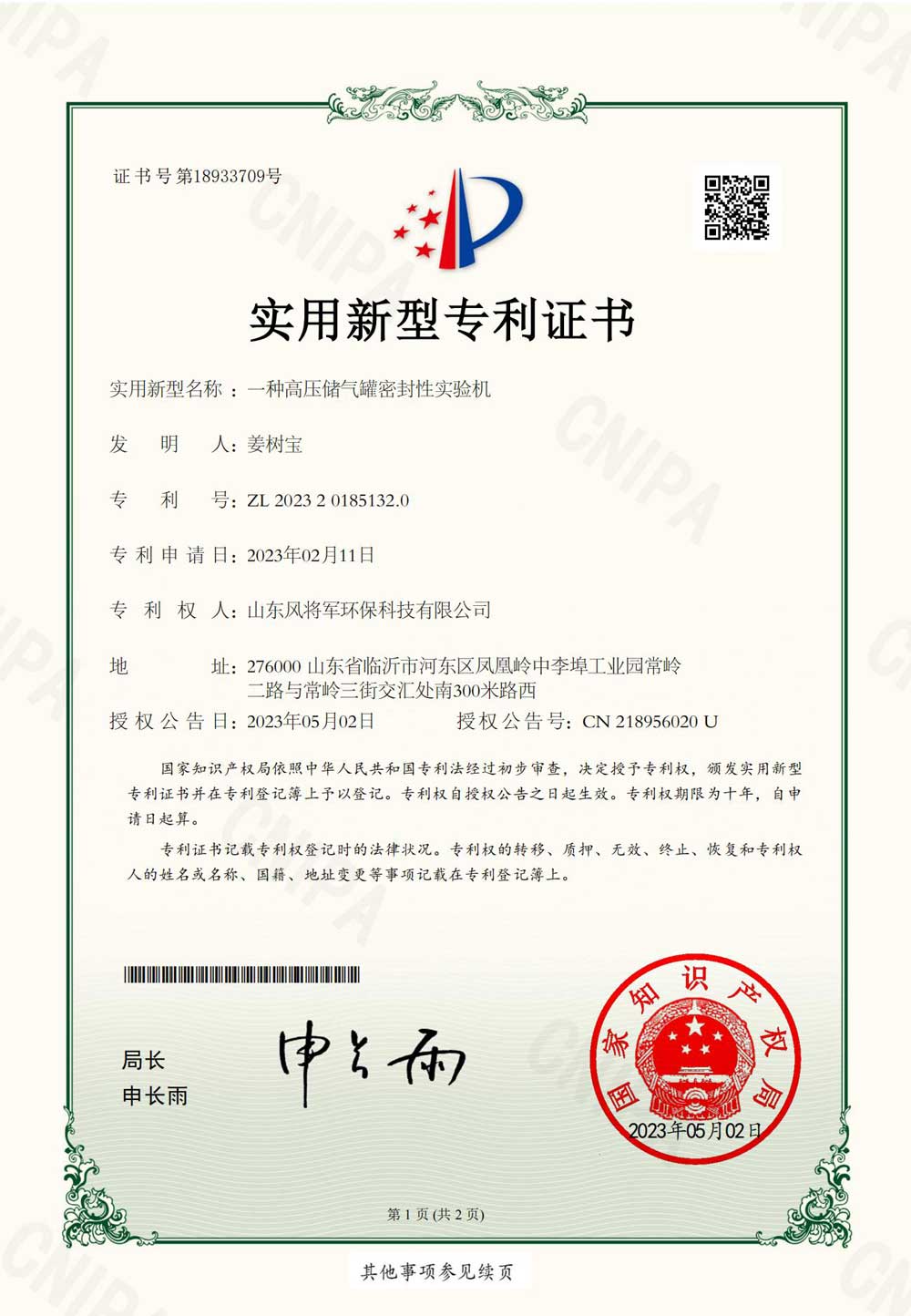
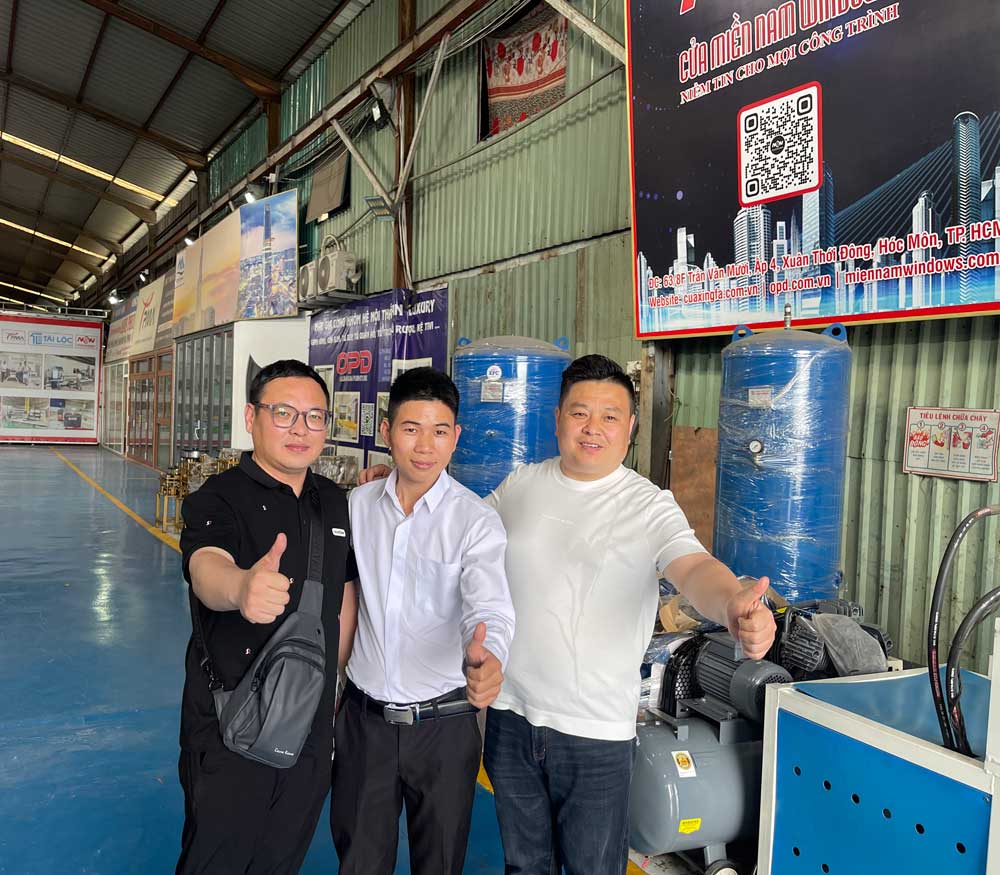
With collaborations stretching across more than 20 countries, including the USA, Canada, Colombia, Chile, Australia, New Zealand, Russia, Indonesia, Vietnam, Malaysia, India, Sri Lanka, Bangladesh, Pakistan, Dubai, Afghanistan, Israel, Syria, Kosovo, Tunisia, and Angola, Smart Air is a trusted partner for reliable compressed air solutions.
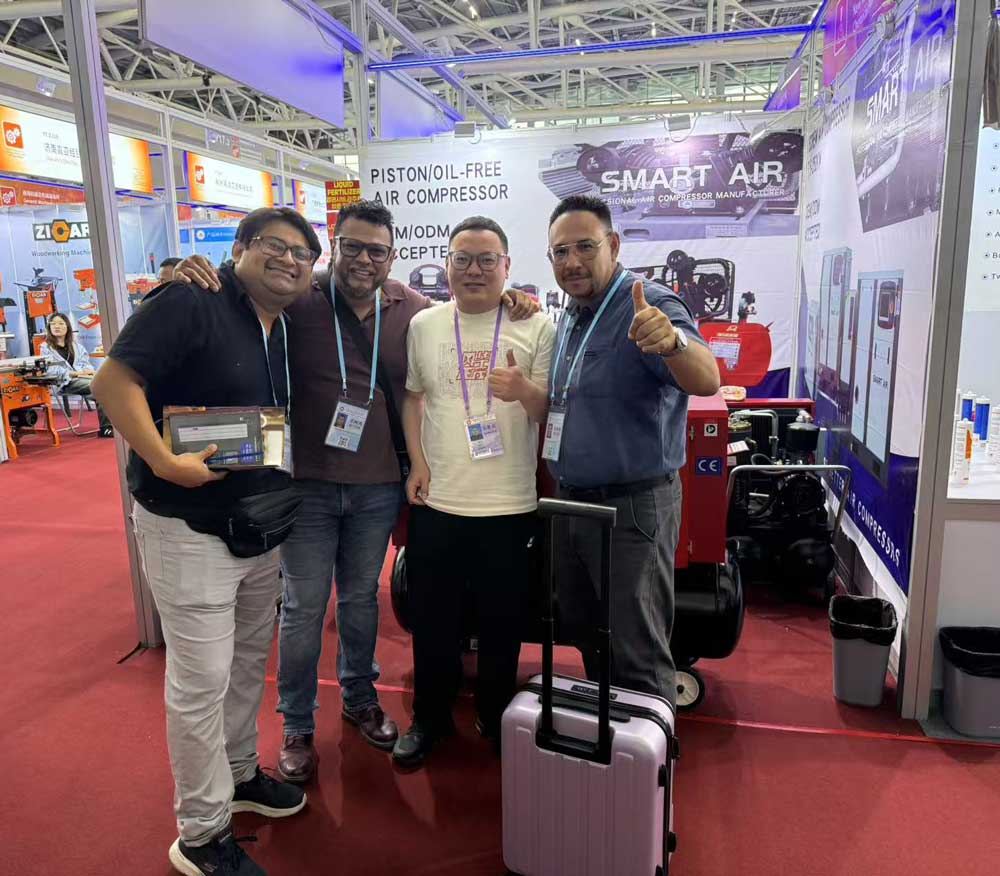
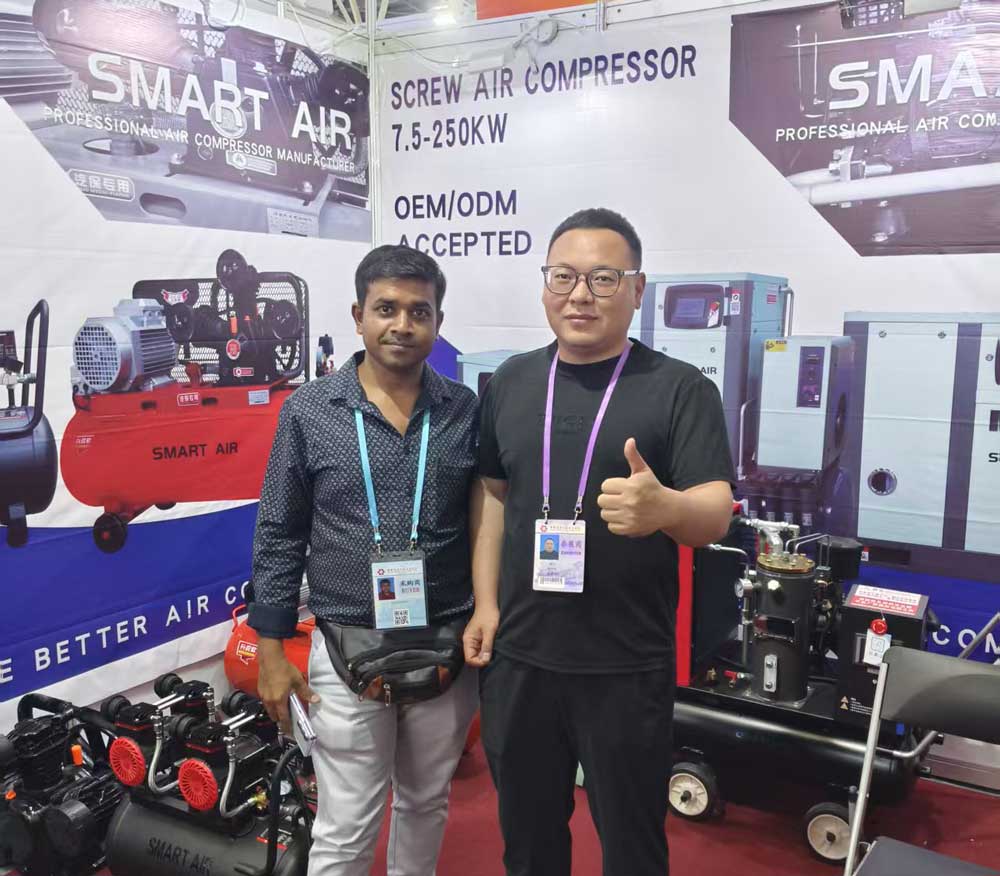
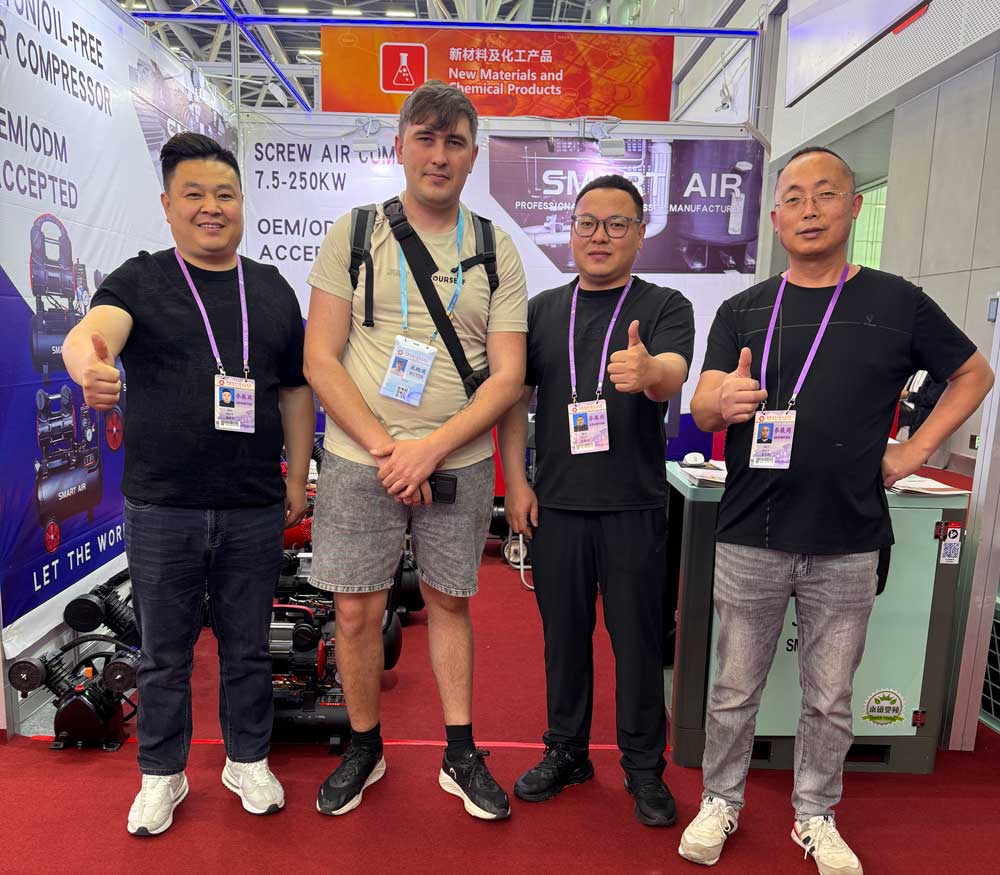
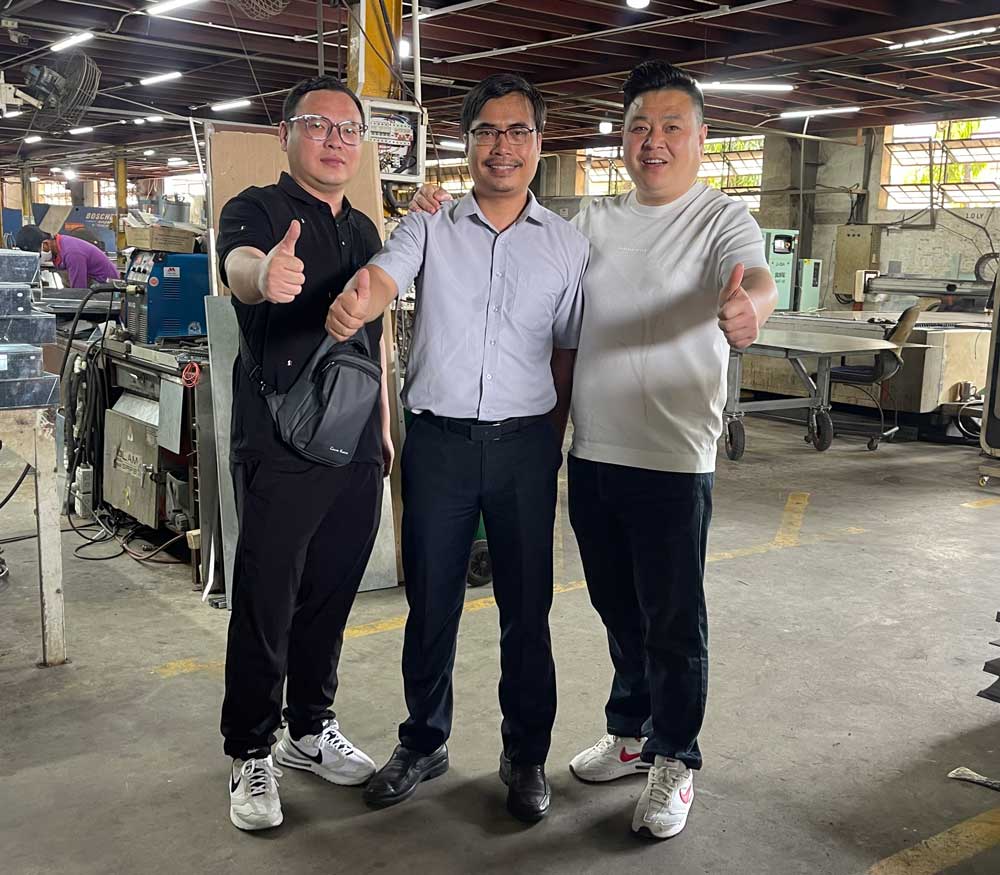
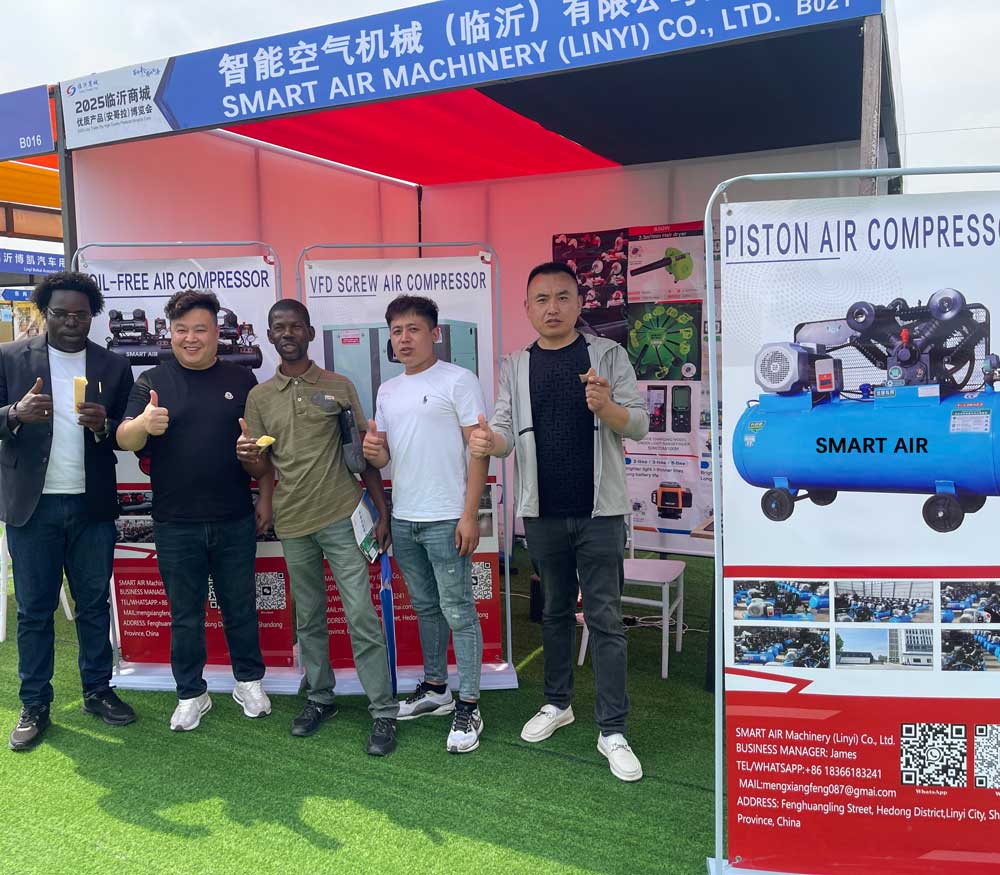
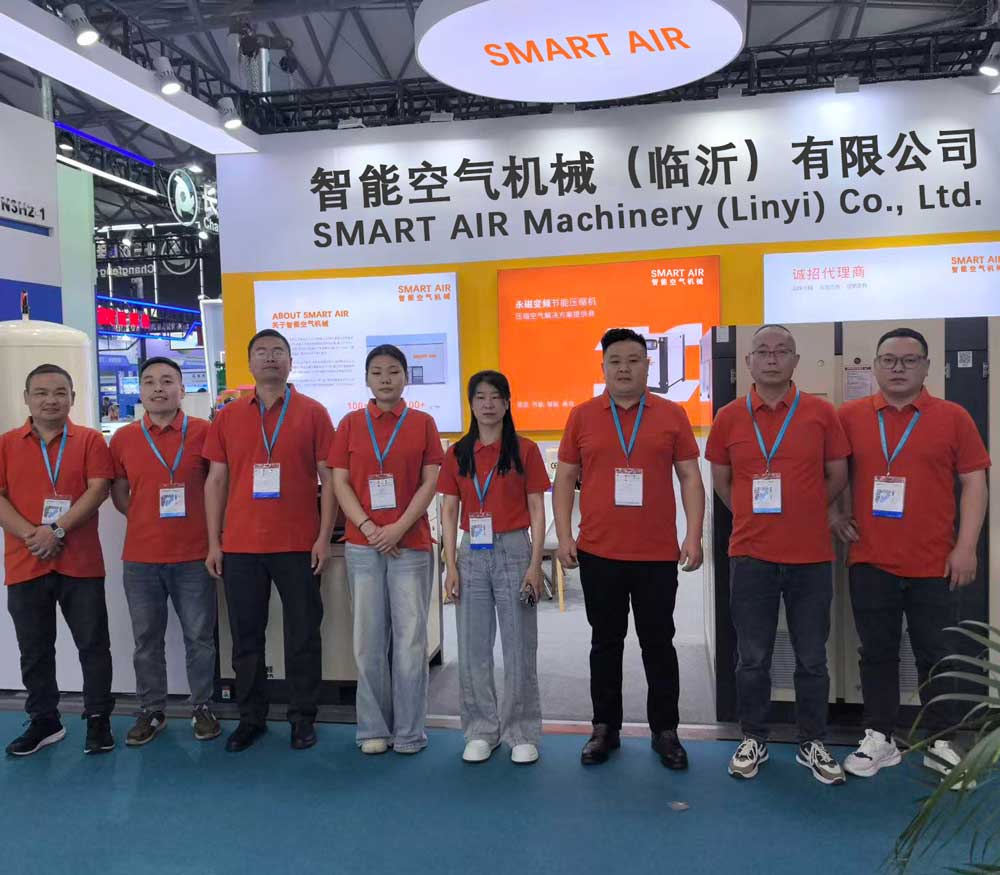
We actively participate in leading international exhibitions and trade fairs, showcasing our latest advancements in energy-efficient screw compressors and high-precision refrigerated air dryers to engineers and distribution networks worldwide.

The global dry air industry is evolving. Discover how energy efficiency, environmentally compliant refrigerants, and automation are transforming system operations.
Compliance with global environmental protocols (like F-Gas regulations) is driving transition to low-GWP (Global Warming Potential) refrigerants such as R134a, R407C, and R410A, ensuring carbon emissions reduction.
Traditional air dryers run at fixed speeds regardless of load. Modern systems integrate VFD refrigeration compressors that adjust cooling power based on fluctuating compressed air flows, saving up to 50% on energy.
Intelligent control panels connect air dryers with screw compressors using Modbus RTU or IoT protocols. Plant engineers can monitor dew points, outlet temperatures, and filter service life remotely.
Standard dryers require air to be under 45°C. Advanced Chinese designs use dynamic pre-coolers to handle inlet temperatures up to 80°C (176°F), eliminating the need for an external aftercooler.
Highly customized compressed air configurations matched to the strict parameters of specialized industrial processes.
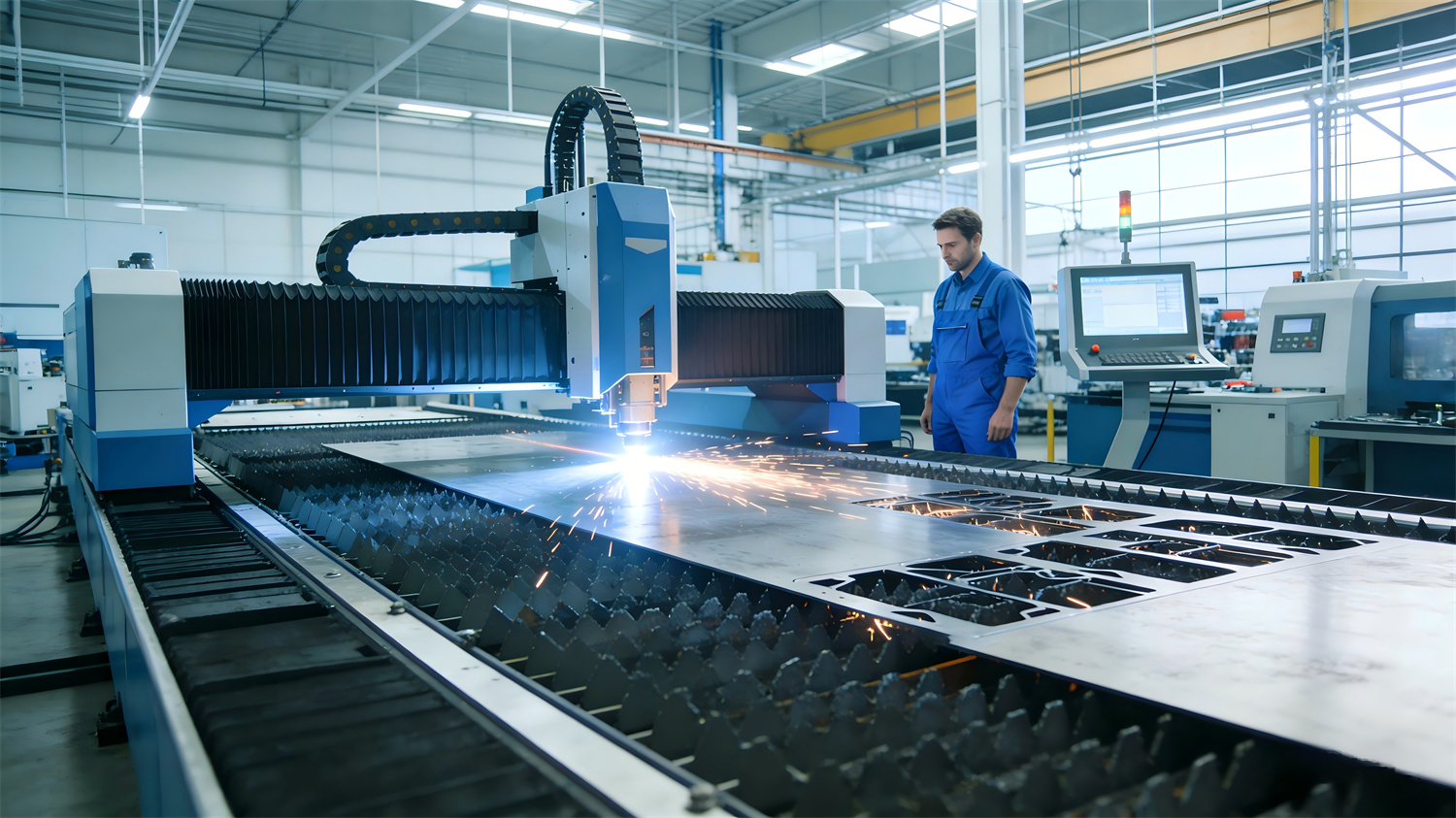
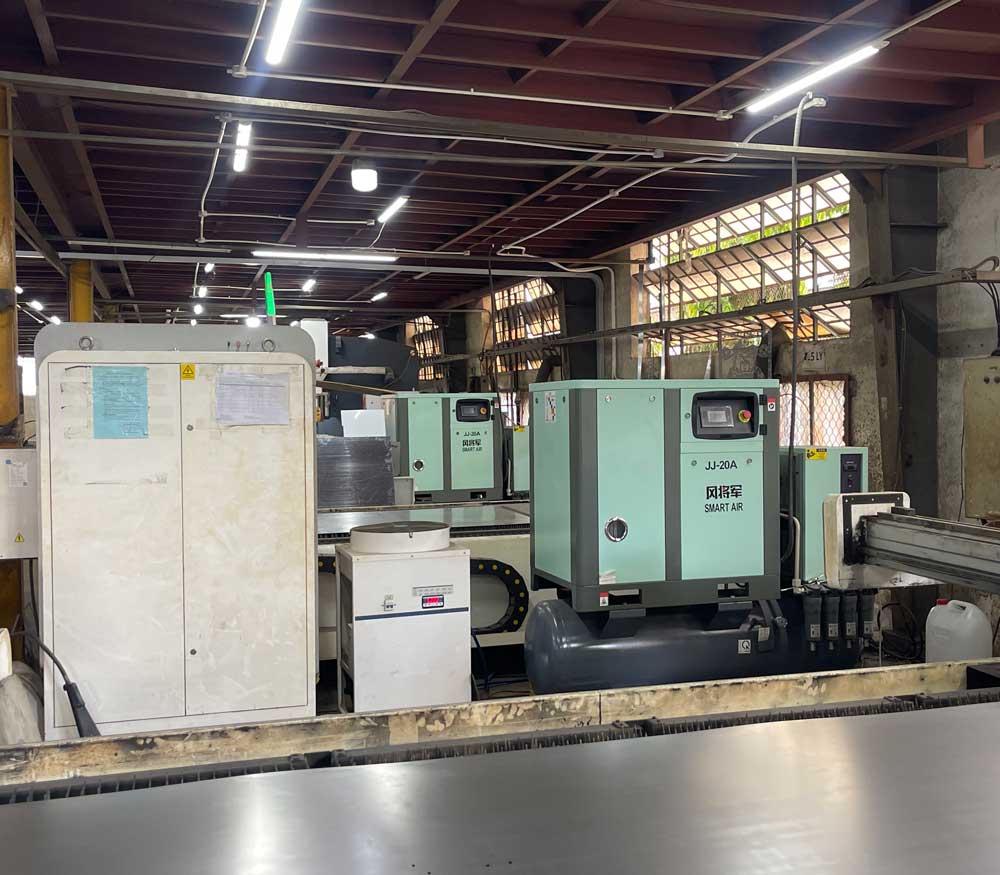
Air compressors and dryers are essential supporting equipment for fiber laser cutting, providing high-pressure, dry, and stable compressed air. Clean air ensures high-precision cutting, preventing oil or moisture contamination from damaging expensive laser optics or causing cut defects.
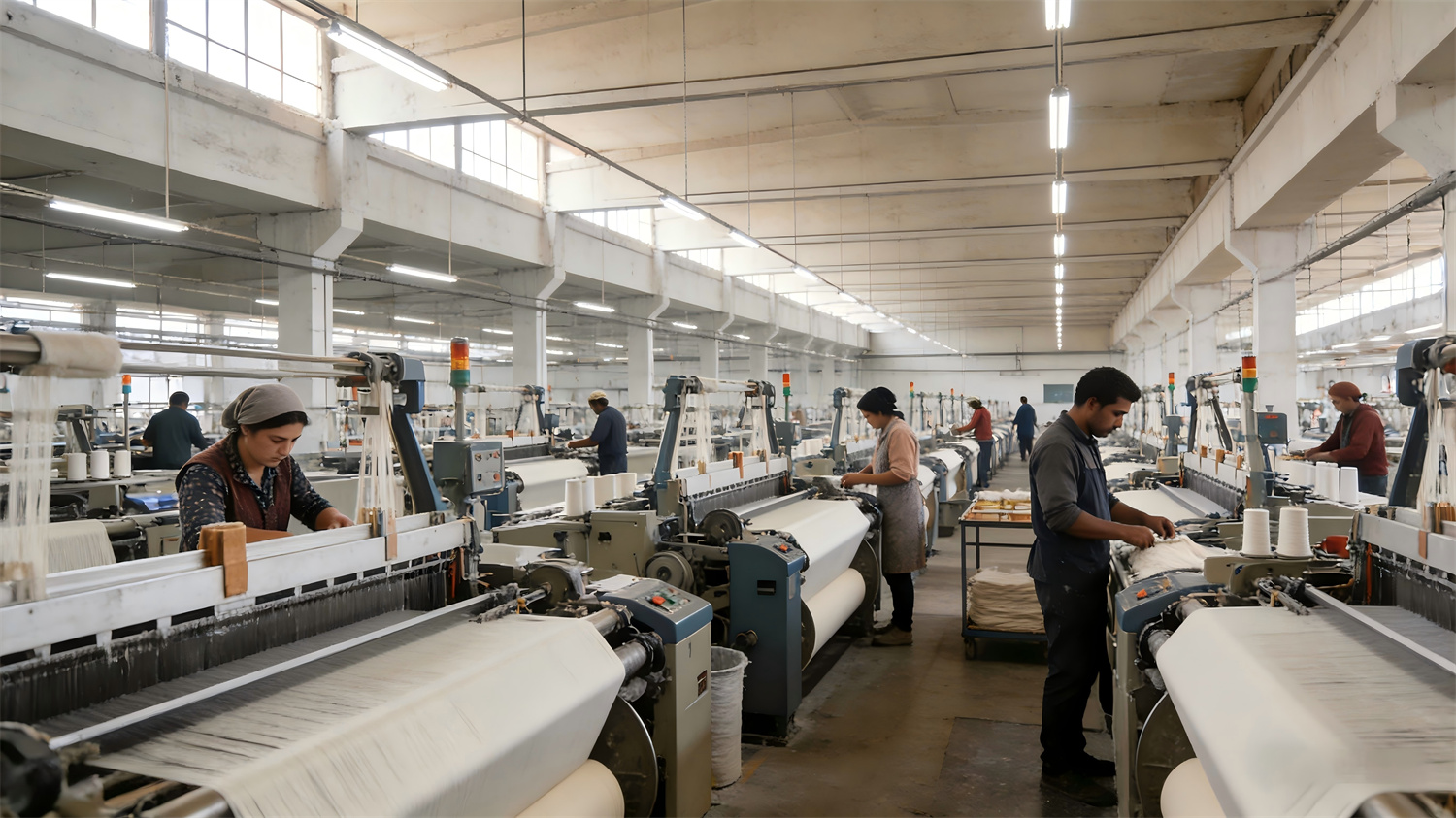
Providing high-efficiency, clean compressed air is critical for powering air-jet looms and spinning frames. Reliable refrigerated air dryers prevent water buildup in pneumatic nozzle controls, maintaining high textile quality and preventing fiber staining or loom wear.

From robotic assembly tools to paint booths, clean air is non-negotiable. Moisture in automotive paint lines leads to surface blisters and paint runs. Dryers ensure clean air delivery to tools, increasing equipment lifespan and improving surface finish quality.
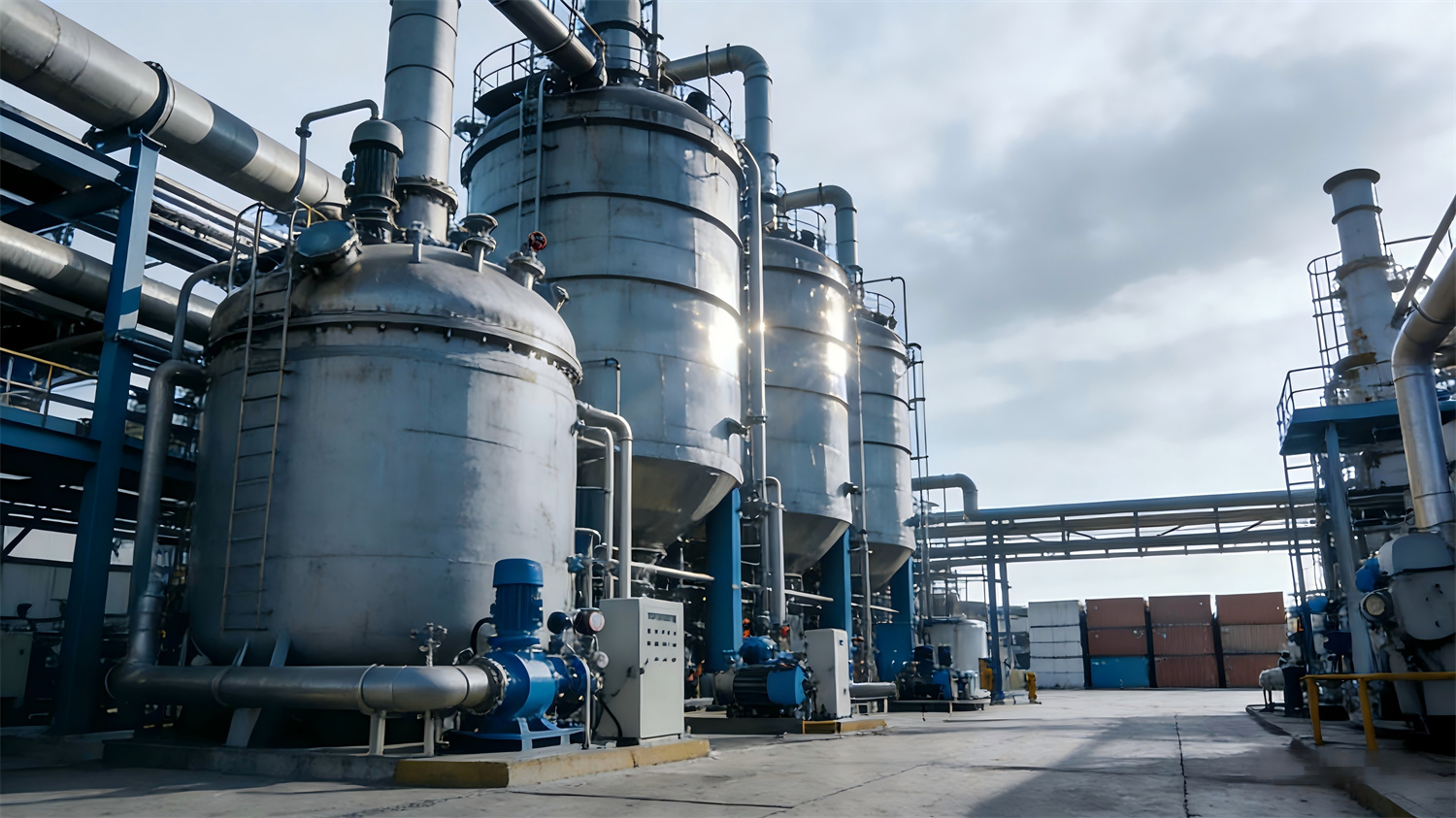
Chemical processing environments are demanding, involving explosive or toxic substances. High-pressure air dryers supply dry pneumatic control air and clean purge gases, preventing corrosion within process piping and instrumentation lines.

Powering heavy pneumatic tools like jackhammers, sandblasters, and concrete sprayers. Using heavy-duty portable dryers protects internal valves and air tools from freeze-ups during cold weather, reducing downtime at job sites.

High-pressure, clean compressed air is used to blow water from vehicle gaps, mirrors, and door seams. Efficient drying prevents water spots, while clean air protects automatic washing controllers from premature wear.
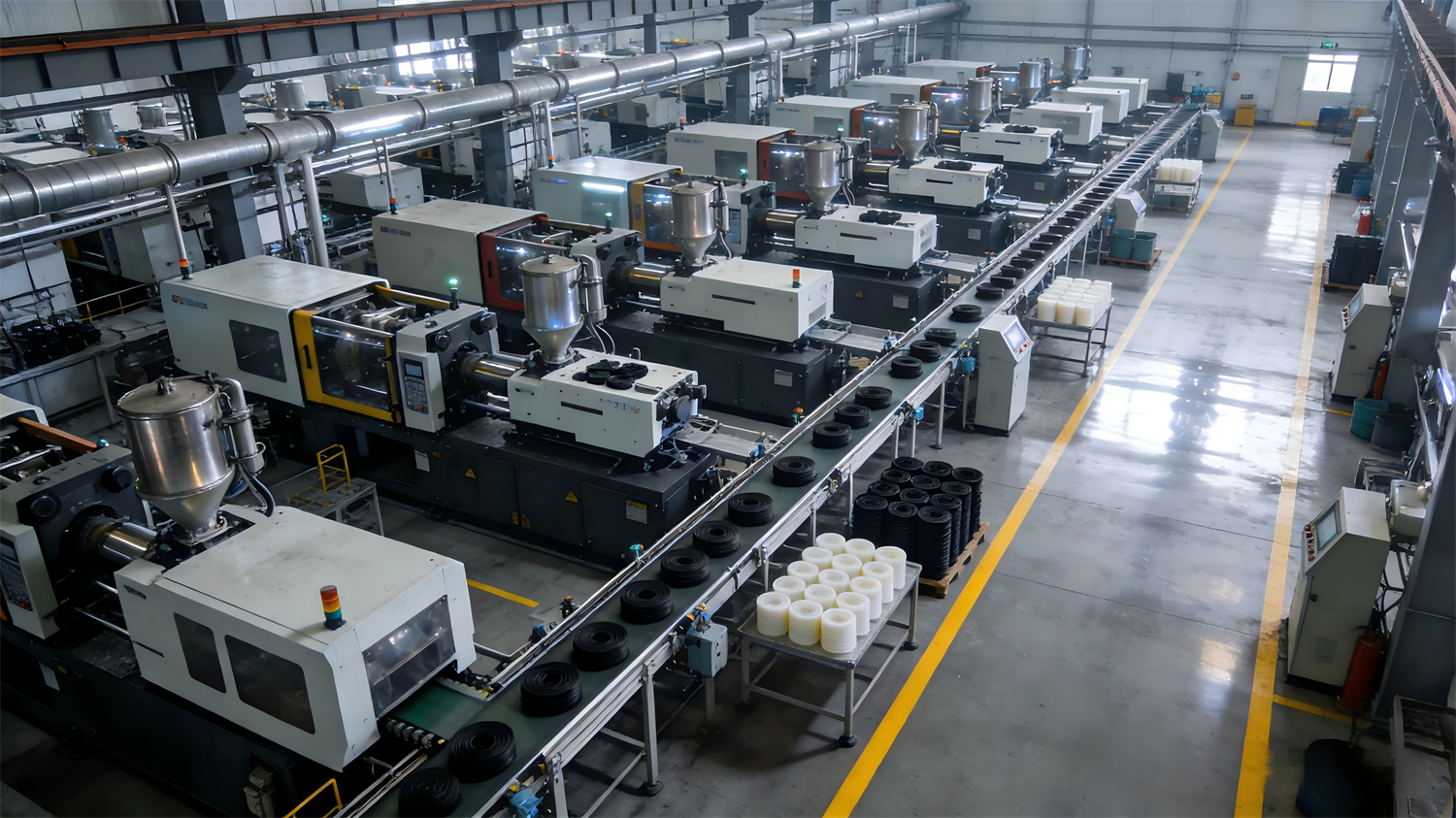
Pneumatic pressure is used for blow molding PET bottles and forming synthetic rubber parts. Dry, moisture-free air is critical to prevent bubbles, surface voids, and dimensional variations during manufacturing.
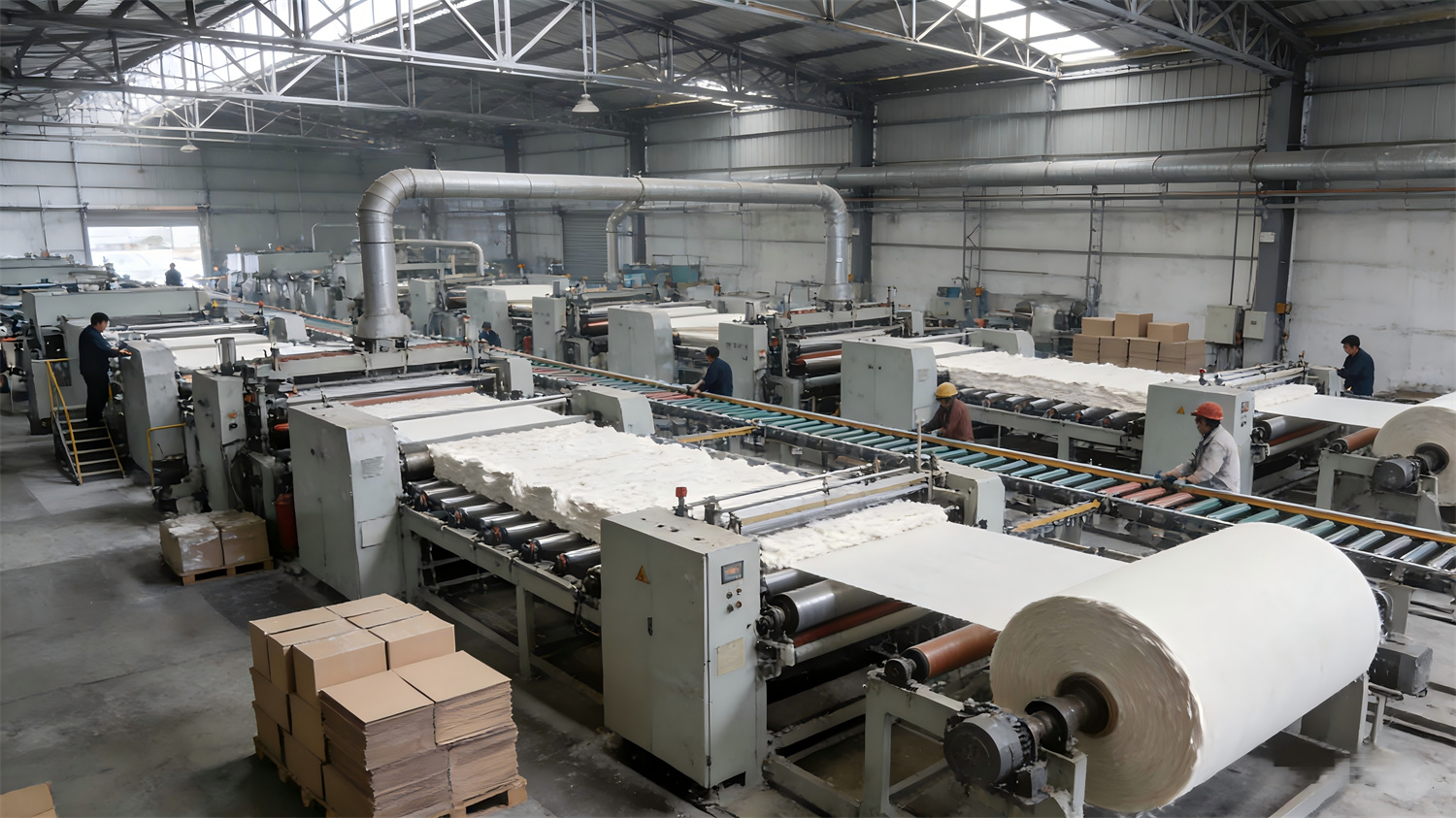
Continuous-duty paper machines use air to control tension rolls and direct slurry flow. Air dryers ensure moisture does not interfere with electronic control systems, helping prevent tears in the paper web during high-speed production.
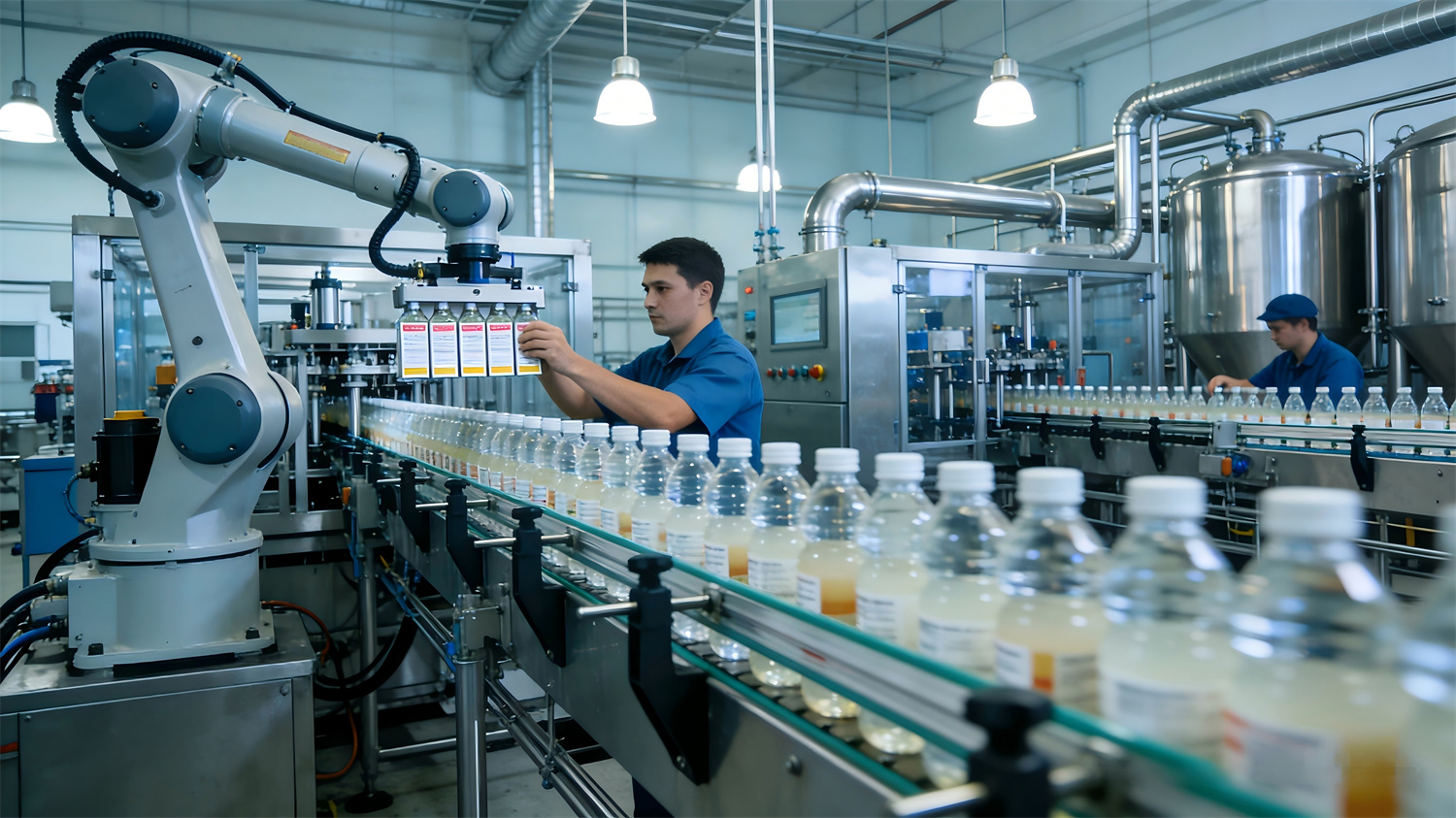
Providing clean, oil-free, and dry air that meets strict food safety regulations. Dryers are essential for pneumatic transport of raw ingredients, package filling, and container blow molding, preventing bacterial growth inside air piping.
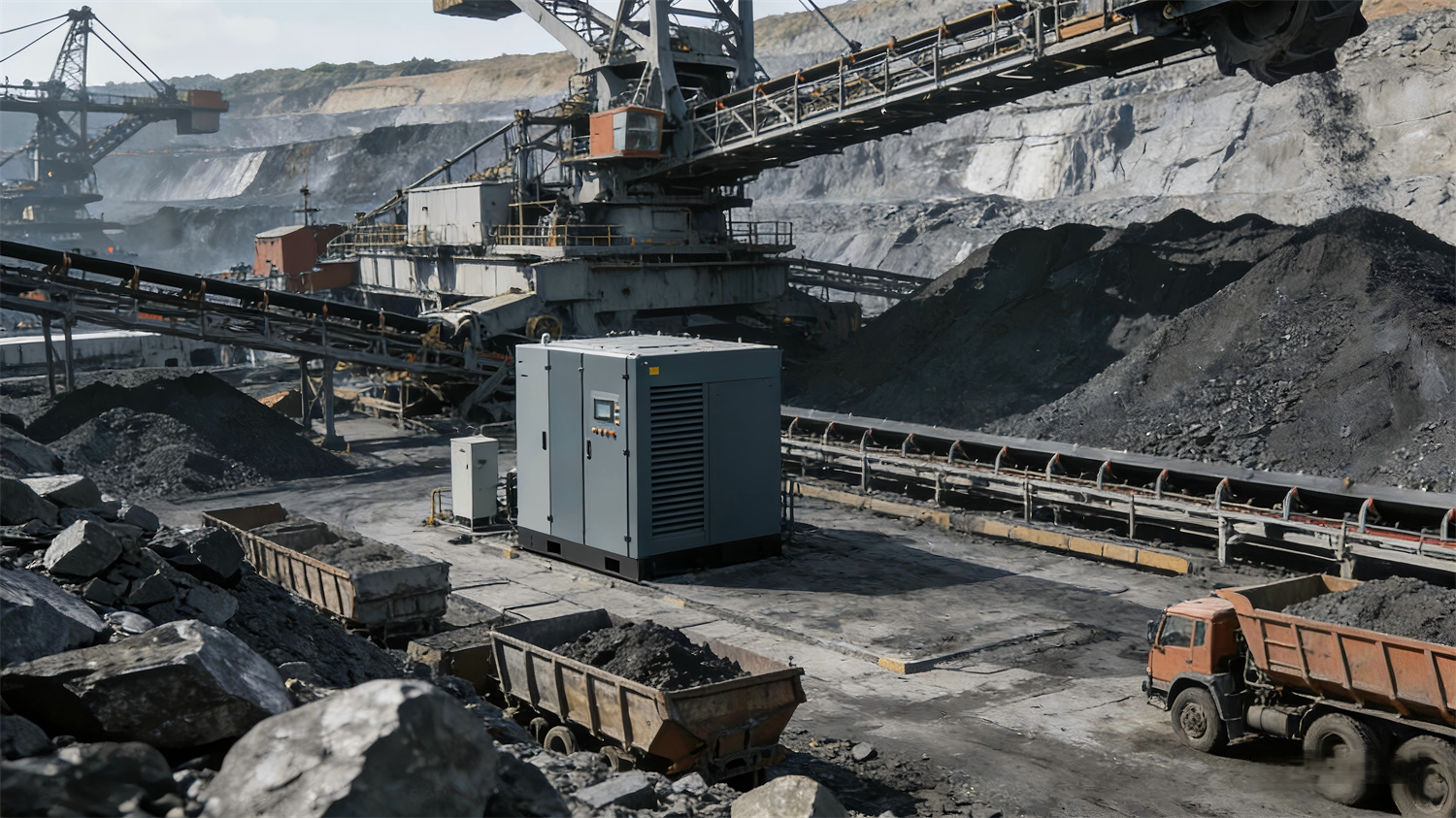
Heavy pneumatic power operates underground drills and ventilation dampers. Durable, dust-resistant air dryers remove heavy moisture loads from warm compressor outputs, protecting underground tools from corrosion and wear.

Delivering Class 0 oil-free, sterile, and dry air that complies with GMP standards. Clean air is required for pharmaceutical tablet compression, fluid bed drying, and lab instrumentation, preventing cross-contamination.
Engineering parameters procurement managers must evaluate when selecting a wholesale refrigerated air dryer manufacturer.
| Engineering Metric | Standard Industry Requirements | Smart Air Optimization Levels |
|---|---|---|
| Pressure Dew Point (PDP) | +3°C to +10°C (Class 4 / ISO 8573-1) | Consistent +3°C to +5°C (Stable Output) |
| Maximum Inlet Temperature | 45°C (Standard Dryers) | Up to 80°C (High-Temp Models) |
| Pressure Drop (ΔP) | < 0.25 bar (System Loss) | < 0.15 bar (High Energy Savings) |
| Environmental Compliance | Standard R22 / Fluorinated Gas | Eco-friendly R134a, R407C, R410A |
| Heat Exchanger Construction | Copper Shell-and-Tube | Corrosion-free Stainless Steel / Aluminum Plate |
Answers to technical questions from engineers and procurement teams regarding dew point control, maintenance, and factory sourcing.
Complete your compressed air system with our high-pressure components, mobile screw packages, and air receiver options.
 Smart Air