Industrial performance engineered by Smart Air Machinery (Linyi) Co., Ltd.
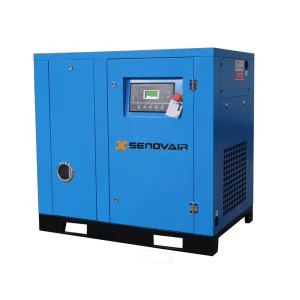
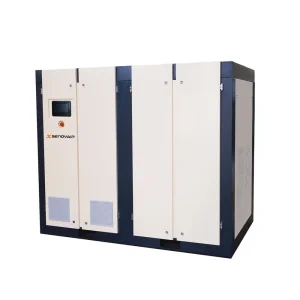
In modern industrial manufacturing, the demand for high-integrity power utilities is transitioning rapidly. Among these, compressed air remains a vital asset across dozens of operations. However, the presence of trace lubricants in traditional compressors presents severe downstream risks, including pneumatic actuator fouling, cross-contamination of delicate chemicals, and safety hazards in life-sciences fields. This whitepaper analyzes the emergence of the Oil Free Compact Reciprocating Compressor as a pivotal utility, analyzing thermodynamic design paradigms, operational economics, and strategic global supplier selection.
Historically, oil-free reciprocating compressors faced material and thermal bottlenecks. Piston-to-cylinder interfaces could not tolerate dry friction under continuous load cycles without experiencing excessive heat build-up and accelerated seal degradation. To bypass these failure modes, early oil-free machines required oversized cast assemblies, restrictive stroke speeds, and expensive water-cooled blocks.
Today, advanced material science has shifted this equation. Utilizing high-performance engineering plastics—such as carbon-fiber-reinforced polytetrafluoroethylene (PTFE) and Polyether Ether Ketone (PEEK) for compression rings and rider bands—allows manufacturers to eliminate fluid lubrication entirely. When combined with precision-honed cylinder liners and robust thermodynamic design, modern compact oil-free compressors sustain long operational lifetimes. Their localized thermal dissipation systems ensure they deliver Class 0 air purity while keeping foot print requirements minimal.
Ensures zero risk of hydrocarbon aerosols or vapor contamination in downstream processes.
Utilizes specialized PTFE/PEEK compounds for dry-run reliability and lower thermal coefficient expansion.
Compact, modular assemblies perfect for skid-integrated machines and localized processing bays.
When procurement officers and plant managers evaluate industrial compressor factories, the criteria extend beyond standard unit costs. Global utility managers must balance installation space limits, compliance standards, and lifecycle support. Standard catalog configurations often fall short for niche machinery configurations like fiber laser cutters, modular chemical reactors, and mobile medical setups.
Consequently, the ability to modify parameters—such as matching customized receiver tank volumes, integrating variable speed drives (VSD), and establishing remote IoT status-monitoring networks—becomes critical. China-based manufacturers like Smart Air Machinery have adapted by integrating full-suite customized engineering services, bridging the gap between mass-scale production and personalized machinery interfaces.
Traditional industrial compressors require bulky separator systems, complex multi-stage filtration lines, and expansive structural baselines to control vibration. This footprint presents issues in spaces with tight square footage constraints. Compact reciprocating units bypass these limitations through integrated drive structures. By linking the compressor block directly to high-torque electric motors, they reduce transmission losses and structural footprints by up to 35%.
Furthermore, reciprocating mechanisms boast higher thermodynamic efficiency than screw counterparts under partial loads. Since reciprocating pistons operate on positive displacement, their efficiency curve remains stable during intermittent operation, making them highly cost-effective for applications with variable air demands.
As industries target zero-emission footprints, compressor technology continues to advance. The future of compact oil-free piston configurations lies in two core domains:
Engineered for compliance, productivity, and energy savings across diverse global sectors
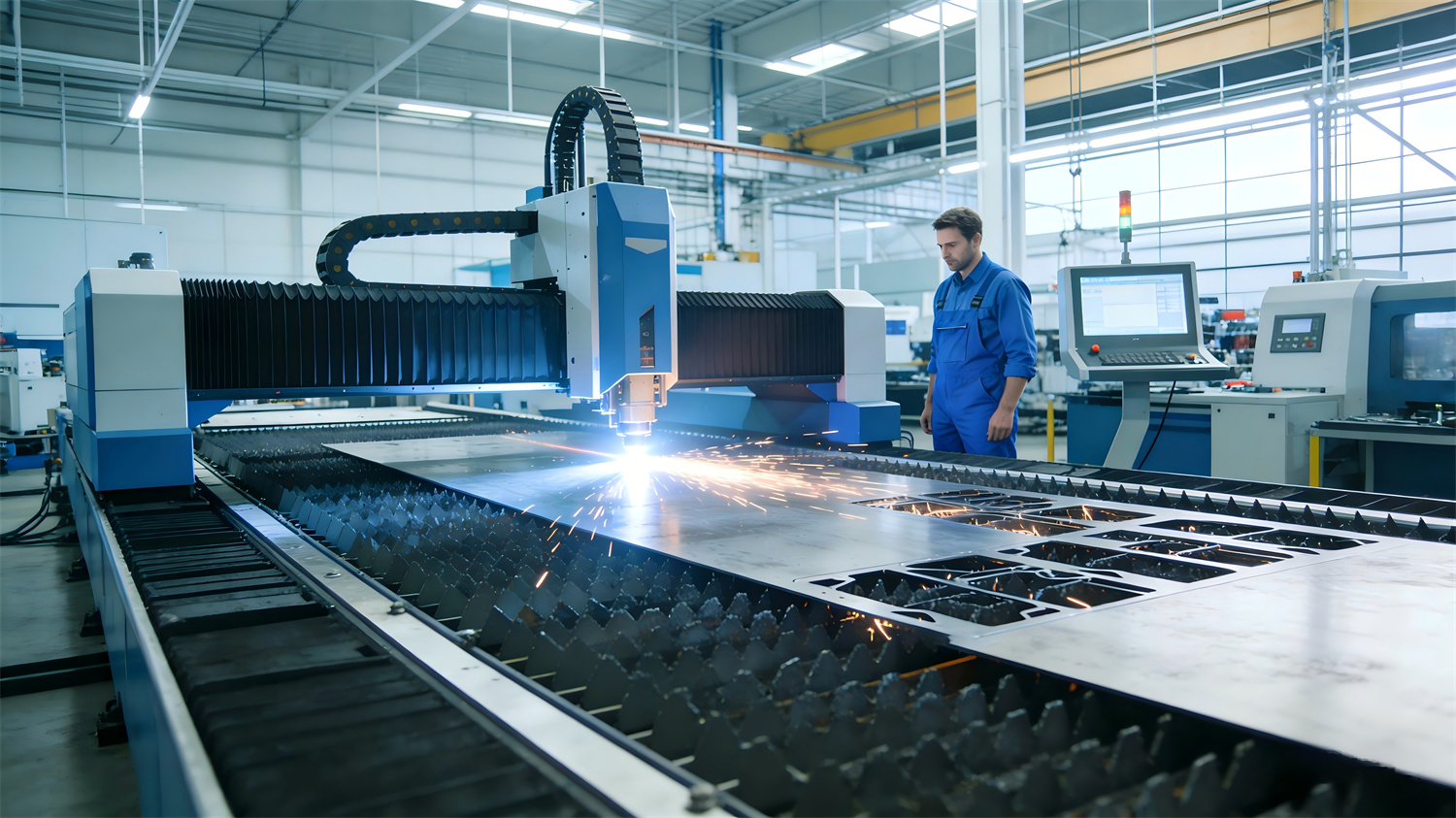
Provides high-pressure, clean, and dry air to blow away molten slag during cutting. Pure air guards delicate laser optics from contamination, preventing thermal distortion and extending lens life.
Learn more →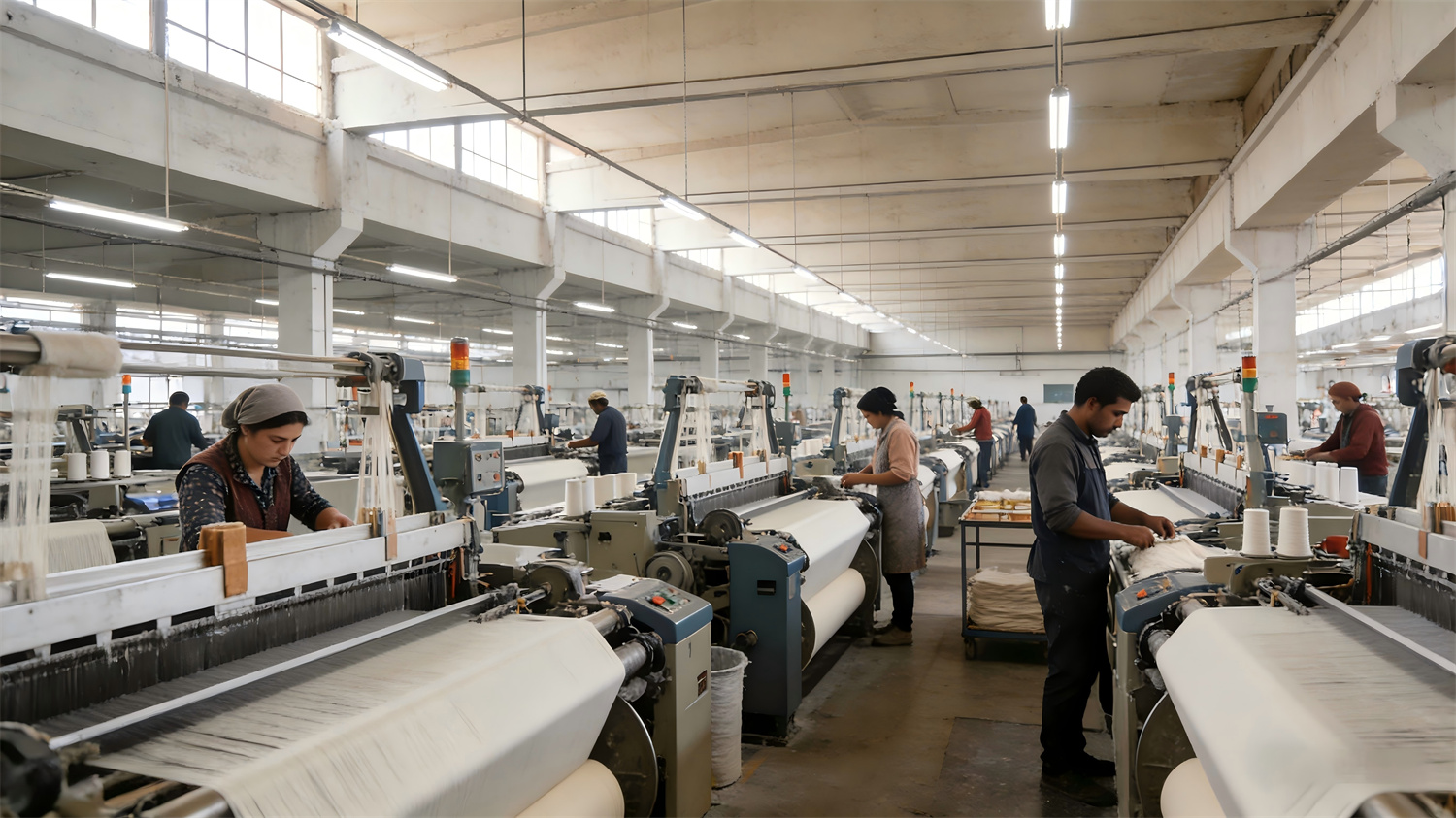
Powers high-speed air-jet looms and fiber-handling systems. Implementing oil-free compression ensures that synthetic and natural fabrics remain free from oil staining, minimizing material rejection rates.
Learn more →
Supplies clean utility air for robotic assembly, paint shops, and pneumatic tooling. Prevents paint defects like pinholes and craters caused by trace oil mist carryover in spraying lanes.
Learn more →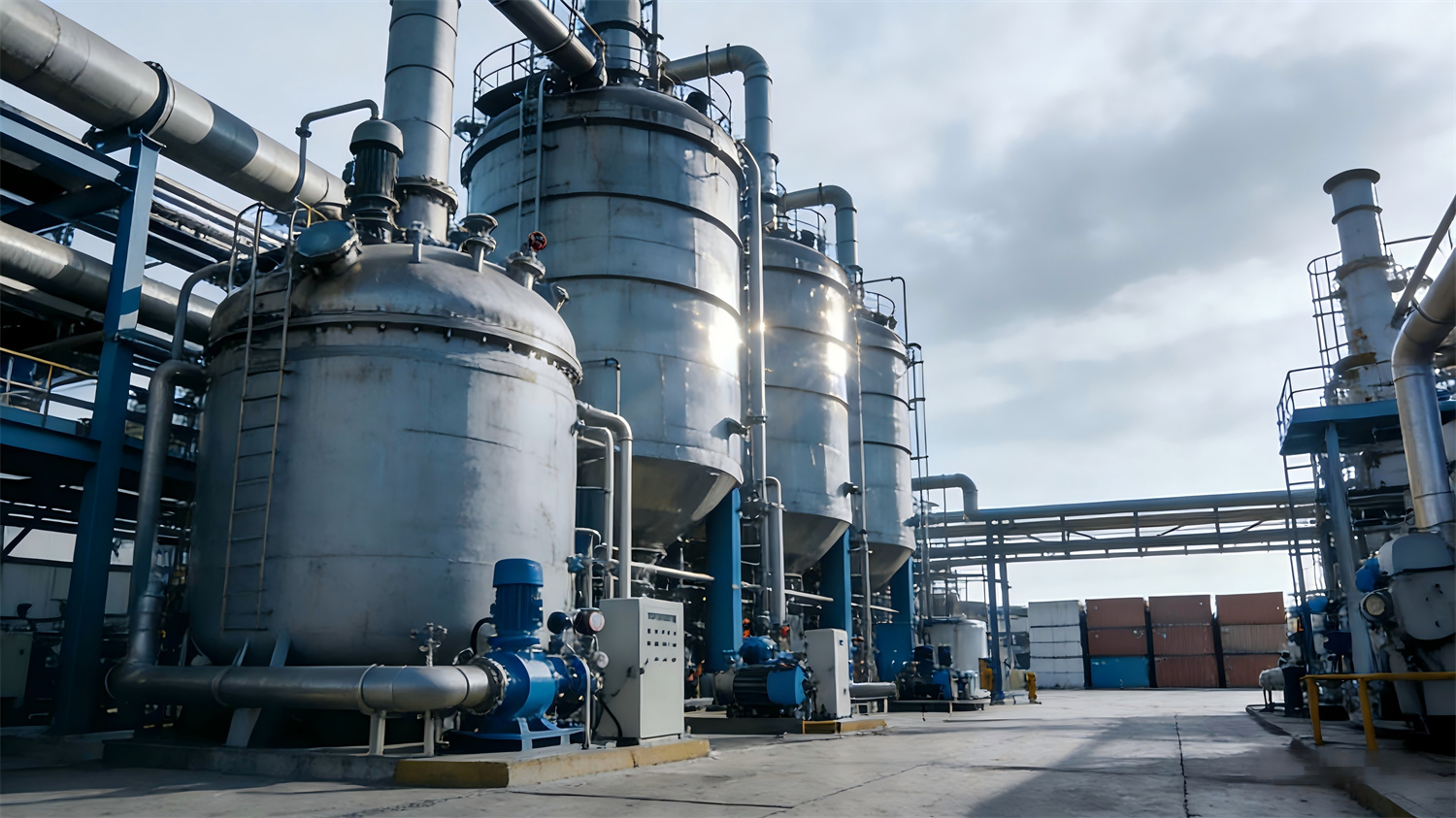
Powers precise dosing valves, process instrumentation, and fluid conveying. High reliability design manages chemical environments, preventing dangerous reactions from volatile organic compounds in compression cycles.
Learn more →
Provides portable, high-pressure air for pneumatic drills, jackhammers, and material pumps. Solid structural layouts ensure reliable, low-maintenance performance under harsh outdoor dust conditions.
Learn more →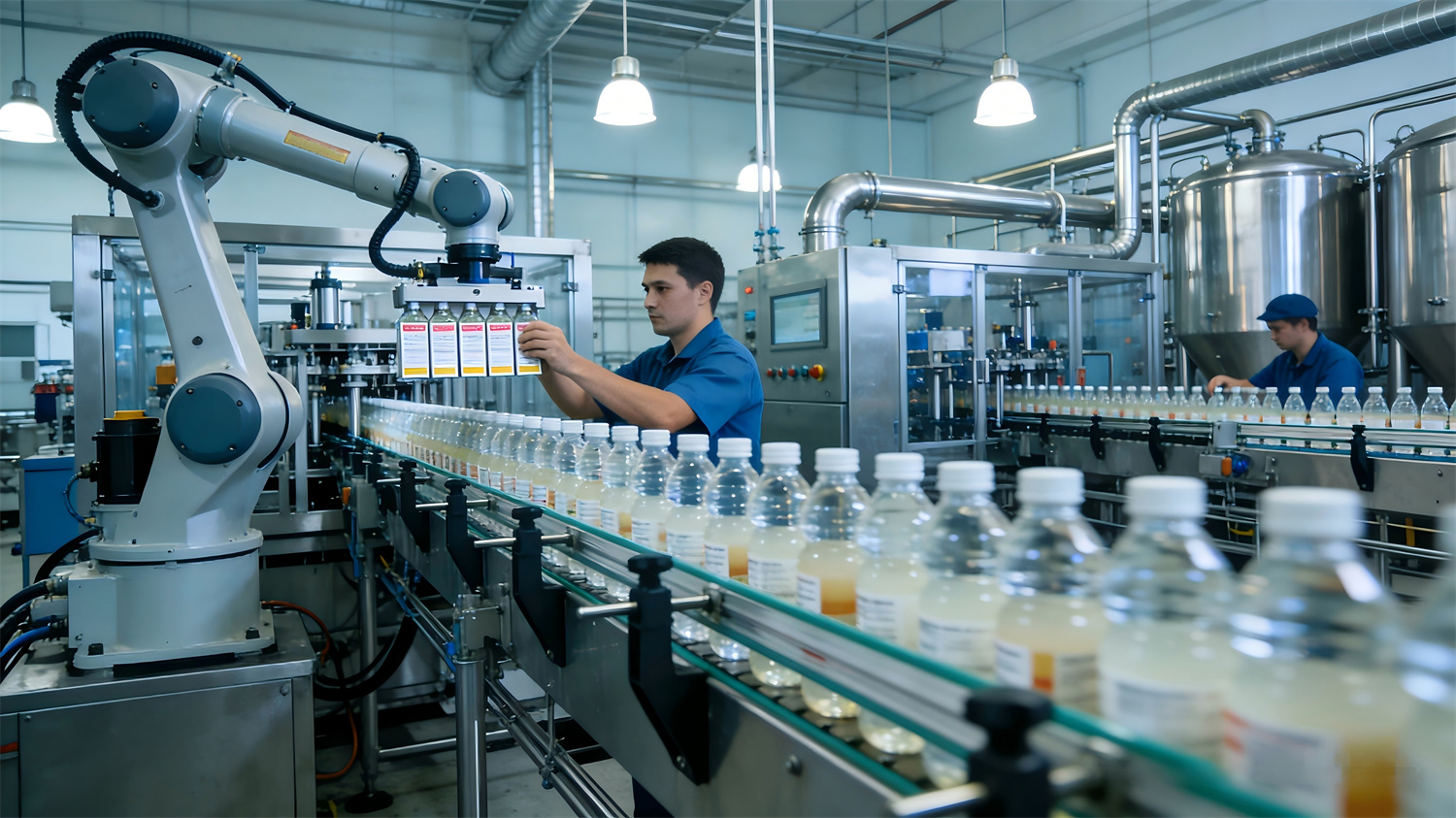
Powers conveyor air-jets, container blowing, and packaging lines. Completely eliminates potential sources of biological and chemical contamination, keeping process configurations fully compliant with hygiene standards.
Learn more →Deploying advanced, accredited, and highly customizable air delivery systems worldwide
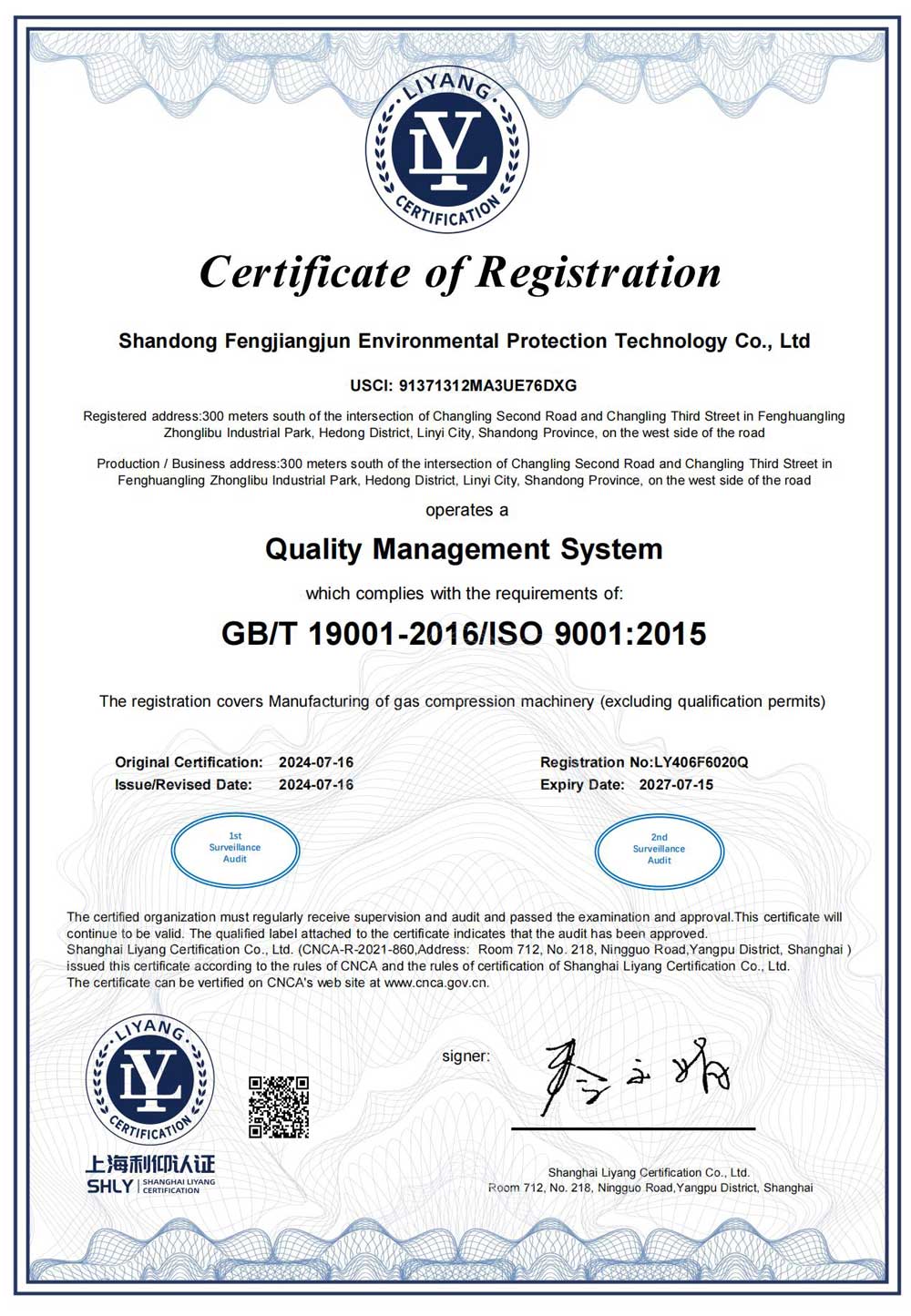
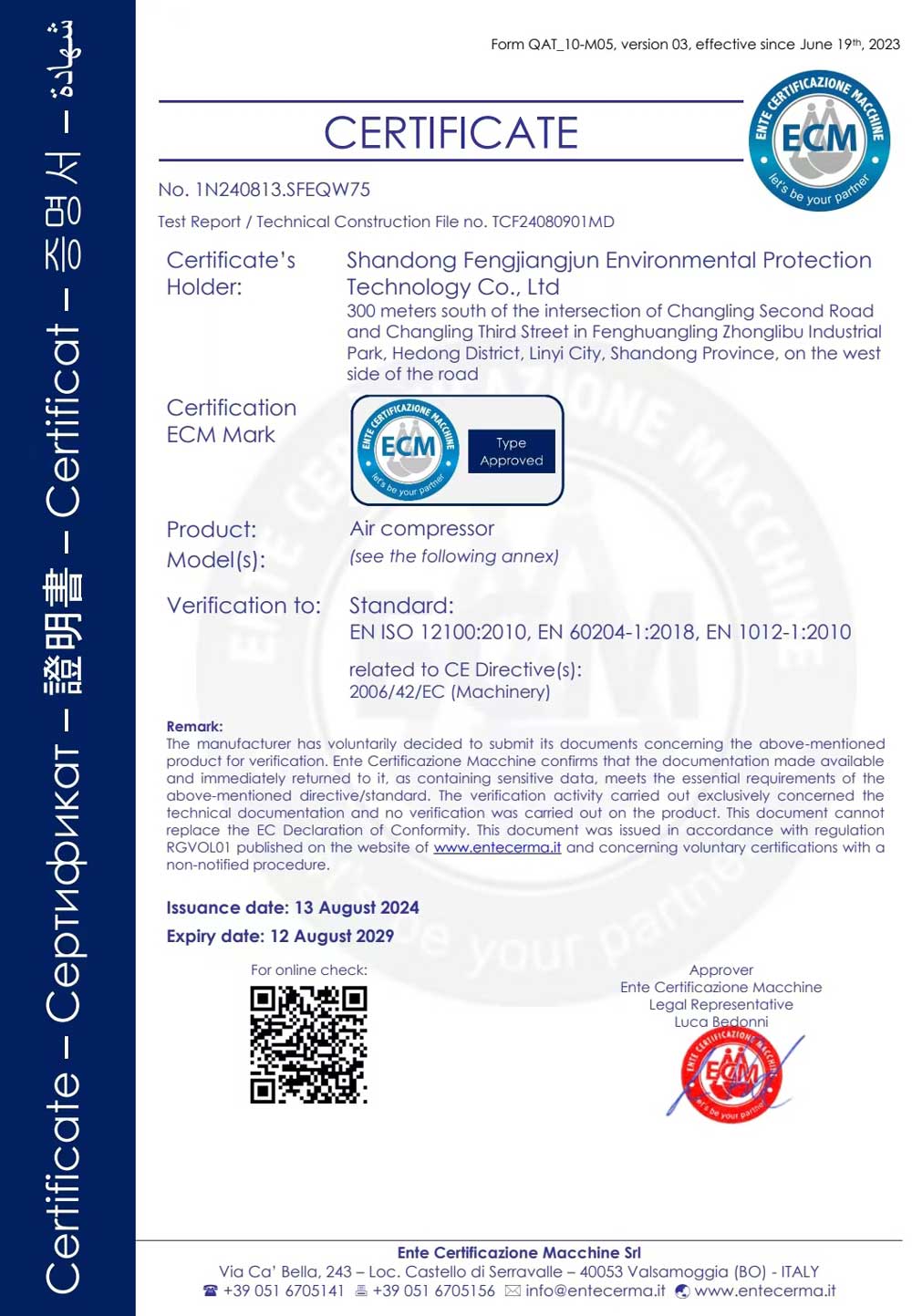
With a proven track record of successful collaborations in over 20 countries, including the USA, Canada, Colombia, Chile, Australia, New Zealand, Russia, Indonesia, Vietnam, Malaysia, India, Sri Lanka, Bangladesh, Pakistan, Dubai, Afghanistan, Israel, Syria, Kosovo, Tunisia, and Angola, we are committed to meeting the diverse needs of our clients. At Smart Air, we pride ourselves on delivering tailored solutions that adhere to the highest standards of quality and performance.



Essential insights for engineering, operations, and quality management professionals
A: ISO Class 0 certification certifies that total oil concentrations—comprising liquid, aerosol, and vapor states—do not exceed 0.01 mg/m³. Piston structures must be designed without oil in the compression chambers. This is achieved by utilizing self-lubricating PTFE/PEEK sealing rings and physical distance pieces that isolate grease-lubricated crosshead mechanisms from the cylinder bores.
A: Reciprocating units utilize positive displacement pistons that sustain volumetric efficiency even when system demands fluctuate. Screw units rely on high rotational speeds and can experience bypass losses under partial loads. This makes reciprocating compressors more energy efficient for processes requiring frequent stop-starts or variable volume requirements.
A: Due to the lack of liquid lubrication, the guide rings and compression seals represent the primary wear surfaces. Depending on ambient air filtration quality and temperature, high-performance guide rings typically require inspection and replacement intervals between 8,000 and 10,000 running hours. Replacing these rings is straightforward and can be performed without dismantling the main block.
A: Yes. Our modular setups integrate with Modbus/RTU and custom IoT communication gateways. This enables operators to track head temperatures, discharge pressure variables, and current draw in real time, supporting predictive maintenance schedules.
Additional systems built to match heavy industrial requirements
 Smart Air