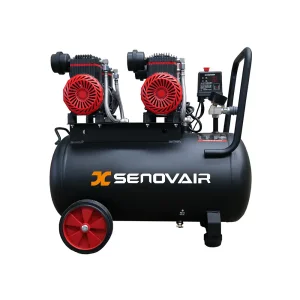
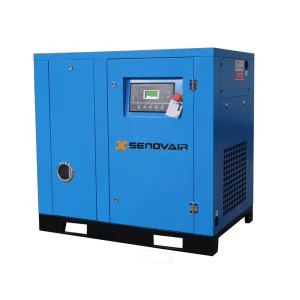
Explore our industrial-grade screw air compressors, highly integrated air storage solutions, and precision filtration components designed to run continuous manufacturing processes under peak loads.
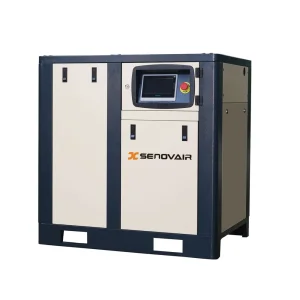
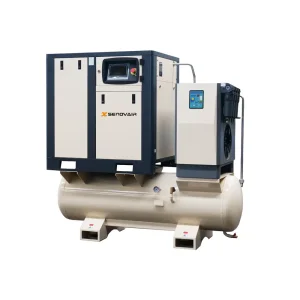
An authoritative review of the technical advancements, supply chains, and safety requirements governing the compressed air storage sector worldwide.
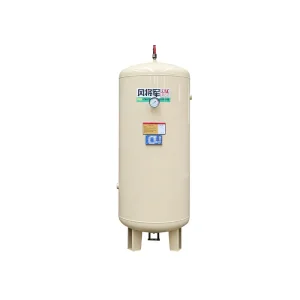
In modern manufacturing ecosystems, compressed air is often referred to as the "fourth utility" alongside electricity, water, and natural gas. However, unlike other utilities, it must be generated and managed on-site, requiring dedicated high-efficiency installations. As a global exporter of custom air storage tanks, we observe that industrial operations face volatile demand profiles. Without sufficient pressure vessels (air receiver tanks), compressors are forced to cycle rapidly, causing premature component failure, severe pressure drops at downstream points-of-use, and excessive energy consumption.
A properly scaled air storage tank functions as an energy buffer. It bridges the gap between peak load demand and the mechanical limits of the compressor unit, decoupling demand spikes from instantaneous compressor output. Industrially, the transition to Variable Speed Drive (VSD) systems has not eliminated the necessity of air storage tanks; rather, it has shifted their role toward optimizing control loops, reducing pressure fluctuations, and serving as the primary condensation chamber to extract bulk moisture from the air stream before it enters downstream desiccant dryers.
"System reliability is fundamentally linked to storage volume. Without robust pressure vessels, even the most advanced PM VSD compressor systems fail to achieve their promised coefficient of performance due to systemic short-cycling and pressure wave decay."
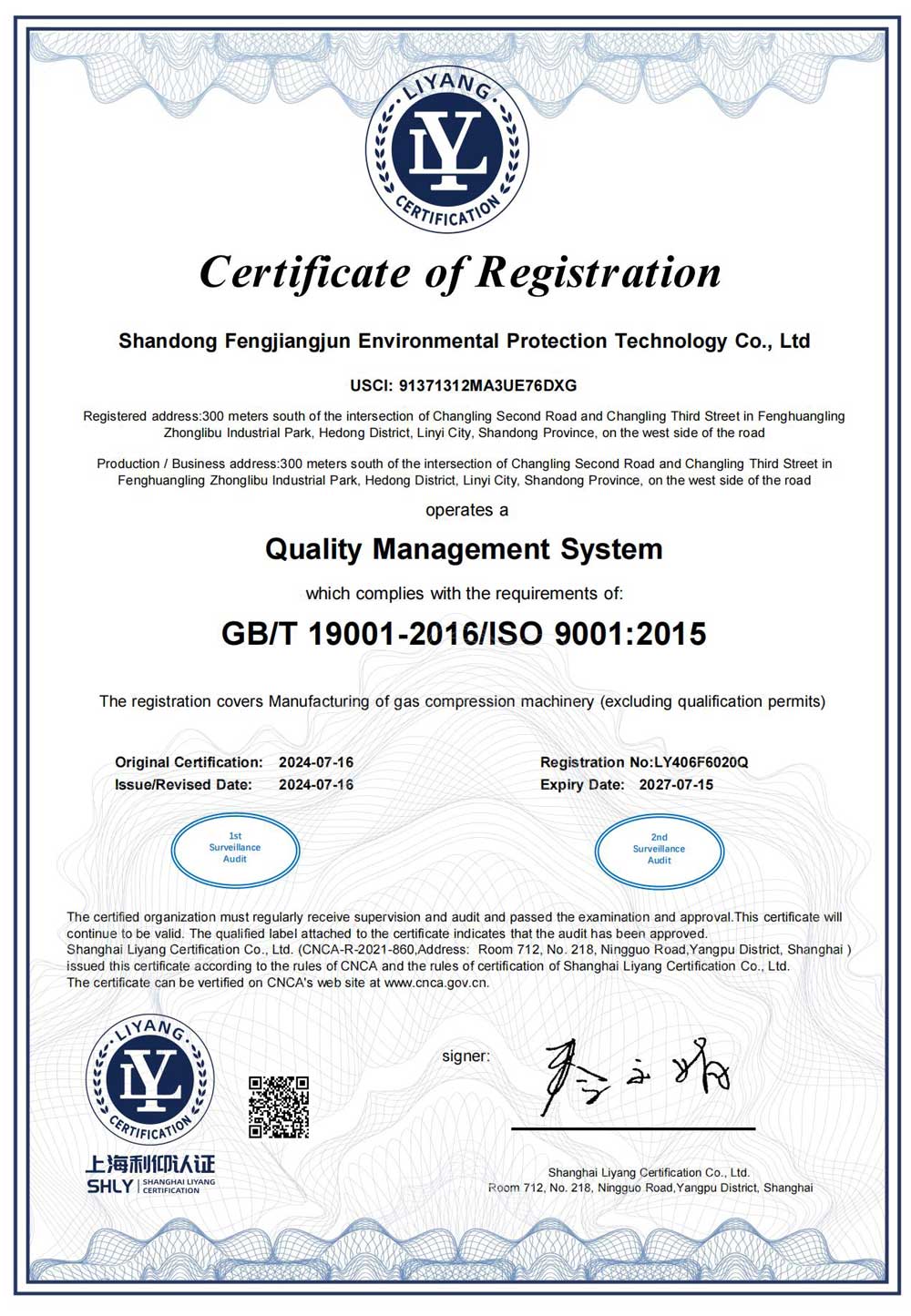
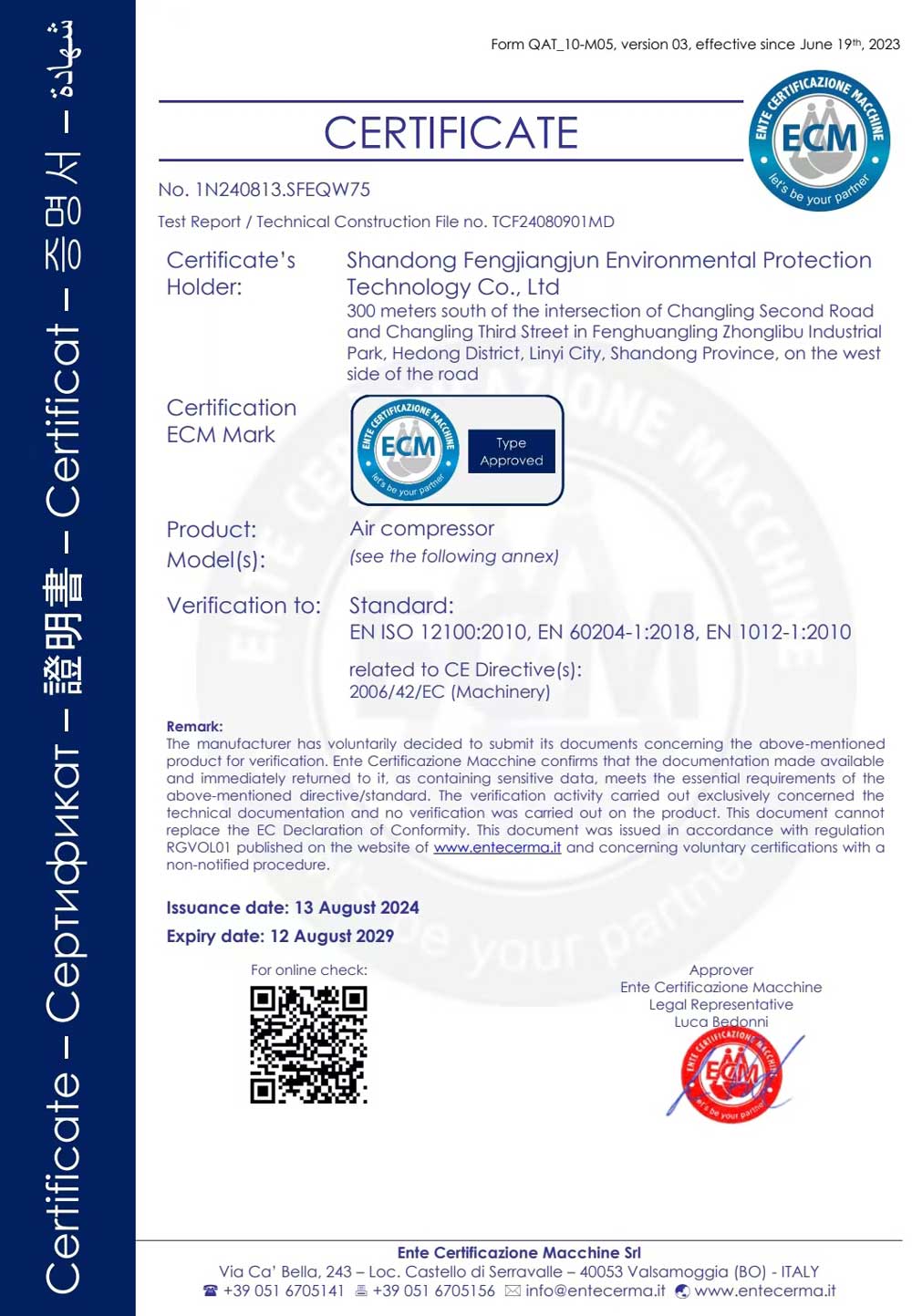
Exporting pressure vessels across international borders is a highly regulated domain due to the storage of explosive pneumatic potential energy. As an established wholesale compressed air tank manufacturer and exporter, our engineering and quality assurance processes must satisfy diverse global compliance standards. In the United States, compliance with ASME Section VIII, Division 1 is mandatory for municipal and industrial insurance approval. In the European Union, the Pressure Equipment Directive (PED) 2014/68/EU dictates strict material selection, welding approvals, and hydrostatic pressure testing protocols.
We employ advanced testing methodologies, including non-destructive testing (NDT), ultrasonic thickness measurement, and radiographic examination of longitudinal and circumferential welds. This ensures that every exported vessel can withstand standard working pressures up to 40 bar or custom design parameters depending on the specific industrial environment.
| Regulatory Standard | Primary Jurisdiction | Compliance Mandate | Test Methods Applied |
|---|---|---|---|
| ASME Section VIII Div 1 | North America / Global | U-Stamp Certification | Radiography, Hydrostatic (1.3x WP), NDT |
| PED 2014/68/EU | European Union / UK (CE/UKCA) | Module H/H1 Design Conformity | Ultrasonic, Magnetic Particle, Charpy Impact |
| GB150 | People's Republic of China | SQL Safety License | Visual, Hydro-pneumatic, Microstructure analysis |
| AS1210 | Australia / New Zealand | Design Registration | Pneumatic pressure test, Hardness testing |
The future of pressure vessels is deeply intertwined with smart factory initiatives and new materials science. We are continually developing integration frameworks for IoT-enabled pressure sensors, electronic drain valves, and real-time dewpoint monitors that mount directly to the manifold of our custom air storage tanks. This allows facility engineers to monitor vessel parameters remotely, identify air leaks (which account for up to 30% of industrial energy waste), and schedule preventive maintenance through unified plant controllers.
Additionally, the industry is witnessing a shift toward anti-corrosion internal coatings. Classic epoxy coatings are being replaced by highly durable thermoplastic and glass-lined interior treatments that prevent oxidation from acidic condensates, ensuring the high-purity air supply demanded by the medical, chemical, and food sectors.
Smart Air Machinery (Linyi) Co., Ltd., established in 2005, is a diversified manufacturing enterprise integrating product research and development, production, and sales. The company employs over two hundred people and primarily manufactures screw air compressors, piston air compressors, air storage tanks, and related machinery.

Located in Linyi, the logistics capital of China, our company has accumulated rich production experience, strong technical capabilities, a top-notch R&D team, and complete testing equipment through over 20 years of diligent research and continuous innovation.

Our products, known for their aesthetically pleasing design, meticulous material selection, exquisite craftsmanship, and superior quality, are sold worldwide and have received widespread acclaim from customers.

Smart Air is committed to building a leading brand in China's air compressor industry. We firmly implement our own brand strategy, adhere to the principle of honest business practices, prioritize customer service, continuously strengthen our production capabilities, and constantly enhance our brand influence.

We firmly believe that "quality creates reputation," "reputation creates brand," and "brand creates market." Currently, we have become a well-known and advanced enterprise in the industry.
With a proven track record of successful collaborations in over 20 countries, including the USA, Canada, Colombia, Chile, Australia, New Zealand, Russia, Indonesia, Vietnam, Malaysia, India, Sri Lanka, Bangladesh, Pakistan, Dubai, Afghanistan, Israel, Syria, Kosovo, Tunisia, and Angola, we are committed to meeting the diverse needs of our clients. At Smart Air, we pride ourselves on delivering tailored solutions that adhere to the highest standards of quality and performance. Our customers consistently express their satisfaction with our products, praising their reliability and efficiency. Join the growing list of satisfied clients who trust Smart Air for their air compression needs. Experience excellence with us today!
Since its establishment, the company has successively received numerous honors, including "China Famous Brand," "China's Preferred Brand for Green and Environmentally Friendly Products," "Top Ten Foreign Trade Enterprises in the Mall," "High-Tech Enterprise," "3A Credit Enterprise," and "Civilized and Trustworthy Unit."


Smart Air solutions are optimized for specific industrial operations. Every scenario demands precise flow dynamics, pressure stability, and filtration ratings to prevent systemic bottlenecks.
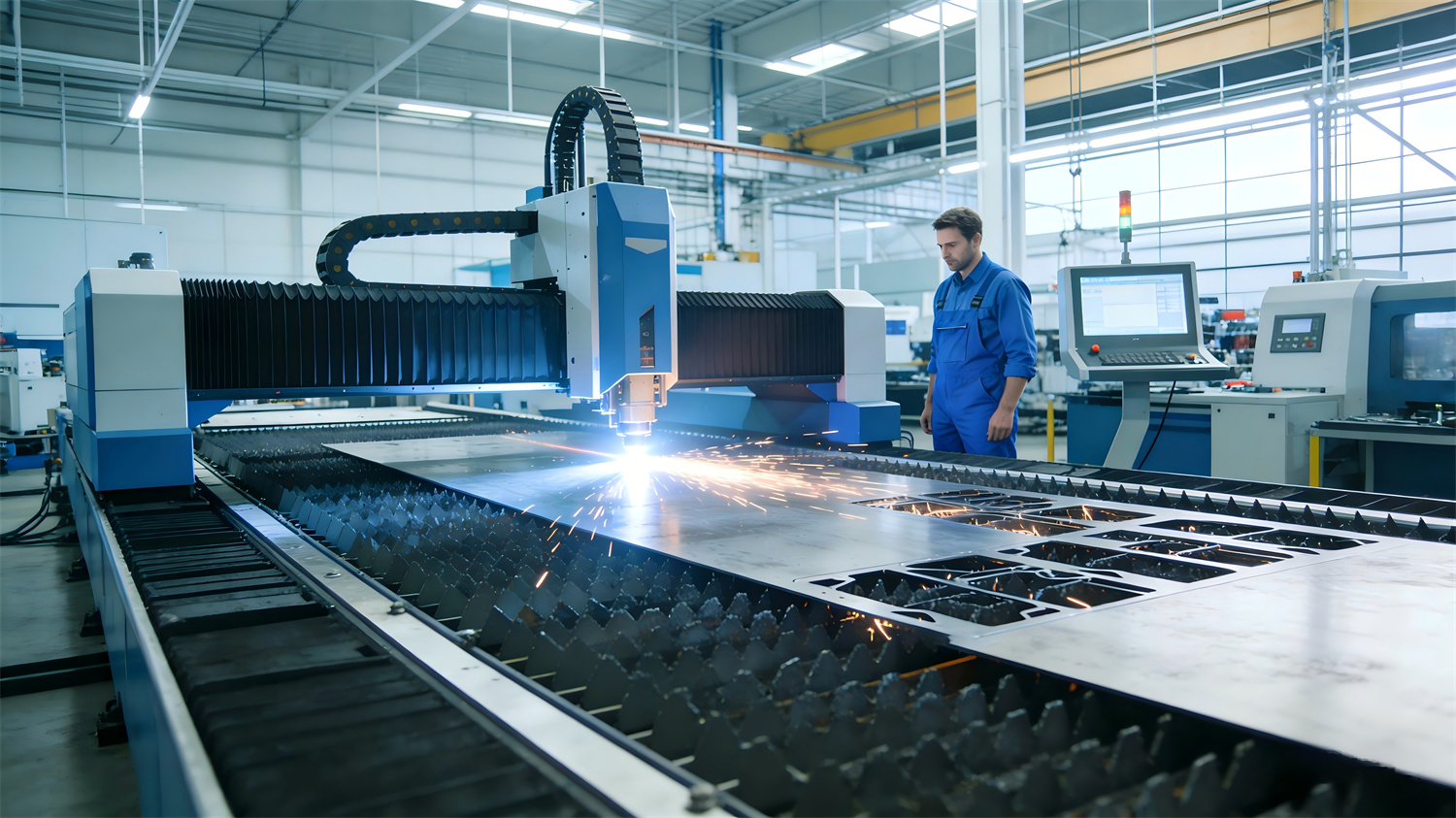
Air compressors are essential supporting equipment for the laser cutting industry, providing high-pressure, clean and stable compressed air for the cutting process. They blow away molten slag and debris in time to ensure smooth cutting surfaces and high precision, avoiding cutting defects. Suitable for cutting various materials such as metal and non-metal, energy-saving and oil-free models prevent air pollution, protect laser heads and extend equipment service life, effectively improving production efficiency and reducing operating costs for enterprises.
Learn More →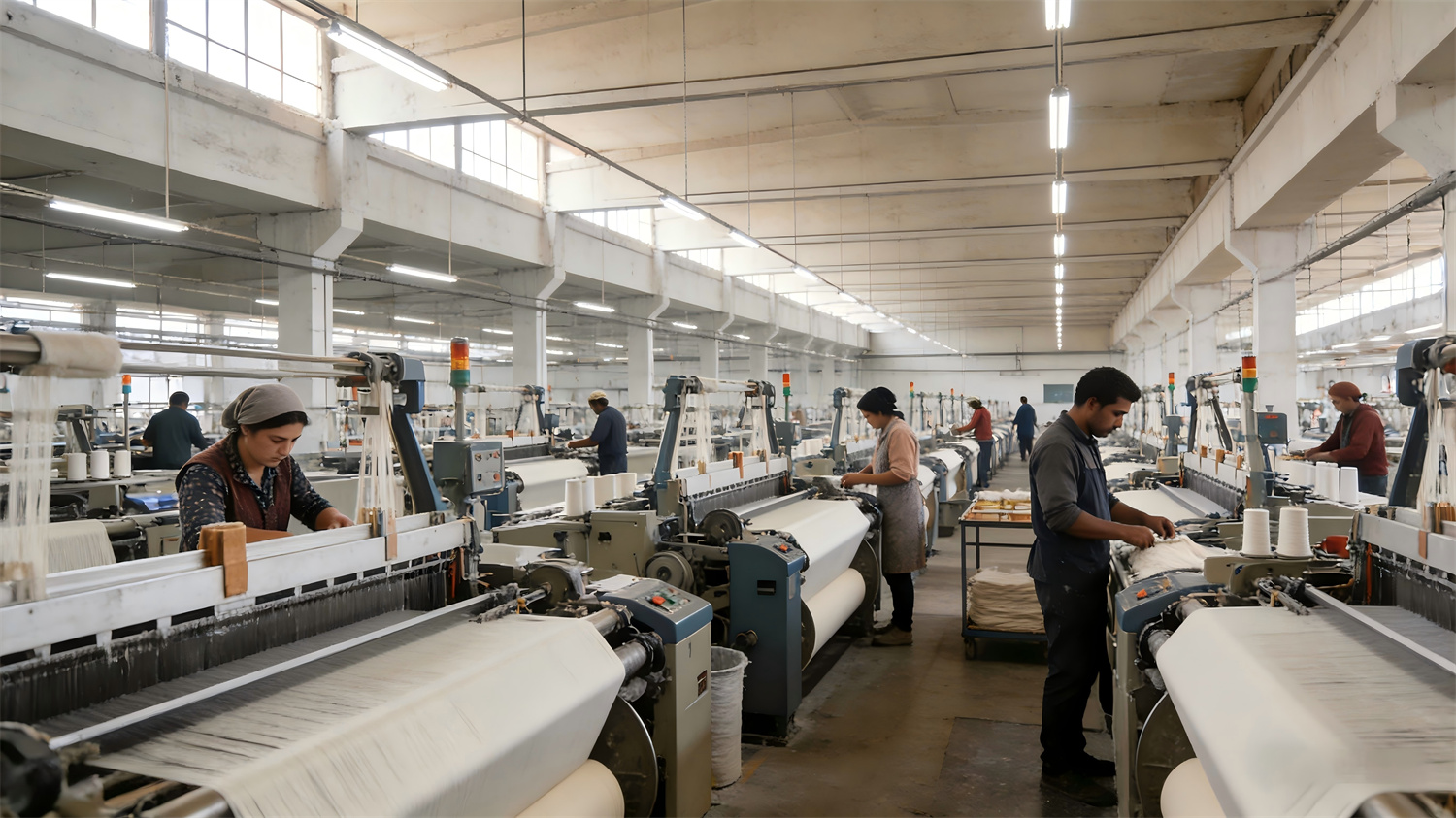
Air compressors are indispensable core equipment in the textile industry, providing stable, clean and appropriate-pressure compressed air for the whole production process. They power weaving machines, spinning frames and other equipment to ensure smooth operation, improve yarn and fabric quality. Energy-saving and oil-free models avoid yarn and fabric pollution, reduce equipment wear, and help enterprises improve production efficiency, reduce energy consumption and ensure continuous and stable production of high-quality textiles.
Learn More →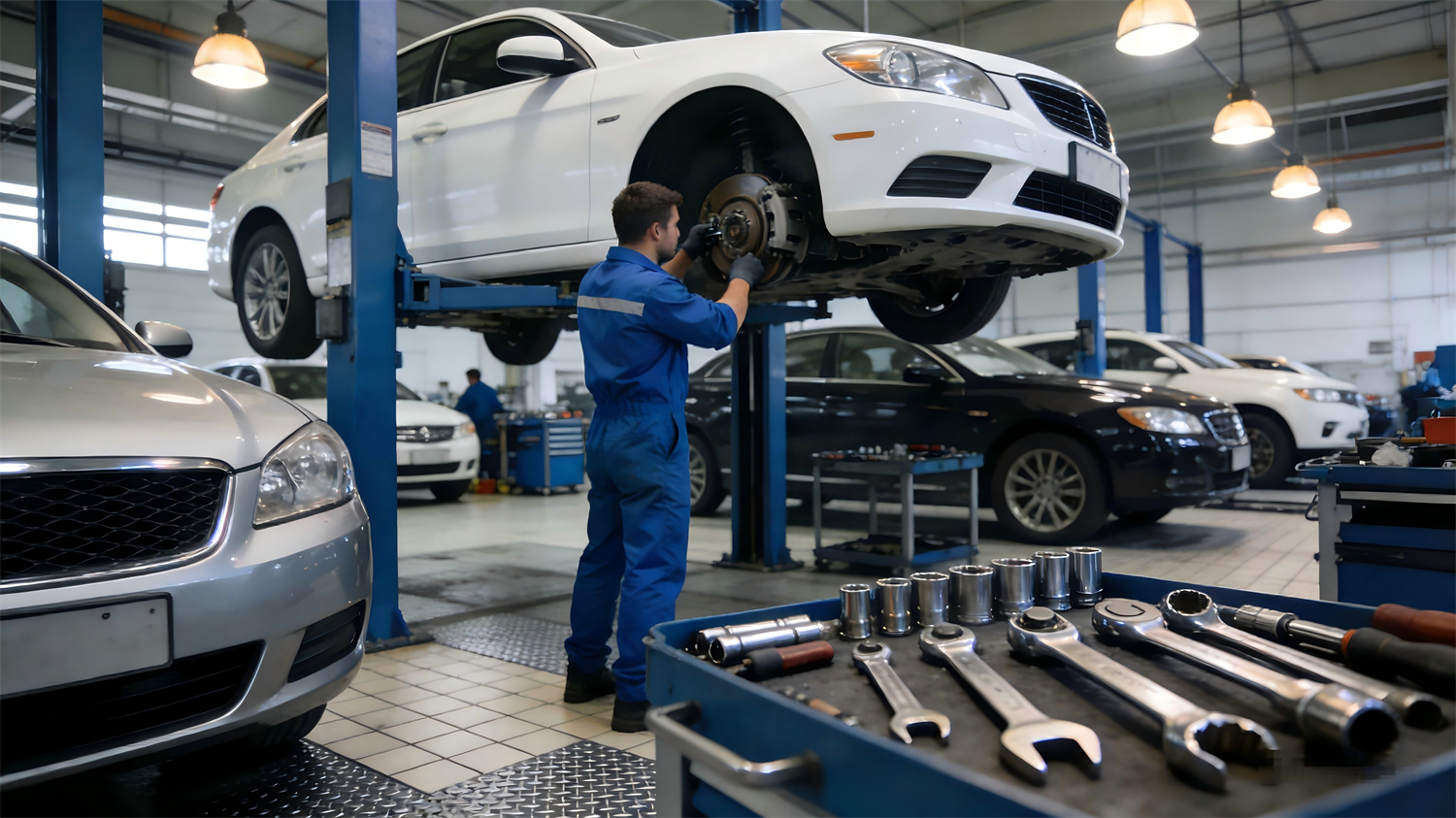
Air compressors are vital supporting equipment in the automotive industry, providing stable, clean and high-pressure compressed air for both production and vehicle operation. They power pneumatic tools in assembly lines, ensure precise processing of auto parts, and support braking, suspension and air conditioning systems in vehicles. Energy-saving and high-efficiency models reduce energy consumption, protect equipment, and help enterprises improve production efficiency and ensure the safety and reliability of automotive products.
Learn More →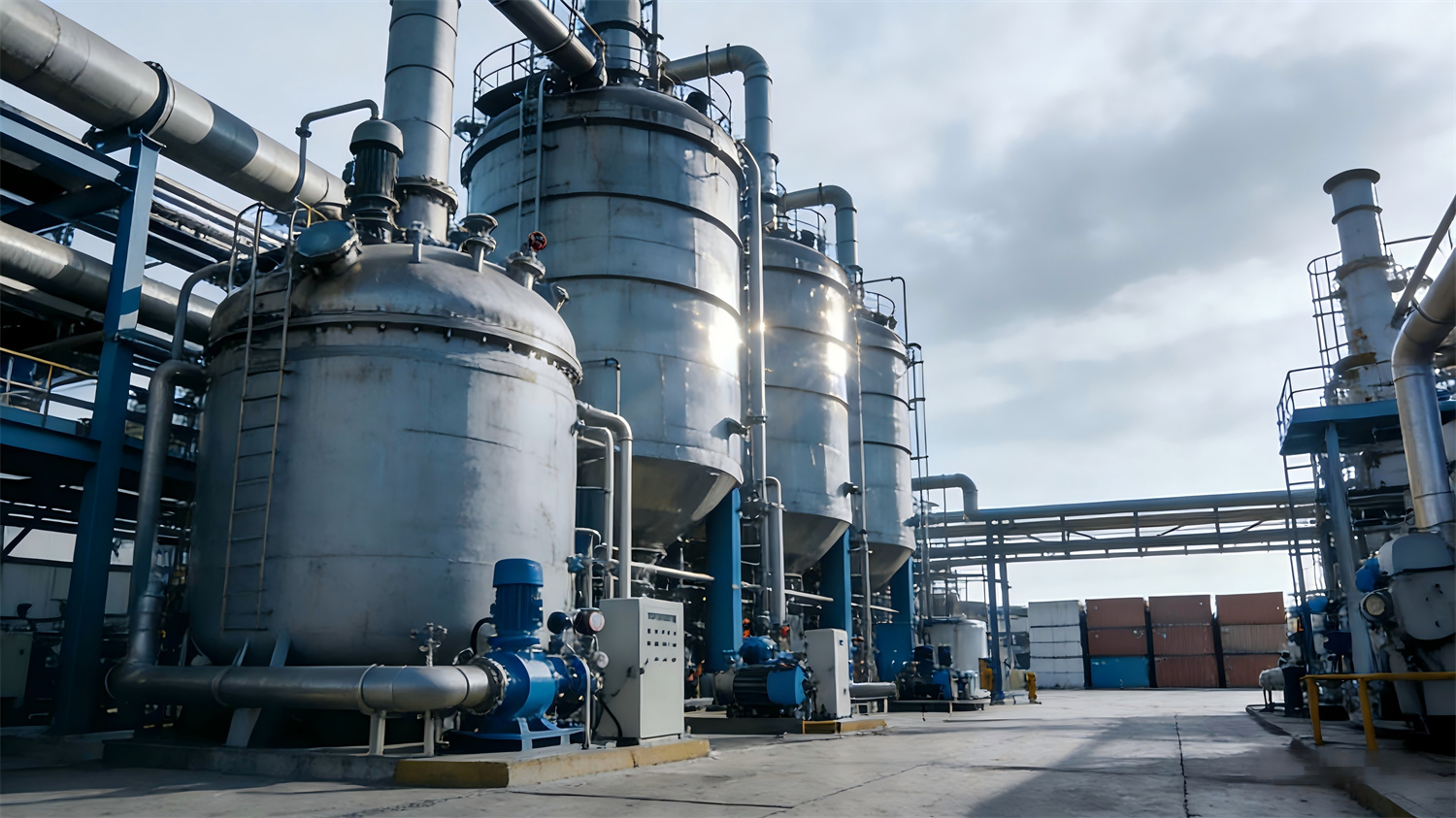
Air Compressors for chemical industry play an important role. It can provide the power needed for chemical processes, and also suitable for providing pressure required during chemical reactions, control air emissions and storage of chemicals. Chemical industries are complicated and require high requirements, many materials in this field are flammable, explosive or toxic and corrosive. Therefore, the technical requirements of compressors are very high in chemical industry; it requires safe operation and stable maintenance with an easy maintenance.
Learn More →
Air compressors are indispensable core equipment in the construction industry, providing stable, high-pressure and clean compressed air for a variety of on-site construction operations. They effectively power various pneumatic tools, including jackhammers, nail guns, concrete sprayers and air drills, greatly improving construction efficiency and ensuring the quality of projects. Suitable for all construction scenarios, whether indoor decoration or outdoor large-scale engineering, their energy-saving and durable performance enables them to adapt to harsh on-site environments, reduce energy consumption and equipment failure rate, and help construction enterprises speed up the construction progress and ensure safe, efficient and stable operation.
Learn More →
Air compressors are essential equipment for the car washing industry, providing high-pressure and clean compressed air to optimize the washing process. They blow away water stains, dust and debris in gaps such as door seams and air outlets, ensuring a thorough and spotless clean. Suitable for both manual and automatic car washes, energy-saving models reduce power consumption, improve working efficiency, and avoid scratches on car surfaces, helping car wash shops enhance service quality and reduce operating costs.
Learn More →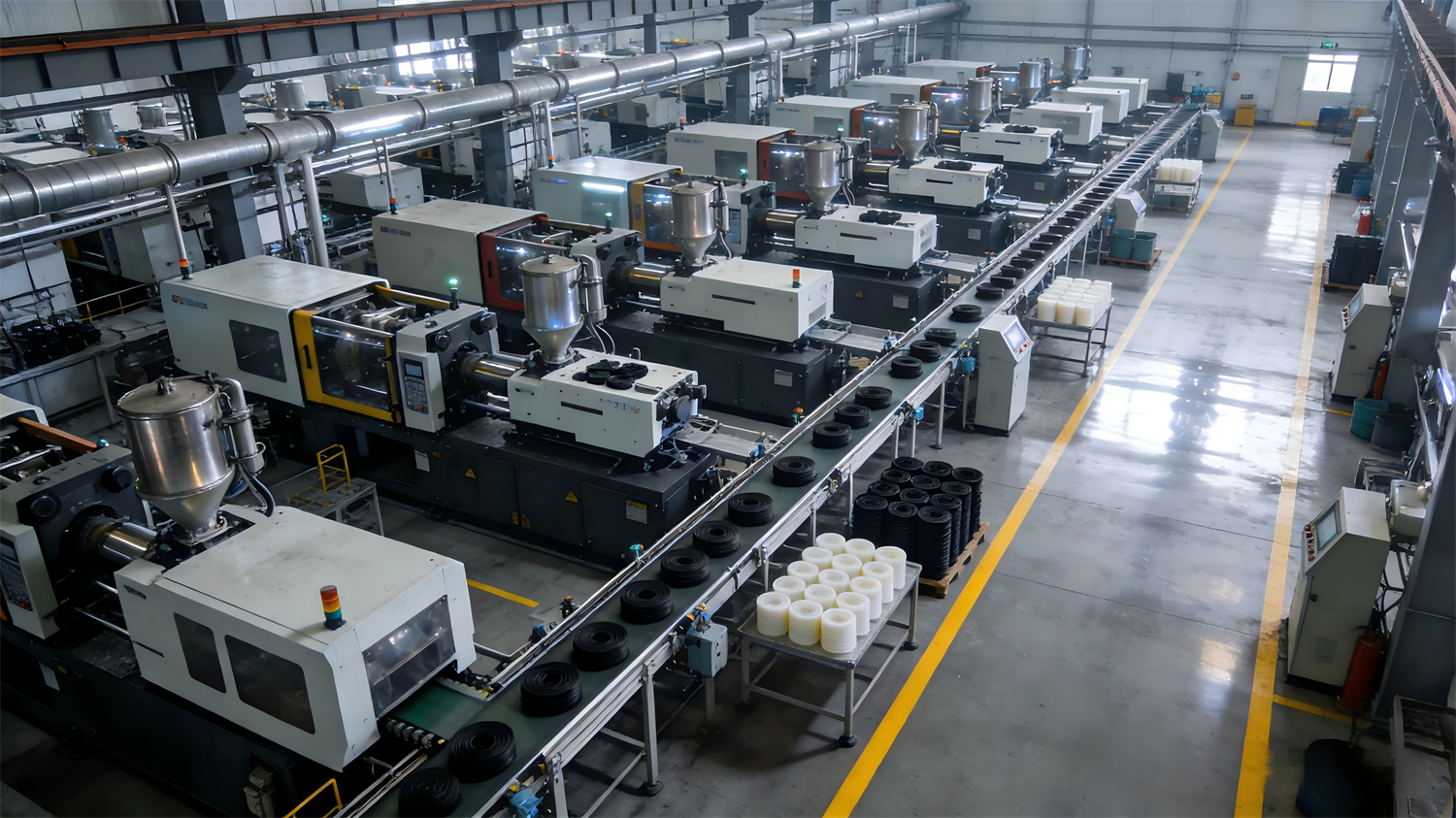
The production process of rubber and plastic products relies on compressed air as a motive power source; naturally compressed air compressors are indispensable. With the rapid development of the rubber products industry in recent years, downstream application fields will be further expanded. Rubber is widely used for its good elasticity, insulation, and wear resistance in agriculture, defense, transportation, mechanical manufacturing, and hygiene, while plastics have an extremely important role globally.
Learn More →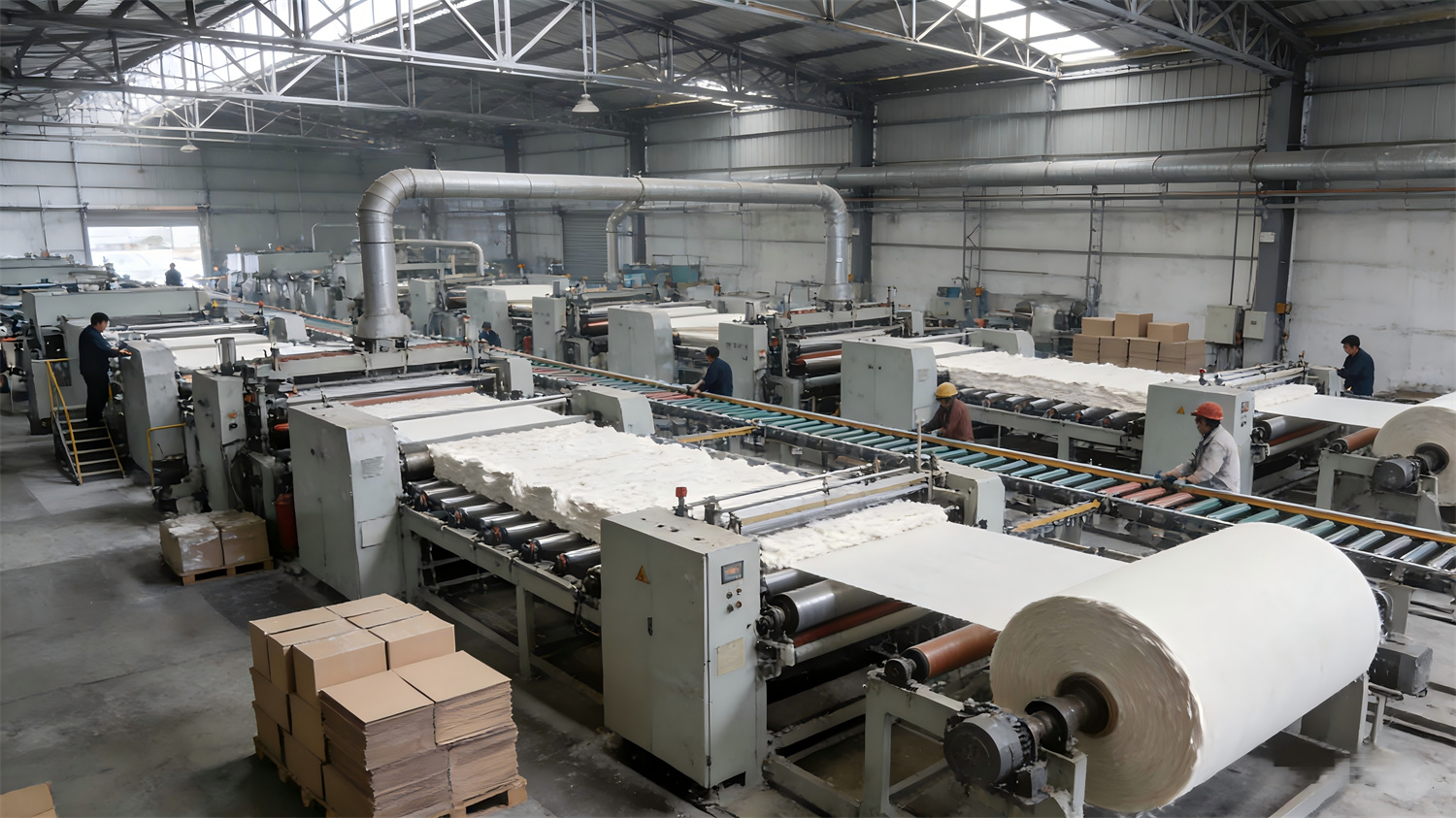
Air compressors are essential supporting equipment in the papermaking industry, providing stable, clean and appropriate-pressure compressed air for the entire production process. They power key equipment such as pulp beaters, paper machines and drying systems, ensuring uniform pulp mixing, smooth paper formation and efficient drying. Oil-free and dust-proof models avoid contamination of pulp and paper, ensuring product quality. With energy-saving and durable performance, they help enterprises improve production efficiency.
Learn More →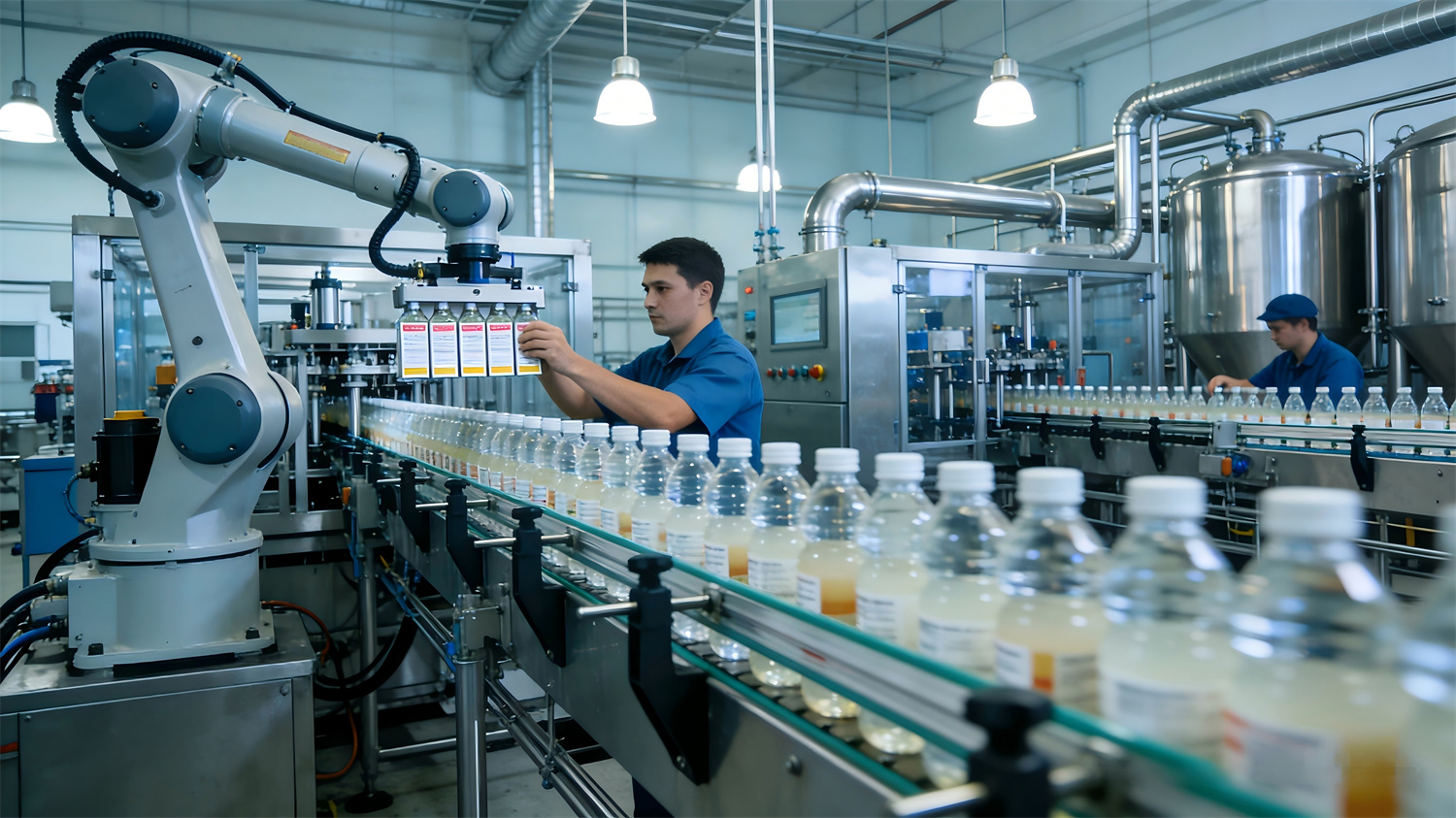
Air compressors are crucial supporting equipment in the food and beverage industry, providing clean, oil-free and stable compressed air that meets food safety standards for the entire production process. They power pneumatic conveying systems for raw materials, drive filling, capping and packaging equipment, and assist in product drying and sterilization. Oil-free models effectively avoid food contamination, protect production equipment, and adapt to high-hygiene requirements.
Learn More →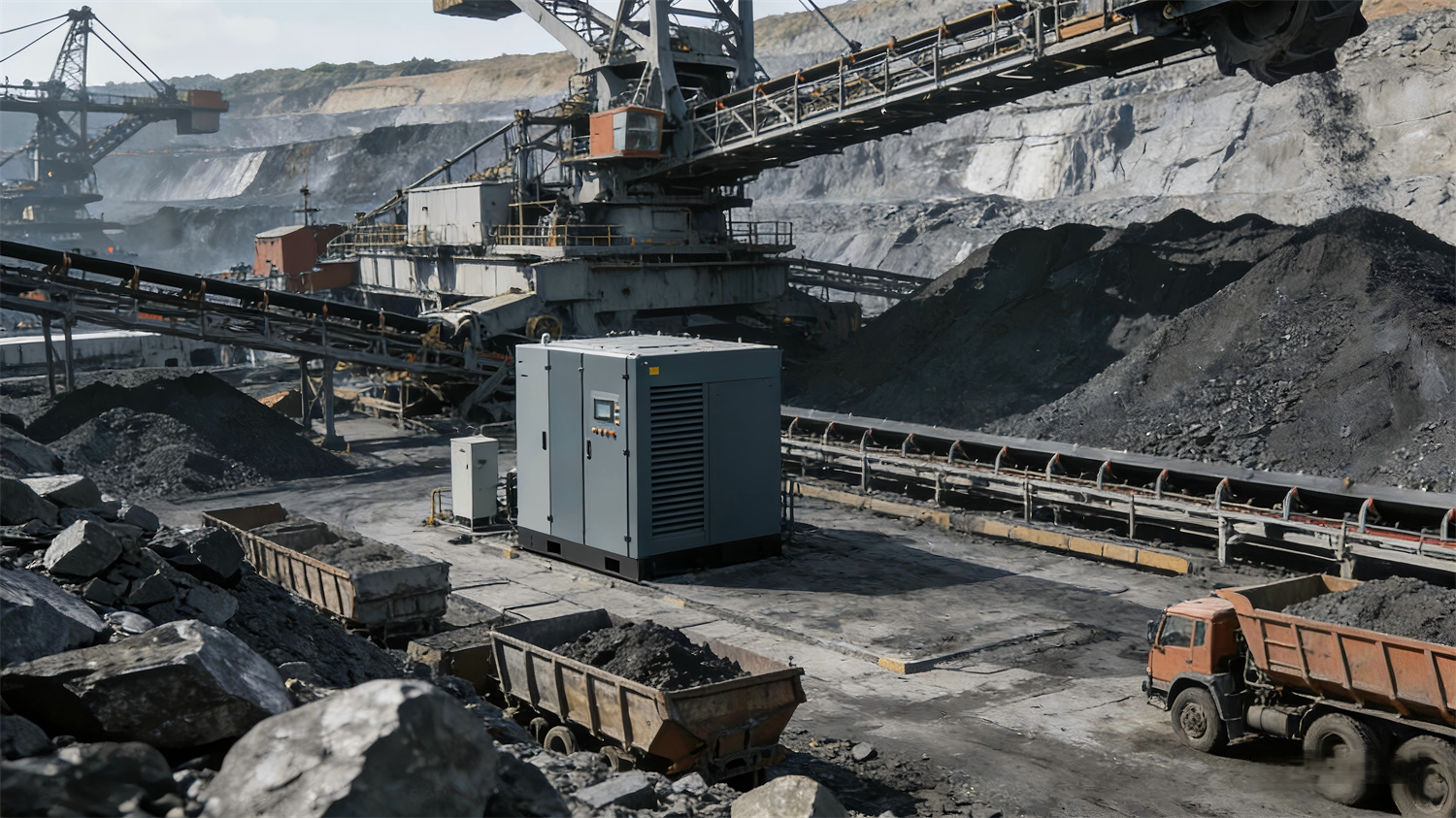
Air compressors are essential core equipment in the mining industry, providing stable, high-pressure and durable compressed air to adapt to harsh underground and open-pit mining environments. They power key pneumatic tools such as rock drills, breakers and coal cutters, enabling efficient ore extraction and rock breaking. With dust-proof and anti-corrosion performance, they can operate stably in dusty, humid and high-temperature conditions, ensuring operation safety.
Learn More →
Air compressors are critical and indispensable equipment in the pharmaceutical industry, providing Class 0 oil-free, sterile and stable compressed air that fully complies with GMP standards. They support the entire production process, including raw material mixing, drug granulation, filling, and packaging, powering pneumatic control systems and conveying equipment. The oil-free and sterile design effectively avoids cross-contamination of drugs.
Learn More →From highly mobile direct-drive piston compressors to multi-stage energy-efficient plant-scale air systems, our factory delivers verified dynamic output tailored to your plant metrics.
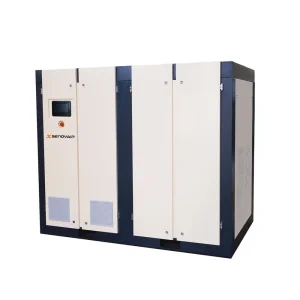
Essential considerations for industrial engineering and global logistics sourcing managers concerning custom compressed air receivers and storage optimization.
 Smart Air