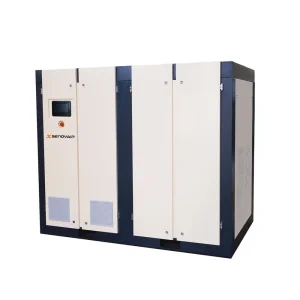
Explore our industrial-grade variable speed screw compressors, mobile integrated air treatment stations, and certified high-pressure storage tanks.
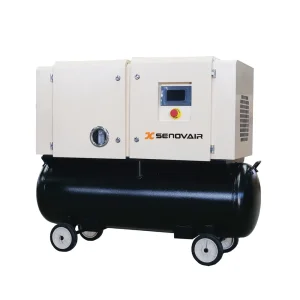
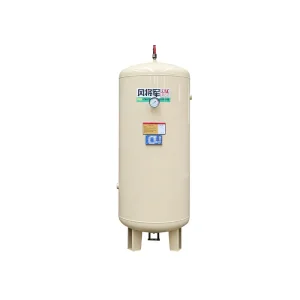
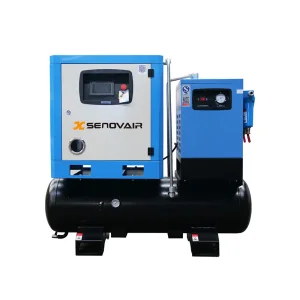
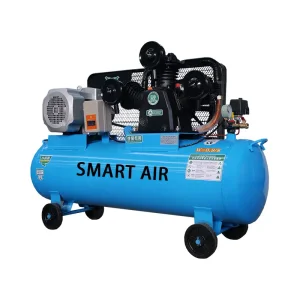
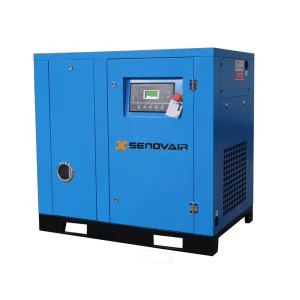
Industrial processes require clean, dry, and oil-free compressed air. Learn why filtration and drying are the twin pillars of air quality management.
In modern industrial manufacturing, compressed air is often referred to as the "fourth utility." However, atmospheric air naturally contains large volumes of water vapor, particulate dust, microbial spores, and vaporized oil aerosols. When air is compressed, the concentration of these contaminants rises exponentially. Without high-precision filtration and drying systems, these impurities enter downstream pneumatic piping, leading to valve corrosion, paint defects, sensor failure, and biological contamination in food and pharmaceutical packaging. As a leading Wholesale Air Compressor Filter Dryer Manufacturer & Supplier, we focus on helping global enterprises design and implement integrated systems that strictly comply with international standards such as ISO 8573-1.
Whether you are operating high-precision fiber laser cutters or heavy-duty drilling rigs in mining fields, the dew point of your air system is critical. A standard refrigeration dryer can achieve a dew point of +3°C to +10°C, which is suitable for general factory air. However, for cold climates or moisture-sensitive chemical reactions, a desiccant dryer utilizing activated alumina or molecular sieves is required to achieve pressure dew points of -40°C to -70°C. By sourcing directly from our factory in Linyi, China, you get customized industrial configurations that balance thermal efficiency, pressure integrity, and operational lifespan.
Established in 2005, we deliver fully integrated screw and piston air compressors, air storage tanks, and high-performance after-treatment accessories.
Smart Air Machinery (Linyi) Co., Ltd. was established in 2005 with the goal of creating high-efficiency air compressing systems for global industrial markets. Spanning across a state-of-the-art production base in Linyi, China—the logistics capital of the country—our company has grown into a diversified manufacturing enterprise integrating research and development, manufacturing, quality inspection, and international sales. Today, we employ over 200 dedicated professionals, including a top-tier R&D team of thermal engineers and control systems specialists.
Located in Linyi, China, our company has accumulated rich production experience, strong technical capabilities, a top-notch R&D team, and complete testing equipment through over 20 years of diligent research and continuous innovation.
Our products, known for their aesthetically pleasing design, meticulous material selection, exquisite craftsmanship, and superior quality, are sold worldwide and have received widespread acclaim from customers.
Smart Air is committed to building a leading brand in China's air compressor industry. We firmly implement our own brand strategy, adhere to the principle of honest business practices, prioritize customer service, continuously strengthen our production capabilities, and constantly enhance our brand influence.
We firmly believe that "quality creates reputation," "reputation creates brand," and "brand creates market." Currently, we have become a well-known and advanced enterprise in the industry.
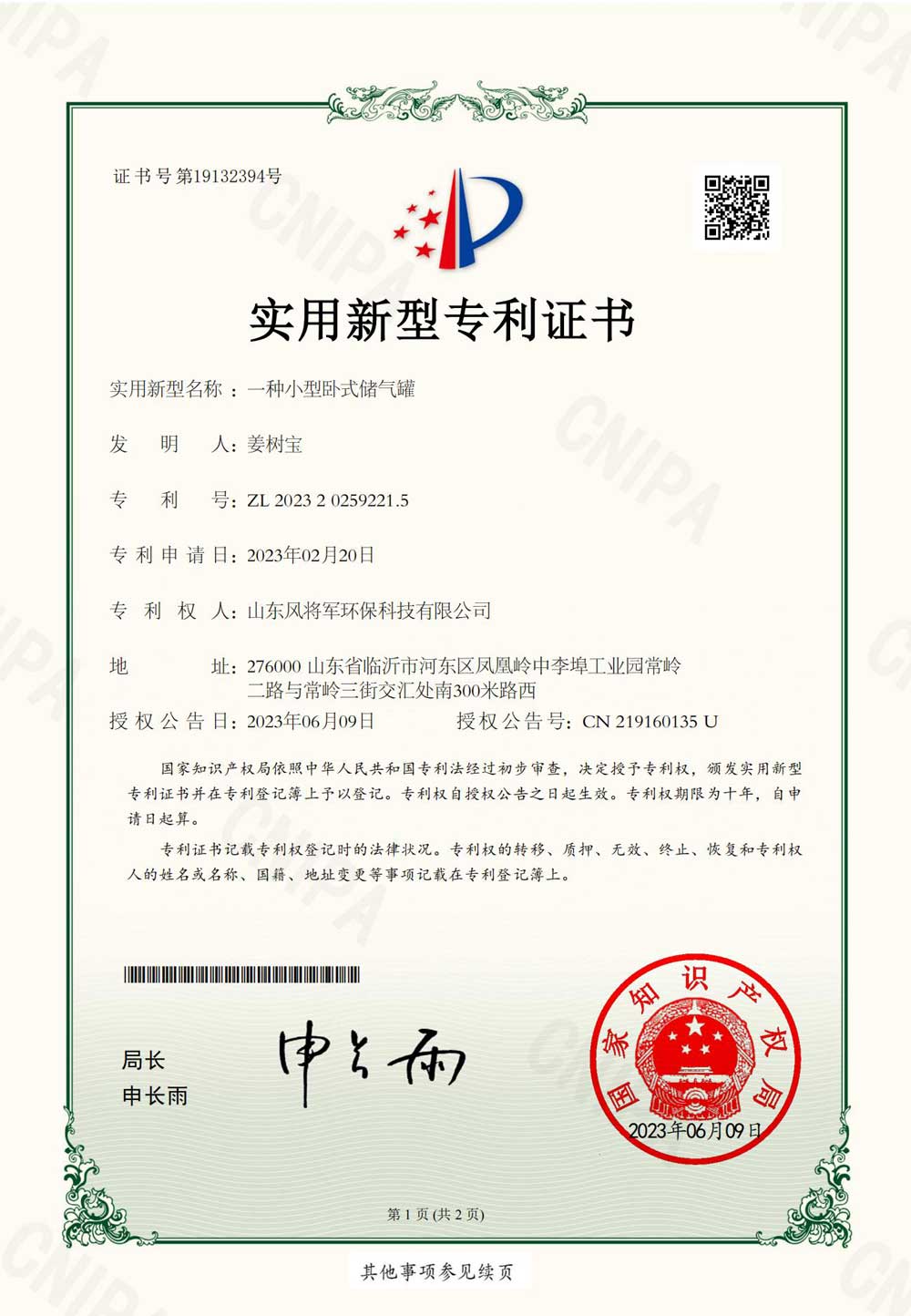
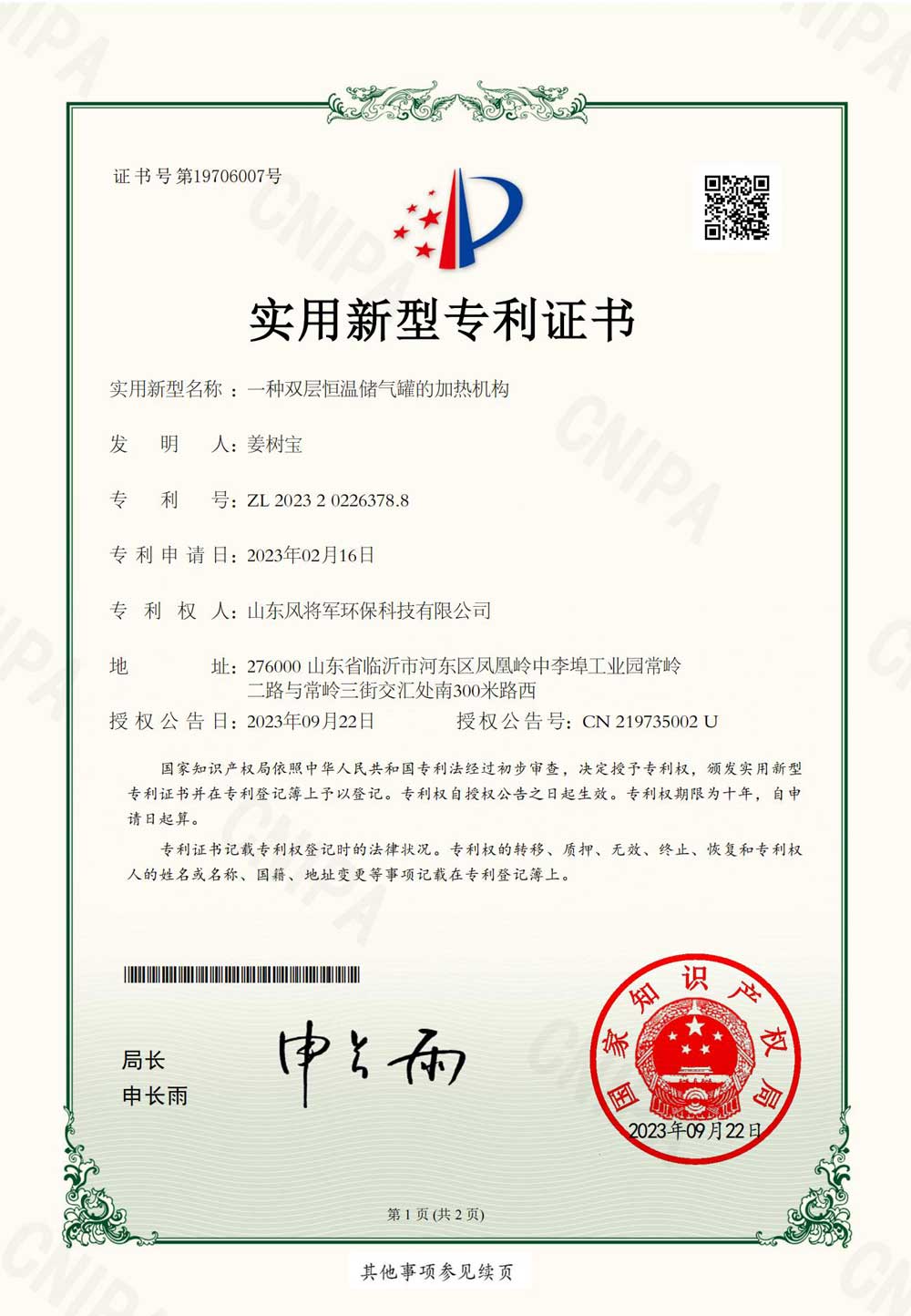
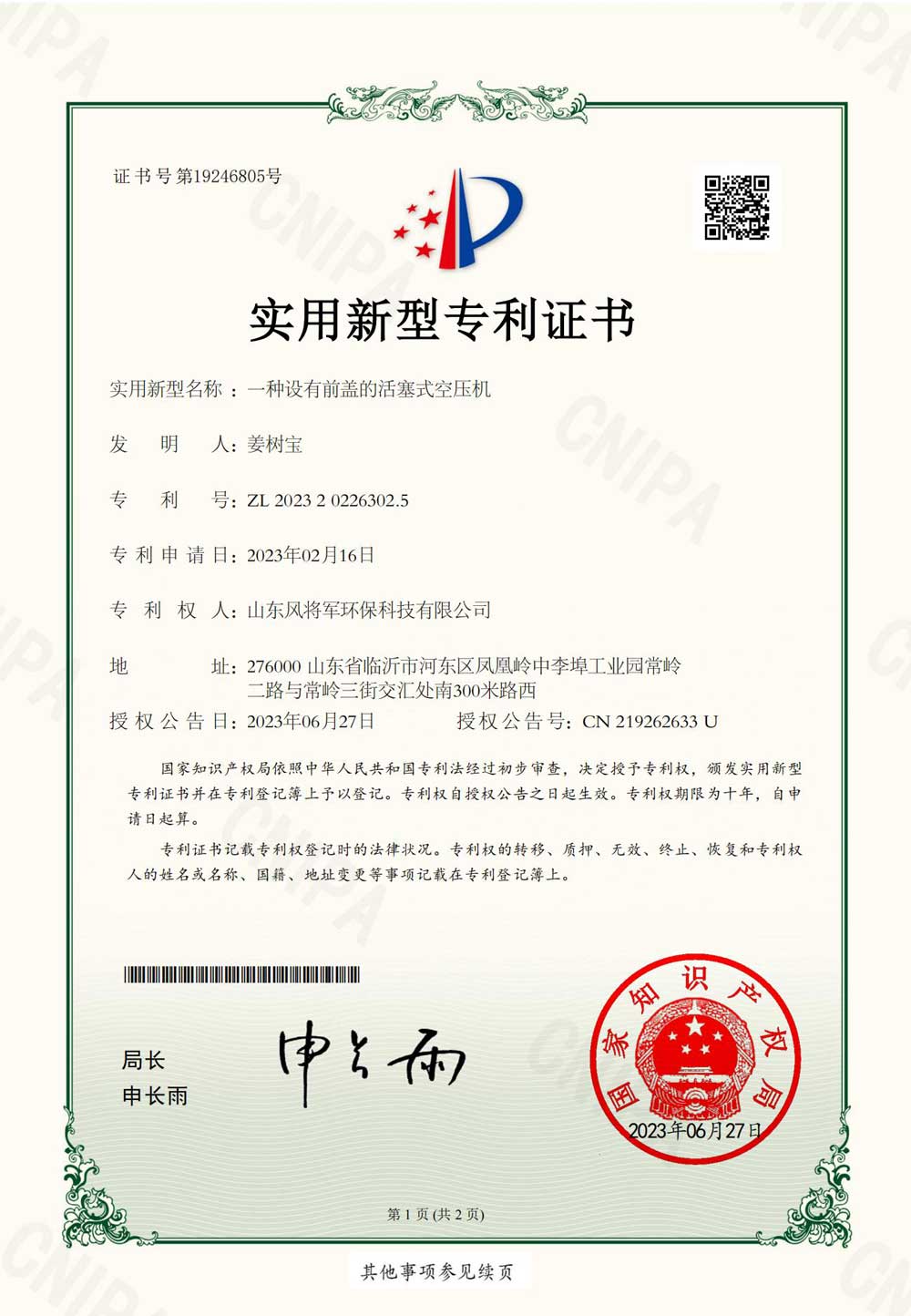
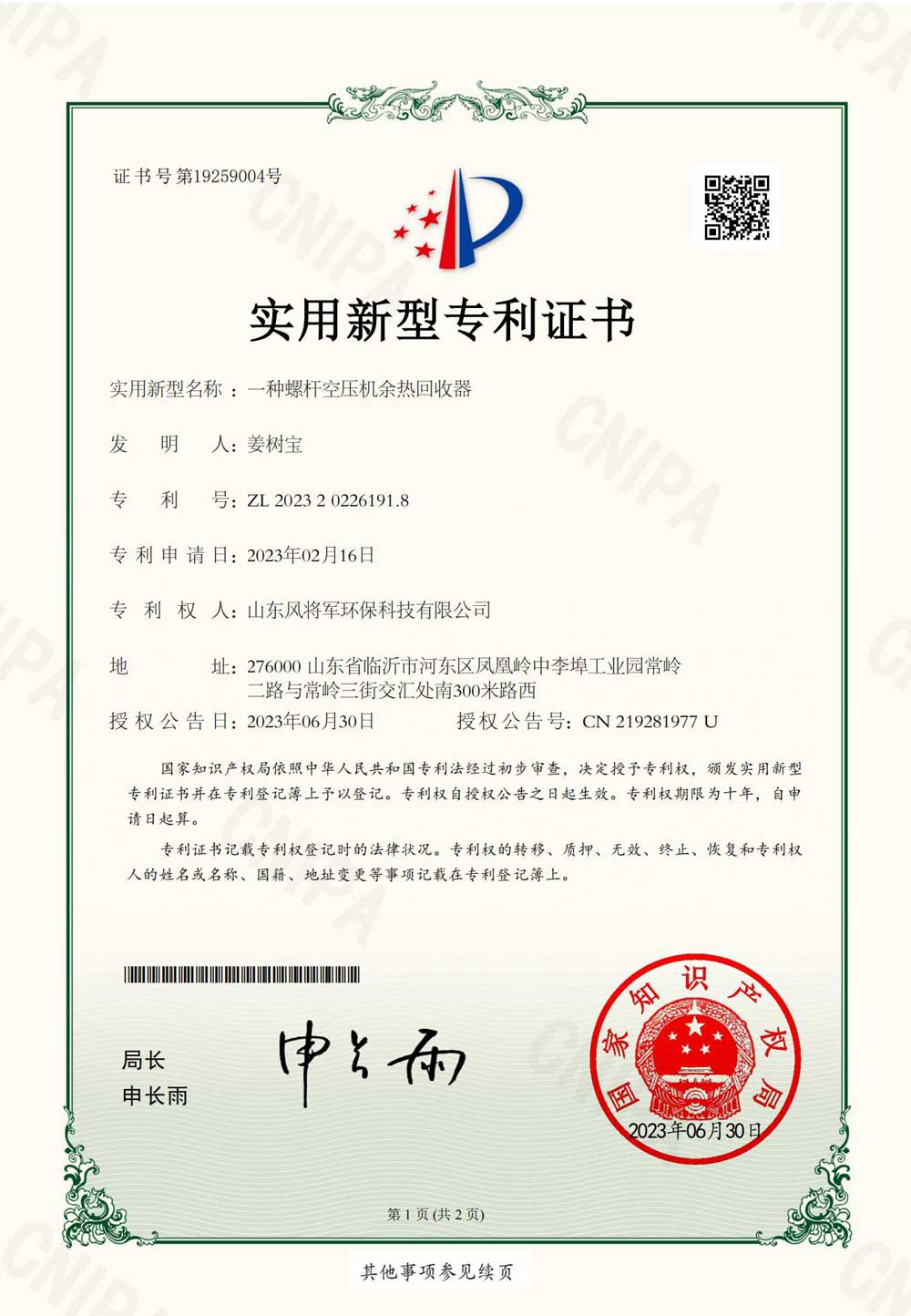
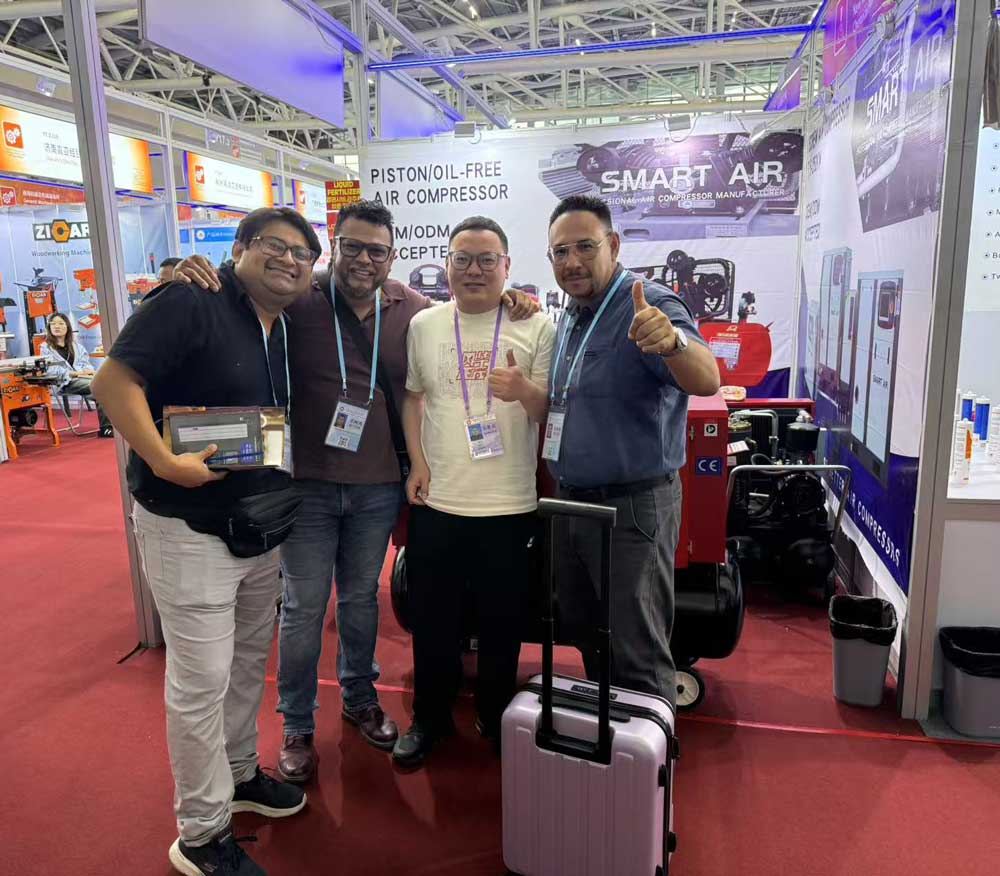
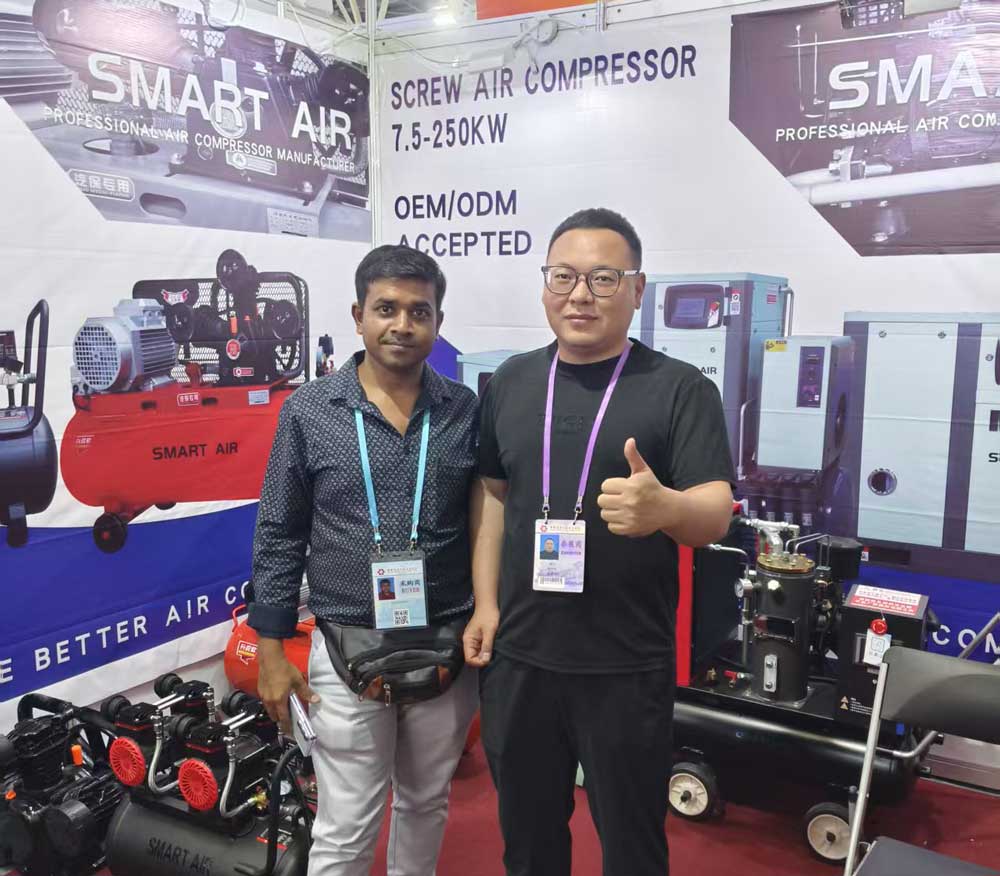
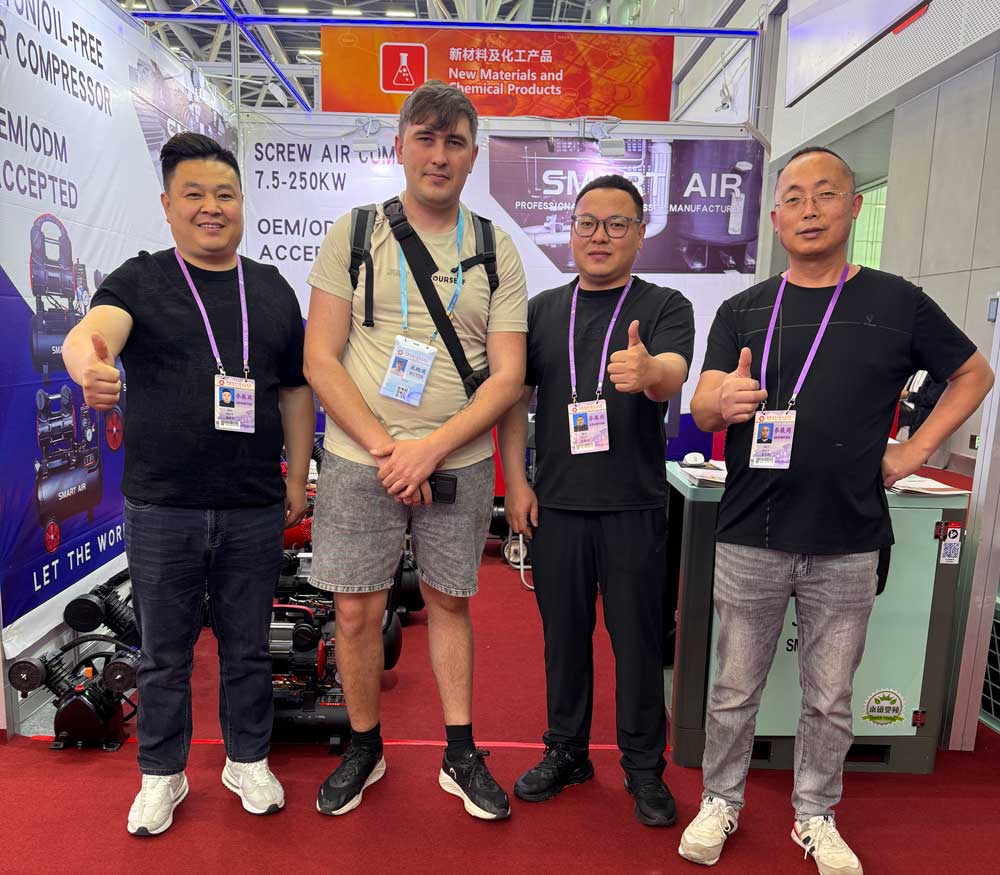
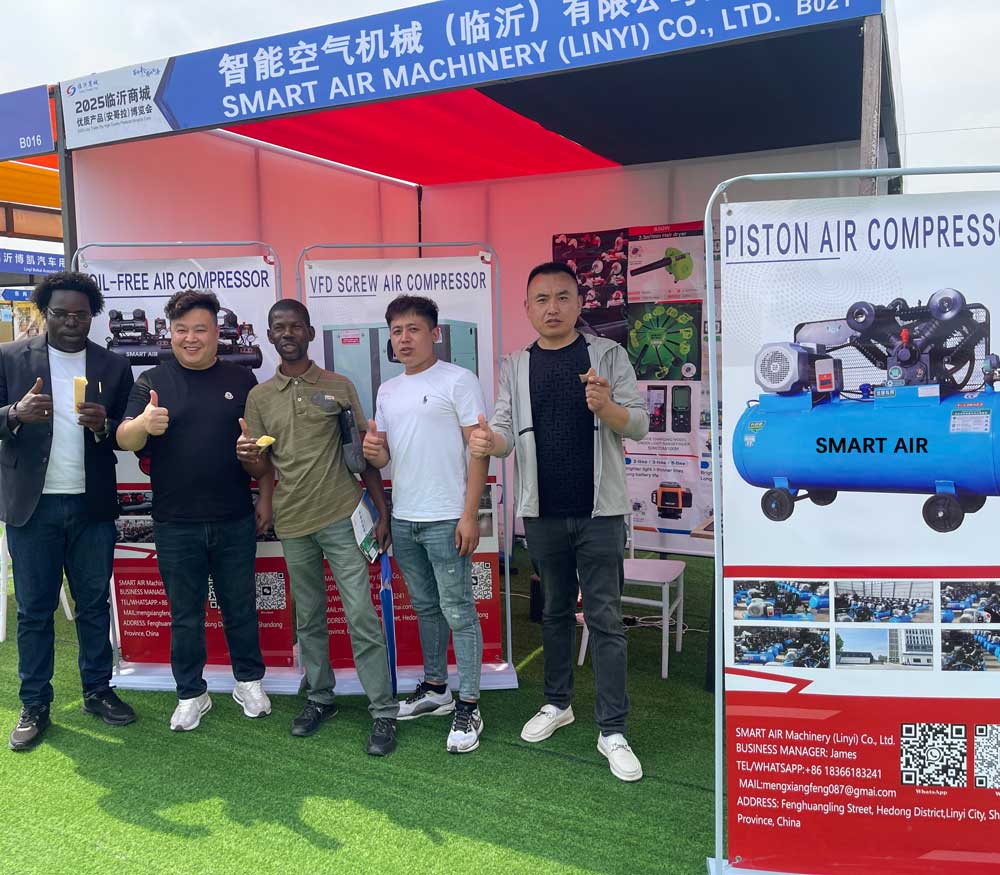
Since its establishment, the company has received numerous honors and built a strong presence in international trade exhibitions.
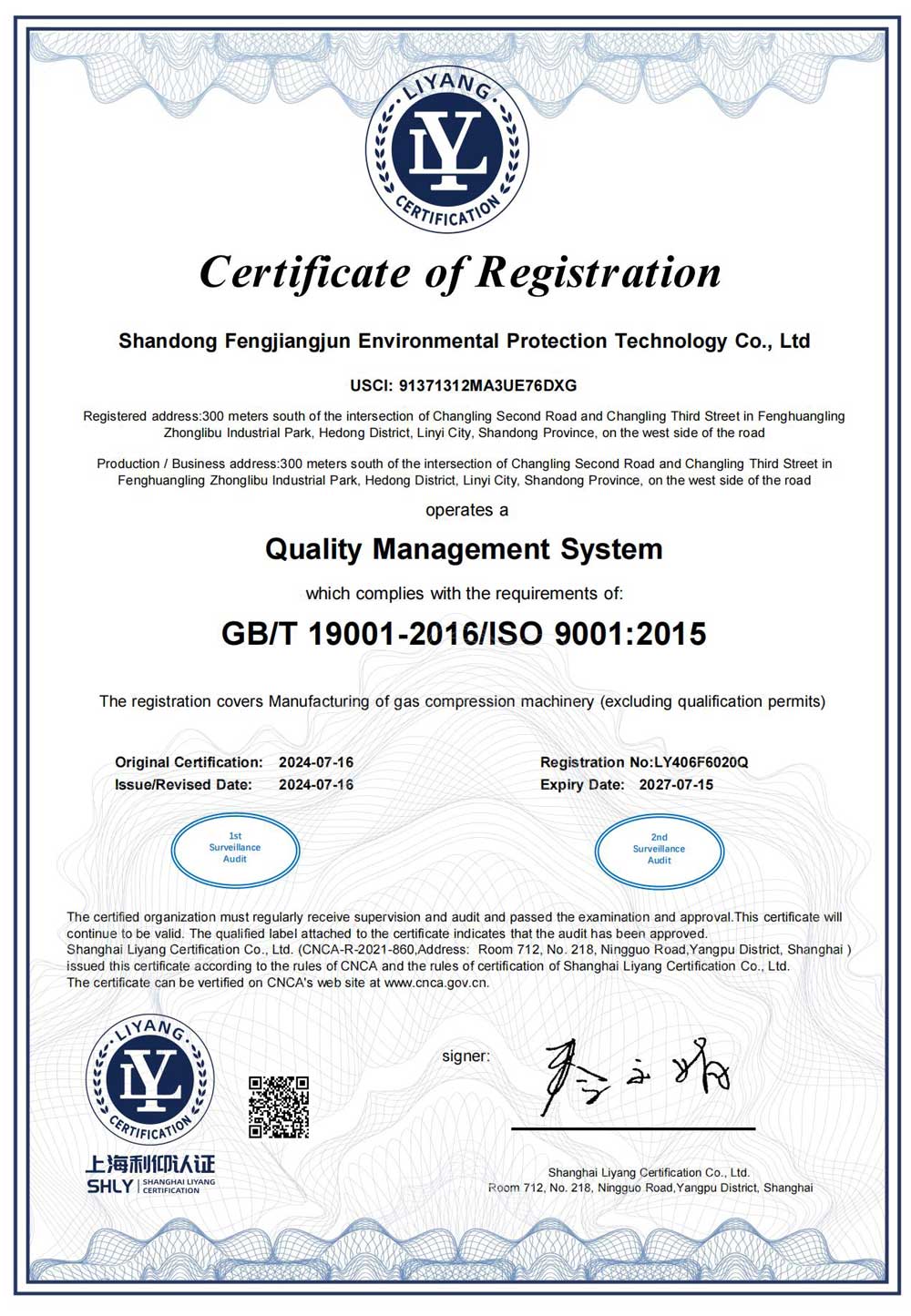
Our commitment to quality is backed by honors including "China Famous Brand," "China's Preferred Brand for Green and Environmentally Friendly Products," "Top Ten Foreign Trade Enterprises in the Mall," "High-Tech Enterprise," "3A Credit Enterprise," and "Civilized and Trustworthy Unit."
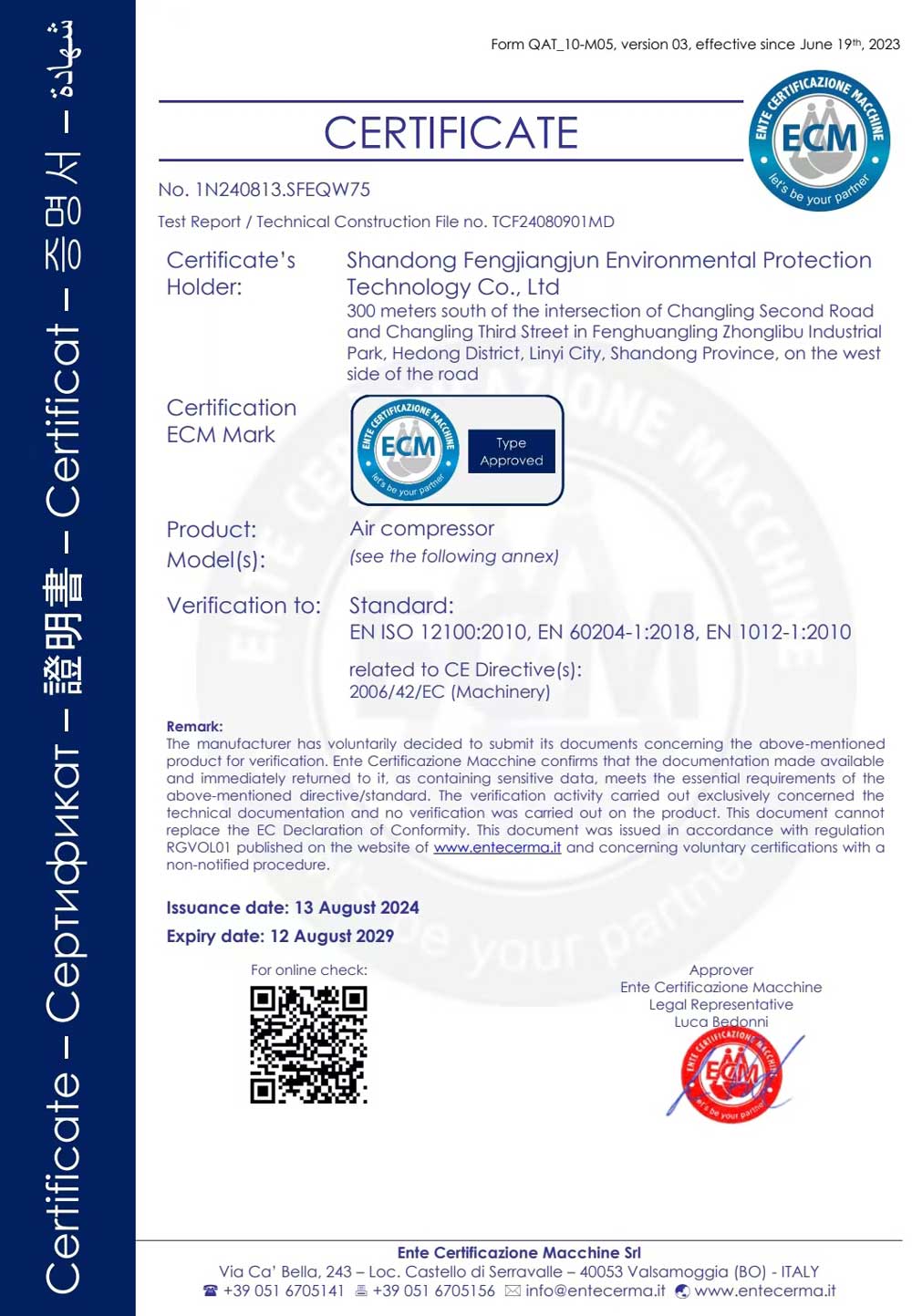
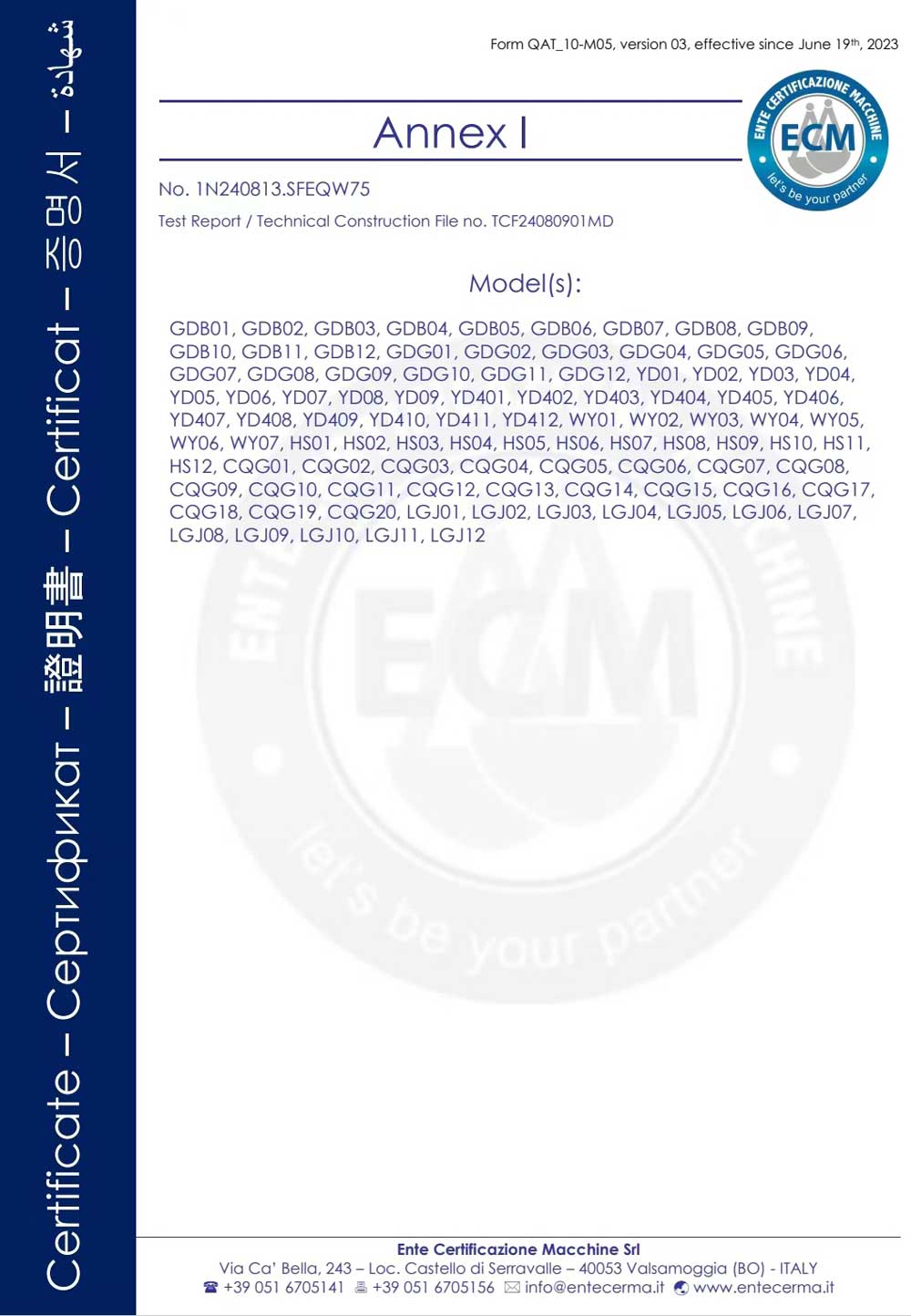
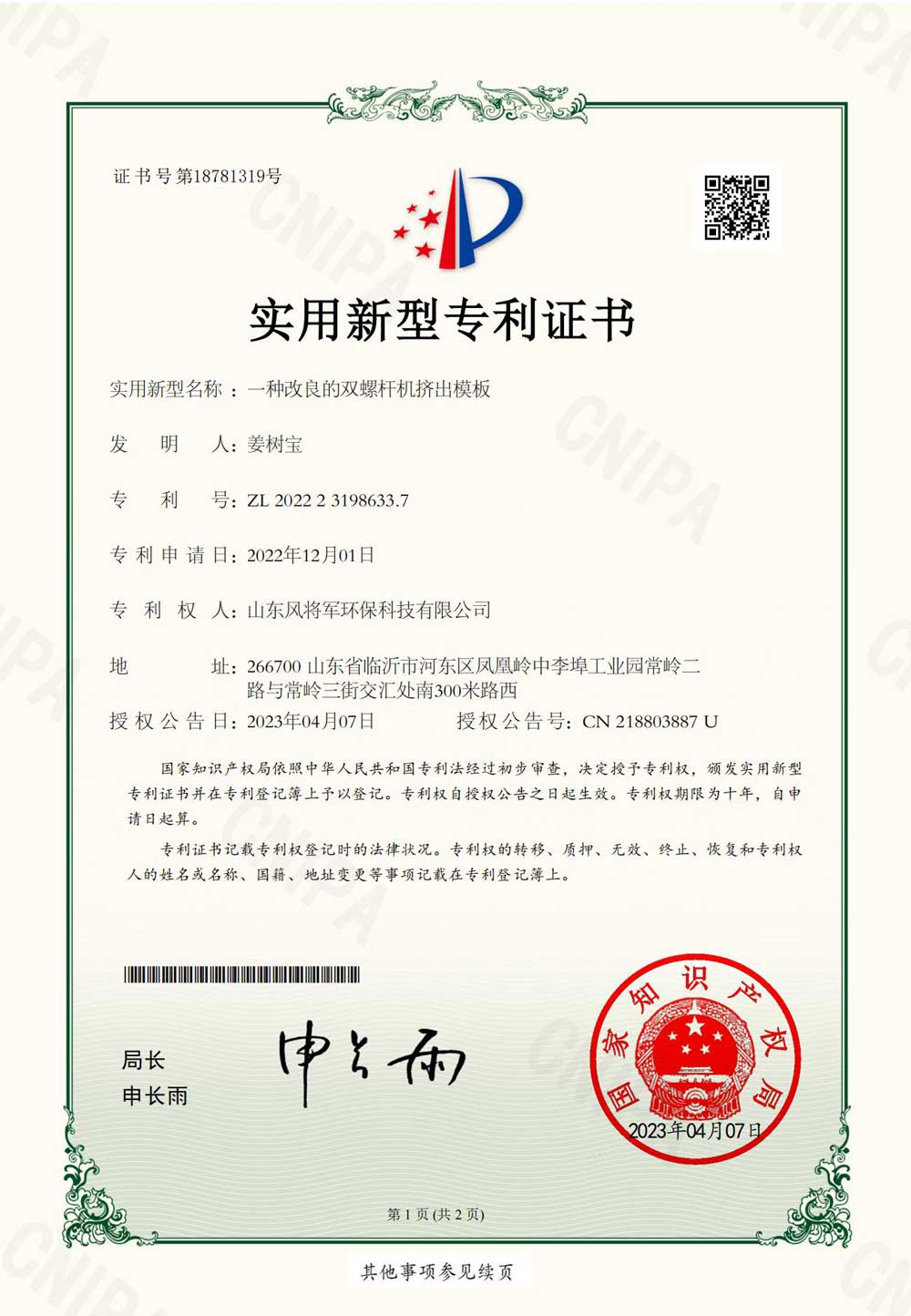
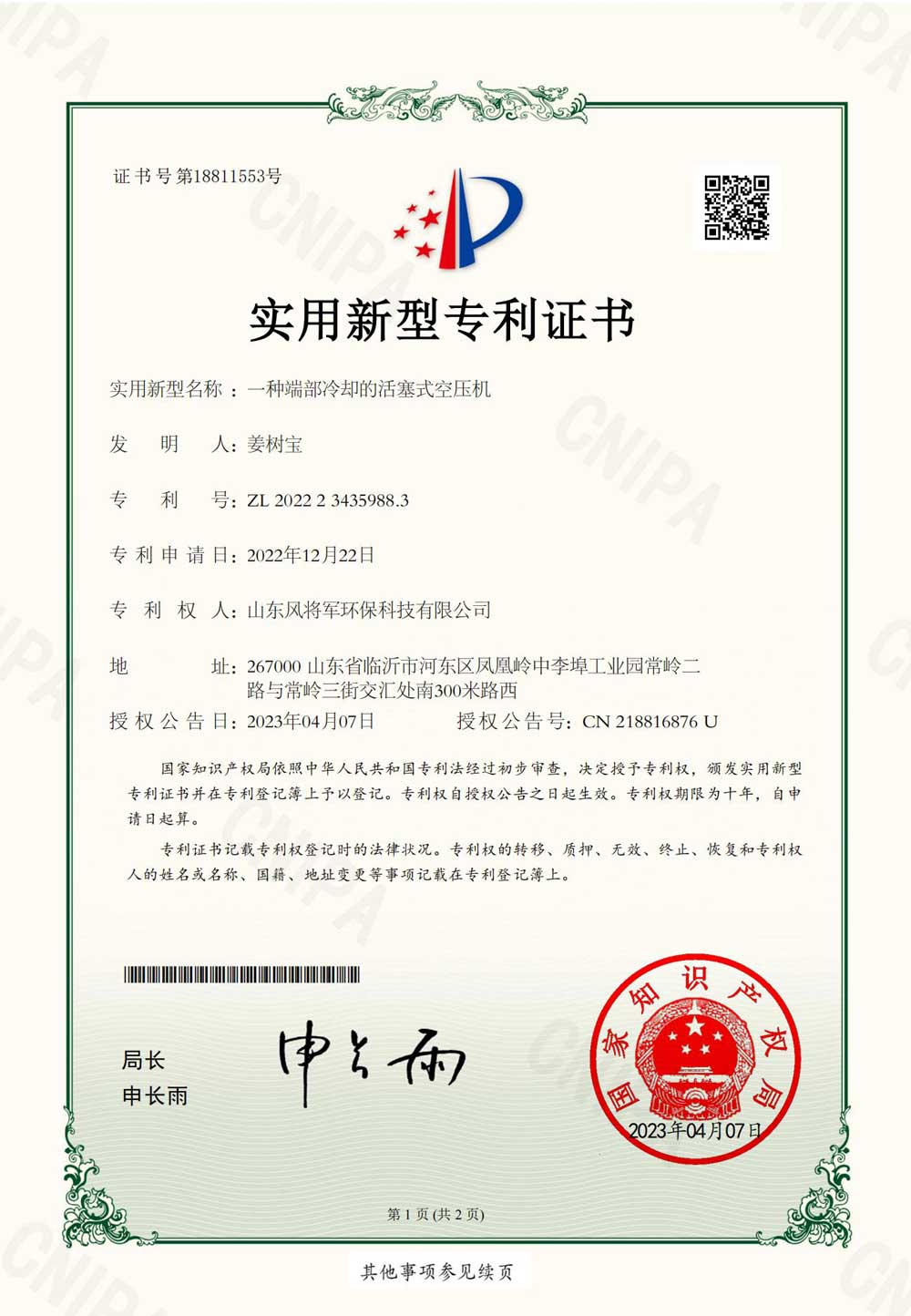
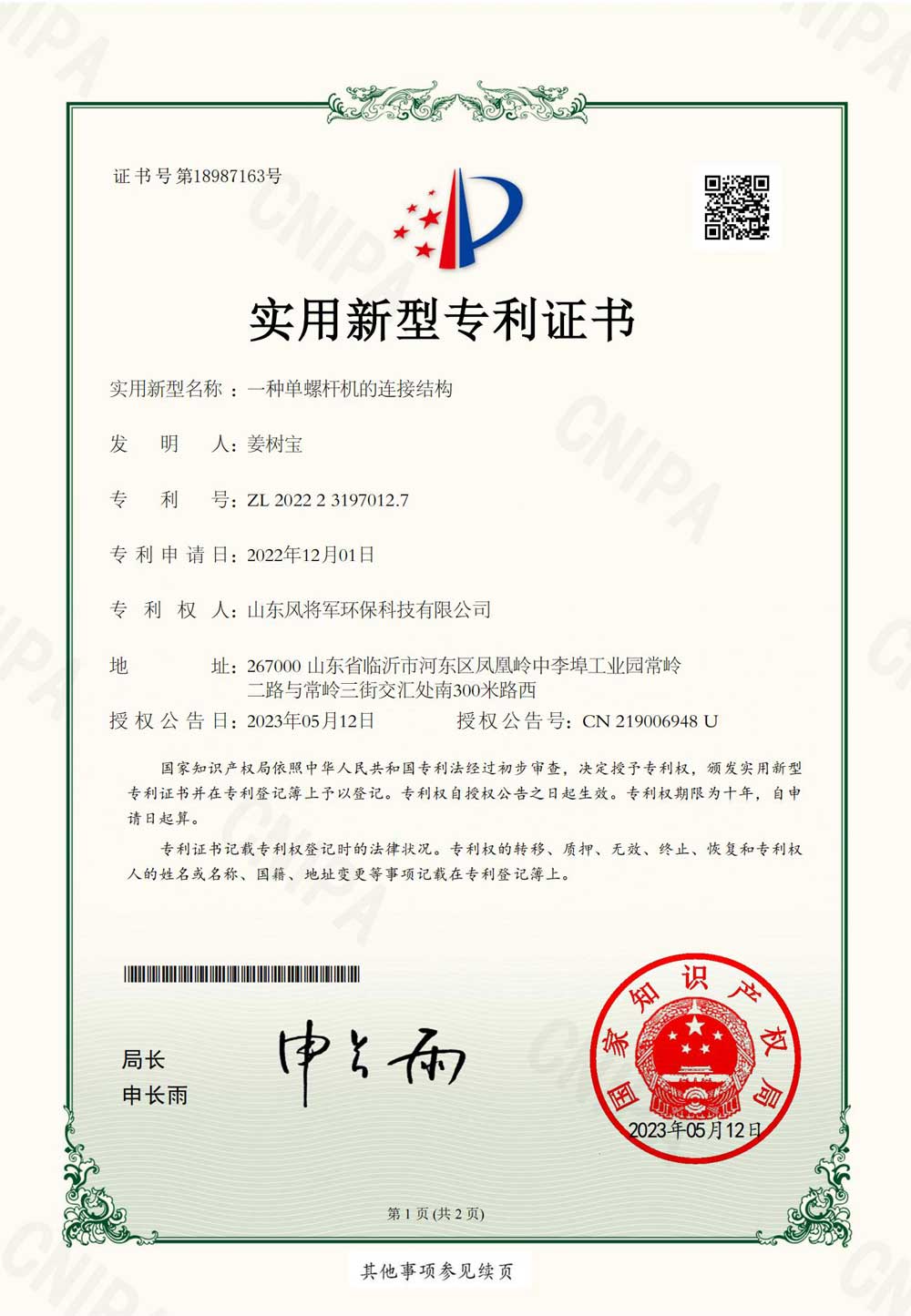
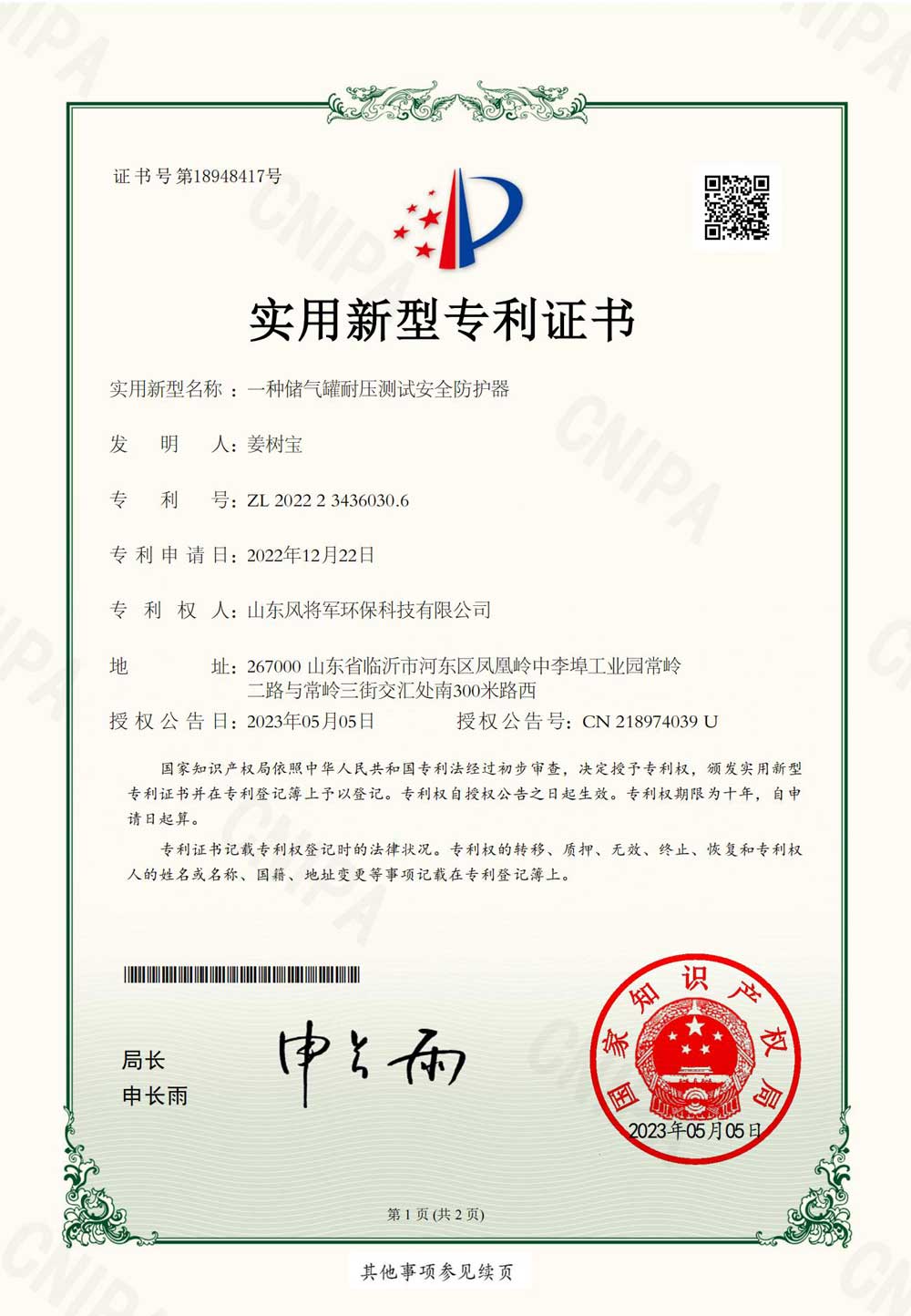
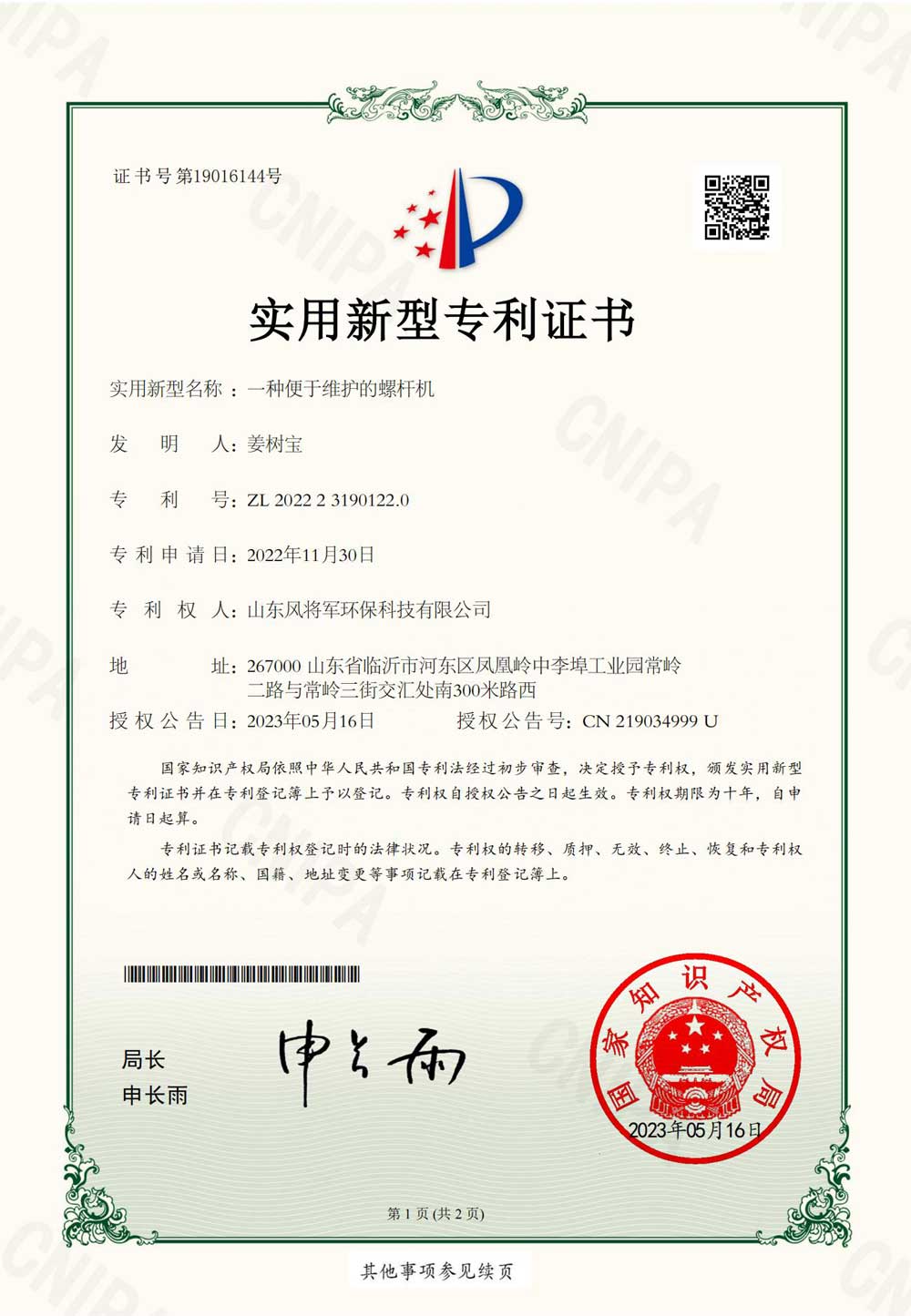
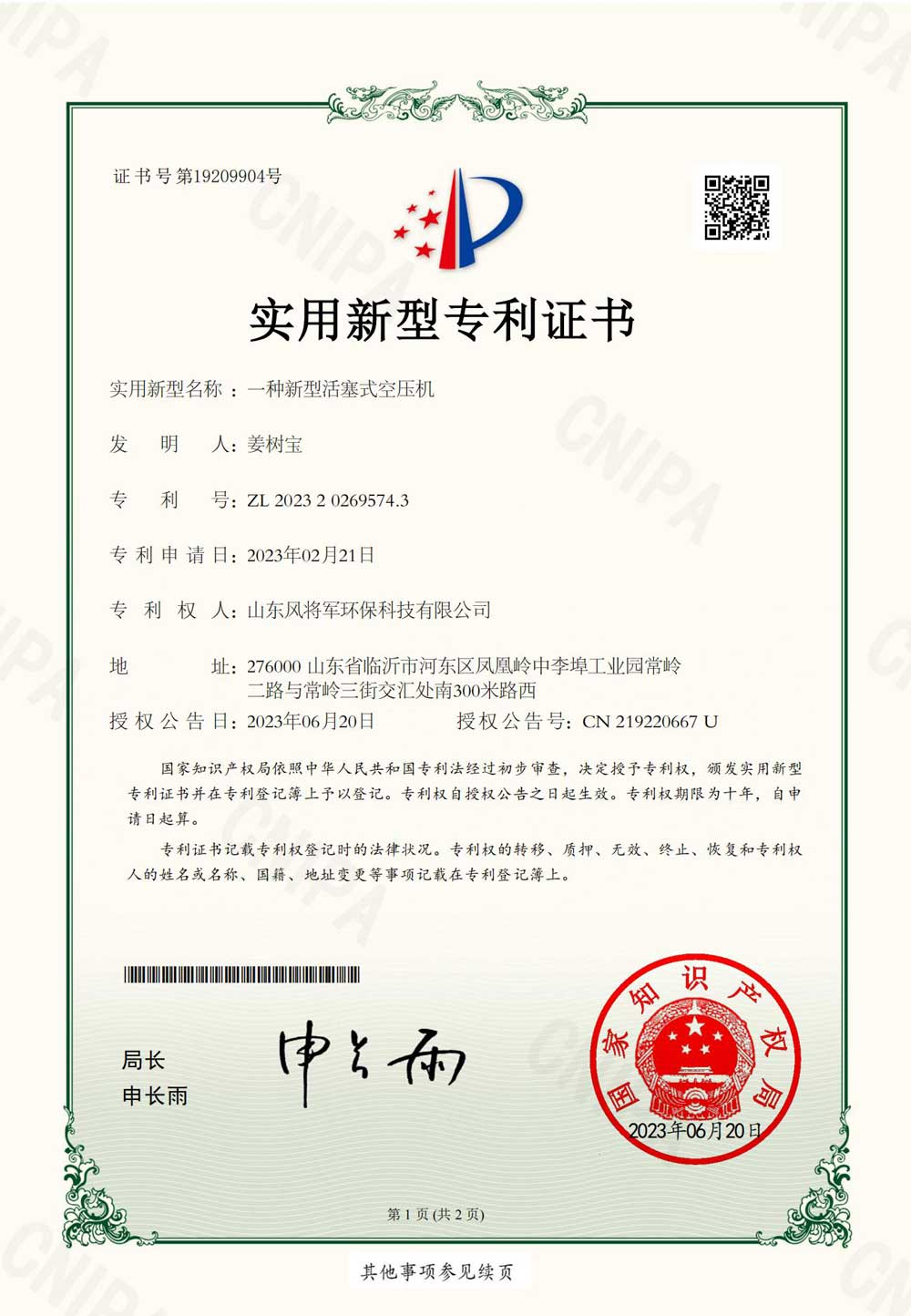
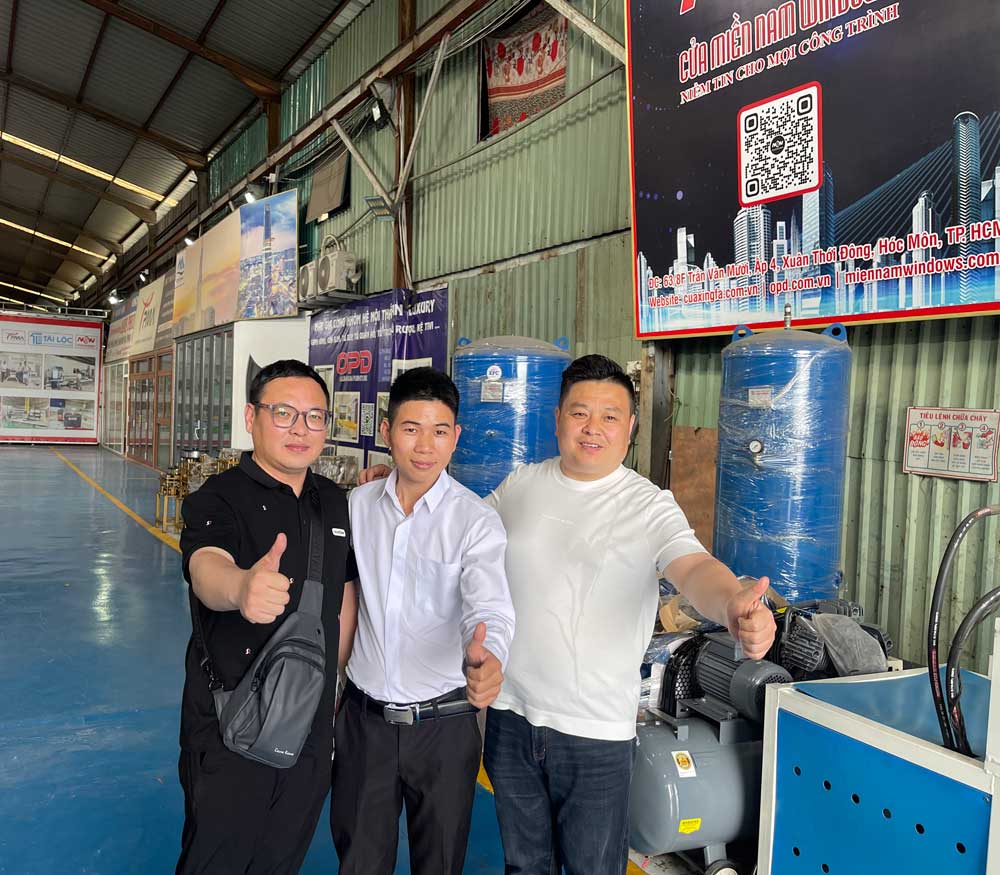
With a proven track record of successful collaborations in over 20 countries—including the USA, Canada, Colombia, Chile, Australia, New Zealand, Russia, Indonesia, Vietnam, Malaysia, India, Sri Lanka, Bangladesh, Pakistan, Dubai, Afghanistan, Israel, Syria, Kosovo, Tunisia, and Angola—we are committed to meeting the diverse needs of our clients. At Smart Air, we pride ourselves on delivering tailored solutions that adhere to the highest standards of quality and performance. Our customers consistently express their satisfaction with our products, praising their reliability and efficiency. Join the growing list of satisfied clients who trust Smart Air for their air compression needs. Experience excellence with us today!

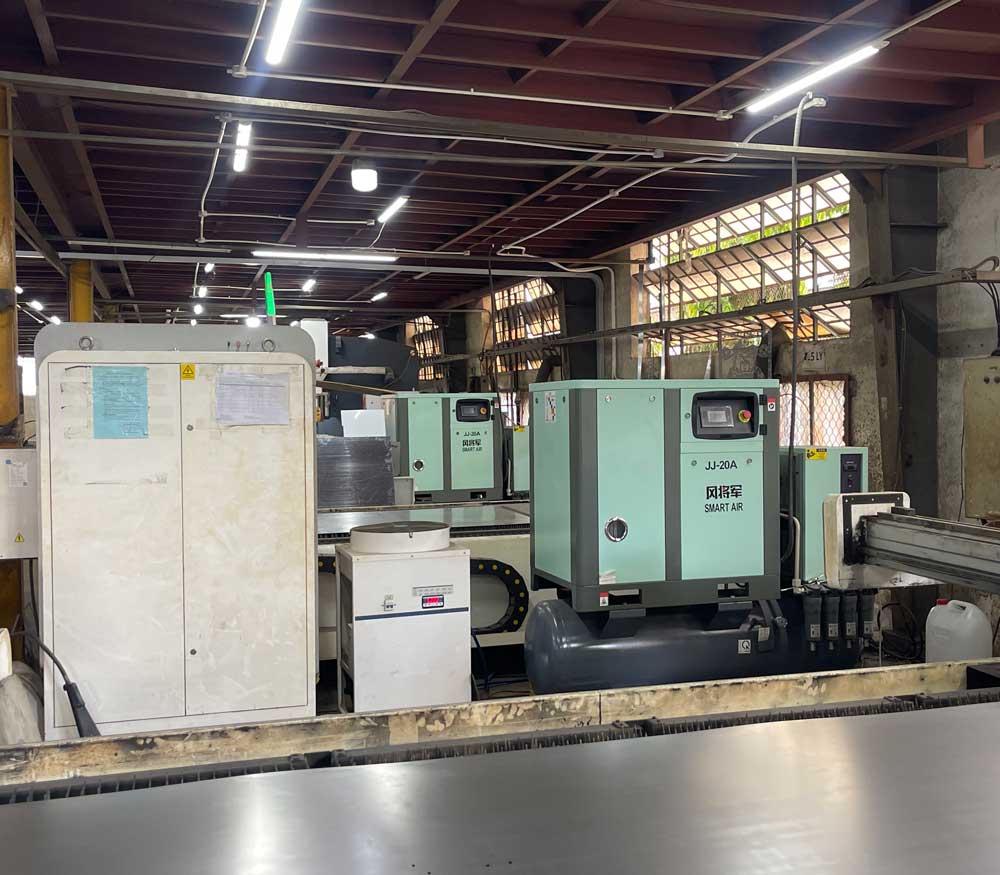
Optimizing the integration of dryers and filters to ensure energy efficiency, dynamic flow balance, and compliance with strict dew point requirements.
Developing an optimized compressed air purification chain requires a clear understanding of aerodynamic filtration mechanics. When wet air exits a screw air compressor, it first enters the Air Receiver Tank (which acts as a primary separation device and thermal buffer). Next, the air must pass through a combination of coalescing filters and adsorption/refrigeration dryers. High-performance filtration uses three main physics mechanisms: inertial impaction (for particles larger than 1 micron), direct interception (for 0.1 to 1 micron particles), and Brownian diffusion (for sub-micron particles down to 0.01 microns).
Our current technology roadmap integrates IoT sensor arrays within the compressor after-treatment cycle. Real-time differential pressure (DP) transponders monitor the load on each filter element. If pressure drop increases beyond a pre-set threshold (typically 0.35 bar), the control system notifies operators to replace the element. This prevents energy loss, since every additional 0.1 bar of pressure drop across dirty filter elements increases total compressor energy usage by roughly 1%.
Explore how different industries deploy specialized compressor and filter dryer systems to maintain process integrity.
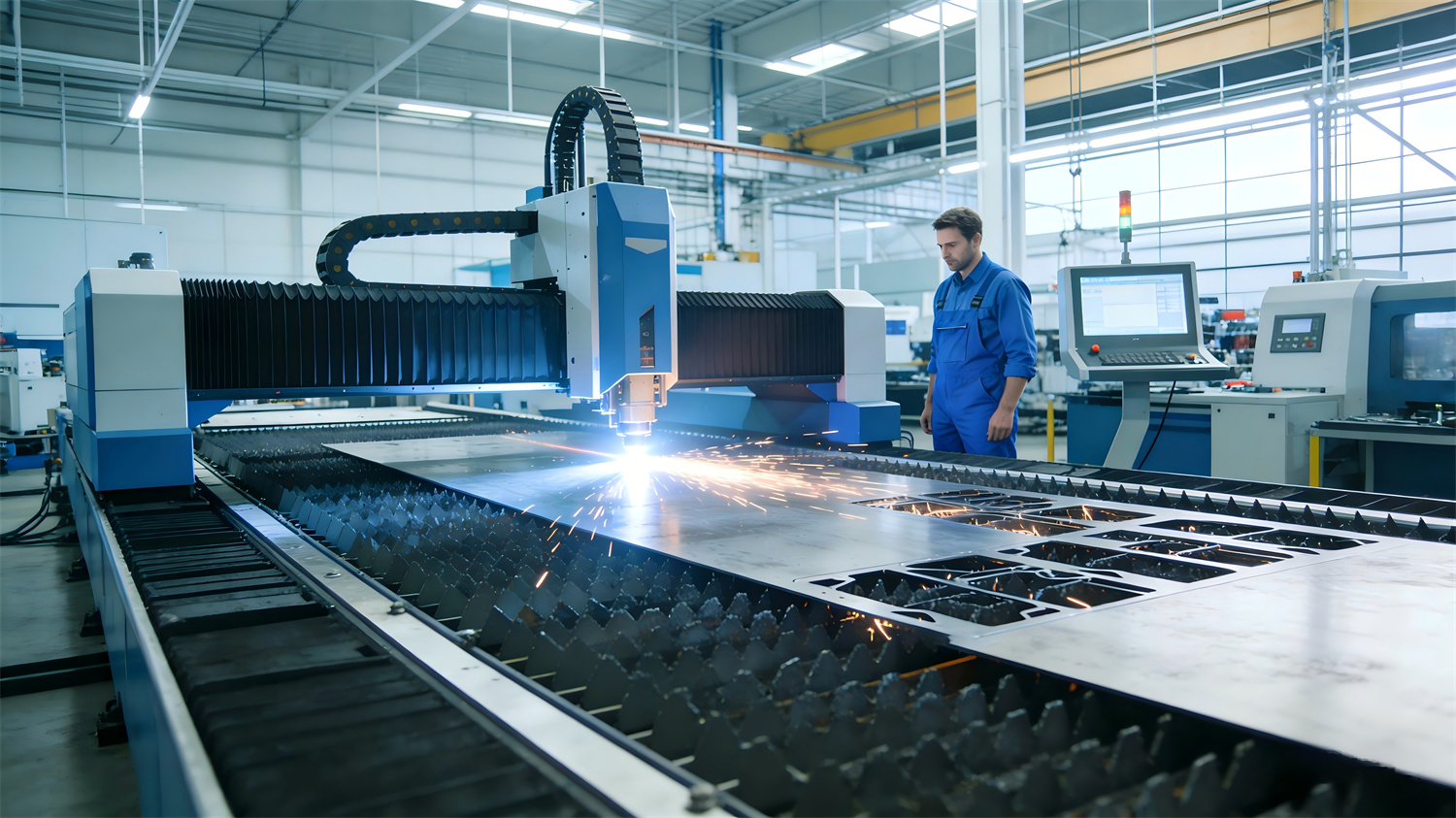
Provides high-pressure, clean and stable compressed air. It blows away molten slag and debris in time to ensure smooth cutting surfaces and high precision, avoiding cutting defects. Suitable for cutting metal and non-metal, energy-saving and oil-free models prevent air pollution, protect laser heads, and extend equipment service life.
Learn More →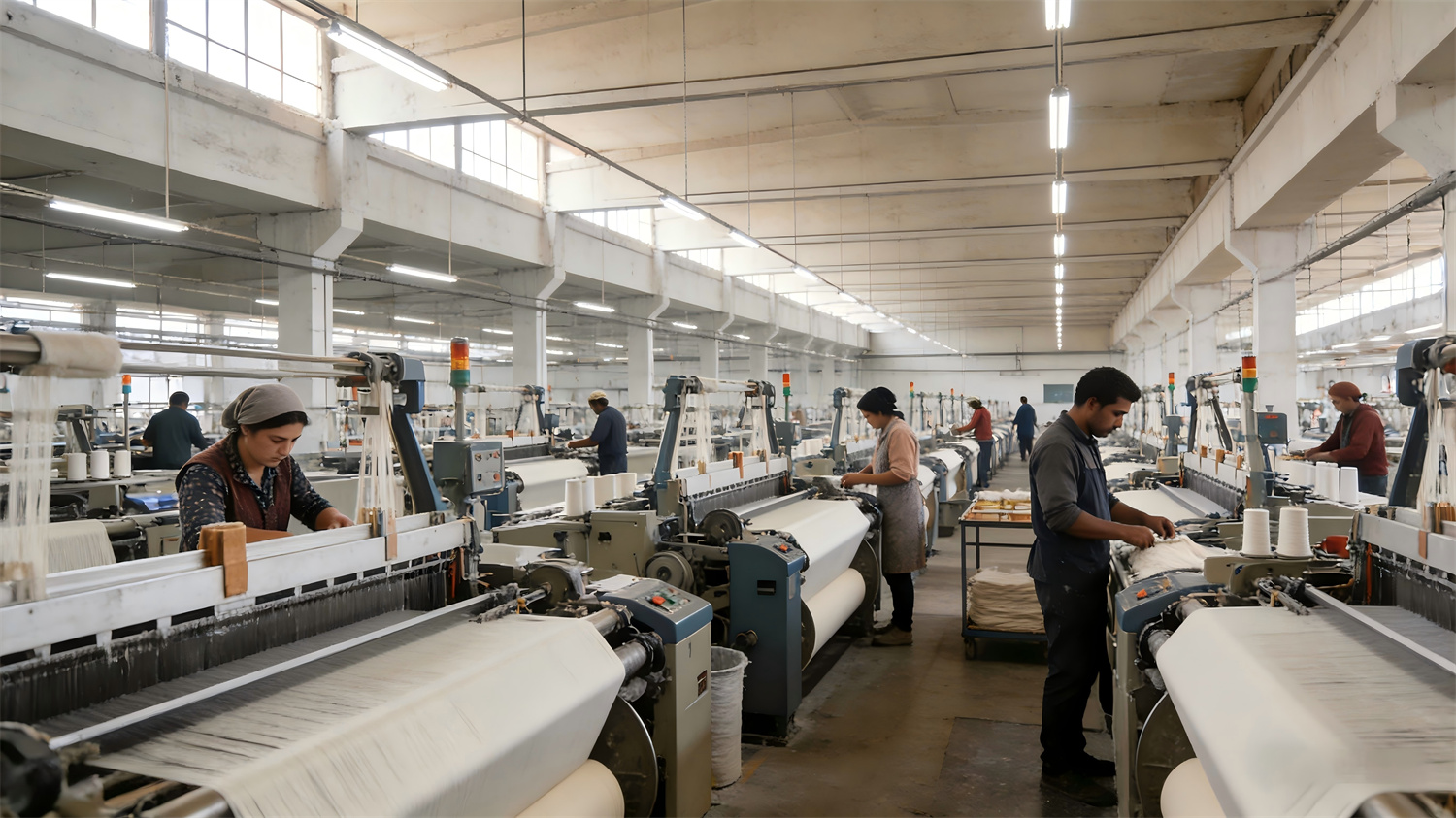
Provides stable, clean and appropriate-pressure compressed air for the entire production process. Powers weaving machines, spinning frames, and other equipment to ensure smooth operation, improving yarn and fabric quality. Energy-saving and oil-free models avoid yarn and fabric pollution and reduce equipment wear.
Learn More →
Powers pneumatic tools on assembly lines, ensures precise processing of auto parts, and supports braking, suspension, and air conditioning systems. Dry, oil-free air is critical for automotive spray-painting lines to prevent surface blistering and paint defects.
Learn More →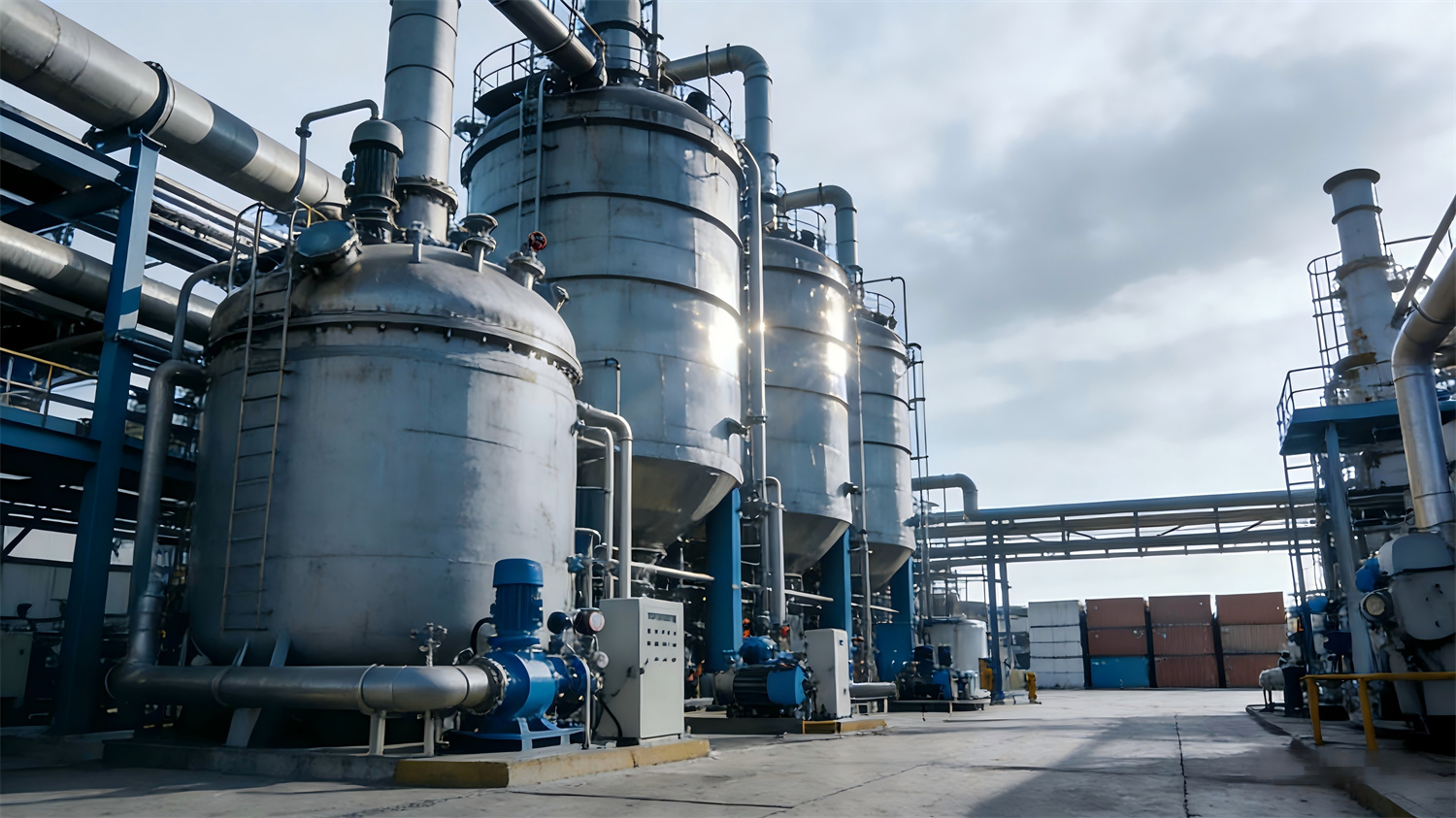
Provides pressure for chemical reactions, emissions control, and transport of bulk chemicals. The complex nature of chemical processing requires explosion-proof compressor installations, corrosion-resistant drying towers, and multi-stage particulate filtration.
Learn More →
Powers pneumatic tools including jackhammers, nail guns, concrete sprayers, and air drills. Mobile compressors with integrated heavy-duty water separators prevent freezing and internal tool corrosion on-site, even in humid or freezing winter environments.
Learn More →
Delivers clean compressed air to blow water stains, dust, and debris out of door seams, window tracks, and air vents. Reliable pre-filtration prevents trace oil or particulate damage on premium automotive paintwork and glass coatings.
Learn More →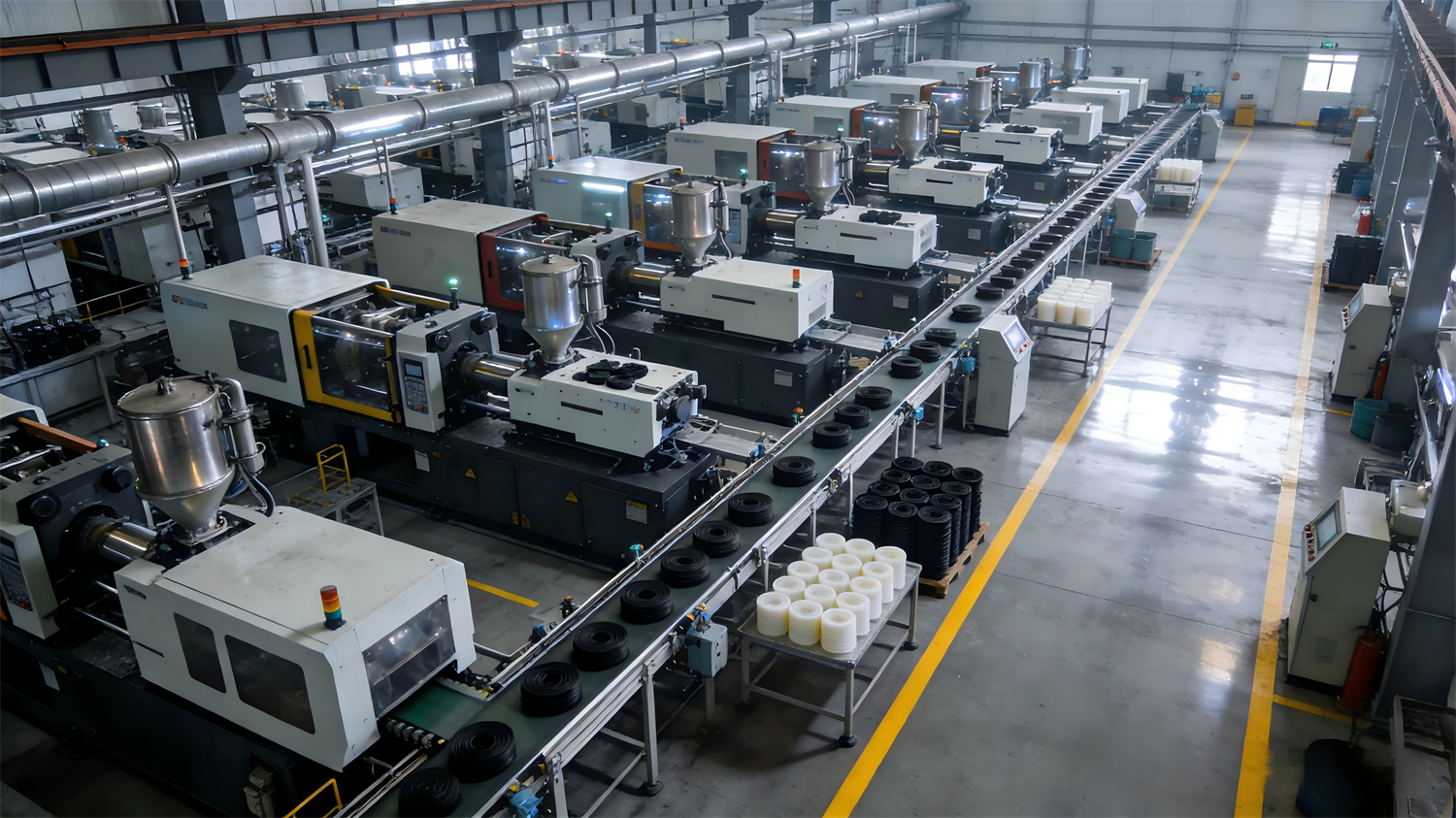
Provides the motive power for blow molding, injection molding, and vacuum forming. Constant pressure dew points are essential in mold-cooling and extrusion processes to prevent moisture from causing surface bubbles and product defects.
Learn More →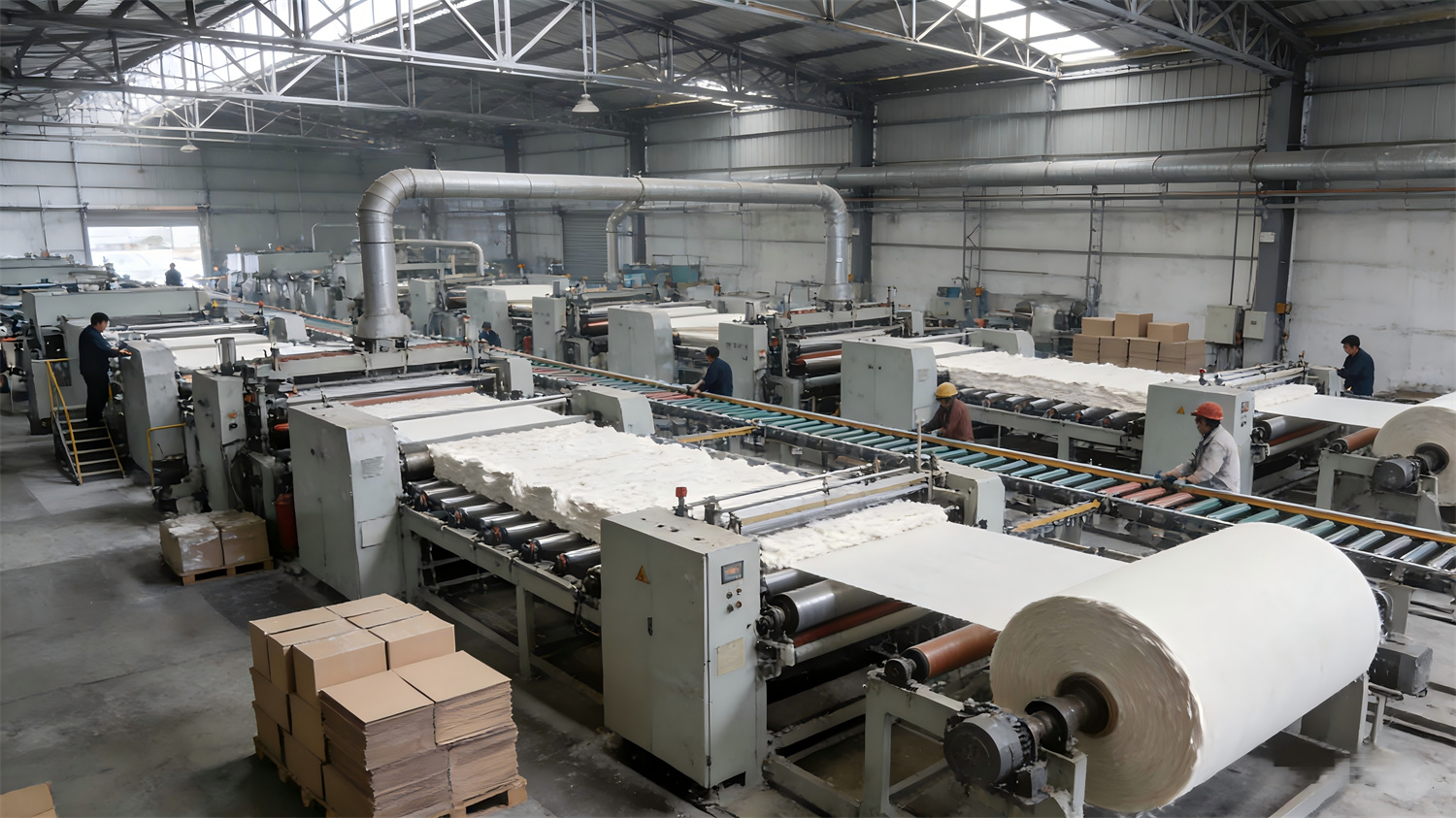
Powers pulp beaters, paper machine rollers, and drying systems, ensuring uniform pulp mixing and smooth paper formation. Clean air prevents paper discoloration, and energy-efficient designs cut energy costs during continuous, high-volume production.
Learn More →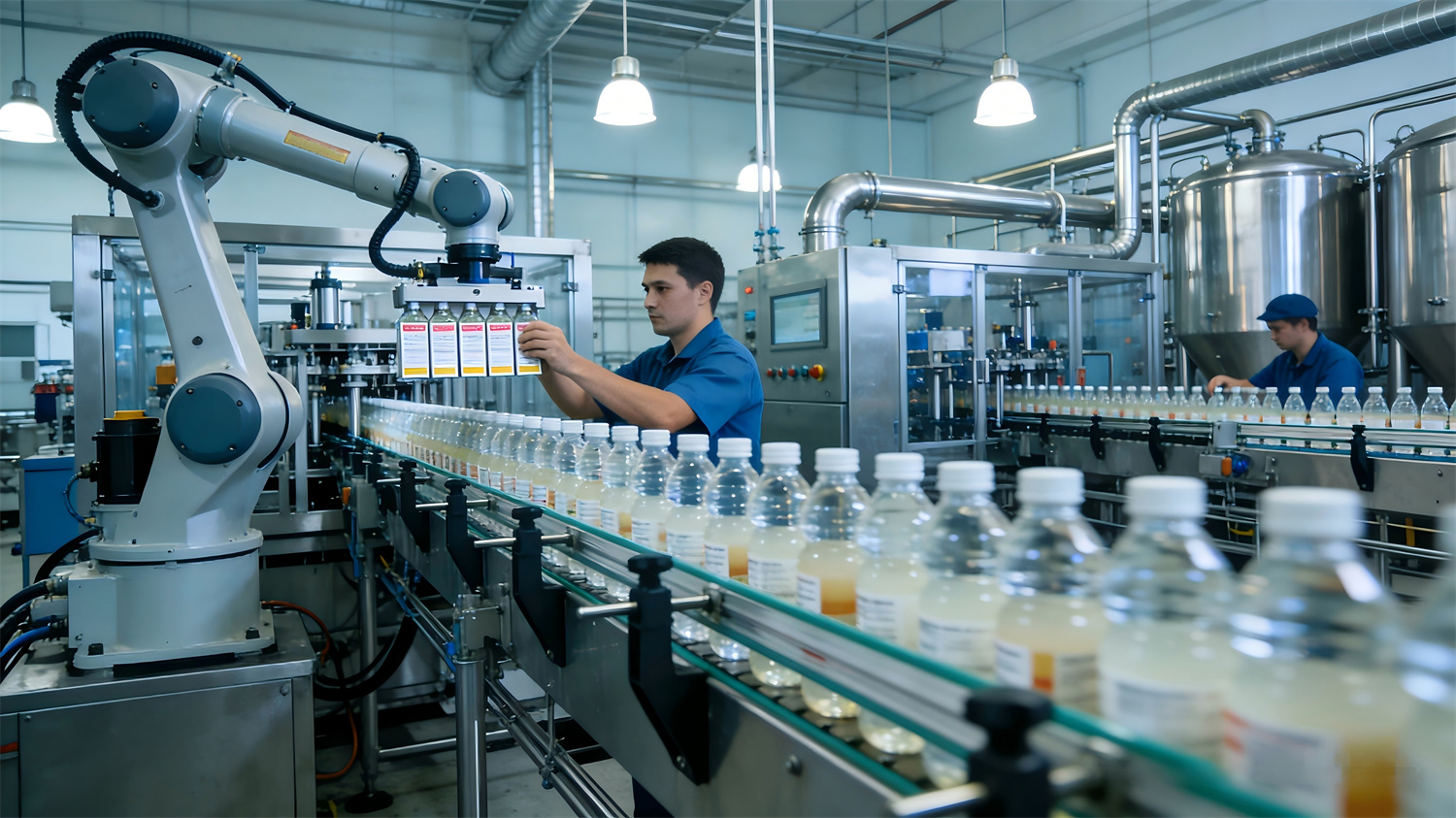
Provides oil-free, sterile, and stable compressed air meeting strict food safety standards. Powers raw material pneumatic conveying, product drying, filling, and packaging. Clean air eliminates risk of chemical carryover, preserving product freshness.
Learn More →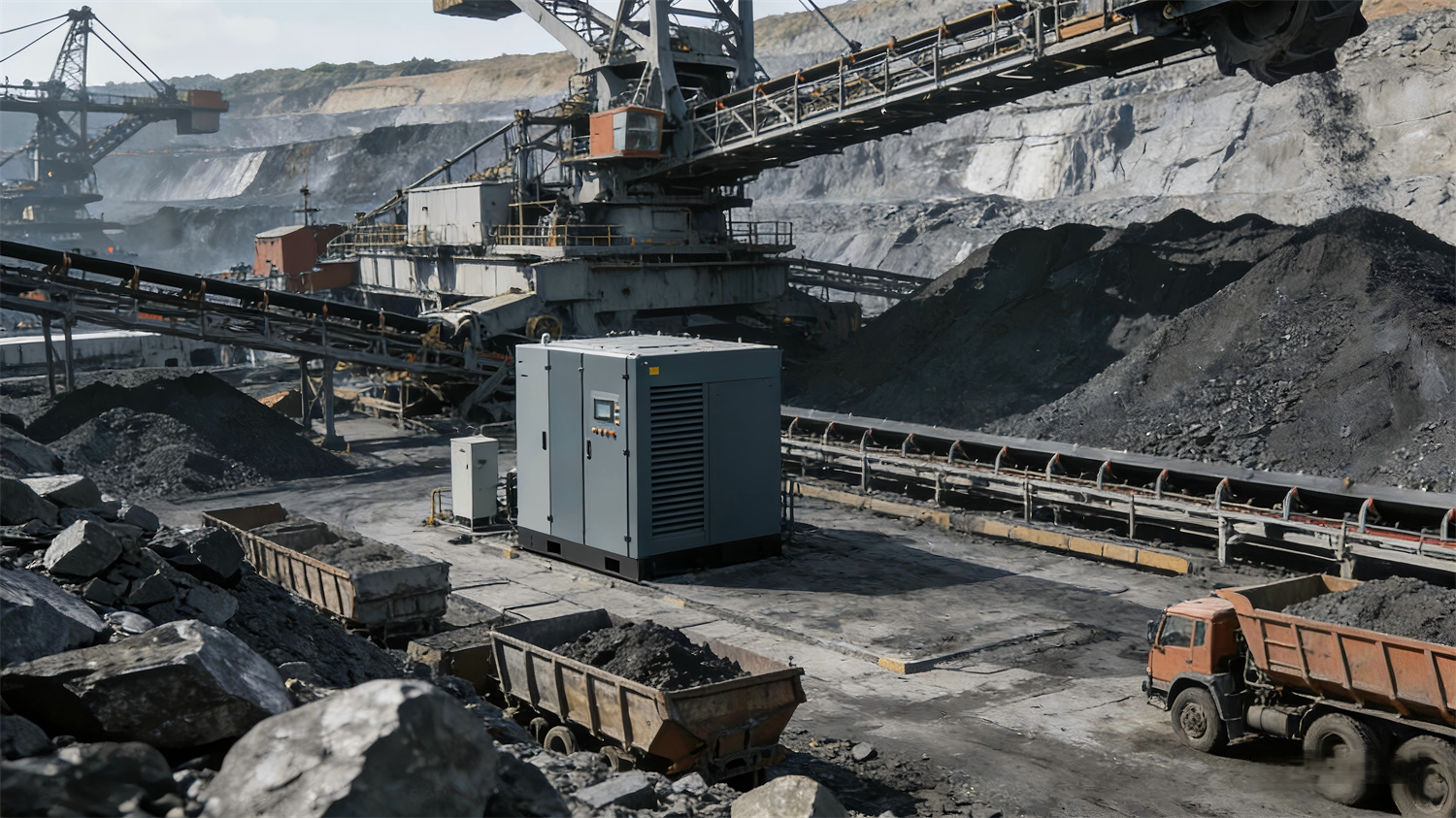
Powers rock drills, breaker hammers, and pneumatic excavators in deep-pit mining operations. Highly durable air treatment filters and dryers withstand harsh dust, high temperatures, and high humidity, protecting heavy machinery from premature wear.
Learn More →
Provides Class 0 oil-free, sterile compressed air fully complying with GMP standards. Supports active ingredient mixing, pill coating, powder transport, and sterile packaging. Multi-layer sterile filters remove 99.999% of bacteria and viruses.
Learn More →How Smart Air combines manufacturing efficiency in Linyi, China, with localized support to serve customers globally.
Our production facilities are situated in Linyi, China’s primary logistics hub, giving us distinct supply chain and shipping advantages. We maintain long-term partnerships with raw material suppliers, allowing us to source structural steel, copper windings, and advanced filter media at highly competitive rates. By combining vertical integration with localized assembly, we offer faster lead times for custom-designed configurations compared to traditional European or American equipment manufacturers.
For international buyers, logistics efficiency must be backed by regulatory compliance. Smart Air products are built to meet CE directives (for European markets), ASME code stamps (for pressure vessels in North American projects), and regional environmental regulations. Our export operations handle all customs processes, export documentation, and cargo tracking, ensuring your equipment arrives safely and on schedule at your facility.
To support global customers, we partner with regional air-treatment distributors and service teams in over 20 countries. We provide a full inventory of replacement filter elements, desiccant cartridges, and spare parts. This localized support ensures that if a filter differential pressure rises or a dryer valve requires maintenance, your team can resolve it quickly, minimizing downstream downtime.
Get answers to common technical questions about air compressor filter dryers, filtration grades, and system maintenance.
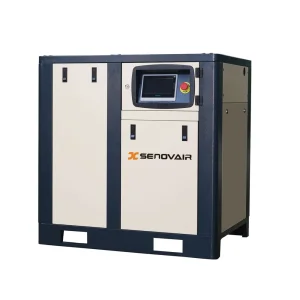
Complete your facility setup with our line of fixed-speed, oil-lubricated, and compact integrated screw air compressors.
 Smart Air