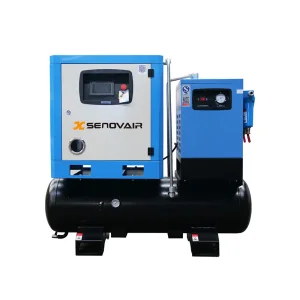
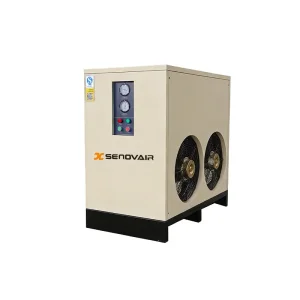
Industrial-grade air processing hardware direct from our Linyi production base.
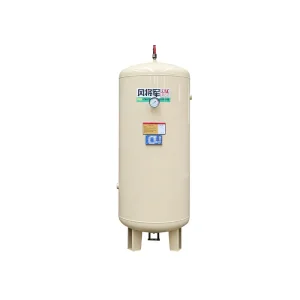
Understanding micro-filtration dynamics, pressure drop prevention, and the physics of oil mist recovery.
In rotary screw and oil-lubricated piston compressors, oil acts as a critical sealing, cooling, and lubricating medium. However, during the compression cycle, this oil gets sheared into a fine mist of gaseous and liquid particles, varying from sub-micron aerosols to larger droplets. The compressor oil separator element is the definitive boundary component tasked with segregating this lubricants mist from the compressed air stream before it enters the air network. A failure or drop in efficiency within this component directly leads to oil carryover, fouled downstream piping, ruined pneumatic machinery, and increased operating costs.
An optimized separator element achieves a residual oil carryover rate of less than 2 to 3 ppm (parts per million). Concurrently, it must maintain a low initial differential pressure (typically ≤ 0.15 to 0.2 bar). A high differential pressure forces the compressor motor to work harder; in fact, for every 0.1 bar of excess pressure drop across a clogged separator, the entire compressor system suffers approximately a 1% loss in electrical efficiency. Consequently, selecting a custom oil separator built with premium media is not merely a maintenance decision—it is a direct contributor to energy preservation.
A continuous journey of innovation and engineering excellence since 2005.
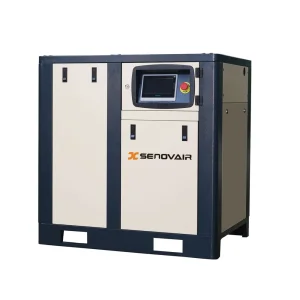
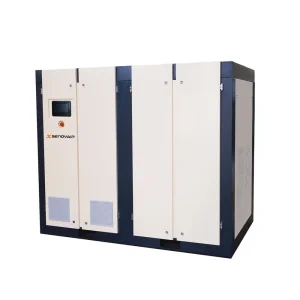
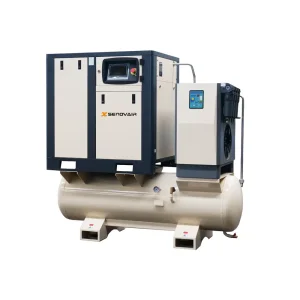
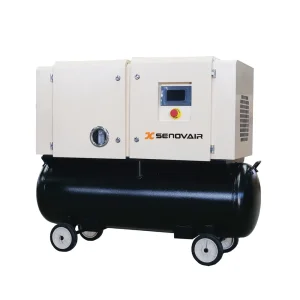
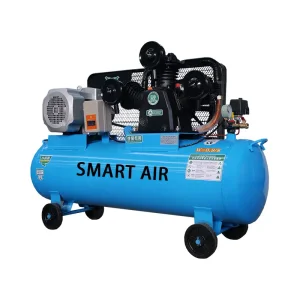
Established in 2005, Smart Air Machinery (Linyi) Co., Ltd. is a diversified manufacturing enterprise integrating research and development, custom production, and global export. Located in Linyi—famed as the logistics capital of China—our company employs over two hundred highly skilled specialists. We specialize in producing robust screw air compressors, high-efficiency piston air compressors, certified air storage tanks, and critical aftermarket spare parts such as oil separators, air filters, and oil filters.
Through two decades of diligent research, we have built a manufacturing plant equipped with state-of-the-art testing systems. Our specialized laboratories evaluate separator elements under real dynamic conditions to guarantee pressure integrity, thermal resilience, and optimal oil-flow rate compliance.
Four pillars of manufacturing discipline that separate our elements from standard aftermarket alternatives.
Located in Linyi, China's central logistics hub, we leverage rich manufacturing experience, strong technical capabilities, a dedicated engineering R&D division, and extensive raw material supply lines.
Our separator elements are recognized for their structural integrity, strict choice of German/US glass fiber media, anti-static safety grounding, and high temperature compatibility up to 120°C.
Smart Air is committed to positioning itself as a reliable OEM partner. We strictly apply standard manufacturing controls, prioritize field performance, and expand our design portfolio to match leading compressor brands.
We execute the belief that "Quality creates reputation, reputation builds the brand, and the brand drives the market." Each separator element is pressure-sealed and conductivity tested to eliminate fire hazards.
How Linyi's industrial ecosystem allows us to deliver high-specification separator elements cost-effectively.
The global compressed air market requires spare parts that combine longevity with cost efficiency. Manufacturing in our Linyi factory provides distinct benefits that directly translate into savings and reliability for our export clients:
Deploying clean compressed air across key global manufacturing and processing sectors.
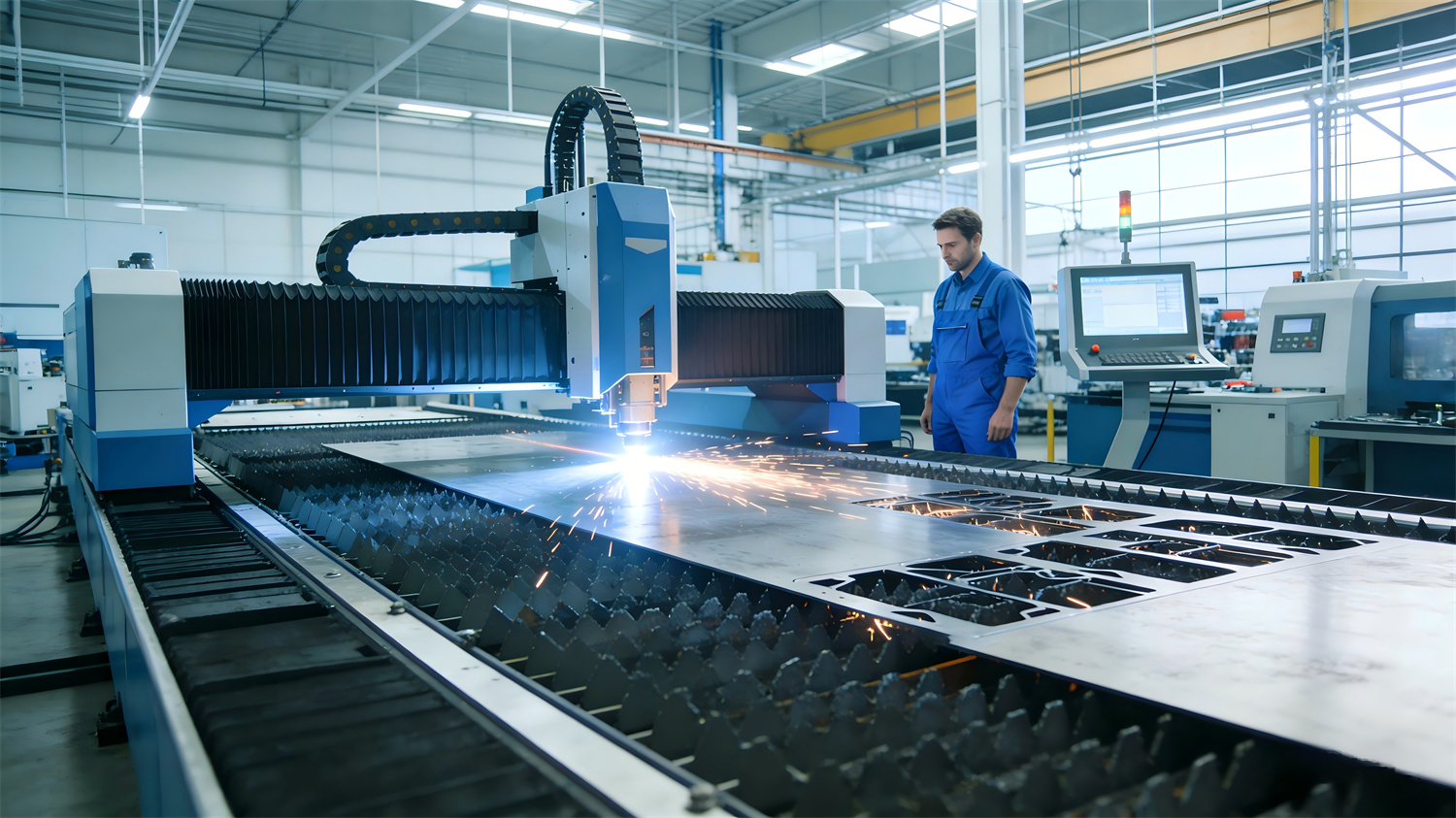
High-pressure, clean compressed air is crucial to blow away slag and protect sensitive laser lenses. Efficient oil separation prevents oil film contamination, extending optic lens service life.
Learn More →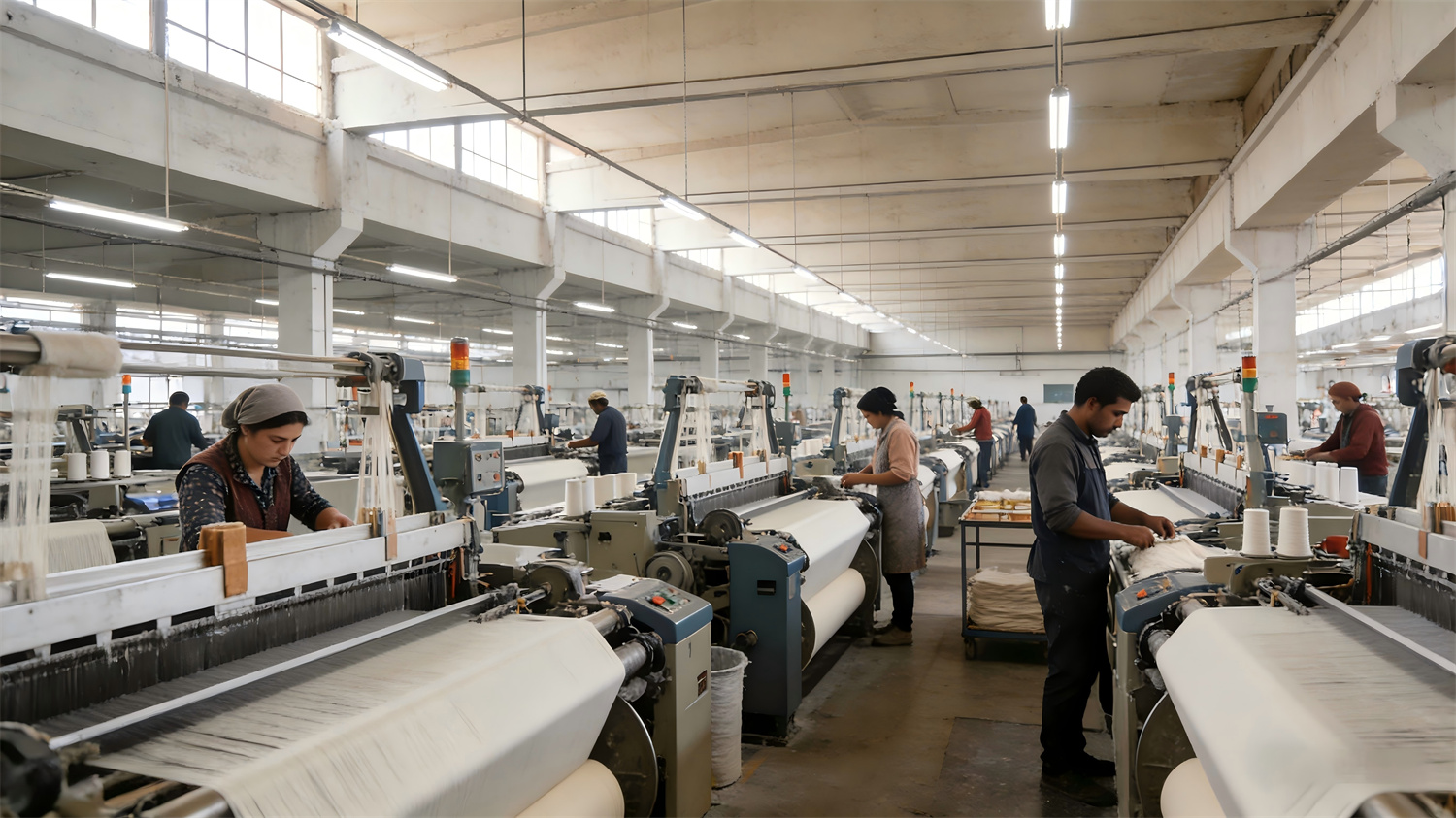
Air jet looms demand continuous dry, oil-free air to prevent fabric staining. High-performance separator elements ensure that the air driving the yarn contains no trace hydrocarbons.
Learn More →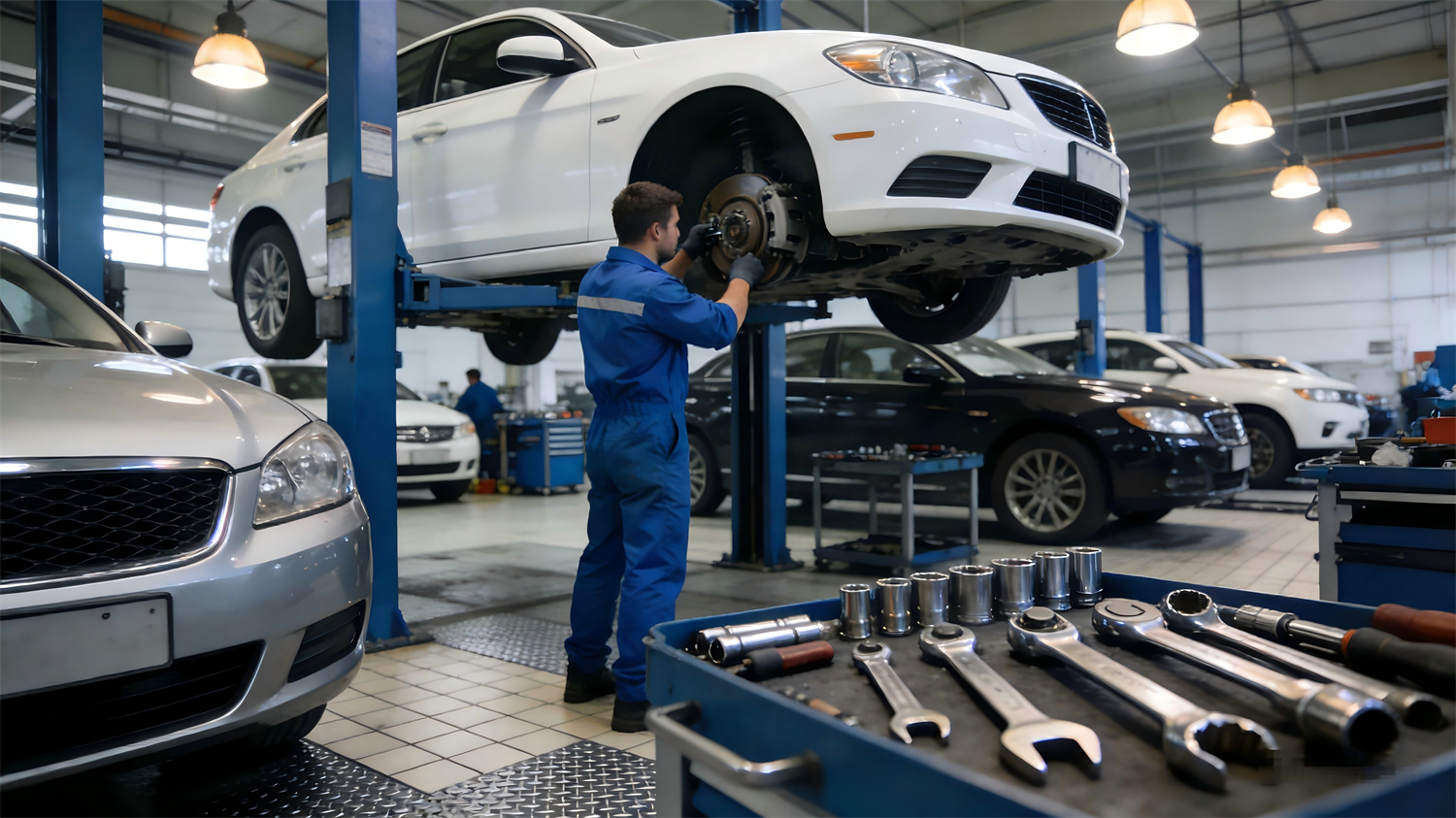
Pneumatic assembly tools and painting spray stations require zero-compromise air. Liquid oil carryover will cause surface finish defects like fish-eyes on paintwork.
Learn More →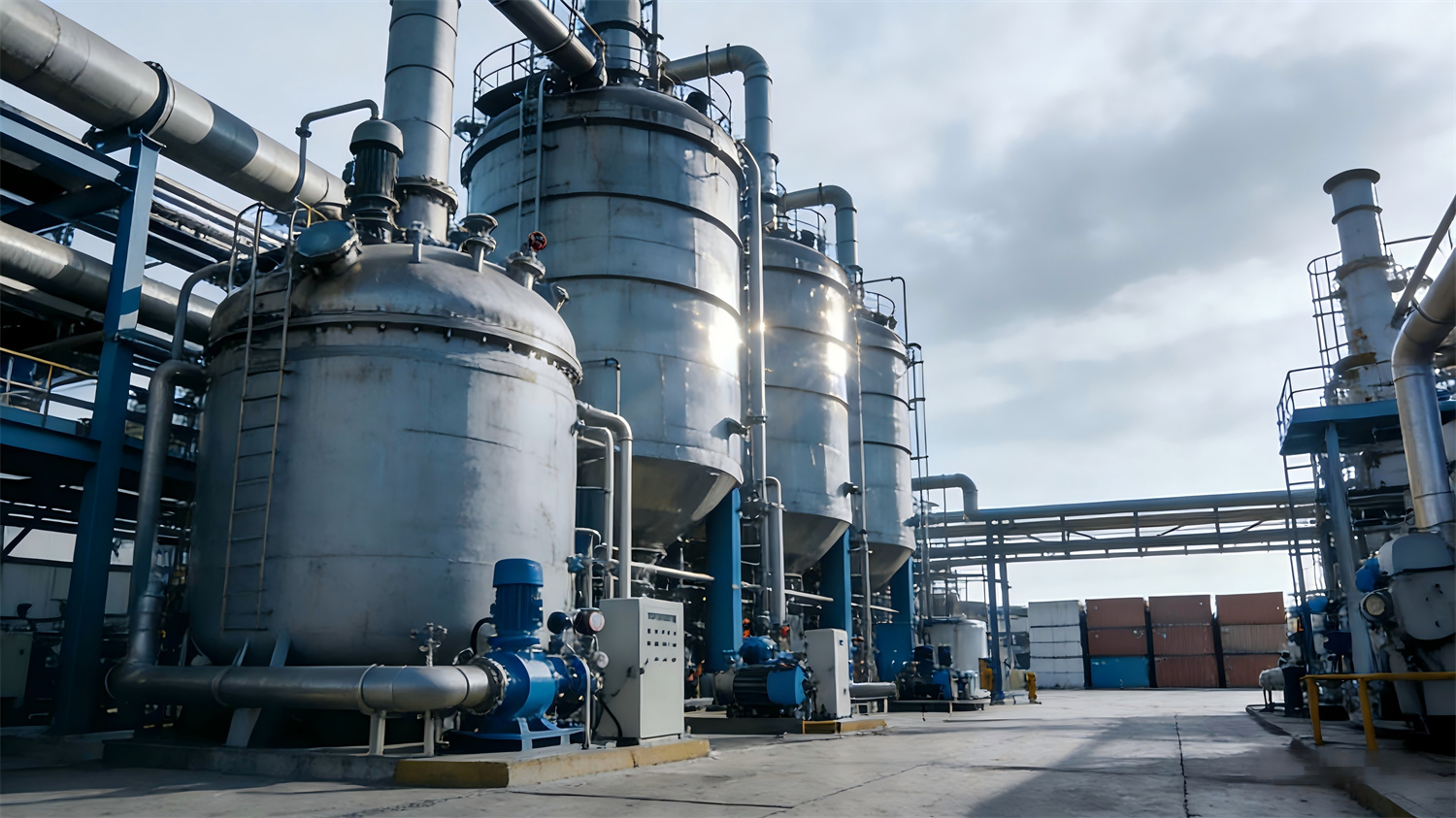
Controls, valve actuators, and reaction gases in chemical facilities must operate safely. High-grade filtration protects instrumentation from corrosive oil residues.
Learn More →
Powers heavy-duty pneumatic tools such as breakers and concrete sprayers. Resilient separator elements maintain performance under highly dust-prone site environments.
Learn More →
Provides pressure to spray water-cleaning agents and blow dry vehicles. Clean compressed air guarantees spot-free drying and protects auto finishes from oil streaks.
Learn More →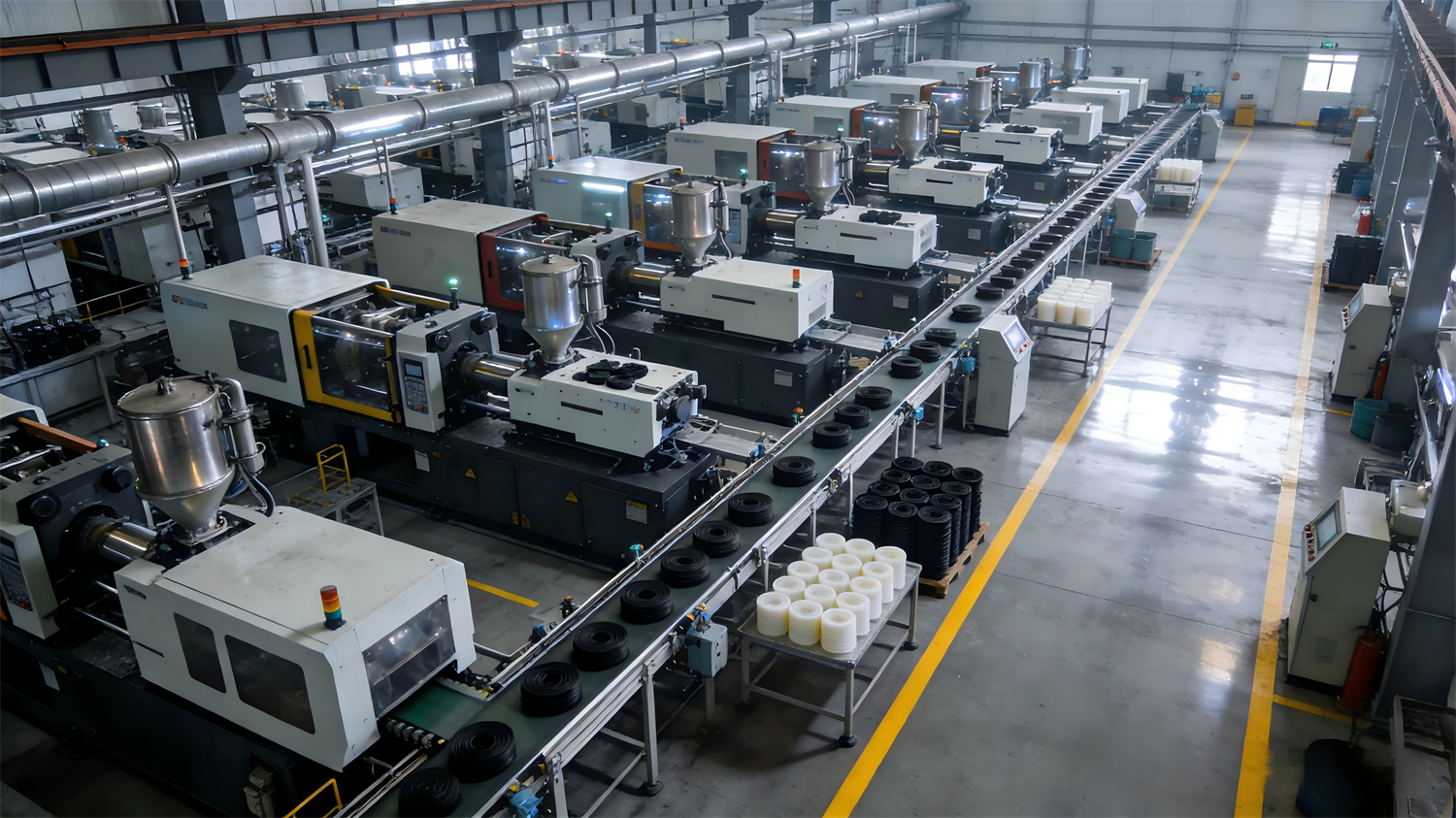
Essential for blowing, molding, and actuating components during plastic manufacturing. Pure air ensures smooth plastic surfaces and structurally sound molding.
Learn More →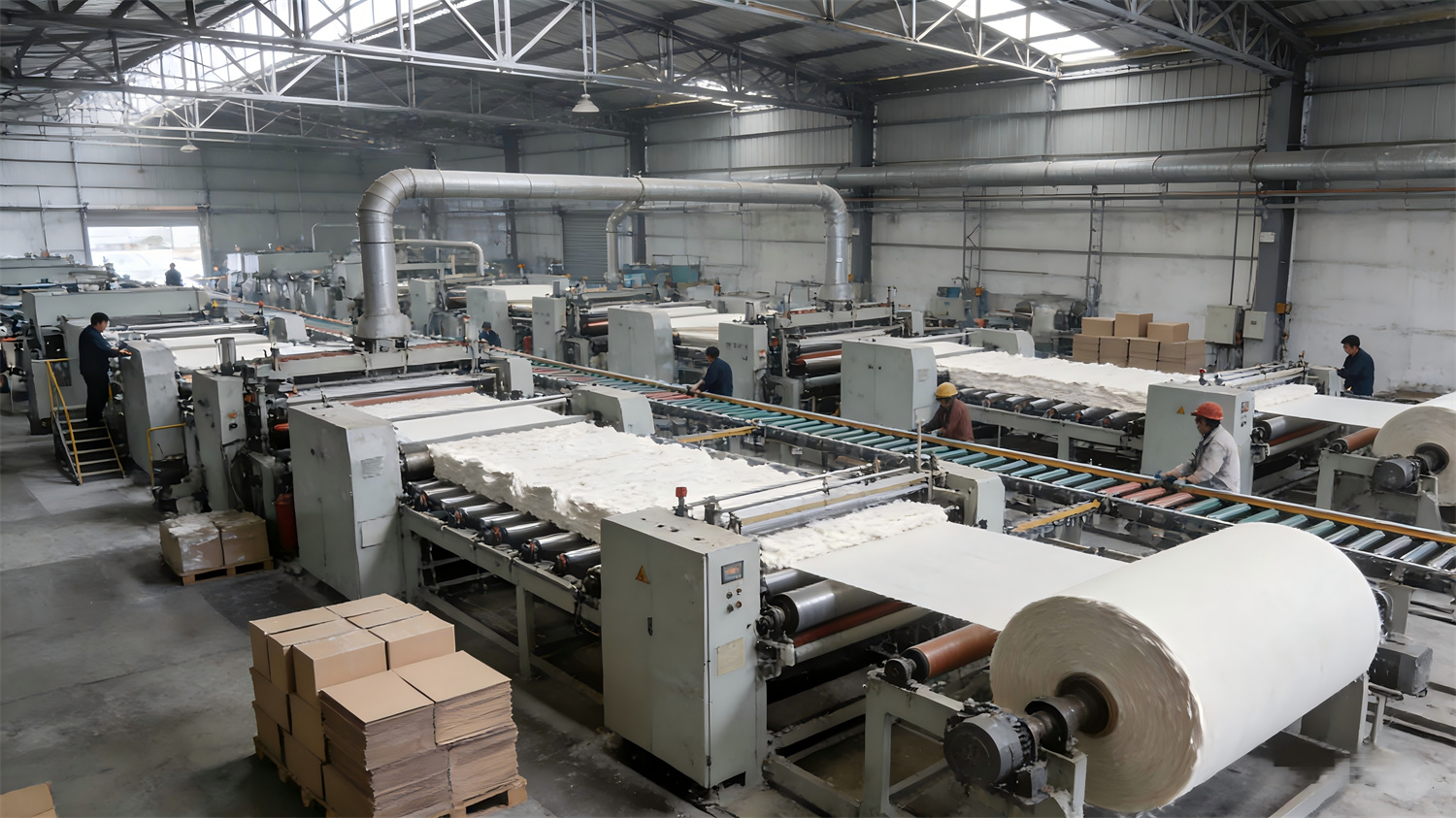
Powers pulp beaters, drying rollers, and control loops. Eliminates oil particles that could otherwise lead to structural paper weak spots or yellow blemishes.
Learn More →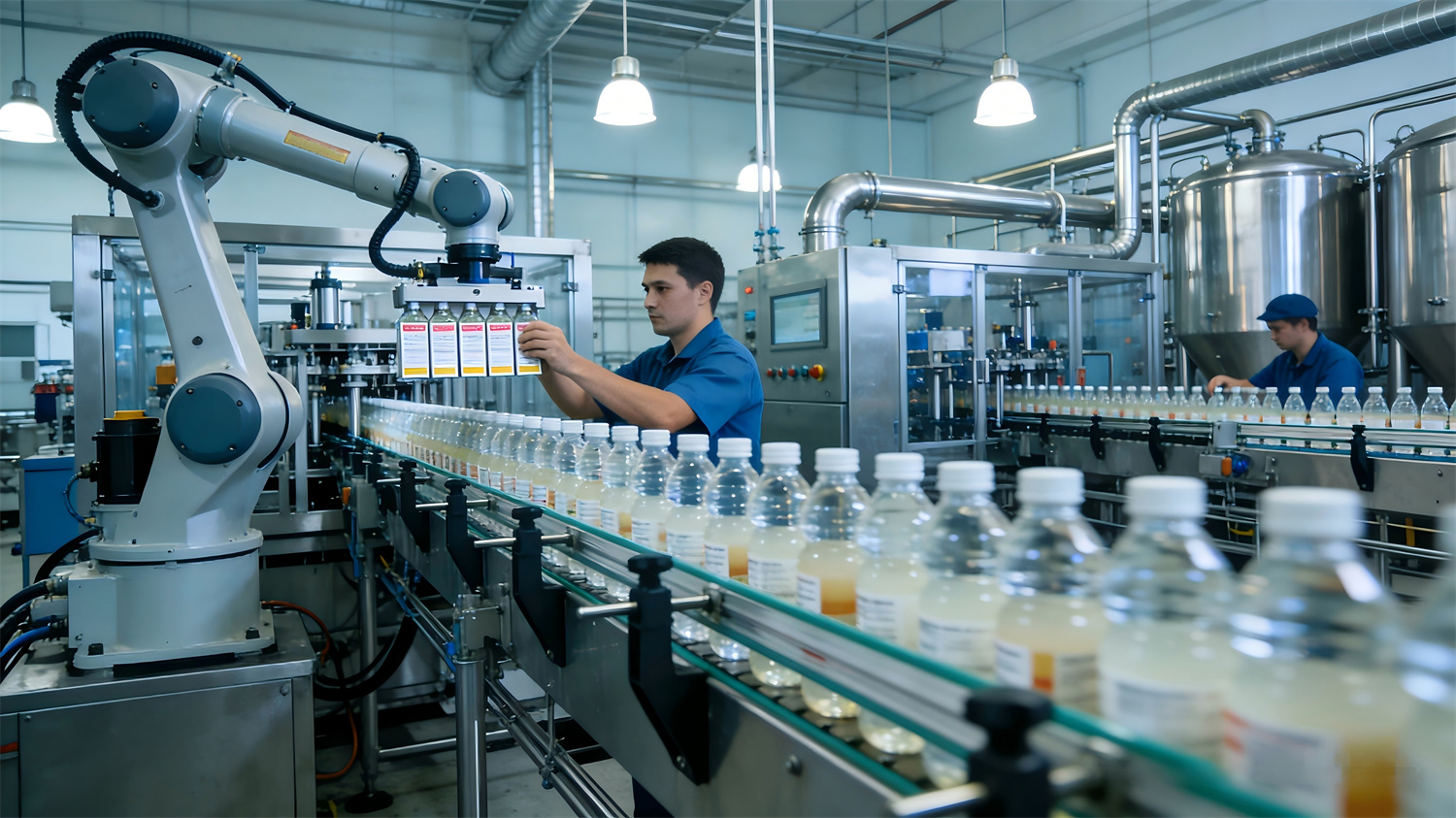
Drives filling systems, material pneumatic conveying, and packaging. High-efficiency oil separation protects product purity and guarantees sanitary compliance.
Learn More →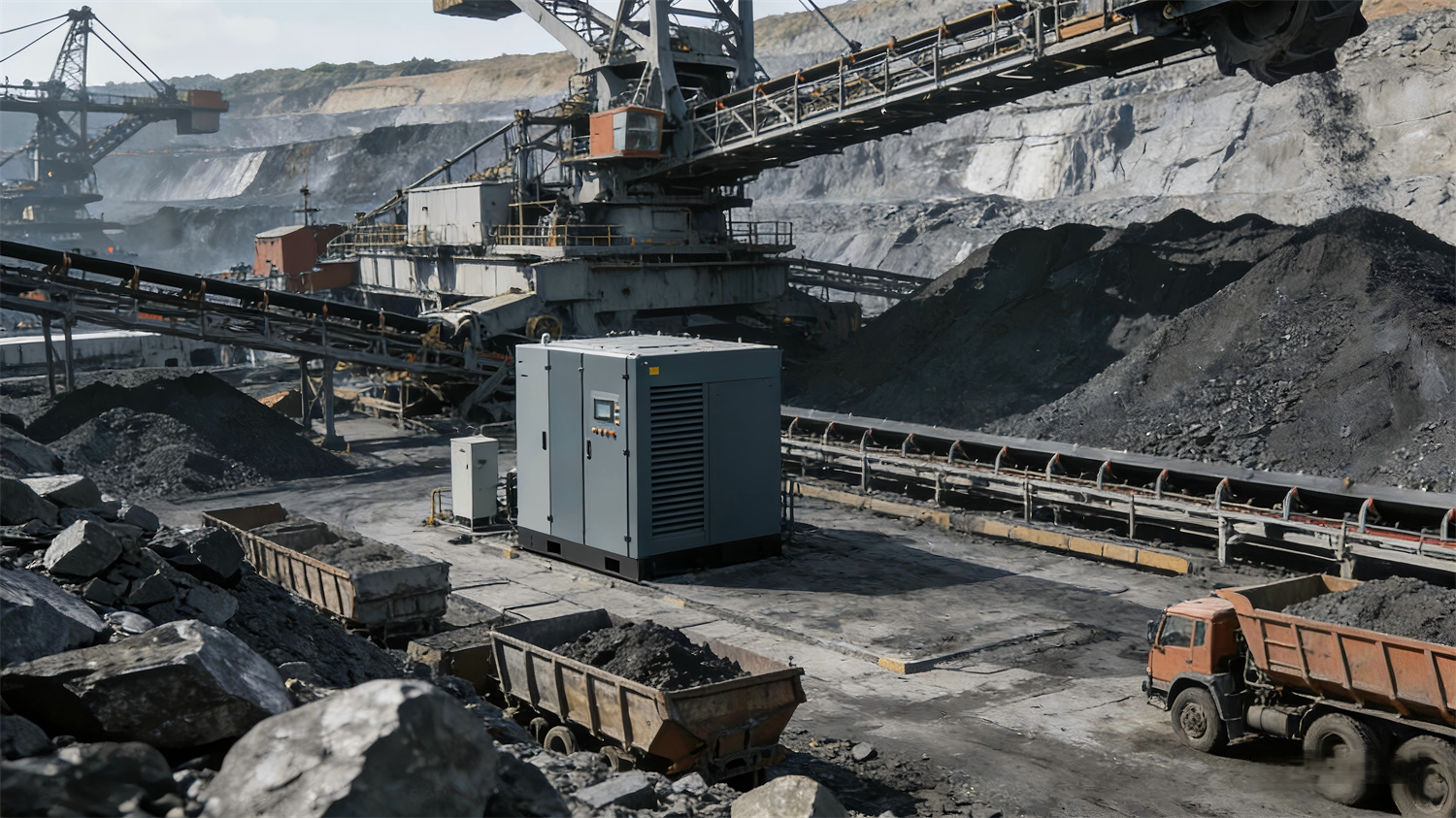
Powers heavy rock drills and ventilation systems in deep underground mines. Highly robust components are required to handle humid, dust-laden air inputs.
Learn More →
GMP compliant settings demand Class 0 level pure air for pill formation, filling, and packaging. Advanced coalescing represents the absolute barrier to prevent contamination.
Learn More →The shift toward IoT diagnostics, energy conservation compliance, and material upgrades.
Industrial buyers are increasingly looking beyond basic compatibility. Today's procurement teams demand detailed proof of compliance with ISO 12500-1 (standard test for air filters separating oil aerosols). Additionally, with the rise of PM VSD (Permanent Magnet Variable Speed Drive) screw compressors integrating smart IoT control modules, oil separators are expected to work efficiently across wide-ranging flow velocities. Standard elements often fail to coalesce oil effectively when the compressor runs at low RPMs; our customized elements are engineered with variable-gradient media layers to ensure stable oil separation across the entire variable frequency range.
Safety remains another primary focus. Electrostatic discharge within the oil separator is a leading cause of internal compressor fires. Our elements integrate dual conductive grounding gaskets or copper connection tabs, providing a direct electrical path to dissipate static electricity safely into the compressor frame.
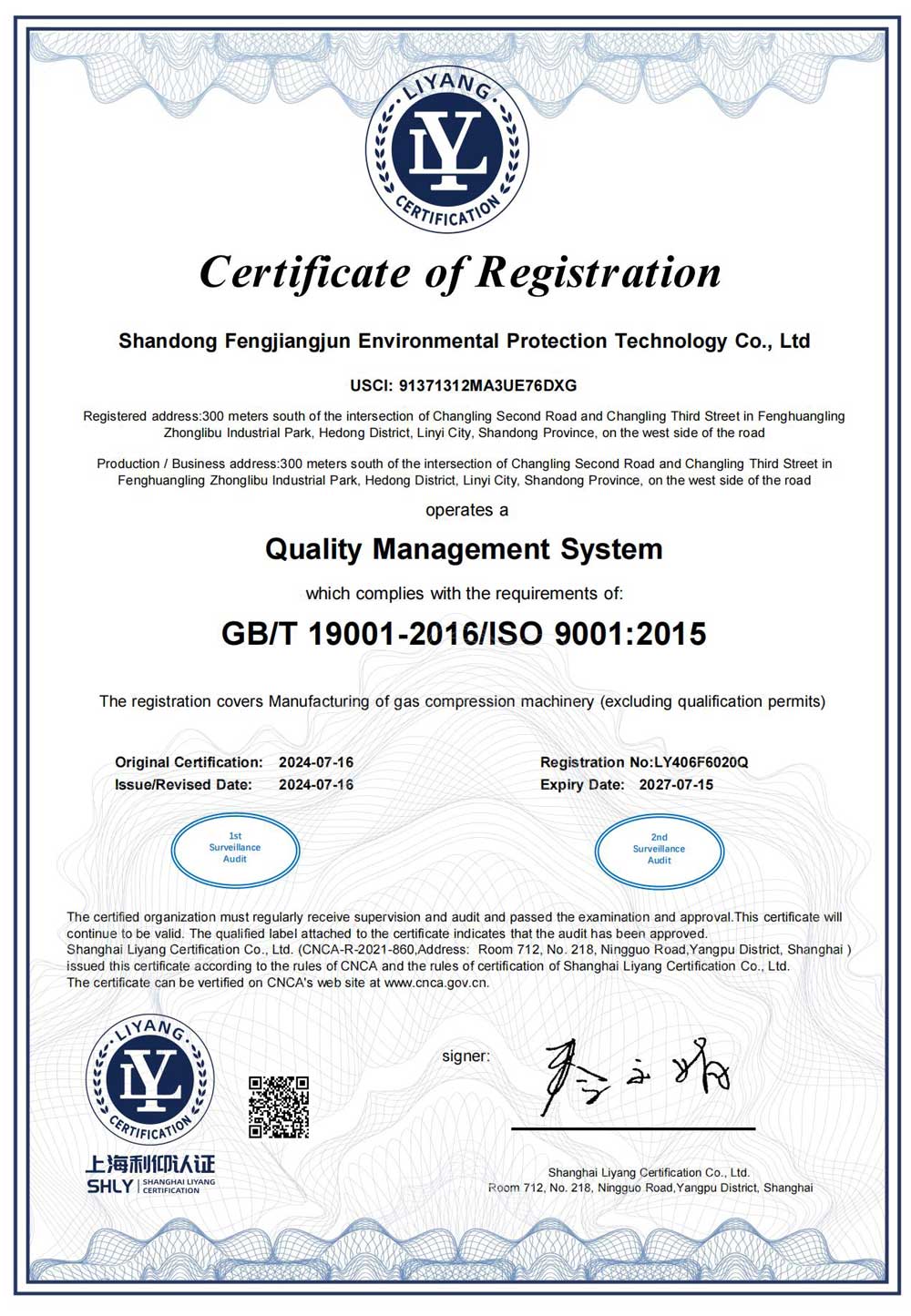
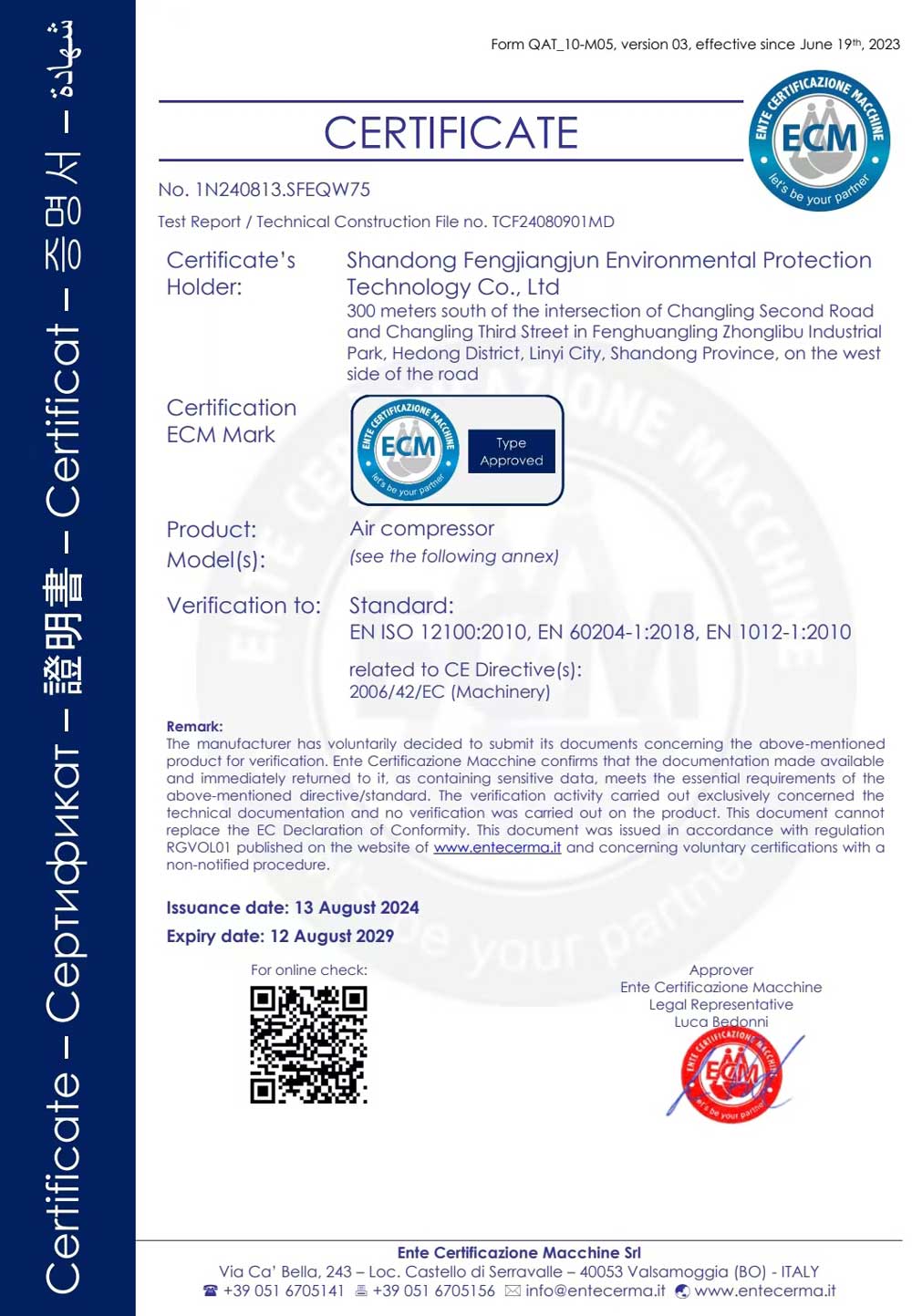
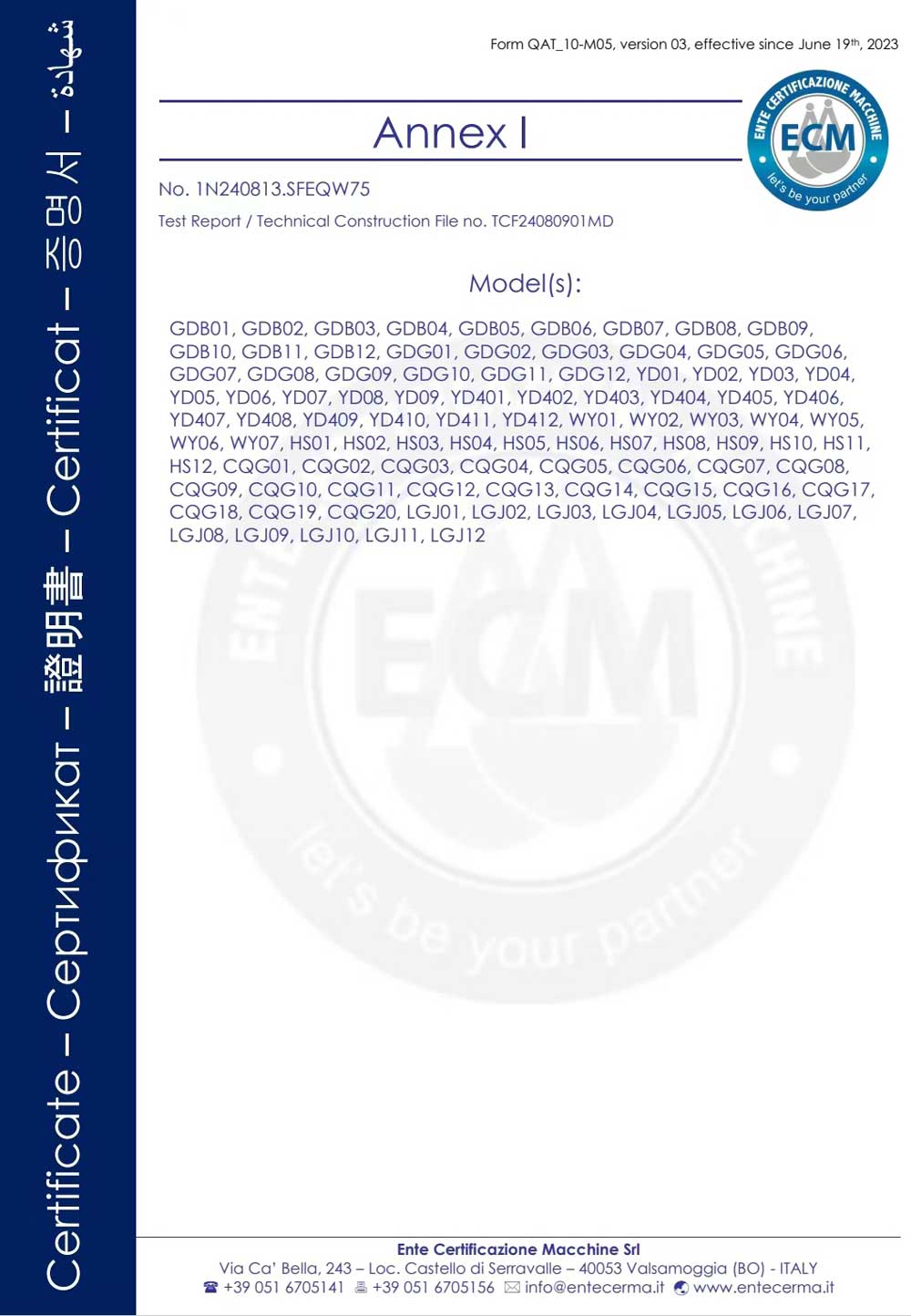
Our honors include China Famous Brand, Green & Environmentally Friendly Products, High-Tech Enterprise, and 3A Credit certifications.
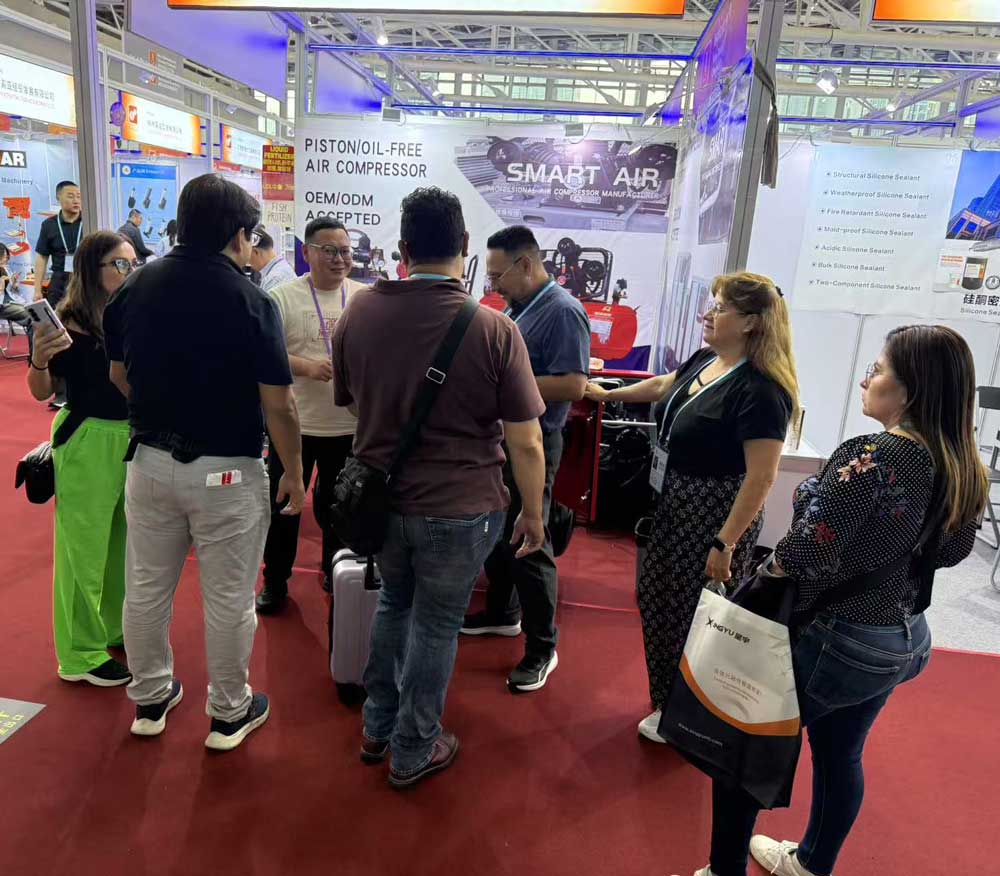
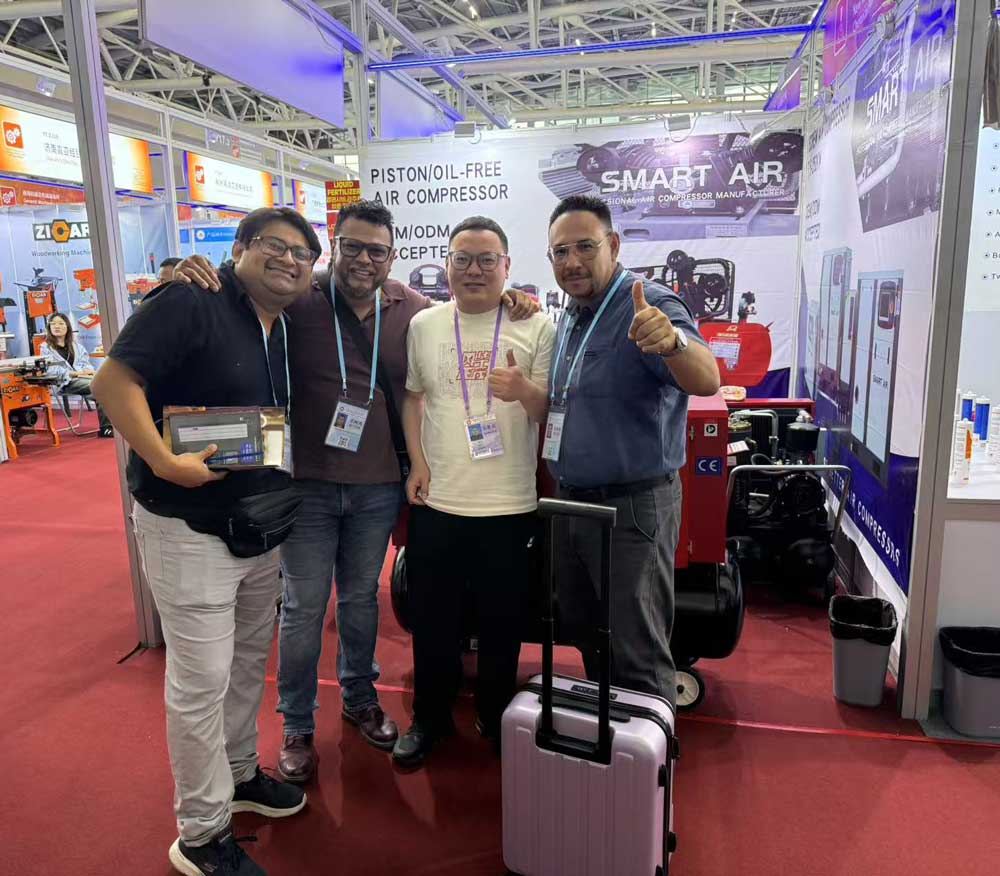
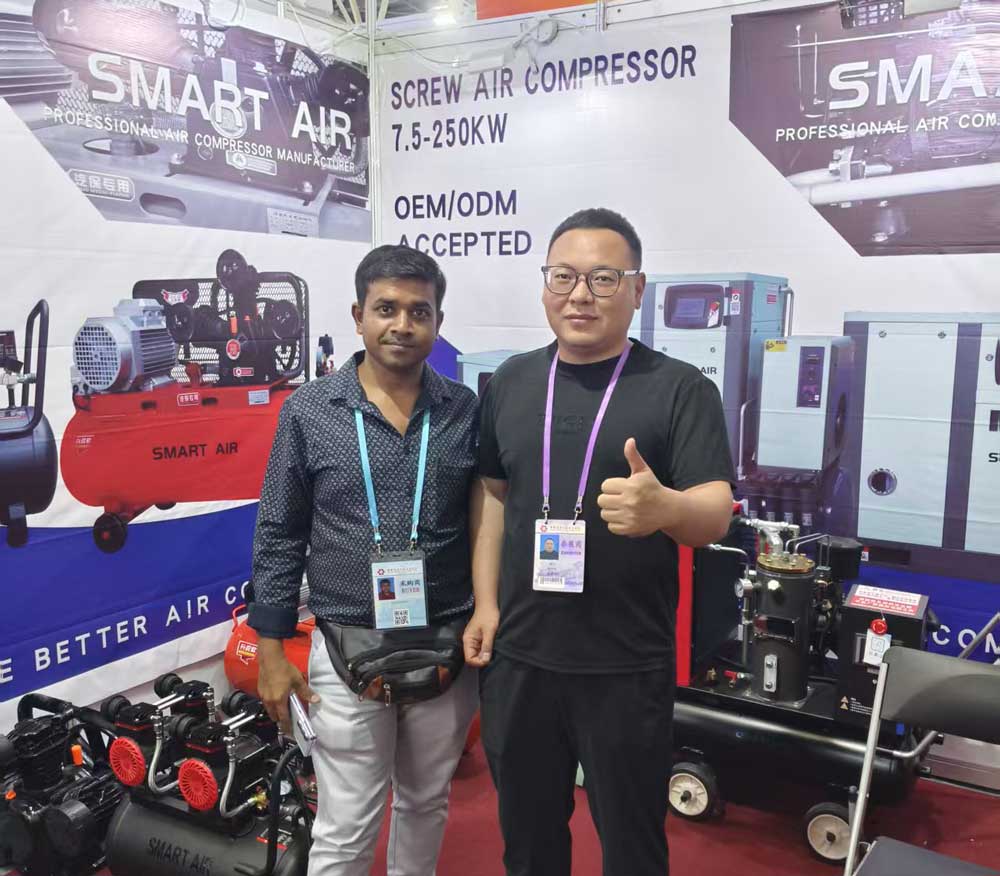
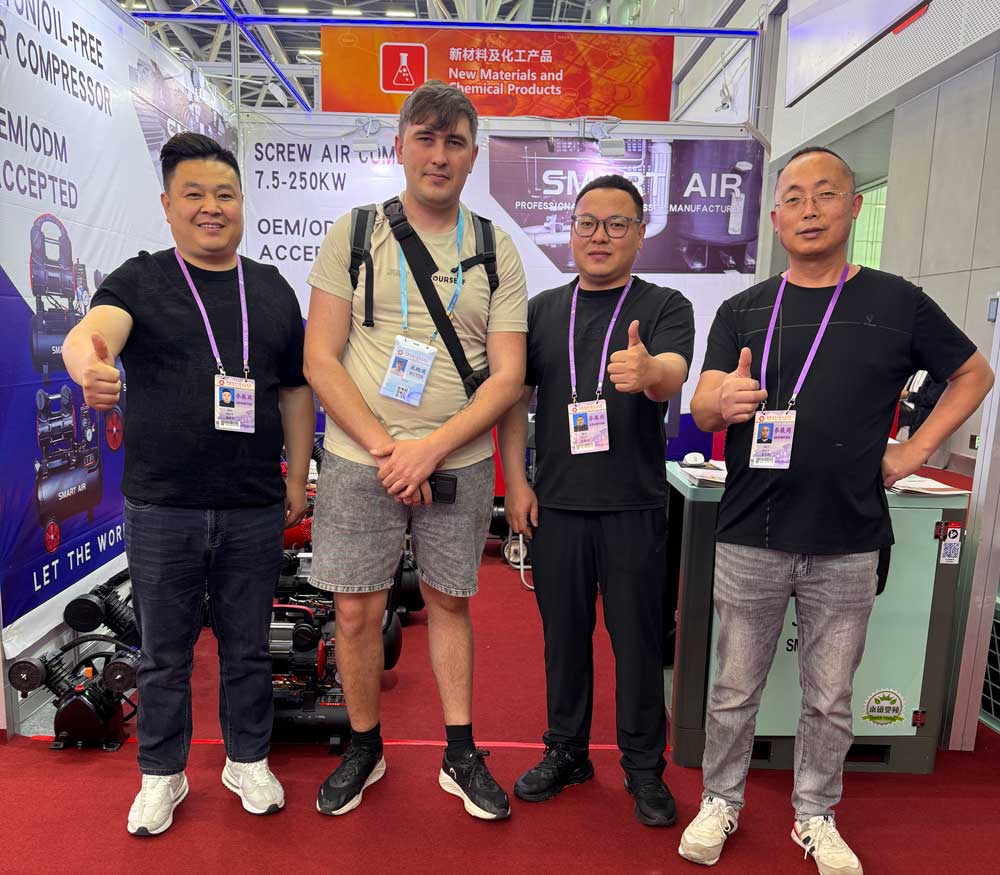
Serving key buyers across the USA, Canada, Colombia, Chile, Australia, Russia, India, Dubai, Israel, and beyond.
Expert technical answers regarding separator selection, filtration life, and maintenance troubleshooting.
Keep your compressed air lines running efficiently with our factory-direct parts.
 Smart Air