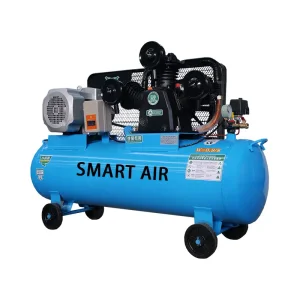
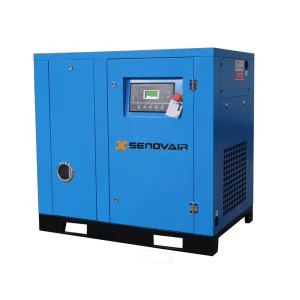
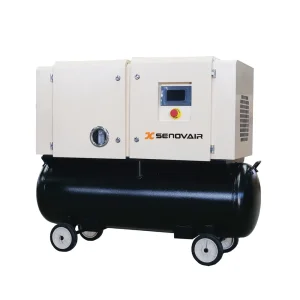
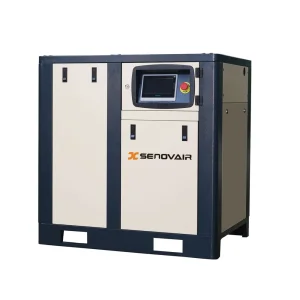
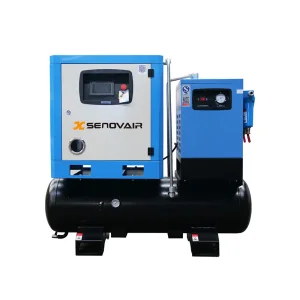
Explore our foundational range of highly efficient, oil-lubricated screw & piston compressors manufactured for heavy-duty industrial application.
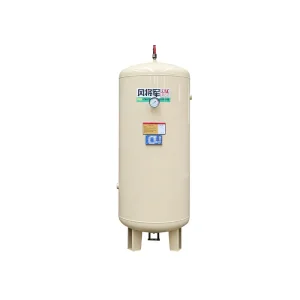
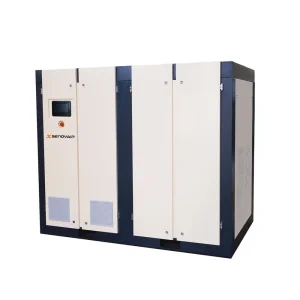
A comprehensive research-grade examination of thermodynamics, mechanical efficacy, and global distribution dynamics.
Within the spectrum of global industrial gas compression, oil-lubricated (or oil-injected) rotary screw compressors command over 75% of the heavy industrial market share. The thermodynamic reality of gas compression is defined by heat generation. Without a media to absorb this kinetic energy, operating temperatures inside the screw chamber would skyrocket, causing thermal expansion damage to the male and female rotors.
By injecting a highly refined synthetic or semi-synthetic oil directly into the compression chamber, three critical physical actions occur concurrently: lubrication of the bearing surfaces and meshing rotors, sealing of the micro-clearances between the rotors to prevent blow-by leakage, and cooling. The oil functions as a heat-sink, absorbing the heat of compression and enabling the system to operate close to an efficient isothermal compression cycle rather than a hot adiabatic cycle.
From the automated assembly plants of Detroit to the mining fields of Western Australia and the sprawling petrochemical zones of the Middle East, high-duty-cycle operations rely heavily on oil-lubricated systems. The reason is simple: durability. While oil-free systems are preferred in strictly sterile environments, oil-lubricated compressors offer significantly longer operational lifespan (often exceeding 60,000 to 80,000 running hours before an airend rebuild is required) and a lower initial capital expenditure (CAPEX).
In addition, oil-lubricated air compressors are highly adaptable to environmental variations. They operate flawlessly in dusty, high-temperature climates, such as mining pits or desert oil fields, because the oil filter and separation systems continually scrub incoming particulate matter, protecting the internal mechanical tolerances of the compression element.
Specific Power (kW/m³/min) represents the amount of electrical power required to deliver a unit volume of compressed air at a given pressure. Leading Chinese manufacturers, using advanced German-profile screw rotors and permanent magnet motors, have driven specific power consumption down to levels that comfortably meet and exceed IE4/IE5 energy efficiency requirements. Under average factory loads, switching to a Two-Stage Permanent Magnet Variable Speed Drive (PM VSD) oil-lubricated system yields energy savings of up to 35% to 50% compared to traditional fixed-speed models.
Linyi, recognized globally as the Logistics Capital of China, hosts an ultra-integrated supply chain cluster for industrial machinery. This geographical concentration of component foundries, electric motor manufacturers, advanced metallurgical processing shops, and digital controller developers allows factories like Smart Air Machinery (Linyi) Co., Ltd. to achieve unprecedented manufacturing efficiencies. The cost advantage is not derived from compromised quality, but rather from the near-zero logistics lead times and bulk raw-material purchasing optimization within this specialized industrial zone.
Furthermore, Chinese manufacturers have heavily adopted automated CNC grinding machinery for screw rotor production. Precision rotor profiles—previously proprietary to Western European brands—are now engineered and cut with tolerances measured in microns inside Chinese smart factories. This high precision dramatically reduces internal backflow losses, raising the volumetric efficiency of modern China-sourced air compressors to world-class standards.
Established in 2005, we have spent two decades engineering and refining global-tier compressed air systems.
Smart Air Machinery (Linyi) Co., Ltd. is a diversified manufacturing enterprise integrating research, development, production, and international sales. Embodying the ethos that "quality creates reputation, reputation creates brand, and brand creates market," we operate a state-of-the-art facility employing over 200 dedicated professionals, including a top-tier R&D team and quality assurance inspectors.
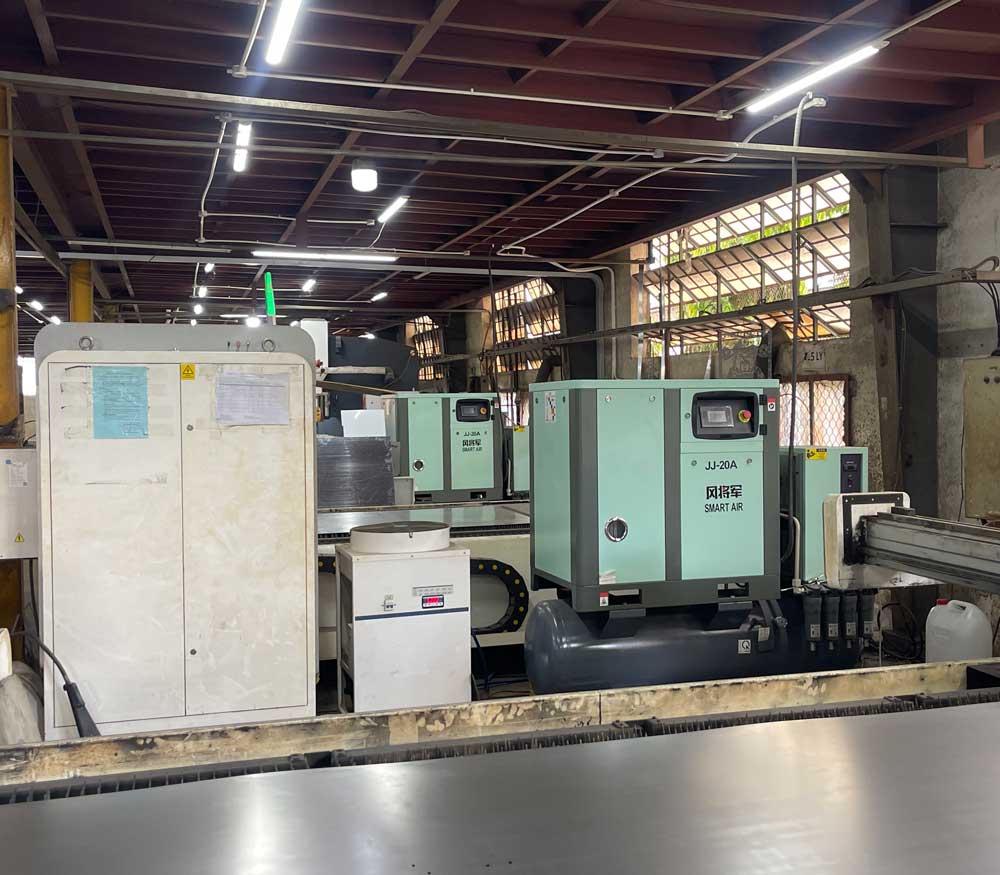
Our comprehensive production program includes high-efficiency oil-lubricated screw air compressors, robust mobile piston compressors, engineered air storage receivers, and ancillary downstream air purification systems. With our factory located in Linyi's heavy industrial zone, we exploit highly efficient logistics pathways to ship our heavy machinery globally to over 20 countries, ensuring timely project execution and competitive shipping costs.
Over 20 years of diligent research, continuous technical innovation, and field-tested product updates.
Aesthetically pleasing designs, meticulous metallurgical selection, and exquisite craftsmanship.
Upholding honest business operations while building the most reliable compressor brand in Asia.
We believe that "quality creates reputation." Our systems are certified and proven in international industrial markets.
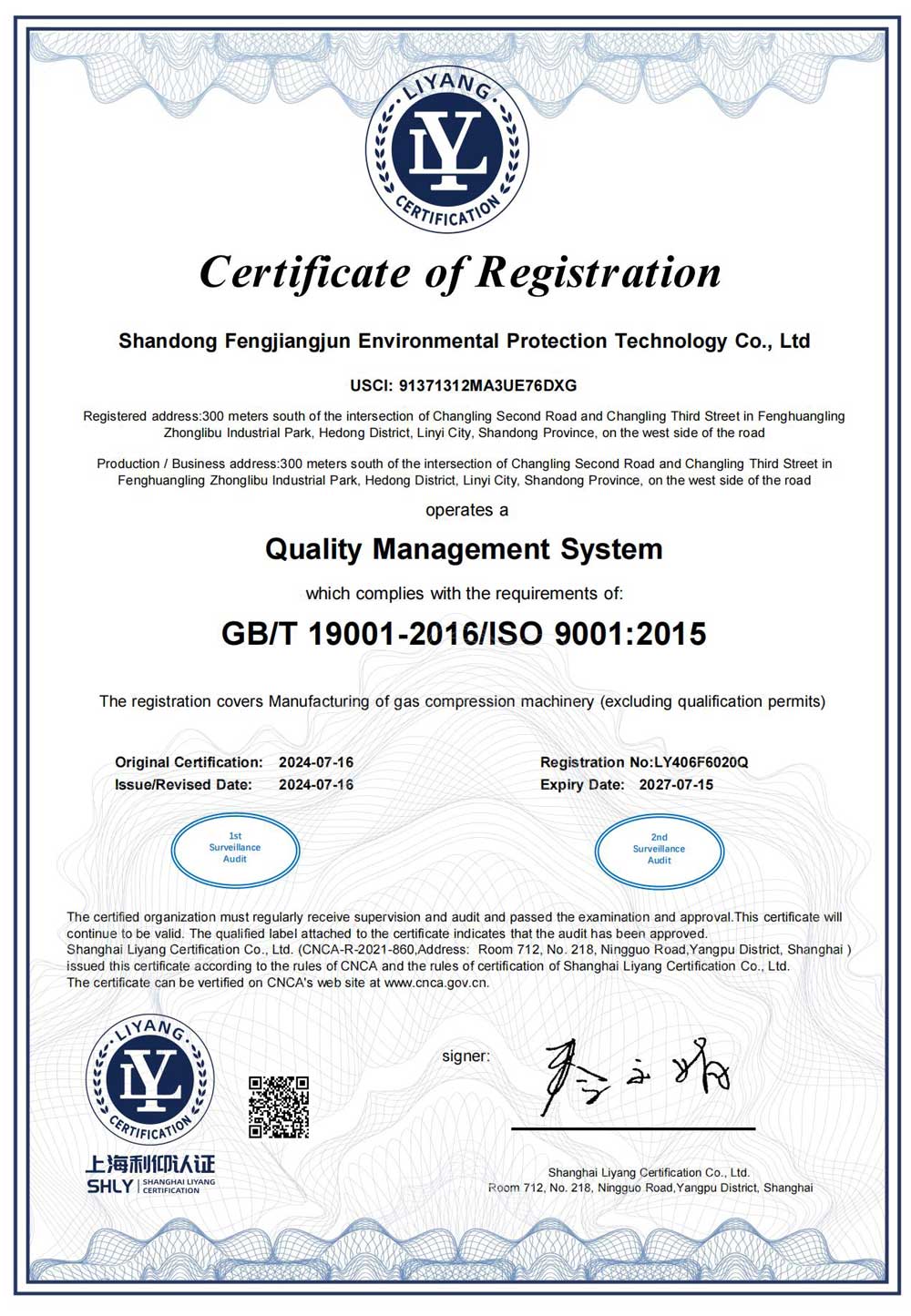
Our commitment to engineering excellence is validated by rigorous third-party auditing. Smart Air has successively received numerous standard certifications and titles, such as "China Famous Brand," "Green and Environmentally Friendly Products," "High-Tech Enterprise," "3A Credit Enterprise," and ISO9001 quality management standardization system. These credentials ensure that our pressure vessels and rotational parts conform fully to global safety criteria.
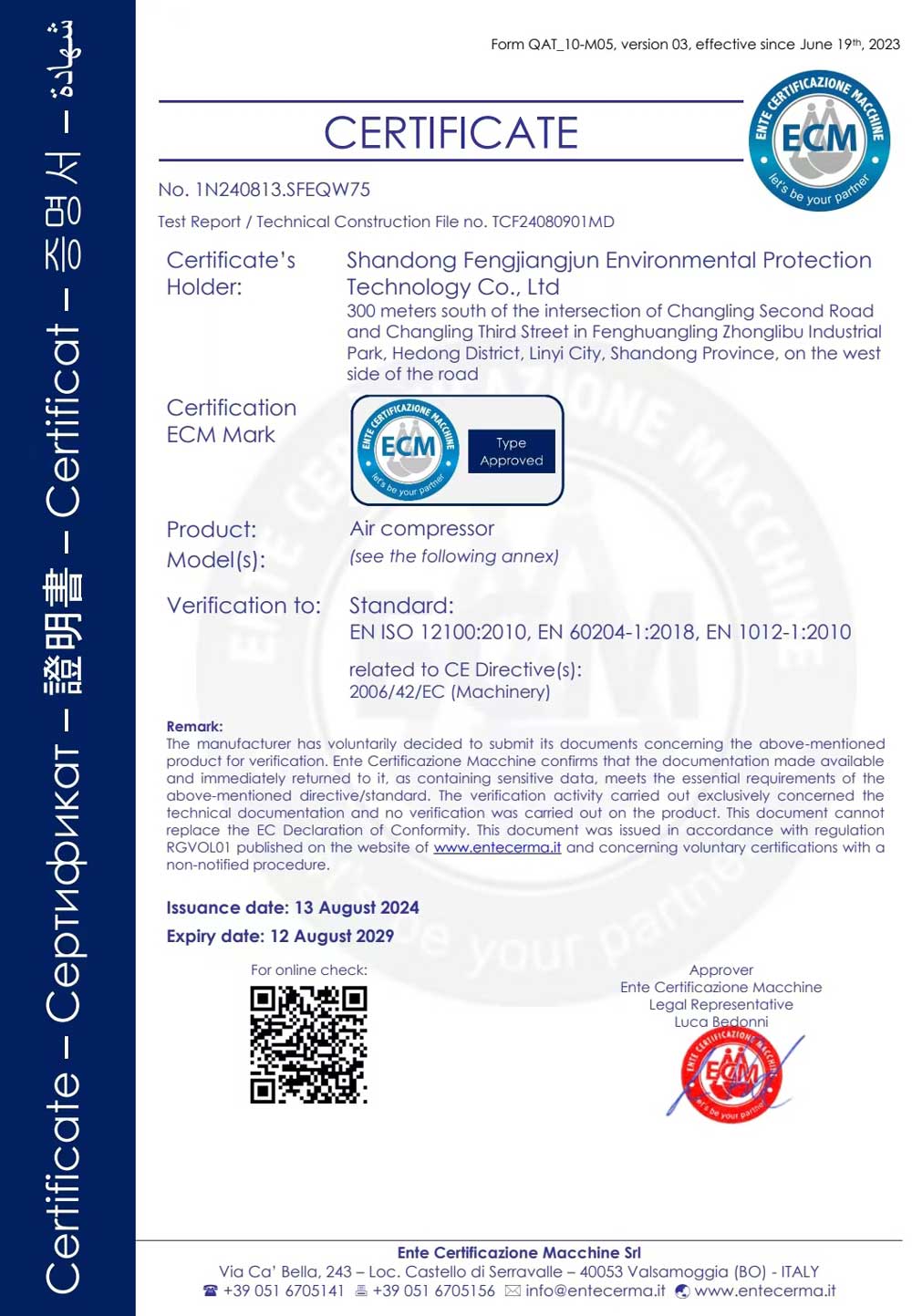
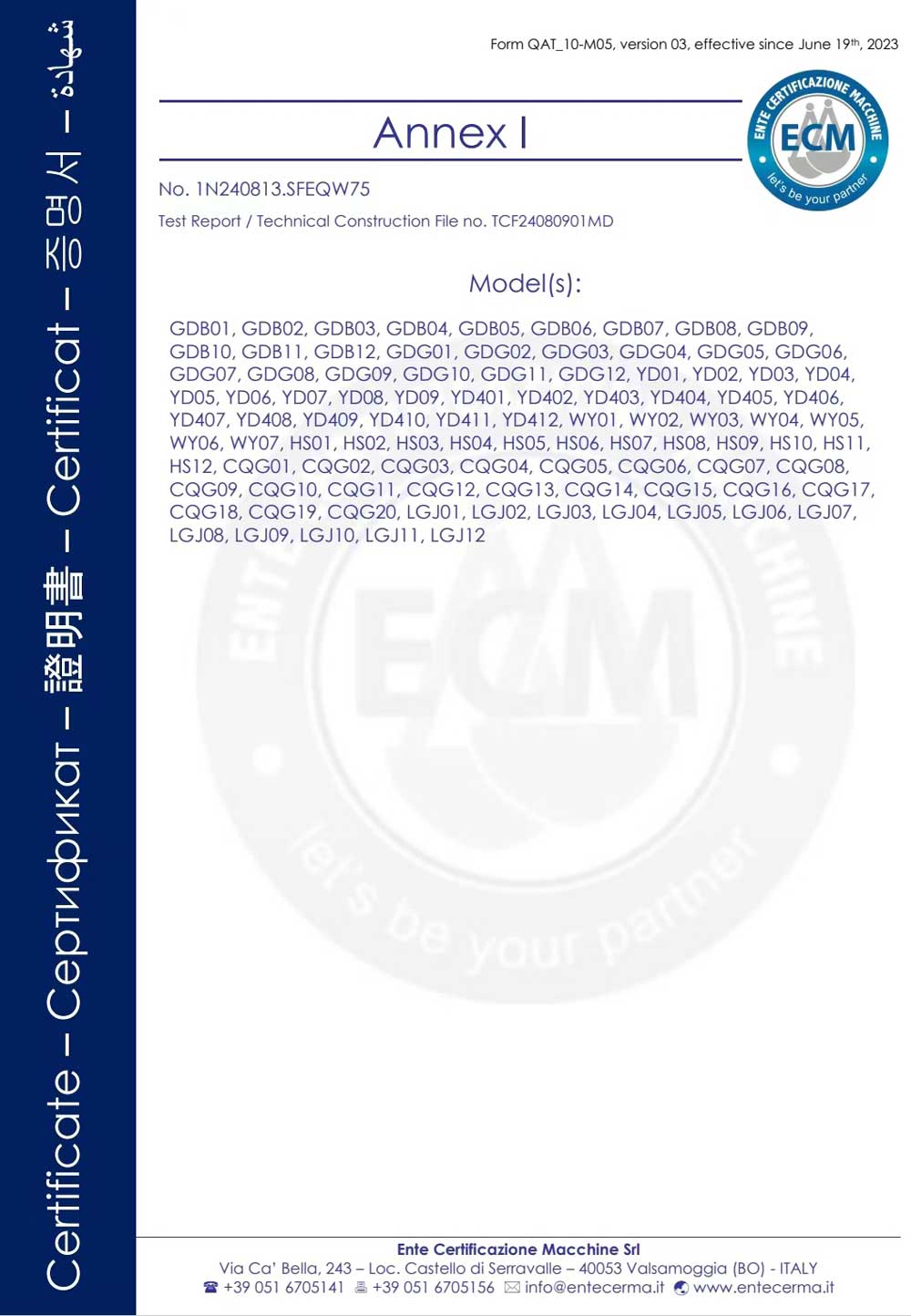
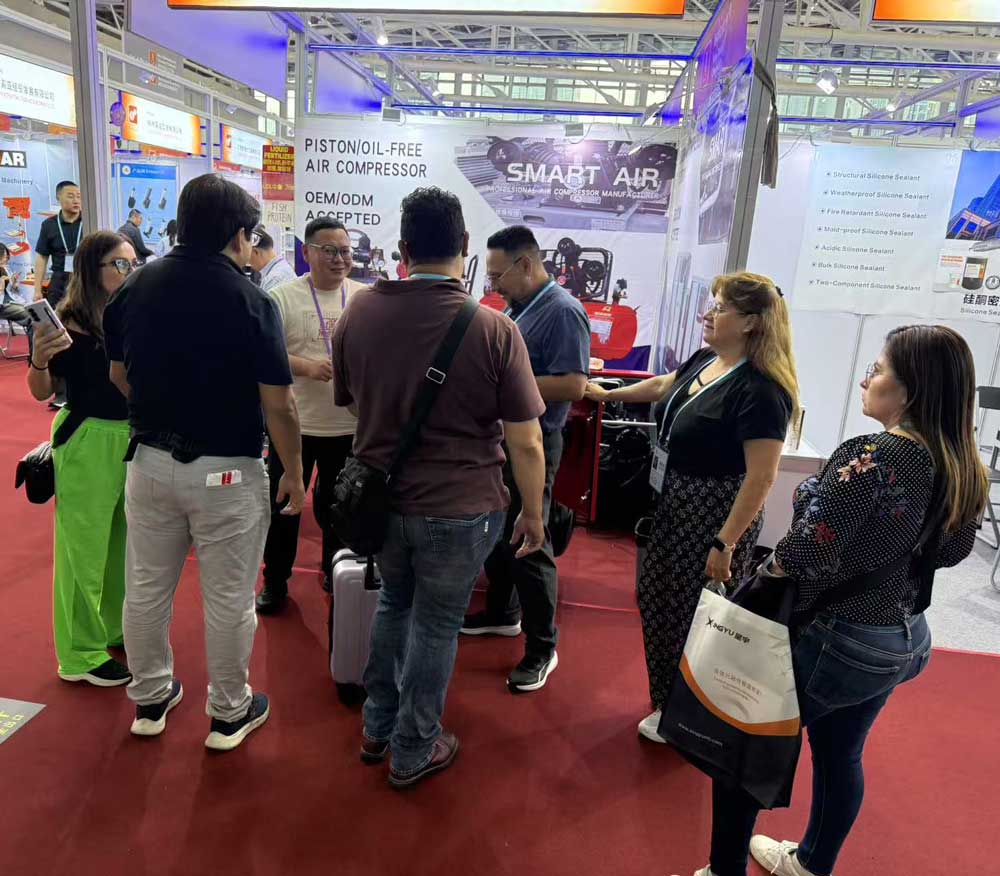
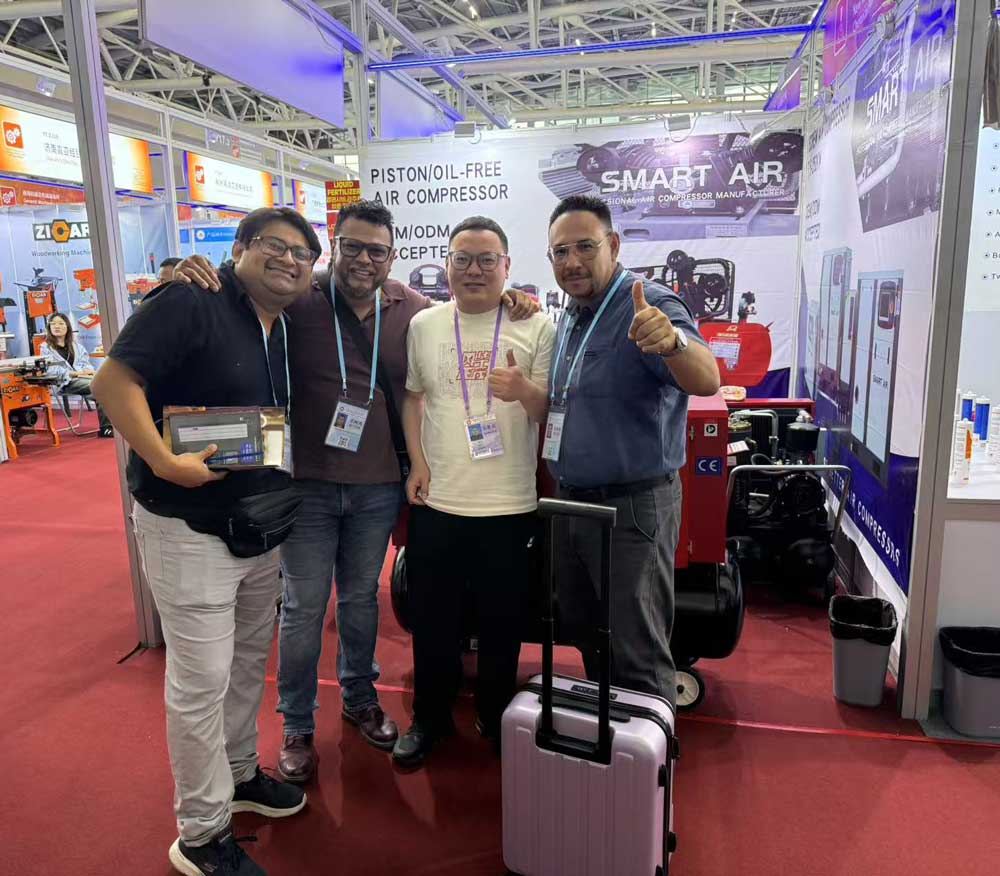
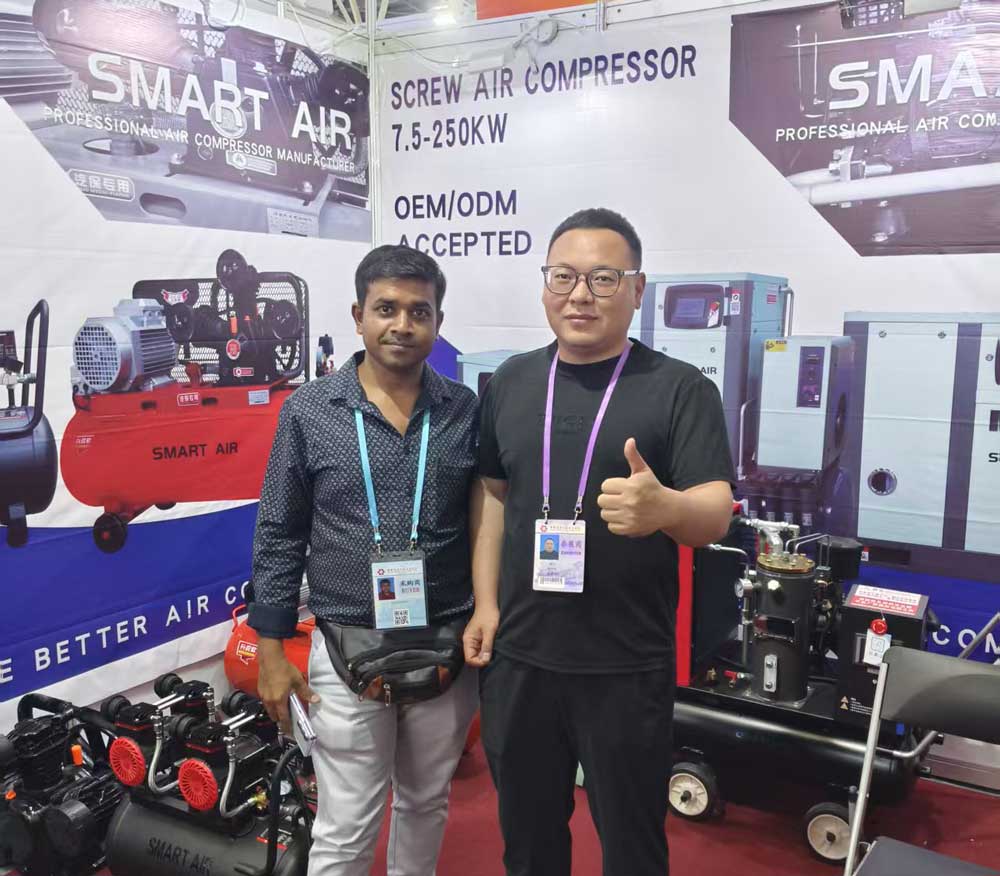
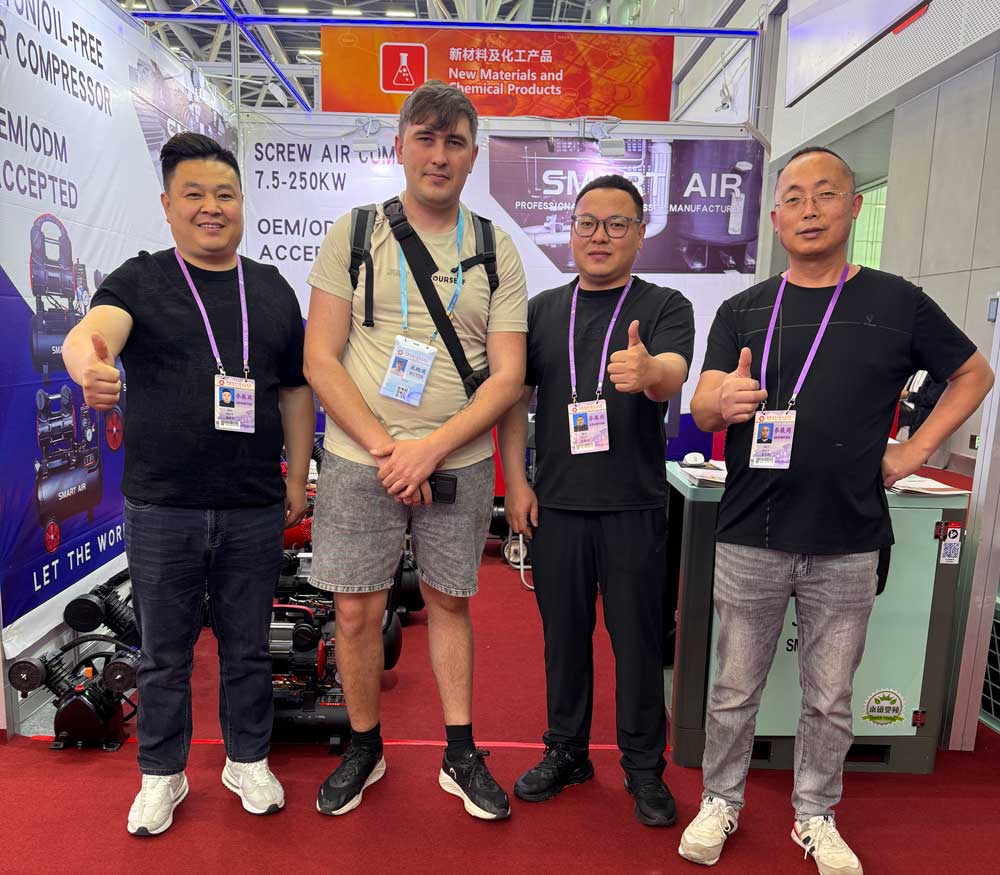
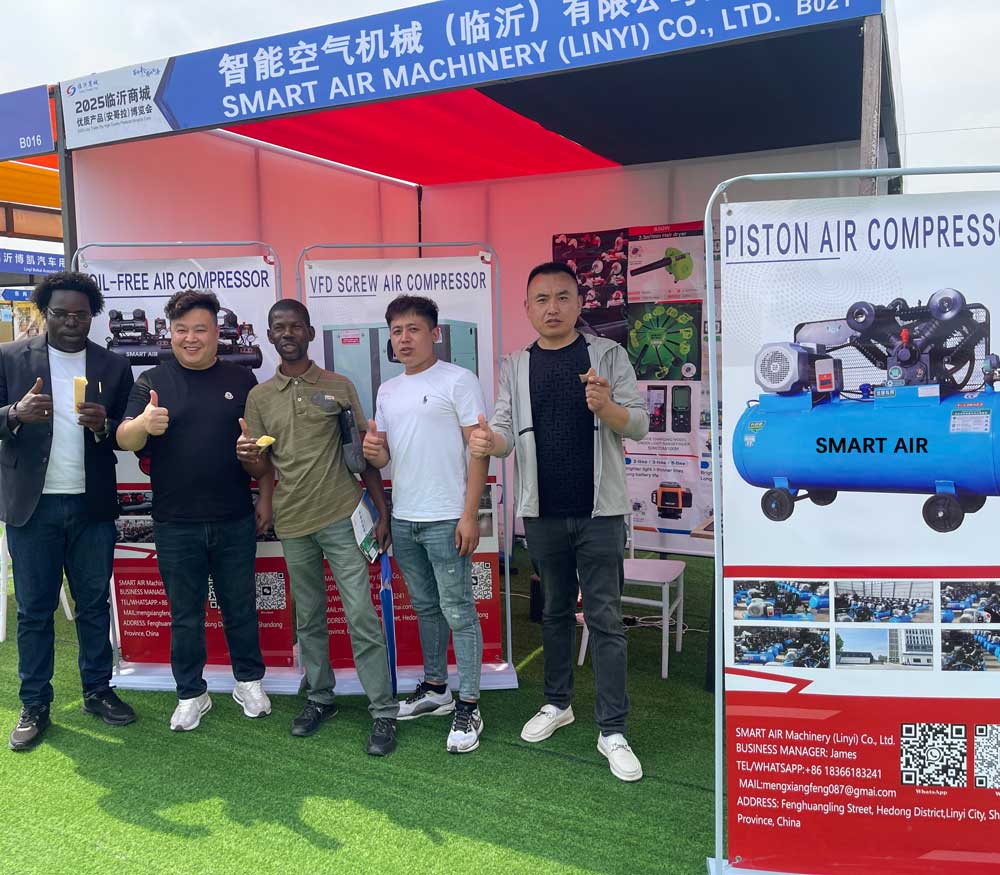
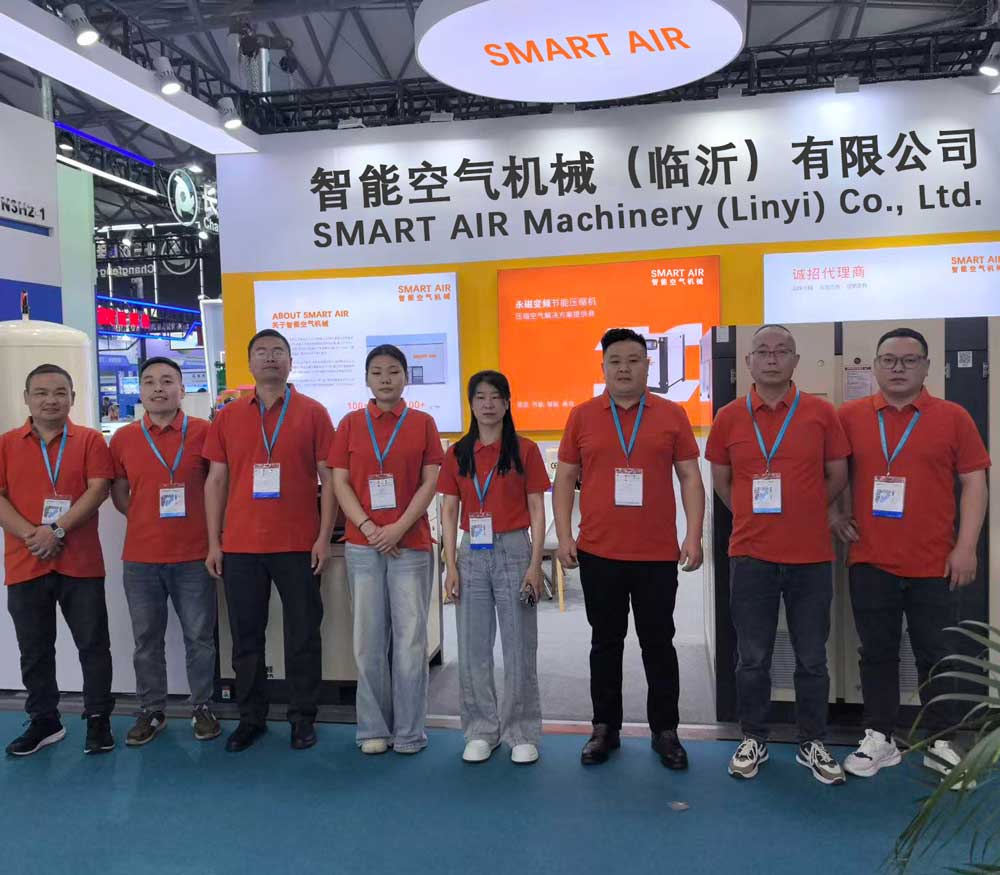
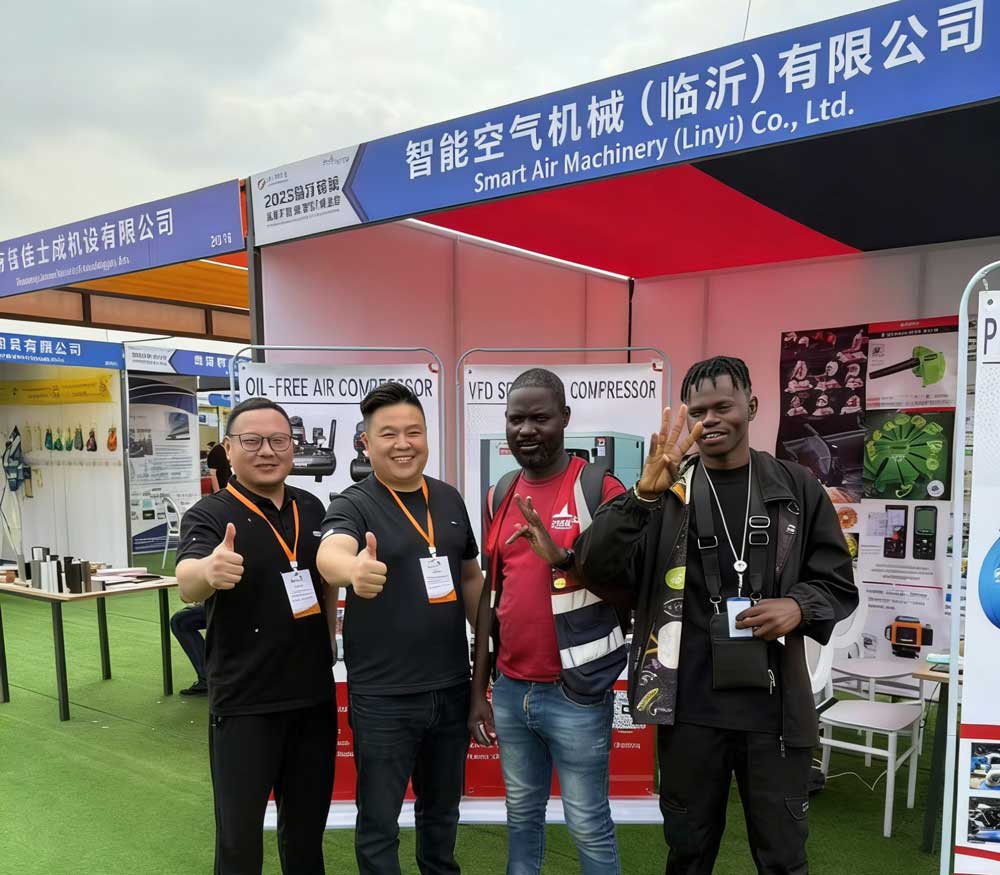
With an active presence in international markets, Smart Air regularly showcases its design iterations at global industrial machinery events. Our compressors are exported to the USA, Canada, Colombia, Chile, Australia, Russia, Indonesia, Vietnam, Dubai, Israel, and beyond. We build lasting trust by proving our systems live in front of global engineers and procurement officers.

How Smart Air incorporates Permanent Magnet Variable Speed Drives and Telemetry to safeguard your uptime.
Traditional fixed-speed compressors run in load/unload modes, wasting vast amounts of energy as the motor runs at full RPM even when demand falls. Our PM VSD system utilizes rare-earth permanent magnet motors that feature synchronous rotation speeds, eliminating induction rotor slip losses. The variable frequency inverter modulates motor output in real-time down to 10% increments to strictly match downstream consumption curves, holding system pressure within a tight ±0.1 bar variance.
Modern production facilities cannot afford unexpected downtime. Smart Air integrates advanced IoT controllers into our 7.5kW-200kW oil-lubricated PM VSD screw air compressors. This controller transmits critical operating data—including thermodynamic exhaust temperature, pressure values, current draw, oil levels, and air filter differential pressure—to a cloud-based server. Maintenance managers can monitor their system status in real-time via smartphone application, receiving preventative alerts before minor issues escalate into major operational failures.
Initial CAPEX represents only 10% to 15% of the total cost of owning and running an air compressor over a 10-year lifespan. Maintenance takes up roughly 10%, while energy costs consume an overwhelming 75% to 80%. Purchasing an energy-efficient PM VSD oil-lubricated unit amortizes the price premium within the first 12 to 18 months of operation through reduced power utility bills.
How different manufacturing sectors utilize our specialized compression systems to optimize yield and safety.
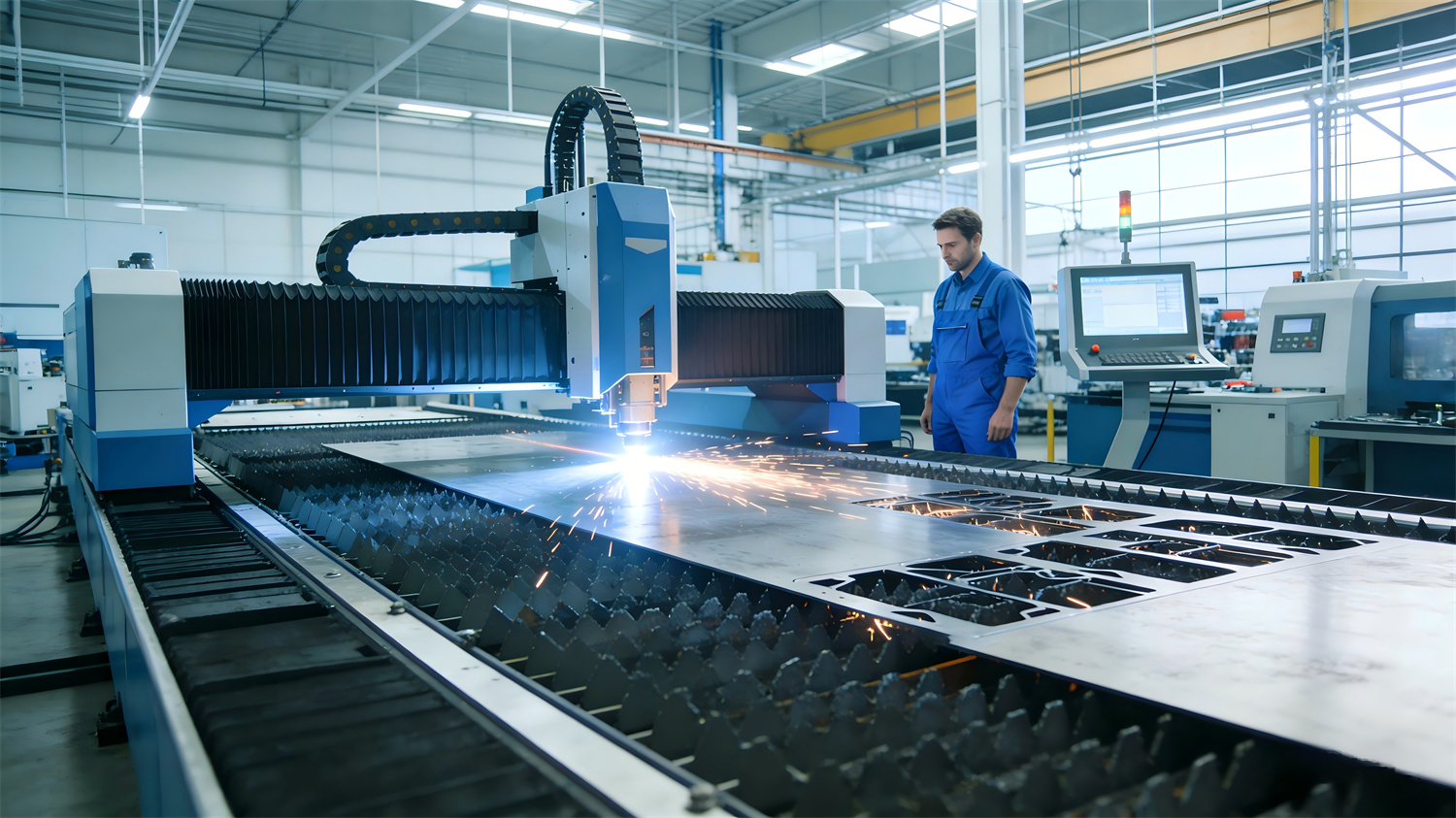
Provides stable high-pressure air to blow away molten metal slag, protecting clean focus lenses from particulate back-spatter for perfect edge precision.
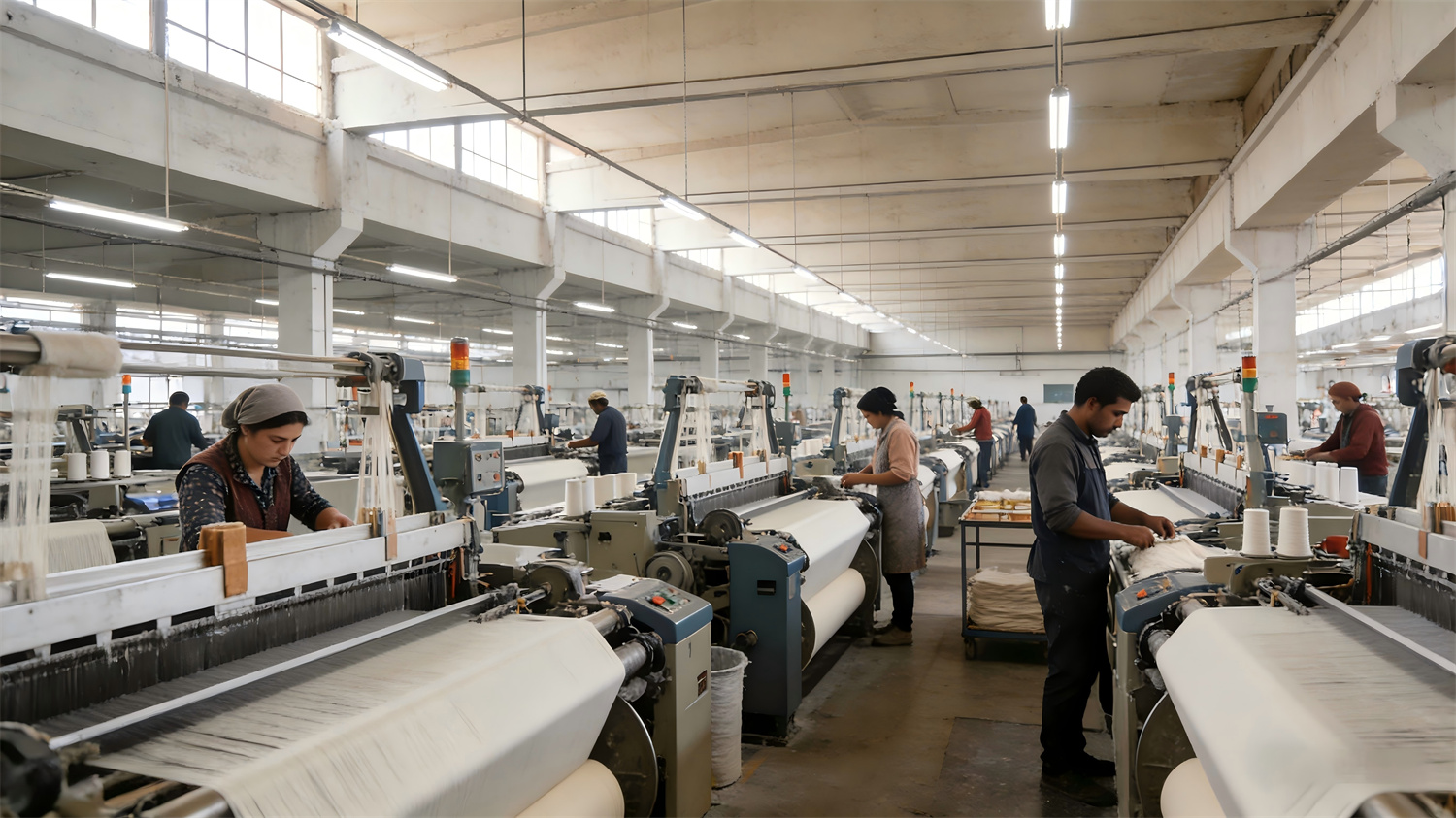
Powers high-speed air-jet looms and spinning frames with continuous, clean volume flow to prevent yarn contamination and ensure fabric structural uniformity.
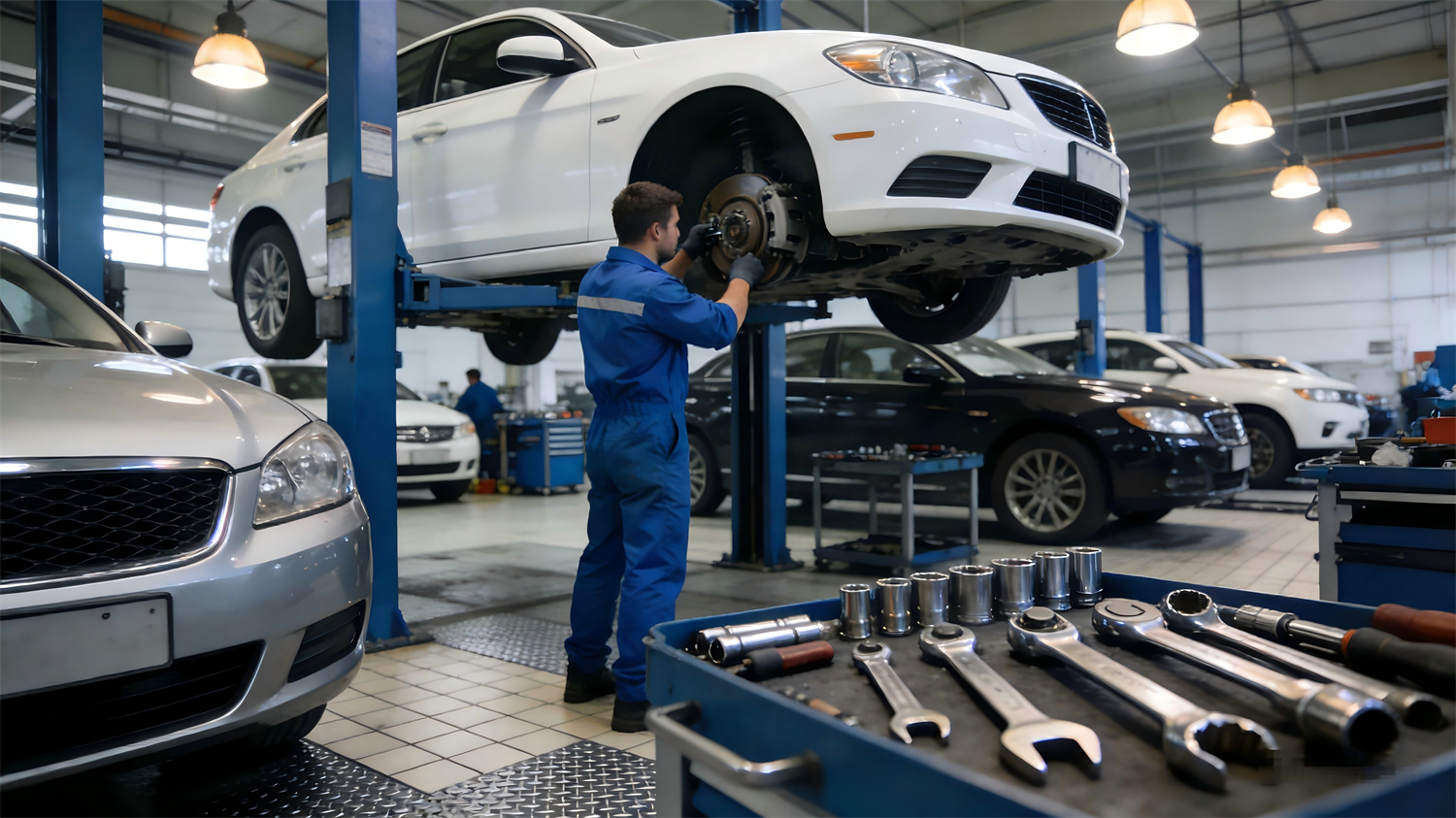
Feeds pneumatic assembly tooling, robotic welding positioners, and spray booth operations with pulsation-free flow for high paint-finish quality.
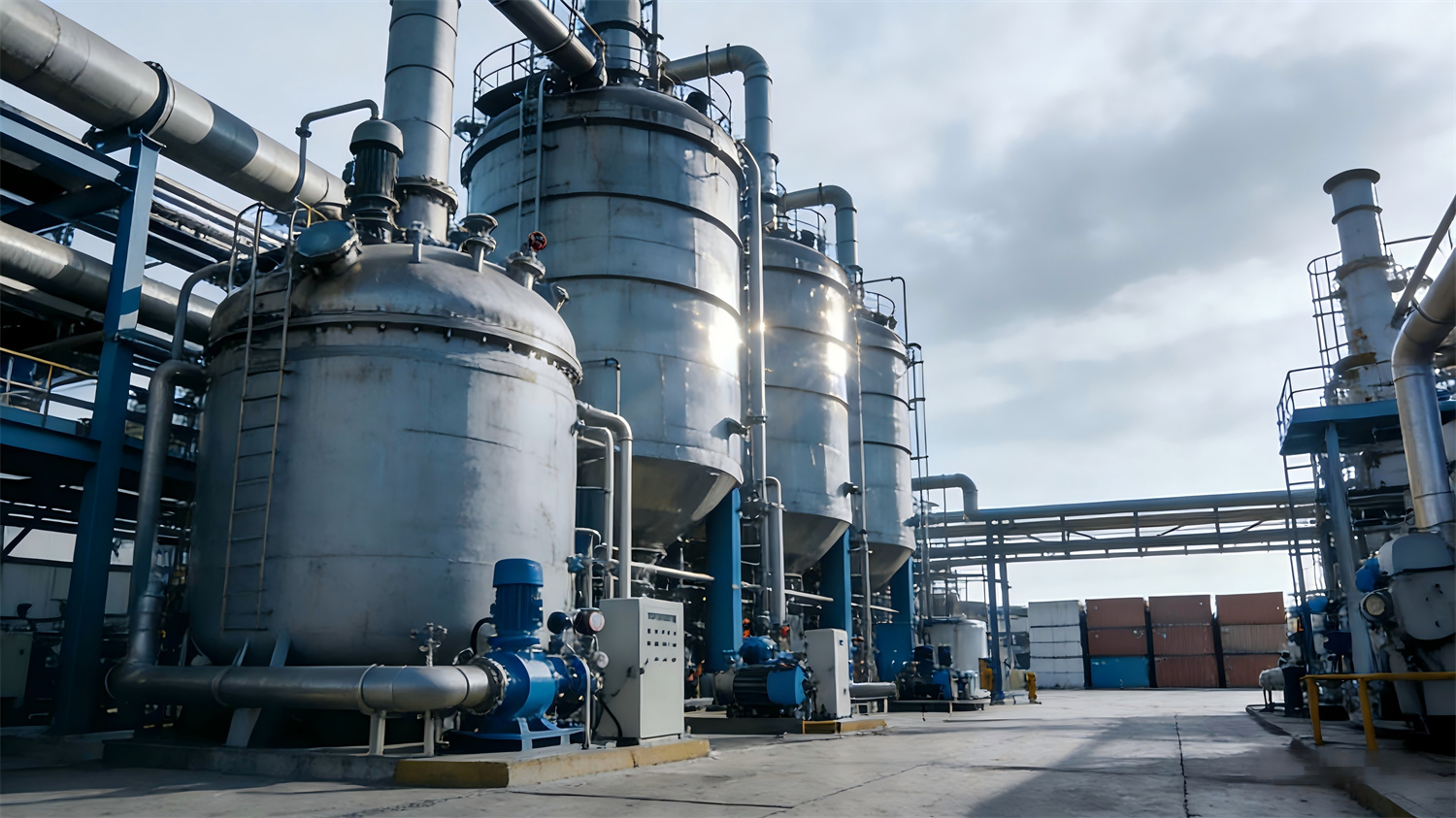
Powers pneumatic valves, reaction vessel purging systems, and gas transport lines with spark-free, safe, and robust compression designs.

Drives jackhammers, concrete pumps, and pneumatic drilling rigs under harsh, muddy outdoor conditions with highly mobile wheel-mounted configurations.

Supplies pressure flow to pneumatic fluid pumping systems and high-velocity drying nozzles to clean vehicle chassis without surface scratches.
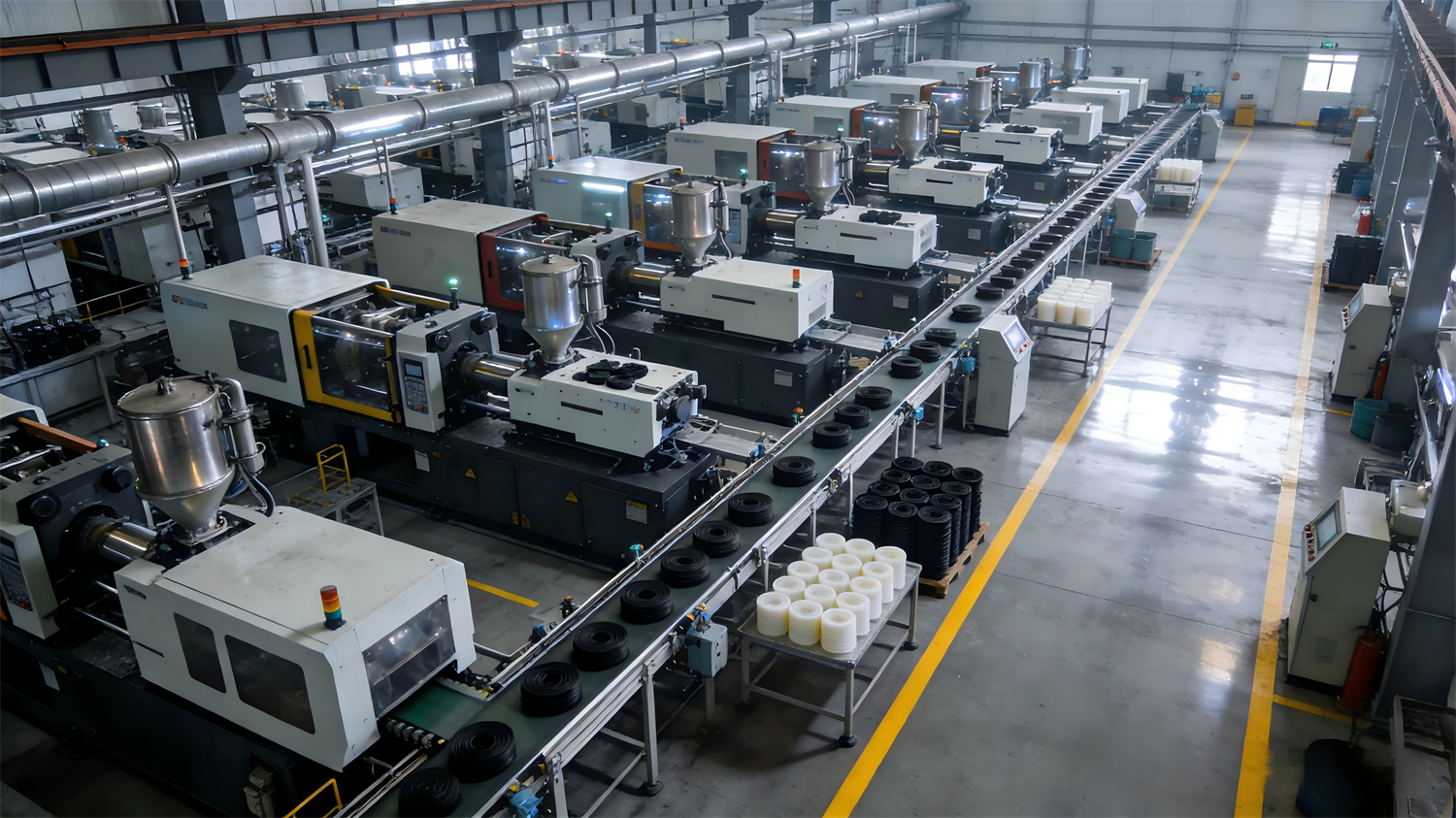
Delivers high pneumatic clamping force for injection molding machinery and consistent blow pressure to shape plastic bottles and rubber components.
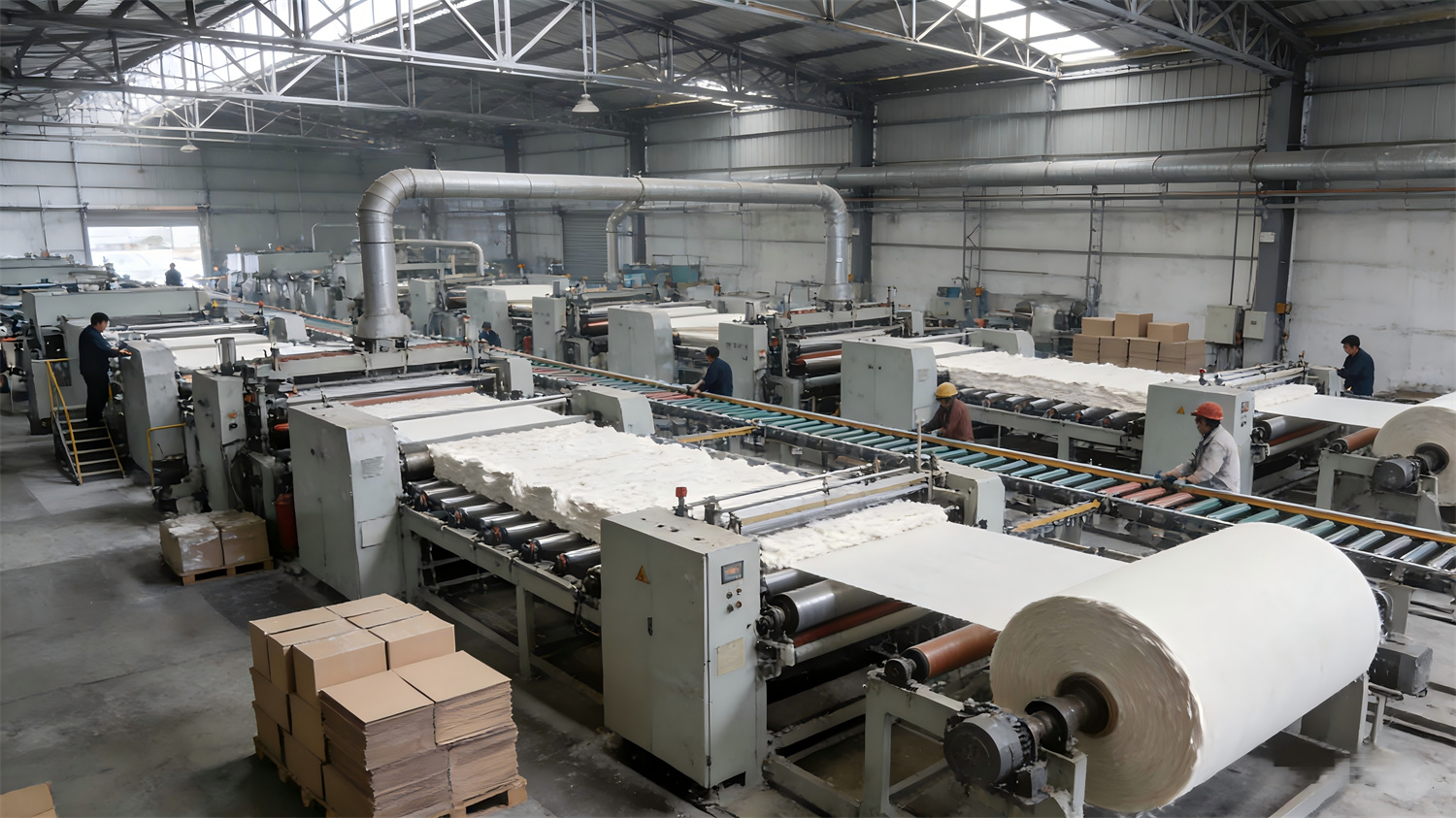
Provides critical air for pulp agitation, web guiding systems, and pneumatic calendar rollers under highly humid, continuous-load operation environments.
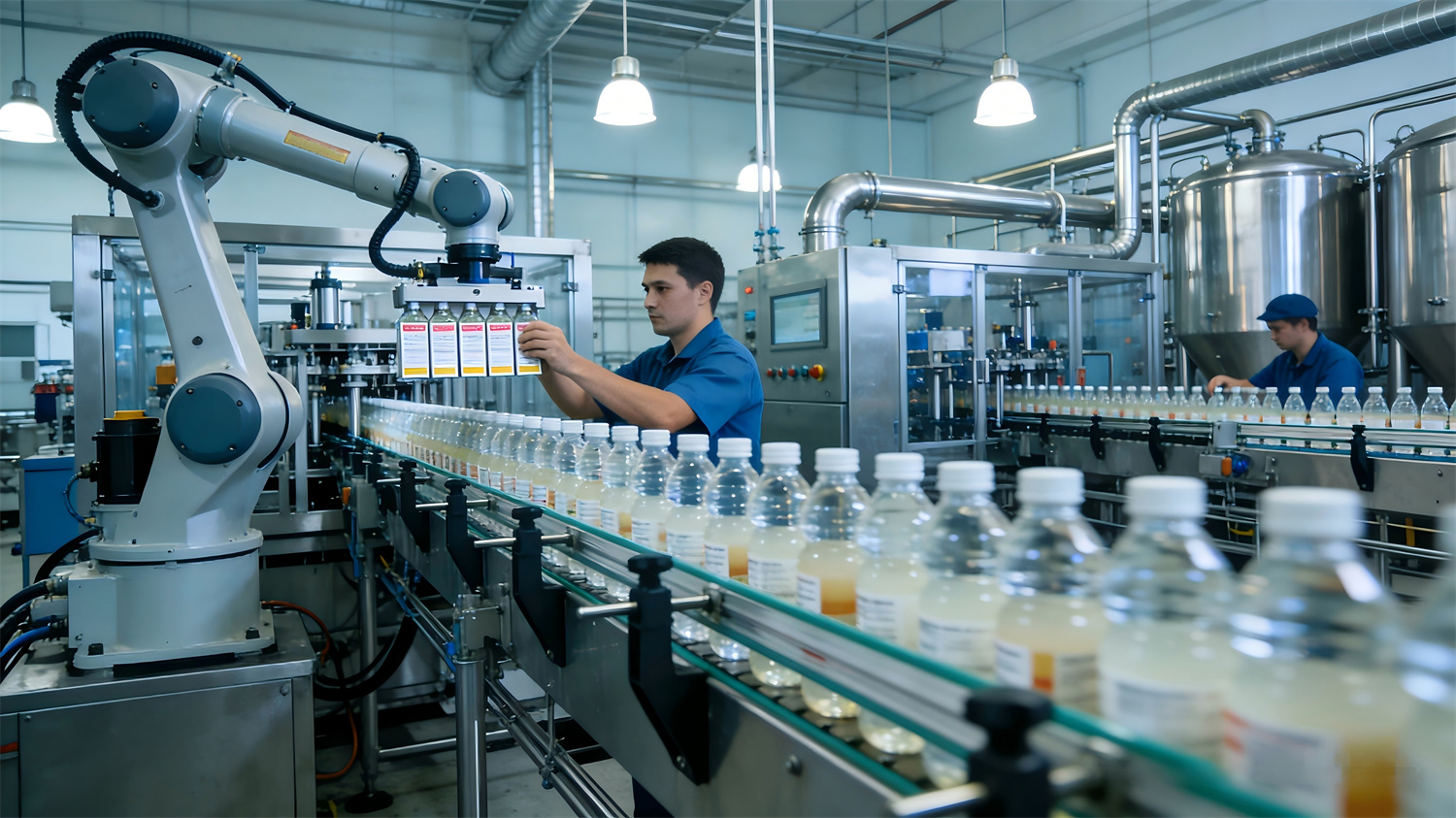
Supplies pressure for product filling, sorting, and packaging automation, utilizing precise filtration stages to prevent container contamination.
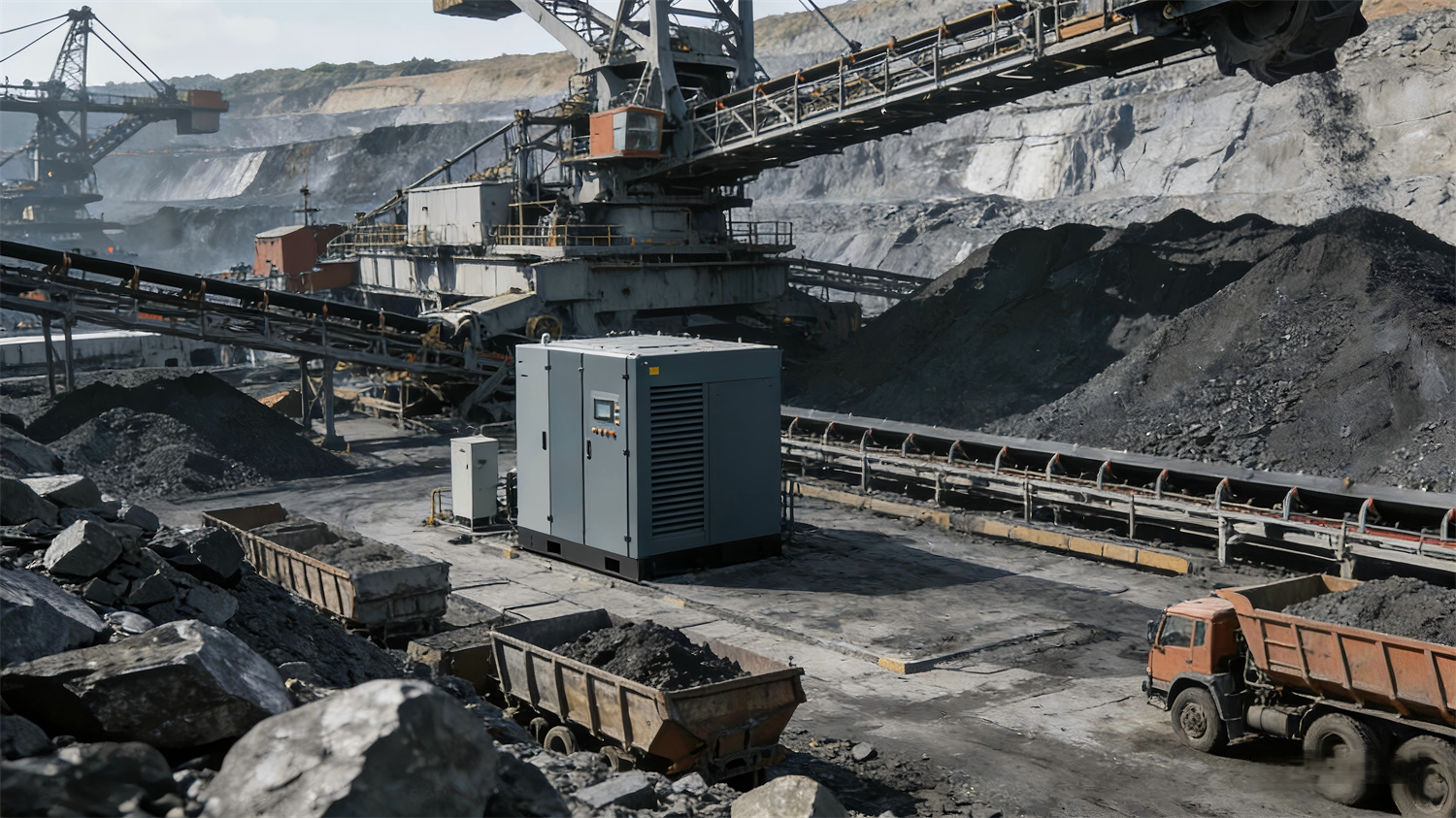
Powers heavy blast-hole drills and mine ventilation lines under extreme particulate contamination and fluctuating operating pressures.

Provides precise system control pressure. Features Class 0 sterile filtration options to ensure compliance with strict GMP standards during pill production.
Detailed technical answers addressing user search intent, thermodynamic concerns, and system deployment queries.
The primary difference lies in the method used to cool the airend and seal the internal tolerances of the rotors. Oil-lubricated systems inject synthetic lubricant directly into the compression chamber, which acts as a sealing agent, mechanical lubricant, and heat sink. This results in higher volumetric efficiency and a longer mechanical lifespan. Oil-free compressors utilize special teflon-coated rotors, timing gears, and external water-jacketing for cooling; they are more expensive to buy and maintain but deliver clean air for sensitive food, chemical, or pharmaceutical processes.
PM VSD stands for Permanent Magnet Variable Speed Drive. A VSD system uses an electronic inverter to adjust the rotational speed (RPM) of the compressor motor in real-time, matching output volume to current demand. Unlike induction motors, permanent magnet motors maintain very high efficiency even at low rotational speeds, eliminating idling losses and avoiding high in-rush currents during start-up, saving up to 50% on utility costs.
Standard service intervals include replacing the air filter and oil filter element every 2,000 operational hours. The oil separator element, which separates synthetic oil mist from the compressed air, should be replaced every 4,000 hours, depending on operating environment dust levels. Regular oil sampling helps determine the exact wear rate of the rotor bearings and the remaining chemical life of the oil.
An air storage tank acts as a pressure buffer between the compressor and the factory floor. It dampens downstream pressure pulsations, collects condensed moisture from the air stream, and prevents the compressor from shifting excessively between loaded and unloaded states. This minimizes wear on electrical contactors and mechanical drive couplings.
Linyi is the largest logistics hub in northern China, with direct shipping networks linking to major sea terminals like Qingdao and Shanghai. This allows for near-zero domestic transport delays, optimized container loading, and lower regional freight rates. We pass these logistics savings directly to our international clients, lowering their landed equipment costs.
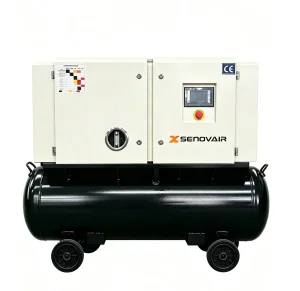
Browse our integrated air tanks, two-stage energy efficient models, and specialized mobile integrated systems.
 Smart Air