 Smart Air
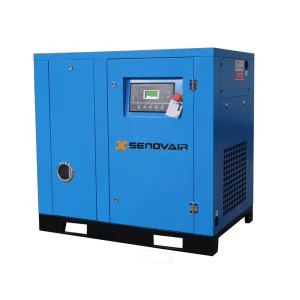
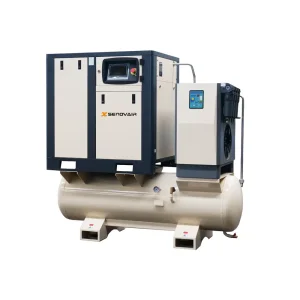
The Fundamentals of Air Treatment: Understanding Refrigerated Dryers
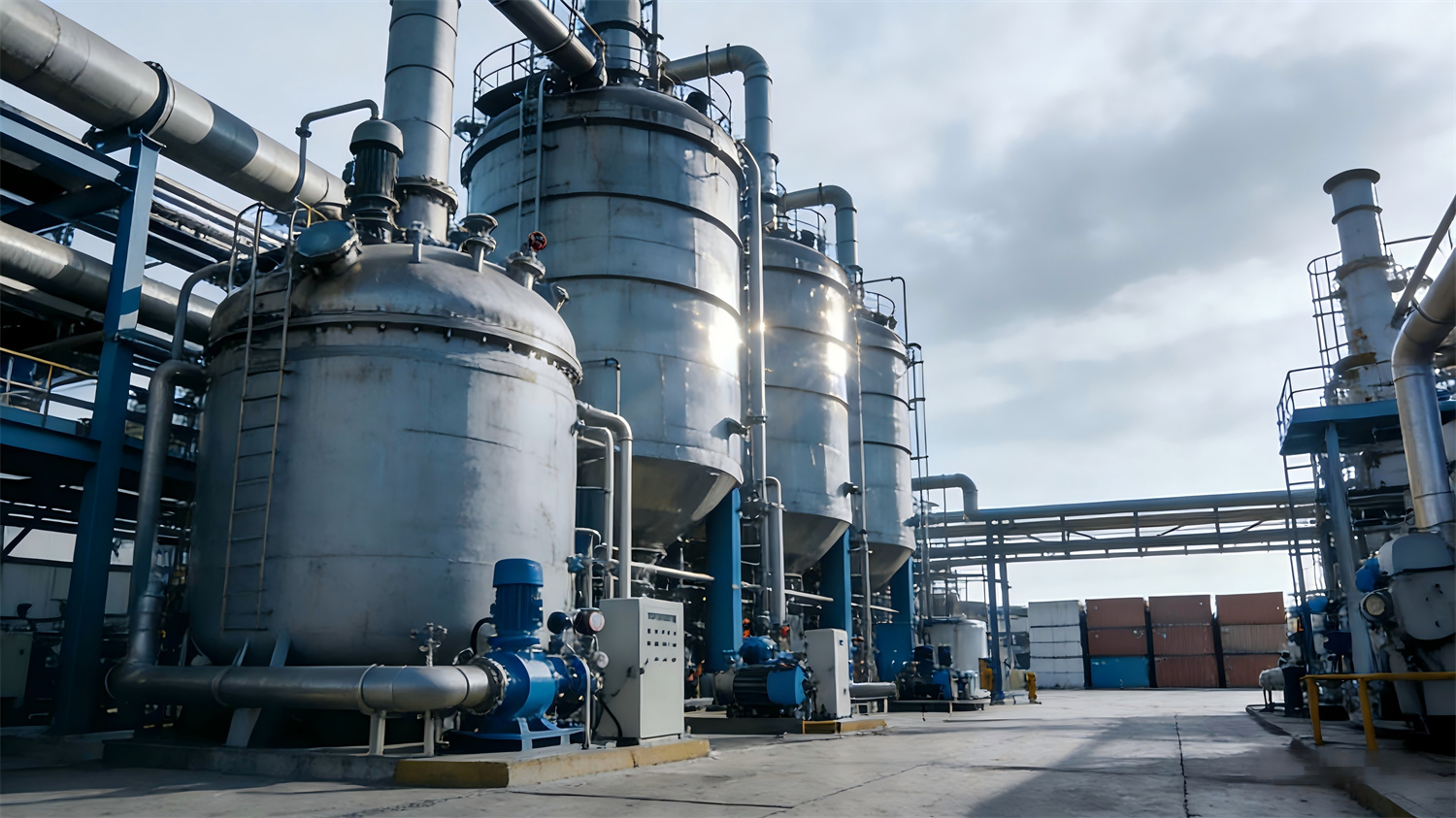
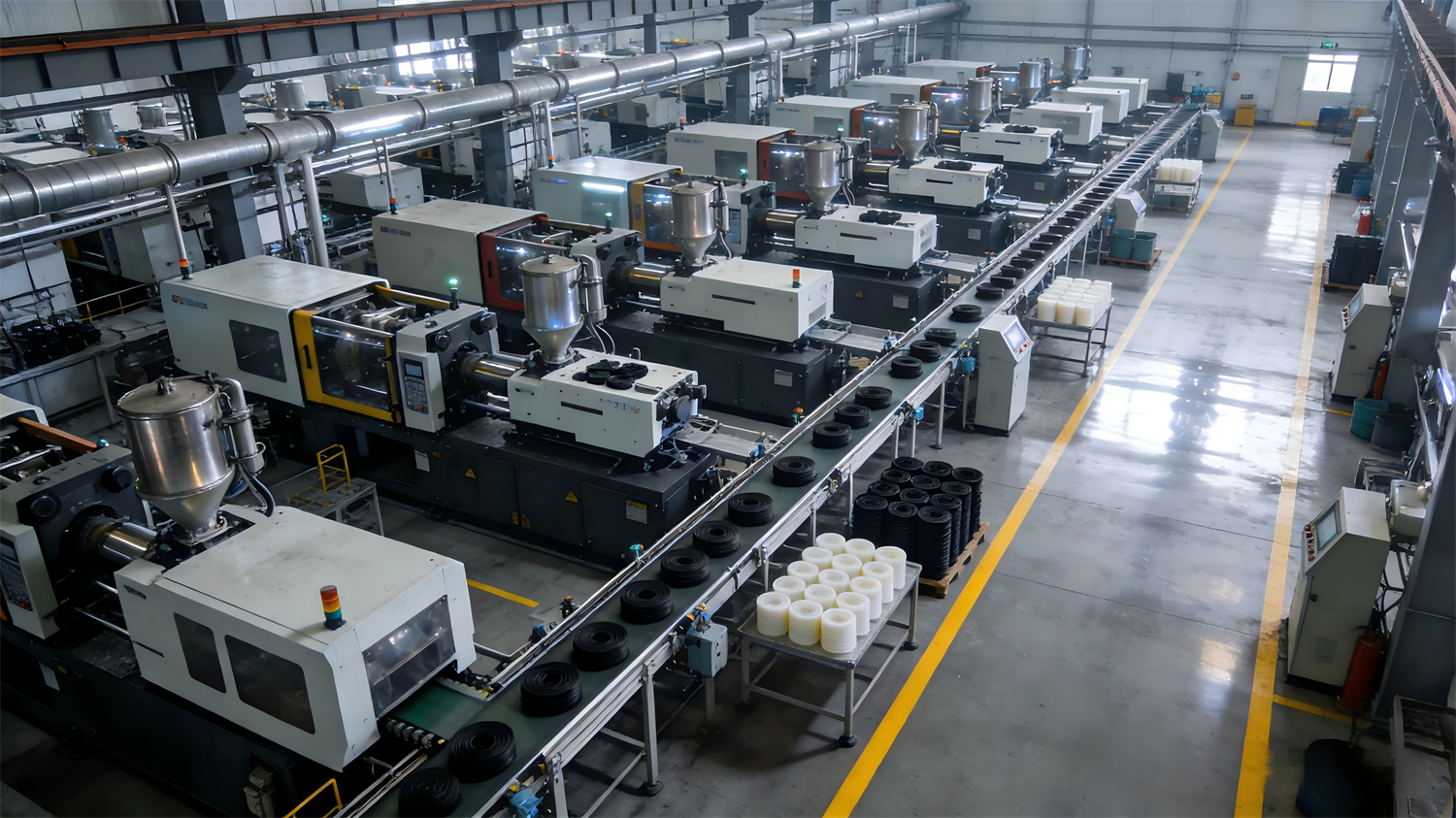
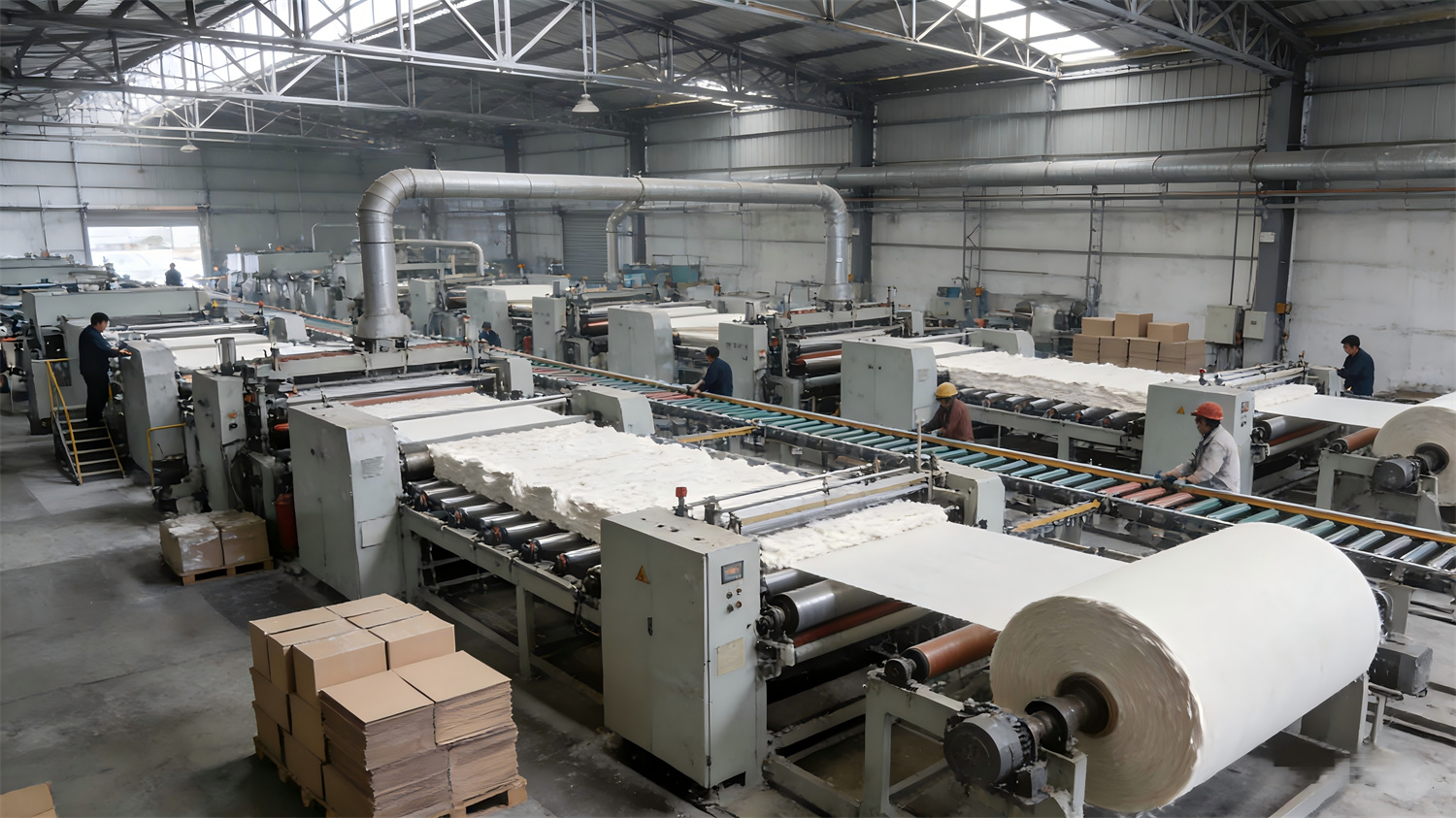
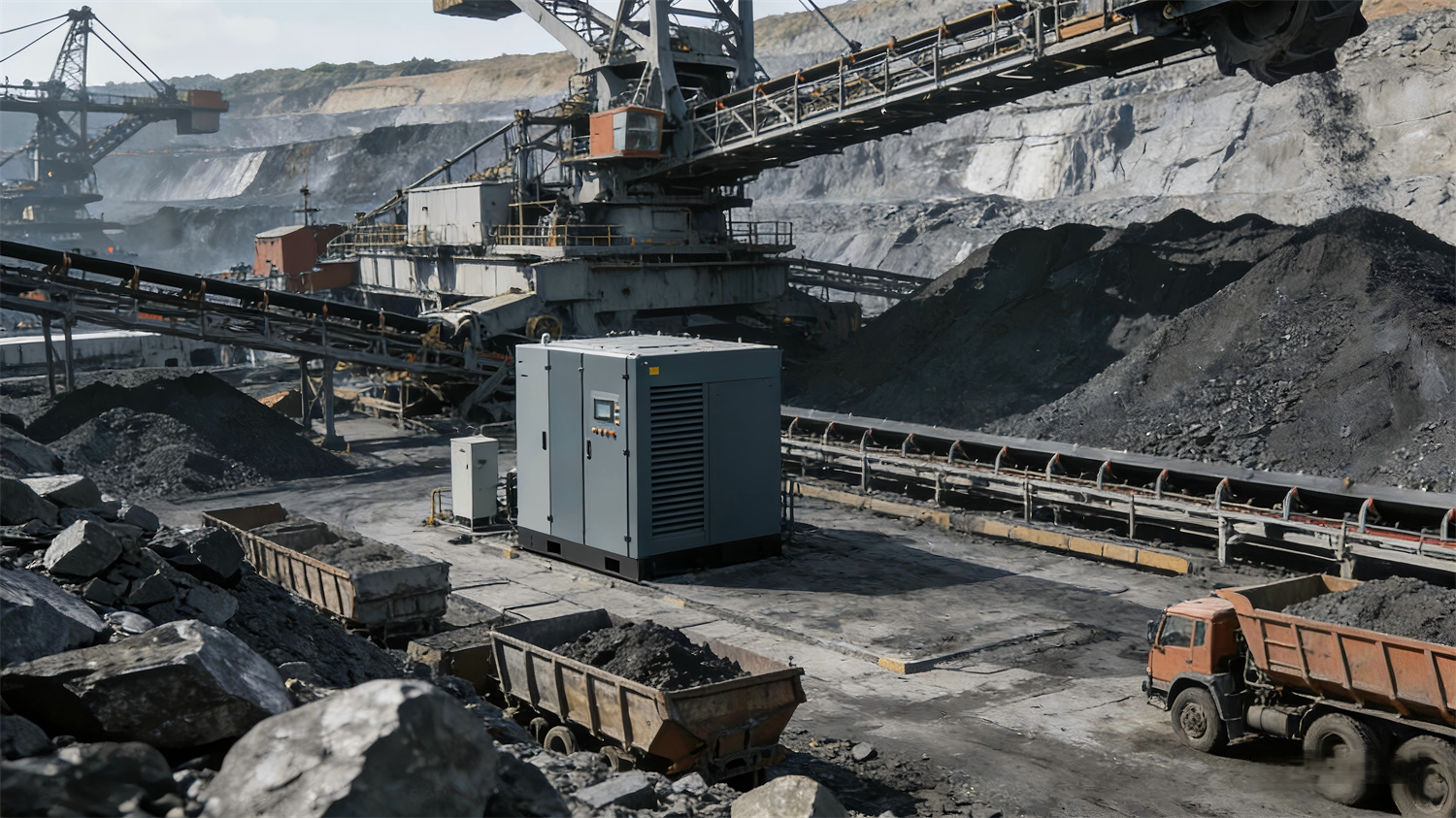
In modern industrial pneumatic setups, compressed air acts as a critical utility equivalent to water or electricity. However, the compression process inevitably increases the concentration of atmospheric water vapor, particulate contaminants, and trace oil aerosols. As the hot compressed air exits the screw air compressor, it cools down stream, causing massive water condensation inside piping systems. For enterprises running precision equipment like laser cutting machines, textile looms, and automated chemical processing units, liquid water is the primary catalyst for pipeline corrosion, tool deterioration, and ultimate product degradation.
Refrigerated air dryers serve as the standard, cost-effective defense against this humidity. They operate by cooling the compressed air stream to a target Pressure Dew Point (PDP)—typically between 2°C and 10°C (35°F to 50°F). At this lowered temperature, water vapor transitions into liquid droplets, which are systematically collected and purged by automatic drainage valves. This thermodynamic process isolates the dry air, preventing secondary condensation downstream even in variable operational environments.
Why Pressure Dew Point (PDP) Matters
The efficiency of a refrigerated dryer is measured by its capacity to maintain a stable Pressure Dew Point under full load. A deviation of just 2°C above target can allow humidity to carry over into critical downstream nodes, causing micro-voids in laser welds, yarn structural variations in textile weaving, and microbiological activity in pharmaceutical batch runs.
Global Sourcing Demands & Crucial Procurement Parameters
Sourcing industrial dryer assemblies from Chinese factories requires a clear understanding of dynamic engineering factors. Global purchasing agents must assess more than just pricing brackets. The selection matrix should balance several variables:
- Volumetric Flow Capacity (CFM or m³/min): The rated capacity of the dryer must exceed the combined flow output of the screw compressors under peak operations. Flow rates must be corrected based on absolute inlet temperature and ambient air pressure.
- Maximum Inlet Temperature Capabilities: While standard systems are built for a maximum inlet of 45°C, heavy-duty processing loops require high-temperature configurations capable of handling up to 80°C hot discharge directly from screw chambers.
- Ambient Air Heat Load: Dryer sizing must compensate for local seasonal variations. If operating in environments like the Middle East or Southeast Asia, where ambient temperatures exceed 40°C, a oversized condenser assembly is non-negotiable.
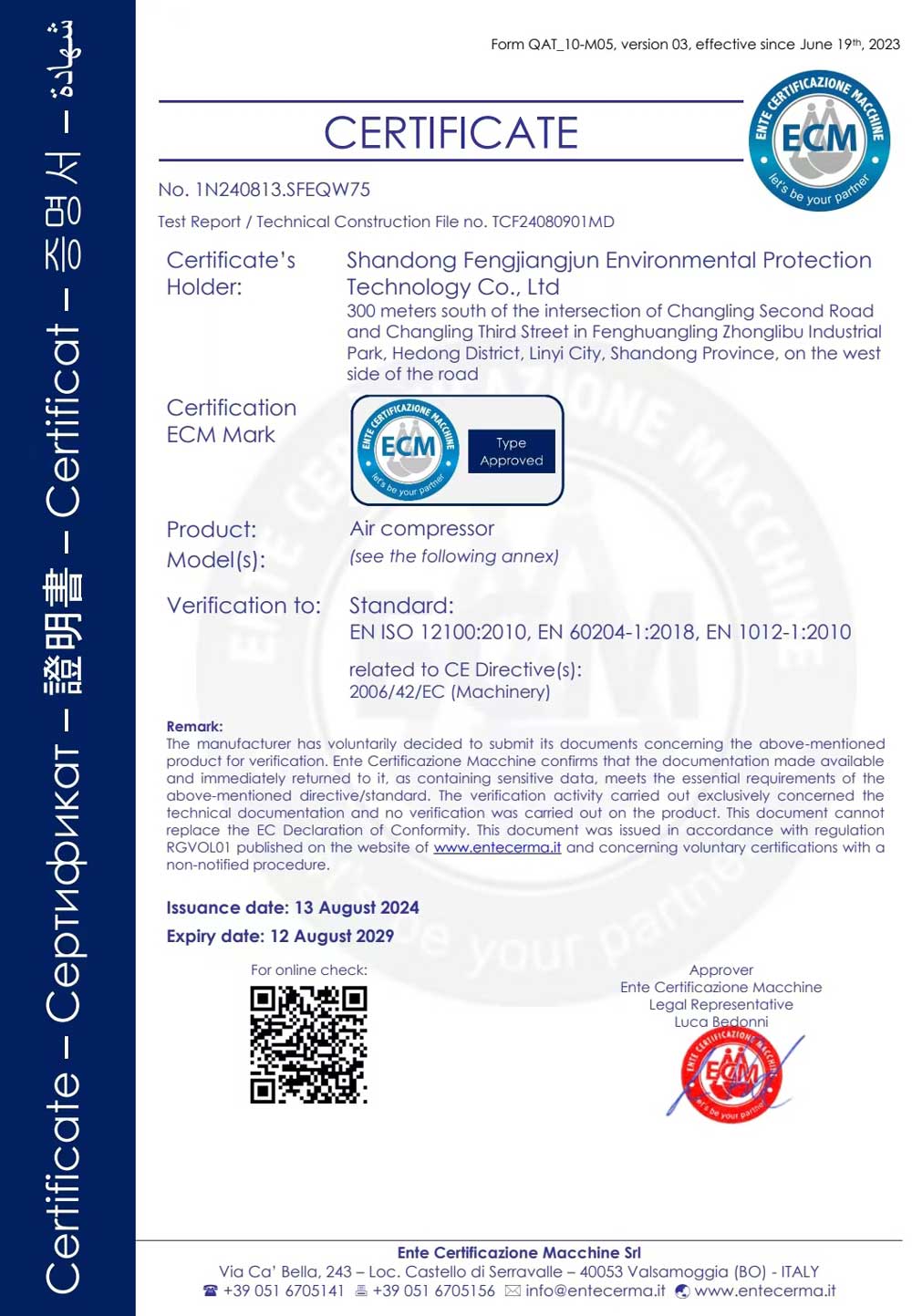
- Refrigerant Compliance: Modern eco-regulations (such as the EU F-Gas regulations and US EPA SNAP programs) mandate the use of zero-ozone-depletion refrigerants. Smart Air designs utilize high-grade R134a and R407c to ensure global operational compliance.
Technology Trends: Energy-Efficient & Intelligent Dehumidification
The industrial air treatment segment is experiencing a significant shift toward digital control and green operations. The major developments shaping the industry include:
1. Variable Speed Drive (VSD) Integration
Traditional non-cycling refrigerated dryers run at constant speed, consuming full power even when the compressor load drops. Smart Air is integrating intelligent Variable Speed Drive technology directly into refrigerant compressors. The system senses the fluctuating flow demand and alters the motor frequency, slashing auxiliary power consumption by up to 50% during off-peak cycles.
2. Eco-Friendly Thermal Mass Dryers
By utilizing an internal thermal storage medium, modern dryers can turn off the refrigeration circuit entirely when the compressed air flow drops. The system stores cold energy in a glycol-water tank or an innovative solid-phase material, cycling the cooling compressor on and off as required, which extends the operational life of key system elements.
3. Smart IOT Remote Monitoring
Integrating dryers into the overarching factory SCADA system is standard practice. With built-in IOT gateways, our screw air compressors and dry air assemblies communicate crucial parameters like dew point status, refrigerant pressure levels, and ambient moisture loads in real-time, allowing operators to run predictive maintenance cycles before a shutdown happens.