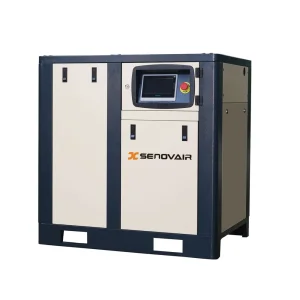
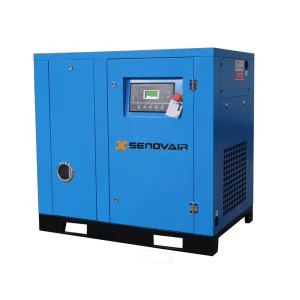
Explore our leading machinery engineered for optimal pressure management, system stabilization, and energy efficiency.
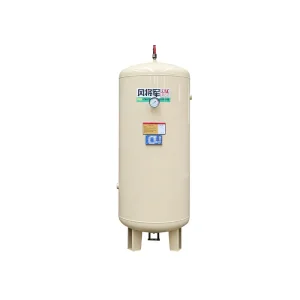
In modern industrial manufacturing, compressed air is frequently referred to as the "fourth utility," powering operations ranging from heavy construction to ultra-precise pharmaceutical production. At the core of every reliable compressed air system lies the air tank (or air receiver vessel). Rather than acting simply as a physical container, the air tank serves as a dynamic pressure buffer, a vital heat exchanger, and an initial stage for moisture separation.
Globally, the market for air storage vessels is undergoing a significant transition. Driven by international initiatives for decarbonization and energy efficiency, factories are no longer treating compressors and air tanks as separate components. Instead, they are integrating them into holistically engineered pressure networks. The rising demand for oil-lubricated PM VSD (Permanent Magnet Variable Speed Drive) screw air compressors has elevated the technical importance of matched air storage. Because VSD compressors scale their motor speed dynamically to match real-time air demand, a properly sized air receiver vessel prevents rapid cycling, minimizes pressure drop across the facility, and maximizes overall thermodynamic efficiency.
"Optimizing system pressure variance through correct air tank integration can reduce industrial compressor energy consumption by up to 15%. This structural modification directly translates to lower carbon emissions and enhanced operating margins."
As industrial supply chains look for resilience and cost-efficiency, China has positioned itself as the leading global hub for high-quality pressure vessels. China's industrial manufacturing ecosystem integrates raw steel sourcing, advanced precision welding technology, and strict international compliance standards (such as ASME Section VIII, CE PED, and China's own GB standards). Manufacturers like Smart Air Machinery (Linyi) Co., Ltd. leverage these supply chain dynamics to design and export premium pressure storage solutions that meet the diverse, challenging regulations of international markets, including the Americas, Europe, Australia, and Southeast Asia.
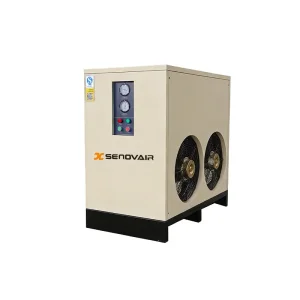
An essential concept for systems engineers when designing compressed air infrastructure is the placement of the air storage tank in relation to the air drying and filtration equipment. Wet Storage Tanks are installed immediately downstream of the compressor and upstream of the refrigerated or desiccant air dryers. This configuration allows the air tank to act as a primary heat exchanger, cooling the hot, saturated air coming from the compressor discharge and facilitating the drop-out of large volumes of water droplets and oil aerosols before they reach the dryer. This reduces the thermal load and moisture burden on refrigerated dryers, such as our Wholesale Refrigerated Air Dryer For Compressor systems, extending dryer life and maintaining a consistent pressure dewpoint.
Conversely, Dry Storage Tanks are placed downstream of the air filtration and drying system. These vessels store clean, dry air, preventing surges in demand from pulling wet air from the compressor bypass. By leveraging a strategic combination of wet and dry receiver storage, manufacturing plants can eliminate pressure drops and keep critical downstream processes free from condensate and oil contamination.
A global leader in diversified air compression and storage systems manufacturing since 2005.
Smart Air Machinery (Linyi) Co., Ltd. integrates research and development, manufacturing, and international trade. Based in Linyi, the logistics capital of China, our operations benefit from streamlined shipping routes and robust supply chain access, allowing us to export machinery and pressure vessels efficiently worldwide.
Our comprehensive production facility focuses on high-efficiency screw air compressors (ranging from 7.5kW up to 200kW), integrated mobile air solutions, and robust pressure vessels. Driven by our quality philosophy—"quality creates reputation, reputation creates brand, and brand creates market"—we enforce rigorous quality assurance at every manufacturing stage.
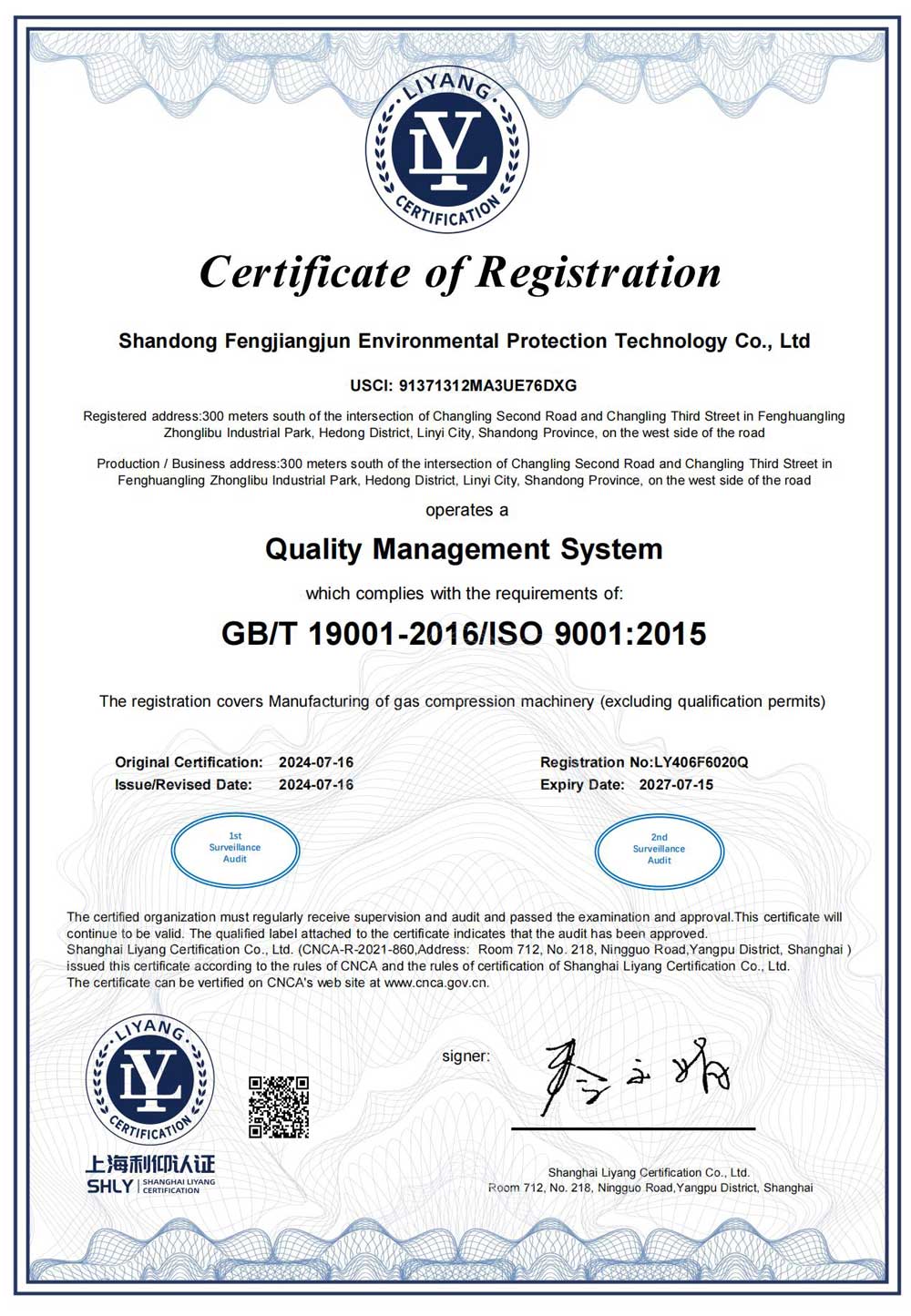
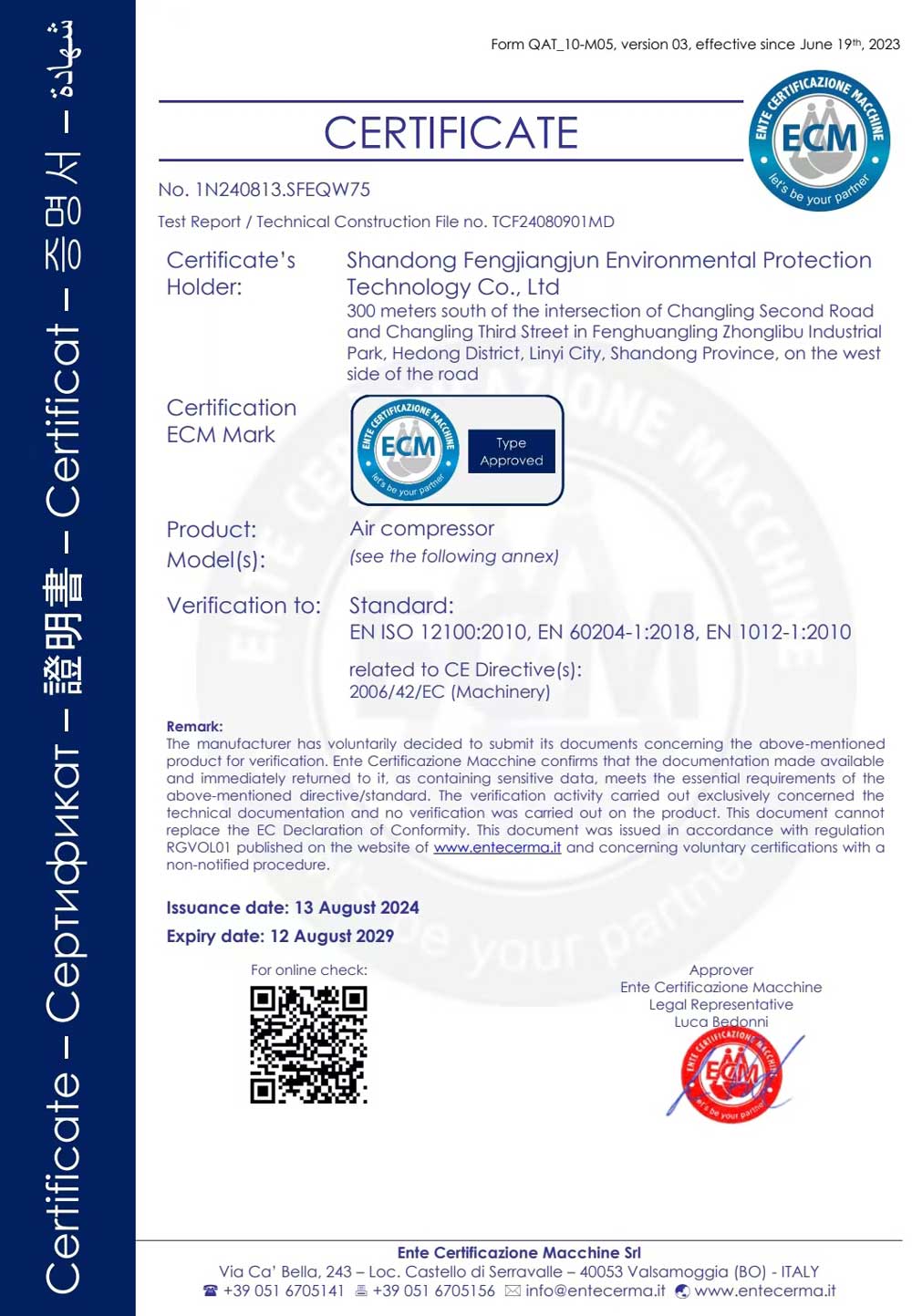
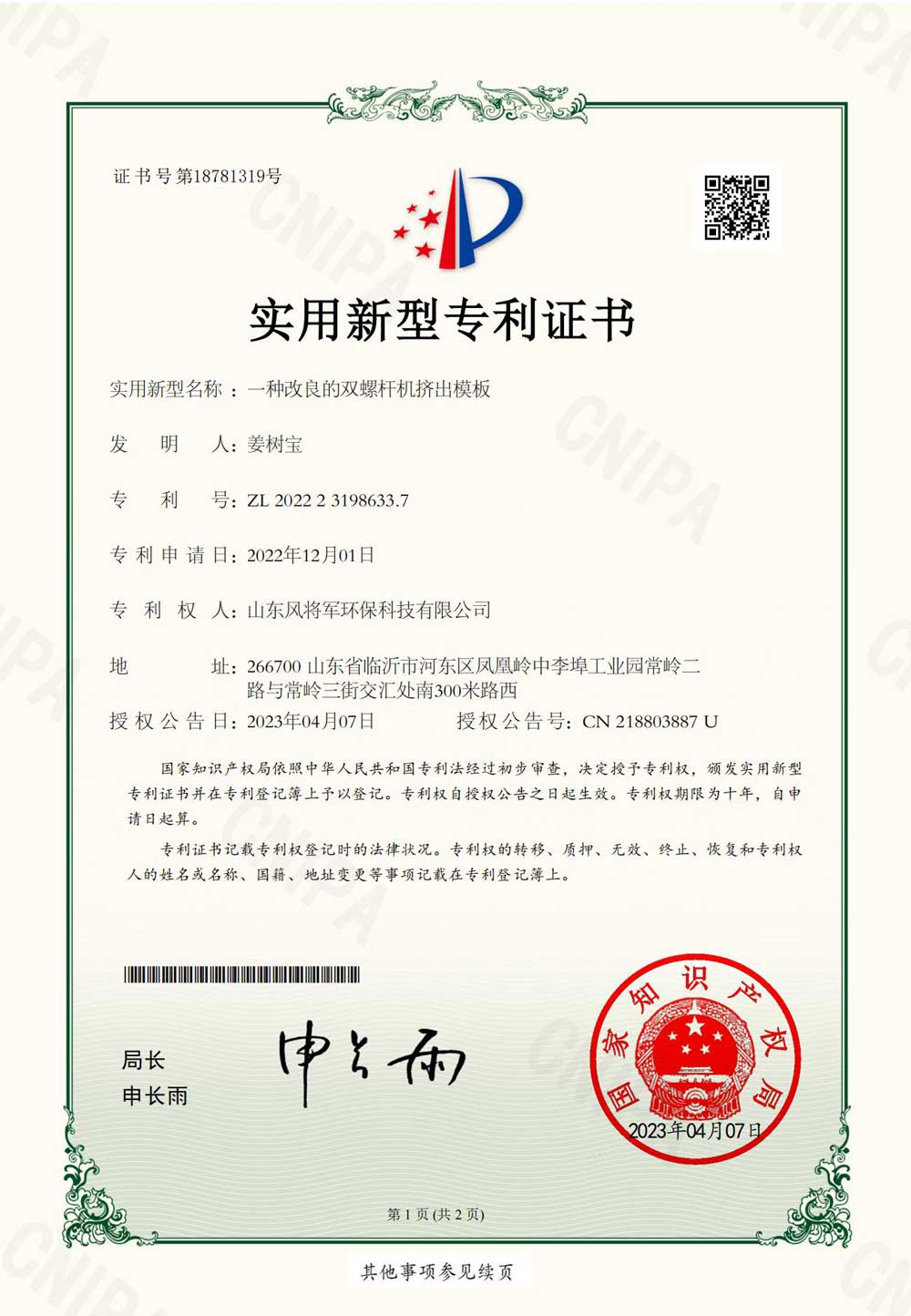
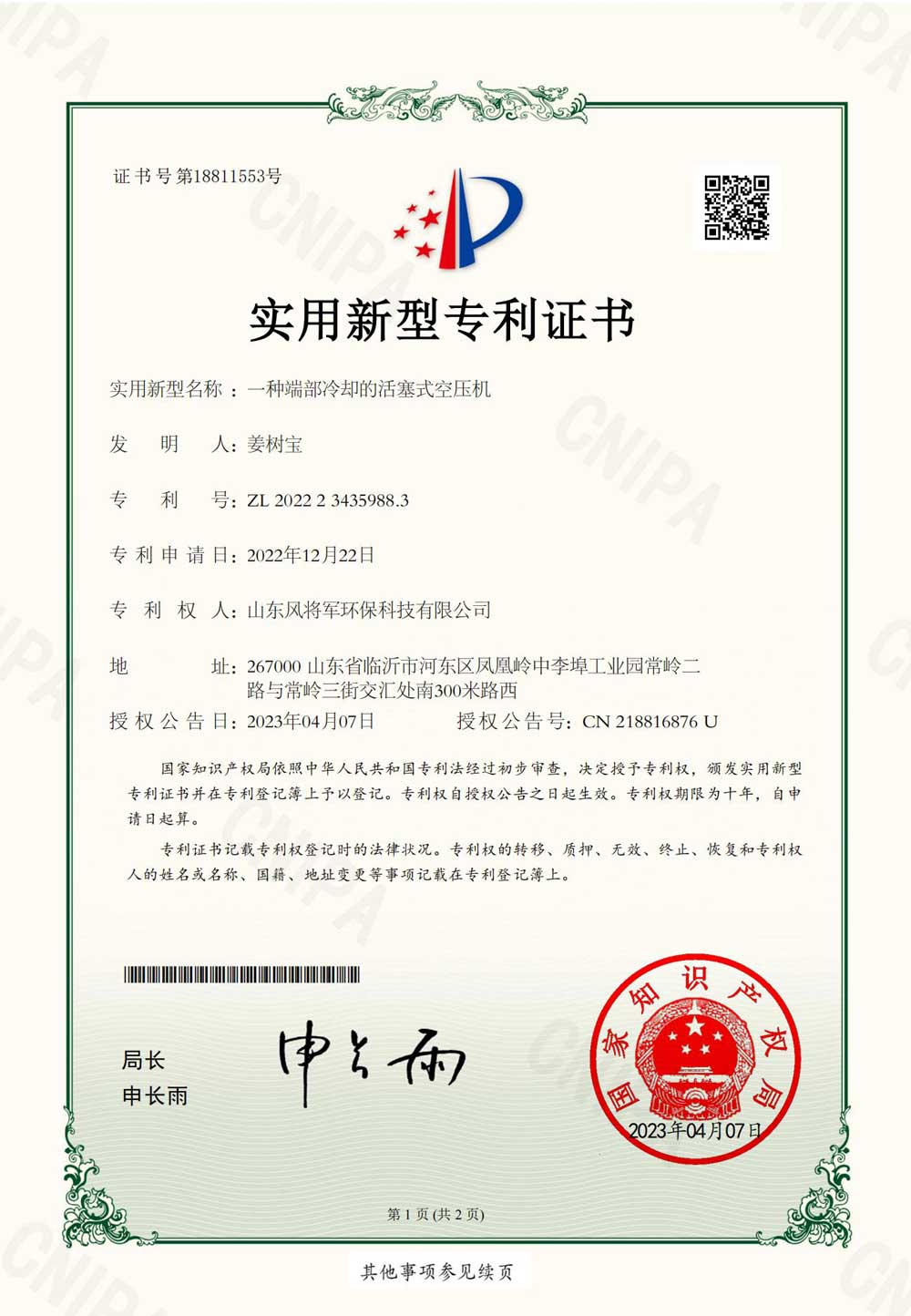
Our manufacturing plant is recognized with major certifications including "China Famous Brand," "Green and Environmentally Friendly Products," "High-Tech Enterprise," and "3A Credit Enterprise," verifying our alignment with strict engineering guidelines.

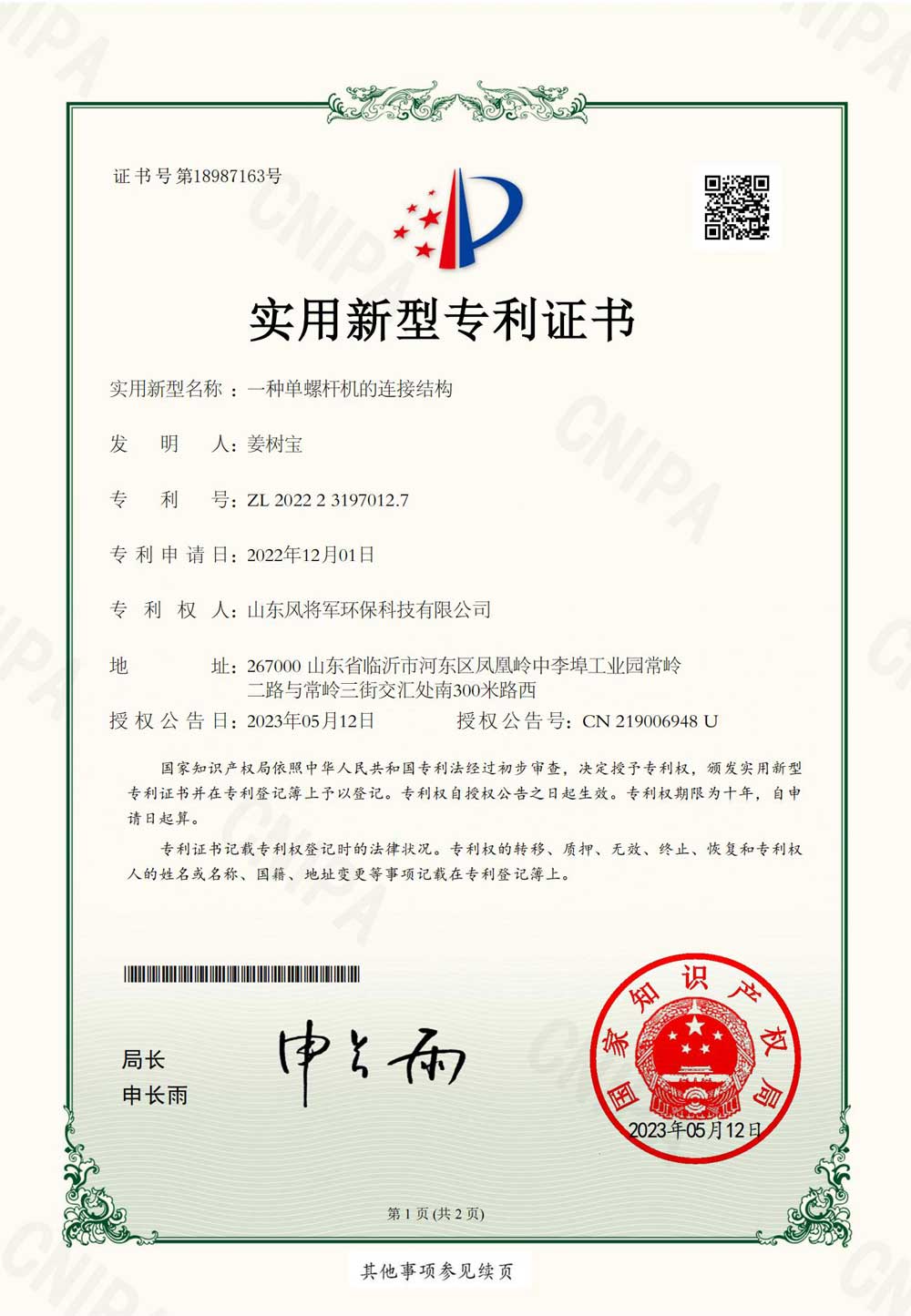
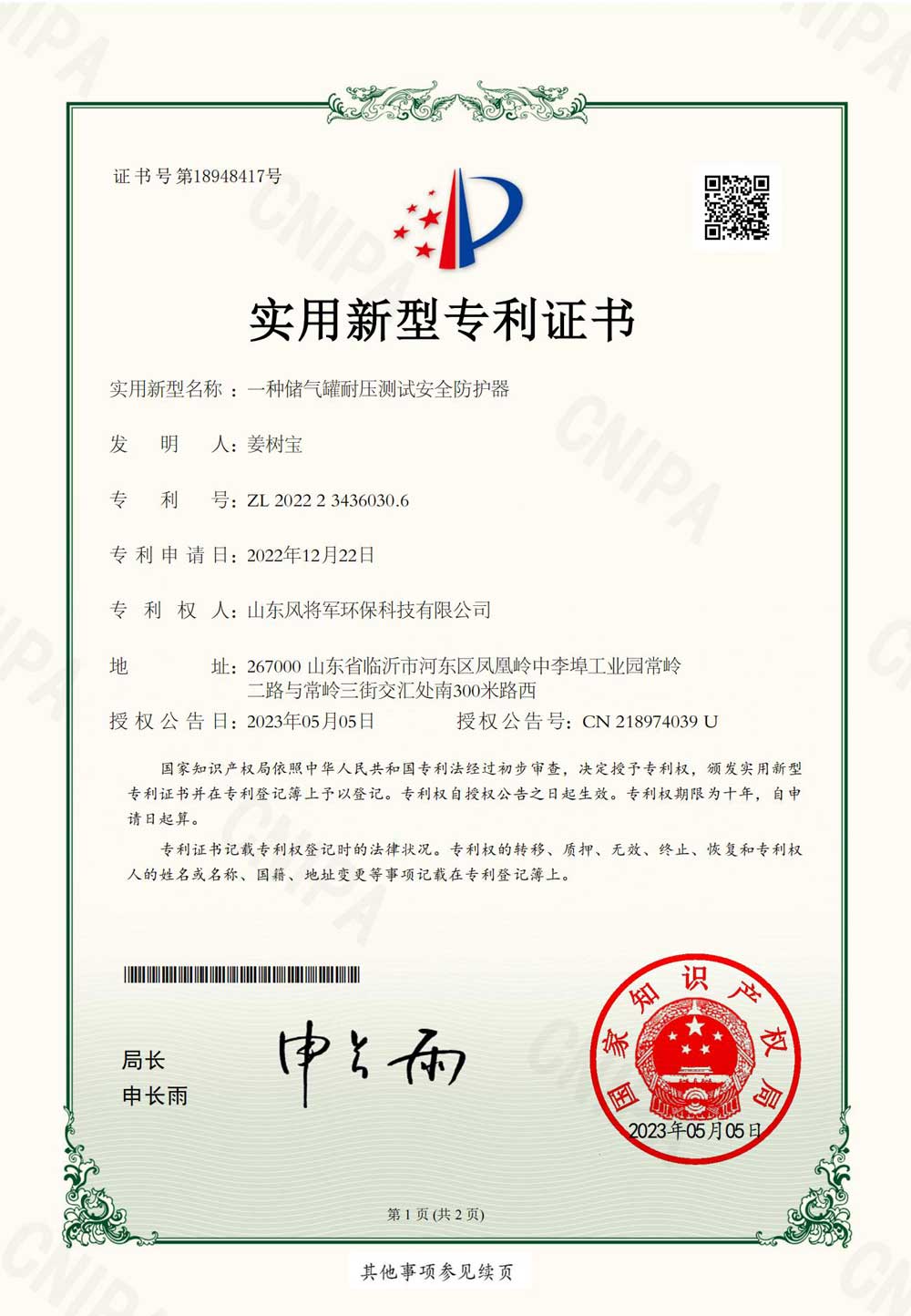
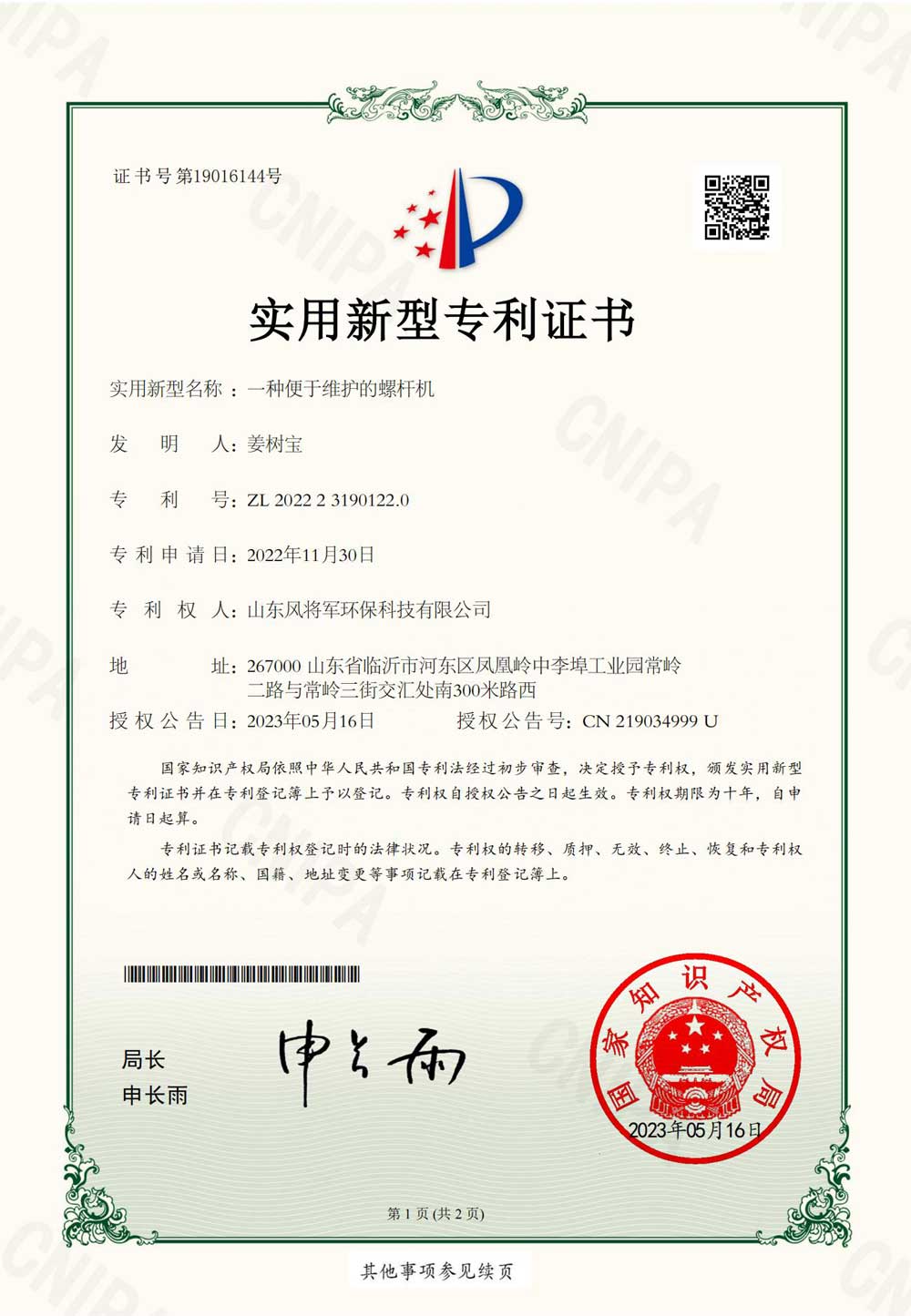
Integrating advanced metallurgy, precision engineering, and IoT sensor interfaces to provide smart storage solutions.
Engineered using premium structural carbon or stainless steel, with stress-relieved welded joints tested via digital radiography to withstand high fatigue cycles and continuous system pressures.
Internal surfaces are prepared and coated with chemical-resistant epoxies to prevent rust caused by acidic condensates, ensuring clean air delivery downstream.
Can be fitted with zero-loss electronic level-sensing drains, automatically releasing gathered condensate without wasting valuable compressed pressure.
Discover how integrated compressed air storage optimizes performance across diverse sectors.
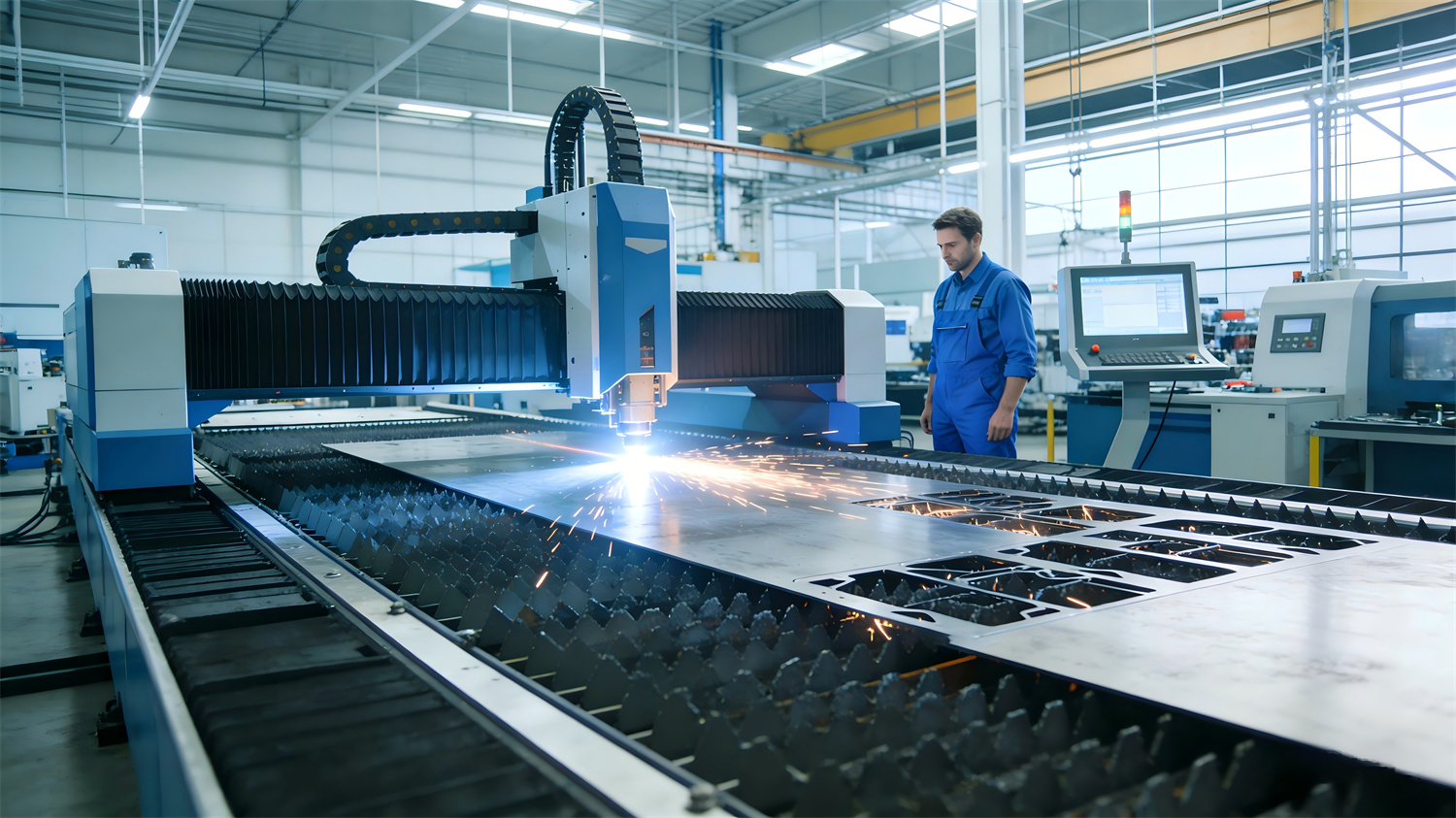
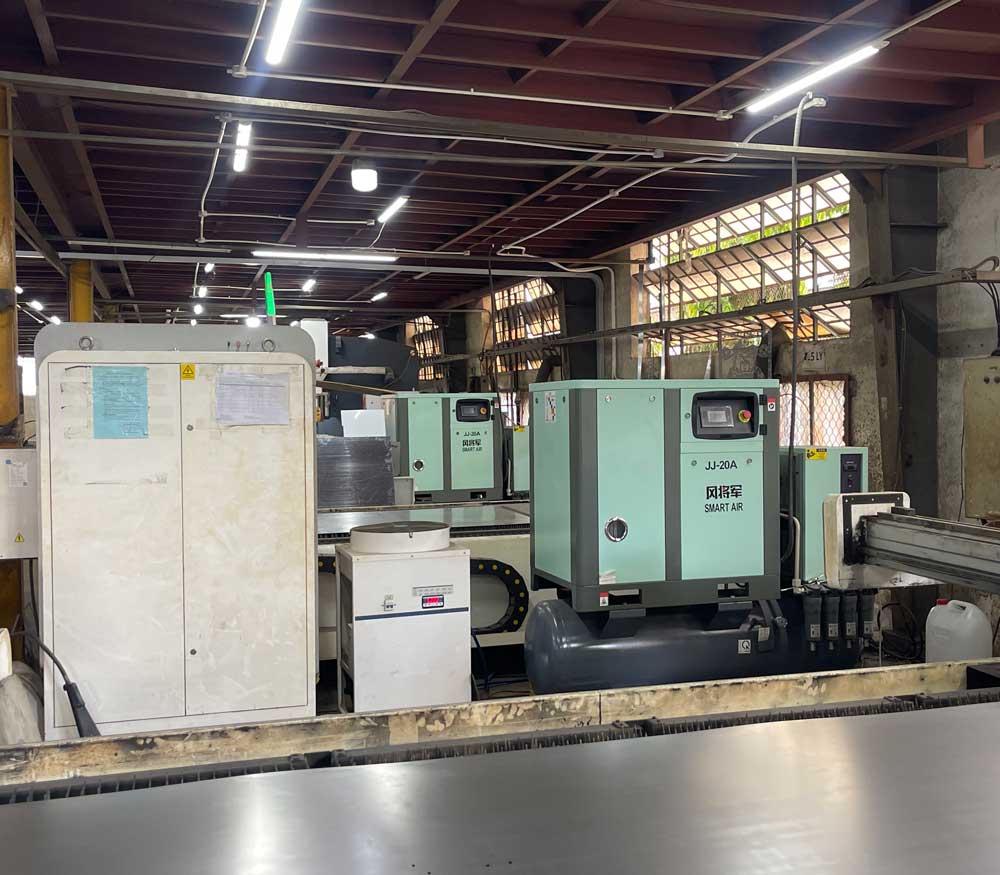
Provides high-pressure, clean, and stable compressed air crucial for blowing away molten slag and debris. High-capacity air receivers stabilize the line pressure, protecting sensitive laser heads and ensuring clean, high-precision cuts.

Air-jet looms rely on uninterrupted compressed air flows. Properly sized storage vessels eliminate velocity and pressure fluctuations, preventing fabric defects and yarn breaks while protecting air-jet nozzles from dust and oil contamination.

From robotic assembly tooling to paint booths, automotive assembly requires varying flow rates. Air tanks act as buffers, handling peak loads from pneumatic tools and ensuring clean, oil-free air for high-quality finishes.
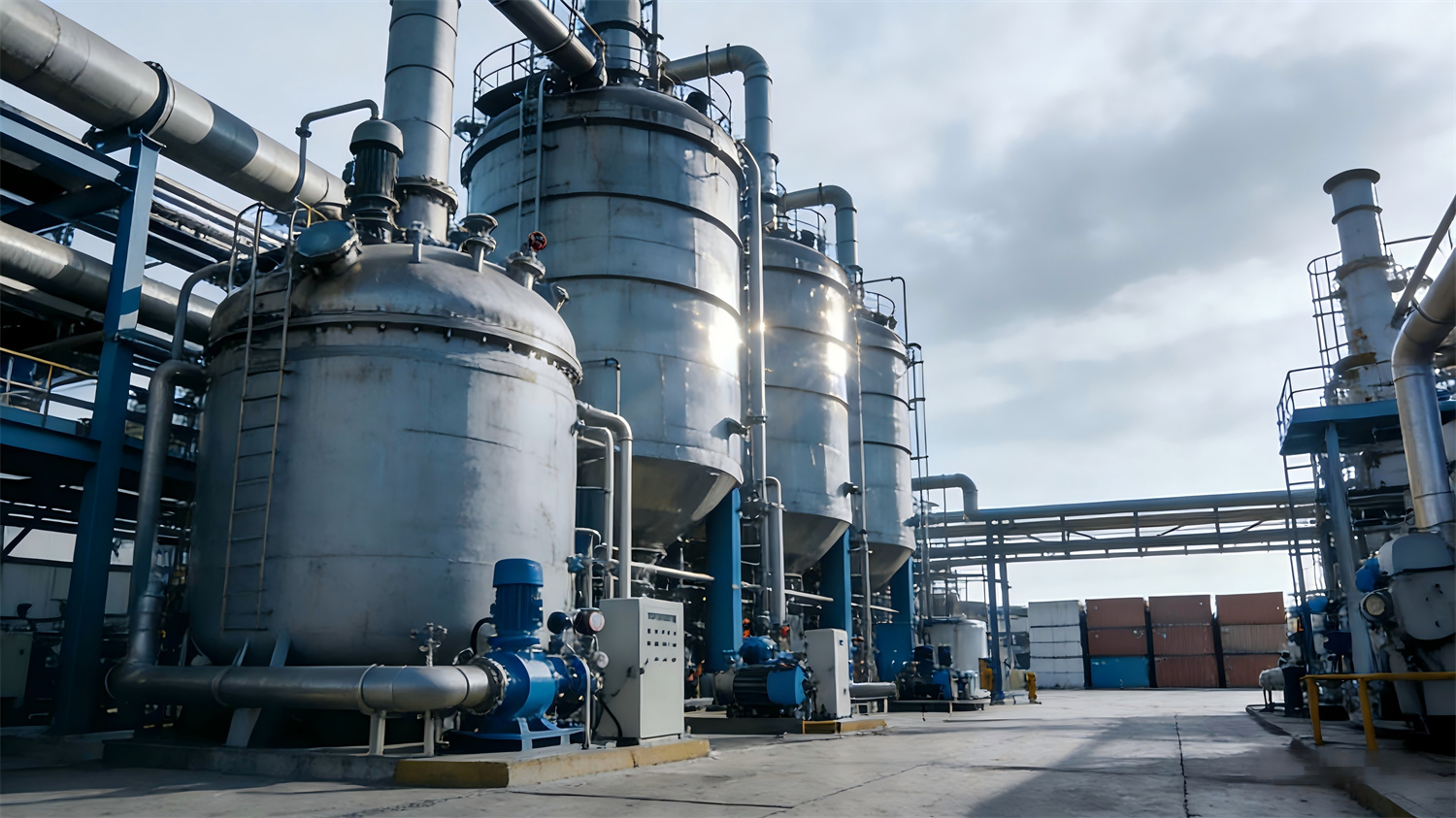
Chemical processing operates in harsh, highly corrosive, and explosive environments. We design explosion-proof pressure vessels with robust safety configurations to safely drive chemical reactions and control process emissions.

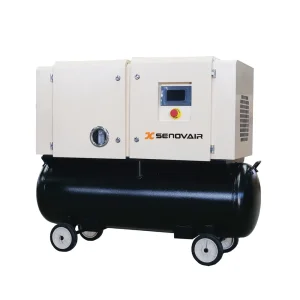
Powers pneumatic jackhammers, concrete sprayers, and drilling rigs. Our mobile 2-in-1 screw air compressors feature integrated air tanks and heavy-duty wheels to withstand demanding conditions on dynamic jobsites.

Provides the volumetric capacity needed for fast, high-flow water dispersion and spotless drying. Our compact systems help car washes decrease energy consumption during periods of low activity.
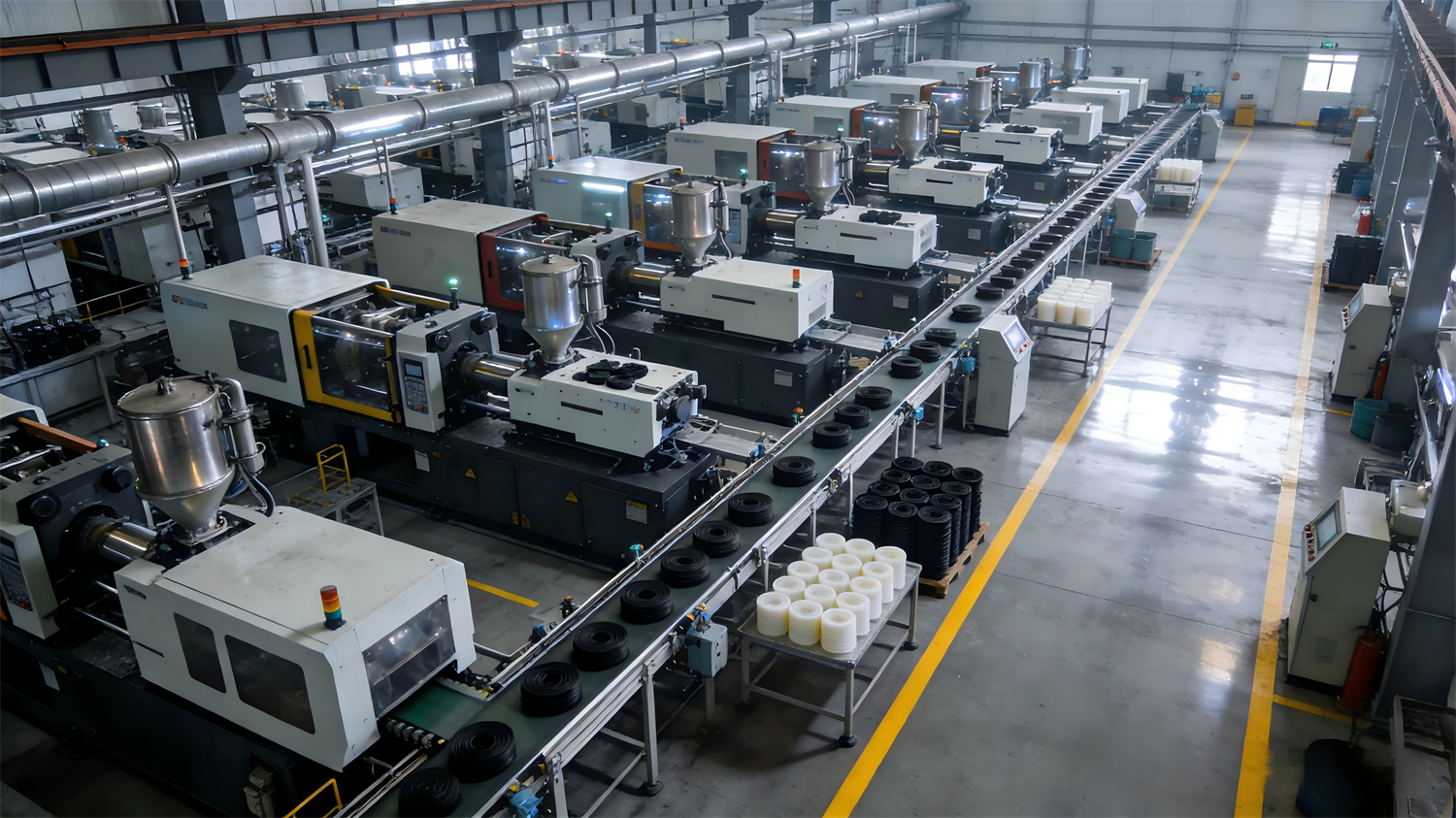
Blow molding and extrusion require high volumes of compressed air at exact pressures. Proper air receivers prevent volume drop during mold expansion, ensuring uniform wall thickness and product quality.
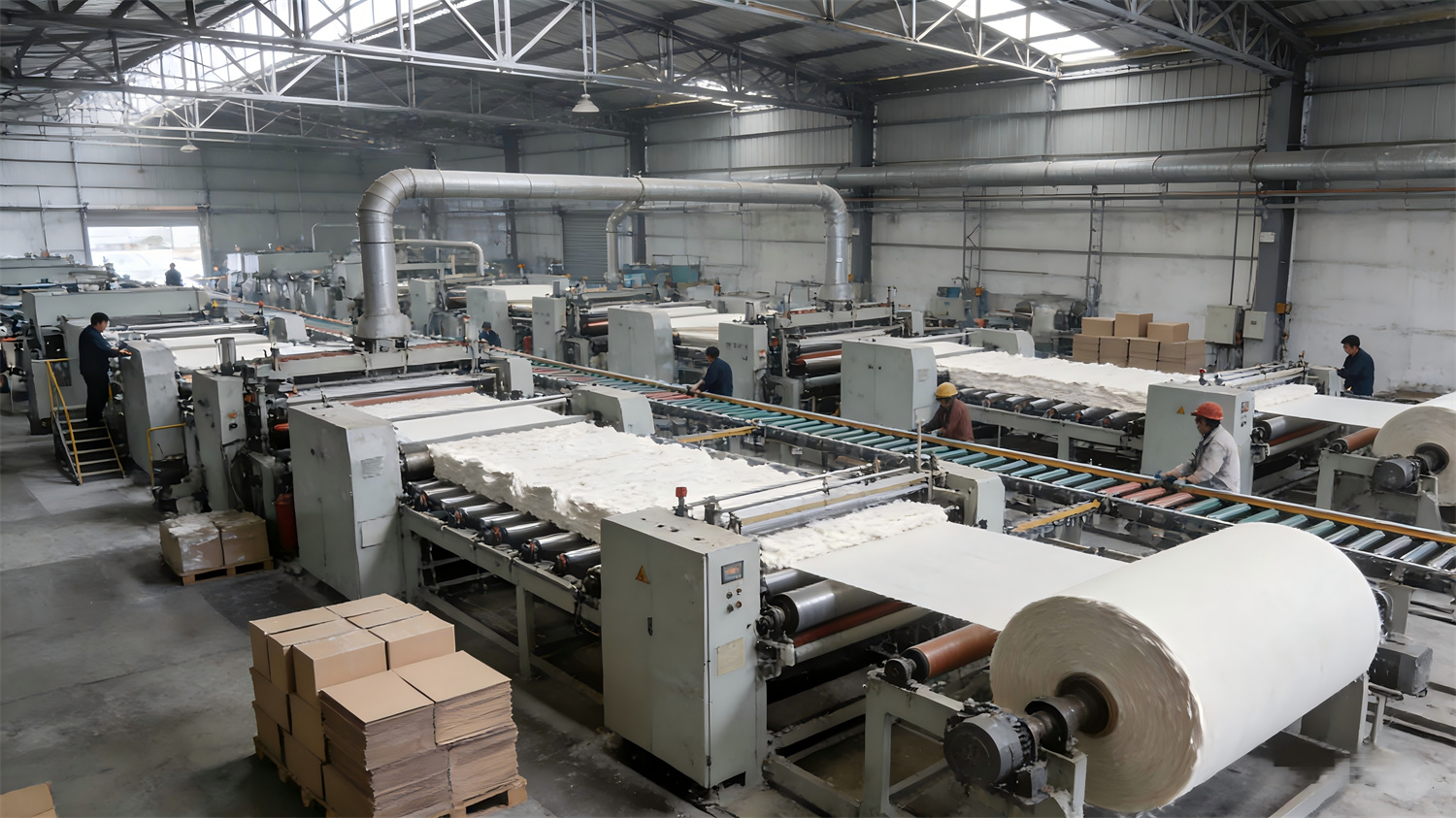
Powers pulp beaters, paper machine tensioners, and drying control lines. Clean, oil-free air storage is crucial to prevent pulp contamination and ensure high-load continuous manufacturing runs.

Pneumatic conveying, filling, and packaging lines require clean, oil-free, dry air. When combined with our high-pressure systems, food-grade internal coatings prevent contamination and protect packaging lines.
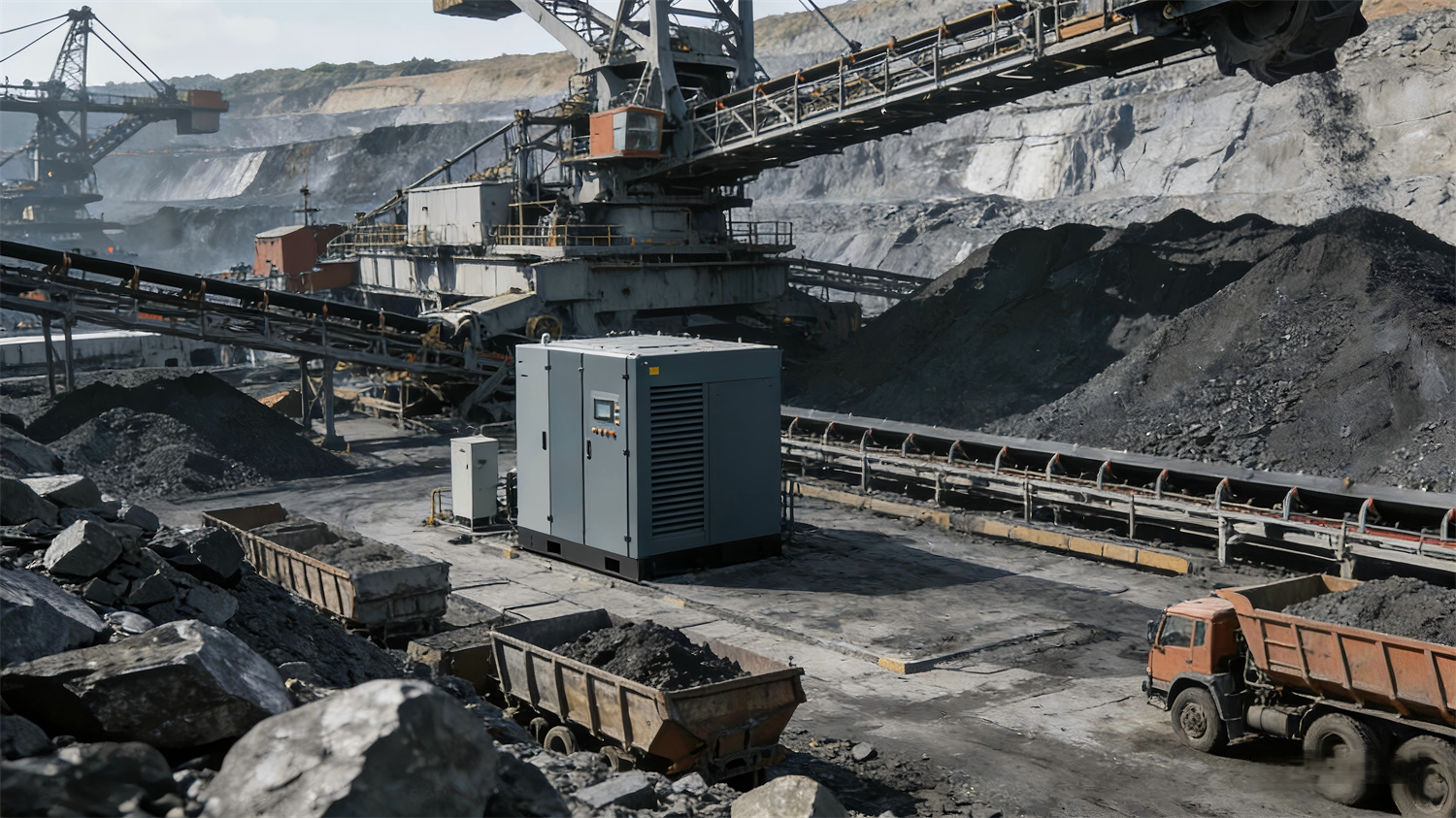
Reliable underground power distribution depends on robust storage vessels that can handle heavy particulate loads and high moisture levels, keeping rock drills and venting fans running smoothly.

Requires Class 0 oil-free, sterile air complying with GMP guidelines. Our medical-grade storage vessels feature advanced internal sanitary linings to prevent bacterial buildup and protect drug purity.
As the compressed air industry advances toward digital integration and decarbonization, we focus our development roadmap on two key trends: material optimization and digital diagnostics. We are exploring ultra-strength, lightweight carbon composite shells that can reduce tank weight by 40% while maintaining high burst pressures. For digital monitoring, we are developing smart air vessels fitted with integrated wireless pressure, temperature, and moisture sensors. These sensors connect directly to central factory automation networks, allowing operators to track energy use and plan predictive maintenance dynamically.
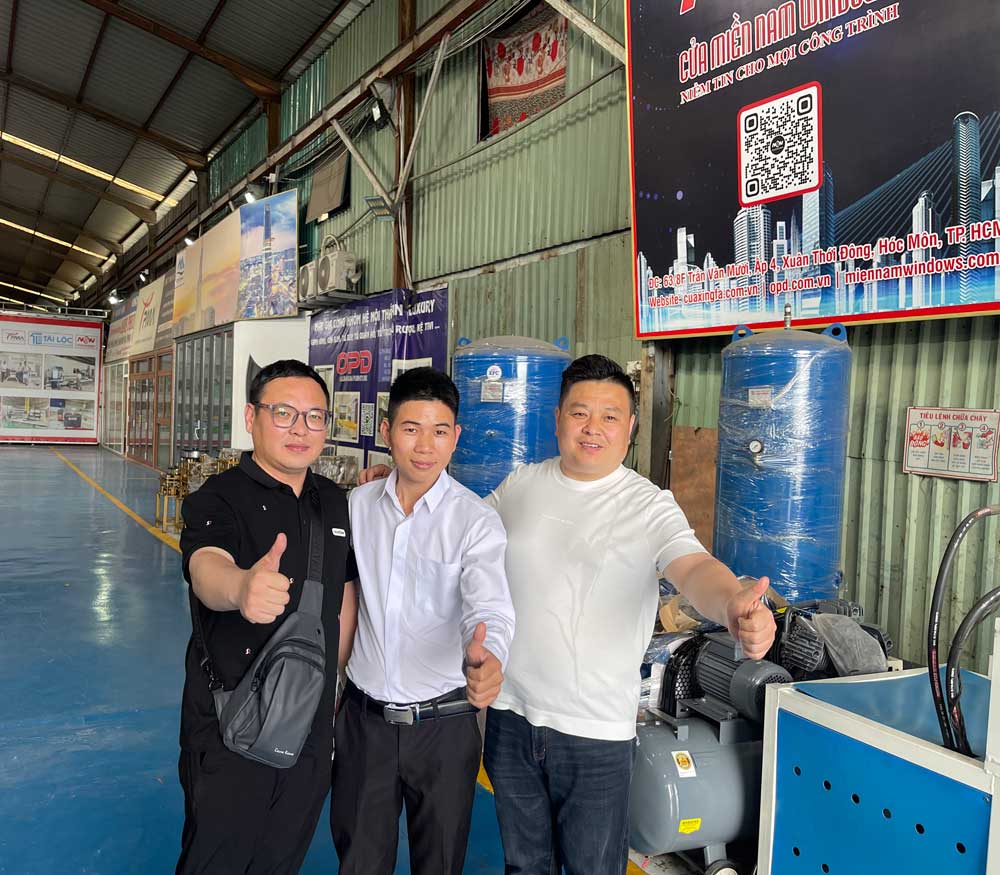
Our commitment to global standards drives our international collaboration. We have exported systems to over 20 countries, including the USA, Canada, Colombia, Chile, Australia, New Zealand, Russia, Indonesia, Vietnam, Malaysia, India, Sri Lanka, Bangladesh, Pakistan, Dubai, Afghanistan, Israel, Syria, Kosovo, Tunisia, and Angola. We maintain international standards and adapt our pressure designs to meet the precise regulations of each target region.
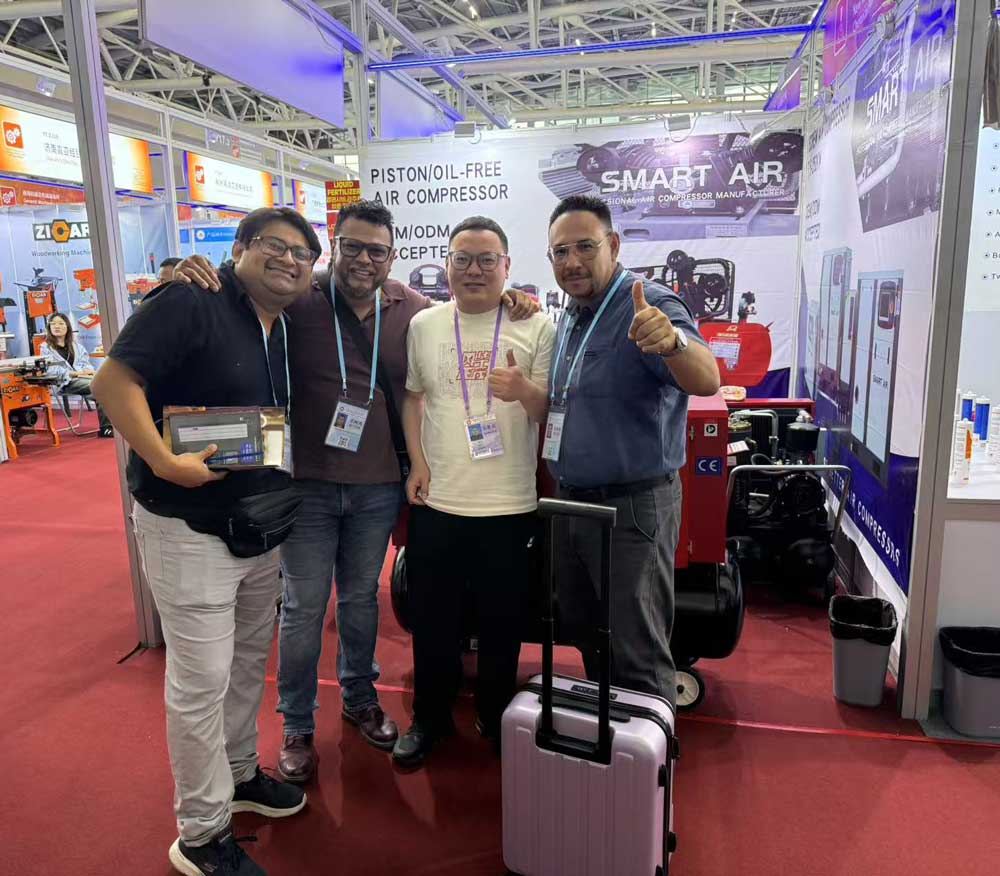
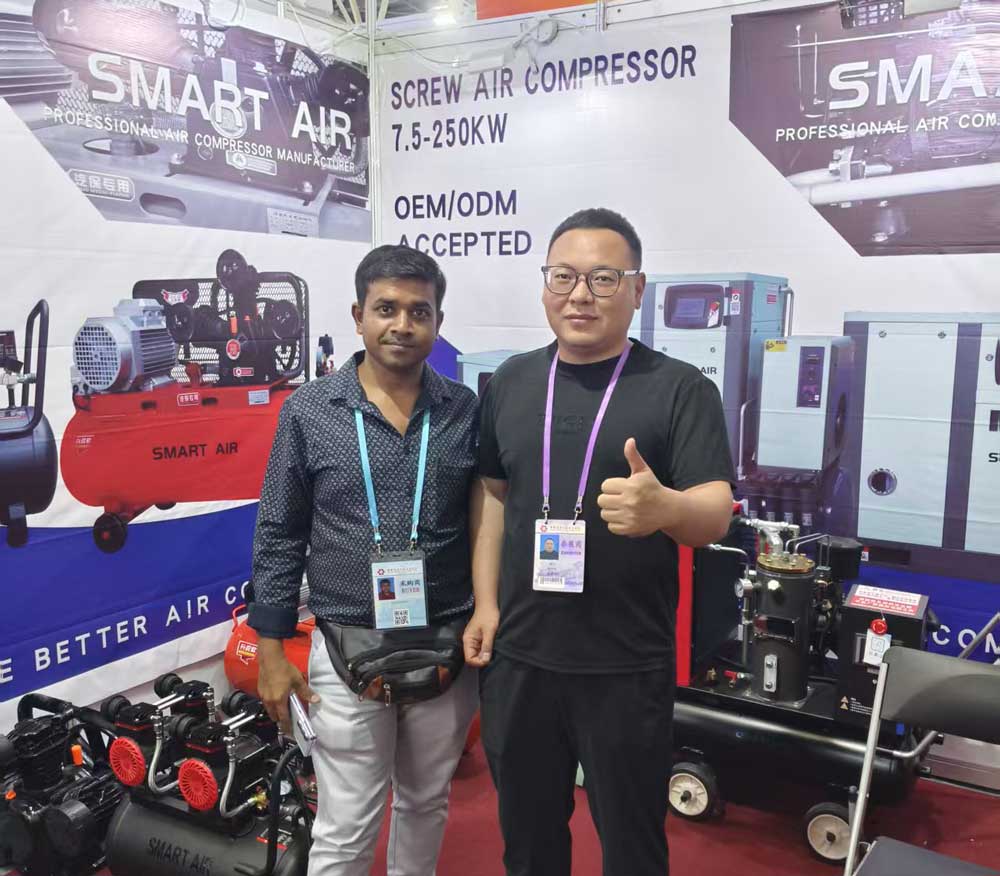
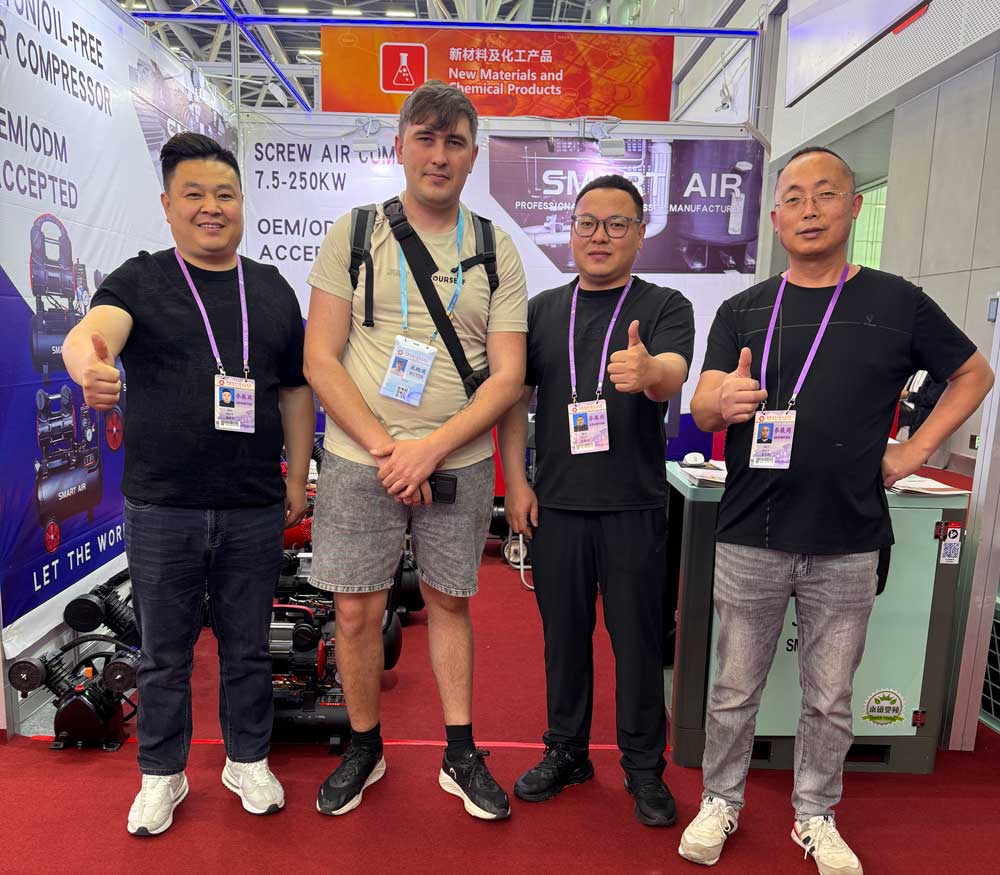
We actively participate in international industrial trade shows to demonstrate our equipment upgrades and discuss collaborative projects with worldwide partners.

Find answers to common engineering questions regarding sizing, safety compliance, and system integration.
The standard formula is V = (Q * Pa) / (P1 - P2) * t, where V is the tank volume, Q is the compressor free air delivery (FAD), Pa is atmospheric pressure, P1 is the maximum pressure, P2 is the minimum pressure, and t is the time allowed for the pressure drop. For general applications, sizing the tank to hold 3 to 4 gallons per CFM of compressor capacity is a reliable guideline.
ASME Section VIII is the global engineering standard for pressure vessels. It specifies strict design rules, material selection guidelines, welding qualifications, and non-destructive testing requirements. Having ASME certification ensures the vessel can safely withstand its rated pressure and complies with safety regulations in major global markets.
A Permanent Magnet Variable Speed Drive (PM VSD) compressor matches its motor speed directly to your air demand. Unlike fixed-speed models that run continuously and waste energy unloading, VSD systems reduce power consumption, stabilize line pressure, and minimize start-up current surges.
Hot compressed air cools inside the tank, causing water vapor to condense. If this condensate is not drained, it can lead to internal corrosion, decrease the tank's storage capacity, and travel downstream to ruin pneumatic equipment. We mitigate this using anti-corrosion internal coatings and zero-loss automatic drain valves.
Every air receiver must be equipped with three critical safety items: a calibrated safety relief valve to prevent over-pressurization, a reliable pressure gauge to monitor the vessel, and a bottom drain valve to remove accumulated water. Regular testing of the relief valve is essential for safe operation.
Multi-stage air compressors, such as two-stage screw units, generate highly pressurized air. An air receiver tank dampens the high-velocity discharge pulses from these systems, providing a steady flow downstream, reducing wear on the compressor components, and protecting the air dryer from temperature spikes.
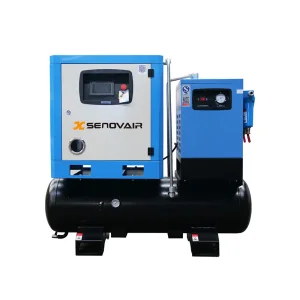
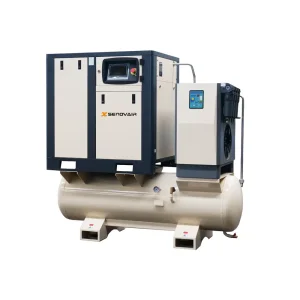
Complete your compressed air setup with our energy-efficient screw compressors, integrated mobile solutions, and air treatment systems.
 Smart Air