Engineered to work seamlessly with our customized air receiver storage tanks, these air compressors represent the pinnacle of modern pneumatic efficiency.
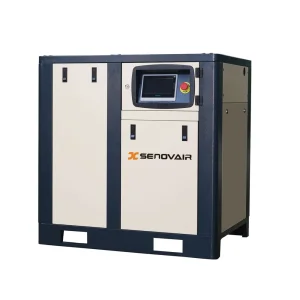
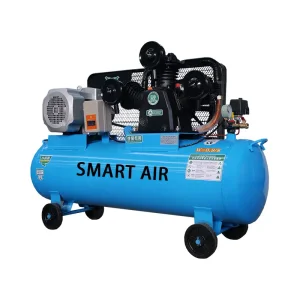
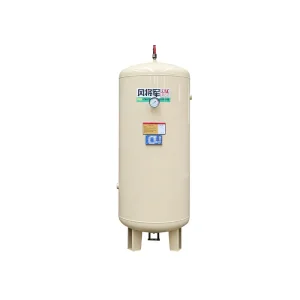
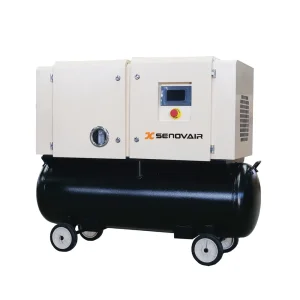
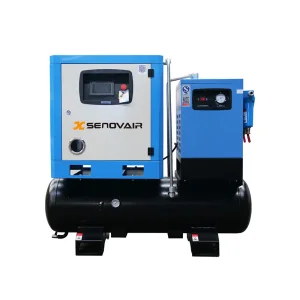
In any heavy-duty pneumatic installation, an air storage tank (also commonly referred to as an air receiver) is not merely a passive vessel; it is a critical thermodynamic buffer. The air storage tank serves as the operational lung of the entire compressed air configuration. When screw compressors generate high-velocity flow, the immediate air pressure undergoes microscopic fluctuations, causing performance degradation and excessive cycling of the compressor unit. Utilizing a robust, heavy-walled steel receiver mitigates these pressure surges, stabilizes system pressure, and permits the air compressor to run under optimal modulation cycles, particularly in modern Permanent Magnet Variable Speed Drive (PM VSD) systems.
Moreover, the thermodynamic deceleration that occurs within the tank serves a secondary, pivotal role: moisture separation. As high-pressure air expands into the vessel's larger volume, it experiences a temperature reduction. This drop causes vaporized moisture and residual compressor oils to condense onto the tank walls, settling at the base to be safely drained via automatic systems. Without this storage buffer, the moisture would flow directly to downstream equipment, leading to piping corrosion, premature tool failure, and cross-contamination in medical, packaging, and laser cutting industries.
Expert Engineering Insight: By sizing an air receiver to at least 1-2 gallons per CFM (Cubic Feet per Minute) of output, plants can save up to 15% in electrical consumption by eliminating rapid start-stop cycles (short-cycling) and optimizing the unloading periods of industrial screw air compressors.
Smart Air Machinery (Linyi) Co., Ltd., established in 2005, is a highly diversified, advanced manufacturing enterprise integrating product research and development, strict quality inspection, and international sales. With over two decades of experience, we have structured our production capabilities to respond to global industrial demands for energy-saving, stable, and highly durable compressed air storage and compression units.
Located in Linyi, the logistics capital of China, our company leverages superior raw material supply channels, cutting-edge automated welding processes, and an elite research and development team. Our workforce of over two hundred dedicated employees operates under a unified quality philosophy: "Quality creates reputation, reputation creates brand, and brand creates market."
Our manufacturing processes are engineered to offer unrivaled reliability and efficiency, backed by decades of industrial research.

Located in Linyi, the logistics capital of China, our company has accumulated rich production experience, strong technical capabilities, a top-notch R&D team, and complete testing equipment through over 20 years of diligent research and continuous innovation.

Our products, known for their aesthetically pleasing design, meticulous material selection, exquisite craftsmanship, and superior quality, are sold worldwide and have received widespread acclaim from customers.

Smart Air is committed to building a leading brand in China's air compressor industry. We firmly implement our own brand strategy, adhere to the principle of honest business practices, prioritize customer service, continuously strengthen our production capabilities, and constantly enhance our brand influence.

We firmly believe that "quality creates reputation," "reputation creates brand," and "brand creates market." Currently, we have become a well-known and advanced enterprise in the industry.
In modern industrial facilities, importing pressure vessels involves navigating complex local regulations, structural codes, and shipping parameters. When sourcing a pressure vessel from China, international engineering teams look beyond pricing; they demand rigid adherence to regional safety standards. The most critical benchmark for North American procurement is the ASME Boiler and Pressure Vessel Code (Section VIII, Division 1), which dictates raw material traceability (e.g., SA-516 Grade 70 steel), minimum wall thickness formulas, and mandatory hydrostatic testing protocols. Meanwhile, European markets require CE certification complying with the Pressure Equipment Directive (PED) 2014/68/EU.
At Smart Air Machinery, we implement advanced manufacturing processes that align with these strict specifications. Every pressure vessel undergoes Non-Destructive Testing (NDT), including radiographic examinations of joint welds and ultrasonic testing, to guarantee that no internal structural flaws exist. Our quality control division supplies detailed compliance portfolios (including Material Test Reports and Hydrostatic Test Certificates) to facilitate custom clearance and safe local commissioning across the USA, Canada, Colombia, Chile, Australia, and the EU.
Our commitment to international standard compliance has earned us prestigious designations and facilitated key partnerships worldwide.
Since its establishment, the company has received numerous honors, including "China Famous Brand," "China's Preferred Brand for Green and Environmentally Friendly Products," "Top Ten Foreign Trade Enterprises," "High-Tech Enterprise," "3A Credit Enterprise," and "Civilized and Trustworthy Unit."
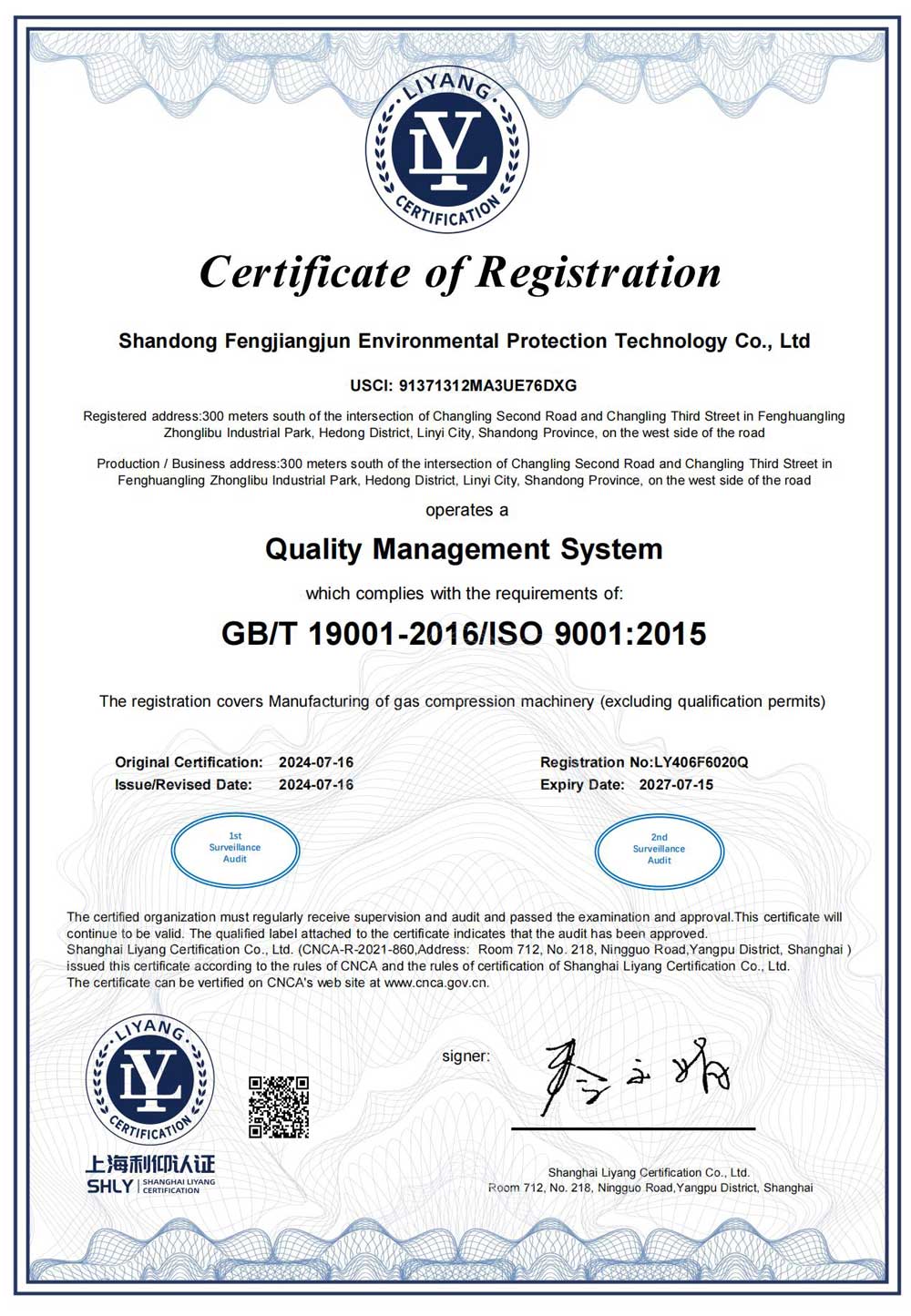
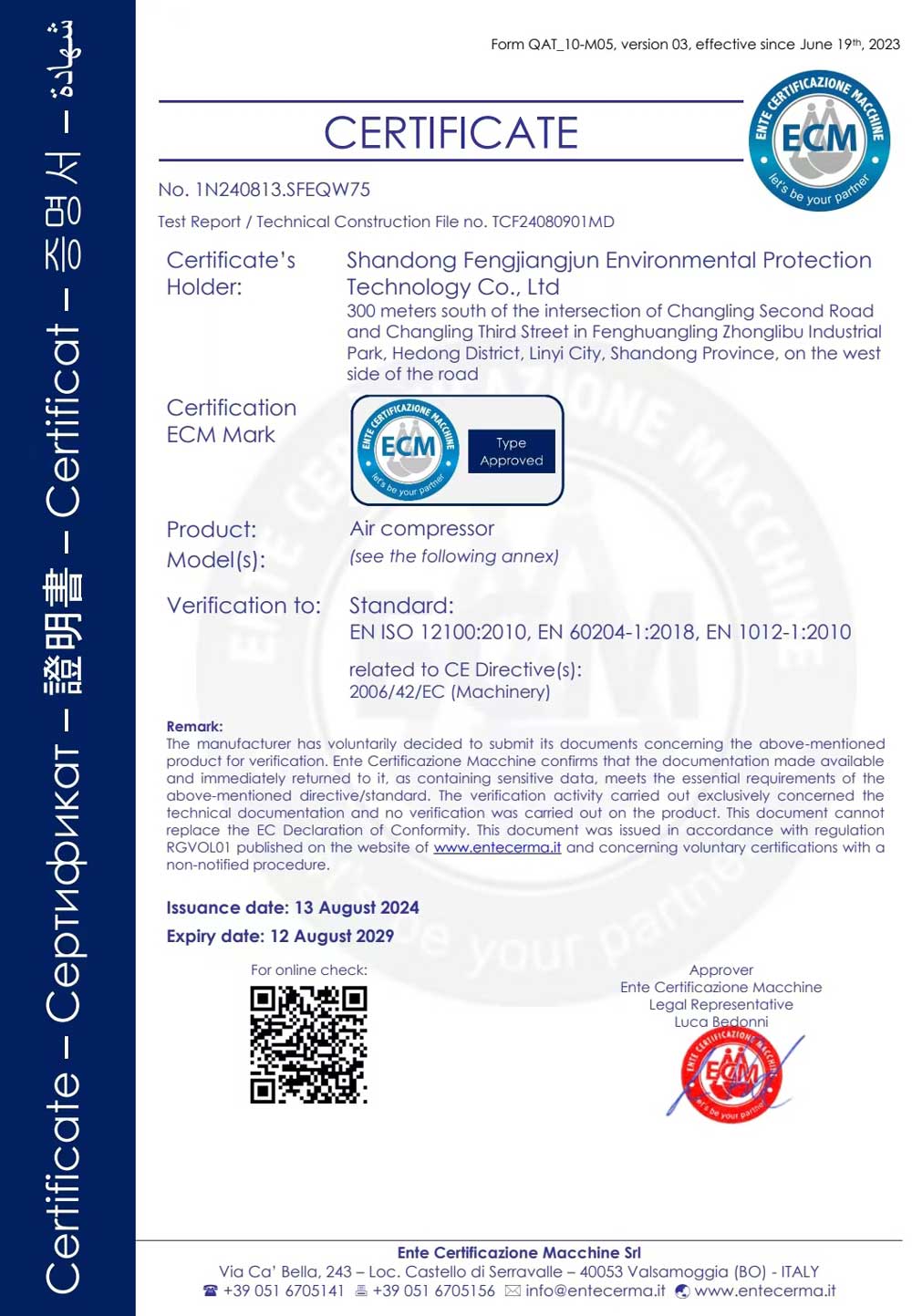
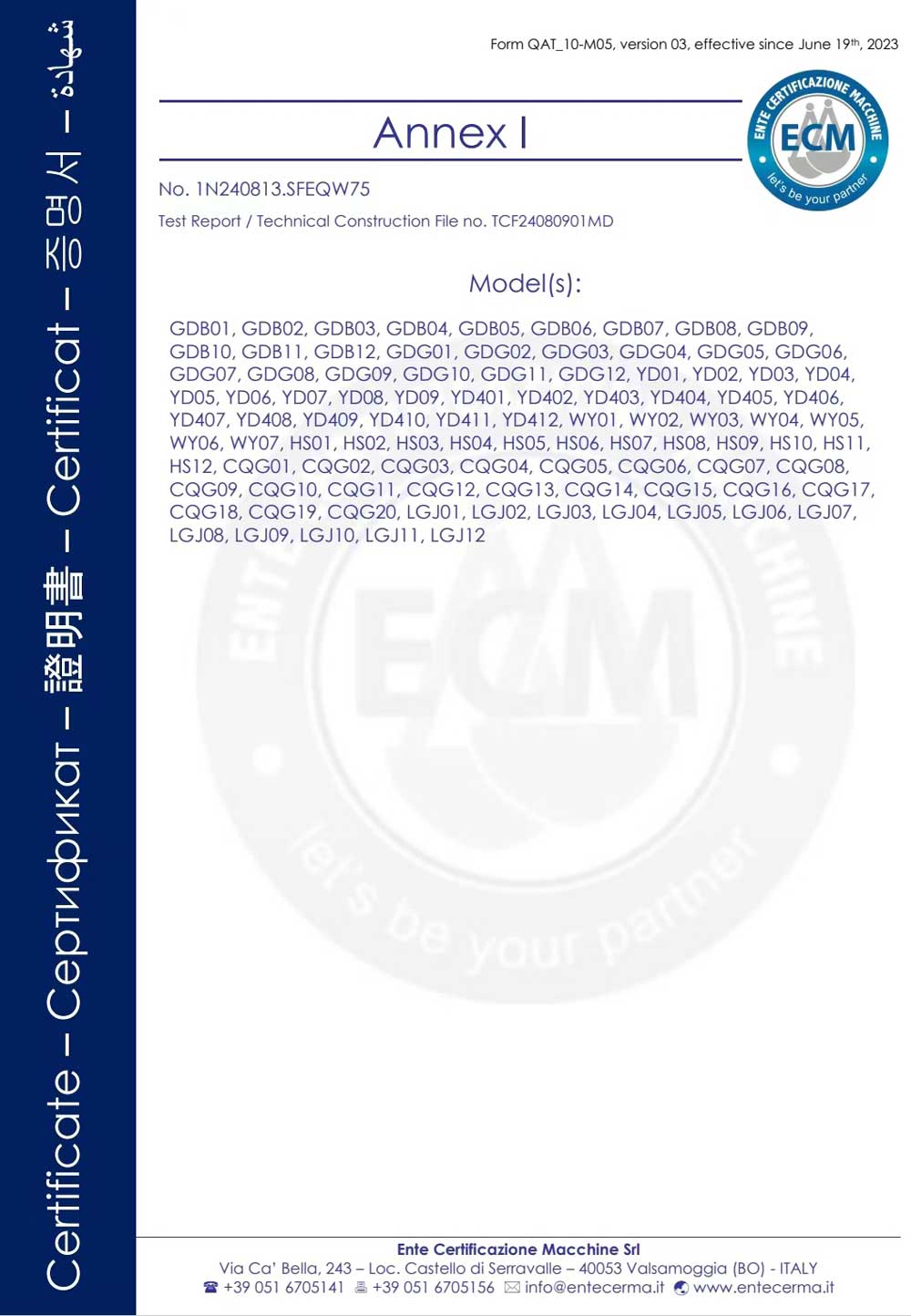

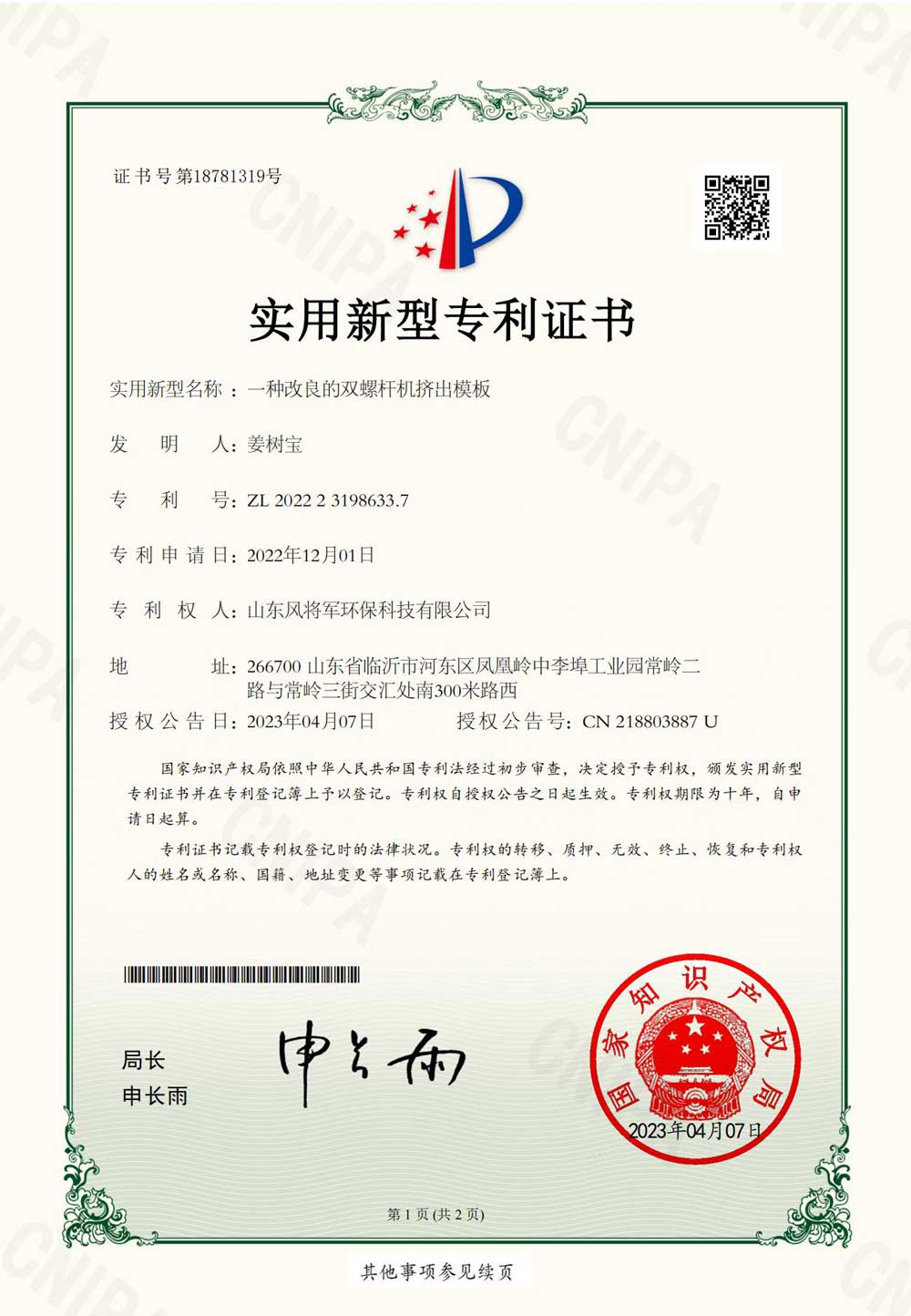
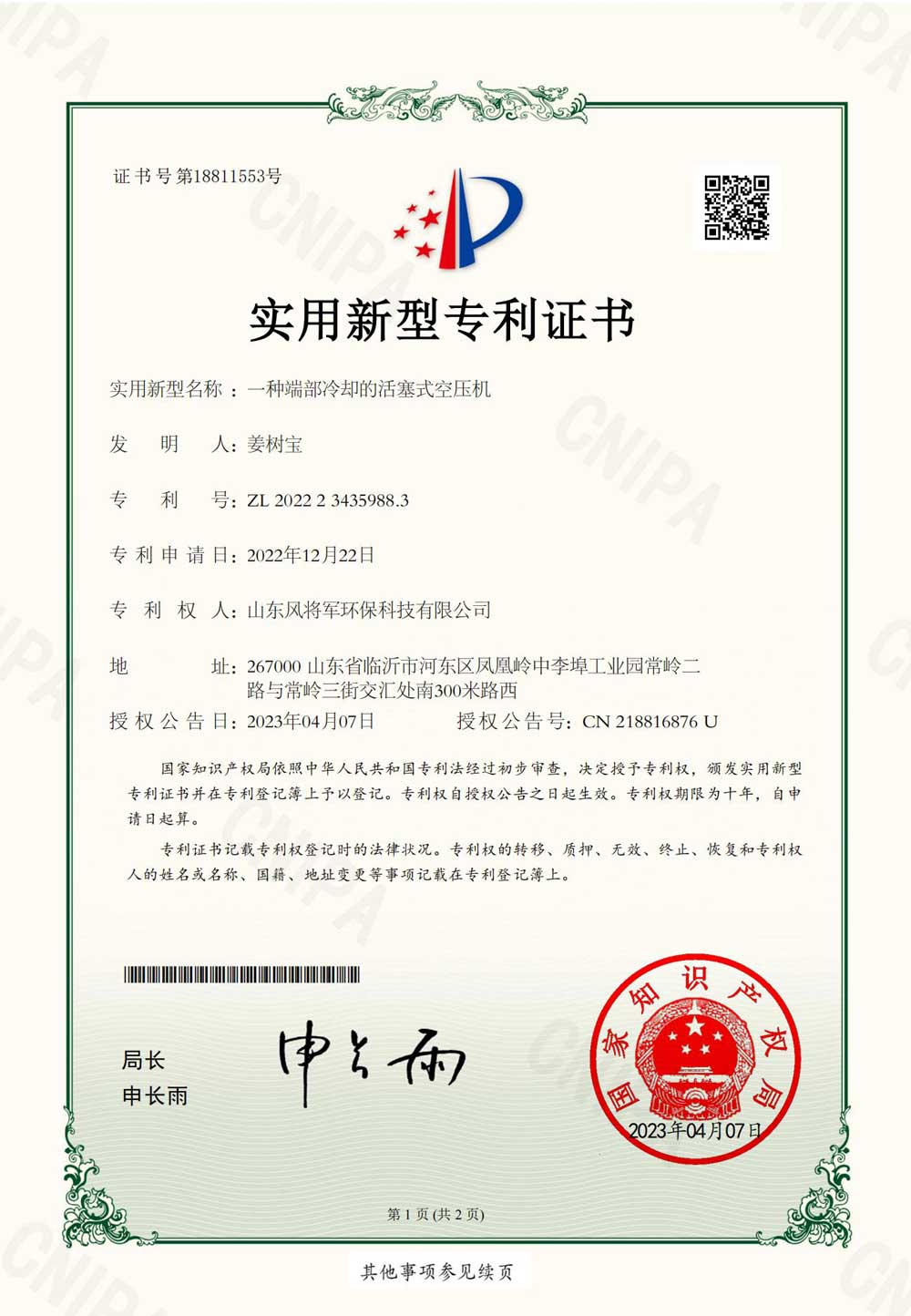
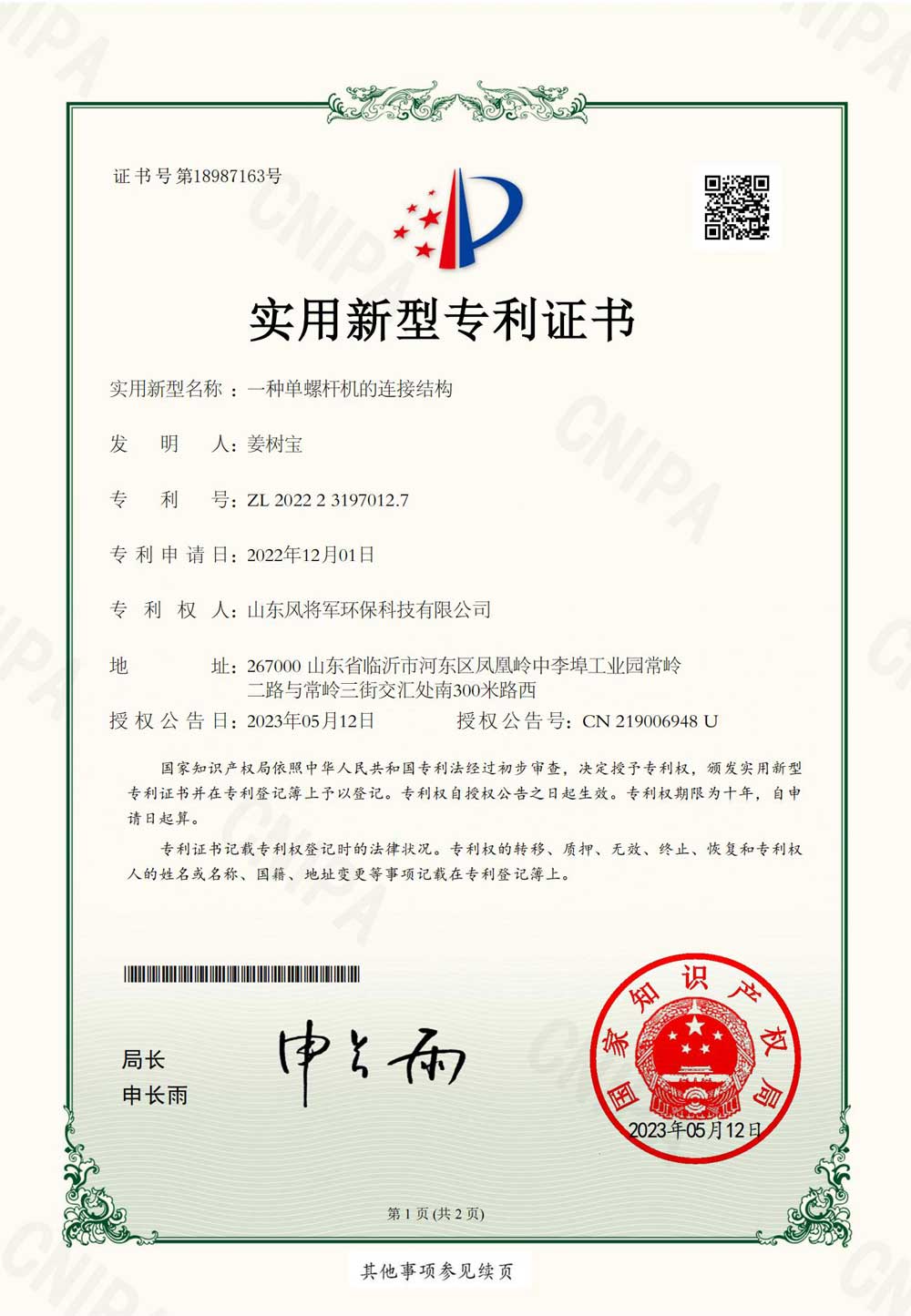
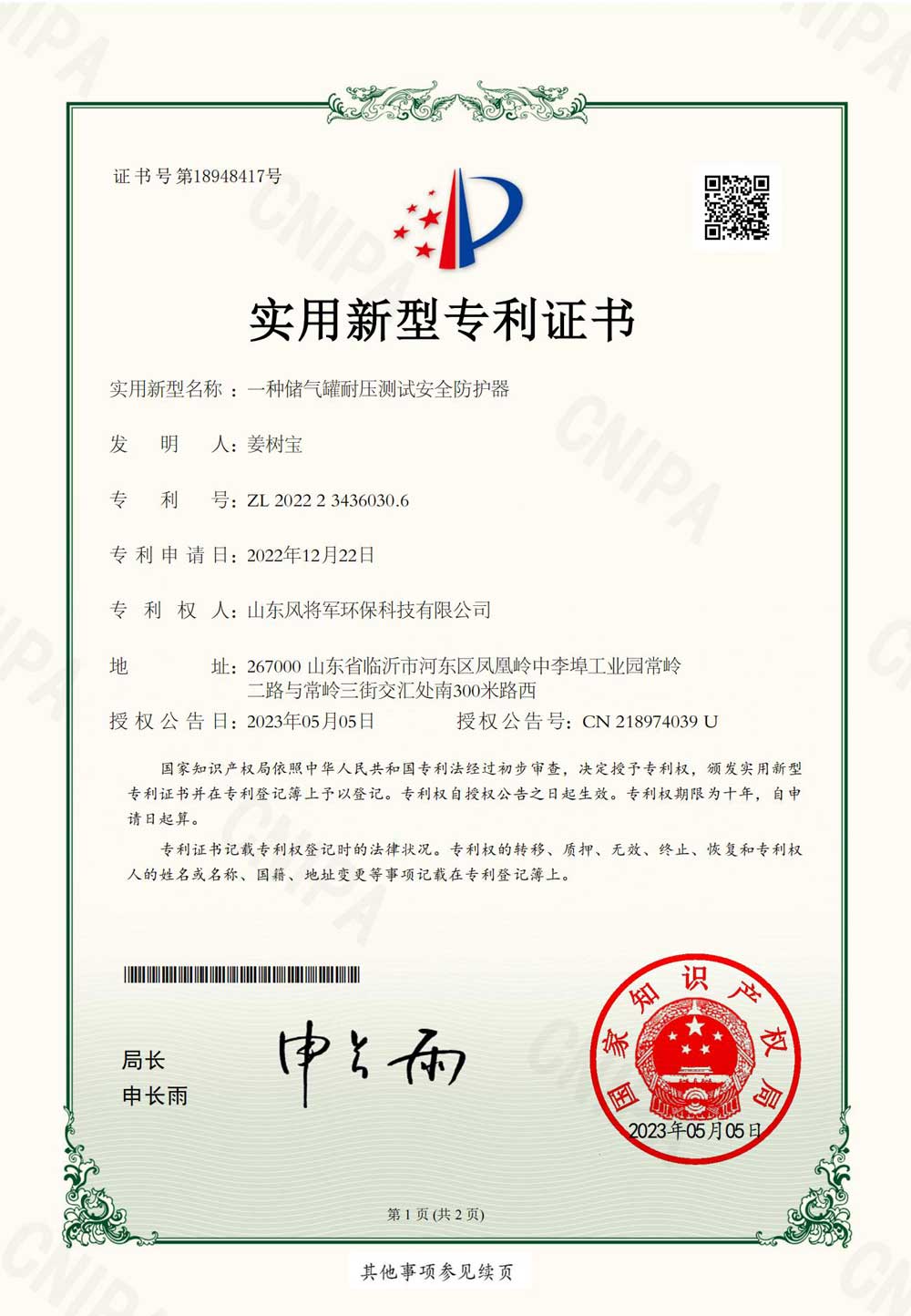
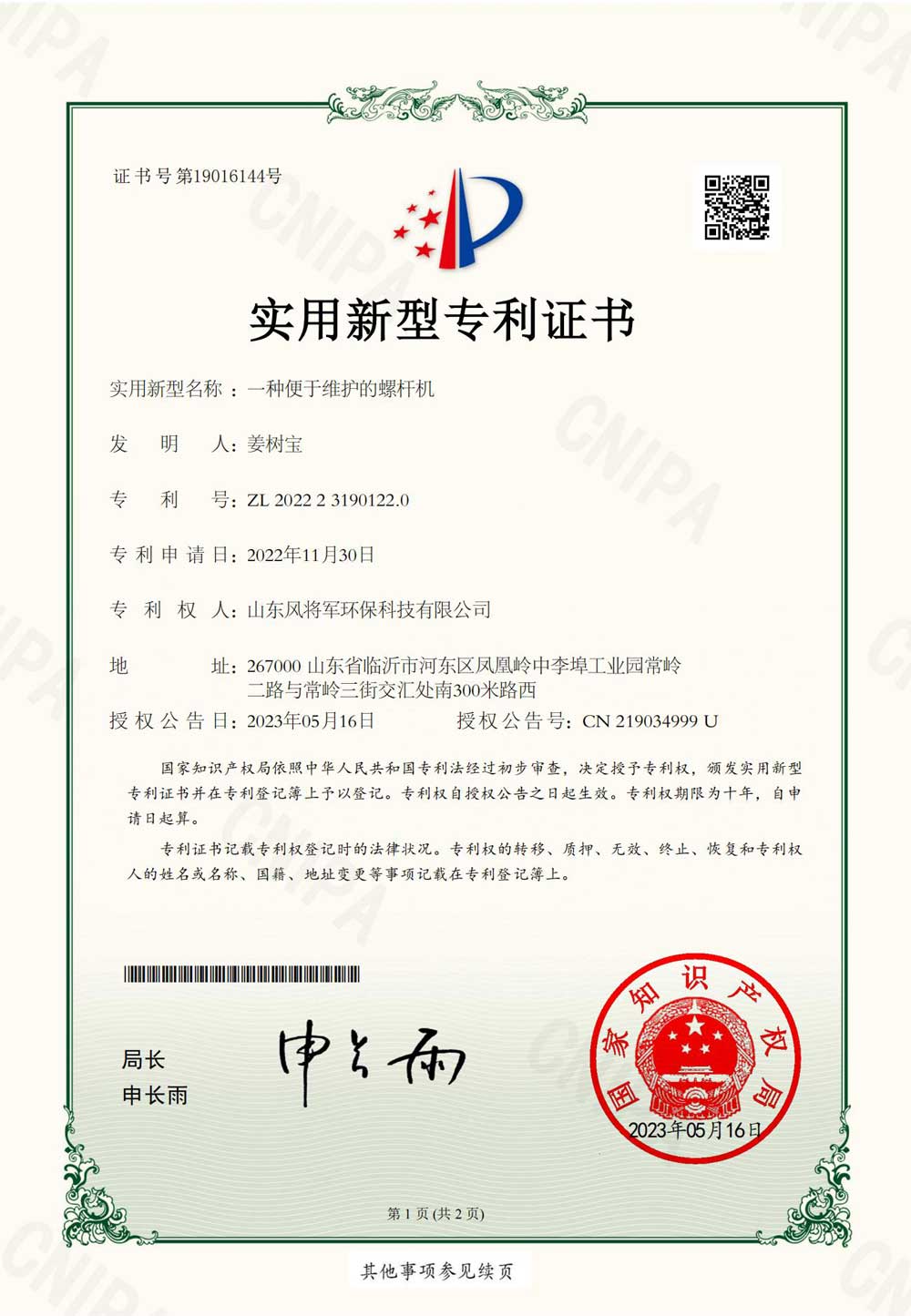
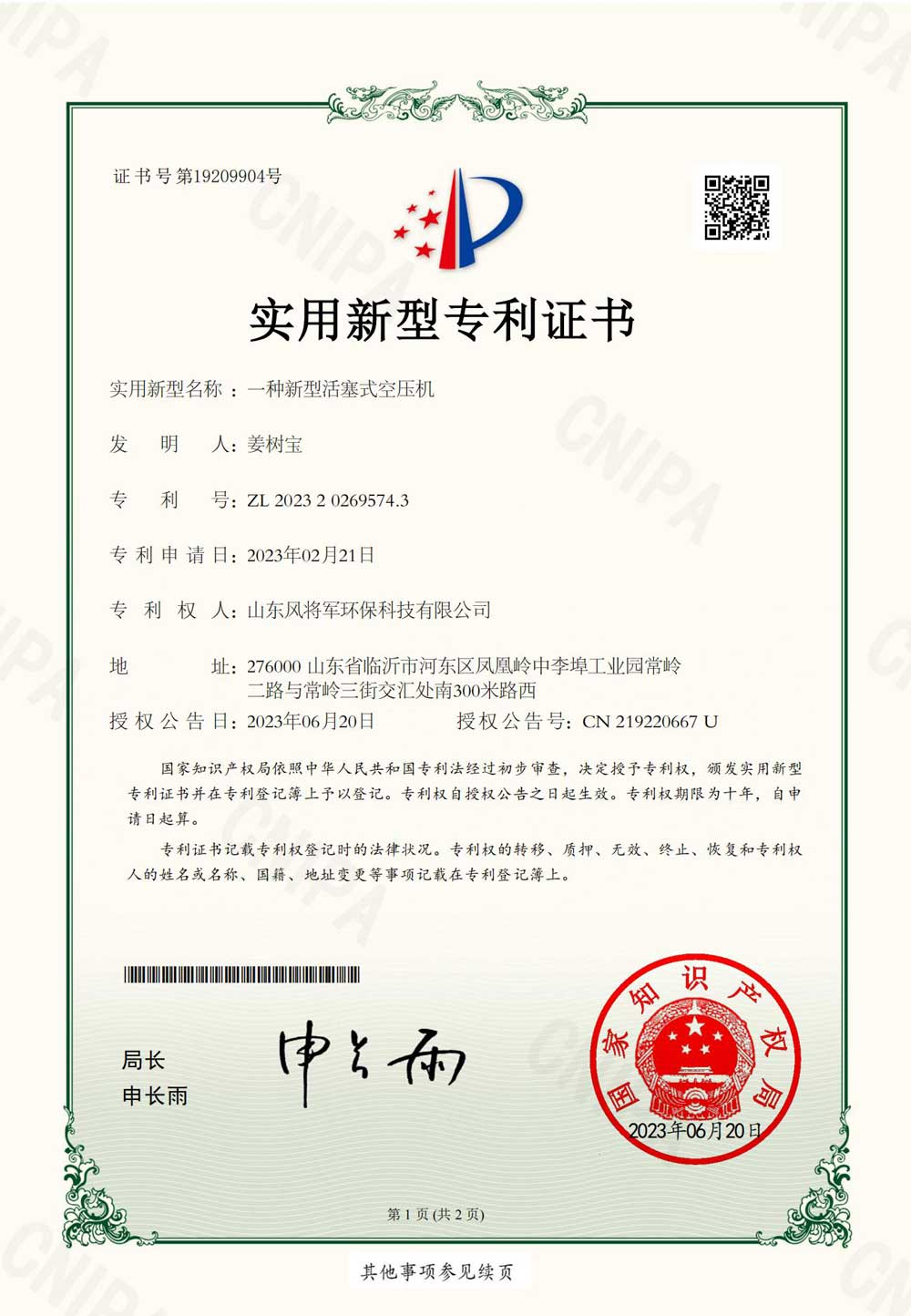
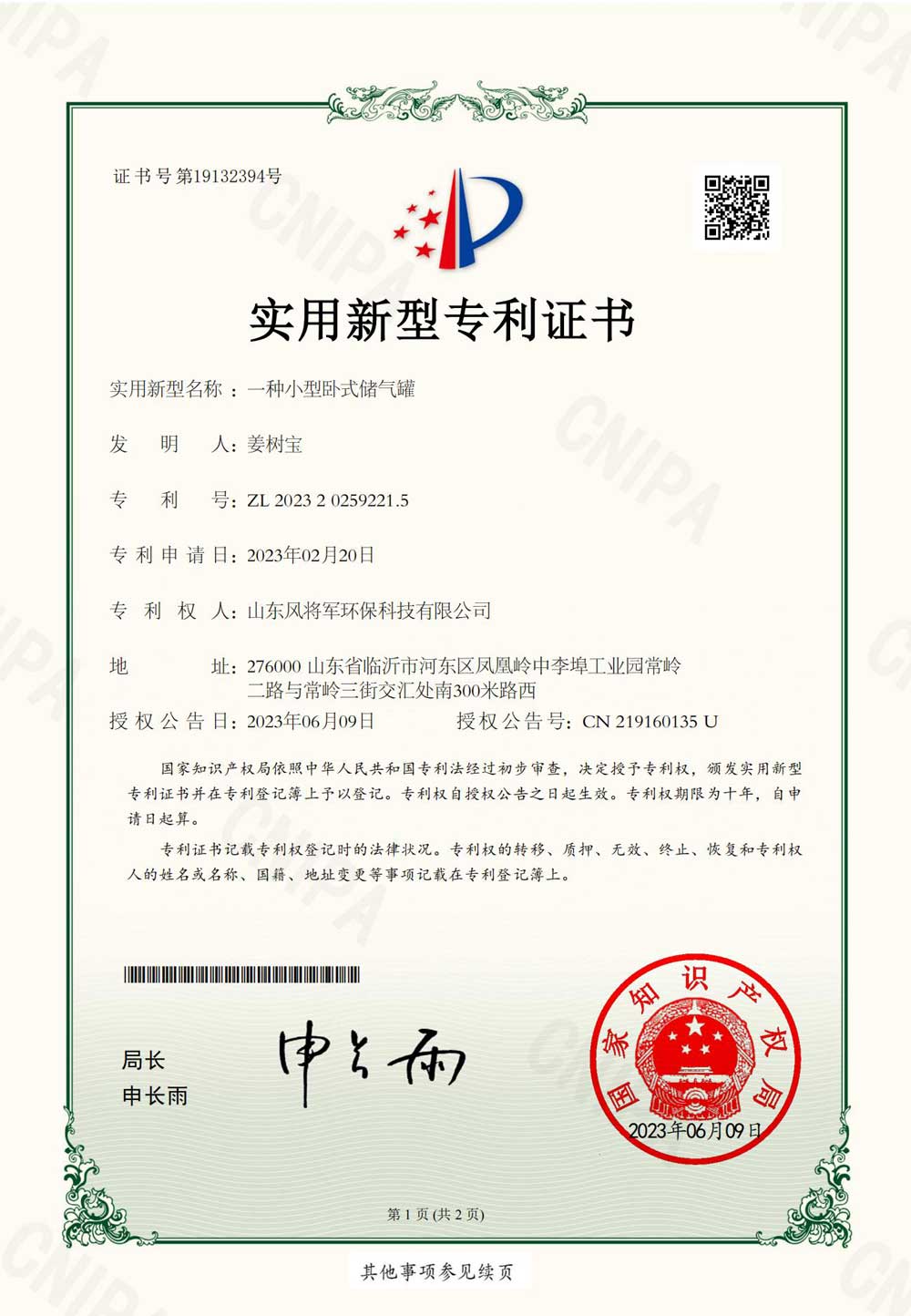
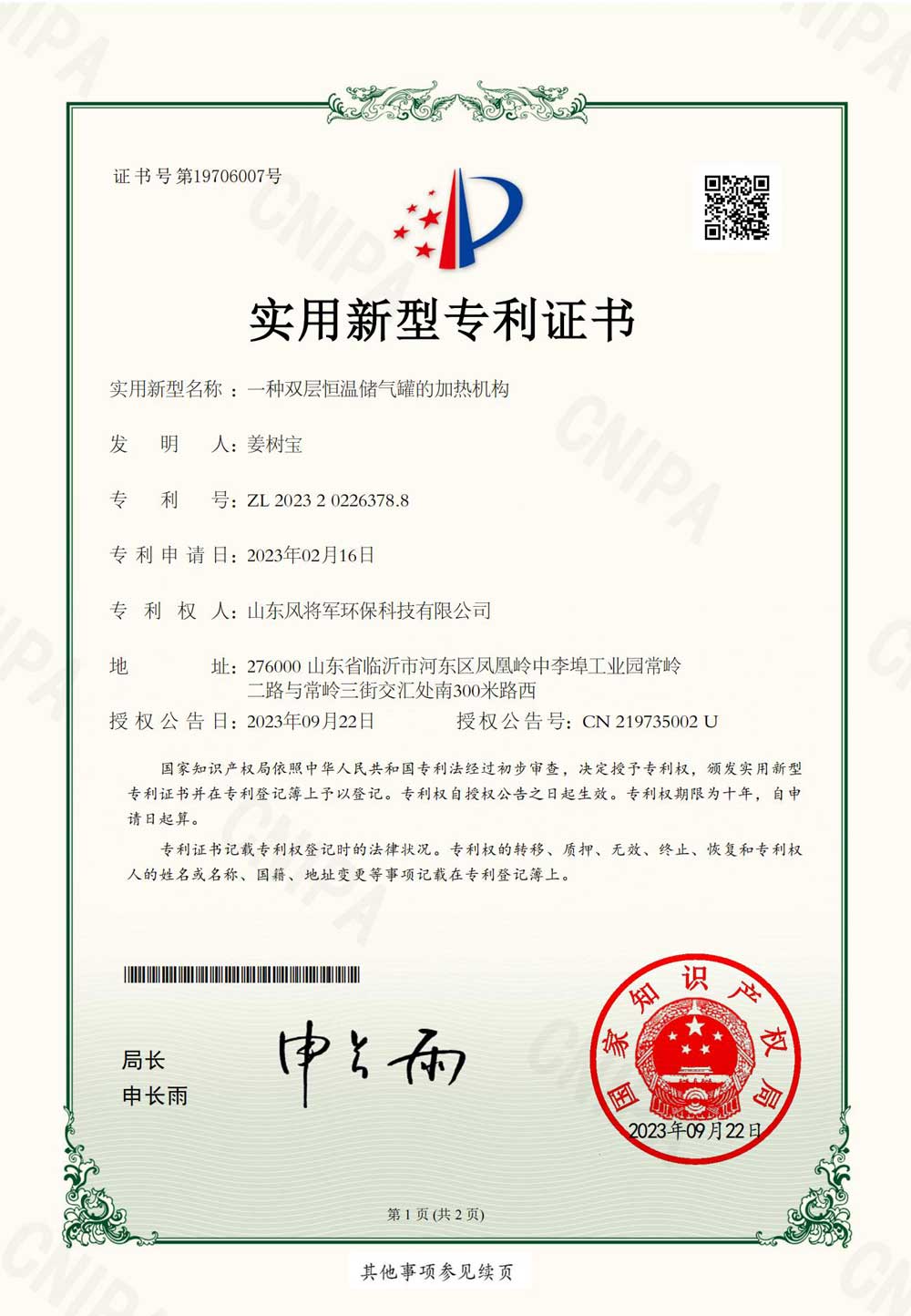
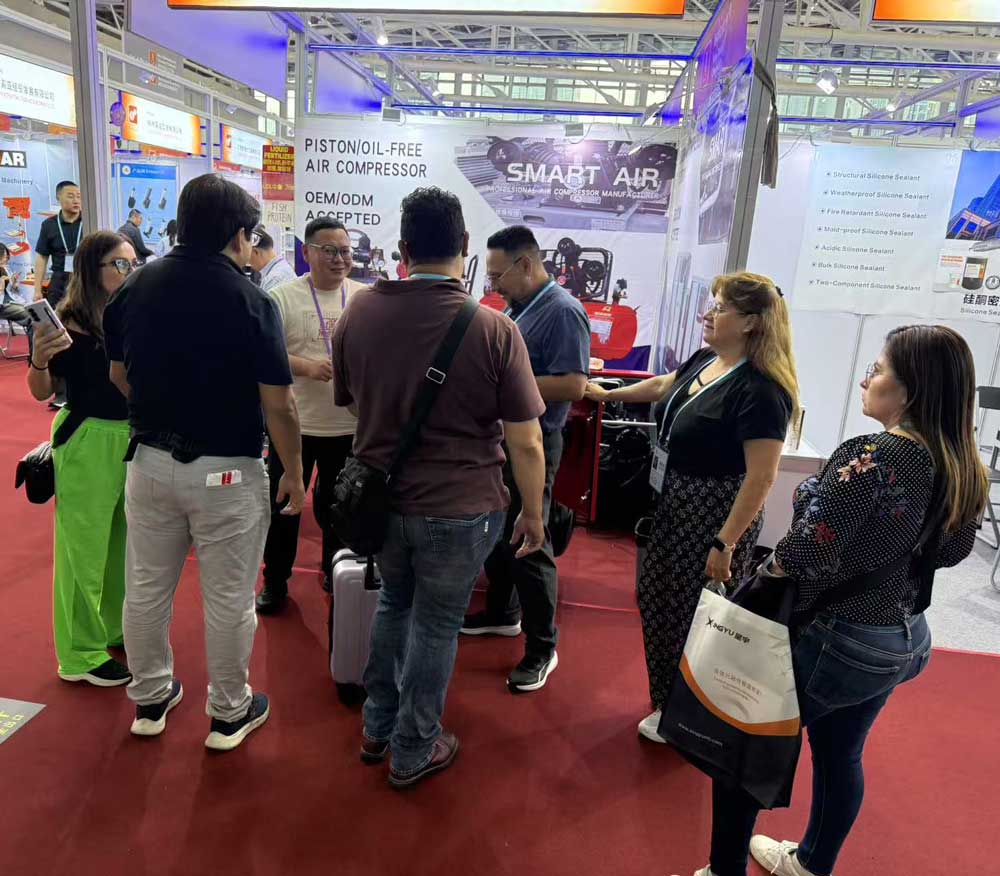
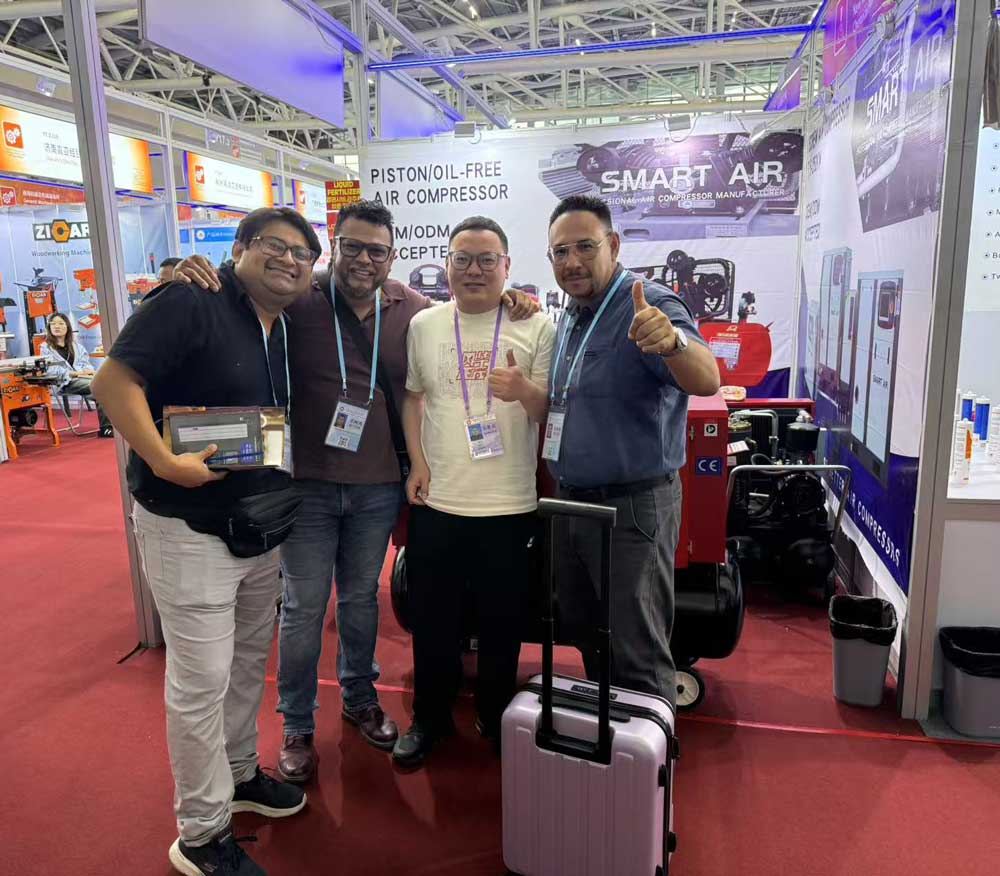
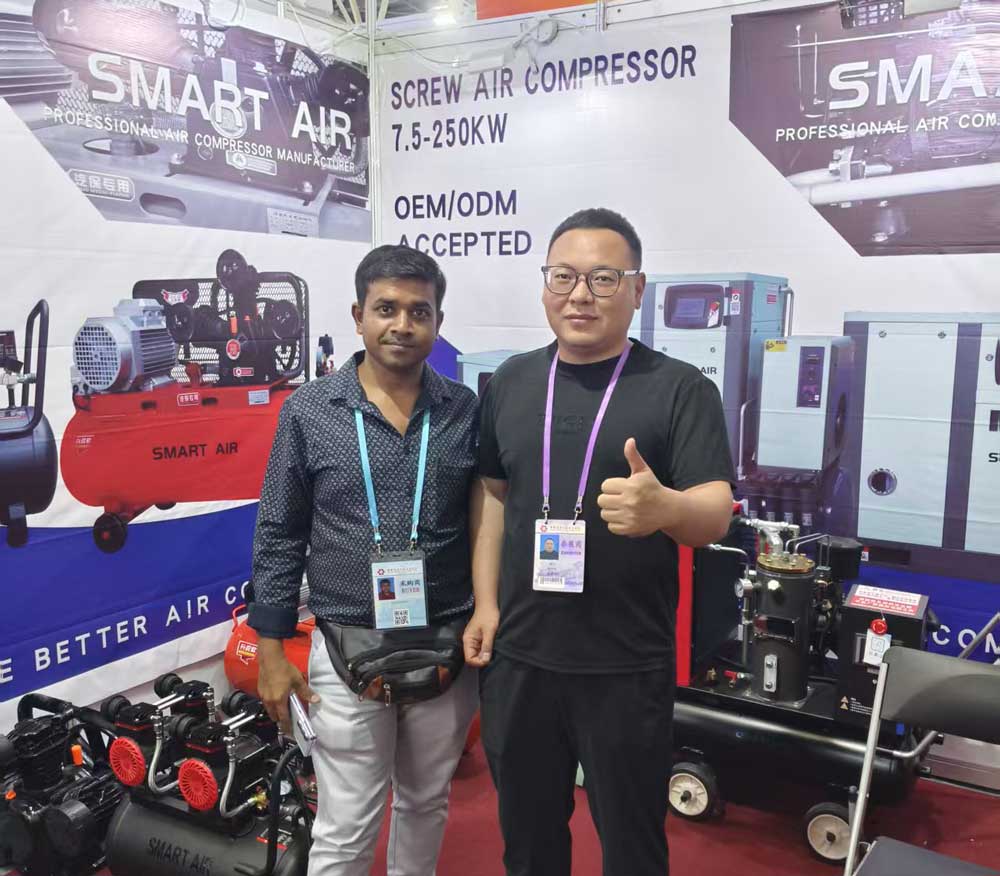
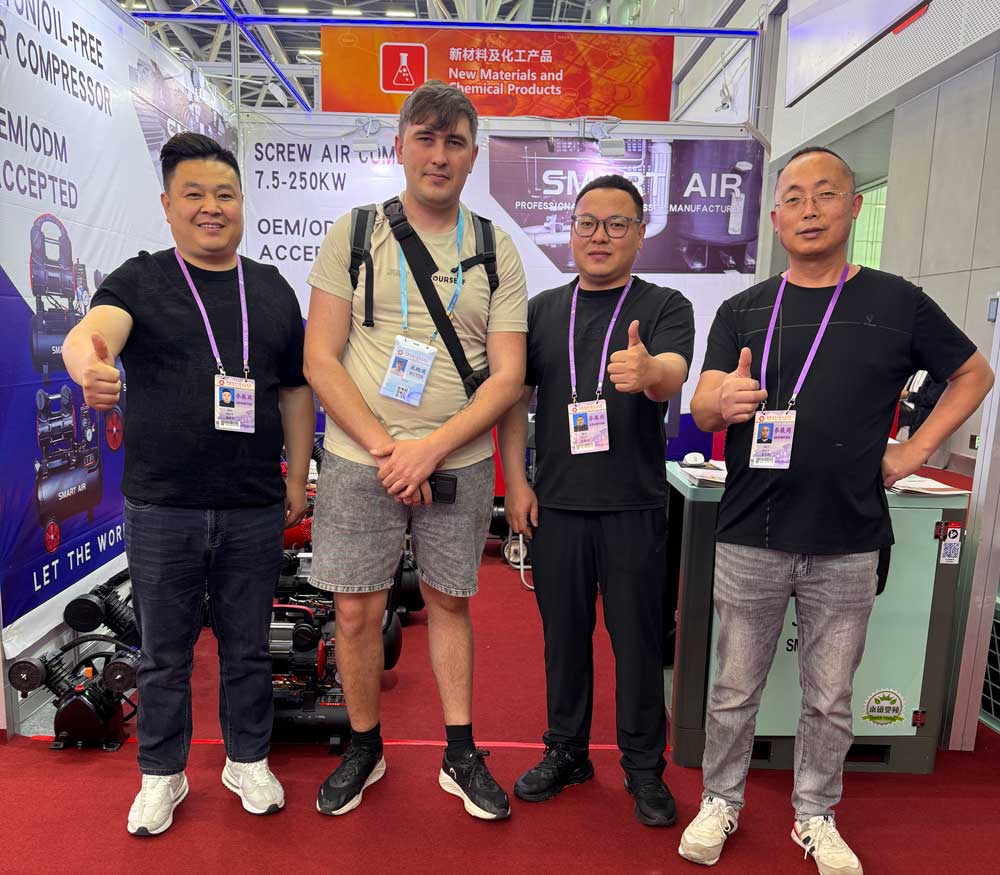
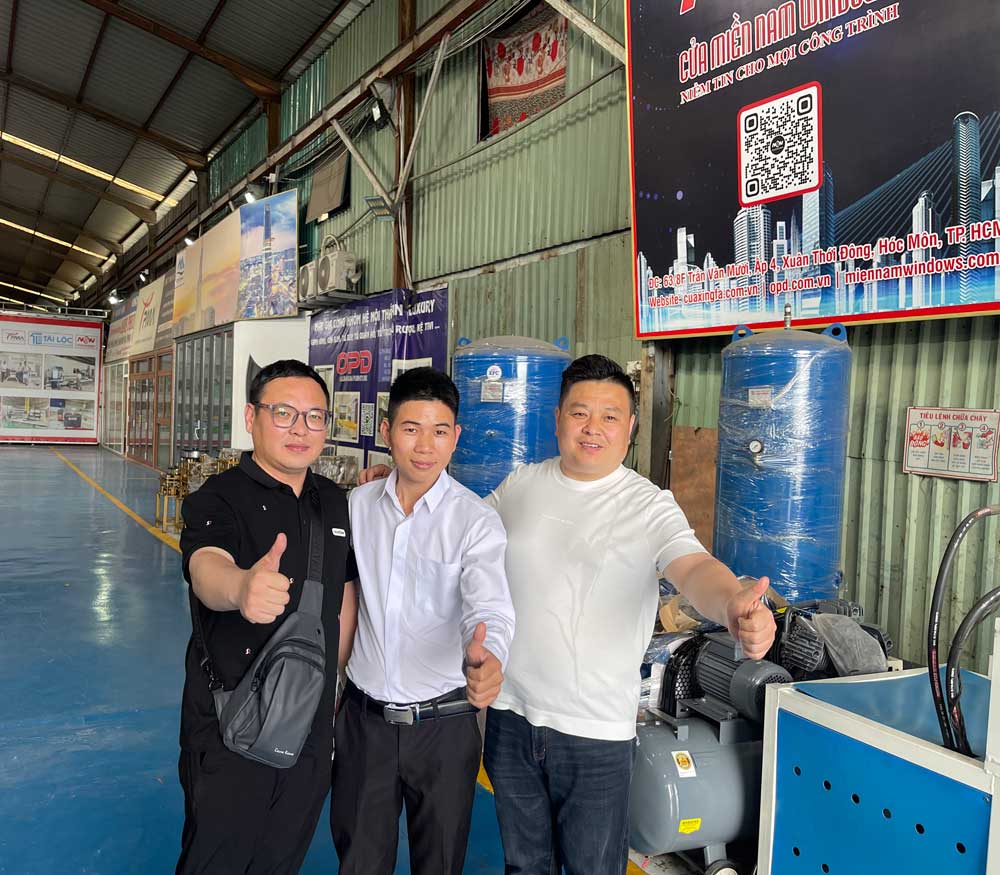
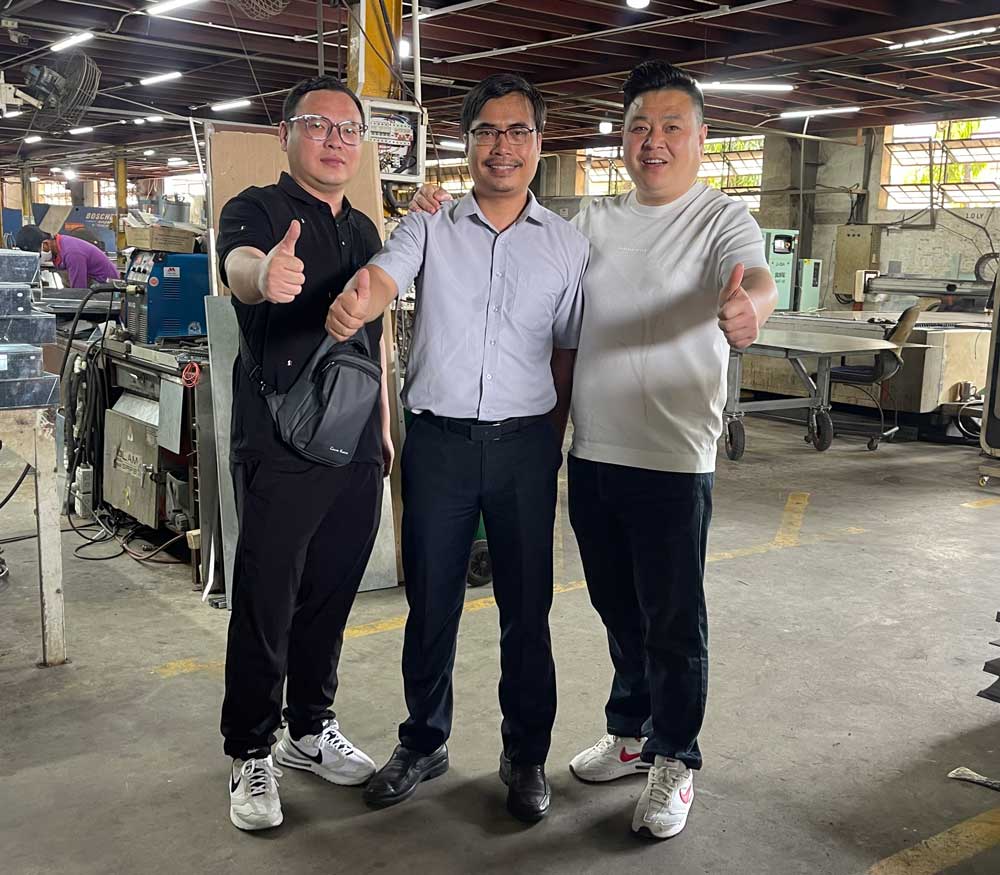
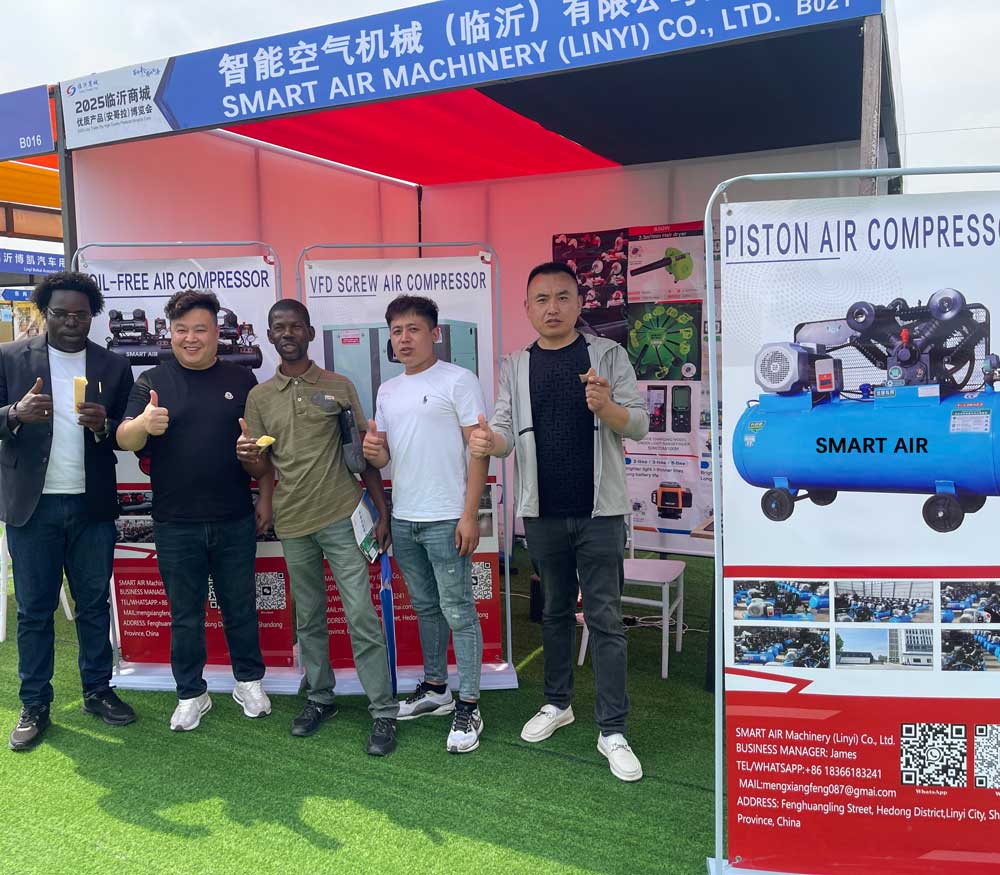
Our global trade footprint covers over 20 countries, showcasing our equipment at major industrial expos across the USA, Middle East, and Southeast Asia.
Compressed air installations face vastly different operational requirements depending on the sector. Below is a breakdown of how our combined air receiver and compressor configurations resolve challenges in key global industries.
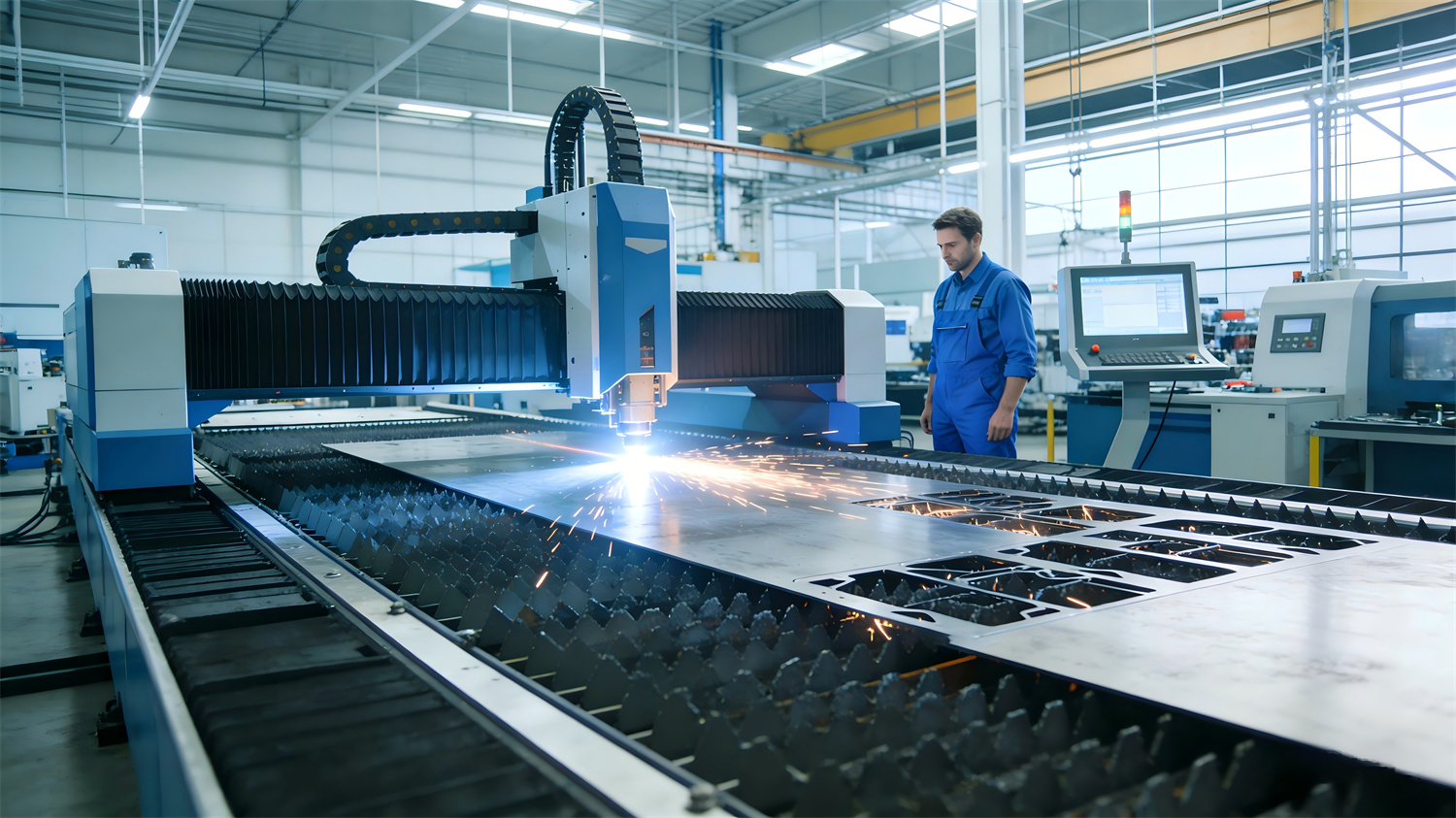
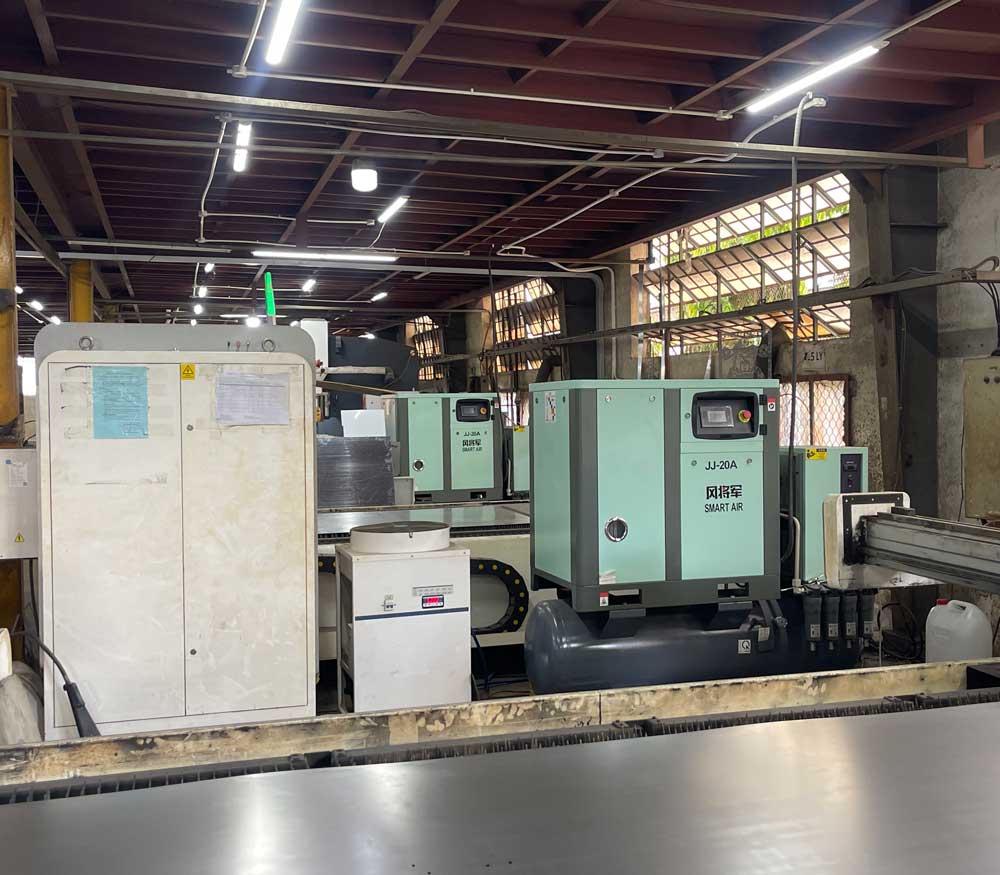
Laser cutting demands ultra-clean, high-pressure air (typically 16-30 bar) to instantly eject molten metal slag. Our high-pressure air storage tanks buffer energy spikes, safeguarding precision cutting heads and saving substantial electricity costs.
Learn More →
Weaving looms rely on constant pressure to avoid yarn breakage. Our high-capacity receiver vessels stabilize air lines, prevent pressure drops across pneumatic components, and protect fabric quality from condensation contamination.
Learn More →
Powers pneumatic assembly line equipment, robotic arms, and painting systems. Clean, oil-lubricated air with precise moisture-buffering guarantees that finishes remain pristine and pneumatic controls perform without latency.
Learn More →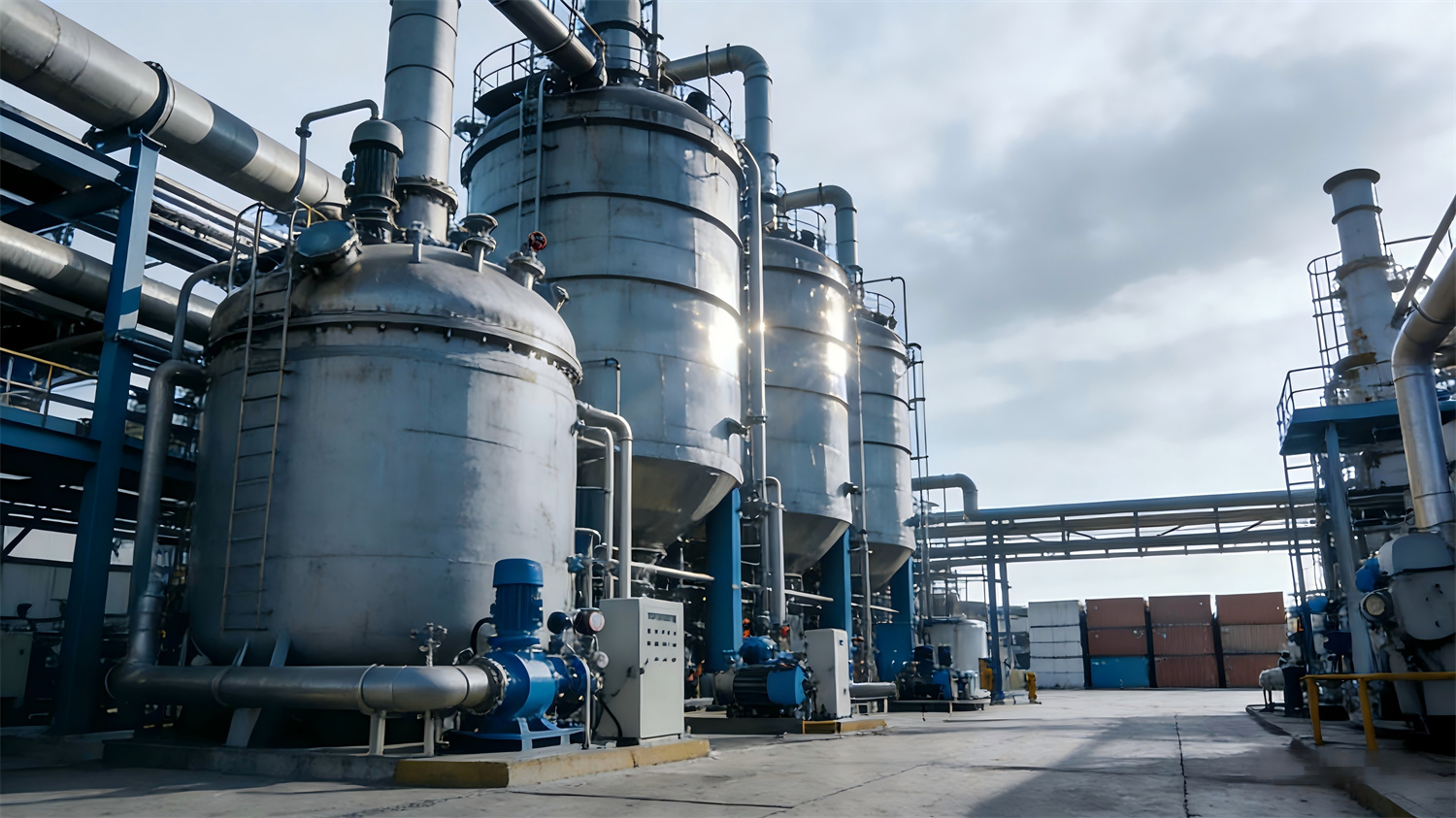
Requires explosion-proof pressure vessels and precise control dynamics. Smart Air designs corrosion-resistant internal coatings for receivers, satisfying high-integrity operation requirements in highly volatile environments.
Learn More →
Mobile 2-in-1 integrated units power jackhammers and pneumatic drills. Rugged mobile air storage systems withstand harsh environment exposures, providing continuous peak performance on outdoor jobsites.
Learn More →
Supplies high-pressure air for rapid water removal and pneumatic cleaning tools. Built-in storage buffers protect compressors from frequent start-stops during cyclic service intervals.
Learn More →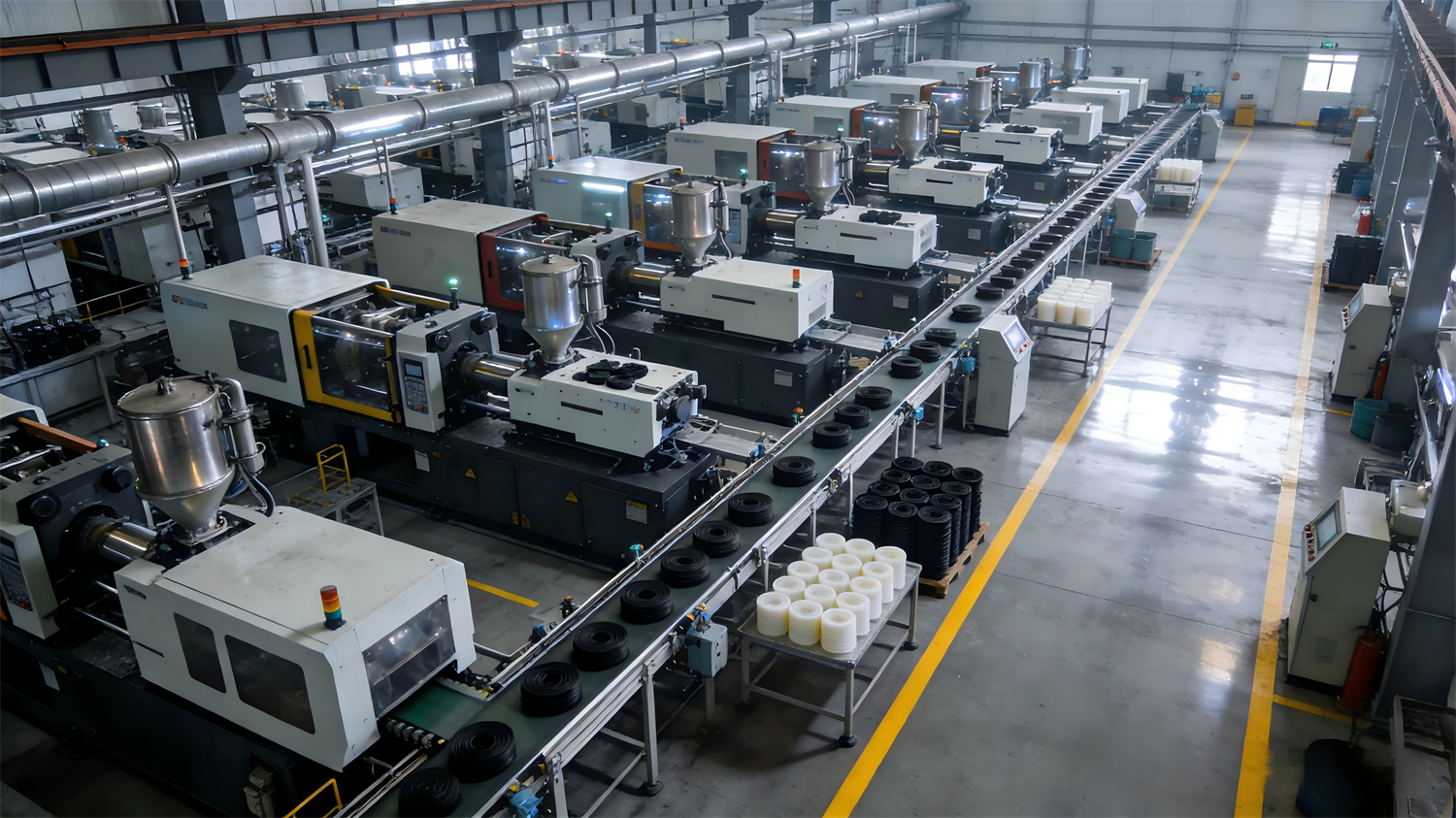
Blow molding operations consume enormous volumes of high-velocity air. A fast-responding air storage receiver eliminates pipeline starvation, keeping product thickness profile tolerances perfectly consistent.
Learn More →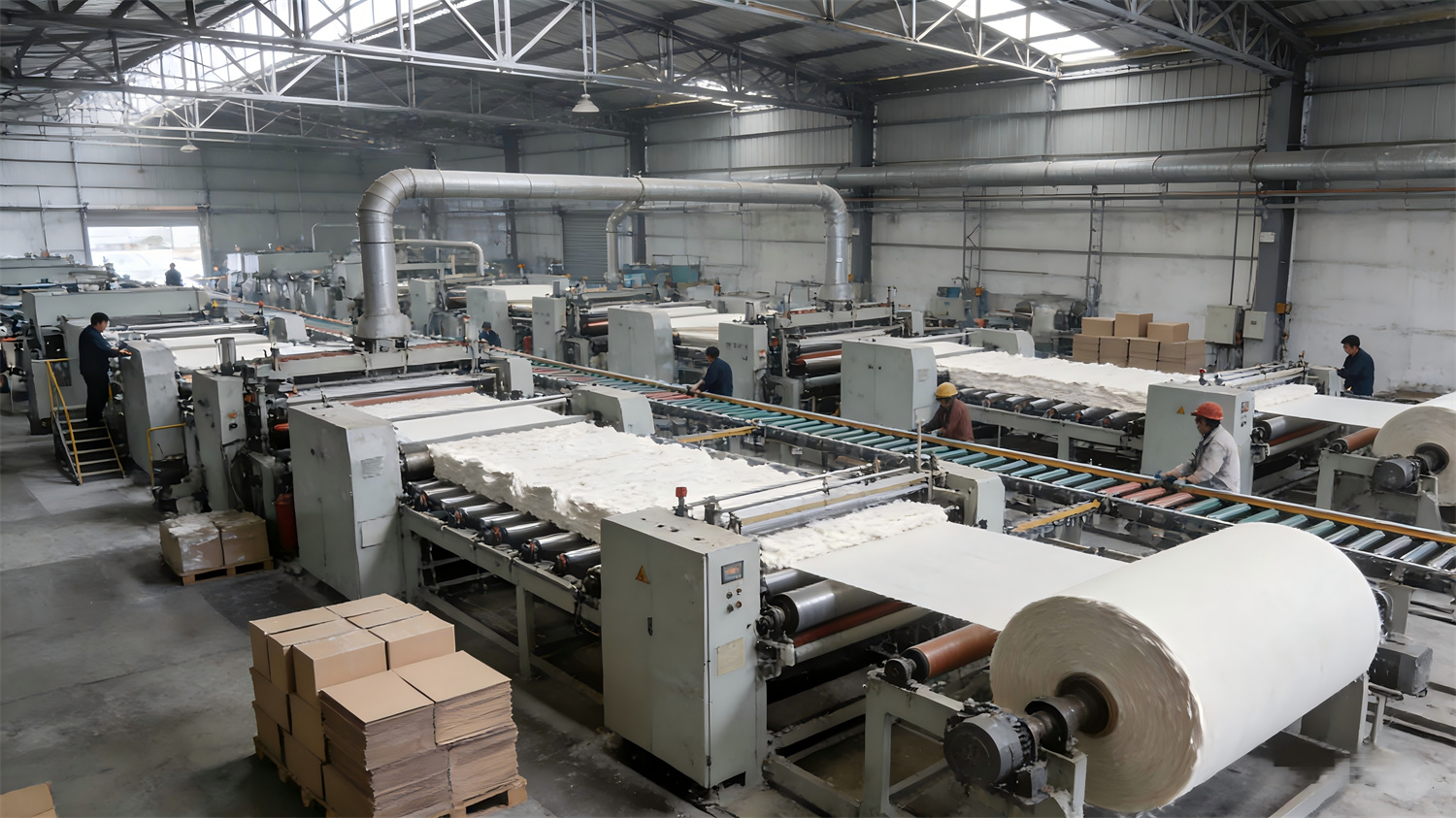
Powers pneumatic beaters and tension systems in high-humidity plants. Dry, pre-filtered air buffered by our receiver systems minimizes line clogging, maintaining structural sheet uniformity.
Learn More →
Our food-grade, internally treated storage vessels protect sanitary filling machinery, vacuum packaging, and fluid aeration lines, satisfying strict global food safety requirements.
Learn More →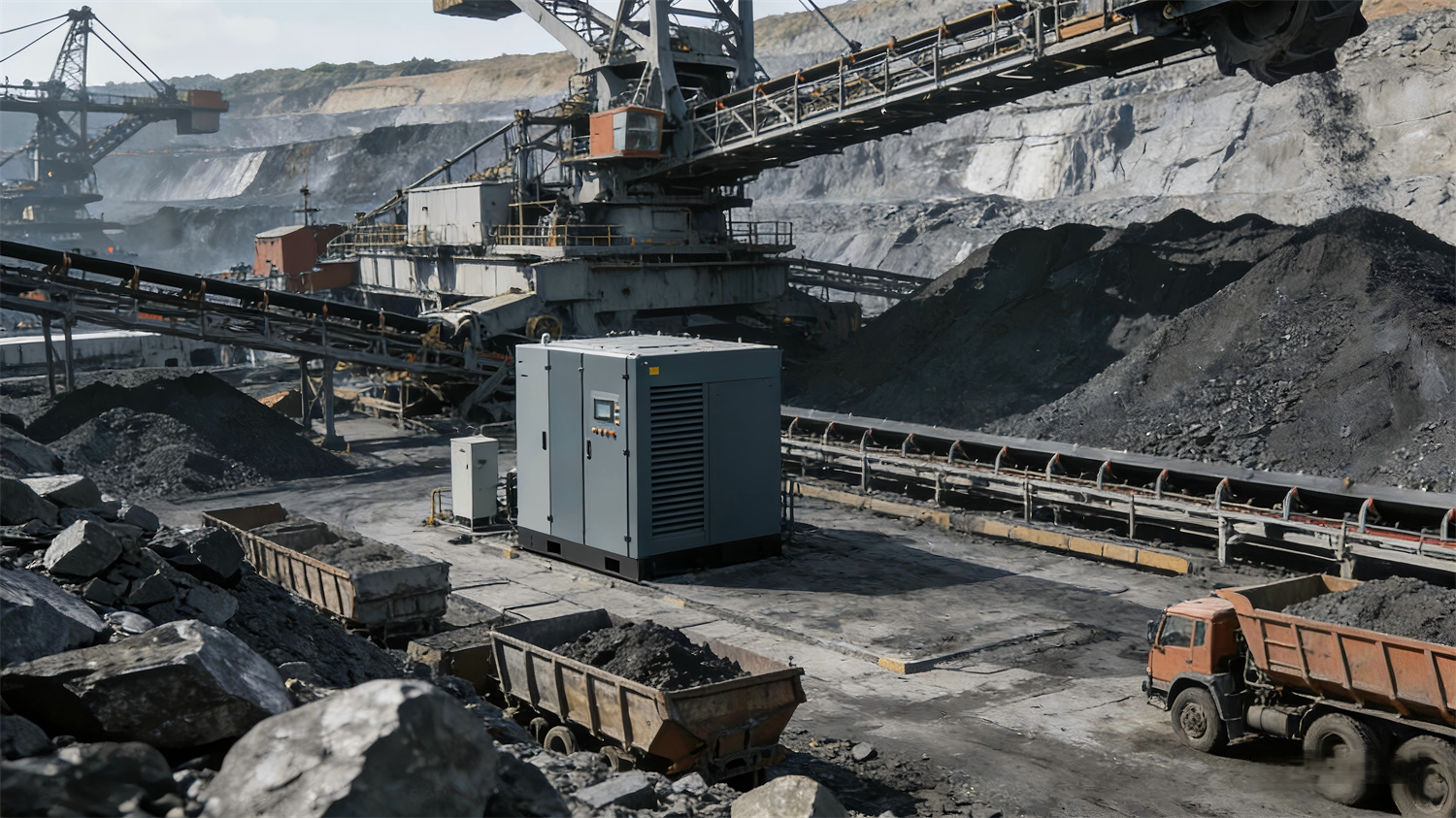
Heavy-duty underground operations rely on rock drills and ventilation systems driven by durable, large-volume air reservoirs built to withstand high vibration and abrasive dust exposure.
Learn More →
Achieve pure Class 0 oil-free operations in compliance with GMP guidelines. Integrated stainless steel air storage tanks prevent micro-bacterial proliferation and ensure a clean, contamination-free air supply.
Learn More →As global manufacturing pivots toward smart automation and carbon neutrality, the design of compressed air systems must undergo a fundamental upgrade. The integration of IoT-based remote diagnostics represents the next frontier. Conventional air storage receivers have historically been "blind components," but modern Smart Air systems incorporate digital manifold transmitters. These smart systems monitor pressure, temperature, and dewpoint levels in real-time, feeding this data directly to the compressor's VSD micro-controller. If pressure drops below a defined threshold, the PM VSD motor spins up instantly, optimizing electricity usage.
In addition, advanced steel alloys are replacing heavier structural carbon steels. By selecting high-tensile, corrosion-resistant steels (such as SUS304 or Q345R), we can reduce vessel weight by 20% while increasing burst pressure limits. This lightens logistical shipping loads and footprints without compromising factory floor safety. Moving forward, Smart Air will focus on developing fully integrated skid-mount packages, containing screw compression elements, dryer membranes, multi-stage filtration elements, and the air receiver on a single base frame.
Real-time tracking of tank pressure, condensate level, and mechanical stresses via integrated Modbus communication links.
Utilizing high-yield strength metallurgical structures to maximize storage pressure limits and minimize vessel footprint.
Pre-engineered modular systems combining VSD compressor, receiver, and dryer on a single factory-tested structural skid.
Our extensive engineering capabilities cover the entire spectrum of high-performance compressor machinery and air handling accessories.
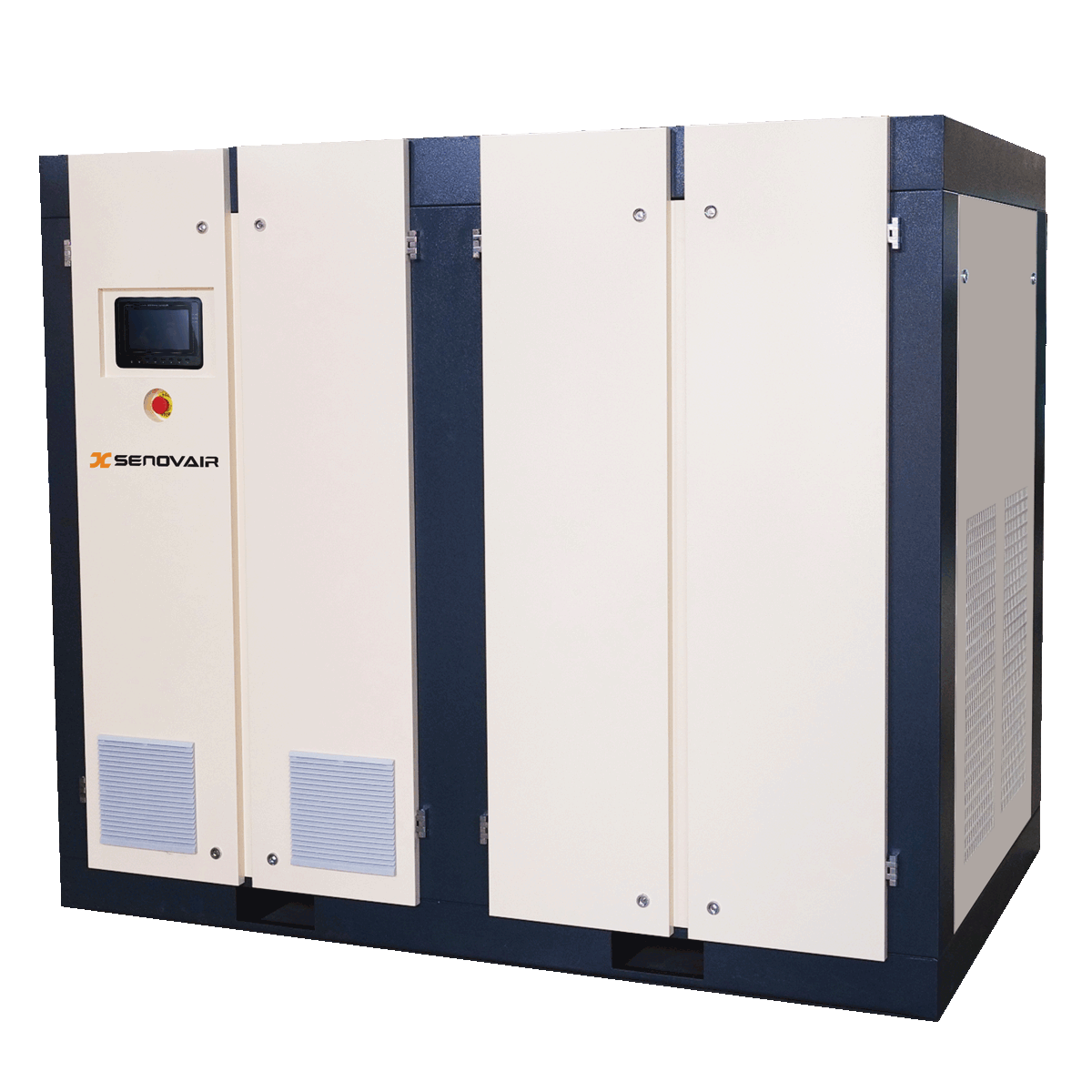
Engineered for high-volume demand with optimized compression ratios and premium energy efficiency.
Read More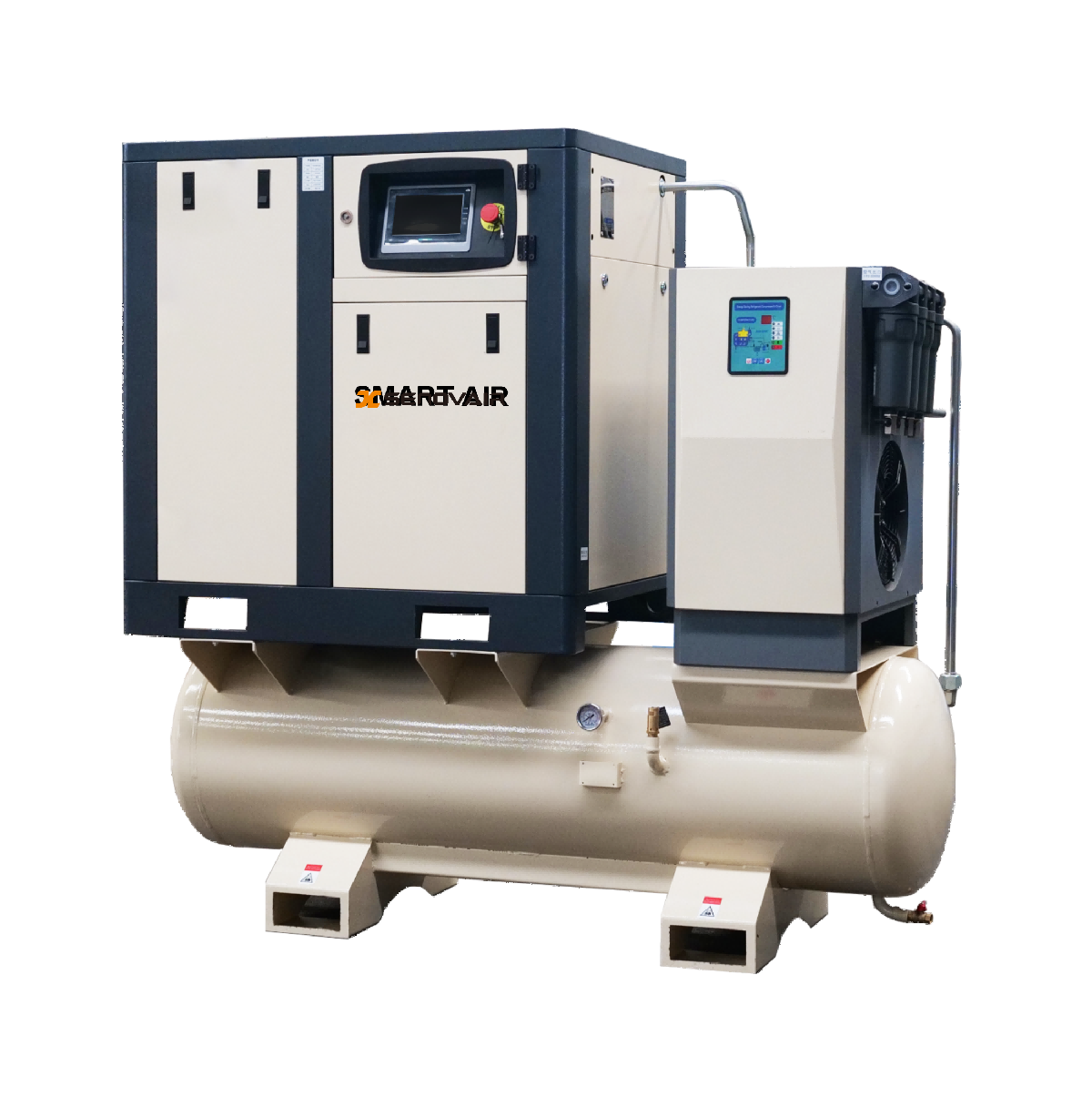
Integrates air compressor, storage tank, dry air filtration, and separation membranes on one compact platform.
Read More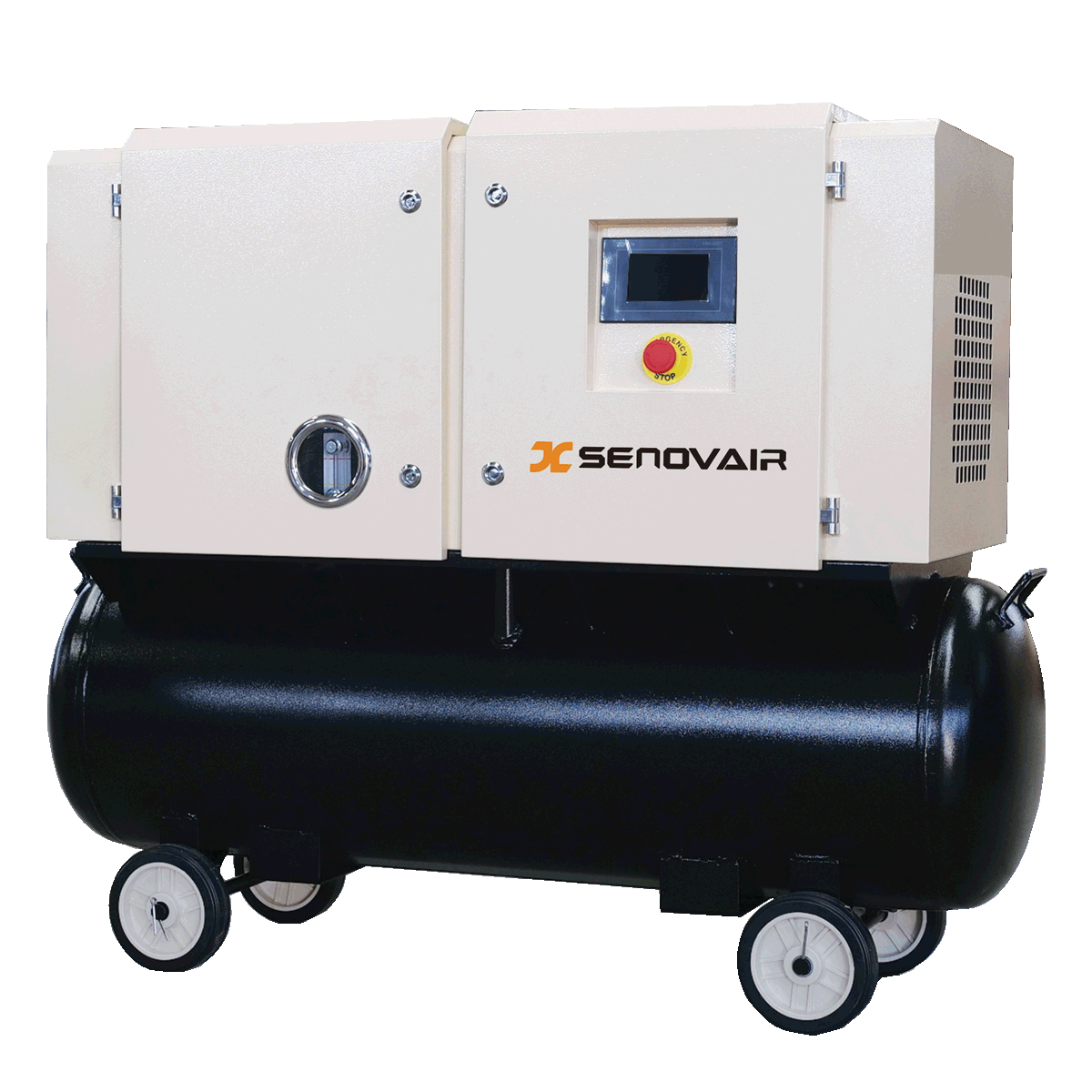
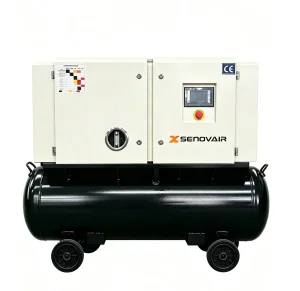
Space-saving design that mounts the compressor element directly onto the air receiver storage tank.
Read More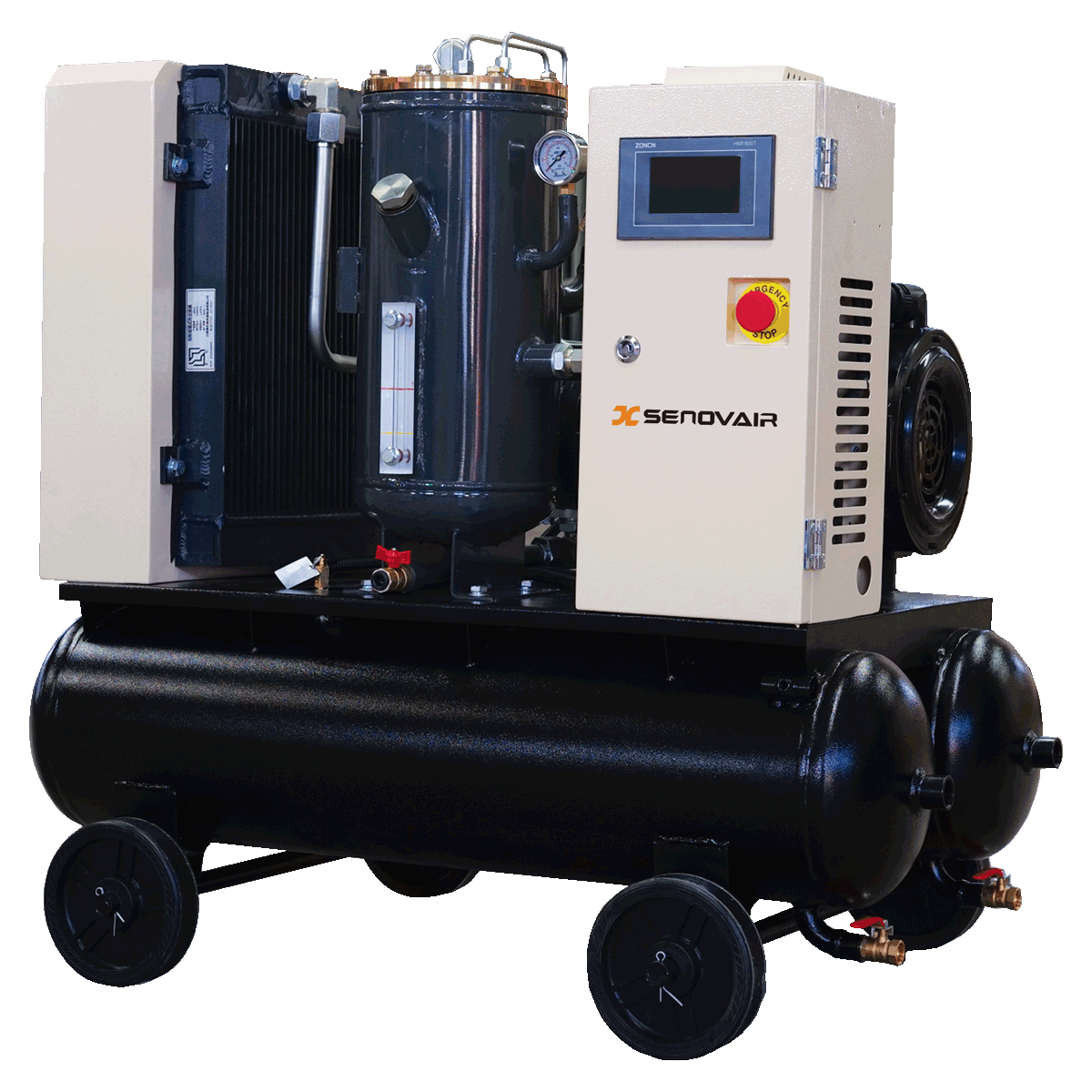
Precision-engineered package for smaller workshops requiring clean, stable compressed air storage.
Read More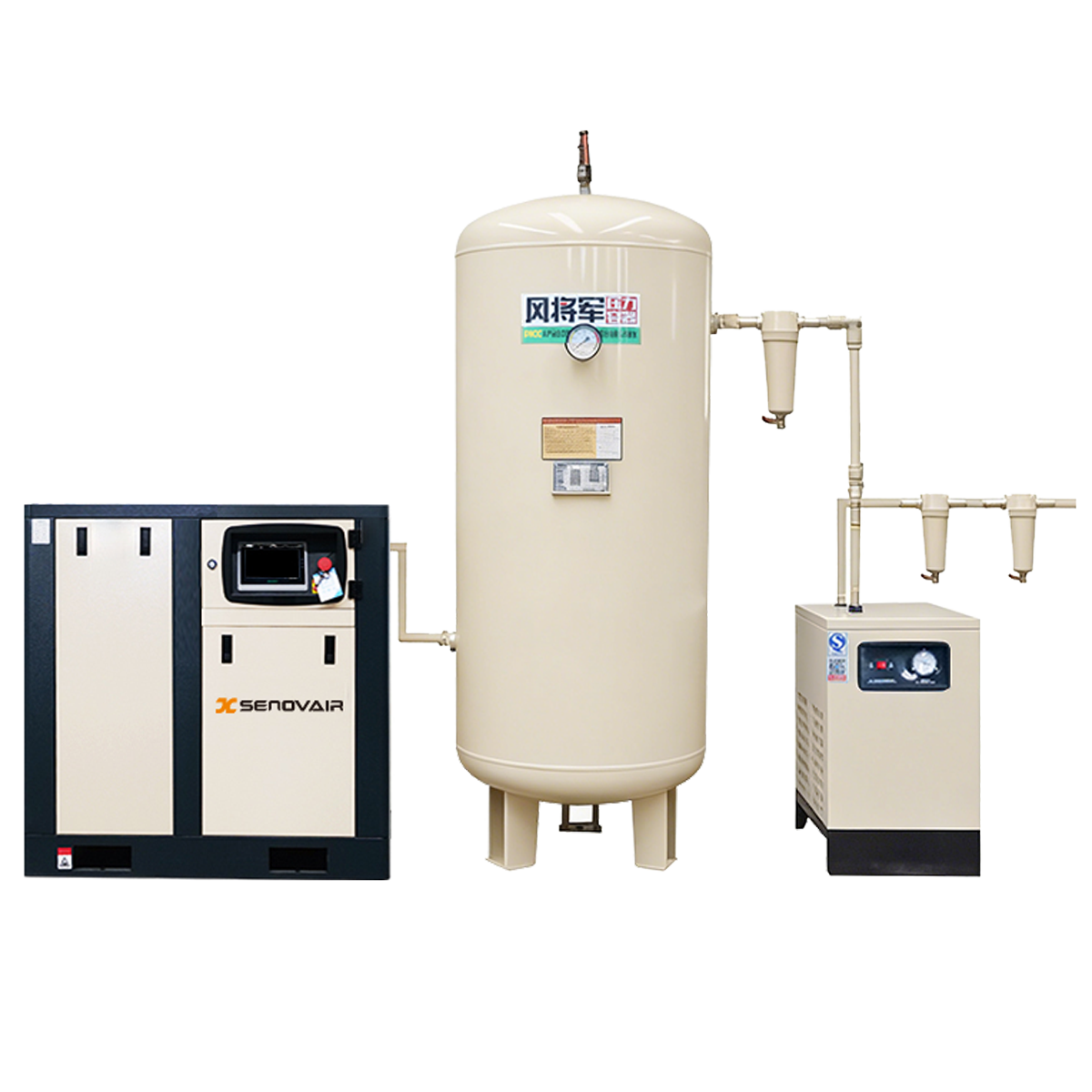
Complete turnkey system layouts containing filters, storage receivers, dryers, and system controls.
Read More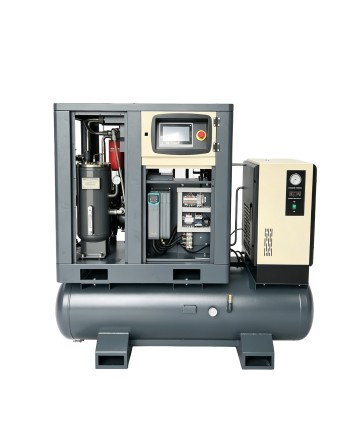
Specially tuned high-pressure unit engineered to provide stable flow for advanced laser cutting machines.
Read MoreDetailed sizing parameters and dimensional profiles for small system installations.
Read More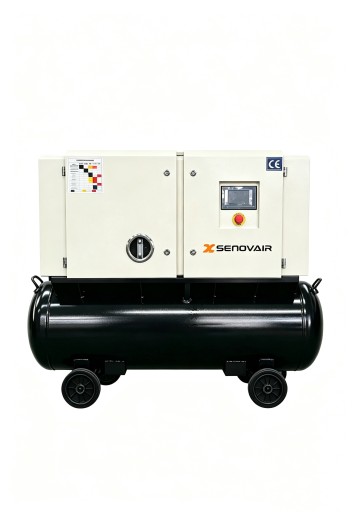
Mobile integrated 2-in-1 screw air compressor for small workshop and factory environments.
Read MoreHere are expert answers to technical and regulatory questions concerning air storage receivers and integrated compressor lines.
A: Sizing depends on your peak compressor flow (CFM or m³/min) and the duty cycle of your pneumatic demands. The general rule of thumb is to allow 1 to 2 gallons of storage capacity for every 1 CFM of compressor output (or approximately 30-50 liters per m³/min). For systems with sharp peak loads, increasing this volume prevents pressure drops during heavy demand intervals.
A: Air storage receivers are under high pressure and classified as high-risk pressure vessels. Uncertified tanks can split or fail structurally. Importing certified ASME (United States) or CE-PED (Europe) vessels guarantees that the thickness of the steel, welder qualifications, and hydrostatic tests have been independently inspected and approved by authorized third parties.
A: Variable Speed Drive (VSD) compressors adjust motor speed to match air usage. When paired with a properly sized storage receiver, the vessel acts as a buffer. This prevents the compressor motor from micro-adjusting or switching frequently, keeping motor operation in its most efficient RPM range and saving up to 35% in energy consumption.
A: Condensation is the primary cause of corrosion. Tanks must be drained daily or fitted with electronic zero-loss drain valves. Additionally, Smart Air offers corrosion-resistant epoxy inner coatings. Annual ultrasonic wall-thickness tests are also recommended to ensure the structural integrity of the vessel remains intact.
A: Yes. A centralized receiver is highly efficient for multi-compressor installations. It buffers the aggregate air load and distributes air pressure smoothly to the main headers, allowing your master controller to sequence the compressors dynamically based on centralized storage metrics.
A: We primarily utilize high-tensile carbon steel plates (such as Q345R/Q235B) specifically formulated for pressure vessel construction. For medical, food-grade, or corrosive environments, we manufacture vessels using premium-grade 304 and 316L stainless steel.
Our complete line of compressed air solutions provides clean air, reliable pressure management, and efficient energy usage for any industrial application.
 Smart Air