Explore our premium product series engineered for stability, performance, and optimized total cost of ownership (TCO).
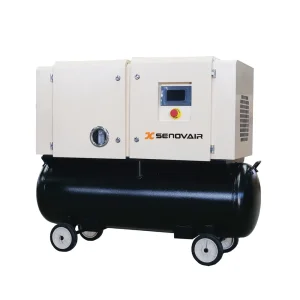
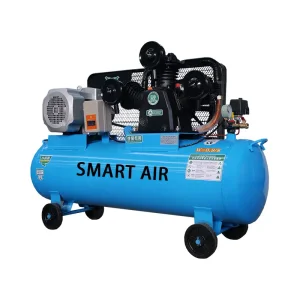
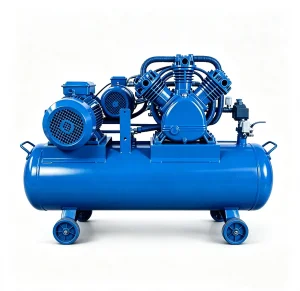
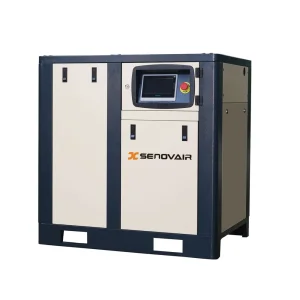
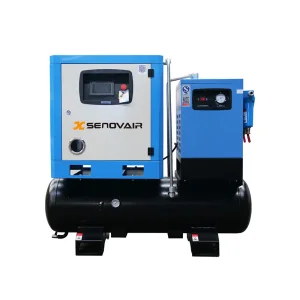
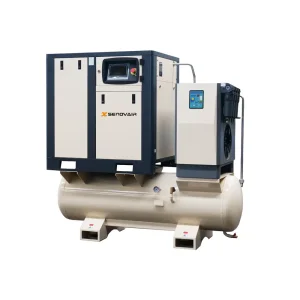
A technical white paper on energy efficiencies, smart system integration, and production methodologies.
In modern industrial facilities, compressed air is commonly classified as the fourth utility alongside electricity, water, and natural gas. However, unlike traditional utilities, compressed air is generated directly on-site, offering operators full autonomy over supply variables, pressure ranges, and air purification classifications. Despite this advantage, generation systems represent a massive portion of industrial energy consumption—often accounting for 10% to 30% of a plant's total electrical footprint. As global regulations like the European Union's Ecodesign Directive and China’s GB19153-2019 standards establish strict limits on motor and air-end efficiencies, the transition from legacy fixed-speed compressors to dynamic Permanent Magnet Variable Speed Drive (PM VSD) systems has shifted from an operational preference to a regulatory and economic mandate.
The global market for industrial compressed air machinery is undergoing a structural transition driven by three key technological shifts:
Excellence in design, manufacturing, and global distribution of industrial compressed air equipment.
Established in 2005, Smart Air Machinery (Linyi) Co., Ltd. has evolved into a diversified manufacturing enterprise integrating research and development, fabrication, and international distribution. Operating from Linyi, Shandong Province—known as the logistics capital of China—our facility utilizes optimized logistics infrastructure to serve global commercial networks efficiently.
Through two decades of manufacturing, our engineering teams have developed specialized expertise across dual-rotor profiles, thermodynamics, and intelligent control architectures. Our comprehensive product portfolio includes high-efficiency PM VSD screw air compressors, mobile and heavy-duty piston compressors, oil-free medical systems, ASME/CE compliant air storage vessels, and advanced downstream air purification systems.
Over 20 years of continuous R&D innovation, backed by comprehensive testing equipment and engineering expertise.
Aesthetic designs combined with high-grade material selection and precise craftsmanship for dependable, long-term operation.
Committed to building a leading air compressor brand through honest operations, attentive service, and technical superiority.
Our systems provide specialized solutions tailored to the operational demands of diverse global industries.
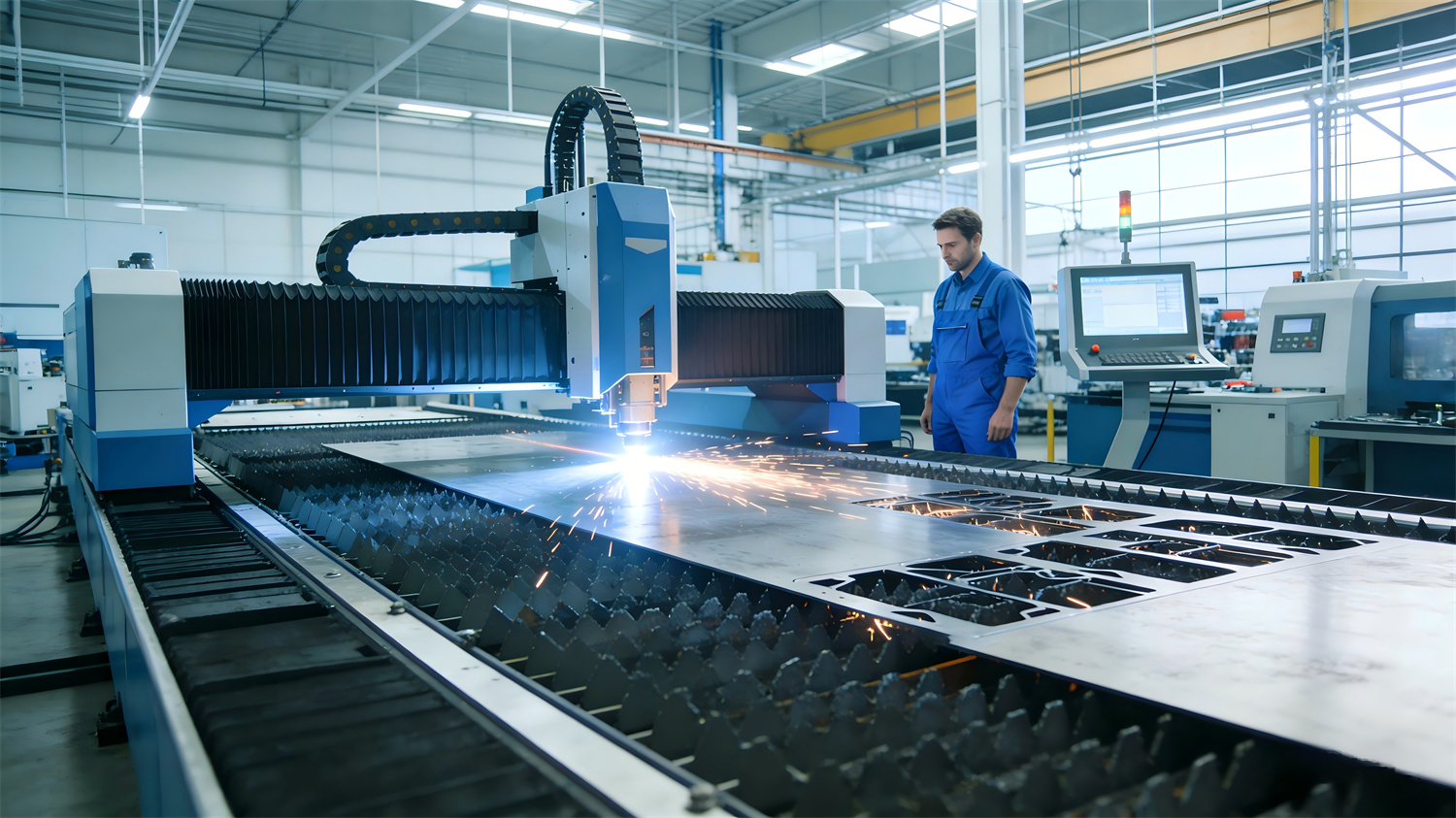
Fiber laser cutting machines rely on auxiliary high-pressure air (typically 16 to 30 bar) to blow away slag and protect optical lenses. Our specialized 4-in-1 systems integrate refrigeration dryers and multi-stage carbon filtration to deliver clean, dry air, preventing lens contamination and ensuring consistent cutting quality.
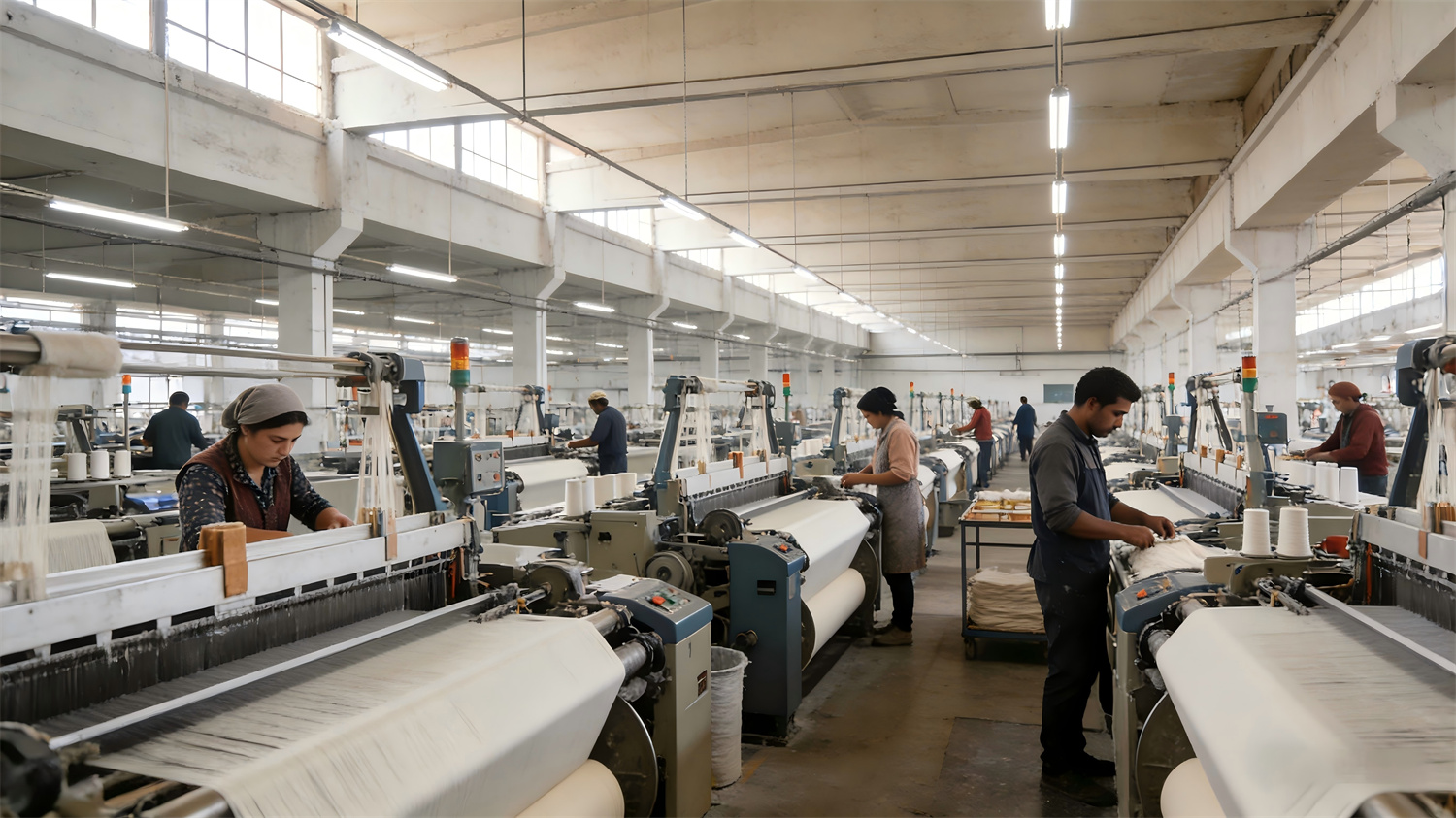
Modern air-jet looms demand clean, continuous, and pressure-stable air to transport weft yarns at high velocities. Our variable frequency systems dynamically adapt output to match yarn changes, preventing oil stains on fabrics while lowering operational power consumption.
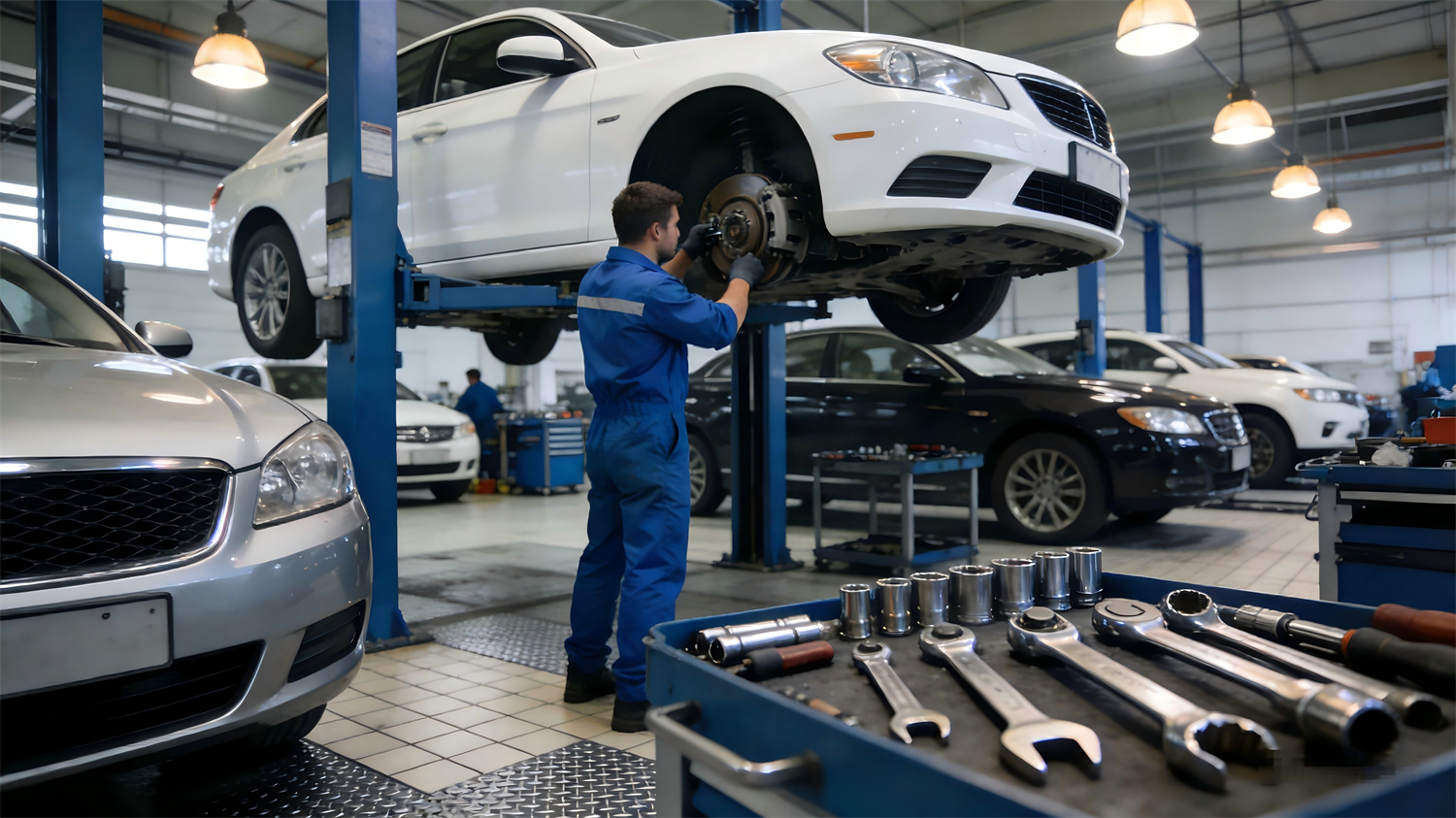
From powering heavy pneumatic tools on assembly lines to critical spray-painting applications, our compressors provide a reliable, clean air supply. Variable speed options accommodate fluctuating air demands across different shifts while keeping energy use low.
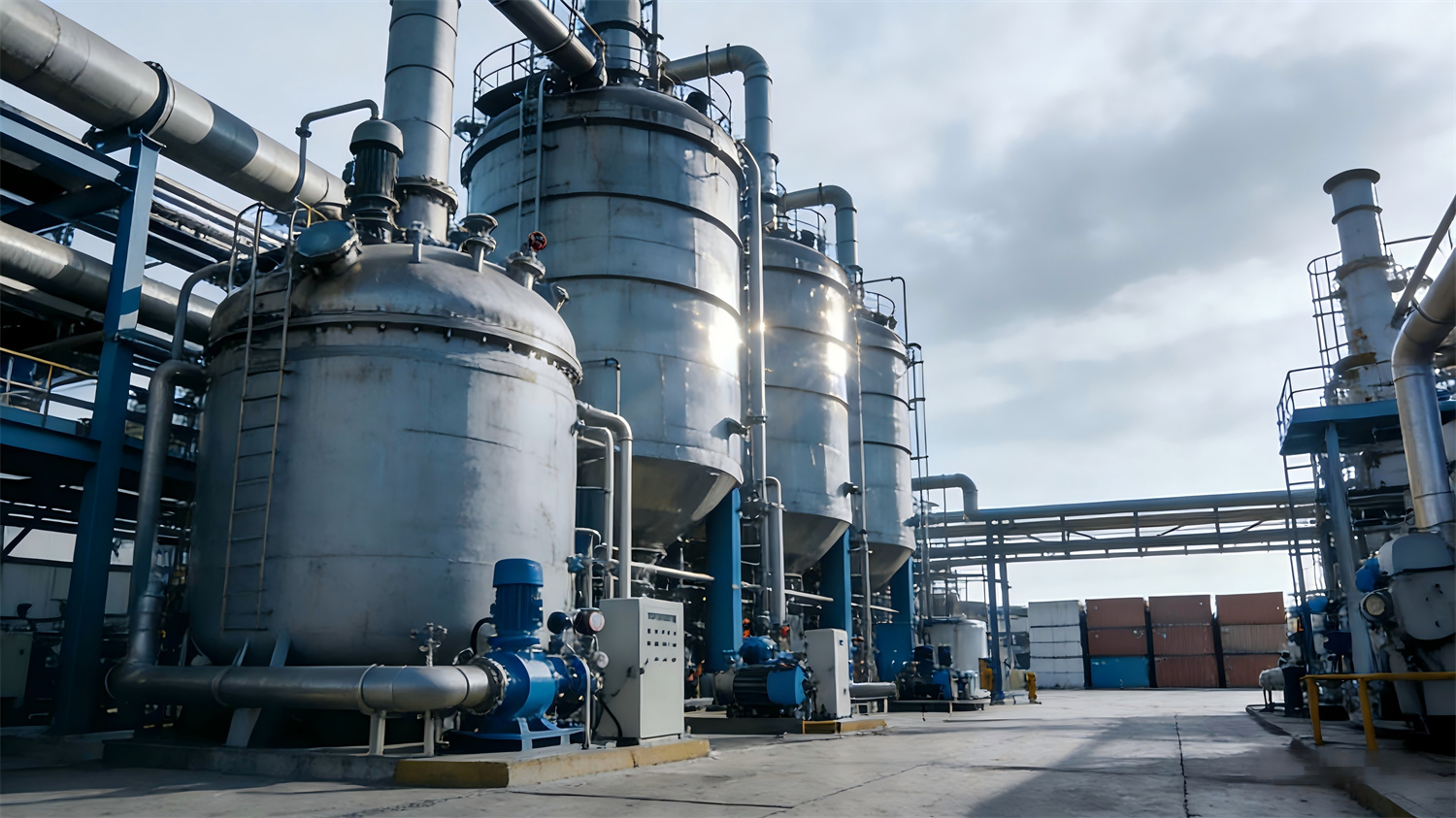
Operating in corrosive, volatile, and toxic environments demands robust safety features. Our chemical-grade compressors are designed for stable pneumatic control, safe chemical transport, and reliable operation under challenging gas-handling conditions.

Our heavy-duty mobile piston and screw units are built for rugged jobsites, powering jackhammers, concrete sprayers, and pneumatic drills. Durable enclosures protect internal components from dust, moisture, and extreme temperatures, ensuring uptime in harsh field conditions.

Our compressors deliver high-pressure, clean air to optimize car wash operations, powering automatic spray systems and pneumatic detailing tools. Energy-efficient designs help operators minimize power costs and maintain low moisture levels in drying cycles.
How Smart Air Machinery stays ahead of international performance criteria.
Dividing the compression process into two stages reduces the pressure ratio across each stage, leading to a thermodynamic cycle closer to isothermal compression. This design lowers internal air leakage and boosts volumetric efficiency, yielding energy savings of 10% to 15% compared to single-stage units.
Our Variable Speed Drive systems feature responsive vector controllers that sync motor speeds with real-time pressure demands. By maintaining system pressures within a tight ±0.1 bar range, they eliminate off-load running states, reduce wear, and lower starting currents.
For industries demanding high air purity, such as pharmaceuticals and food processing, we offer multi-stage filtration solutions. These configurations reliably trap fine particulates and aerosols down to 0.01 micron, helping facilities maintain strict clean-air standards.
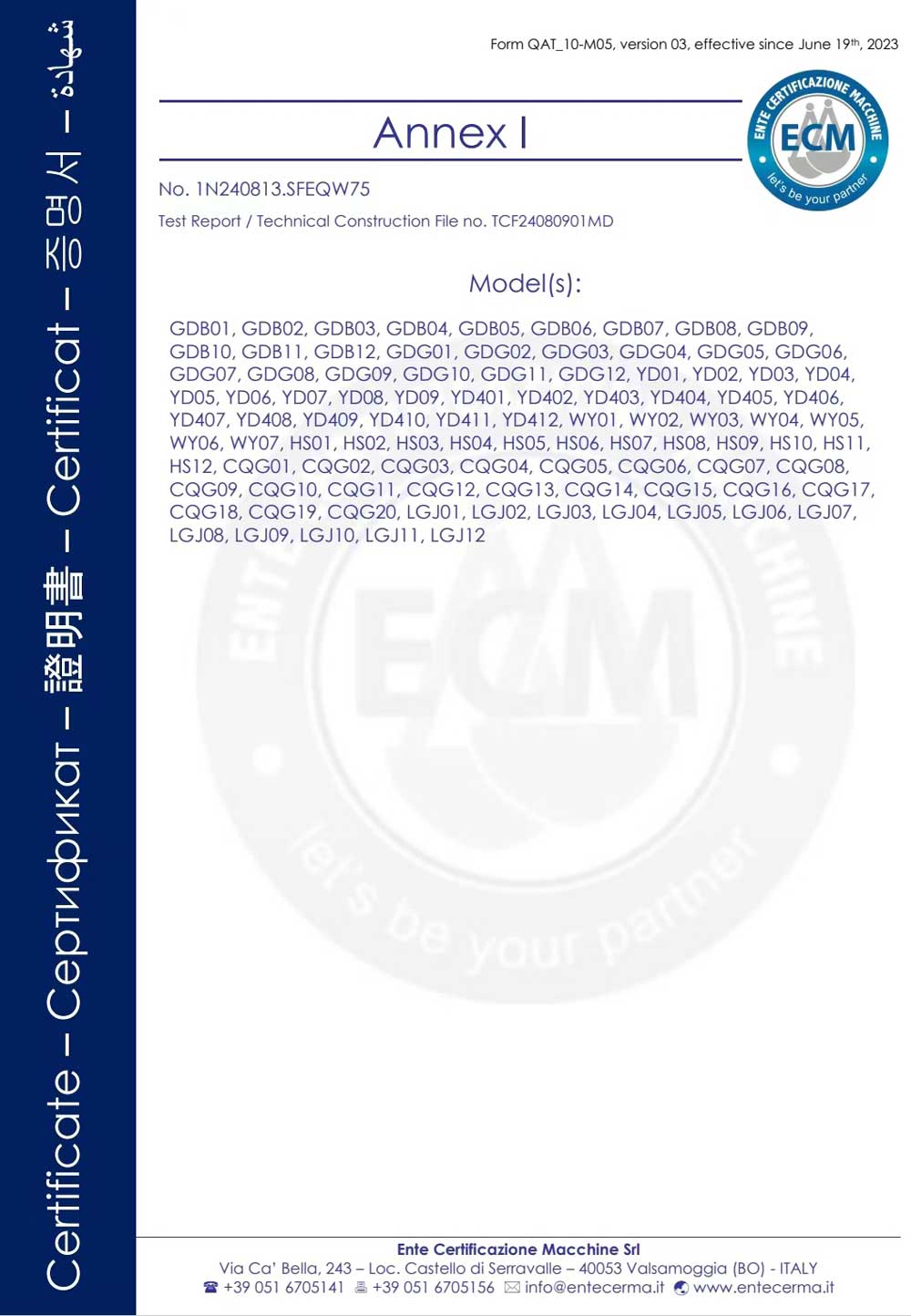
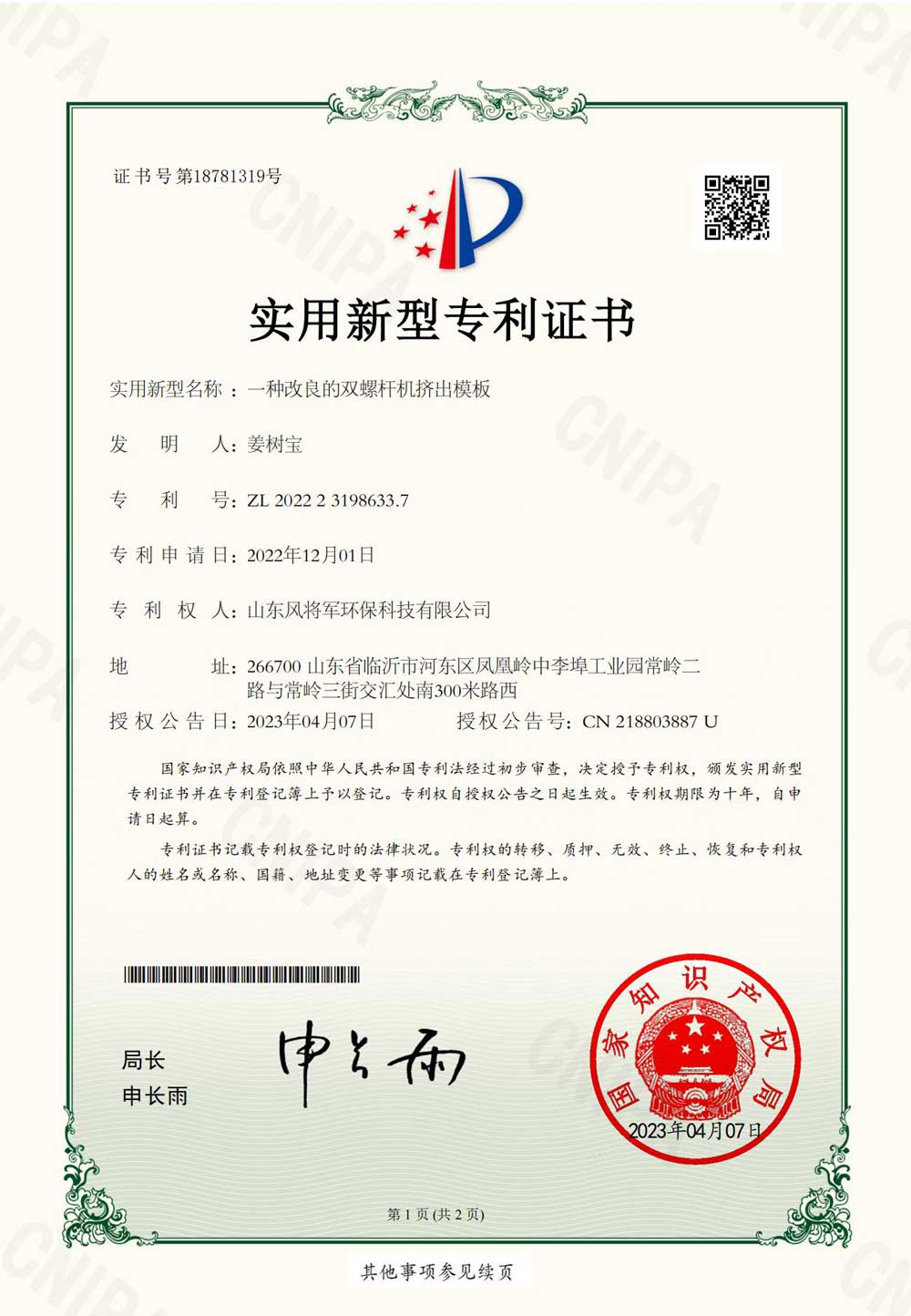
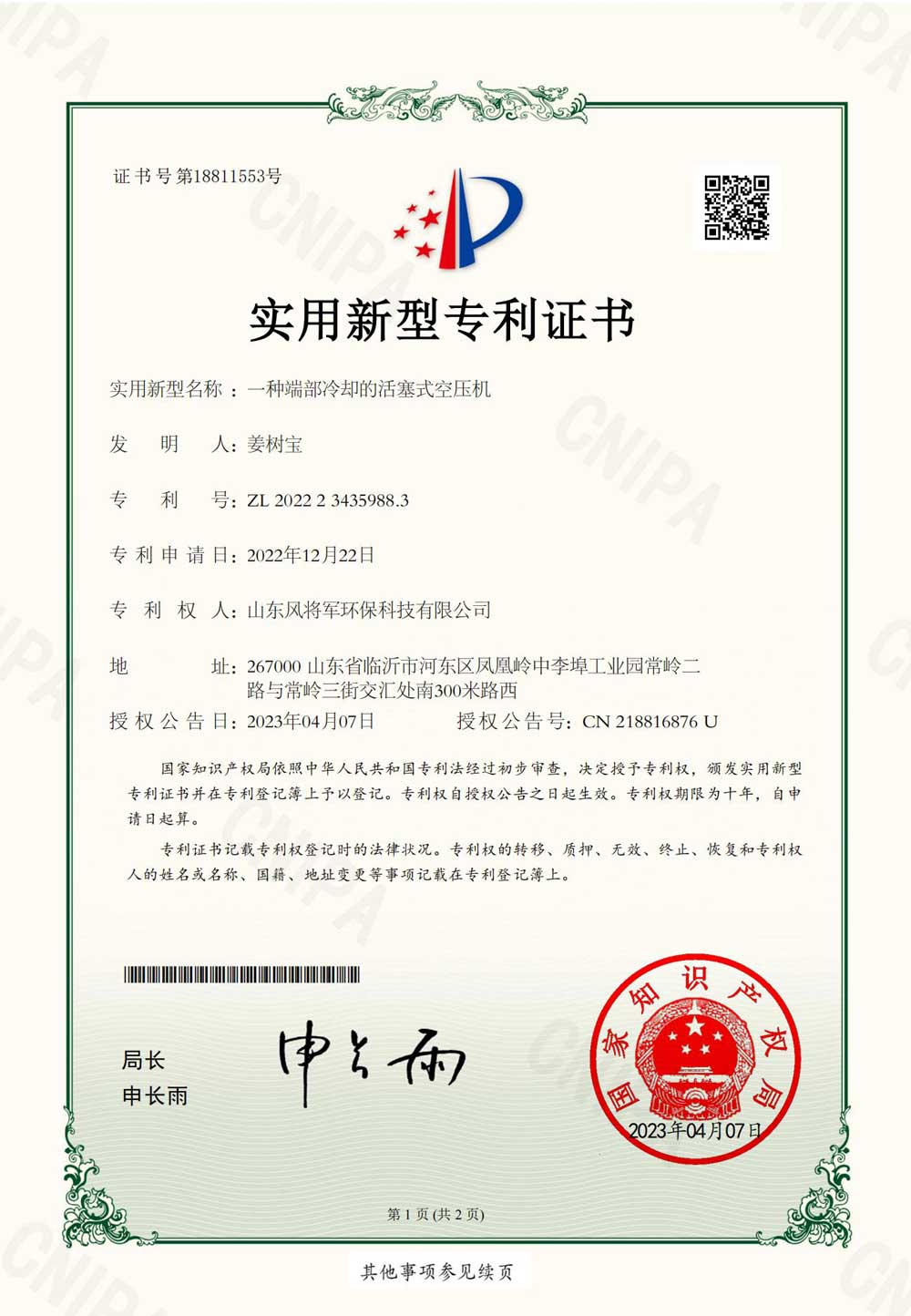
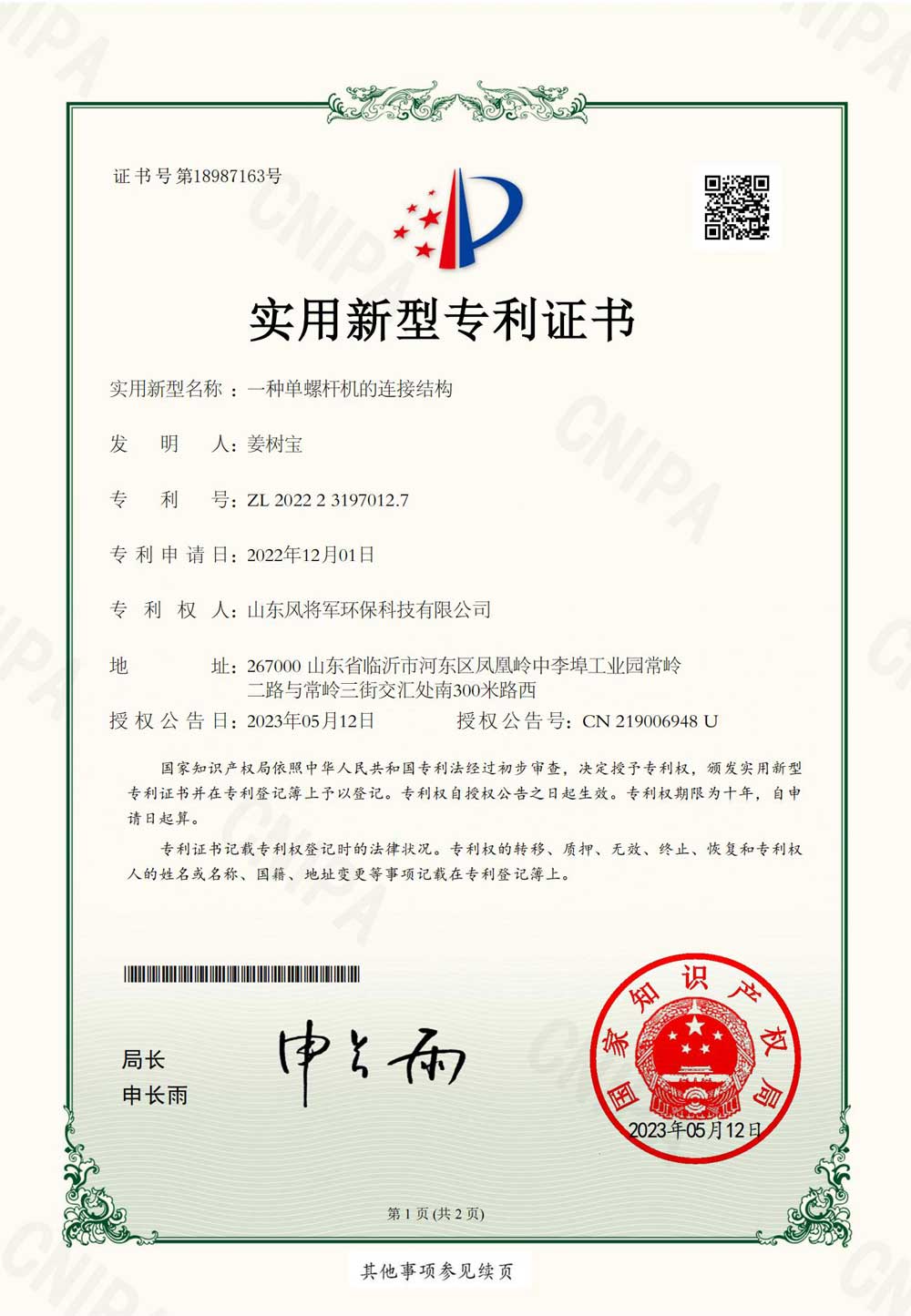
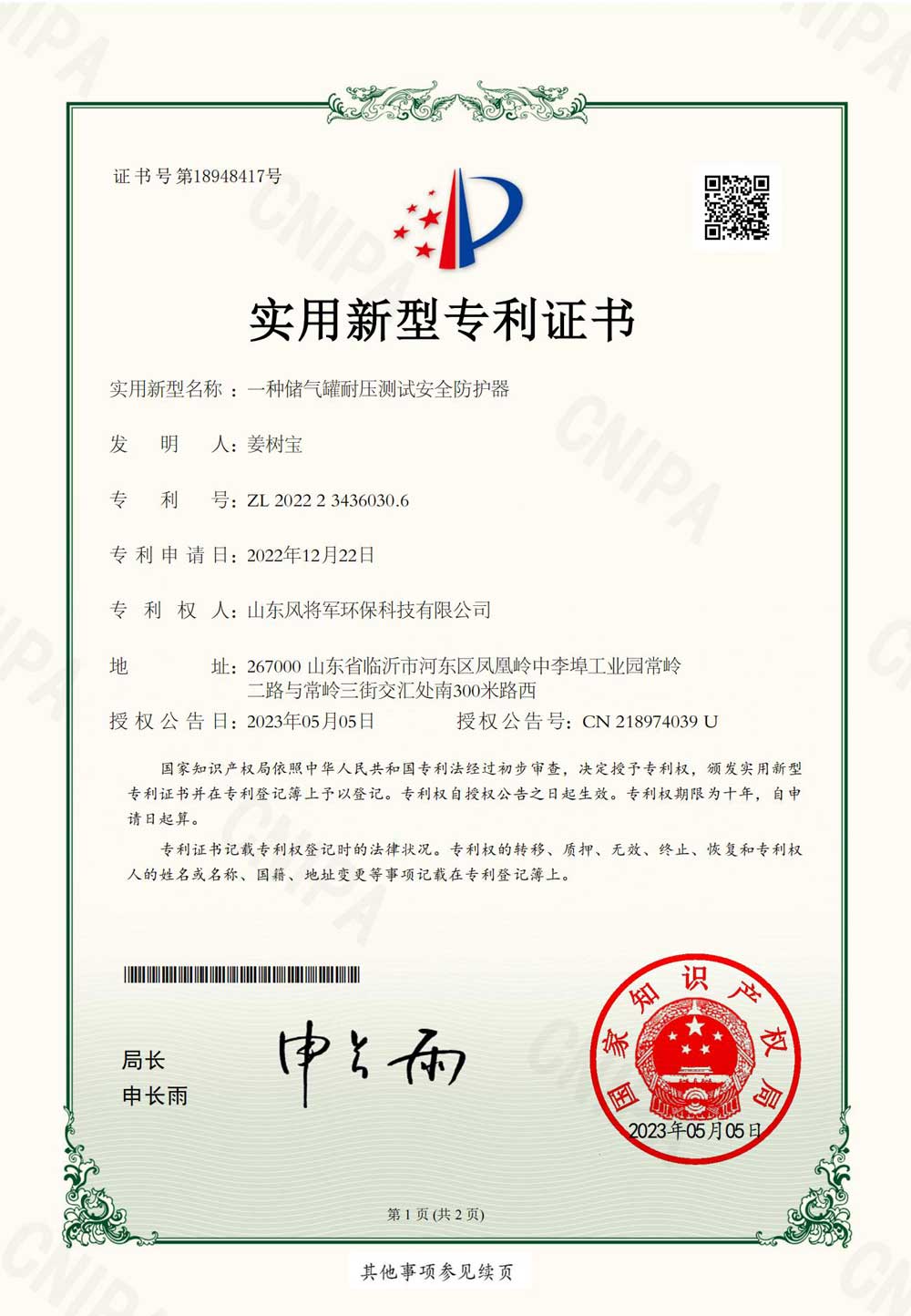
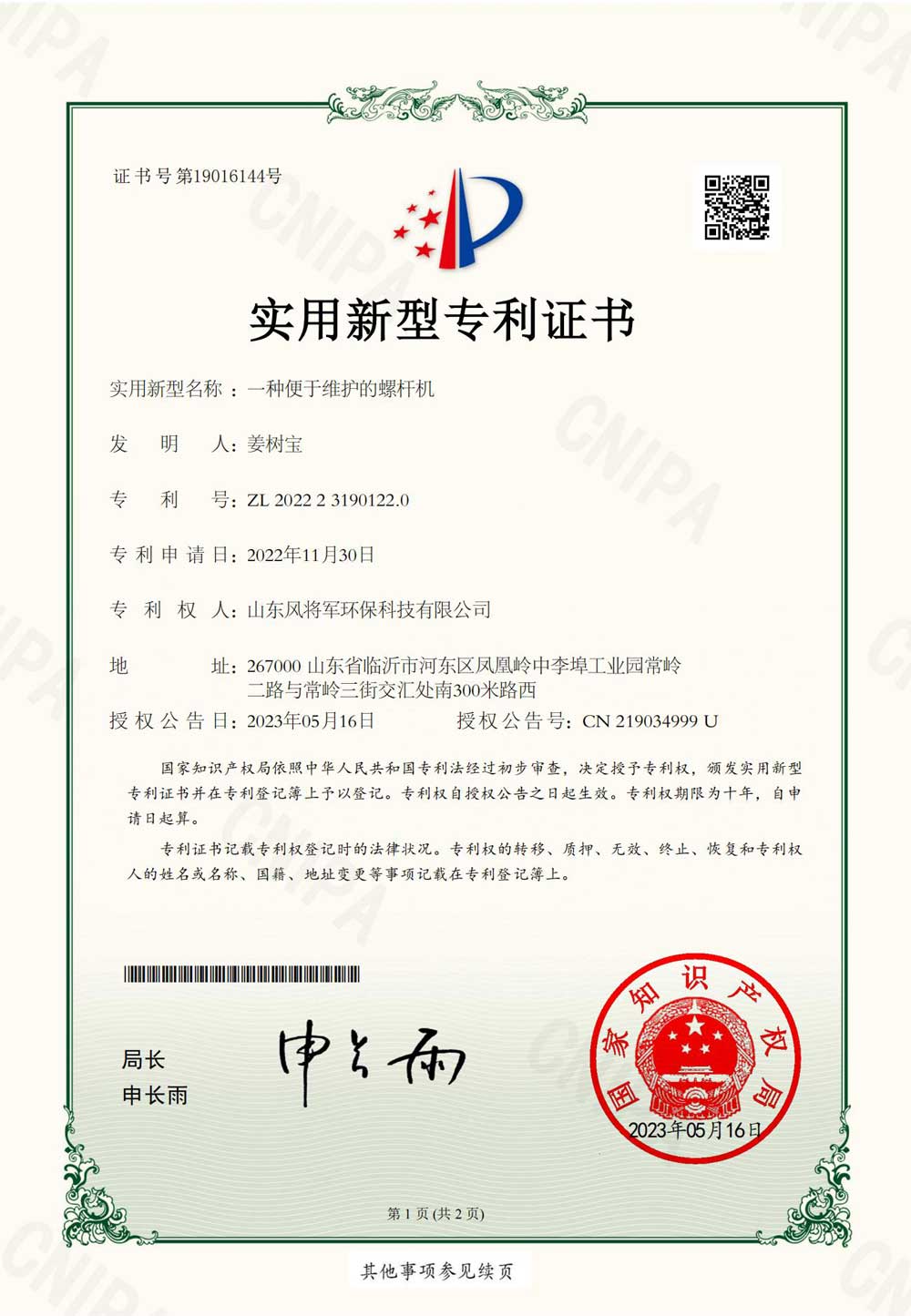
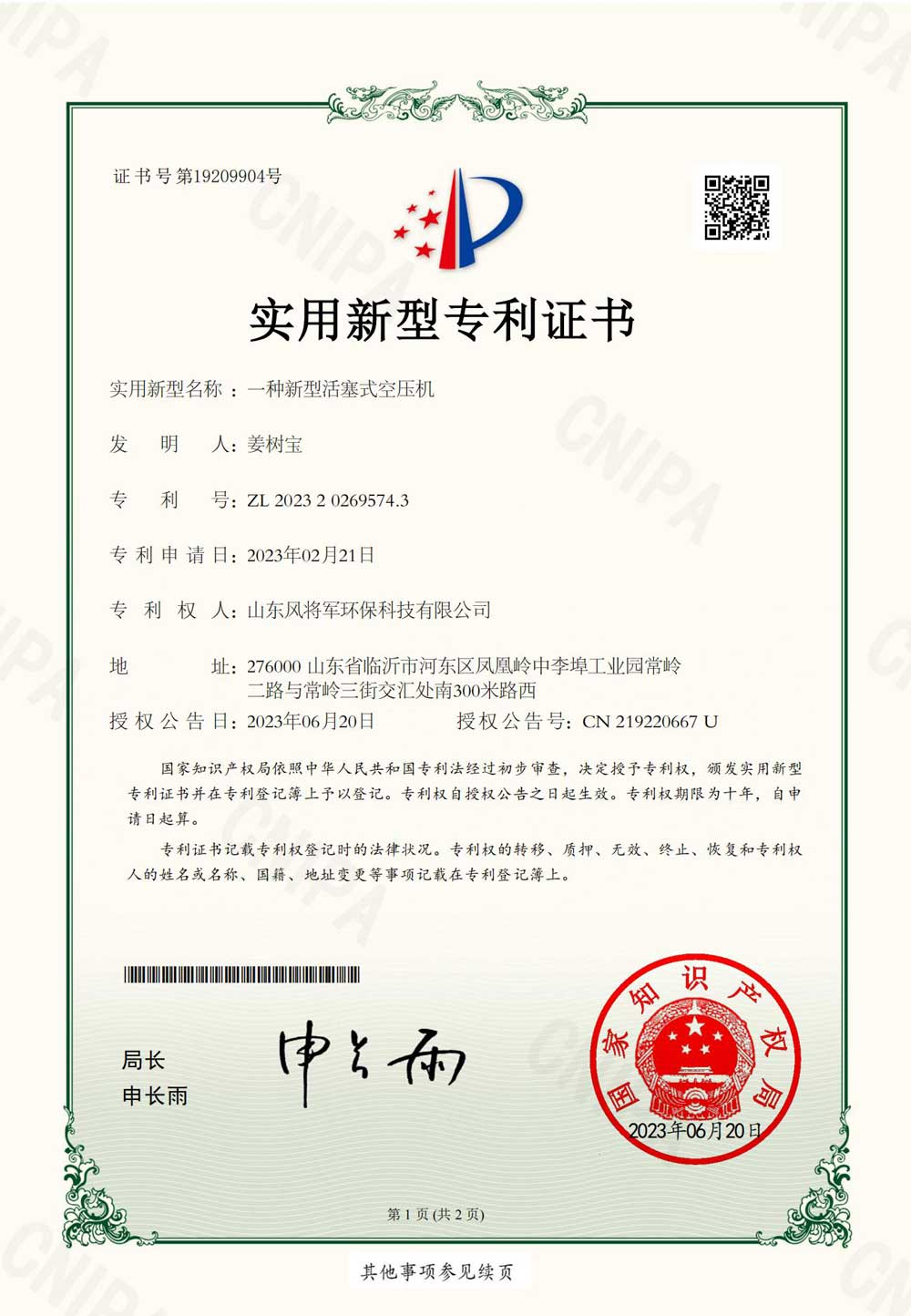
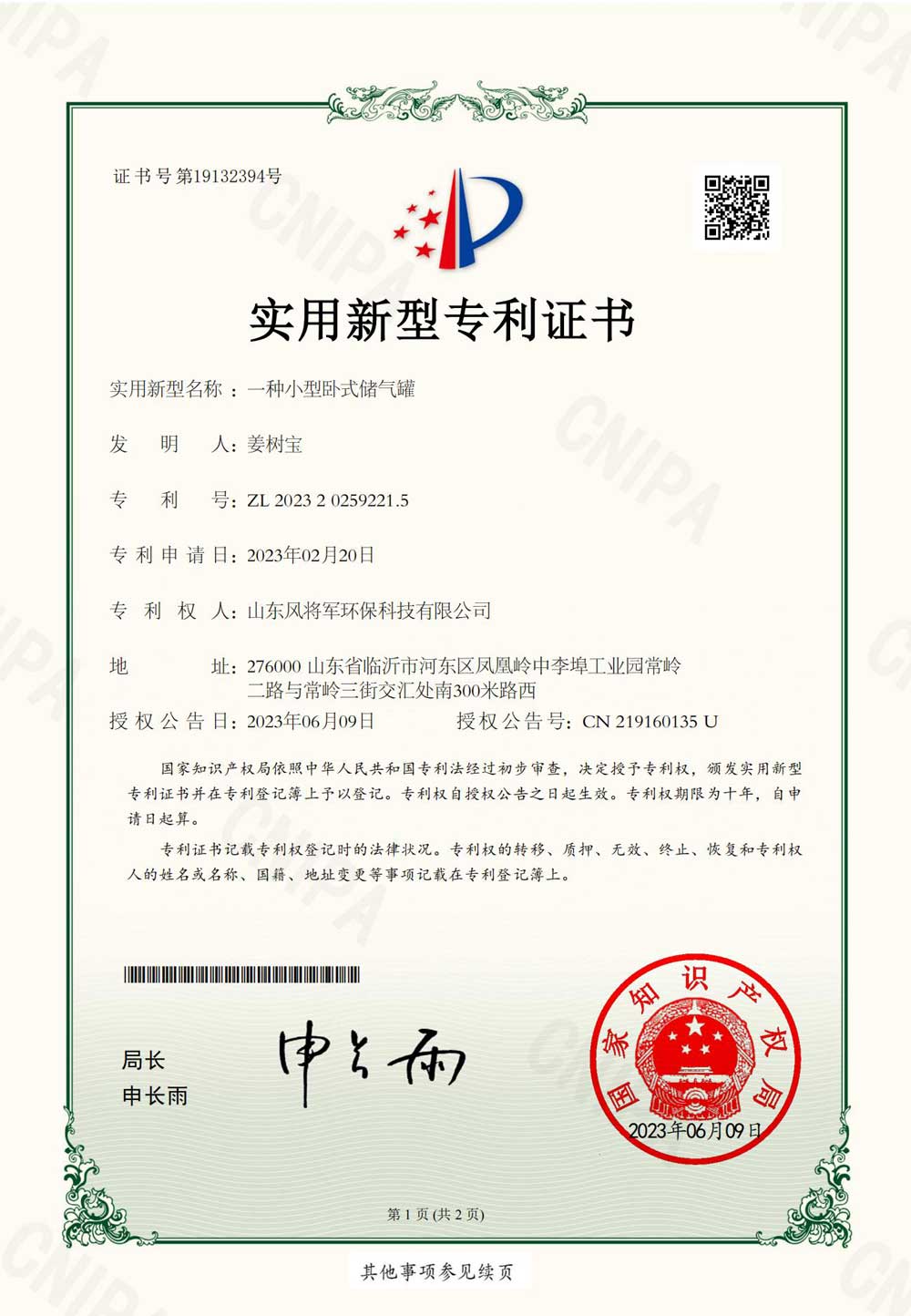
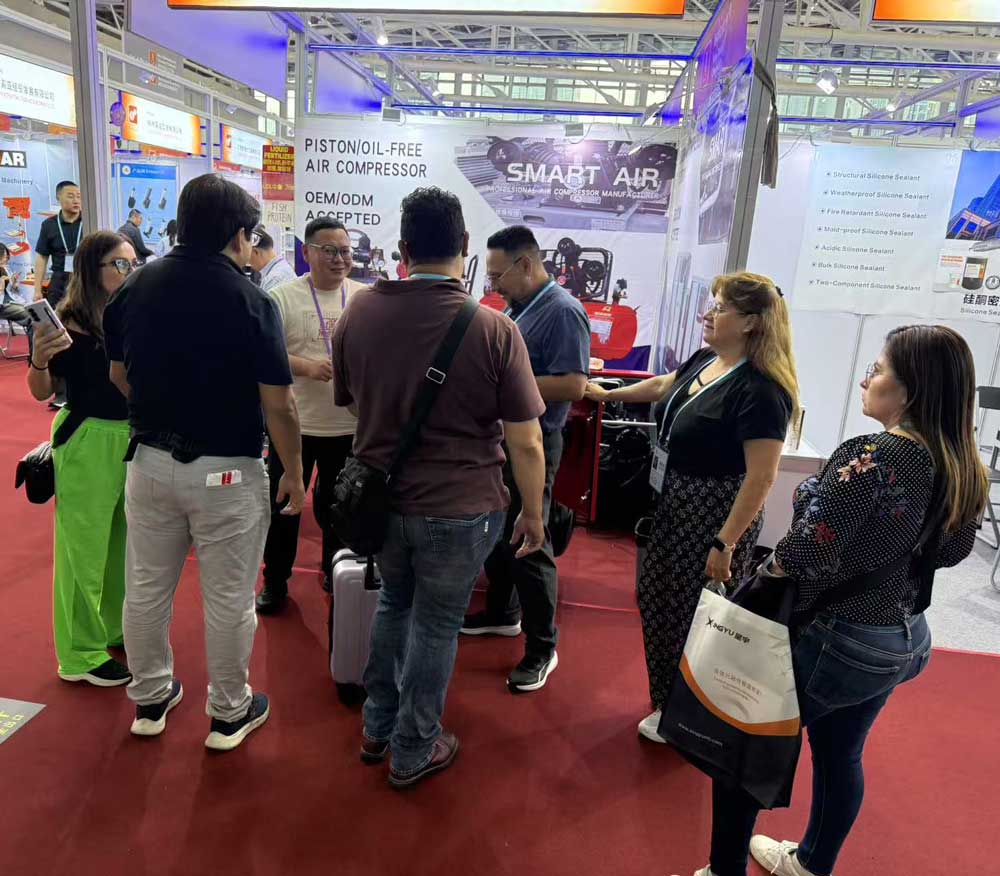
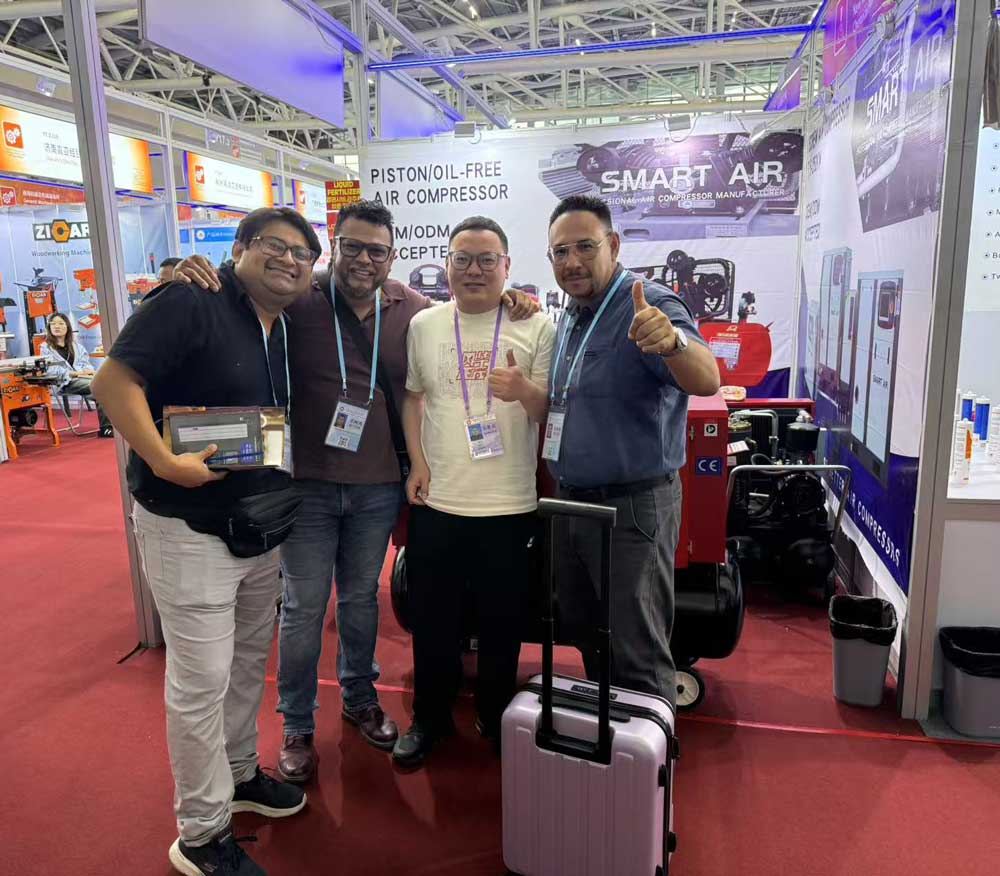
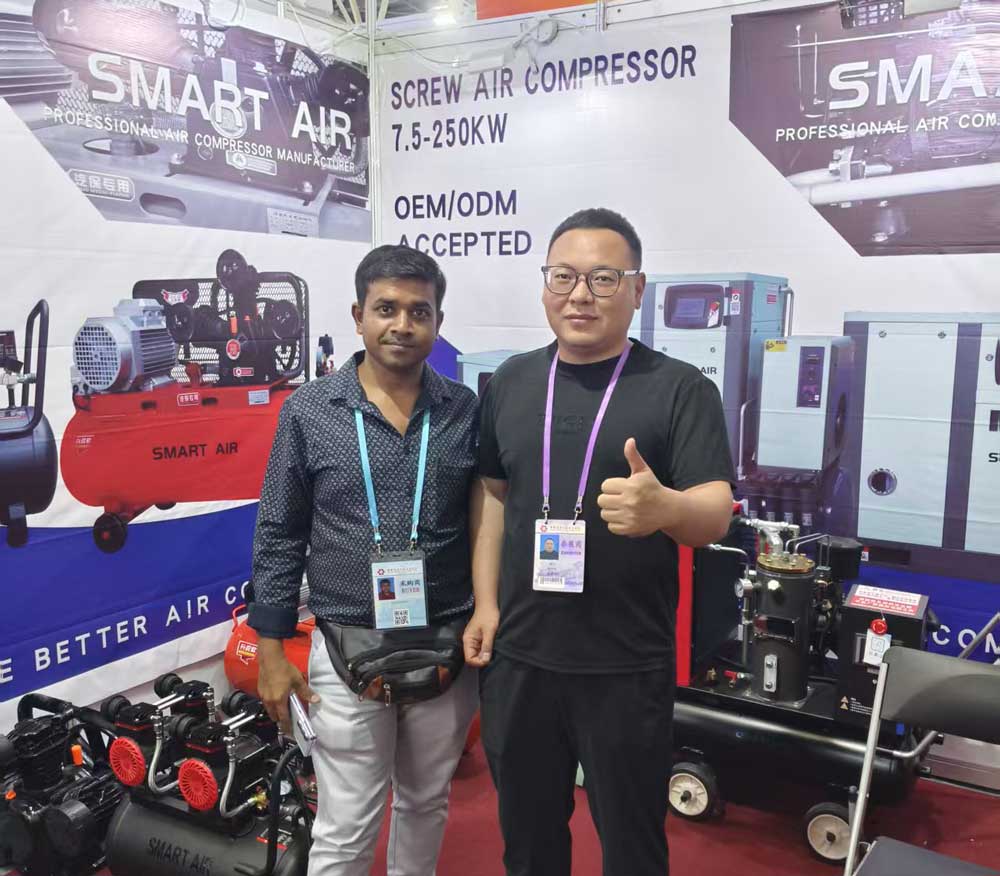
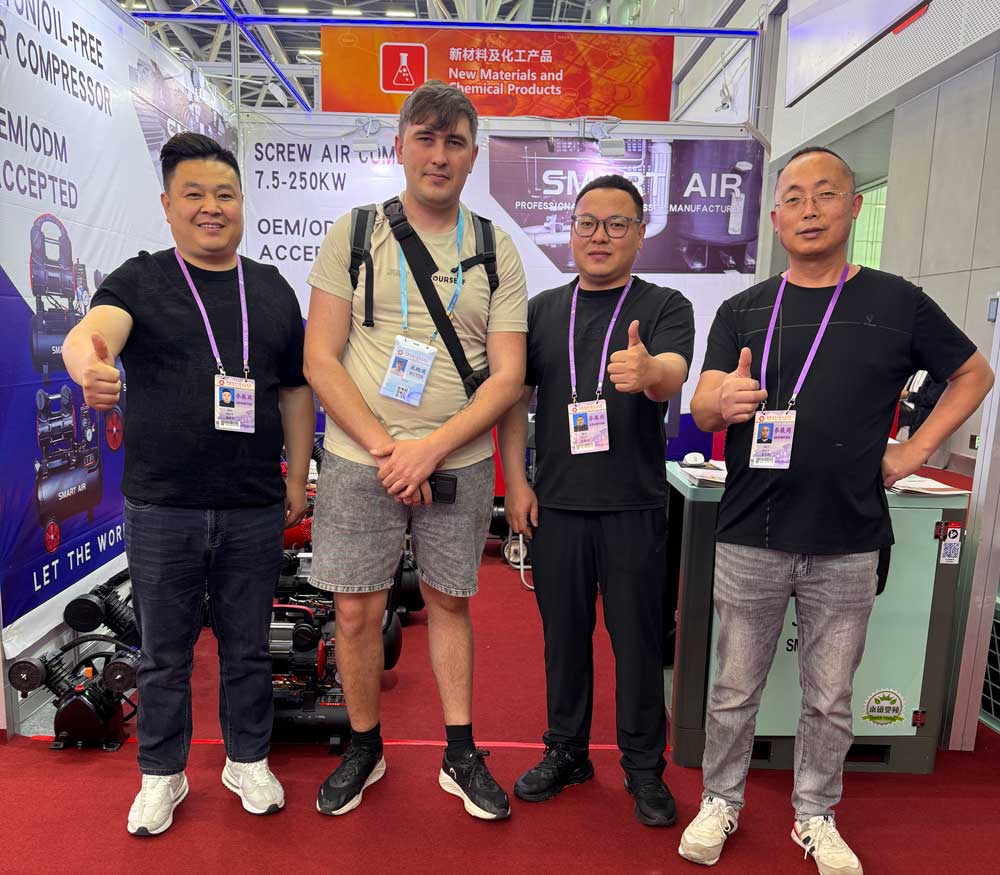
Exporting verified quality to over 20 countries, including the USA, Germany, Colombia, and Australia.
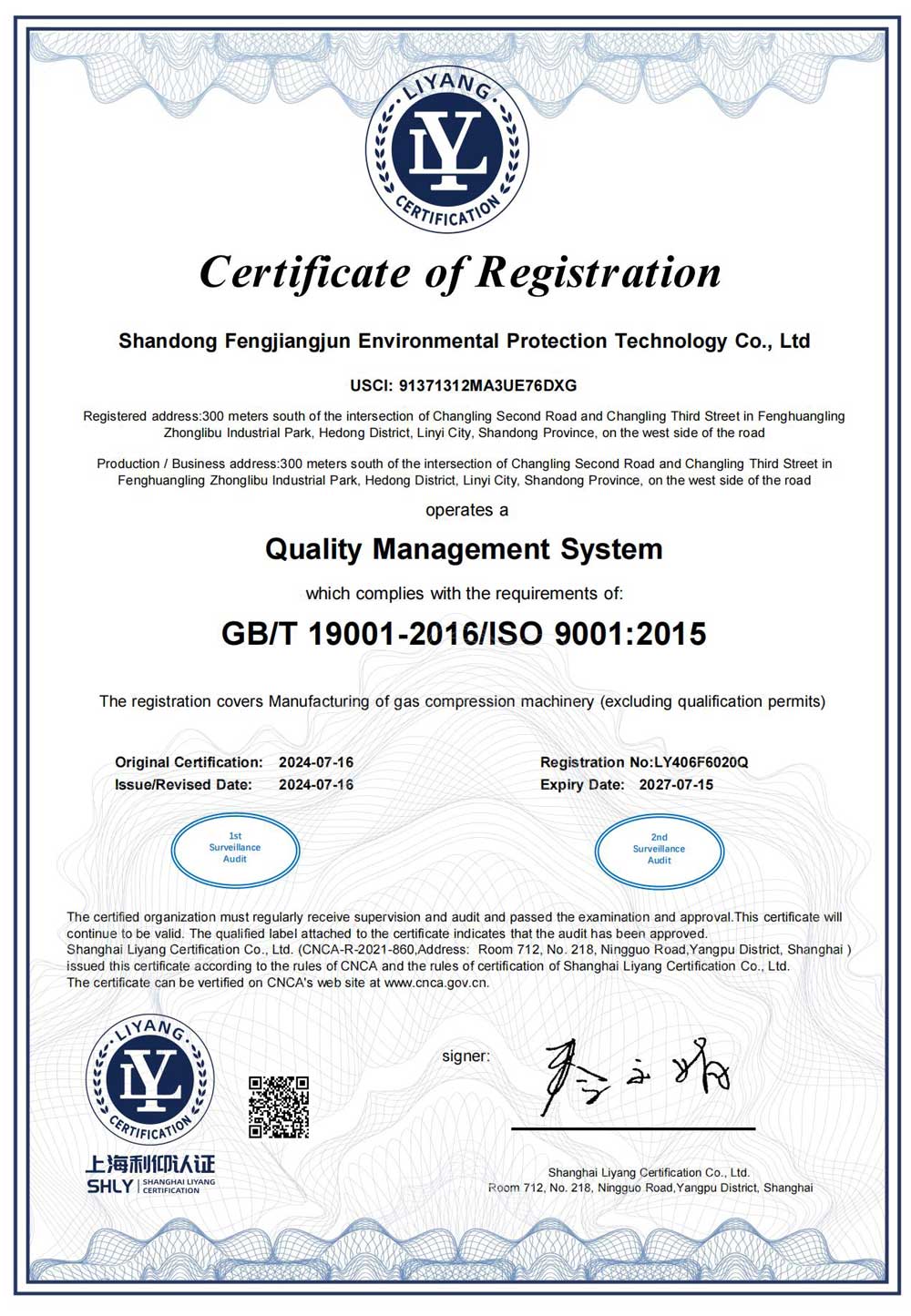
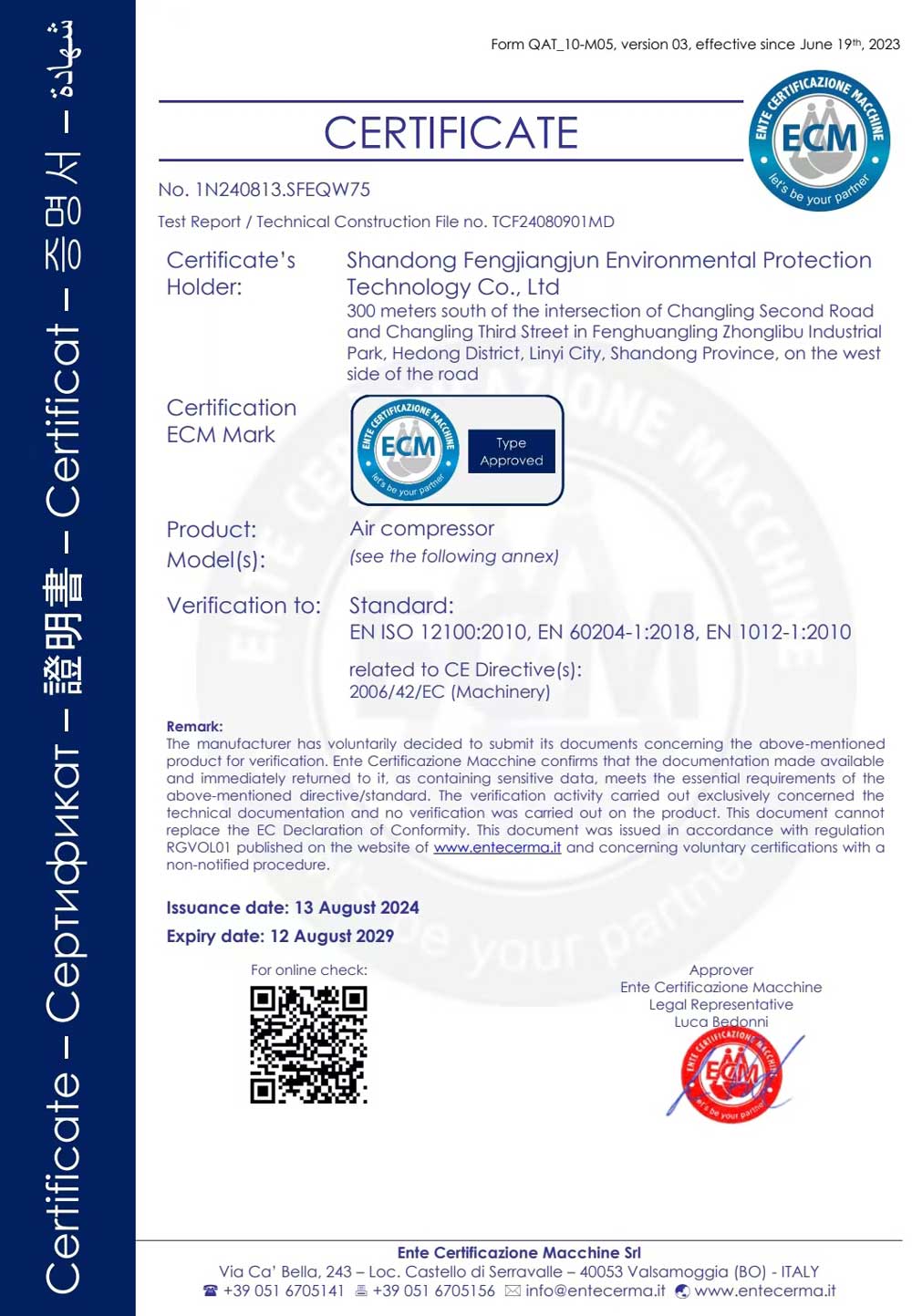

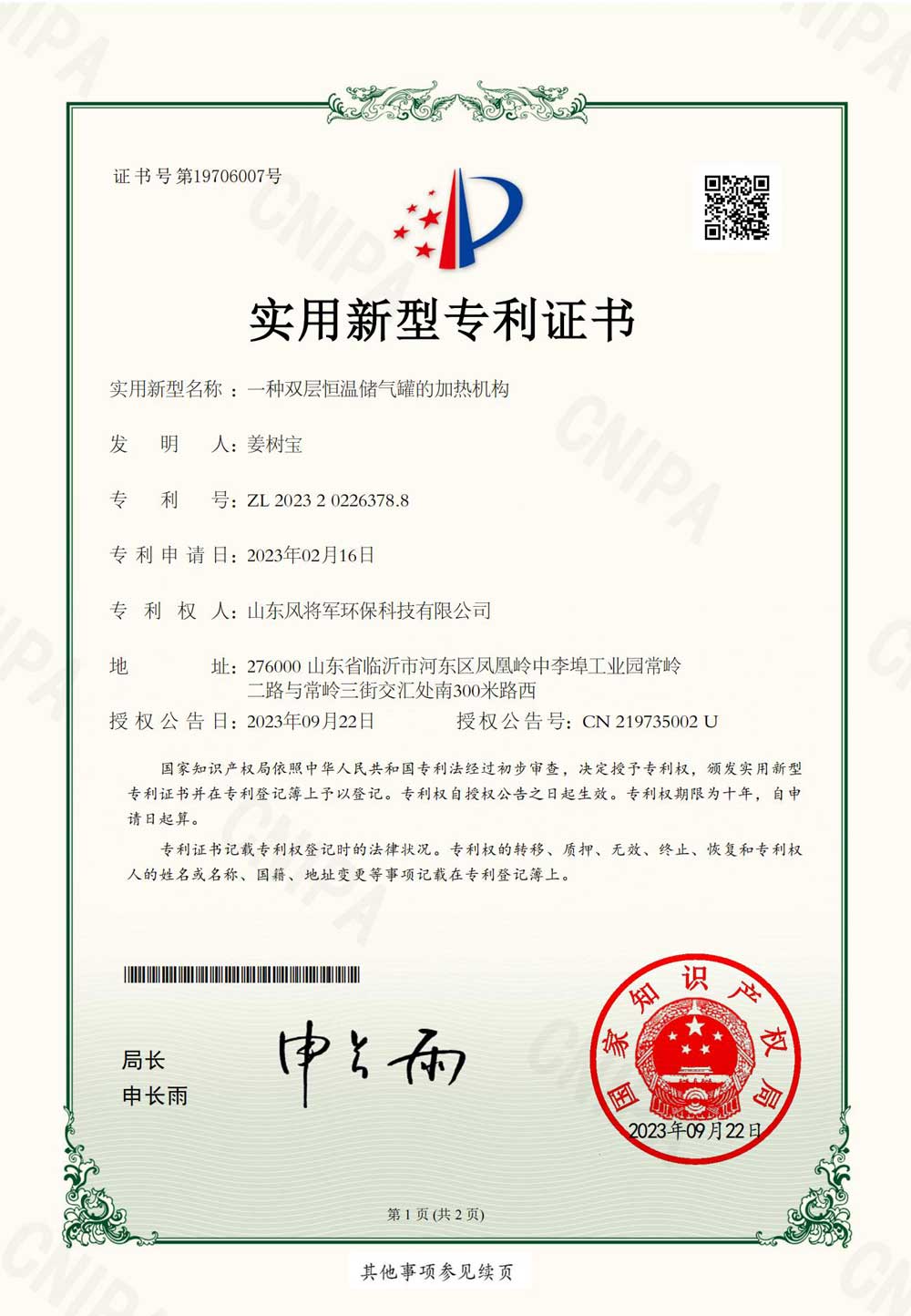
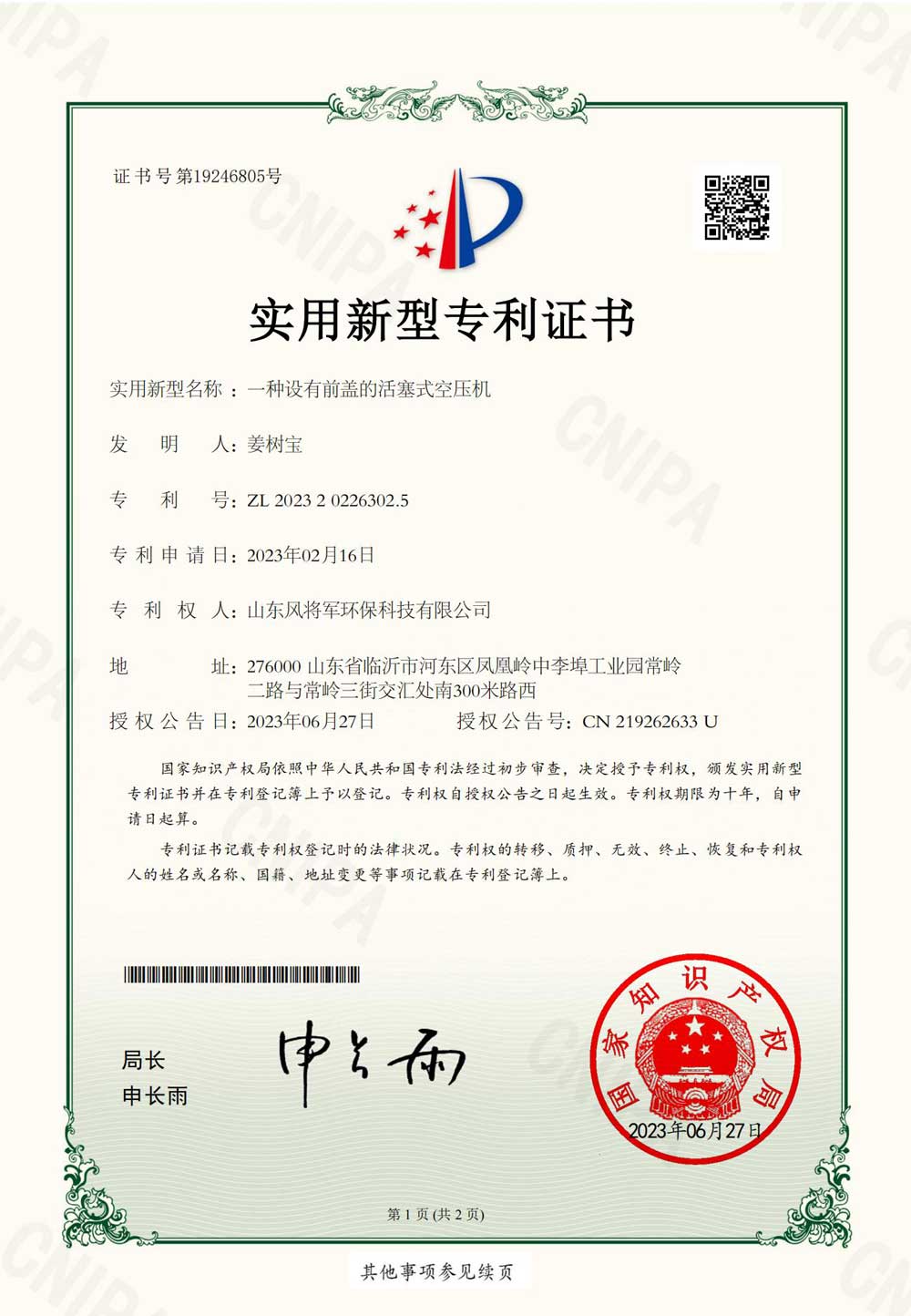
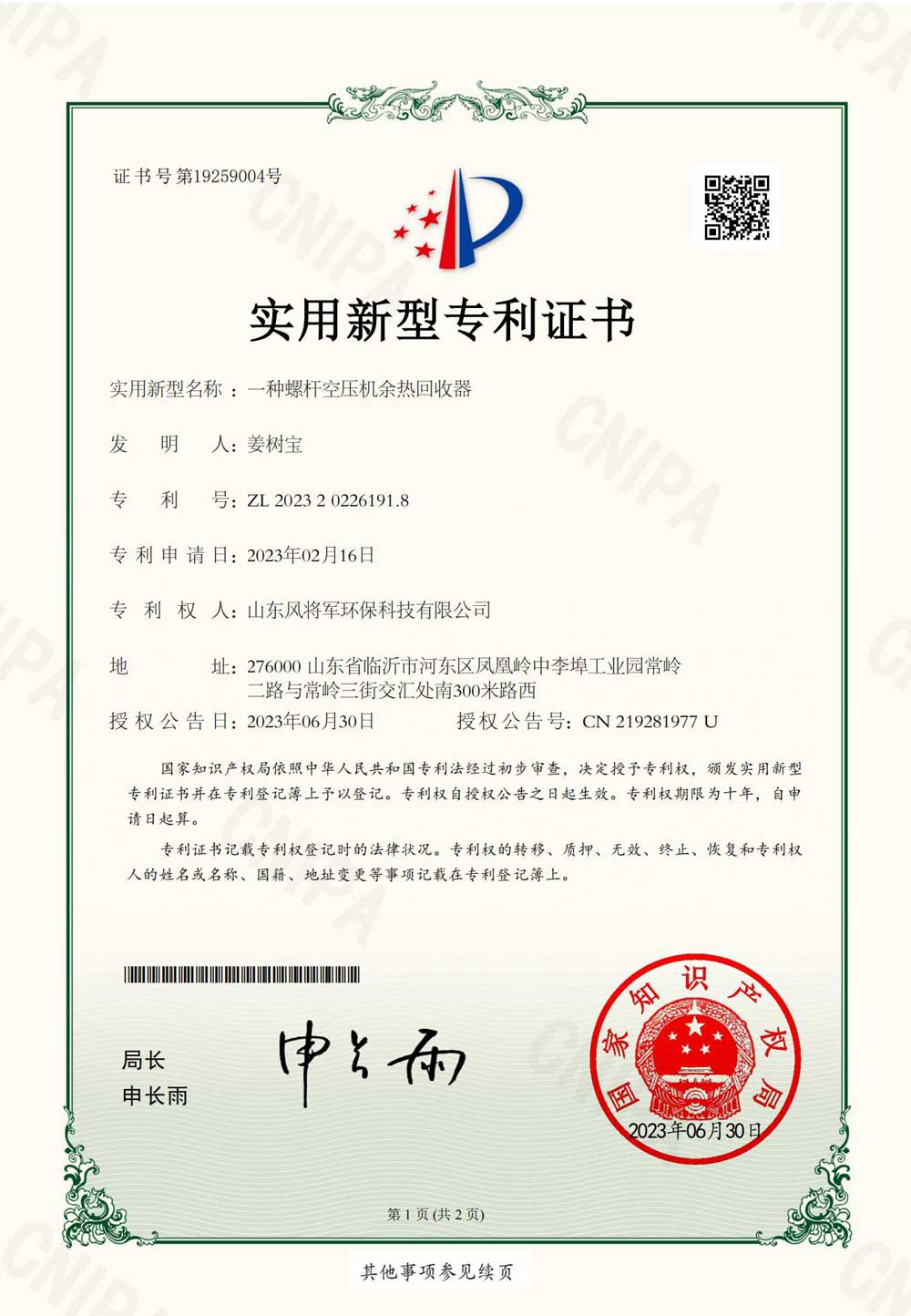
Detailed technical advice on specifying, operating, and maintaining industrial compressor installations.
A fixed-speed compressor runs at a constant speed regardless of demand, using slide valves or modulation to vent excess capacity, which wastes energy. A Permanent Magnet Variable Speed Drive (PM VSD) compressor dynamically changes motor speed to match real-time demand, maintaining pressure stability and lowering power consumption during partial-load cycles.
Laser cutting requires dry, oil-free high-pressure air to prevent dust or moisture from contaminating the focusing lens. Our 4-in-1 systems consolidate the compressor, refrigerated dryer, line filters, and storage tank on a single skid. This close coupling reduces pressure drops, maintains air dew points down to +3°C, and simplifies layout design.
Typically, the air intake filter should be cleaned weekly and replaced every 2,000 hours. The oil filter and oil-air separator element should be replaced every 3,000 to 4,000 hours, depending on operating conditions. Regular oil analysis is recommended to monitor lubricant degradation and prevent premature air-end wear.
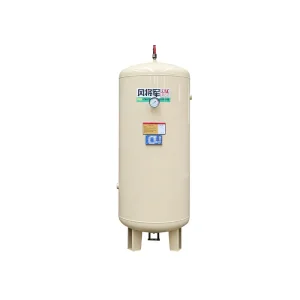
Air receiver tanks act as pressure buffers, absorbing transient demand spikes and dampening pressure pulses from piston compressors. Sizing the tank to at least 1 gallon per CFM of compressor output helps reduce cycle frequency, prevent rapid loading/unloading, and allow condensate to settle before reaching downstream filtration.
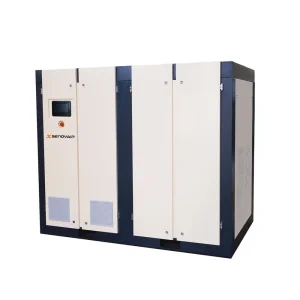
Explore our high-pressure systems, customized screw units, and specialized air treatment components.
 Smart Air