In today’s competitive landscape, businesses are increasingly reliant on efficient energy solutions. The demand for Oil Free Air Compressors has surged due to their numerous benefits. According to a market analysis by Research and Markets, the global oil-free air compressor market is expected to reach $20 billion by 2025. This aligns with a growing need for cleaner, more sustainable production methods.
Expert Robert Johnson, a leading figure in compressed air technology, emphasizes the significance of these systems. He notes, "Oil Free Air Compressors not only minimize contamination but also enhance operational efficiency." This is particularly crucial in industries like pharmaceuticals and food processing, where air quality is paramount. Unsurprisingly, companies are now prioritizing investments in these compressors to meet stringent regulatory standards.
However, while the advantages are clear, challenges remain. Many organizations wrestle with the initial costs and maintenance requirements of Oil Free Air Compressors. Yet, the long-term savings in energy and productivity often outweigh these hurdles. A thoughtful approach to integrating this technology can lead to remarkable results.
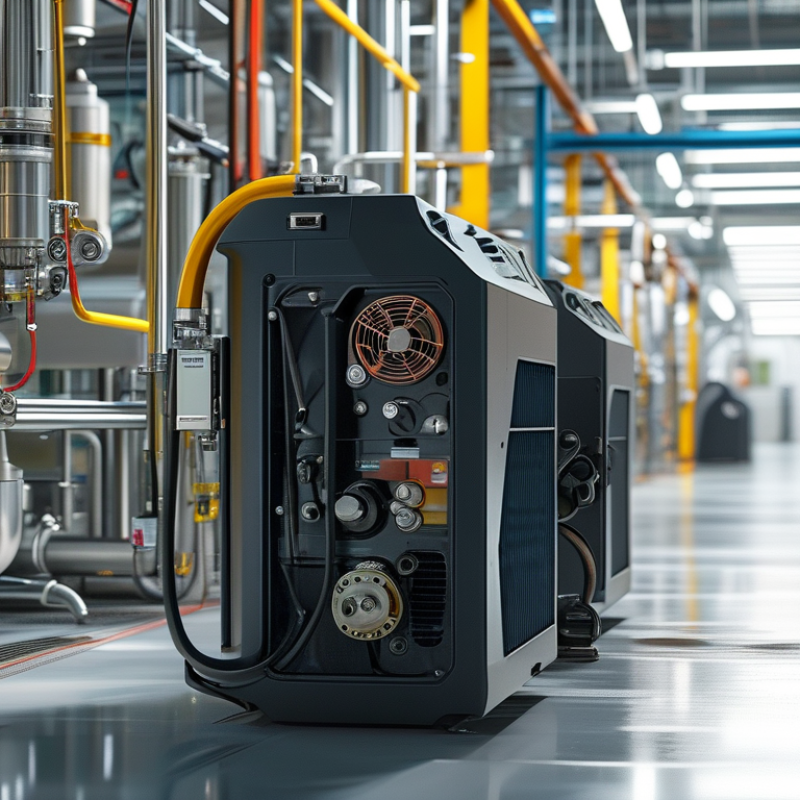
Benefits of Reduced Maintenance Costs with Oil Free Air Compressors
Oil-free air compressors provide significant advantages in reducing maintenance costs for businesses. A recent industry report highlighted that annual maintenance costs for oil-lubricated systems can exceed $5,000. In contrast, oil-free compressors typically reduce these costs by up to 50%. This reduction stems from the absence of oil changes and the regular upkeep required to maintain oil quality. By minimizing these procedures, businesses can allocate resources more efficiently.
The durability of oil-free compressors also plays a critical role in maintenance savings. These machines often feature enhanced technologies that prolong their lifespan. Research indicates that oil-free models can operate effectively for over 20,000 hours without major repairs. While the initial investment might be higher, the long-term savings on maintenance become evident. Moreover, businesses that switch to oil-free systems report lower downtime due to maintenance issues. This shift leads to higher productivity and better operational flow.
It's important to note that while oil-free systems have clear benefits, they may require adaptation. Staff might need training to understand these compressors' unique maintenance needs. This shift may not be straightforward for every operation. Yet, the potential for significant cost savings and increased efficiencies is undeniable, making it a vital consideration for future business planning.
Impact of Oil Free Air Compressors on Product Quality and Safety
Oil-free air compressors play a crucial role in enhancing product quality and safety. By eliminating oil contamination, these compressors ensure that the compressed air is clean. This is vital in industries such as food processing and pharmaceuticals, where product safety is paramount. Contaminated air can lead to unsafe products, posing risks to consumers.
Maintaining high standards is easier with oil-free compressors. They help meet regulatory requirements effectively. This is critical for businesses aiming to maintain certification and trust. Additionally, the absence of oil means less maintenance is required. The reduced oil consumption eases the burden on maintenance teams and lowers operational costs.
In terms of efficiency, oil-free compressors provide clean air consistently. Use them to improve automation in production lines. They can enhance efficiency while reducing the risk of mechanical failures caused by oil leaks. Focus on ensuring your equipment undergoes regular inspections to identify potential issues. This proactive approach can save your business from costly downtime. Aim to educate your staff on the importance of using oil-free compressors correctly. Their knowledge can significantly improve the overall safety and quality of your products.
Top 10 Benefits of Oil Free Air Compressors for Your Business
Energy Efficiency Advantages of Using Oil Free Air Compressors
Oil free air compressors offer significant energy efficiency benefits for businesses. Unlike traditional compressors that use oil, these systems operate cleanly and reduce energy consumption. This translates to lower electricity bills over time. The absence of oil also means less maintenance; businesses can save on both labor and repair costs. Many companies are surprised by how quickly energy savings accumulate. This efficiency is crucial for operations like manufacturing, where air quality impacts production.
Another advantage is the environmental impact. Oil free compressors prevent oil leaks, leading to a cleaner workplace. This reduction in pollutants helps companies meet sustainability goals. Cleaner air can boost workplace safety and improve the health of employees. However, some manufacturers initially overlook these long-term benefits, prioritizing upfront costs instead. As operational pressures change, businesses are realizing that investing in oil free technology pays off in the long run. It's worth considering the real cost versus perceived savings when looking at air compressor options.
Environmental Benefits of Switching to Oil Free Air Compressors
Switching to oil-free air compressors can greatly benefit the environment. These compressors eliminate the need for oil, reducing the risk of contamination in air and water. This is especially important in sectors like food processing and pharmaceuticals, where oil contamination can lead to costly product recalls and health risks.
Oil-free compressors are typically more energy-efficient. They operate at a lower temperature, which reduces the overall energy consumption. This efficiency not only cuts costs but also lowers carbon emissions. Implementing energy-efficient practices aligns with global sustainability goals, creating a positive ecological impact.
Investing in oil-free air compressors is not without its challenges. Initial costs can be higher compared to traditional compressors. Understanding the long-term savings and benefits is essential. Proper maintenance can enhance their lifespan, ensuring that your investment pays off.
Consider installing monitoring systems to track energy use and detect any inefficiencies. Educating your team about the nuances of oil-free systems can foster a culture of sustainability. Regularly evaluating your compressor's performance can lead to continuous improvements and deeper insights.
Enhanced Reliability and Performance of Oil Free Air Compressors in Operations
Oil-free air compressors offer enhanced reliability and performance in various operational environments. They eliminate the need for oil lubrication, resulting in clean and contaminant-free air delivery. This is especially crucial in industries such as pharmaceuticals and food processing. According to a report by the Compressed Air and Gas Institute (CAGI), businesses using oil-free compressors can maintain higher air quality standards. Contaminated air can lead to production delays or product recalls, impacting revenue.
Furthermore, the maintenance of oil-free compressors is typically simpler and less frequent. Operational downtime is a concern for any business. A study from the American Society of Mechanical Engineers (ASME) highlights that oil-free models can reduce maintenance time by up to 30%. Reduced downtime translates into increased productivity. However, it's important to consider the initial investment, as oil-free compressors can be more expensive initially. Businesses must evaluate the long-term savings against upfront costs.
Energy efficiency is another critical advantage. Oil-free compressors tend to operate at lower temperatures, reducing energy consumption. This benefit is reflected in a report by the Department of Energy, which states that energy savings can reach 15% annually compared to oil-lubricated systems. Despite these advantages, companies must weigh operational needs against potential risks, like the higher costs. An informed decision will ensure companies reap the benefits while managing challenges.
FAQS
: Oil-free air compressors eliminate oil contamination, ensuring clean compressed air. This is crucial for food and pharmaceutical industries.
They require less maintenance due to the absence of oil. This helps reduce labor and repair costs significantly.
Yes, they provide consistent clean air, enhancing automation and reducing the risk of mechanical failures from oil leaks.
These compressors reduce energy consumption, resulting in lower electricity bills. Savings can accumulate quickly over time.
They prevent oil leaks, creating a cleaner work environment, which enhances employee health and boosts safety.
Companies often focus on upfront costs but should evaluate long-term savings and efficiency benefits of oil-free technology.
Educating staff on their proper use is essential. Knowledgeable employees can improve product safety and quality significantly.
Yes, companies sometimes miss long-term environmental benefits, focusing instead on immediate costs. It’s crucial to weigh all aspects.
Conclusion
The article "Top 10 Benefits of Oil Free Air Compressors for Your Business" highlights the significant advantages of utilizing Oil Free Air Compressors in various operations. One of the primary benefits is the reduction in maintenance costs, as these compressors eliminate the need for oil changes and associated upkeep. Additionally, Oil Free Air Compressors positively impact product quality and safety by reducing potential contamination in sensitive applications.
Furthermore, these compressors offer energy efficiency advantages, contributing to lower operational costs and promoting sustainability. The environmental benefits are notable, as switching to oil-free technology reduces the risk of oil spills and environmental pollution. Lastly, they provide enhanced reliability and performance, making them an ideal choice for businesses looking to optimize their operations while ensuring high standards of quality and safety.

 Smart Air