In the rapidly evolving world of industrial machinery, the air compressor industry stands out. By 2026, global demand for air compressors is expected to soar. John Smith, an air compressor expert, once said, "Choosing the right air compressor can define your operational efficiency." His insight emphasizes the importance of making informed decisions in this market.
Air compressors are crucial in various sectors, from manufacturing to healthcare. The right air compressor can enhance productivity and reduce energy costs. Yet, buyers face challenges. The variety of compressor types can be overwhelming. Features, energy efficiency, and maintenance must all be considered. It's easy to underestimate the complexities involved in choosing the best option.
As we look at the top air compressors for global buyers in 2026, we acknowledge that not all solutions fit every need. Some products may promise efficiency but fail in durability. Buyers should be cautious. They need to reflect on their specific requirements. Understanding these nuances will ultimately lead to better investment in the right air compressor.
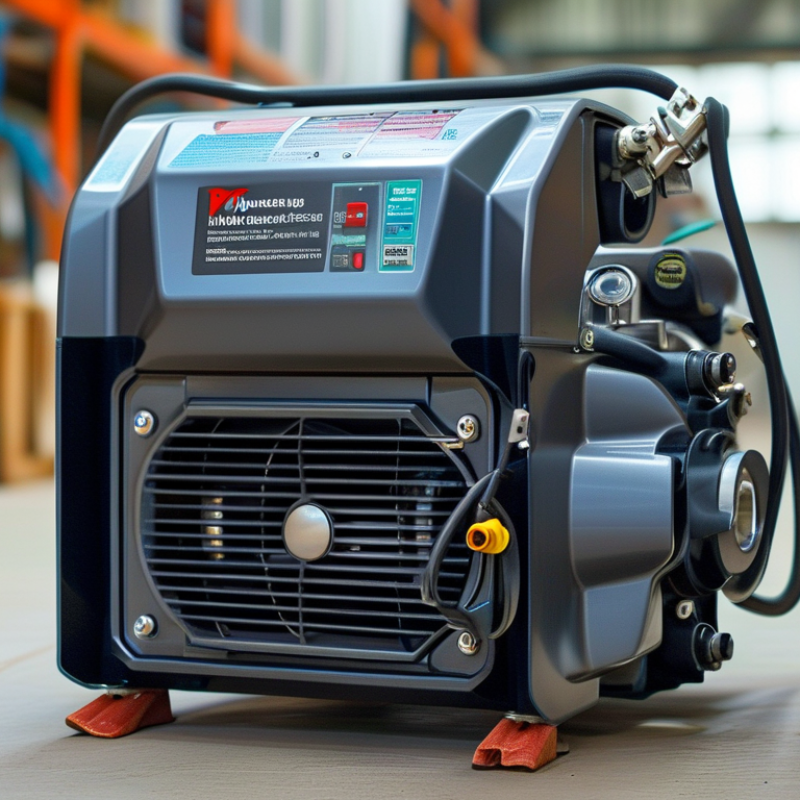
Air compressors are essential tools across various industries. They power an array of applications, from manufacturing to automotive repair. The global air compressor market is projected to reach $39.6 billion by 2026, reflecting a growing demand. This growth is driven by industrial expansion and increased automation.
There are several types of air compressors commonly used today. Reciprocating compressors are known for their efficiency in small applications. Industrial sectors favor rotary screw compressors, which provide continuous air supply. Centrifugal compressors are often employed for large-scale operations and high-pressure demands. Each type has its unique advantages, catering to specific needs.
Tips: Always determine your air requirements before selecting a compressor. Assessing pressure and volume can save you from future inefficiencies. Regular maintenance is vital for longevity and performance. Neglecting this can lead to unwanted downtime and costly repairs. Investing time in understanding air purity standards for your application can also enhance efficiency and product quality.
When selecting an air compressor, several key features demand attention. The power source is crucial. Electric compressors are common, but gas-powered units offer mobility. According to industry reports, over 60% of buyers in construction prefer portable gas models, highlighting their importance in fieldwork.
Tank size significantly affects performance. A larger tank allows for extended use without frequent refilling, which is vital for busy environments. Reports show that compressors with tanks over 30 gallons can improve efficiency by up to 40%. It's noteworthy that size also impacts weight and transportability. Buyers must strike a balance.
Tips: Prioritize your specific needs. Understand the air tools you’ll use. Evaluate the required PSI and CFM ratings. These figures indicate power and airflow, directly affecting tool performance.
Noise level is another critical factor. Many buyers overlook it. Compressors can range from 60 dBA to over 100 dBA. Lower noise models are better for residential areas but may come with a higher price tag. Reflect on where you plan to use the compressor. Consider the environment and potential noise disturbances.
Ultimately, integrating these considerations will enhance your selection process. Aim for a model that aligns with your unique needs, ensuring both reliability and effectiveness in a wide range of tasks.
As we look toward 2026, the air compressor market is poised for notable developments. Leading brands are enhancing their technology to offer greater efficiency and durability. These advancements are vital for industries ranging from manufacturing to automotive. Buyers are interested in products that promise longer lifespans and less downtime.
Many top brands are focusing on energy-efficient designs. They aim to reduce operational costs for users. Sustainability is becoming increasingly important. Companies are exploring eco-friendly materials and manufacturing processes. This shift reflects consumers' growing commitment to environmental responsibility. However, some brands struggle to balance performance and sustainability. Users often question if they can achieve both at an affordable price.
The competitive landscape also brings challenges. New entrants are emerging with innovative solutions. Established brands must adapt to maintain their market share. Buyers face confusion amid this rapidly changing environment. It is crucial for consumers to research thoroughly. Understanding individual needs helps in making informed choices. The air compressor market in 2026 will likely reward those who can navigate these complexities effectively.
When exploring air compressor technologies, it's essential to weigh their pros and cons. In recent years, the global air compressor market has shown significant growth, projected to reach approximately $41 billion by 2026, according to industry reports. This increase is driven by rising industrial demands. However, different technologies offer varying efficiencies and applications.
Oil-lubricated compressors are popular for heavy-duty tasks. They tend to have longer lifespans and handle higher pressures efficiently. However, users need to consider higher maintenance levels and oil contamination risks. Moreover, these compressors may operate quieter than their oil-free counterparts, but they are not as eco-friendly.
On the other hand, oil-free compressors provide a cleaner air supply, making them ideal for food and pharmaceutical industries. Their maintenance is simpler, yet they often have shorter lifespans. The performance may also suffer under heavy loads compared to oil-lubricated models. Thus, while oil-free models are increasingly popular, their limitations should not be overlooked. A careful evaluation of your specific needs is crucial for selecting the right technology.
| Technology Type | Pros | Cons | Average Price (USD) | Typical Applications |
|---|---|---|---|---|
| Reciprocating | High efficiency, simple design | Noisy, limited duty cycle | 300 - 1500 | Automotive, DIY, industrial |
| Rotary Screw | Continuous operation, low noise | Higher initial cost | 4000 - 20000 | Manufacturing, HVAC |
| Centrifugal | High flow rates, energy efficient | Expensive maintenance | 10000 - 100000 | Large industrial applications |
| Scroll | Quiet operation, compact | Limited to low pressure | 1000 - 3000 | Medical, light industrial |
| Oil-Free | No contamination, maintenance free | Lower efficiency, shorter lifespan | 800 - 5000 | Food processing, pharmaceuticals |
The air compressor market is evolving rapidly. In 2026, key trends will emerge that shape buyer preferences. Many buyers are increasingly valuing energy efficiency. Eco-friendly designs are becoming essential. This change reflects a broader commitment to sustainability across various industries.
Technological advancements are another key influencer. Smart features and automation will rise in popularity. Users will seek compressors that can integrate with IoT systems. The relevance of localized service and support cannot be overstated. Buyers often struggle with finding reliable technical assistance. Therefore, a trustworthy supplier relationship is crucial.
However, challenges persist in this dynamic sector. Many manufacturers face pressure to innovate while keeping costs low. Balancing performance and affordability is not easy. Market fluctuations can impact supplier stability. Buyers must remain adaptable to navigate these potential uncertainties. Understanding these trends will help buyers make informed decisions.
: Focus on key features like power source, tank size, and required PSI and CFM ratings.
A larger tank allows for extended use without frequent refills, improving efficiency in busy environments.
Noise levels range from 60 dBA to over 100 dBA. Lower noise options are better for residential areas.
Many companies are focusing on eco-friendly designs and energy-efficient technology to reduce operational costs.
Buyers may struggle with confusion due to many brands and the need for thorough research.
Smart features and automation are gaining popularity. Integration with IoT systems is becoming desirable.
Many brands face challenges balancing performance with eco-friendly designs at an affordable price.
Trustworthy supplier relationships are key, especially for finding localized service and technical support.
Evaluate your specific needs, noise preferences, and the type of air tools you will use.
Buyers must remain adaptable as supplier stability can vary due to market pressures and innovations.
The article "Top Air Compressors for Global Buyers in 2026?" provides a comprehensive overview of air compressors, emphasizing their diverse types and applications across various industries. The discussion highlights essential features to consider during selection, such as pressure levels, portability, and noise output, which are crucial for meeting specific operational needs.
Furthermore, the article delves into the top brands in the air compressor market, assessing the pros and cons of different air compressor technologies. It discusses market trends and offers predictions for the future of air compressors, suggesting ongoing advancements and increasing demand in sectors like manufacturing, automotive, and construction. This information positions potential buyers to make informed choices in a rapidly evolving market.

Smart Air