7 Tips for Choosing an Industrial Air Compressor?

Time:2026-09-08 Author:Sienna
0%

Choosing an Industrial Air Compressor is rarely a simple matter of comparing horsepower and purchase prices. A machine may look powerful on a specification sheet, yet struggle when production demand changes. A packaging line, for example, can consume air in sudden bursts, while a workshop may need a steadier flow throughout the day.

John Bernet, a compressed-air systems specialist, has emphasized a practical truth: “The compressor is only one part of the system.” That reminder deserves attention. Air quality, pressure stability, duty cycle, pipe losses, ventilation, and maintenance access can influence operating costs more than the nameplate rating. Ignoring these details is an easy mistake.

The seven tips in this guide examine the decisions that matter before installation. They consider required flow, working pressure, compressor type, energy efficiency, air treatment, controls, and long-term service support. Each point connects the equipment to real operating conditions, not just catalogue language.

Start with demand.

Measure actual consumption where possible. Do not rely entirely on estimates. A factory that expands later may need reserve capacity, but oversizing can create inefficient cycling and unnecessary expense. That judgment is not always obvious.

There is also room for reflection. A low initial price can feel responsible, especially under budget pressure. However, frequent leaks, heat buildup, poor drainage, or expensive downtime may quietly overturn that decision. The most reliable choice balances performance, maintainability, energy use, and future needs. A suitable Industrial Air Compressor should support production without becoming another source of uncertainty.
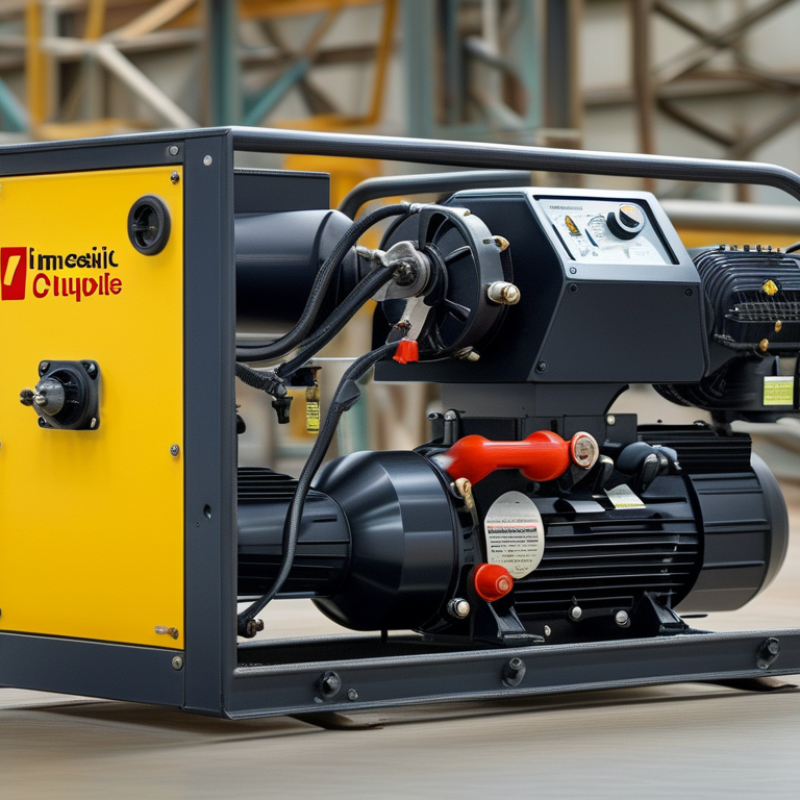
7 Tips for Choosing an Industrial Air Compressor?

Define the Air Demand and Operating Conditions

7 Tips for Choosing an Industrial Air Compressor

Define air demand before comparing compressor models. Measure flow during production peaks, idle periods, and shift changes. Record pressure at the compressor and at the farthest machine. Measure the difference. A single average reading can hide serious pressure drops. The U.S. Department of Energy reports that compressed air may consume about 10% of industrial plant electricity. That makes inaccurate sizing expensive.

Measure the peaks, not averages. Compare required free air delivery under stated reference conditions, rather than relying on motor horsepower. ISO 1217 provides relevant testing principles for compressor performance. Include future expansion, but avoid excessive oversizing. An oversized unit may cycle inefficiently during quiet periods. The DOE also notes that system leaks can waste 20–30% of compressor output. Check hoses, fittings, drains, and unused branches before increasing capacity.

Operating conditions matter just as much. Document ambient temperature, altitude, humidity, dust, inlet restrictions, and required air quality. A hot room reduces cooling efficiency. A wet environment may demand stronger moisture separation. In plant assessments, the first estimate is often wrong. Recheck it after a production trial. Ask whether every machine needs the same pressure, because a high-pressure requirement can distort the entire system design. Consider pressure losses through filters, dryers, piping, and point-of-use regulators.

Choose the Right Compressor Type and Capacity

Choosing an industrial air compressor starts with the air, not the machine. List every tool, valve, actuator, and process using compressed air. Record pressure, flow, duty cycle, and operating hours from real production data. Estimates often fail during shift changes. Measure carefully. Tip 1: Measure peak demand, then add a modest reserve. Tip 2: Match compressor type to the workload. Rotary screw units suit steady demand, while reciprocating units fit intermittent, lower-volume work. Centrifugal systems may serve large, stable plants, but they need careful flow control.

Tip 3: Confirm required pressure at the point of use. Pressure loss through filters, dryers, piping, and elevation can be surprisingly high. Do not size the compressor only from its outlet rating. Tip 4: Compare free air delivery at the stated pressure, temperature, and test method. Numbers from different conditions are not directly comparable. I have seen systems selected from peak figures that almost never occurred. That mistake increased energy use and shortened maintenance intervals.

Tip 5: Check whether one large unit or several smaller units provides better control. Multiple units can support maintenance and changing loads, although controls become more important. Tip 6: Consider air quality, moisture, heat, and installation space before ordering. Tip 7: Ask a qualified engineer to verify calculations against local safety requirements and service conditions. Leave room for growth, but not an imaginary future. Keep it practical. A design may be slightly imperfect, yet remain stable when demand changes unexpectedly.

Compare Pressure, Efficiency, and Energy Consumption

Start with pressure, not horsepower. List every tool’s required pressure and airflow. Then add a small safety margin, not an excessive one. Too much pressure wastes energy and may damage pneumatic equipment.

Compare compressors at the same operating pressure and flow rate. Check specific power, usually measured in kilowatts per unit of delivered air. Lower specific power generally indicates better efficiency. However, laboratory figures can differ from workshop results.

I once chose a unit using ideal data and underestimated heat, dust, and frequent cycling. The real energy use was higher. That mistake changed my evaluation process.

Measure demand during production, including idle periods and peak loads. A smaller compressor may consume less energy when demand is steady. A variable-speed model can help with changing demand, but savings depend on the load profile. It is not automatically the best choice.

Inspect air leaks around hoses, fittings, drains, and connections. A faint hiss can become a serious operating cost. Check whether the receiver size supports short demand spikes without forcing constant starts.

Compare annual electricity consumption, service intervals, cooling requirements, and noise levels. Ask for verified performance data at your actual pressure. Keep records from a power meter after installation. Numbers from a brochure are useful. Your own measurements are stronger.

Evaluate Installation, Maintenance, and Control Requirements

7 Tips for Choosing an Industrial Air Compressor?

Choosing an industrial air compressor starts with the installation area, not the catalog page. Measure the room temperature, ventilation, floor strength, and available clearance. A hot, cramped room can reduce performance and shorten service life. Leave enough space for filter removal and belt inspection. Do not forget condensate drainage. Poor drainage can create slippery floors and corrosion risks.

Maintenance access should shape the purchase decision. Ask how often filters, oil, separators, and valves require inspection. Check whether technicians can reach these parts without moving the compressor. A clear service schedule helps control operating costs. Keep vibration readings, pressure records, and maintenance dates in one log. Small details matter. In practice, teams sometimes choose a compact unit and regret the restricted access later.

Control requirements deserve equal attention. Confirm the required pressure range, flow changes, motor starting method, and communication signals. A controller should prevent excessive cycling during low demand. Multiple compressors may need sequencing to balance running hours. Remote alarms can identify high temperature, pressure loss, or drainage faults before production stops. Still, automation is not a substitute for inspection. A sensor can drift, and an unchecked reading may look trustworthy. Test alarms during planned maintenance and review the control settings after production changes.

7 Tips for Choosing an Industrial Air Compressor: Evaluate Installation, Maintenance, and Control Requirements
Tip Evaluation Dimension Practical Requirement Typical Guideline or Data Why It Matters
1 Determine required air demand Calculate the combined demand of production equipment, pneumatic tools, controls, and future expansion. Size the system around measured or calculated FAD demand, commonly adding approximately 10–20% capacity for demand variation and planned growth. Prevents pressure drops, unstable operation, and unnecessary oversizing.
2 Match pressure to the application Identify the minimum pressure required at the most demanding point of use, including distribution losses. Many general industrial systems operate near 7–10 bar(g), while the compressor set point should account for filters, dryers, piping, and elevation losses. Higher pressure than necessary increases energy consumption and leakage losses.
3 Verify installation conditions Check room size, ventilation, ambient temperature, floor loading, access clearance, and service routes. Keep the compressor room clean and dry; provide adequate cooling airflow and avoid installation near dust, corrosive vapors, or excessive heat. Poor ventilation can raise operating temperature, reduce efficiency, and shorten component life.
4 Select the correct air treatment Specify aftercooling, condensate drainage, filtration, and a refrigerated or desiccant dryer according to air-quality needs. Use the required ISO 8573-1 air-quality class as the design target; pressure dew point requirements may range from approximately +3°C for general plant air to below −40°C for very dry processes. Correct treatment protects tools, instruments, products, and downstream piping from water, oil, and particles.
5 Plan maintenance access and intervals Confirm access to filters, separators, oil systems, belts, coolers, drains, and control panels. Maintenance intervals vary by design and operating conditions; routine inspections are commonly performed daily or weekly, with scheduled servicing often based on operating hours. Accessible equipment reduces downtime, labor cost, and the risk of skipped service tasks.
6 Evaluate control and sequencing options Choose suitable load/unload, variable-speed, lead-lag, or master control functions for the demand profile. Variable-speed control is generally most useful where demand changes significantly; multiple compressors should be sequenced to minimize unloaded running and pressure fluctuation. Effective control can reduce cycling, stabilize header pressure, and lower energy use during partial load.
7 Check monitoring, safety, and lifecycle cost Review alarms, pressure and temperature sensors, energy monitoring, emergency stop functions, noise, and total cost of ownership. Include purchase, installation, electricity, service, consumables, air treatment, downtime, and disposal costs; electrical installation should comply with applicable local codes. A lower initial price may result in higher energy, maintenance, and operational costs over the equipment life.

Check Safety Standards, Reliability, and Total Ownership Cost

7 Tips for Choosing an Industrial Air Compressor

Check the required flow, pressure, duty cycle, and air quality before comparing equipment. A compressor that looks affordable may waste energy when oversized or poorly controlled. Ask for test data under realistic operating conditions, not only laboratory figures. Verify compliance with applicable safety standards, pressure-vessel rules, electrical codes, and workplace requirements. ISO 1217 and ISO 8573-1 may help evaluate performance and compressed-air quality.

Reliability depends on more than a strong motor. Inspect cooling design, filtration, control protection, condensate handling, and access to service points. Ask how the unit performs in your actual environment, including dust, heat, humidity, and frequent starts. Review maintenance intervals and spare-part availability. Small delays can stop an entire production line. I have seen operators focus on purchase price, then regret limited service access later. That mistake is easy to repeat.

Calculate total ownership cost over the expected service life. Include electricity, installation, air treatment, maintenance, downtime, disposal, and staff training. Energy may represent the largest expense, especially in continuous operations. Measure leaks and pressure losses before selecting capacity. A lower discharge pressure can sometimes reduce consumption, but only after process requirements are confirmed. Compare warranty terms carefully. Check who handles commissioning and technical support. A spreadsheet helps, but it cannot replace a site survey. Some cost estimates will still be imperfect. Use conservative assumptions and update them with operating data.

7 Tips for Choosing an Industrial Air Compressor

Check safety standards, reliability, energy efficiency, and total ownership cost before selecting a compressor.

Typical lifetime ownership-cost allocation

Energy commonly represents about 70–80% of the lifetime cost of an industrial compressed-air system. The planning split shown here uses a representative 70/15/10/5 allocation; actual results depend on load profile, operating hours, pressure, maintenance, and installation conditions.

1. Match capacity to demand: Compare required flow, pressure, duty cycle, and peak demand.
2. Verify performance data: Review independently tested capacity and power figures, such as ISO 1217 test data.
3. Check safety controls: Confirm safeguards and control-system design align with ISO 13849-1 where applicable.
4. Specify air quality: Use ISO 8573-1 to define particle, water, and oil purity requirements.
5. Calculate total cost: Include energy, purchase, installation, maintenance, and downtime risk.
6. Evaluate reliability: Check service intervals, monitoring functions, spare-parts access, and support capability.
7. Control system losses: Investigate leaks, artificial demand, excessive pressure, and poor air treatment.

Reference: U.S. Department of Energy, Compressed Air Systems guidance. Cost percentages are general industry planning benchmarks, not a supplier quotation.

FAQS

: How should I compare industrial air compressors?

: Compare them at the same pressure and airflow. Add a modest safety margin. Avoid excessive pressure.

What does specific power indicate?

Specific power measures energy used per unit of delivered air. Lower values usually indicate better efficiency.

Are laboratory efficiency figures reliable?

They are useful, but workshop conditions differ. Heat, dust, and frequent cycling may increase real energy use.

How can I measure actual air demand?

Record peak loads, steady production, and idle periods. A power meter can reveal unexpected consumption.

When can variable-speed operation reduce energy use?

It can help when demand changes often. Savings depend on the load profile. It is not always best.

Why should I inspect air leaks?

Check hoses, fittings, drains, and connections. A faint hiss may become a significant operating cost.

What installation details matter before purchase?

Measure room temperature, ventilation, floor strength, and clearance. Leave space for filter removal and belt inspection.

How should maintenance access affect my decision?

Technicians should reach filters, oil parts, separators, and valves easily. A compact unit may create service problems later.

What control features should I review?

Check pressure range, flow changes, motor starting, sequencing, and remote alarms. Automation cannot replace inspection.

What records should I keep after installation?

Log pressure, power use, vibration, maintenance dates, and alarm tests. Your measurements are stronger than brochure claims.

Conclusion

Choosing the right Industrial Air Compressor starts with understanding your facility’s air demand, required pressure, duty cycle, and operating environment. Assess both current and future production needs to avoid selecting equipment that is too small, which may cause performance problems, or too large, which can increase unnecessary energy use. Compare suitable compressor types and capacities based on application requirements, while reviewing pressure stability, efficiency, airflow output, and total power consumption.

Installation space, ventilation, noise, control systems, and maintenance access should also be considered before making a decision. A compressor that is easy to inspect and service can reduce downtime and long-term operating expenses. In addition, verify that the equipment meets applicable safety standards and includes reliable protection features. Finally, evaluate durability, service support, replacement parts, and the total cost of ownership rather than focusing only on the initial purchase price. A careful comparison will help ensure dependable performance, efficient operation, and long-term value.


Sienna

Sienna

Sienna is a skilled marketing professional with a deep expertise in our company’s core products and services. With a passion for innovation and detail, she plays a pivotal role in crafting insightful blog posts that not only highlight the unique features of our offerings but also provide valuable......