Top Piston Air Compressor Features Buyers Must Know?

Time:2026-08-06 Author:Mason
0%

Piston air compressors are vital in various industries, providing power for tools and equipment. The global market for piston air compressors is expected to reach $23.2 billion by 2027, as highlighted in a recent report by MarketWatch. This growth signifies the importance of understanding their features for optimal performance.

According to industry expert Dr. Emily Carter, “Choosing the right piston air compressor can significantly impact productivity.” Her insights emphasize the need to focus on crucial features such as tank size, pressure ratings, and portability. Small details can make a big difference when selecting the right equipment.

Despite high demand, many buyers overlook essential factors. Often, a focus on price can lead to selecting inadequate models. A well-informed choice will enhance efficiency and longevity. Understanding the key elements of piston air compressors is not just beneficial; it is essential for operational success.
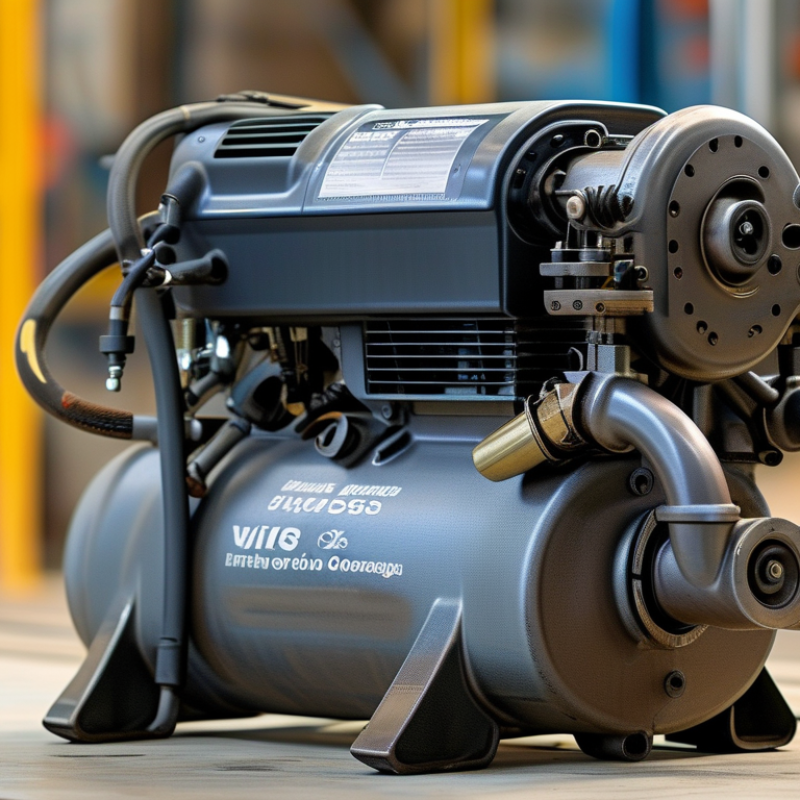
Top Piston Air Compressor Features Buyers Must Know?

Key Specifications to Consider When Choosing a Piston Air Compressor

When selecting a piston air compressor, understanding key specifications is vital. One of the most critical factors is the compressor's CFM (cubic feet per minute) rating. A higher CFM ensures faster airflow, which is essential for tools needing consistent pressure. For instance, many pneumatic tools require at least 4-6 CFM to function optimally. Choosing a model with insufficient airflow can lead to inefficiencies and prolonged work times.

Next, consider the PSI (pounds per square inch) rating. This measures the tool's ability to deliver pressure. Most applications range between 90 to 120 PSI. A compressor with adjustable PSI can cater to various needs, enhancing versatility. Despite this, many buyers overlook tank size. A larger tank can provide more air storage, reducing the frequency of motor cycling. For instance, a 20-gallon tank might suit home workshops, while larger operations may need 60 gallons or more. Balancing these specifications can prevent unexpected complications.

Durability also plays a crucial role. Understanding the materials used in the compressor’s construction can give insights into its lifespan. Components made from aluminum tend to be lighter but may lack the sturdiness of steel. Users should assess the warranty offered as well; a longer warranty often indicates confidence from the manufacturer in their product's durability. It highlights the need for careful selection based on these specifications, ensuring the right fit for your applications.

Understanding the Different Types of Piston Air Compressors Available

When exploring piston air compressors, understanding the types available is crucial. Generally, there are two main categories: single-stage and two-stage compressors. Single-stage compressors are popular for light-duty tasks. They can efficiently handle tasks like inflating tires or powering pneumatic tools. However, they aren't suitable for high-demand environments.

On the other hand, two-stage compressors excel in heavy-duty applications. They can compress air to higher pressures, making them ideal for industrial use. According to a recent industry report, two-stage compressors can compress air to pressures of up to 175 psi. This capability provides enhanced efficiency and longevity. Despite their advantages, they can be more costly and may require more maintenance.

Another vital aspect is the oil-lubricated versus oil-free design. Oil-lubricated compressors tend to last longer and operate quieter. Yet, they can be messier and require regular maintenance. In contrast, oil-free compressor models are cleaner but may not have the same lifespan. Buyers must weigh these options carefully based on their specific needs and environments. Each type offers unique benefits and drawbacks. Choosing the right one can impact performance and cost-effectiveness.

Essential Features for Enhanced Performance and Efficiency in Air Compressors

When considering piston air compressors, various essential features can significantly enhance performance and efficiency. One key aspect is the compressor’s duty cycle. This cycle reflects how long the compressor can operate before needing a cool-down period. A higher duty cycle means less downtime, which is crucial for continuous tasks.

Another important feature is the tank size. It influences the compressor’s ability to deliver air without frequent cycling. A larger tank provides more air reserve, allowing for prolonged use. However, this can also increase the unit's weight and size, requiring careful consideration based on installation space.

Tips: Always assess noise levels. A quieter compressor can improve workplace comfort. Additionally, consider portability if you need to move the compressor frequently. Size and weight may impact ease of transport.

Finally, pay attention to the compressor’s PSI rating. The pounds per square inch determine suitable applications. Higher PSI ratings are essential for tools that require more intense air pressure. It’s significant to align your compressor’s specifications with your intended usage. Each choice impacts efficiency and performance, so careful reflection on these features is necessary.

Maintenance Requirements for Optimal Performance of Piston Air Compressors

When using piston air compressors, proper maintenance is key. Regular oil checks can prevent excessive wear. Change the oil according to the manufacturer’s recommendations. This helps the compressor run smoothly and extends its lifespan.

Maintain the air filters too. Clean or replace them as needed to ensure optimal airflow. Clogged filters can reduce efficiency. Listen for unusual noises during operation. Strange sounds could indicate impending issues that need immediate attention.

Cool down the compressor after use. High heat can affect performance. Also, inspect the belts regularly. Worn belts can lead to breakdowns. Keep the compressor clean and free from debris. A well-maintained compressor operates more efficiently. Reflecting on maintenance routines can improve your overall experience with piston air compressors.

Top Piston Air Compressor Features Buyers Must Know

Feature Description Importance
Horsepower Power rating of the motor; indicates the compressor’s ability to handle larger workloads. High - Essential for efficiency in demanding tasks.
Tank Capacity Volume of the air storage tank; affects the amount of air available before the compressor restarts. Moderate - Larger tanks reduce cycling frequency.
Pressure Rating Maximum pressure the compressor can achieve; expressed in PSI. High - Critical for applications requiring high pressure.
Compressor Type Whether it is a single-stage or two-stage compressor; determines efficiency and pressure output. High - Influences performance and application suitability.
Noise Level Measured in decibels (dB); indicates how loud the compressor will operate. Moderate - Important for residential or indoor usage.
Portability Weight and design features that make the compressor easy to move. Moderate - Beneficial for job site mobility.
Maintenance Requirements Frequency and type of maintenance needed to operate efficiently. High - Essential for long-term performance and reliability.
Air Output Measured in cubic feet per minute (CFM); indicates the volume of air produced. High - Critical for pressure applications.
Safety Features Includes pressure relief valves and thermal overload protections. High - Ensures safe operation and prevents accidents.

Safety Features Every Piston Air Compressor Should Have for User Protection

When purchasing a piston air compressor, safety features must be a priority. Industry reports indicate that nearly 30% of compressor-related accidents are due to lack of safety measures. A reliable safety relief valve is essential. It prevents excessive pressure buildup, protecting both the user and the equipment. This feature shouldn’t be overlooked; it can prevent catastrophic failures.

Another crucial aspect is the presence of thermal overload protection. Research shows that compressors overheat in 15% of cases, leading to engine damage. With thermal overload protection, the compressor shuts off automatically. This feature not only extends the life of the machine but also ensures user safety. Users often underestimate the importance of regular maintenance. Ignoring maintenance can lead to safety risks and operational failures.

Moreover, noise reduction features add to user comfort. Piston air compressors can be loud, causing hearing damage over time. Soundproof enclosures or quieter motor options can mitigate this risk. Keeping noise levels in check enhances the user experience while ensuring a safer working environment.

Users should be proactive in evaluating these safety features before making a purchase. Ultimately, a well-equipped compressor protects both the user and the investment.

FAQS

: What is CFM, and why is it important?

: CFM stands for cubic feet per minute. It's vital for ensuring tools get adequate airflow for optimum performance.

How does the PSI rating affect compressor choices?

PSI measures pressure delivery. Most tools function well between 90 to 120 PSI, offering versatility for various tasks.

Why is tank size a crucial specification?

A larger tank means more air storage. This reduces the frequency of the motor cycling, improving efficiency during usage.

What are the differences between single-stage and two-stage compressors?

Single-stage compressors handle light tasks, while two-stage compressors suit heavy-duty applications with higher pressure needs.

What should I know about oil-lubricated versus oil-free compressors?

Oil-lubricated models last longer but require more maintenance. Meanwhile, oil-free models are cleaner but might have a shorter lifespan.

How does a compressor’s duty cycle affect performance?

A higher duty cycle means longer operation times and less downtime. Essential for tasks needing continuous air supply.

Why is noise level an important consideration?

Quieter compressors enhance workplace comfort, especially in shared or indoor environments.

What factors determine a compressor's portability?

Size and weight impact how easily a compressor can be moved. Consider your needs for transport when choosing a model.

How do I align specifications with my intended usage?

Assess your tools and tasks. Match CFM, PSI, and tank size to your specific needs for optimal performance.

What should I reflect on when choosing a compressor?

Think about durability, maintenance needs, and your work environment. Each choice can lead to different experiences and outcomes.

Conclusion

When selecting a Piston Air Compressor, it is crucial to consider key specifications such as tank size, pressure output, and airflow rate to ensure it meets your specific needs. Understanding the various types of piston air compressors available, from single-stage to two-stage models, will help you determine the best fit for your applications. Additionally, essential features that enhance performance and efficiency, like quick-connect fittings and low-noise operation, should be prioritized.

Moreover, proper maintenance is vital for optimal performance, including regular oil changes and filter replacements. Safety features, such as pressure relief valves and automatic shut-off systems, are also critical to protect users during operation. By focusing on these factors, buyers can make informed decisions and select a piston air compressor that delivers reliability and safety in their work environment.


Mason

Mason

Mason is a seasoned marketing professional with a deep expertise in the company's offerings and a passion for driving brand awareness. With a strong background in digital marketing strategies, he has an innate ability to connect with diverse audiences and effectively communicate product benefits.......