Choosing Air Compressor Spare Parts is not simply a matter of matching a part number. A failed seal, clogged filter, or incorrect oil separator can reduce pressure, increase energy use, and stop production. In practice, the safest choice begins with the compressor’s model, serial number, operating pressure, temperature, and maintenance history. A part that fits physically may still perform poorly.
The U.S. Department of Energy reports that compressed air systems can consume 10% to 30% of industrial electricity. That range varies by facility. Compressed Air Challenge guidance also indicates that leaks may waste 20% to 30% of a system’s compressed air production. These figures make component quality more important than purchase price alone. Reliable Air Compressor Spare Parts should support stable airflow, efficient separation, safe lubrication, and predictable service intervals. Small differences matter.
Begin with evidence. Photograph the nameplate, inspect the old component, and record unusual noise, oil carryover, pressure loss, or heat. Compare OEM specifications with qualified aftermarket documentation, including material, dimensions, filtration efficiency, pressure rating, and temperature limits. Ask for traceable certificates when product quality affects food, pharmaceutical, or sensitive manufacturing processes. A clean-looking filter is not proof of good performance. No checklist is flawless. However, combining manufacturer data, field observations, and recognized maintenance guidance can reduce avoidable mistakes and protect both equipment uptime and operating costs.
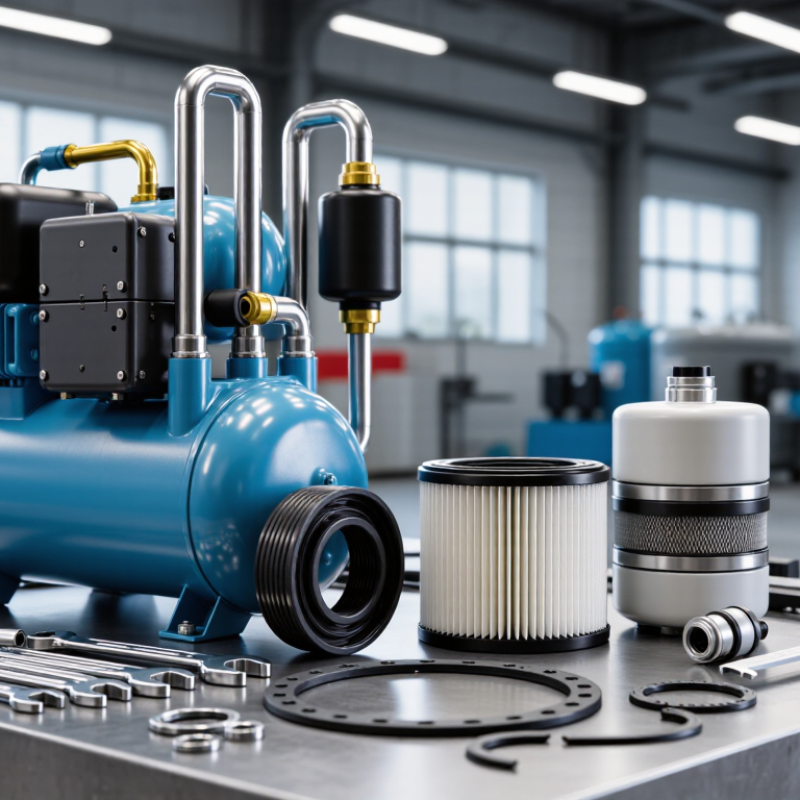
How to Choose Air Compressor Spare Parts?
Understanding Air Compressor Spare Parts and Their Functions
Choosing air compressor spare parts starts with understanding their jobs. The air filter removes dust before it reaches the intake valve and cylinder. A clogged filter increases resistance, raises energy use, and may reduce output. The oil filter captures particles in lubricated systems, while the separator limits oil carryover in compressed air. Each part protects a different area. They are not interchangeable.
The valve plate controls air movement during compression and discharge. Its condition affects pressure stability, temperature, and noise. Seals and O-rings prevent leaks around covers, fittings, and pressure channels. A small hardened seal can waste compressed air continuously. The belt transfers motor power, so correct length, profile, and tension matter. Over-tightening it can damage bearings. Too loose, and it slips. I have seen technicians replace a belt without checking pulley alignment. The repair did not last.
Before ordering, record the model, serial number, operating pressure, lubricant type, dimensions, and material. Compare the old component with the service manual, not appearance alone. Measure threads and gasket thickness when needed. Check temperature and duty cycle too. A part rated for light, intermittent work may fail in continuous service. Keep clean parts sealed until installation. Use proper torque, because guesswork is tempting but unreliable. After fitting, inspect for leaks, abnormal vibration, and unusual heat. One missed detail can matter. Spare parts should match the compressor’s design and working conditions, not merely fit the opening.
Understanding the function and typical service interval of each spare part helps you select compatible components and plan preventive maintenance. The intervals below are general planning values and may vary according to operating hours, air quality, load, temperature, and the compressor design.
Key insight: Air and oil filters are commonly checked or replaced more frequently because they collect contaminants. Oil separators and lubricants typically have longer service intervals, while inlet valves require inspection to maintain efficient air intake and stable pressure.
How to Choose Air Compressor Spare Parts?
Identifying the correct spare part starts with the compressor model, not its appearance. Read the nameplate carefully. Record the model code, serial number, rated pressure, motor power, and manufacturing year. Two compressors may look identical but use different valve plates, seals, or air filters. A small revision can change the correct part.
Check the service manual and exploded parts diagram next. Match the exact item number, not only the part description. Measure critical details when necessary, including thread size, gasket thickness, shaft diameter, and filter dimensions. Material also matters. A seal designed for mineral oil may fail in a synthetic-fluid system. It may fit perfectly. That is the trap.
The U.S. Department of Energy’s Compressed Air Sourcebook reports that compressed air can consume 10% to 15% of industrial electricity. It also notes that system leaks may waste 20% to 30% of compressor output. Correct parts support stable pressure and reduce avoidable losses. ISO 1217 testing principles help compare compressor performance, but field conditions still influence results. Keep the old part for visual comparison, yet do not copy its damage blindly. A worn component may have distorted nearby parts. Record photographs, dimensions, and operating symptoms before ordering. When data conflicts, confirm with the equipment documentation or a qualified technician. Guessing is expensive.
How to Choose Air Compressor Spare Parts?
Evaluating Part Quality, Compatibility, and Service Life
Choosing spare parts starts with the compressor’s working conditions, not the lowest price. In maintenance inspections, I check pressure, temperature, duty cycle, and air quality before comparing suppliers. A filter exposed to dusty air may need stronger media and more frequent replacement. A seal working near high heat requires material rated for that temperature. Fit matters. Measure twice.
Quality also depends on manufacturing control. Look for stable dimensions, clean surfaces, traceable material information, and clear test records. A valve with rough edges can create leakage, vibration, or early wear. Compatibility involves more than matching a part number. Confirm thread size, connection type, pressure range, lubricant exposure, and installation space. One overlooked measurement can stop an entire system.
Service life should be estimated from real operating data. Review previous replacement intervals, pressure fluctuations, moisture levels, and maintenance logs. Parts with longer stated life may fail sooner under harsh conditions. I have seen teams choose premium components but ignore contaminated lubricant, which shortened their service life. That shortcut fails. A practical choice balances quality, verified compatibility, supplier support, and the cost of unexpected downtime. Keep one sample of the removed part for comparison, although this simple habit is often missed.
Choosing air compressor spare parts is a maintenance decision, not merely a purchasing task. Original-equipment parts usually offer precise fit, documented materials, and predictable service life. They suit critical compressors where one hour of downtime disrupts production. Compatible parts can cost less, but quality varies between suppliers. Check dimensions, pressure ratings, seal materials, and test records before installation. A lower price is not always lower cost.
Remanufactured parts deserve closer attention. They are cleaned, inspected, restored, and tested against defined standards. The U.S. Department of Energy reports that compressed air systems may consume 10% to 30% of industrial electricity. A poor-quality replacement can increase leakage, pressure loss, or energy waste. That small valve may affect a large electricity bill. The European Remanufacturing Network has reported that remanufacturing can reduce energy use and raw-material demand substantially, although savings depend on the component and process.
In field maintenance, I would match the part to risk, not habit. Use original-equipment parts for safety-critical assemblies or systems with strict warranty requirements. Choose compatible parts when specifications are verified and downtime is manageable. Consider remanufactured units when traceability, testing, and warranty support are clear. Ask for inspection results, failure history, and expected service intervals. Supplier paperwork matters. It is easy to overlook. Even experienced technicians sometimes trust appearance too much; a clean housing cannot prove reliable internal tolerances. Check twice. Then record the result.
| Evaluation Dimension | Original Parts | Compatible Parts | Remanufactured Parts |
|---|---|---|---|
| Basic Definition | New parts produced for the compressor manufacturer or supplied through its authorized distribution channel. | New replacement parts made by an independent manufacturer to match the required dimensions, materials, and operating specifications. | Previously used parts that have been inspected, cleaned, repaired or replaced as necessary, tested, and returned to serviceable condition. |
| Fit and Compatibility | Normally the most predictable fit because the part is specified for the original compressor configuration. | Can provide a direct fit when the part number, dimensions, materials, pressure rating, and revision are correctly matched. | Fit depends on the quality of the remanufacturing process and verification against the required specifications. |
| Typical Purchase Cost | Usually the highest initial cost because of original design support, controlled production, and distribution arrangements. | Often lower than an original part, although savings vary substantially by component, material, and supplier quality. | Often lower than a new original part, particularly for housings, motors, valves, and other repairable assemblies. |
| Expected Service Life | Generally predictable when correctly installed and operated within the compressor’s specified limits. | May be comparable to an original part when materials, tolerances, coatings, and quality controls meet the required specification. | Depends on the remaining condition of the core part, the components replaced, and the depth of inspection and testing. |
| Quality Consistency | Typically high when purchased through a controlled and traceable supply channel. | Varies by manufacturer. Review quality certifications, inspection records, material certificates, and production controls. | Varies by remanufacturer. A documented core inspection, replacement-parts list, dimensional report, and final test record are important. |
| Availability and Lead Time | Common maintenance items may be readily available; model-specific or discontinued parts can require longer lead times. | Often available from multiple sources, but stock levels and production lead times differ by part and compressor model. | May require an exchange core or additional processing time, especially for uncommon assemblies. |
| Warranty and Support | Usually supported by formal product documentation, installation guidance, and defined warranty terms. | Warranty coverage differs by supplier. Confirm duration, exclusions, installation requirements, and claims procedure before purchase. | Warranty depends on the remanufacturer and may be subject to correct installation, operating limits, and return of the original core. |
| Documentation to Request | Part number, revision information, installation instructions, operating limits, and traceability documents where applicable. | Cross-reference information, engineering drawings, dimensions, material specifications, test results, and warranty conditions. | Core inspection report, replaced-parts list, dimensional checks, repair records, test results, and warranty terms. |
| Best Fit for Critical Equipment | Often preferred for safety-critical, high-load, high-temperature, or warranty-sensitive applications. | Suitable when the supplier demonstrates verified equivalence and the part is approved for the specific duty cycle. | Suitable when testing is comprehensive and the remanufacturing process is appropriate for the component’s risk level. |
| Environmental Considerations | New production generally requires more raw materials and manufacturing energy than reuse-based options. | Environmental impact depends on manufacturing materials, production efficiency, transport, and service life. | Can reduce material waste by reusing suitable cores, although cleaning, machining, and replacement components still require resources. |
| Main Risk | Higher purchase price and possible supply constraints for older compressor models. | Incorrect cross-referencing, inconsistent quality, unsuitable materials, or unclear warranty responsibility. | Hidden fatigue, insufficient core inspection, incomplete repairs, or inadequate final testing. |
| Recommended Selection Check | Verify the exact model, serial number, part number, revision level, and installation requirements. | Compare the total cost of ownership, confirm technical equivalence, and evaluate supplier quality evidence. | Confirm the remanufacturing scope, test method, replacement components, core condition, and warranty coverage. |
Choosing air compressor spare parts starts with the supplier, not the lowest online price. A reliable supplier asks for the model, serial number, operating pressure, and service history. This matters. Experienced technicians can identify worn seals, incorrect filters, or damaged valves from these details. Ask for material specifications, dimensional drawings, and batch traceability. Clear technical answers usually reveal stronger competence than polished sales language.
Compare the total cost, not only the purchase price. Include shipping, taxes, installation time, and possible production losses. A cheaper gasket may deform quickly under heat and pressure. That small saving can become an expensive shutdown. I have seen maintenance teams overlook delivery fees and buy twice. Request a written quotation with part numbers, quantities, lead times, and payment terms. Costs should be comparable.
Read warranty conditions before placing the order. Check the coverage period, excluded damage, installation requirements, and claim procedures. Ask whether replacement parts will remain available for several years. Availability matters during an emergency. Suppliers with local stock can often dispatch filters and seals within hours, while uncommon valves may require weeks. Confirm stock honestly, because “available” sometimes means available from another warehouse. Keep invoices, inspection photos, and installation records. They support warranty claims and help technicians review mistakes. I still recommend checking dimensions on arrival; even good suppliers can ship the wrong item. A final physical check is easy, but often forgotten.
Record the model code, serial number, rated pressure, motor power, and manufacturing year. Photograph the nameplate clearly. These details prevent many avoidable mistakes.
Similar compressors may use different valves, seals, or filters. A small design revision can change the correct part. Appearance alone is unreliable.
Check the service manual and exploded parts diagram. Match the item number, not only the description. Measure threads, gasket thickness, shaft diameter, and filter dimensions.
Yes. Material compatibility matters. A seal made for mineral oil may fail in a synthetic-fluid system. It can fit perfectly. That is the trap.
Keep it for visual comparison, but do not copy its damage blindly. Wear may have distorted nearby components. Record photographs, measurements, and operating symptoms first.
Correct parts can support stable pressure and reduce leakage. Leaks may waste a substantial share of compressor output. That small valve may affect a large electricity bill.
Choose one for safety-critical assemblies, strict warranty requirements, or costly production downtime. It usually offers documented materials and predictable service life. The price may be higher.
A compatible part can work when dimensions, pressure ratings, materials, and test records are verified. A remanufactured part deserves consideration when inspection, traceability, and warranty support are clear.
Ask for inspection results, failure history, testing details, and expected service intervals. Supplier paperwork matters. I sometimes overlook it, and that weakens the decision.
Stop guessing. Confirm the equipment documentation or consult a qualified technician. Record the final part number and installation result. Check twice.
Choosing the right Air Compressor Spare Parts is essential for maintaining reliable performance, efficiency, and safe operation. Start by understanding each component’s function and confirming that the part matches your compressor model, specifications, and operating conditions. Check key details such as dimensions, materials, pressure ratings, and connection types to avoid installation problems. A suitable part should also provide dependable compatibility, a reasonable service life, and stable performance under the required workload.
When comparing original, compatible, and remanufactured parts, consider more than the initial price. Evaluate manufacturing quality, testing standards, expected durability, and the potential effect on maintenance costs. It is also important to select a trustworthy supplier that can provide clear product information, responsive technical support, warranty coverage, and consistent availability. By balancing quality, compatibility, lifespan, cost, and after-sales service, you can make a practical decision that reduces downtime and helps keep the compressor operating efficiently over time.

Smart Air