Top Tips for Choosing a Quiet Air Compressor for Your Needs?

Time:2026-08-24 Author:Isabella
0%

Choosing the right Quiet Air Compressor can significantly impact your projects. According to industry expert Sarah Johnson, “A quiet air compressor not only enhances comfort but also improves productivity.” In noisy environments, traditional compressors can be disruptive. That's why the demand for quieter models has risen sharply.

When selecting a Quiet Air Compressor, several factors come into play. Noise levels are crucial, but so are power and efficiency. You need a compressor that meets your specific requirements without sacrificing peace. Additionally, consider portability if you work in various locations. A bulky model can hinder your workflow.

Many buyers overlook the importance of durability. An inexpensive compressor might seem attractive, but it can lead to long-term frustration. Investing in a high-quality machine pays off. Always assess the warranty and manufacturer support. Remember, a cheap compressor may end up more costly over time due to repairs and replacements.
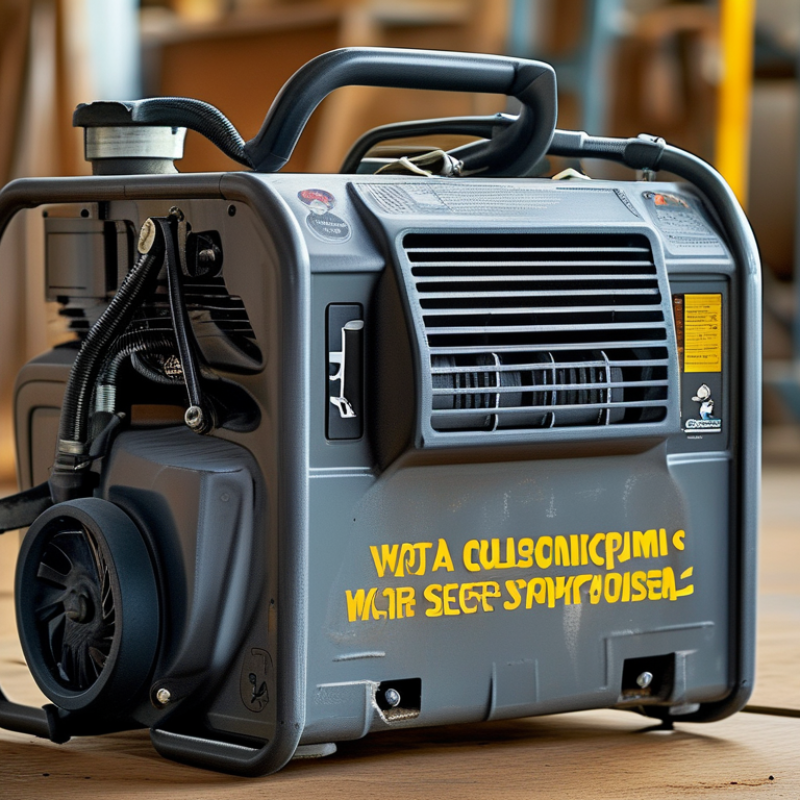
Top Tips for Choosing a Quiet Air Compressor for Your Needs?

Understanding the Importance of Noise Levels in Air Compressors

When selecting an air compressor, noise levels should be a priority. Noise pollution from compressors can exceed 80 decibels, creating discomfort. According to a report by the American Society of Mechanical Engineers, prolonged exposure to noise above 70 decibels may lead to hearing damage. Choosing a quieter model can reduce this risk, especially in residential areas or confined workspaces.

Understanding how noise levels affect your environment is essential. Models with noise levels below 60 decibels are considered quiet. These compressors can operate without disrupting daily tasks. Additionally, the location where the compressor will be used plays a crucial role. A compressor in a garage might need to be quieter than one used in an outdoor setting.

Many users overlook noise specifications and end up with louder devices. This oversight can lead to dissatisfaction and even loss of productivity. Investing in a quality compressor with lower noise levels can enhance work conditions and protect hearing health. Paying attention to these details makes a significant difference.

Key Features to Look for in a Quiet Air Compressor

When selecting a quiet air compressor, consider essential features that enhance performance while minimizing noise. One crucial factor is the compressor's decibel (dB) rating. A model producing 60 dB or less is generally considered quiet. According to a 2022 report by the Association of Equipment Manufacturers, compressors in this range are preferred for home use and workshops. Noise levels above 70 dB can disrupt work and irritate users.

Another important aspect is the compressor's design. Look for units that employ sound-dampening technology or have enclosed motors. Enclosed models can reduce noise levels by up to 15 dB compared to open-frame designs. Additionally, check the CFM (cubic feet per minute) rating, which indicates airflow. A higher CFM rating at lower noise levels ensures sufficient power for your tasks without compromising your peace.

Consider the power source as well. Electric compressors typically operate more quietly than gas-powered ones. The choice between direct drive and belt drive also impacts sound. Belt-driven models, while often larger, can be quieter due to their design. Ultimately, the right combination of these features will depend on individual needs and the specific applications intended for the compressor. Balancing noise levels with performance can be challenging, but assessing these factors will guide you toward a quieter, more effective option.

Comparing Portable vs. Stationary Quiet Air Compressors

When deciding between portable and stationary quiet air compressors, consider your specific needs. Portable compressors are great for mobility. They are lightweight and easy to transport. You can use them for various tasks around the home or job site. However, they generally offer lower power and capacity. This can limit their use for more demanding applications.

On the other hand, stationary quiet air compressors are designed for prolonged use. They usually provide a higher airflow rate and larger tanks. These compressors are ideal for workshops or garages where space is available. However, moving them is not practical. If you prefer flexibility, a portable model may suit you better. But if you need consistent performance, a stationary option is worth considering. It's crucial to weigh the trade-offs based on your unique circumstances and preferences.

Decibel Levels of Different Types of Air Compressors

How to Determine the Right Size and Power for Your Needs

Choosing the right size and power for your air compressor is crucial. Start by assessing your needs. Consider the tools you will use. For lighter tasks, a smaller, less powerful compressor may suffice. However, heavy-duty tools require a more robust model.

Inspect the CFM (Cubic Feet per Minute) rating. This measures the airflow your compressor delivers. For example, painting may need higher CFM than inflating tires. If you're unsure, check the requirements of each tool. You may feel overwhelmed, but this research is essential.

Power is also vital. Air compressors come in various types: electric and gas-powered. Electric compressors are quieter and perfect for indoor use. Gas models, on the other hand, are louder and suitable for outdoor jobs. Balance your power needs with noise levels. Reflect on where you'll use the compressor most.

Top Tips for Choosing a Quiet Air Compressor for Your Needs

Feature Description Recommended Size Noise Level (dB)
PSI Rating Maximum pressure the compressor can reach 70-120 PSI for small tools, up to 175 PSI for larger applications 50-60
Tank Size Volume of the air tank, affecting duration of use 1-6 gallons for light use, 10-20 gallons for heavier work 40-50
Horsepower Power of the motor driving the compressor 1-2 HP for small jobs, 2-5 HP for more demanding tasks 45-55
Portability Ease of moving the compressor Compact models for home use, larger wheeled models for job sites 50-60
Power Source Electric vs. gas-powered Electric for indoor use, gas for outdoor/remote applications 60-70

Tips for Maintaining a Quiet Air Compressor for Longevity

Maintaining a quiet air compressor is crucial for its longevity. Regular upkeep can significantly reduce wear and tear. Start with cleaning the air filter frequently. A dirty filter can restrict airflow, causing the compressor to work harder. This extra effort leads to noise and decreased efficiency.

Check the oil level if your compressor is oil-lubricated. Low oil can increase friction, resulting in excess noise. Change the oil regularly to maintain optimal performance. Listening for unusual sounds can also be a sign that something is off. If you notice a change, investigate immediately to avoid potential damage.

Another key aspect is proper storage. Place your air compressor in a dry area to prevent rust. Moisture can lead to corrosion and affect performance. Additionally, consider keeping it on a rubber mat. This will absorb vibrations, further reducing noise levels. Regular attention to these maintenance practices helps ensure your compressor runs quietly and efficiently for years to come.

FAQS

: What is the ideal decibel rating for a quiet air compressor?

: A quiet air compressor should have a rating of 60 dB or less.

How does design affect the noise level of an air compressor?

Enclosed motors and sound-dampening technology can lower noise by up to 15 dB compared to open frames.

What is CFM, and why is it important?

CFM stands for cubic feet per minute; it measures airflow and is crucial for selecting the right compressor.

What power source is quieter: electric or gas?

Electric compressors generally operate more quietly than gas-powered models, especially indoors.

How do I determine the right size for my air compressor?

Assess your tasks; lighter tasks need smaller compressors, while heavier tools require more powerful models.

What maintenance can reduce noise levels?

Regularly clean the air filter, check oil levels, and listen for unusual sounds to ensure optimal performance.

Does storage location affect compressor performance?

Yes, storing it in a dry area prevents rust, and a rubber mat can absorb vibrations, reducing noise.

How often should I change the oil in my air compressor?

Change the oil regularly if your compressor is oil-lubricated; low oil increases friction and noise.

What should I do if my compressor makes unusual sounds?

Investigate immediately, as unusual sounds often indicate potential issues that could lead to damage.

Is it common to feel overwhelmed when choosing an air compressor?

Yes, the variety of options and specifications can be daunting; research is necessary to find the right fit.

Conclusion

Choosing a quiet air compressor is essential for users who prioritize a low-noise environment. Understanding the importance of noise levels is the first step, as quieter models help maintain a peaceful workspace. Key features to look for include efficient design, sound insulation, and low decibel ratings, all of which contribute to overall performance without the disruptive noise.

When comparing portable versus stationary quiet air compressors, consider your mobility needs versus static requirements. Additionally, determining the right size and power based on your usage ensures optimal efficiency. Lastly, regular maintenance is crucial for prolonging the lifespan of your quiet air compressor, ensuring it performs quietly and effectively for years to come.


Isabella

Isabella

Isabella is a dedicated marketing professional with a sharp focus on driving brand growth and engagement through strategic content creation. With an extensive background in digital marketing, she combines her passion for storytelling with her keen understanding of industry trends to deliver......