Choosing the right Air Compressor Parts in 2026 requires more than matching a model number. It requires evidence, operating context, and careful maintenance records. A separator that looks correct may still restrict airflow, increase pressure drop, or contaminate downstream equipment. Small errors become expensive at the plant floor.
The U.S. Department of Energy reports that compressed-air leaks can waste 20% to 30% of compressor output. Its compressed-air guidance also recommends regular leak surveys, pressure checks, and demand analysis. Energy efficiency therefore depends on more than the compressor itself. Filters, valves, lubricants, belts, dryers, and automatic drains all influence system performance. CAGI performance data can help buyers compare verified efficiency and capacity figures. Yet published numbers are not perfectly comparable. Installation conditions matter.
Ron Marshall, a recognized compressed-air systems specialist, offers a practical warning: “Measure the demand before choosing the part.” That principle deserves attention. A dusty intake filter, for example, may resemble a minor maintenance issue. In reality, it can raise operating strain and shorten service life. Before ordering, technicians should confirm the compressor model, serial number, pressure range, temperature, oil specification, and required air-quality class under ISO 8573-1. OEM parts may cost more initially. Compatible alternatives may perform well, but only when their materials, dimensions, and ratings are verified. Guesswork has a price. This guide examines the data, field experience, and selection checks needed to choose reliable Air Compressor Parts for safer, more efficient operation in 2026.
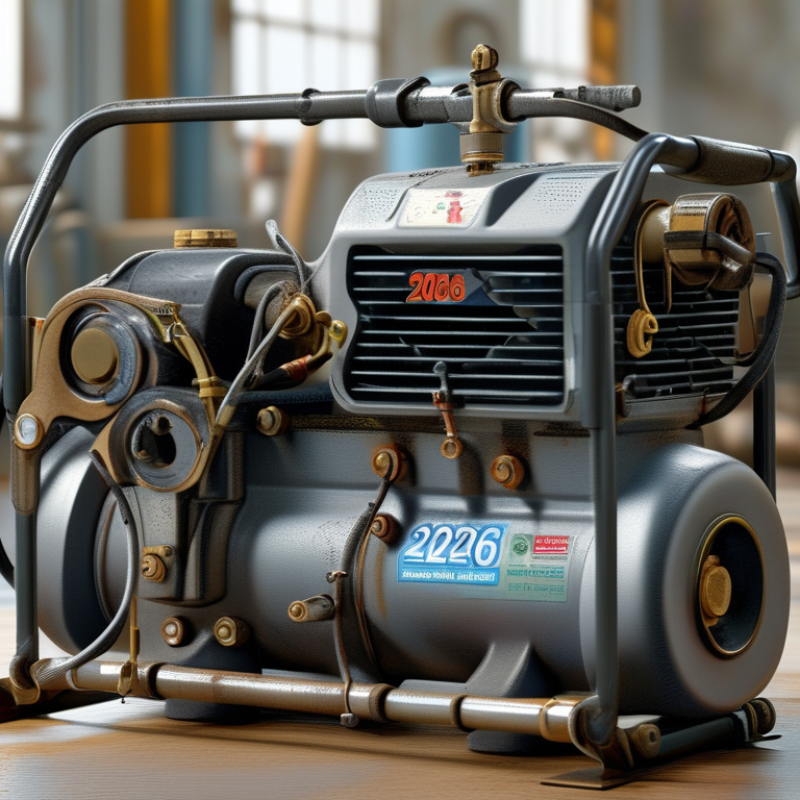
Understanding Air Compressor Types and Part Functions
How to Choose the Right Air Compressor Parts in 2026?
Understanding Air Compressor Types and Part Functions
Choosing the correct part starts with identifying the compressor type. Reciprocating compressors use pistons, cylinders, valves, and crankcase oil. Rotary screw compressors depend on rotors, air-oil separators, filters, and bearings. Centrifugal compressors use high-speed impellers, diffusers, and precision seals. Each system creates pressure differently. A piston valve cannot replace a screw compressor’s separator. That mistake can cause overheating, pressure loss, or contamination.
Match every part to the compressor model, operating pressure, airflow, temperature, and installation environment. Check the equipment manual and service records before ordering. A clogged intake filter may look harmless, but it can increase energy use and damage the air end. Worn seals often leave oil around pipe joints. Relief valves need special care because they protect against dangerous overpressure. Experienced technicians still make wrong assumptions when old labels fade. I have found that clear photographs and accurate measurements prevent expensive returns. Part compatibility is more than matching a shape.
Tips:
Record the serial number, pressure range, and running hours. Compare filter ratings, thread sizes, and seal materials. Inspect bearings for noise or vibration. Replace damaged fasteners instead of forcing them. When the fault is unclear, ask a qualified technician to test the system before replacing major parts. Small evidence matters.
Matching Parts to Pressure, Flow, and Operating Conditions
How to Choose the Right Air Compressor Parts in 2026?
Matching parts to pressure, flow, and operating conditions starts with measured demand. Do not choose a filter, valve, or separator by pipe size alone. Record working pressure, peak flow, inlet temperature, duty cycle, and pressure drop. The U.S. Department of Energy reports that compressed air leaks can waste 20–30% of compressor output. A poorly selected connection can quietly increase that loss. Check the actual pressure at the point of use, not only the compressor display.
Flow matters more than advertised capacity. A part rated for 10 bar may still restrict a high-volume system. The DOE’s Improving Compressed Air System Performance sourcebook recommends evaluating pressure drop across the entire distribution path. For moisture control, match the drain and separator to ambient humidity, compressor temperature, and oil carryover. The Carbon Trust also identifies leakage and inappropriate pressure settings as major efficiency opportunities in compressed air systems. Small details matter.
Operating conditions expose weak choices. Dusty workshops need stronger filtration plans. Cold rooms may require different seals and drain protection. Continuous-duty equipment needs parts rated for repeated cycling. A field mistake is replacing a clogged filter with a finer element without checking flow. Pressure improves briefly, then falls again. The first sizing pass is rarely perfect. Recheck readings after installation, especially during peak production, because a quiet pressure gauge can hide an expensive restriction.
How to Choose the Right Air Compressor Parts in 2026?
Matching parts to pressure, flow, and operating conditions
The chart shows typical design points for common compressed-air applications. Pressure-rated valves, hoses, separators, filters, and fittings should be selected above the maximum working pressure, while flow capacity should meet peak demand without creating excessive pressure loss. Actual part selection must also consider duty cycle, ambient temperature, air quality, moisture, and oil compatibility.
Checking Compatibility, Materials, and Manufacturer Specifications
Choosing air compressor parts in 2026 requires more than matching a product photo.
Check the compressor model, revision, operating pressure, flow rate, and connection size. A valve that looks identical may use a different thread. Measure twice. Record the shaft diameter, seal dimensions, and gasket thickness before ordering. Manufacturer specifications should be your primary reference, not a marketplace description. Compare the part number, drawing, service bulletin, and approved operating limits.
Material choice affects service life.
Use seals rated for the compressor’s lubricant and discharge temperature. Nitrile may suit common oil systems, while fluorocarbon compounds can handle higher heat. That is not universal. Check the specification sheet. For wear components, inspect hardness, corrosion resistance, and surface finish. A cheaper metal part may deform under repeated heat cycles.
I once focused too much on dimensions and overlooked material grade. The fit was correct, but early wear followed.
Before installation, compare the new part with the removed part under good lighting.
Check holes, threads, spring tension, and sealing faces. Clean the mating surfaces, then follow the stated torque values. Do not guess. Record batch details and installation date for future maintenance. If specifications conflict, pause and request written clarification from the manufacturer or a qualified technician. Online comments can help, but they cannot replace controlled test data.
Planning Installation, Maintenance, and Replacement Schedules
How to Choose the Right Air Compressor Parts in 2026?
Planning installation, maintenance, and replacement schedules should begin with operating data, not a parts catalogue. The U.S. Department of Energy’s Improving Compressed Air System Performance reports that compressed air may consume about 10% of industrial electricity. It also notes that leaks can waste 20% to 30% of compressor output. These figures make correct part selection an energy decision.
During installation, match filters, separators, drains, hoses, and valves to flow rate, pressure, temperature, and air quality. A filter that is too small creates pressure loss. A cheap drain can discharge valuable air continuously. Maintenance teams should record differential pressure, discharge temperature, vibration, and leakage levels. Replace parts by condition when possible. Calendar-only servicing can waste usable components, yet delaying replacement can damage the compressor.
Tips: Inspect intake filters monthly. Test leaks during quiet hours. Keep spare seals, belts, and drain kits onsite. The DOE sourcebook recommends checking system leaks regularly, while the Compressed Air Challenge stresses measurement before correction. That advice is practical, but not perfect: local dust, humidity, and duty cycles change every schedule. A six-month interval may suit one workshop and fail in another. Review records after each service, then adjust the plan for 2026. Small pressure losses matter.
Conclusion
Choosing the right Air Compressor Parts in 2026 starts with understanding how different compressor types operate and what each component does. Buyers should match parts to the required pressure, airflow, duty cycle, temperature, humidity, and surrounding conditions. Careful attention to dimensions, connection standards, materials, and manufacturer specifications helps ensure proper compatibility and dependable performance. Parts should also be evaluated for build quality, safety features, service life, and their effect on energy use and operating costs rather than judged by purchase price alone.
A practical selection process should include installation requirements, maintenance access, inspection intervals, and expected replacement timing. Keeping accurate service records makes it easier to identify wear, prevent unexpected downtime, and plan replacements before failures occur. By considering technical fit, operating conditions, total ownership cost, and long-term maintenance needs, users can select reliable parts that support efficient, safe, and consistent compressor operation throughout the equipment’s service life.

 Smart Air